Introduction
Artificial Intelligence (AI) is rapidly transforming the healthcare industry by offering innovative solutions to complex challenges. From improving diagnostic accuracy to streamlining hospital operations and enabling personalized treatments, AI is driving a revolution in healthcare software development. As the demand for AI-powered solutions grows, healthcare companies are turning to healthtech software solutions providers to develop the next generation of healthcare applications.
In this article, we will explore the key trends and opportunities AI presents for the healthcare industry, and how TMA Solutions, one of the top healthcare software development companies in Vietnam, is leading the way in AI-enabled healthcare solutions.
Key Trends in AI for Healthcare Software Development
AI-Driven Diagnostics
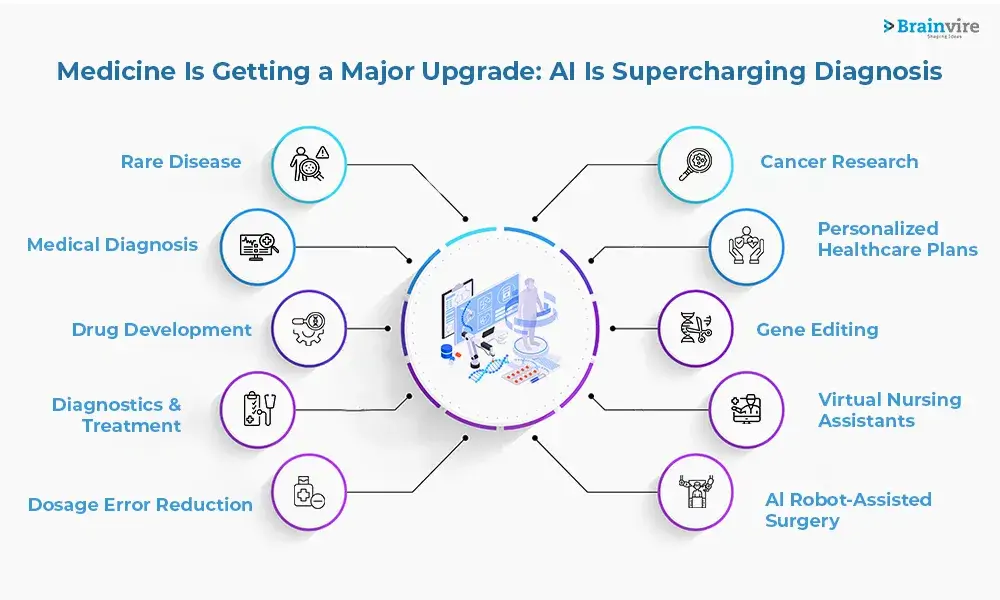
AI is already making significant strides in medical diagnostics. Through machine learning algorithms, AI can analyze large datasets, including medical images, patient histories, and genetic information, to identify patterns that may be overlooked by human clinicians. This trend is set to accelerate by 2025, with the AI in diagnostics market expected to reach $6.9 billion.
Opportunity: AI-driven diagnostics help doctors identify diseases earlier, improving outcomes and reducing treatment costs. AI models can assist in everything from reading medical imaging to predicting patient risks.
Personalized Medicine and Treatment Plans
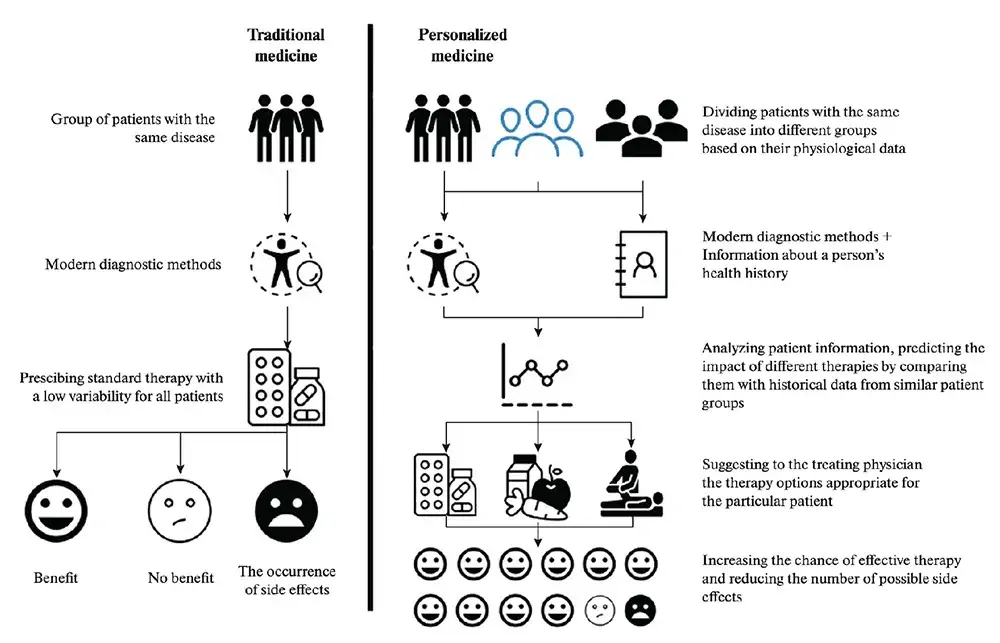
AI’s ability to analyze vast amounts of patient data has a direct impact on personalized medicine. By studying genetic data and patient histories, AI can help create tailored treatment plans that optimize care for individual patients.
Opportunity: AI in healthcare application development companies in Vietnam is revolutionizing the way treatments are tailored to patients. By integrating AI into healthcare apps, it’s possible to offer treatments that are more effective, faster, and more affordable, which is crucial in today’s healthcare environment.
AI in Healthcare Automation
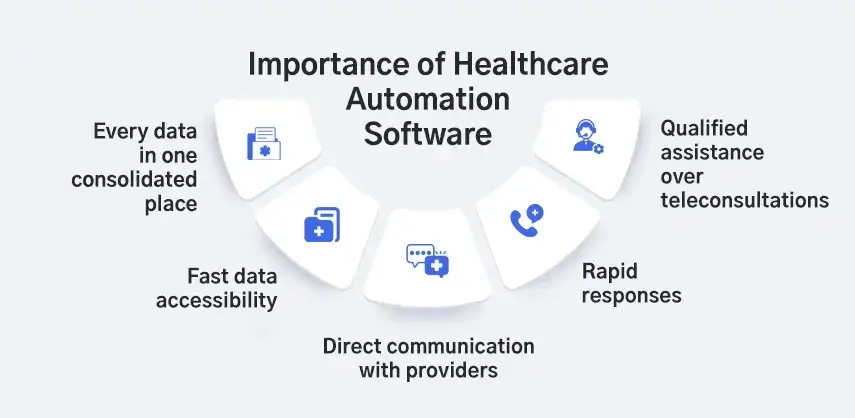
AI-powered automation is transforming administrative tasks in healthcare settings. From managing electronic health records (EHRs) to scheduling and claims processing, AI is reducing the manual workload for healthcare staff and allowing them to focus more on patient care.
Opportunity: With the global healthcare system facing workforce shortages, AI software development helps streamline operations and improve efficiency. Hospitals and clinics can reduce operational costs and improve patient experience with the help of healthcare software outsourcing for AI-powered automation.
AI-Powered Drug Discovery
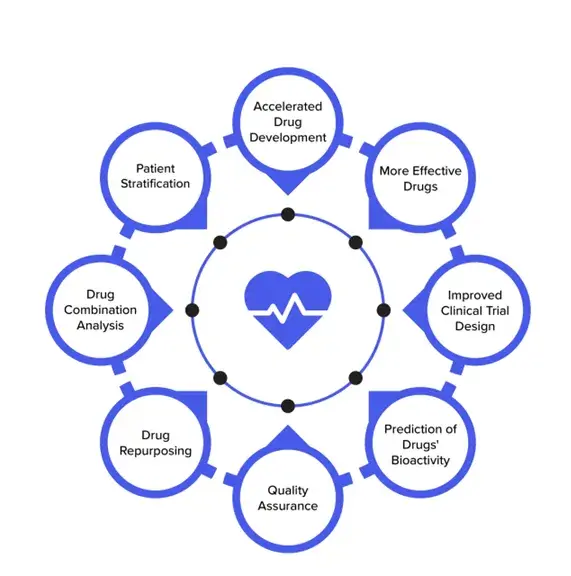
AI is accelerating the drug discovery process by predicting how certain molecules will behave. By leveraging AI for predictive analytics, pharmaceutical companies are speeding up the development of new treatments, reducing the time from research to approval.
Opportunity: The growing use of AI in drug development creates a wealth of opportunities for partnerships between medical software development companies and pharmaceutical companies. AI can help find solutions for rare diseases and optimize clinical trials.
AI for Predictive Healthcare and Early Intervention
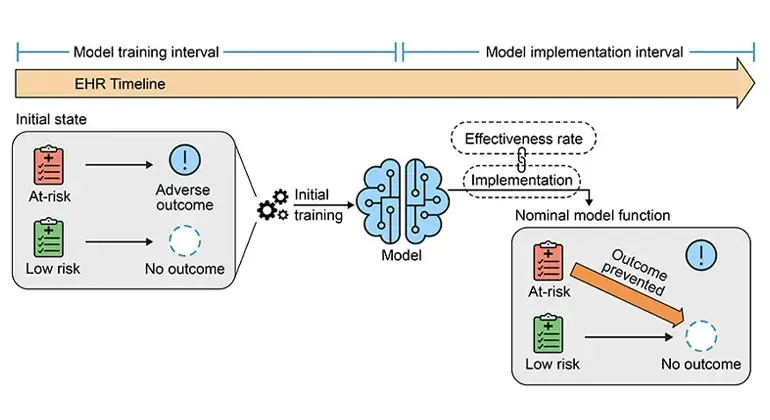
Predictive AI models use data from various sources, including wearables, medical records, and patient behavior, to predict potential health risks. This enables healthcare providers to intervene before a condition becomes severe, thus improving patient outcomes and reducing healthcare costs.
Opportunity: As the demand for preventive healthcare increases, AI-powered tools that monitor and analyze data in real-time are crucial. AI enables healthcare providers to offer personalized recommendations and reduce hospitalization rates with early intervention.
How TMA Solutions is Enabling AI in Healthcare
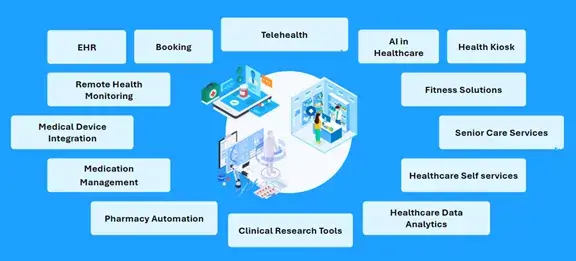
TMA Solutions is at the forefront of enabling AI in healthcare by providing custom AI-powered healthtech solutions that address the specific needs of healthcare organizations. Here’s how TMA Solutions is applying AI in real-world healthcare scenarios:
Case Study 1: AI-Enabled Diagnostic Tools for Healthcare Providers
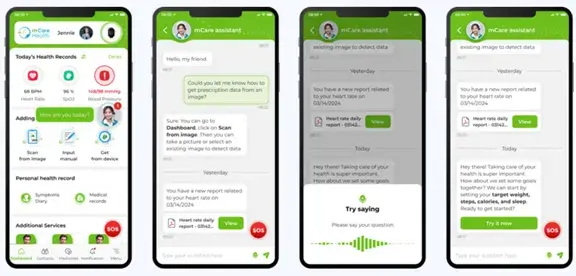
Trend Relevance: AI-Driven Diagnostics
TMA’s Role:
TMA Solutions has developed an AI-powered diagnostic tool for healthcare providers in Ireland. This tool leverages AI and machine learning to analyze medical images and predict patient conditions. By automating the diagnostic process, TMA’s solution reduces diagnostic errors and supports faster, more accurate decision-making.
Impact:
The solution has improved diagnostic accuracy by 20%, helping clinicians catch early signs of conditions that may otherwise go undetected. It has also reduced the time required to analyze medical images, streamlining hospital workflows.
Case Study 2: AI-Based Remote Monitoring for Chronic Disease Management
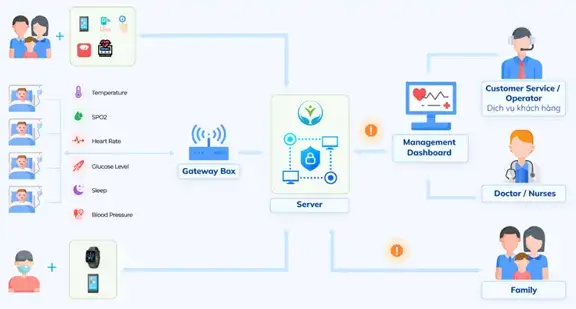
Trend Relevance: AI for Predictive Healthcare and Early Intervention
TMA’s Role:
TMA developed an AI-based remote monitoring system to help manage chronic diseases, such as diabetes and hypertension, for patients in Vietnam. The system collects real-time data from wearable devices, such as glucose monitors and blood pressure cuffs, and uses AI to predict potential health risks.
Impact:
This system allows healthcare providers to proactively manage patients' conditions, intervene early when necessary, and reduce hospital admissions. It has helped improve patient outcomes by providing continuous care without the need for frequent hospital visits.
Case Study 3: Custom Healthcare Mobile App for Personalized Treatment Plans
Trend Relevance: Personalized Medicine and Treatment Plans
TMA’s Role:
TMA created a custom healthcare mobile app that integrates AI algorithms to develop personalized treatment plans based on patients’ genetic data and medical history. The app helps doctors offer tailored treatments for patients with chronic conditions and rare diseases.
Impact:
The app has enabled doctors to optimize treatment plans for their patients, resulting in improved patient satisfaction and faster recovery times. This custom healthcare app development has enhanced the quality of care by providing more individualized, data-driven treatment options.
Why Choose TMA Solutions for AI in Healthcare?
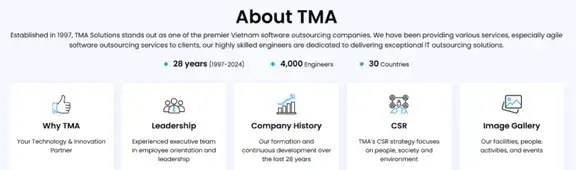
- Over 28 years of software development experience
- Expertise in AI-driven healthcare software solutions
- Proven track record of healthcare software outsourcing in AI and machine learning
- A strong portfolio of AI-based healthcare software solutions tailored to specific healthcare needs
Get Started with TMA Solutions
Are you ready to harness the power of AI to transform your healthcare business? TMA Solutions provides custom healthcare software solutions that leverage AI to improve diagnostics, optimize workflows, and enhance patient care.
Contact TMA Solutions today to learn how we can help you integrate AI into your healthcare solutions and drive innovation in your organization.


.webp_2026-10-01-18-27-07-971.webp)
.webp_2026-10-01-18-17-11-290.webp)
.webp_2026-10-01-18-08-26-854.webp)
.webp_2026-10-01-17-47-32-240.webp)