Home
Search
Found 797 results for “ “ keyword
icon
Remote Chronic Disease Monitoring For Homecare Providers...
icon
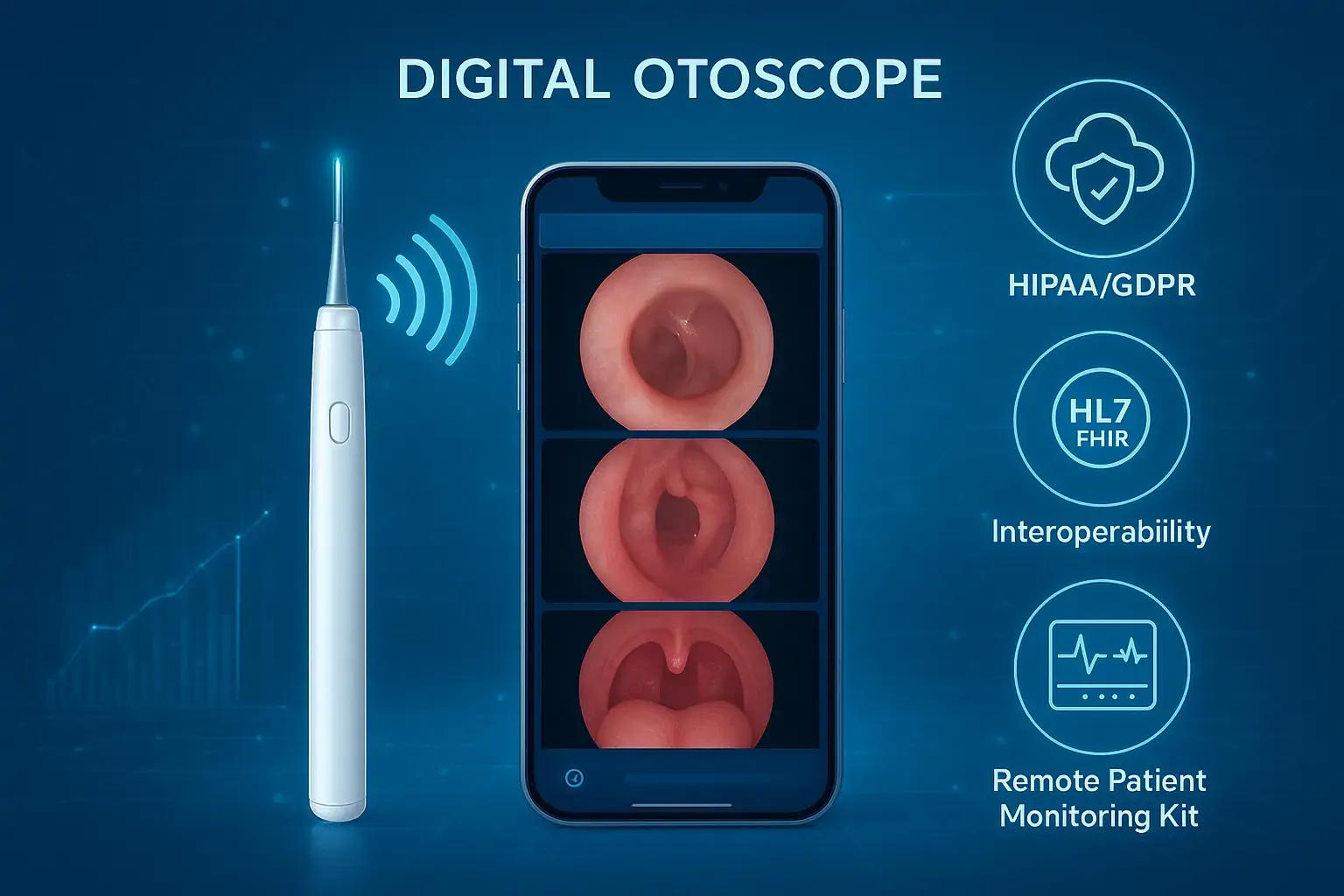
Remote Otoscope Technology and TMA Solutions’ Innovation Remote Otoscope Technology in Modern Telemedicine Digital otoscopes represent one of the most significant expansions in the scope of telemedicine diagnostics , extending remote care into t (ENT) and dermatology domains. Traditionally, an otoscope was confined to clinical settings, requiring a physician to directly examine the patient’s ear canal or throat. Today, remote otoscope devices combine high-definition micro-cameras, LED illumination, wireless connectivity to enable patients or caregivers to perform these exams at home — transmitting real-time imagery to clinicians anywhere in the world. From a clinical and technical perspective , the technology addresses several key dimensions: High-Quality Visualization : Modern digital otoscopes integrate HD or even 4K micro-cameras with LED illumination, producing diagnostic-quality visualization of the tympanic membrane, throat, and skin. This clarity enables physicians to detect otitis media, tympanic perforations, pharyngitis, tonsillitis, and dermatological lesions remotely. Zoom and image stabilization functions further enhance diagnostic accuracy. Telemedicine & Data Integration : Devices stream live video or capture still images, securely transmitted via telehealth apps or cloud platforms . In many systems, otoscope attachments form part of a modular home telehealth kit (alongside stethoscopes and exam cameras), creating a comprehensive remote exam capability. Data is encrypted end-to-end, ensuring compliance with HIPAA/GDPR while integrating into EHR platforms through HL7/FHIR standards. Multi-Purpose Examination : Though designed as “otoscopes,” these devices function as multi-purpose digital exam cameras , enabling examination of: Ears : middle ear infections, wax blockages, tympanic changes. Throat : pharyngitis, tonsillitis, post-surgical monitoring. Skin : rashes, wounds, lesions, post-procedural follow-up. This versatility expands the clinical scope of telemedicine into primary care, pediatrics, dermatology, ENT, and urgent care. Accessibility and Impact : Remote otoscope kits dramatically improve access to ENT/dermatology care. Parents can check a child’s earache at home, rural patients can avoid long-distance travel, and frail or mobility-limited patients can undergo exams without leaving home. Clinical studies show at-home otoscope use prevents up to 67% of unnecessary in-person visits , reducing cost and accelerating treatment. Clinical Value Proposition : By combining real-time visualization, rapid diagnosis, and secure data transfer, digital otoscopes bring ENT and dermatology into the mainstream of telemedicine. They not only shorten time-to-treatment but also provide reassurance and peace of mind to patients who otherwise face uncertainty before reaching a clinic. In summary, remote otoscope technology transforms what was once limited to physical clinics into a scalable, at-home telemedicine tool, enabling virtual ENT and dermatology consultations with diagnostic accuracy comparable to in-person exams. Figure 1: Smart Otoscope & Interoperability System How TMA Solutions Applies Otoscope Technology With over 15 years of expertise in digital health, IoT device integration, and telehealth platforms, TMA Solutions is well-positioned to extend its healthcare ecosystem with remote otoscope capabilities . While TMA does not currently market a proprietary otoscope device, its strength lies in building interoperable platforms that integrate diverse medical devices — from vital sign monitors to digital exam cameras. Key capabilities relevant to otoscope integration include: Remote Patient Monitoring (RPM) : TMA’s existing platforms already aggregate data from ECG monitors, SpO₂ sensors, blood pressure devices, and glucose meters , transmitting them securely to cloud dashboards for clinicians. An otoscope device would seamlessly plug into this framework, expanding RPM beyond vitals to include visual ENT and dermatology data. Telehealth Platform Integration : TMA’s telemedicine solutions combine video consultations, patient apps, and cloud analytics . Integrating an otoscope feed means a physician could review a live ear canal image during a video call, just as they would in an exam room. TMA’s HL7/FHIR-compatible architecture ensures otoscope images and videos can be attached to patient EHRs and shared with specialists. Security and Compliance : TMA emphasizes HIPAA/GDPR-compliant encryption, secure cloud storage, and role-based access controls across all its healthcare platforms. Otoscope images and videos would be transmitted with the same end-to-end safeguards, ensuring regulatory compliance. Scalability for Tele-ENT and Dermatology : Adding otoscope capability allows TMA to deliver a comprehensive virtual clinic solution , covering not only chronic disease management (via vitals monitoring) but also acute care scenarios like ear infections, sore throats, or skin conditions. This broadens the scope of services for hospitals, clinics, and home care providers using TMA’s platforms. In essence, TMA’s software-first, integration-driven approach means that remote otoscope technology is not a standalone product, but a natural extension of its digital health ecosystem — one that can be rapidly adopted when clients demand full-spectrum tele-exam capabilities. Case Study & Future Potential Although TMA has not yet deployed a proprietary otoscope device, the potential use cases are clear and compelling: Case Example: Pediatric Ear Infections Ear infections are one of the most common reasons for pediatric visits. A family using a smartphone-connected otoscope integrated into TMA’s telehealth platform could capture images of their child’s ear canal at home. A pediatrician reviewing the live feed confirms otitis media and prescribes antibiotics — avoiding an ER trip, saving cost, and reducing parental stress. Case Example: Tele-Dermatology Support A rural clinic nurse uses an otoscope/exam camera integrated into TMA’s system to document a patient’s skin rash. Images are transmitted to a dermatologist in a city hospital via TMA’s platform. Within hours, the dermatologist provides a diagnosis and treatment plan, eliminating weeks of waiting for an in-person referral. Case Example: Integrated ENT Exam in Telehealth Kiosks In a factory health kiosk powered by TMA’s telemedicine system, workers can use a digital otoscope to check ear/throat conditions alongside vital monitoring (ECG, BP, SpO₂). A remote physician evaluates the results instantly, providing occupational health support on-site. These scenarios highlight the clinical and economic benefits of otoscope-enabled telemedicine: fewer unnecessary visits, faster treatment, reduced costs, and broader healthcare access. Looking forward, AI-enhanced otoscope integration could become a differentiator for TMA, where automated image analysis supports early detection of ENT or dermatological conditions , further improving efficiency and accuracy of remote consultations. Figure 2: Intergrated Device and Health Management System Research-Backed Clinical Impact Multiple peer-reviewed studies and pilot programs have validated the clinical effectiveness and safety of remote otoscope technology in both pediatric and adult care. The evidence demonstrates that these devices not only improve diagnostic accuracy but also reduce unnecessary in-person consultations and healthcare costs: Diagnostic Accuracy Comparable to In-Person Exams: A 2021 study published in JAMA Network Open compared smartphone-enabled otoscope exams with traditional in-office otoscopy. The results showed over 85% diagnostic concordance between remote and in-person findings for conditions such as otitis media, otitis externa, and tympanic membrane perforations. Reduction in Unnecessary Visits : A large-scale pediatric tele-ENT program in the U.S. demonstrated that remote otoscope use prevented up to 67% of unnecessary emergency department visits for ear pain and suspected infections. Parents were able to transmit high-quality tympanic images, allowing physicians to confidently triage cases that required antibiotics versus those that could be managed with observation. Clinical Utility Beyond ENT : Studies in tele-dermatology have shown that otoscope-derived high-resolution images provide sufficient detail for accurate diagnosis of common dermatological conditions, with diagnostic accuracy exceeding 80% compared to dermatologists’ in-person evaluations. This expands its use beyond ENT into wound care and dermatology follow-up. Improved Pediatric Care Access: According to research in Telemedicine and e-Health (2020) , parents using home otoscopes reduced time-to-diagnosis for children with suspected ear infections from 3–5 days to under 24 hours , significantly improving outcomes and reducing complications such as mastoiditis. Patient Satisfaction and Engagement: Surveys across multiple telehealth pilots revealed that over 90% of patients and caregivers felt more reassured using a remote otoscope at home. This confidence not only improved adherence to follow-up care but also strengthened trust in telemedicine platforms. Clinical Implications These findings confirm that digital otoscope devices provide clinical-grade diagnostic value , enabling ENT and dermatology evaluations to be delivered remotely without compromising quality. For telemedicine platforms such as those developed by TMA Solutions , this means not only expanding service scope but also offering evidence-backed assurance to clients, providers, and payers that the technology is safe, accurate, and cost-effective....
icon
Remote Patient Monitoring For Chronic Disease Management In Elderly Care Emerging Technologies Shaping the Future of RPM Remote monitoring solutions continue to evolve alongside advances in AI and connected healthcare technologies. Artificial Intelligence and Predictive Analytics AI enables healthcare organizations to move from reactive treatment toward predictive and preventive care. AI Applications in Chronic Disease Management Artificial intelligence can support: Predictive analytics. Early warning systems. Personalized care recommendations. Risk stratification. By analyzing health trends over time, AI helps clinicians identify high-risk individuals and intervene before conditions worsen. Wearable Devices and IoT Ecosystems Wearable technologies and the Internet of Medical Things (IoMT) are expanding the scope of remote monitoring. Technologies Driving RPM Innovation Modern RPM ecosystems increasingly incorporate: Wearable devices. Home medical equipment. IoT sensors. Cloud platforms. Mobile health applications. Building Connected Healthcare Environments These technologies facilitate: Continuous data collection. Real-time communication. Device interoperability. More coordinated care delivery. Key Challenges in Implementing Remote Patient Monitoring Despite its growing adoption, implementing remote patient monitoring programs presents several technical, operational, and user-related challenges. Healthcare organizations must address these barriers to maximize the benefits of RPM and ensure long-term sustainability. Technical & Integration Barriers Patient information is often distributed across multiple systems, devices, and applications. Without seamless interoperability, healthcare providers may struggle to obtain a complete view of patient health. System Interoperability: RPM devices from various manufacturers often use different protocols, making it difficult to feed data seamlessly into a centralized Electronic Health Record (EHR) system. Connectivity Issues: RPM relies on reliable internet and mobile networks. Rural or underserved areas may experience intermittent transmission, leading to gaps in monitoring and delayed responses. Data Overload: Continuous streams of vital signs can overwhelm clinical staff. Without smart alerting systems, filtering out irrelevant data and detecting actionable anomalies becomes a major administrative burden. Patient Engagement and Digital Literacy Successful remote monitoring depends not only on technology but also on patient participation and adherence. This can be particularly challenging among elderly populations with varying levels of digital literacy, including: Low Digital Literacy: Many patients, particularly elderly demographics, struggle to properly use, calibrate, or wear connected devices. Accessibility and Cost: Patients may face significant out-of-pocket costs for devices and cellular data plans if their insurance does not cover the service entirely. Privacy, Cybersecurity and Compliance As remote monitoring systems handle increasing amounts of sensitive patient data, healthcare organizations must navigate both cybersecurity threats and complex regulatory requirements. Common challenges include: Data Breaches: Transmitting sensitive physiological data across networks makes RPM devices and cloud servers highly susceptible to cyberattacks. Regulatory Complexities: Providers must adhere to stringent medical data privacy laws (such as HIPAA in the United States) while also dealing with varying state-level licensing and regional guidelines. According to the U.S. Department of Health and Human Services (HHS), privacy and security remain foundational requirements for telehealth and remote patient monitoring technologies. The Future of Remote Patient Monitoring in Elderly Care The combination of artificial intelligence, wearable technologies, and connected healthcare ecosystems is transforming the management of chronic diseases among older adults. As healthcare systems shift toward preventive and home-based care models, remote patient monitoring is expected to play an increasingly important role in improving patient outcomes and optimizing healthcare resources. Emerging Trends Driving RPM Innovation Several technologies are shaping the next generation of remote monitoring solutions. These developments include: AI-driven predictive analytics. Advanced wearable devices. Internet of Medical Things (IoMT). Digital therapeutics. Personalized healthcare platforms. Moving Toward More Proactive Healthcare Future RPM systems will enable healthcare organizations to: Detect health risks earlier. Deliver more personalized interventions. Improve long-term disease management. Support healthy aging and independent living. Digital Solutions Supporting Chronic Disease Management with TMA Solutions About TMA TMA Solutions is a leading healthcare software development company in Vietnam As healthcare organizations increasingly embrace digital transformation, TMA Solutions provides intelligent healthcare solutions that support remote patient monitoring, telehealth, and chronic disease management. By integrating AI, IoT, cloud technologies, and wearable devices, TMA Solutions helps healthcare providers deliver more personalized and proactive care for aging populations. Founded in 1997, https://www.tmasolutions.com/ TMA Solutions is one of Vietnam’s most experienced and largest software outsourcing companies. With nearly 30 years of delivering digital solutions to global clients, TMA Solutions is one of Vietnam's leading technology companies, helping healthcare providers accelerate digital transformation and improve patient outcomes. Through solutions such as mCare, MateCare and a broad portfolio of digital health offerings, TMA enables remote patient monitoring, telehealth services, wearable integration, and intelligent healthcare analytics. These capabilities help healthcare organizations deliver more continuous, personalized, and proactive care for elderly patients with chronic diseases while supporting the transition toward preventive and home-based healthcare models. Case studies implemented by TMA Solutions 1. MateCare – An AI-Enabled Companion for Elderly Care Challenge: As populations age, many elderly individuals face challenges related to loneliness, medication adherence, and managing daily routines. Family members and caregivers often struggle to provide continuous support, while healthcare systems are under increasing pressure to deliver more personalized and home-based care. There was a growing need for an intelligent solution that could enhance seniors' quality of life while helping caregivers monitor their well-being more effectively. Solution: TMA Solutions developed MateCare, an AI-powered companion designed to support elderly individuals through conversational AI and proactive wellness assistance. Voice-Based AI Companion: Enables natural interactions and provides emotional support through human-like conversations. Daily Routine Management: Helps seniors manage medications, meals, appointments, and exercise schedules through personalized reminders. Intelligent Safety Monitoring: Detects signs of distress and sends alerts to caregivers or family members when emergency situations are identified. Proactive Engagement Engine: Initiates conversations and wellness check-ins to encourage social interaction and support mental well-being. Business Outcomes: Improved emotional well-being and reduced feelings of loneliness among elderly users. Increased adherence to medications and daily health routines. Enhanced safety through intelligent monitoring and timely alerts. Reduced burden on caregivers through continuous AI-assisted support. Promoted independent living and improved quality of life for aging populations. >> Read more at:https://www.tmasolutions.com/case-studies/a-recruitment-solution-for-employers-with-automatic-cv-input https://www.tmasolutions.com/case-studies/matecare-the-ai-enabled-companion-for-elderly MateCare – An AI-Enabled Companion for Elderly Care Case study: MateCare – An AI-Enabled Companion for Elderly Care 2. Leveraging Next-Generation Virtual Care for Enhanced Patient Engagement Challenge: Healthcare providers were seeking more effective ways to improve patient engagement and deliver continuous care beyond traditional clinical settings. Limited access to healthcare services, fragmented communication, and the growing demand for remote care highlighted the need for a more connected and patient-centric virtual care experience. Solution: TMA Solutions developed a next-generation virtual care platform that combines telehealth capabilities, remote patient monitoring, and digital engagement tools to improve communication and strengthen patient-provider relationships. Virtual Consultation Platform: Enables patients to connect with healthcare professionals remotely through secure online interactions. Remote Patient Monitoring: Supports continuous tracking of health conditions and facilitates timely interventions. Patient Engagement Tools: Provide personalized reminders, notifications, and health management support to encourage active participation in care plans. Integrated Healthcare Ecosystem: Connects patients, providers, and caregivers through a unified digital platform for more coordinated care. Business Outcomes: Improved patient engagement and satisfaction. Enhanced accessibility to healthcare services. Increased continuity of care beyond hospital settings. Strengthened communication between patients and healthcare providers. Supported more proactive and personalized care delivery. >> Read more at:https://www.tmasolutions.com/case-studies/a-recruitment-solution-for-employers-with-automatic-cv-input https://www.tmasolutions.com/case-studies/leveraging-next-generation-virtual-care-for-enhanced-patient-engagement Leveraging Next-Generation Virtual Care for Enhanced Patient Engagement Case study: Leveraging Next-Generation Virtual Care for Enhanced Patient Engagement Conclusion Remote patient monitoring for chronic disease management in elderly care is transforming healthcare delivery by enabling continuous, personalized, and proactive care. Through the integration of wearable devices, AI, IoT, and digital health platforms, healthcare providers can improve patient outcomes, enhance engagement, and reduce unnecessary hospitalizations. As the demand for home-based and preventive care continues to grow, RPM technologies will become increasingly important in supporting healthy aging and addressing the rising burden of chronic diseases. By investing in connected healthcare solutions today, organizations can build more resilient and patient-centered care models for the future. Healthcare systems around the world are facing mounting challenges as populations age and chronic diseases become increasingly common across many countries. In France, data from the National Institute of Statistics and Economic Studies (INSEE) shows that approximately 17 million people, or 25.6% of the population, are aged 60 and above, with this figure projected to reach nearly 24 million by 2050. As the elderly population continues to grow, healthcare systems are facing increasing demand for medical services, homecare support, and specialized treatments. Since many older adults live with multiple chronic conditions and require ongoing treatment, healthcare providers are under pressure to deliver more continuous and efficient care while controlling rising healthcare costs. According to the National Council on Aging (NCOA), nearly 95% of adults aged 60 and older have at least one chronic condition, while almost 80% live with two or more. These trends are accelerating the shift toward home-based and preventive care models, where remote patient monitoring (RPM) plays a critical role. Against this backdrop, remote patient monitoring (RPM) is gaining momentum as a promising approach to chronic disease management in elderly care. Remote patient monitoring for chronic disease management in elderly care enables healthcare providers to track health conditions outside traditional clinical settings, facilitating earlier interventions, improving patient engagement, and reducing avoidable hospital visits. What Is Remote Patient Monitoring in Elderly Care? https://www.tmainnovation.com/healthcare/data-collection-monitoring/vital-sign-collection-monitoring Remote patient monitoring (RPM) refers to the use of connected devices, sensors, and digital health platforms to collect and transmit patient health data to healthcare providers in real time. According to the U.S. Centers for Medicare & Medicaid Services (CMS), RPM allows clinicians to monitor physiological data remotely and support ongoing disease management between in-person visits. Traditional healthcare models often rely on periodic visits and reactive interventions. In contrast, RPM enables continuous visibility into patient conditions, allowing healthcare providers to deliver more proactive and personalized care. Key Components of Remote Monitoring Systems Remote Patient Monitoring (RPM) systems use connected technology to track elderly health data outside of traditional clinical settings. These systems enable proactive medical care, reduce hospitalizations, and allow clinicians to efficiently manage both acute and chronic conditions, including: Wearable Biosensors: Patches or continuous trackers that monitor heart rhythms, body temperature, or sleep patterns. Patient App/Portal: Mobile applications or tablets that allow patients to view their own health data, log symptoms, complete surveys, and communicate directly with providers. AI Integration: Artificial intelligence algorithms help prioritize patients for follow-ups and can predict potential medical deteriorations before they escalate. Common Health Parameters Monitored These technologies enable continuous tracking of various physiological indicators, such as: Vital Sign Monitors: Such as digital blood pressure cuffs, ECG monitors, and pulse oximeters. Disease-Specific Devices: Including blood glucose meters for diabetes management and smart inhalers for asthma. Sleep Quality : Tracks duration, consistency, and time spent in different sleep stages (e.g., REM, Deep). Heart Rate Variability (HRV) : The variation in the time between consecutive heartbeats. High HRV generally indicates better cardiovascular fitness and recovery. Why Chronic Disease Management Is Critical for Aging Populations Chronic disease management is critical for aging populations because it preserves mobility, maintains independence, and prevents acute medical crises. With nearly 95% of older adults living with at least one chronic condition, proactive care reduces the risk of dangerous complications, avoids costly hospitalizations, and significantly improves overall quality of life. The Growing Burden of Chronic Diseases According to the World Health Organization (WHO), chronic diseases account for approximately 74% of all deaths globally. Cardiovascular diseases, cancer, chronic respiratory diseases, and diabetes remain among the leading causes of mortality, highlighting the growing need for long-term and continuous care. Conditions Commonly Managed Through Remote Monitoring Remote patient monitoring (RPM) is transforming chronic care by enabling continuous, real-time tracking of biometric data from the patient’s home, including: Hypertension. Diabetes and metabolic disorders. Heart failure and cardiovascular diseases. Chronic obstructive pulmonary disease (COPD). Sleep disorders. Supporting Better Long-Term Outcomes Access to real-time health insights allows healthcare providers to deliver more proactive and personalized care, contributing to better long-term outcomes by: Identify early signs of deterioration. Optimize treatment plans. Improve medication adherence. Reduce avoidable complications. Promoting Healthy Aging and Independence Remote monitoring technologies help seniors remain independent while staying connected to healthcare providers and caregivers. Benefits for Elderly Individuals By enabling continuous care, RPM solutions can help: Support aging in place. Reduce unnecessary hospital visits. Improve quality of life. Increase patient engagement. Benefits for Family Members and Caregivers Real-time visibility into health conditions provides reassurance and strengthens care coordination. These capabilities enable caregivers to: Receive emergency notifications. Monitor long-term health trends. Respond more quickly to critical events. Improve communication with healthcare providers. How Remote Patient Monitoring Works Remote patient monitoring systems rely on connected technologies that continuously collect, transmit, and analyze health information. Health data generated by wearable devices and home medical equipment is transmitted to digital platforms, where it can be analyzed and made available to clinicians. Devices Commonly Used in RPM Healthcare organizations deploy a wide range of connected devices to support elderly care, including: Smartwatches and fitness trackers. Blood pressure monitors. Pulse oximeters. Continuous glucose monitoring devices. ECG patches. Smart scales. Turning Data Into Actionable Insights AI and analytics technologies help healthcare providers transform raw data into meaningful information by: Detecting abnormalities earlier. Generating automated alerts. Prioritizing high-risk patients. Supporting clinical decision-making. Evidence Supporting Remote Patient Monitoring Remote patient monitoring (RPM) is transforming chronic care by shifting the focus from reactive, episodic visits to proactive, continuous management. By leveraging digital medical devices, RPM allows providers to continuously track patient vitals outside clinical settings, catching critical issues early and significantly reducing unnecessary hospitalizations. The comprehensive review, published on MDPI, evaluated clinical data trends and highlighted several operational areas in which RPM adds value to traditional care: Improving Clinical Outcomes A systematic review of 272 studies found that remote patient monitoring significantly improves patient care and treatment outcomes by enabling earlier disease detection and reducing mortality and hospital readmissions. Supporting Cardiovascular Disease Management Nearly half of the studies included in the review focused on cardiovascular disease, highlighting the importance of continuous monitoring for managing heart-related conditions. Expanding Applications Across Chronic Diseases Remote patient monitoring has also demonstrated positive outcomes in diabetes management and other chronic conditions. Clinical studies have shown that RPM can achieve outcomes comparable to traditional in-person interventions while improving convenience and patient engagement....
icon
Remote patient monitoring: Reducing hospital readmissions with wearables...
icon
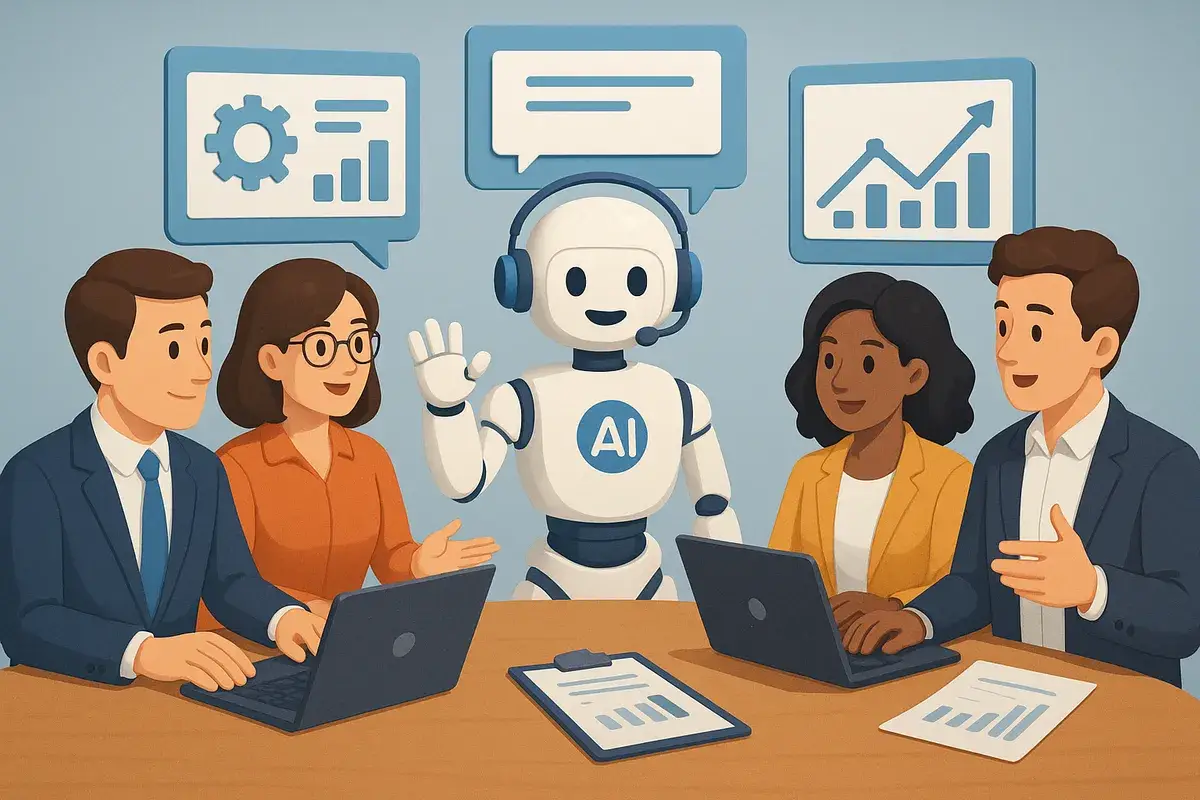
Conclusion AI agents are transforming enterprise operations by replacing repetitive manual workflows with more intelligent and scalable operational systems. As businesses continue accelerating digital transformation initiatives, AI technologies will play an increasingly important role in improving operational efficiency, reducing costs, and supporting faster business decisions. Organizations investing in enterprise AI today will be better positioned to optimize workflows, improve scalability, and adapt to future operational demands in the evolving digital economy. The Role of Vietnam in Enterprise AI Development Vietnam is becoming an increasingly attractive destination for enterprise AI development because of its strong engineering talent, competitive costs, and expanding expertise in intelligent automation technologies. Growing Expertise in Enterprise AI Solutions Vietnamese technology companies are strengthening capabilities in: AI integration services Intelligent automation Cloud infrastructure Enterprise software engineering AI driven analytics This growing expertise allows businesses to build scalable AI systems while maintaining operational flexibility and cost efficiency. Long Term Technology Partnership Advantages Enterprises today are looking beyond short term outsourcing models and searching for long term innovation partners capable of supporting continuous optimization and digital transformation. For organizations seeking scalable enterprise AI systems, partnering with a custom AI Agent development company in Vietnam is becoming an increasingly strategic decision. Accelerating Enterprise AI Adoption with TMA Solutions TMA Solutions helps enterprises unlock the value of AI through AI Agents As organizations accelerate AI adoption, success depends on more than implementing standalone AI tools. Enterprises need a trusted technology partner capable of transforming AI concepts into scalable business solutions that deliver measurable operational value. Leveraging its AI Agent Factory and extensive AI expertise, TMA Solutions helps businesses design, develop, and deploy intelligent AI agents tailored to specific operational needs. These AI agents can automate complex workflows, enhance decision making, improve customer interactions, and support enterprise productivity at scale. The comprehensive AI Agent framework TMA provides including: Foundation AI models: Provides machine learning, computer vision, and language models tailored to business needs. AI Agent Development Framework: Enables rapid AI agent creation through no-code, low-code, and custom development options. Enterprise & Tool Integration: Connects AI agents with enterprise applications, databases, and business systems. Agentic Orchestration & Management Engine: Manages multi-agent workflows, knowledge retrieval, monitoring, and governance. Cross-Platform Deployment: Supports flexible deployment across cloud and on-premises environments. Introduction Replacing manual workflows with AI agents fundamentally shifts operations to autonomous systems. Enterprises across industries are under growing pressure to improve operational efficiency while managing increasing workloads and rising business costs. Many organizations still depend heavily on manual workflows for tasks such as document processing, reporting, customer support, scheduling, and operational coordination. These repetitive activities often slow down business operations, reduce productivity, and create operational bottlenecks that affect scalability. As a result, businesses are increasingly adopting https://www.tmasolutions.com/ai-agent AI agents to automate workflows, improve operational visibility, and support faster decision making. According to McKinsey, generative AI technologies could contribute up to $4.4 trillion annually to the global economy through productivity improvements and operational optimization. This shift is driving growing demand for an AI Agent development company from Vietnam capable of building scalable enterprise AI systems aligned with long term business transformation goals. How AI Agents Transform Enterprise Operations AI agents are software systems that can understand objectives, analyze information, make decisions, and execute tasks with minimal human intervention. Rather than following a fixed set of rules, they can adapt to changing conditions, coordinate multiple actions, and continuously improve workflow execution based on context and available data. According to Anwer's research, organizations using agentic AI typically see a 40–60% reduction in manual effort, faster decision cycles, and the reallocation of human capital toward higher-level strategic and creative work. Intelligent Automation Improves Workflow Speed Unlike traditional automation tools that rely strictly on predefined rules, AI agents can analyze context, process information dynamically, and support more flexible operational execution. Organizations are using AI agents to automate: Customer support operations Internal workflow management Financial reporting Document processing Operational monitoring Capgemini Research Institute reveals 82% of organizations plan to integrate AI agents within the next one to three years, while enterprises expect AI agents to automate repetitive tasks, improve operational efficiency, and support more autonomous business processes. AI Agents Improve Decision Making Beyond workflow automation, AI agents also help enterprises make faster and more informed decisions. AI systems can analyze operational patterns, identify workflow inefficiencies, and generate real time insights that support business optimization. This allows organizations to improve resource allocation, reduce operational delays, and optimize workforce productivity more effectively. As enterprises continue modernizing infrastructure, many organizations are evaluating partnerships with providers specializing in top AI Agent development in Vietnam because of the region’s growing expertise in enterprise AI technologies. The Limitations of Traditional Workflow Automation Traditional operational models often rely on repetitive human intervention across multiple departments. While these workflows helped organizations manage operations in the past, they are becoming increasingly difficult to scale efficiently in modern digital environments. Manual Processes Reduce Operational Efficiency Employees in many organizations spend significant amounts of time on administrative and repetitive activities such as: Data entry and validation Email management Report generation Workflow coordination Customer request processing These tasks consume operational resources while limiting employee productivity and slowing execution speed. According to Deloitte, organizations adopting AI technologies are already seeing measurable improvements in operational efficiency and workforce productivity. Business Complexity Continues Increasing Modern enterprises process larger volumes of data and customer interactions than ever before. Managing these operations manually often creates delays, inconsistencies, and communication gaps between departments. AI agents help organizations reduce these inefficiencies by automating operational processes and improving workflow coordination in real time. This allows enterprises to scale operations more effectively without significantly increasing operational overhead. Replacing Manual Workflows With AI Agents: Real Impact...
icon
Applications of RPA RPA is being widely adopted to automate repetitive and high-volume tasks, allowing employees to focus on more strategic initiatives. Industry applications RPA is being leveraged across various industries to optimize workflows and improve accuracy. Some key sectors benefiting from RPA include: Financial services: Banks, insurance companies, and investment firms use RPA to automate processes like loan processing, fraud detection, regulatory compliance, and account reconciliation. Healthcare: RPA is improving patient care by automating administrative tasks such as claims processing, billing, and medical record management. Manufacturing: Automation helps streamline supply chain management, inventory tracking, and quality control processes. Public sector: Government agencies implement RPA for tax processing, social services, and public records management, enhancing efficiency and reducing manual workloads. Retail: Retailers leverage RPA for order processing, client service automation, pricing adjustments, and inventory management. Functional areas of RPA implementation RPA is not limited to specific industries, it is also widely applicable across different business functions. Key areas where organizations implement RPA include: Finance & Accounting: Automating accounts payable/receivable, invoice processing, financial reporting, and tax compliance. Compliance & Legal: Ensuring adherence to regulatory standards by automating audits, document verification, and compliance monitoring. Client service: Enhancing client support by using bots for handling routine inquiries, processing refunds, and updating client information. Operations & Supply chain: Automating logistics, order fulfillment, and procurement to optimize operational efficiency. IT & Helpdesk support: RPA is used in IT for system monitoring, password resets, ticket management, and cybersecurity threat detection. The expanding scope of RPA RPA is widely adopted because it is highly versatile. Any process that is high-volume, rule-based, and repetitive is an excellent candidate for automation. Moreover, as artificial intelligence (AI) advances, RPA is increasingly being integrated with AI-powered cognitive automation to handle more complex tasks that involve decision-making and predictive analytics. Streamline Operations with a RPA Development Company - TMA Solutions Industry-specific RPA implementations by TMA TMA Solutions is an RPA solution provider that helps industries overcome operational challenges, enhance efficiency, and achieve better outcomes. By leveraging cutting-edge automation technologies, TMA transforms processes across various sectors, enabling businesses to operate smarter and faster. Logistics TMA’s RPA solutions streamline logistics operations by automating routine tasks such as account creation, inventory management, and cash-on-delivery transactions. These solutions improve accuracy and speed in logistics data processing, providing better data for informed decision-making, while automated traffic image processing ensures smooth and efficient operations. Additionally, debt reminder automation enhances financial management by ensuring timely follow-ups. Finance In the finance sector, TMA’s RPA solutions optimize processes such as insurance claim approvals, mismatch detection in financial reports, and document parsing for ID cards and driver’s licenses. Automated OCR for bank and tax statements ensures precise data extraction, while stock monitoring notifications and letter of credit (LC) reminders enhance financial oversight and ensure timely actions. Human resources TMA helps HR teams automate critical workflows like resume input, document parsing, and job-candidate matching. These solutions provide faster and more accurate information, automating key steps in the decision-making process and enabling faster and more accurate hiring decisions. Additionally, automated onboarding processes streamline employee integration, saving time and reducing administrative burdens. E-commerce For e-commerce businesses, TMA’s RPA solutions improve product management by automating brand labeling, product description optimization, and content generation. The vendor application process is also streamlined, ensuring faster and more efficient onboarding of partners. By delivering over 20+ industry-specific RPA solutions, TMA empowers businesses to focus on strategic goals, reduce operational costs, and achieve higher productivity. These tailored solutions and successful implementations ensure that every sector can benefit from streamlined processes to drive growth and operational excellence. Choosing the right RPA development company is key to unlocking the full potential of digital transformation for your business. TMA Solutions stands out with its comprehensive RPA services, industry expertise, and commitment to delivering tailored solutions that drive efficiency, accuracy, and growth. This commitment to quality and successful implementation also contributes to strong client retention. With proven success in logistics, finance, e-commerce, and human resources, TMA empowers businesses to streamline processes, reduce costs, and enhance productivity. By partnering with TMA Solutions, your organization can stay competitive and achieve sustainable growth through cutting-edge automation. Why should choose TMA as your RPA development company Selecting the right RPA development company is crucial for achieving successful automation outcomes. TMA Solutions excels in providing comprehensive RPA services tailored to drive efficiency and growth. Overview of TMA RPA center TMA Solutions offers comprehensive Robotic Process Automation (RPA) services designed for transforming business operations, enhancing efficiency, and driving sustainable growth. With over 7 years of experience, TMA has established itself as a leader in RPA development. Backed by a team of 100+ skilled engineers, the company excels at identifying automation opportunities and delivering tailored automated solutions. TMA RPA Center specializes in crafting advanced workflow optimization strategies by leveraging cutting-edge technologies. With 20+ available solutions, we address diverse business challenges and streamline workflows to eliminate repetitive tasks, improve accuracy, and boost productivity. TMA Solutions delivers tailored RPA solutions enhancing productivity What sets TMA RPA Center apart from other RPA development companies: Customization and flexibility: TMA RPA solution is tailored to align with specific client requirements, ensuring solutions that address unique challenges and business objectives. Cost reduction solutions: TMA RPA solution provides significantly lower costs compared to traditional RPA software, without compromising on efficiency or reliability. Proven success: TMA RPA solution has been successfully applied and deployed within TMA and for numerous clients, demonstrating its effectiveness in real-world scenarios. Our approach combines deep analysis of business workflows with tailored solutions that maximize ROI and optimize operational performance. With TMA’s RPA expertise, you can achieve faster, error-free processes while empowering your workforce to focus on high-value activities. TMA RPA platforms supported TMA RPA Center leverages industry-leading platforms to deliver tailored automated solutions: UiPath: A versatile platform known for its scalability and ease of use, enabling seamless integration across various business processes. Automation Anywhere: Offers powerful tools for automating complex workflows with advanced AI capabilities, enabling cognitive automation for tasks like document understanding and sentiment analysis. Blue Prism: A highly secure and reliable platform ideal for large-scale enterprise automation. Power Automate: A user-friendly solution by Microsoft that streamlines workflows through its integration with the Microsoft ecosystem. These platforms allow TMA to address diverse business needs with precision, efficiency, and flexibility. RPA development process TMA Solutions, a leading company in RPA software development, follows a structured and efficient development process improvement to deliver tailored automation solutions for its clients. TMA Solutions delivers tailored RPA through structured processes The process involves four key steps: Understand TMA begins by understanding the client’s working processes and gathering detailed information about the tools and effort required for each task. This ensures a deep understanding of operational workflows and potential areas for process streamlining. Analyze The next step involves analyzing the client’s system by breaking down processes and identifying tasks that can be automated. Inputs such as images, videos, voice, and text are evaluated to determine the best approach for automation. Structure TMA structures the automation strategy by listing all parts of the processes that can be automated. Key tools include document parsing, ID card parsing, license parsing, OCR, and video analytics to streamline and optimize workflows. Proposal Finally, TMA provides a comprehensive proposal outlining tailored automation solutions, including options, benefits, and a roadmap for trial and production. This ensures clarity and alignment with the client’s goals while delivering a scalable and efficient RPA solution. TMA RPA Services TMA Solutions, an RPA development company, offers comprehensive Robotic Process Automation (RPA) services. These include custom software development to deliver tailored automation solutions that streamline operations, enhance efficiency, and help businesses achieve their automation goals. Our end-to-end services ensure solutions that align with your unique business needs. TMA Solutions delivers customized RPA services to optimize operations TMA's RPA services encompass the following offerings: Analysis TMA conducts an in-depth analysis of your business processes to identify areas that can benefit most from digitization. Our experts evaluate workflows and recommend tailored solutions to maximize efficiency. Installation & deployment We ensure seamless installation and deployment of RPA solutions, minimizing disruption to your business operations. Our team manages the entire process, from setup to integration, to ensure smooth implementation. Solution consulting Our RPA consultants work closely with your team to design and recommend process optimization strategies that align with your business objectives, helping you achieve optimal outcomes. Training and guidance TMA provides comprehensive training programs to equip your employees with the skills and knowledge needed to manage and utilize RPA solutions effectively. Process automation development Our developers specialize in building customized digitized workflows tailored to your unique business needs, ensuring precision, scalability, and efficiency. Maintenance TMA provides ongoing maintenance and support for Robotic Process Automation systems, including regular monitoring, updates, bug fixes, and quality assurance testing. This ensures your systems remain reliable, up-to-date, and consistently deliver value to your business. Benefits of RPA Robotic Process Automation (RPA) has emerged as a transformative technology, offering significant advantages to businesses seeking to enhance efficiency, accuracy, and overall productivity. By automating repetitive and mundane tasks, RPA empowers organizations to optimize workflows, improve employee engagement, and accelerate digital transformation. Below are some of the key benefits of RPA: Accelerated digital transformation RPA plays a pivotal role in driving digital transformation. According to Pegasystems’ research, 63% of global executives recognize RPA as a major component of their digital transformation strategy. Unlike traditional automation methods, RPA is noninvasive and can be rapidly implemented, making it an ideal solution for businesses looking to modernize their operations without overhauling existing systems. Major cost savings One of the most significant advantages of RPA is its ability to deliver rapid and substantial cost savings. Organizations across various industries have witnessed improved business metrics due to RPA-driven efficiencies. By automating labor-intensive tasks, businesses can allocate resources more effectively, reduce operational expenses, and achieve higher profitability. Enhanced business resilience RPA enhances an organization’s ability to adapt to fluctuating demands. Unlike human workers, RPA bots can be scaled up quickly to manage workload peaks and respond to sudden surges in demand. This increased agility ensures that businesses remain responsive and resilient, even during periods of high operational pressure. Higher accuracy and reduced errors Manual processes are prone to human errors, which can lead to inefficiencies and compliance risks. Forrester’s research shows that 57% of organizations implementing RPA report a reduction in manual errors. By ensuring precision and consistency in task execution, RPA improves data accuracy and enhances the overall quality of business operations. RPA bots operate continuously, boosting efficiency without errors Improved compliance and risk management Compliance with regulatory requirements is a critical concern for many industries. RPA facilitates better adherence to compliance standards by ensuring that processes are executed accurately and consistently. Notably, 92% of businesses agree that RPA has met or exceeded expectations for improving compliance, as reported by Deloitte. Boosted employee productivity By automating repetitive and time-consuming tasks, RPA allows employees to focus on higher-value activities. According to UiPath’s survey, 68% of workers believe that automation enhances their productivity. This shift enables organizations to achieve greater efficiency while leveraging human talent for more strategic and creative tasks. Maximizing workforce potential RPA enables businesses to derive greater value from their workforce by reallocating employees to more strategic roles. Forrester’s research indicates that 60% of executives agree that RPA allows personnel to focus on more meaningful and impactful work. This reallocation leads to improved decision-making, innovation, and overall business growth. Increased employee satisfaction and engagement Automation does not replace human workers but rather complements their capabilities by eliminating monotonous tasks. Forrester reveals that 57% of executives report increased employee engagement as a direct result of RPA implementation. By reducing workload stress and enhancing job satisfaction, RPA contributes to a more motivated and engaged workforce. Robotic Process Automation (RPA) helps businesses automate tasks, improve accuracy, and reduce costs. Choosing the right RPA development company is crucial to maximize these benefits. TMA Solutions stands out with its expert RPA center, and a structured approach to delivering tailored automation solutions across industries. This article highlights the benefits of RPA and why TMA is the right partner for your journey....

icon
Conclusion: Building AI Systems That Actually Scale Scaling AI in production is fundamentally a systems engineering challenge. It requires a combination of: Robust architecture design Mature MLOps practices Strong data governance Continuous monitoring and retraining Enterprise-level operational discipline Organizations that treat AI as a continuously evolving system—not a one-time model—are the ones that achieve long-term success. With deep expertise in enterprise software and AI engineering, TMA Solutions enables global companies to move beyond experimentation and build production-grade AI systems that are scalable, reliable, and business-impact driven. How TMA Solutions Helps Enterprises Scale AI Systems in Production In real enterprise environments, building AI systems is not enough. Organizations need partners who can bridge the gap between data science, software engineering, and production-grade system design. This is where TMA Solutions plays a critical role. End-to-End AI Engineering Capability TMA Solutions provides full-stack AI engineering services, including: Design of scalable AI architecture MLOps pipeline implementation Model deployment and API serving systems Cloud-native AI infrastructure design Unlike pure AI vendors, TMA integrates AI into enterprise software systems, ensuring real-world operational readiness. Industry-Focused AI Solutions TMA has experience delivering AI systems across multiple domains: Healthcare: AI is applied to support data interoperability, remote monitoring systems, and clinical analytics platforms. These systems often require high reliability and strict compliance with healthcare standards. Logistics and supply chain: AI is used for demand forecasting, route optimization, and inventory intelligence systems, enabling real-time operational decision-making. TMA case studies show the growth potential of AI in Vietnam’s logistics Find out more about TMA project at https://www.tmasolutions.com/case-studies/warehouse-management-system-wms-ai-agent Warehouse Management System (WMS) AI Agent Enterprise software systems: AI is integrated into analytics platforms, recommendation engines, and automation workflows that support business optimization at scale. Why Global Enterprises Work with Vietnam AI Engineering Teams Vietnam has become a strategic hub for AI and software outsourcing due to its combination of technical talent, cost efficiency, and strong engineering culture. Companies like TMA Solutions provide a unique advantage: the ability to combine enterprise rade software engineering with modern AI system design, which is essential for scaling production AI systems. Real-World Enterprise AI Systems and Lessons from Industry Across industries, successful AI scaling follows a similar pattern: strong infrastructure, automated MLOps, and continuous monitoring. For example, enterprise deployments using cloud MLOps platforms such as AWS SageMaker demonstrate that integrating model monitoring, drift detection, and automated retraining significantly improves stability and reduces operational incidents . Similarly, large-scale AI deployments in logistics and retail show that when MLOps is properly implemented, organizations achieve measurable improvements in latency, accuracy, and revenue efficiency through continuous optimization cycles . Operational Best Practices for Enterprise AI Systems Scaling AI requires more than architecture it requires disciplined operations. A key principle emerging from modern AI engineering practices is that data quality is more important than model complexity. Many enterprises achieve better results by improving data pipelines rather than changing algorithms. Another critical factor is observability-first design, where AI systems are built with monitoring and traceability embedded from the beginning rather than added later. Security and governance also play a central role, especially in regulated industries such as healthcare and finance, where AI decisions must be auditable and compliant. MLOps: Turning AI into an Engineering Discipline MLOps is the operational foundation that enables AI systems to scale reliably. It is not just a set of tools, but a structured methodology that integrates machine learning with DevOps and data engineering practices. Continuous Integration for Machine Learning In production AI systems, every change—whether in code, data pipeline, or feature logic must be automatically validated. This ensures that models are always tested against real-world constraints before deployment. Continuous Delivery and Safe Deployment Unlike traditional software, AI models cannot be deployed blindly. Even small changes in data distribution can significantly impact performance. Therefore, production systems use: Canary releases Gradual rollout strategies Shadow inference comparisons These mechanisms reduce risk and ensure stability during updates. Continuous Training: The AI Lifecycle Loop Continuous training is what differentiates static ML systems from enterprise-grade AI platforms. In real-world systems, models are retrained based on: New incoming data Performance degradation signals Business rule changes This ensures that AI systems remain relevant over time rather than becoming outdated. Scalable AI Architecture: How Production AI Systems Are Built A production-grade AI system is not a single pipeline but a multi-layered architecture designed for continuous flow of data, learning, and inference. Data Foundation Layer: Where AI Actually Begins At the core of any scalable AI system is the data infrastructure layer. This layer is responsible for collecting, validating, and processing data from multiple sources such as transactional databases, IoT devices, user interactions, and external APIs. Modern architectures increasingly rely on data lakes and streaming systems to support both batch and real-time ingestion. However, what differentiates production-grade systems is not storage, but data governance and consistency enforcement. Recent industry analysis highlights that weak data governance is one of the main reasons AI systems fail at scale, because inconsistent definitions and missing ownership create long-term instability in downstream models . Feature Store Layer: The Backbone of Real-Time AI One of the most critical components in scalable AI architecture is the feature store, which ensures consistency between training and production environments. Feature stores serve as a centralized system where features are defined, stored, and served in both offline and real-time modes. This eliminates duplication across teams and ensures that the same feature logic is used everywhere. Real-world systems such as Wix and other large-scale platforms demonstrate that feature stores must support millisecond level latency and high throughput serving, especially for use cases like recommendation systems and fraud detection . Without feature stores, organizations often end up rebuilding feature pipelines multiple times across teams, leading to inconsistency and operational inefficiency. Model Training and Experimentation Layer The model training layer is where machine learning pipelines are orchestrated at scale. In modern systems, this layer is fully automated using distributed compute frameworks and workflow orchestration tools. A key principle in enterprise AI systems is experiment tracking and reproducibility. Every model run must be logged, versioned, and traceable. This includes datasets, hyperparameters, training code, and evaluation metrics. Industry MLOps architectures (such as Databricks-based implementations) emphasize the importance of registry based model promotion, where only validated models are promoted into production environments through controlled pipelines . Model Serving Layer: Where AI Meets the Real World Once trained, models must be deployed as scalable services capable of handling real-time requests. Modern AI serving architectures are built using microservices, container orchestration (often Kubernetes-based), and API-driven inference systems. The key requirement here is not just accuracy but predictable latency and system reliability. Advanced production systems often include: Canary deployments Shadow testing A/B testing of models Multi-version model routing These mechanisms ensure that new models can be safely introduced without disrupting existing production traffic. Monitoring and Feedback Loop: Preventing Silent AI Failure One of the most critical lessons from enterprise AI deployments is that models degrade silently if not actively monitored. Production systems therefore require continuous monitoring of: Data drift (changes in input distribution) Concept drift (changes in relationship between input and output) Latency and throughput Business KPIs (conversion rate, fraud detection accuracy, etc.) Modern MLOps platforms implement automated monitoring and retraining loops that trigger alerts or retraining workflows when performance drops below defined thresholds . This transforms AI from a static model into a self-adaptive system. Why Scaling AI is a Different Problem from Building AI In most enterprise AI initiatives today, success is often misunderstood as “building a high-accuracy model.” In reality, model accuracy is only the beginning of the journey. The real difficulty appears when organizations attempt to operationalize and scale AI systems in production environments. Research across enterprise deployments consistently shows that a large percentage of machine learning projects fail not because of algorithms, but because of infrastructure gaps, data inconsistency, and missing operational governance. According to industry analysis, many AI systems struggle when moving from pilot to production due to lack of automation, monitoring, and lifecycle management. Modern AI systems must operate under real-world constraints: millions of requests per day, constantly changing data distributions, strict latency requirements, and evolving business logic. Without a scalable architecture and MLOps foundation, even the best models degrade rapidly once deployed. This is why enterprises are increasingly shifting from “model-building thinking” to system-level AI engineering, where AI is treated as a continuously running production system rather than a one-time project. The Real Problem: The AI Production Gap The gap between prototype and production is often referred to as the AI production gap, and it is one of the main reasons AI projects fail at scale. In controlled environments, data is clean, balanced, and static. In production, however, data becomes noisy, incomplete, and continuously evolving. This introduces a set of systemic challenges: One major issue is training-serving skew, where the features used in training differ from those used in production inference. This leads to unpredictable model behavior even when offline metrics are high. Another issue is lack of reproducibility. Without proper versioning of data, features, and models, organizations cannot reliably reproduce results or debug failures. A third challenge is operational visibility. Many AI systems fail silently because there is no monitoring for drift, latency degradation, or performance decay over time. Industry case studies from enterprise MLOps implementations (including cloud platforms like AWS and Databricks-based systems) show that organizations that do not implement end-to-end lifecycle automation often face unstable deployments, manual retraining cycles, and high operational cost overhead. Scaling AI Systems in Production: Architecture, MLOps, and Operational Best Practices Building a high-accuracy model is just the beginning. The real challenge is operationalizing and scaling AI in production. Most AI projects fail not because of algorithms, but due to infrastructure gaps, data inconsistency, and poor operational governance. Without a scalable architecture and MLOps foundation, even the best models degrade quickly — driving enterprises to shift from model-building to system-level AI engineering....
icon
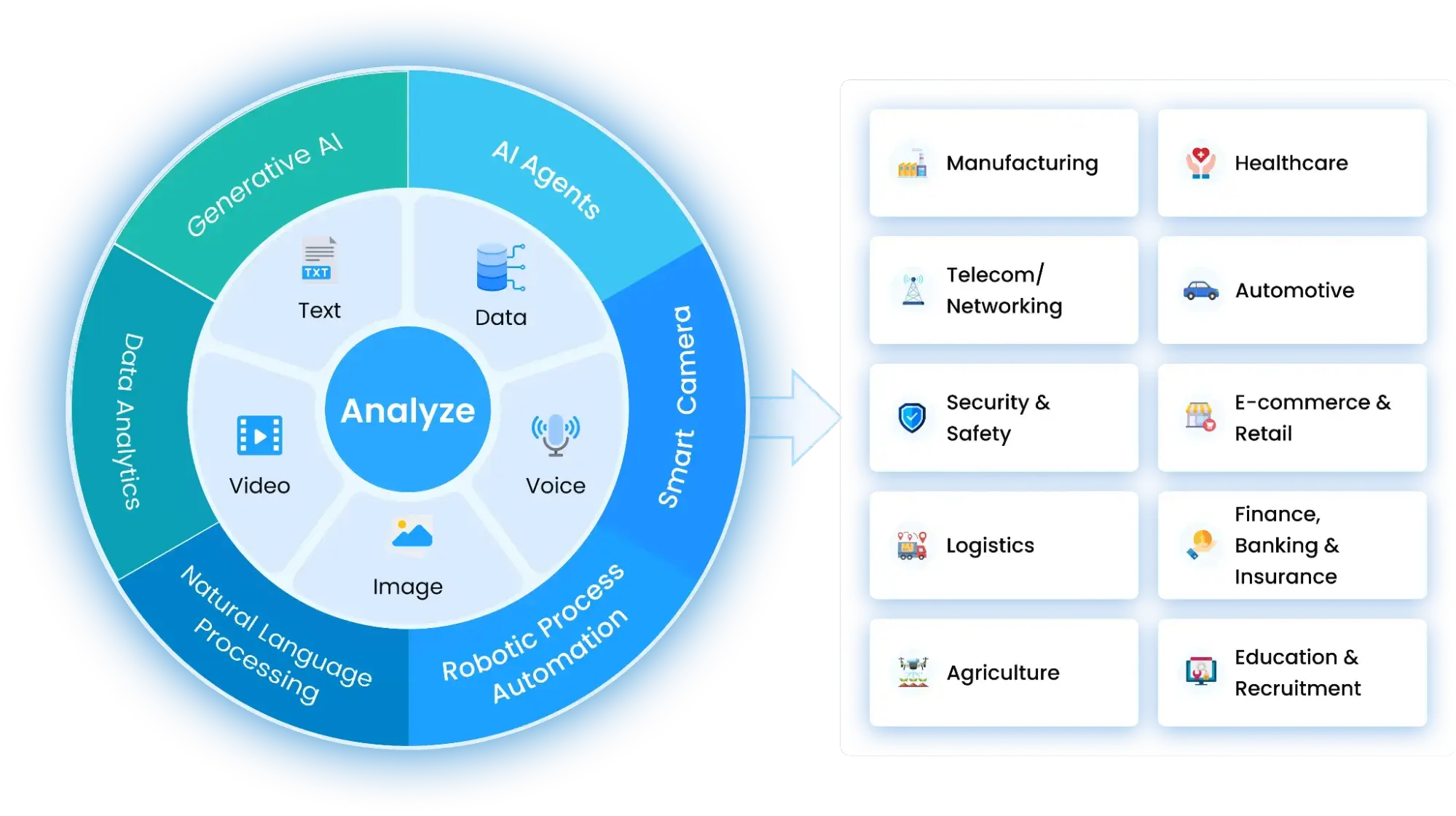
Introduction As artificial intelligence (AI) moves from experimentation to enterprise-wide adoption, organizations face a new challenge: scaling AI capabilities efficiently. While many companies successfully launch pilot projects, far fewer can build, manage, and expand AI initiatives across multiple business functions. The challenge is not simply about technology. Scaling AI requires access to specialized talent, robust infrastructure, governance frameworks, data engineering expertise, and continuous model optimization. According to the Stanford AI Index, enterprise AI investment and deployment continue to accelerate globally as organizations increasingly integrate AI into products, services, and business operations. As AI initiatives expand, many organizations are turning to trusted technology partners to help bridge capability gaps and accelerate execution. For enterprises seeking long-term success, selecting the right AI development partner is becoming a critical component of AI strategy. Why Scaling AI Teams Is More Difficult Than Starting AI Projects Launching an AI proof of concept is often easier than operationalizing AI at scale. Many organizations discover that successful AI deployment requires capabilities beyond their existing technology teams. According to IBM, scaling AI requires the infrastructure, data, and operational capabilities necessary to extend AI across day-to-day business processes. As AI initiatives grow, many organizations seek external expertise to overcome resource constraints and accelerate enterprise-wide adoption. The Growing Demand for AI Talent As organizations expand AI initiatives across business functions, the demand for specialized AI talent continues to rise. However, building and scaling AI teams remains one of the biggest challenges facing enterprises today. AI Projects Require Multidisciplinary Expertise Successful AI implementation involves far more than developing machine learning models. Organizations often need expertise across multiple disciplines, including: Machine learning engineering Data engineering MLOps and AI operations Generative AI development AI governance and risk management Cloud and platform architecture Building these capabilities internally can require significant investments in recruitment, training, and infrastructure. AI Talent Shortages Continue to Slow Enterprise Adoption The shortage of qualified AI professionals has become a major barrier to scaling AI initiatives. According to the World Economic Forum, 94% of business leaders report shortages in AI critical skills, with one-third experiencing talent gaps of 40% or more in key roles. This challenge is further reflected in labor market research. The UK Government's AI Labour Market Survey found that 35% of organizations struggle to fill AI positions, with insufficient technical skills and a lack of experienced candidates identified as the primary obstacles. As AI adoption accelerates, enterprises increasingly face competition for experienced AI engineers, data scientists, and AI architects. For many organizations, partnering with trusted AI technology providers has become a practical strategy to access specialized expertise, accelerate delivery, and scale AI capabilities more efficiently. Enterprise AI Requires More Than Models Implementing AI at scale requires more than powerful algorithms. Organizations must establish the right foundation across data, infrastructure, governance, and operational processes to ensure AI solutions can be deployed, managed, and scaled effectively across the enterprise. Data and Infrastructure Challenges Many enterprises operate with fragmented data environments, legacy systems, and disconnected applications that complicate AI implementation. High-Quality Data Is Essential for AI Success AI systems are only as effective as the data they rely on. Inaccurate, incomplete, or poorly governed data can lead to unreliable outputs, reduced model performance, and flawed business decisions. Establishing a strong data foundation is critical for ensuring AI delivers consistent and measurable value across the organization. Operationalizing AI at Scale Organizations must manage model deployment, monitoring, governance, security, and continuous improvement across multiple business units. The Role of Trusted AI Technology Partners As AI becomes more deeply embedded in business operations, organizations need more than technical expertise to scale successfully. According to PwC, enterprises that establish strong foundations for trusted AI are better positioned to scale AI initiatives while managing risks related to governance, transparency, security, and compliance. Trusted technology partners can help organizations build these foundations and accelerate AI adoption with greater confidence. Accelerating AI Adoption with Proven Expertise Building AI capabilities internally often requires significant investments in talent, infrastructure, and operational processes. By partnering with experienced AI providers, organizations gain access to specialized expertise, established delivery frameworks, and industry best practices that help reduce implementation complexity and improve project outcomes. Enabling Responsible and Scalable AI Deployment Successful AI initiatives require more than model development. Organizations must establish governance frameworks, monitor AI performance, manage risks, and ensure compliance with evolving regulations. Reducing Time-to-Value With access to experienced AI teams and proven implementation methodologies, organizations can move more quickly from experimentation to production. This allows businesses to realize value from AI investments faster while maintaining operational quality and governance standards. What Enterprises Should Look for in an AI Technology Partner As AI adoption moves beyond experimentation and into enterprise-wide deployment, selecting the right AI technology partner has become a strategic business decision rather than a purely technical one. McKinsey's research shows that only a small percentage of companies have successfully integrated AI into workflows in ways that generate substantial business outcomes. Enterprises that achieve the greatest impact are those that align AI initiatives with strategic business objectives, redesign core processes, and establish the governance structures needed to scale AI effectively. As a result, organizations should evaluate AI partners based on their ability to deliver measurable business outcomes and enterprise transformation, rather than focusing solely on technical capabilities. Technical Capabilities Across the Entire AI Lifecycle Many AI vendors specialize in a specific area such as chatbot development, machine learning models, or data analytics. However, enterprise AI initiatives often require expertise across multiple disciplines to move successfully from proof-of-concept to production. Key capabilities may include: AI strategy and consulting: Defining AI roadmaps aligned with business objectives. Generative AI development: Building applications powered by large language models and generative AI technologies. AI Agent and Agentic AI solutions: Building autonomous AI assistants and agents. Machine learning and predictive analytics: Using data to generate insights, forecasts, and recommendations. Data engineering and MLOps: Managing data pipelines and AI model deployment at scale. Enterprise AI integration: Embedding AI into enterprise applications and workflows. Organizations should look beyond individual technologies and assess the partner's ability to deliver end-to-end AI solutions. This includes everything from strategy and development to deployment, governance, and long-term optimization. Industry Experience Technical expertise alone is often insufficient for enterprise AI projects. Industry knowledge enables AI partners to better understand business processes, regulatory requirements, and operational challenges specific to each sector. Industries commonly adopting AI include: Healthcare: Improving patient care, diagnostics, and operational efficiency. Manufacturing: Optimizing production, quality control, and predictive maintenance. Financial Services: Supporting fraud detection, risk assessment, and customer service. Telecommunications: Enhancing network management and customer experience. Logistics: Improving route planning, supply chain visibility, and demand forecasting. Retail and E-commerce: Personalizing customer experiences and optimizing inventory management. Organizations should prioritize partners with proven experience delivering AI solutions across their industry, as domain expertise can accelerate implementation and reduce project risks. Scalability and Long-Term Support Successful AI implementation does not end at deployment. AI systems require ongoing monitoring, optimization, and governance to continue delivering value over time. Organizations should evaluate whether a technology partner can support: Solution scaling: Expanding AI solutions across teams, departments, or regions. Model monitoring: Tracking model performance and detecting potential issues. Performance optimization: Continuously improving accuracy, efficiency, and business outcomes. Governance and compliance: Maintaining security, transparency, and regulatory compliance. Continuous innovation: Adopting new AI capabilities as technologies evolve. Organizations should look for partners that can provide long-term support and continuous improvement, helping AI initiatives remain effective as business needs and technologies change. Common AI Team Scaling Models As AI initiatives expand, organizations often adopt different team scaling models based on their internal capabilities, resource requirements, and long-term AI strategy. AI Centers of Excellence (CoE) Many enterprises establish AI Centers of Excellence (CoEs) to centralize AI leadership and coordinate AI initiatives across the organization. Key benefits include: Centralized AI strategy, governance, and best practices. Improved collaboration across business units. Consistent standards for AI development and deployment. Better oversight of AI investments and innovation initiatives. Technology partners can support CoEs by providing specialized expertise, implementation support, and additional resources to accelerate AI adoption. AI Team Augmentation AI team augmentation allows organizations to expand existing teams with external AI specialists while maintaining internal project ownership. Key benefits include: Faster access to specialized AI skills. Increased development capacity without lengthy recruitment processes. Flexibility to scale resources based on project needs. Reduced hiring and training costs. This model is often suitable for organizations that already have AI leadership but require additional expertise in areas such as generative AI, machine learning, or MLOps. Dedicated AI Development Teams Dedicated AI development teams provide a complete team of AI professionals focused on delivering AI solutions for a specific organization or project. Key benefits include: Access to AI engineers, data scientists, architects, and project managers. End-to-end support from development to deployment. Faster execution of AI initiatives. Reduced burden on internal hiring and resource management. This model is ideal for organizations looking to scale AI programs quickly while gaining access to experienced AI talent and proven delivery processes. Scaling Enterprise AI Teams with TMA Solutions TMA Solutions delivers AI/ML and Data Science solutions that drive innovation and efficiency. Scaling AI successfully requires a combination of technical expertise, engineering resources, and industry experience. Through our https://www.tmasolutions.com/technologies/ai-ml-and-data-sciences AI Center and AI Agent Factory , TMA Solutions helps organizations accelerate AI adoption and expand AI capabilities across business functions. With more than a decade of AI research and development experience, TMA Solutions supports enterprises through: Develop AI Features / Products Setup AI Development Center Provide AI Solutions AI as a Service (AIaaS) TMA's AI expertise has been applied across industries including healthcare, manufacturing, telecommunications, logistics, finance, retail, education, automotive, and agriculture. By combining deep technical expertise with scalable delivery models, TMA Solutions helps organizations expand AI teams, accelerate implementation, and create long-term business value from AI investments. Conclusion As AI adoption continues to accelerate, enterprises face increasing pressure to scale AI capabilities efficiently while maintaining quality, governance, and operational performance. Building internal expertise remains important, but trusted technology partners can significantly reduce implementation risks and accelerate business outcomes. Organizations that combine internal knowledge with experienced AI partners are often better positioned to scale AI initiatives, expand innovation capabilities, and create sustainable competitive advantages in an increasingly AI-driven business environment. Scaling AI teams with trusted technology AI partners As AI moves from experimentation to enterprise-wide adoption, scaling capabilities efficiently has become a critical challenge. Success requires more than technology — it demands specialized talent, robust infrastructure, governance, and continuous optimization. With enterprise AI investment accelerating globally, many organizations are turning to trusted technology partners to bridge capability gaps and drive long-term success....