Remote Otoscope Technology in Modern Telemedicine
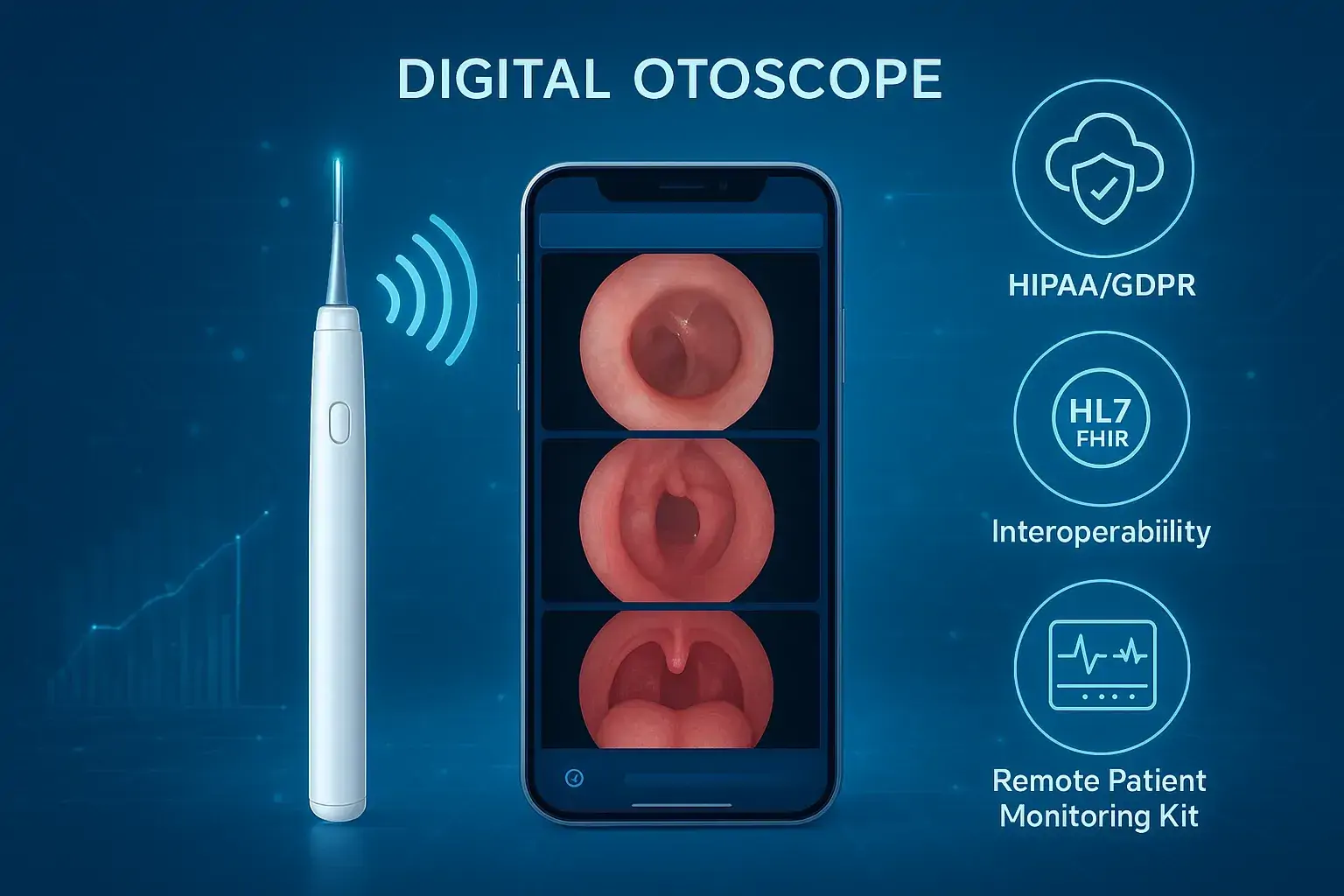
Digital otoscopes represent one of the most significant expansions in the scope of telemedicine diagnostics, extending remote care into t (ENT) and dermatology domains. Traditionally, an otoscope was confined to clinical settings, requiring a physician to directly examine the patient’s ear canal or throat. Today, remote otoscope devices combine high-definition micro-cameras, LED illumination, wireless connectivity to enable patients or caregivers to perform these exams at home — transmitting real-time imagery to clinicians anywhere in the world.
From a clinical and technical perspective, the technology addresses several key dimensions:
- High-Quality Visualization: Modern digital otoscopes integrate HD or even 4K micro-cameras with LED illumination, producing diagnostic-quality visualization of the tympanic membrane, throat, and skin. This clarity enables physicians to detect otitis media, tympanic perforations, pharyngitis, tonsillitis, and dermatological lesions remotely. Zoom and image stabilization functions further enhance diagnostic accuracy.
- Telemedicine & Data Integration: Devices stream live video or capture still images, securely transmitted via telehealth apps or cloud platforms. In many systems, otoscope attachments form part of a modular home telehealth kit (alongside stethoscopes and exam cameras), creating a comprehensive remote exam capability. Data is encrypted end-to-end, ensuring compliance with HIPAA/GDPR while integrating into EHR platforms through HL7/FHIR standards.
- Multi-Purpose Examination: Though designed as “otoscopes,” these devices function as multi-purpose digital exam cameras, enabling examination of:
- Ears: middle ear infections, wax blockages, tympanic changes.
- Throat: pharyngitis, tonsillitis, post-surgical monitoring.
- Skin: rashes, wounds, lesions, post-procedural follow-up. This versatility expands the clinical scope of telemedicine into primary care, pediatrics, dermatology, ENT, and urgent care.
- Accessibility and Impact: Remote otoscope kits dramatically improve access to ENT/dermatology care. Parents can check a child’s earache at home, rural patients can avoid long-distance travel, and frail or mobility-limited patients can undergo exams without leaving home. Clinical studies show at-home otoscope use prevents up to 67% of unnecessary in-person visits, reducing cost and accelerating treatment.
- Clinical Value Proposition: By combining real-time visualization, rapid diagnosis, and secure data transfer, digital otoscopes bring ENT and dermatology into the mainstream of telemedicine. They not only shorten time-to-treatment but also provide reassurance and peace of mind to patients who otherwise face uncertainty before reaching a clinic.
In summary, remote otoscope technology transforms what was once limited to physical clinics into a scalable, at-home telemedicine tool, enabling virtual ENT and dermatology consultations with diagnostic accuracy comparable to in-person exams.
How TMA Solutions Applies Otoscope Technology
With over 15 years of expertise in digital health, IoT device integration, and telehealth platforms, TMA Solutions is well-positioned to extend its healthcare ecosystem with remote otoscope capabilities. While TMA does not currently market a proprietary otoscope device, its strength lies in building interoperable platforms that integrate diverse medical devices — from vital sign monitors to digital exam cameras.
Key capabilities relevant to otoscope integration include:
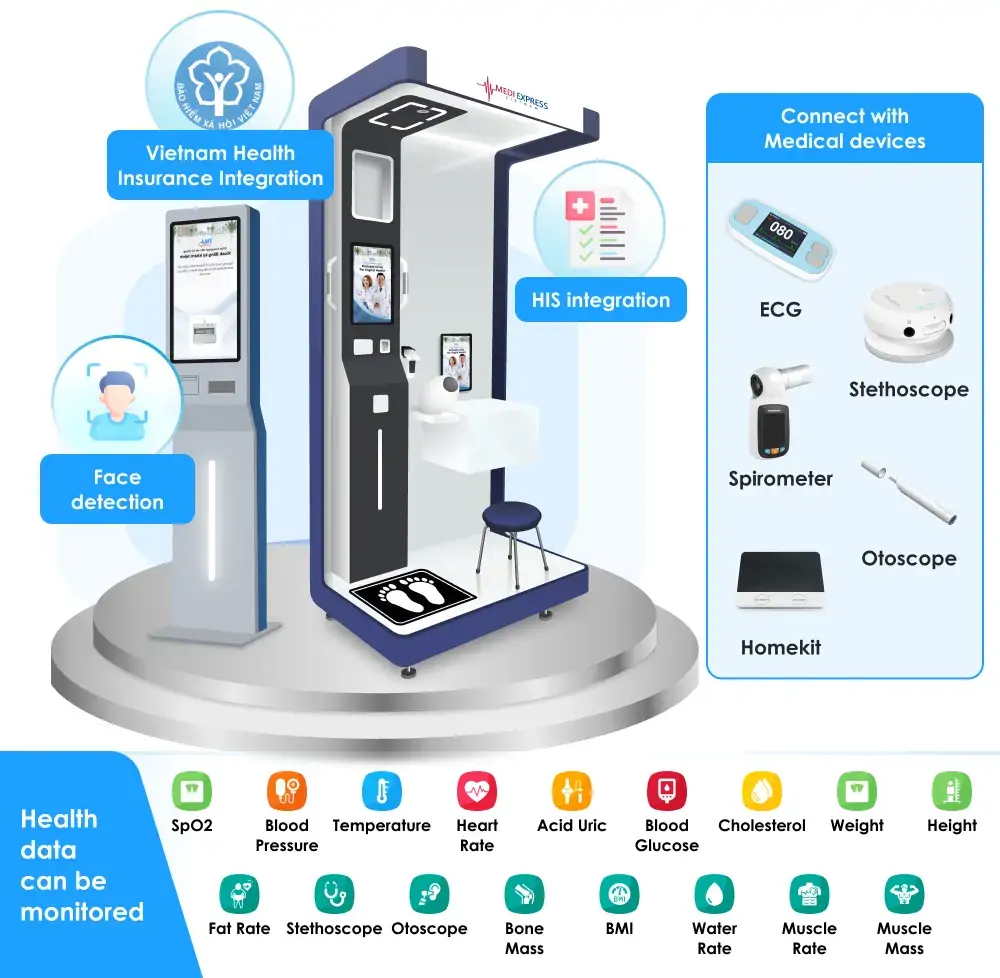
- Remote Patient Monitoring (RPM): TMA’s existing platforms already aggregate data from ECG monitors, SpO₂ sensors, blood pressure devices, and glucose meters, transmitting them securely to cloud dashboards for clinicians. An otoscope device would seamlessly plug into this framework, expanding RPM beyond vitals to include visual ENT and dermatology data.
- Telehealth Platform Integration: TMA’s telemedicine solutions combine video consultations, patient apps, and cloud analytics. Integrating an otoscope feed means a physician could review a live ear canal image during a video call, just as they would in an exam room. TMA’s HL7/FHIR-compatible architecture ensures otoscope images and videos can be attached to patient EHRs and shared with specialists.
- Security and Compliance: TMA emphasizes HIPAA/GDPR-compliant encryption, secure cloud storage, and role-based access controls across all its healthcare platforms. Otoscope images and videos would be transmitted with the same end-to-end safeguards, ensuring regulatory compliance.
- Scalability for Tele-ENT and Dermatology: Adding otoscope capability allows TMA to deliver a comprehensive virtual clinic solution, covering not only chronic disease management (via vitals monitoring) but also acute care scenarios like ear infections, sore throats, or skin conditions. This broadens the scope of services for hospitals, clinics, and home care providers using TMA’s platforms.
In essence, TMA’s software-first, integration-driven approach means that remote otoscope technology is not a standalone product, but a natural extension of its digital health ecosystem — one that can be rapidly adopted when clients demand full-spectrum tele-exam capabilities.
Case Study & Future Potential
Although TMA has not yet deployed a proprietary otoscope device, the potential use cases are clear and compelling:
- Case Example: Pediatric Ear Infections
Ear infections are one of the most common reasons for pediatric visits. A family using a smartphone-connected otoscope integrated into TMA’s telehealth platform could capture images of their child’s ear canal at home. A pediatrician reviewing the live feed confirms otitis media and prescribes antibiotics — avoiding an ER trip, saving cost, and reducing parental stress. - Case Example: Tele-Dermatology Support
A rural clinic nurse uses an otoscope/exam camera integrated into TMA’s system to document a patient’s skin rash. Images are transmitted to a dermatologist in a city hospital via TMA’s platform. Within hours, the dermatologist provides a diagnosis and treatment plan, eliminating weeks of waiting for an in-person referral. - Case Example: Integrated ENT Exam in Telehealth Kiosks
In a factory health kiosk powered by TMA’s telemedicine system, workers can use a digital otoscope to check ear/throat conditions alongside vital monitoring (ECG, BP, SpO₂). A remote physician evaluates the results instantly, providing occupational health support on-site.
These scenarios highlight the clinical and economic benefits of otoscope-enabled telemedicine: fewer unnecessary visits, faster treatment, reduced costs, and broader healthcare access.
Looking forward, AI-enhanced otoscope integration could become a differentiator for TMA, where automated image analysis supports early detection of ENT or dermatological conditions, further improving efficiency and accuracy of remote consultations.
Research-Backed Clinical Impact
Multiple peer-reviewed studies and pilot programs have validated the clinical effectiveness and safety of remote otoscope technology in both pediatric and adult care. The evidence demonstrates that these devices not only improve diagnostic accuracy but also reduce unnecessary in-person consultations and healthcare costs:
- Diagnostic Accuracy Comparable to In-Person Exams: A 2021 study published in JAMA Network Open compared smartphone-enabled otoscope exams with traditional in-office otoscopy. The results showed over 85% diagnostic concordance between remote and in-person findings for conditions such as otitis media, otitis externa, and tympanic membrane perforations.
- Reduction in Unnecessary Visits: A large-scale pediatric tele-ENT program in the U.S. demonstrated that remote otoscope use prevented up to 67% of unnecessary emergency department visits for ear pain and suspected infections. Parents were able to transmit high-quality tympanic images, allowing physicians to confidently triage cases that required antibiotics versus those that could be managed with observation.
- Clinical Utility Beyond ENT: Studies in tele-dermatology have shown that otoscope-derived high-resolution images provide sufficient detail for accurate diagnosis of common dermatological conditions, with diagnostic accuracy exceeding 80% compared to dermatologists’ in-person evaluations. This expands its use beyond ENT into wound care and dermatology follow-up.
- Improved Pediatric Care Access: According to research in Telemedicine and e-Health (2020), parents using home otoscopes reduced time-to-diagnosis for children with suspected ear infections from 3–5 days to under 24 hours, significantly improving outcomes and reducing complications such as mastoiditis.
- Patient Satisfaction and Engagement: Surveys across multiple telehealth pilots revealed that over 90% of patients and caregivers felt more reassured using a remote otoscope at home. This confidence not only improved adherence to follow-up care but also strengthened trust in telemedicine platforms.
Clinical Implications
These findings confirm that digital otoscope devices provide clinical-grade diagnostic value, enabling ENT and dermatology evaluations to be delivered remotely without compromising quality. For telemedicine platforms such as those developed by TMA Solutions, this means not only expanding service scope but also offering evidence-backed assurance to clients, providers, and payers that the technology is safe, accurate, and cost-effective.


.webp_2026-10-01-18-27-07-971.webp)
.webp_2026-10-01-18-17-11-290.webp)
.webp_2026-10-01-18-08-26-854.webp)
.webp_2026-10-01-17-47-32-240.webp)