Healthcare systems around the world are facing mounting challenges as populations age and chronic diseases become increasingly common across many countries. In France, data from the National Institute of Statistics and Economic Studies (INSEE) shows that approximately 17 million people, or 25.6% of the population, are aged 60 and above, with this figure projected to reach nearly 24 million by 2050. As the elderly population continues to grow, healthcare systems are facing increasing demand for medical services, homecare support, and specialized treatments. Since many older adults live with multiple chronic conditions and require ongoing treatment, healthcare providers are under pressure to deliver more continuous and efficient care while controlling rising healthcare costs.
According to the National Council on Aging (NCOA), nearly 95% of adults aged 60 and older have at least one chronic condition, while almost 80% live with two or more. These trends are accelerating the shift toward home-based and preventive care models, where remote patient monitoring (RPM) plays a critical role.
Against this backdrop, remote patient monitoring (RPM) is gaining momentum as a promising approach to chronic disease management in elderly care. Remote patient monitoring for chronic disease management in elderly care enables healthcare providers to track health conditions outside traditional clinical settings, facilitating earlier interventions, improving patient engagement, and reducing avoidable hospital visits.
What Is Remote Patient Monitoring in Elderly Care?
Remote patient monitoring (RPM) refers to the use of connected devices, sensors, and digital health platforms to collect and transmit patient health data to healthcare providers in real time. According to the U.S. Centers for Medicare & Medicaid Services (CMS), RPM allows clinicians to monitor physiological data remotely and support ongoing disease management between in-person visits.
Traditional healthcare models often rely on periodic visits and reactive interventions. In contrast, RPM enables continuous visibility into patient conditions, allowing healthcare providers to deliver more proactive and personalized care.
Key Components of Remote Monitoring Systems
Remote Patient Monitoring (RPM) systems use connected technology to track elderly health data outside of traditional clinical settings. These systems enable proactive medical care, reduce hospitalizations, and allow clinicians to efficiently manage both acute and chronic conditions, including:
- Wearable Biosensors: Patches or continuous trackers that monitor heart rhythms, body temperature, or sleep patterns.
- Patient App/Portal: Mobile applications or tablets that allow patients to view their own health data, log symptoms, complete surveys, and communicate directly with providers.
- AI Integration: Artificial intelligence algorithms help prioritize patients for follow-ups and can predict potential medical deteriorations before they escalate.
Common Health Parameters Monitored
These technologies enable continuous tracking of various physiological indicators, such as:
- Vital Sign Monitors: Such as digital blood pressure cuffs, ECG monitors, and pulse oximeters.
- Disease-Specific Devices: Including blood glucose meters for diabetes management and smart inhalers for asthma.
- Sleep Quality: Tracks duration, consistency, and time spent in different sleep stages (e.g., REM, Deep).
- Heart Rate Variability (HRV): The variation in the time between consecutive heartbeats. High HRV generally indicates better cardiovascular fitness and recovery.
Why Chronic Disease Management Is Critical for Aging Populations
Chronic disease management is critical for aging populations because it preserves mobility, maintains independence, and prevents acute medical crises. With nearly 95% of older adults living with at least one chronic condition, proactive care reduces the risk of dangerous complications, avoids costly hospitalizations, and significantly improves overall quality of life.
The Growing Burden of Chronic Diseases
According to the World Health Organization (WHO), chronic diseases account for approximately 74% of all deaths globally. Cardiovascular diseases, cancer, chronic respiratory diseases, and diabetes remain among the leading causes of mortality, highlighting the growing need for long-term and continuous care.
Conditions Commonly Managed Through Remote Monitoring
Remote patient monitoring (RPM) is transforming chronic care by enabling continuous, real-time tracking of biometric data from the patient’s home, including:
- Hypertension.
- Diabetes and metabolic disorders.
- Heart failure and cardiovascular diseases.
- Chronic obstructive pulmonary disease (COPD).
- Sleep disorders.
Supporting Better Long-Term Outcomes
Access to real-time health insights allows healthcare providers to deliver more proactive and personalized care, contributing to better long-term outcomes by:
- Identify early signs of deterioration.
- Optimize treatment plans.
- Improve medication adherence.
- Reduce avoidable complications.
Promoting Healthy Aging and Independence
Remote monitoring technologies help seniors remain independent while staying connected to healthcare providers and caregivers.
Benefits for Elderly Individuals
By enabling continuous care, RPM solutions can help:
- Support aging in place.
- Reduce unnecessary hospital visits.
- Improve quality of life.
- Increase patient engagement.
Benefits for Family Members and Caregivers
Real-time visibility into health conditions provides reassurance and strengthens care coordination. These capabilities enable caregivers to:
- Receive emergency notifications.
- Monitor long-term health trends.
- Respond more quickly to critical events.
- Improve communication with healthcare providers.
How Remote Patient Monitoring Works
Remote patient monitoring systems rely on connected technologies that continuously collect, transmit, and analyze health information. Health data generated by wearable devices and home medical equipment is transmitted to digital platforms, where it can be analyzed and made available to clinicians.
Devices Commonly Used in RPM
Healthcare organizations deploy a wide range of connected devices to support elderly care, including:
- Smartwatches and fitness trackers.
- Blood pressure monitors.
- Pulse oximeters.
- Continuous glucose monitoring devices.
- ECG patches.
- Smart scales.
Turning Data Into Actionable Insights
AI and analytics technologies help healthcare providers transform raw data into meaningful information by:
- Detecting abnormalities earlier.
- Generating automated alerts.
- Prioritizing high-risk patients.
- Supporting clinical decision-making.
Evidence Supporting Remote Patient Monitoring
Remote patient monitoring (RPM) is transforming chronic care by shifting the focus from reactive, episodic visits to proactive, continuous management. By leveraging digital medical devices, RPM allows providers to continuously track patient vitals outside clinical settings, catching critical issues early and significantly reducing unnecessary hospitalizations.
The comprehensive review, published on MDPI, evaluated clinical data trends and highlighted several operational areas in which RPM adds value to traditional care:
Improving Clinical Outcomes
A systematic review of 272 studies found that remote patient monitoring significantly improves patient care and treatment outcomes by enabling earlier disease detection and reducing mortality and hospital readmissions.
Supporting Cardiovascular Disease Management
Nearly half of the studies included in the review focused on cardiovascular disease, highlighting the importance of continuous monitoring for managing heart-related conditions.
Expanding Applications Across Chronic Diseases
Remote patient monitoring has also demonstrated positive outcomes in diabetes management and other chronic conditions. Clinical studies have shown that RPM can achieve outcomes comparable to traditional in-person interventions while improving convenience and patient engagement.
Emerging Technologies Shaping the Future of RPM
Remote monitoring solutions continue to evolve alongside advances in AI and connected healthcare technologies.
Artificial Intelligence and Predictive Analytics
AI enables healthcare organizations to move from reactive treatment toward predictive and preventive care.
AI Applications in Chronic Disease Management
Artificial intelligence can support:
- Predictive analytics.
- Early warning systems.
- Personalized care recommendations.
- Risk stratification.
By analyzing health trends over time, AI helps clinicians identify high-risk individuals and intervene before conditions worsen.
Wearable Devices and IoT Ecosystems
Wearable technologies and the Internet of Medical Things (IoMT) are expanding the scope of remote monitoring.
Technologies Driving RPM Innovation
Modern RPM ecosystems increasingly incorporate:
- Wearable devices.
- Home medical equipment.
- IoT sensors.
- Cloud platforms.
- Mobile health applications.
Building Connected Healthcare Environments
These technologies facilitate:
- Continuous data collection.
- Real-time communication.
- Device interoperability.
- More coordinated care delivery.
Key Challenges in Implementing Remote Patient Monitoring
Despite its growing adoption, implementing remote patient monitoring programs presents several technical, operational, and user-related challenges. Healthcare organizations must address these barriers to maximize the benefits of RPM and ensure long-term sustainability.
Technical & Integration Barriers
Patient information is often distributed across multiple systems, devices, and applications. Without seamless interoperability, healthcare providers may struggle to obtain a complete view of patient health.
- System Interoperability: RPM devices from various manufacturers often use different protocols, making it difficult to feed data seamlessly into a centralized Electronic Health Record (EHR) system.
- Connectivity Issues: RPM relies on reliable internet and mobile networks. Rural or underserved areas may experience intermittent transmission, leading to gaps in monitoring and delayed responses.
- Data Overload: Continuous streams of vital signs can overwhelm clinical staff. Without smart alerting systems, filtering out irrelevant data and detecting actionable anomalies becomes a major administrative burden.
Patient Engagement and Digital Literacy
Successful remote monitoring depends not only on technology but also on patient participation and adherence. This can be particularly challenging among elderly populations with varying levels of digital literacy, including:
- Low Digital Literacy: Many patients, particularly elderly demographics, struggle to properly use, calibrate, or wear connected devices.
- Accessibility and Cost: Patients may face significant out-of-pocket costs for devices and cellular data plans if their insurance does not cover the service entirely.
Privacy, Cybersecurity and Compliance
As remote monitoring systems handle increasing amounts of sensitive patient data, healthcare organizations must navigate both cybersecurity threats and complex regulatory requirements. Common challenges include:
- Data Breaches: Transmitting sensitive physiological data across networks makes RPM devices and cloud servers highly susceptible to cyberattacks.
- Regulatory Complexities: Providers must adhere to stringent medical data privacy laws (such as HIPAA in the United States) while also dealing with varying state-level licensing and regional guidelines.
According to the U.S. Department of Health and Human Services (HHS), privacy and security remain foundational requirements for telehealth and remote patient monitoring technologies.
The Future of Remote Patient Monitoring in Elderly Care
The combination of artificial intelligence, wearable technologies, and connected healthcare ecosystems is transforming the management of chronic diseases among older adults. As healthcare systems shift toward preventive and home-based care models, remote patient monitoring is expected to play an increasingly important role in improving patient outcomes and optimizing healthcare resources.
Emerging Trends Driving RPM Innovation
Several technologies are shaping the next generation of remote monitoring solutions. These developments include:
- AI-driven predictive analytics.
- Advanced wearable devices.
- Internet of Medical Things (IoMT).
- Digital therapeutics.
- Personalized healthcare platforms.
Moving Toward More Proactive Healthcare
Future RPM systems will enable healthcare organizations to:
- Detect health risks earlier.
- Deliver more personalized interventions.
- Improve long-term disease management.
- Support healthy aging and independent living.
Digital Solutions Supporting Chronic Disease Management with TMA Solutions
About TMA
As healthcare organizations increasingly embrace digital transformation, TMA Solutions provides intelligent healthcare solutions that support remote patient monitoring, telehealth, and chronic disease management. By integrating AI, IoT, cloud technologies, and wearable devices, TMA Solutions helps healthcare providers deliver more personalized and proactive care for aging populations.
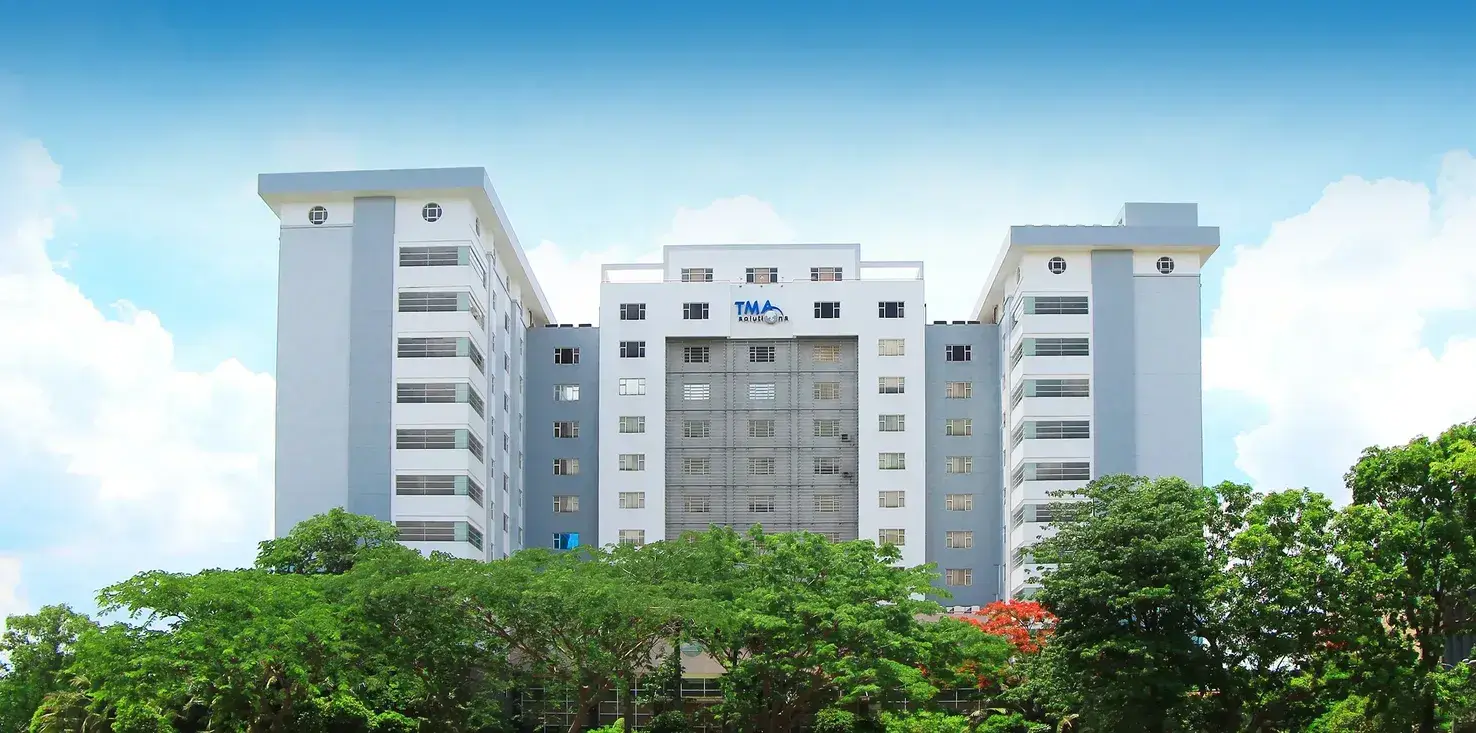
Founded in 1997, TMA Solutions is one of Vietnam’s most experienced and largest software outsourcing companies. With nearly 30 years of delivering digital solutions to global clients, TMA Solutions is one of Vietnam's leading technology companies, helping healthcare providers accelerate digital transformation and improve patient outcomes.
Through solutions such as mCare, MateCare and a broad portfolio of digital health offerings, TMA enables remote patient monitoring, telehealth services, wearable integration, and intelligent healthcare analytics. These capabilities help healthcare organizations deliver more continuous, personalized, and proactive care for elderly patients with chronic diseases while supporting the transition toward preventive and home-based healthcare models.
Case studies implemented by TMA Solutions
1. MateCare – An AI-Enabled Companion for Elderly Care
Challenge:
As populations age, many elderly individuals face challenges related to loneliness, medication adherence, and managing daily routines. Family members and caregivers often struggle to provide continuous support, while healthcare systems are under increasing pressure to deliver more personalized and home-based care. There was a growing need for an intelligent solution that could enhance seniors' quality of life while helping caregivers monitor their well-being more effectively.
Solution:
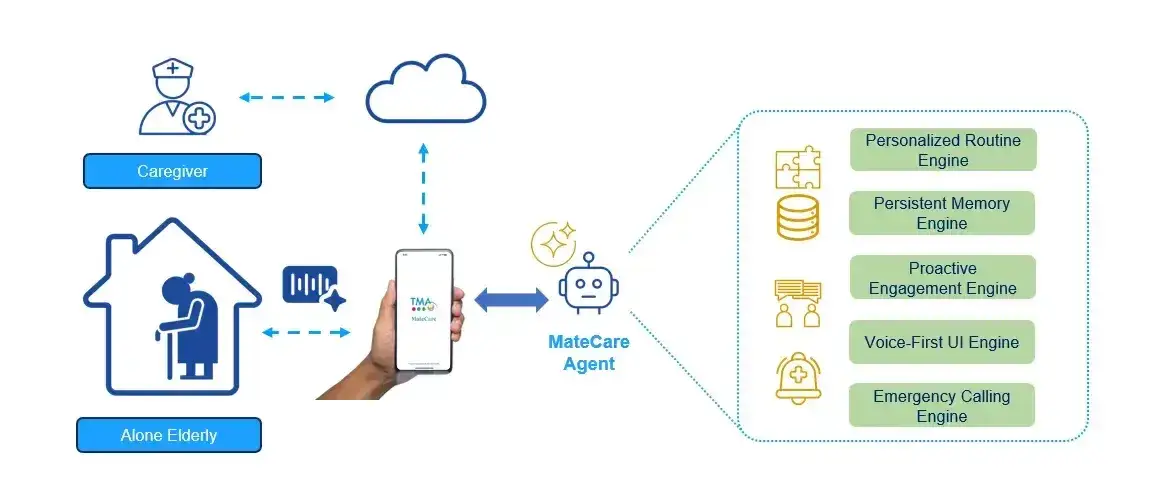
TMA Solutions developed MateCare, an AI-powered companion designed to support elderly individuals through conversational AI and proactive wellness assistance.
- Voice-Based AI Companion: Enables natural interactions and provides emotional support through human-like conversations.
- Daily Routine Management: Helps seniors manage medications, meals, appointments, and exercise schedules through personalized reminders.
- Intelligent Safety Monitoring: Detects signs of distress and sends alerts to caregivers or family members when emergency situations are identified.
- Proactive Engagement Engine: Initiates conversations and wellness check-ins to encourage social interaction and support mental well-being.
Business Outcomes:
- Improved emotional well-being and reduced feelings of loneliness among elderly users.
- Increased adherence to medications and daily health routines.
- Enhanced safety through intelligent monitoring and timely alerts.
- Reduced burden on caregivers through continuous AI-assisted support.
- Promoted independent living and improved quality of life for aging populations.
>> Read more at: MateCare – An AI-Enabled Companion for Elderly Care
2. Leveraging Next-Generation Virtual Care for Enhanced Patient Engagement
Challenge:
Healthcare providers were seeking more effective ways to improve patient engagement and deliver continuous care beyond traditional clinical settings. Limited access to healthcare services, fragmented communication, and the growing demand for remote care highlighted the need for a more connected and patient-centric virtual care experience.
Solution:
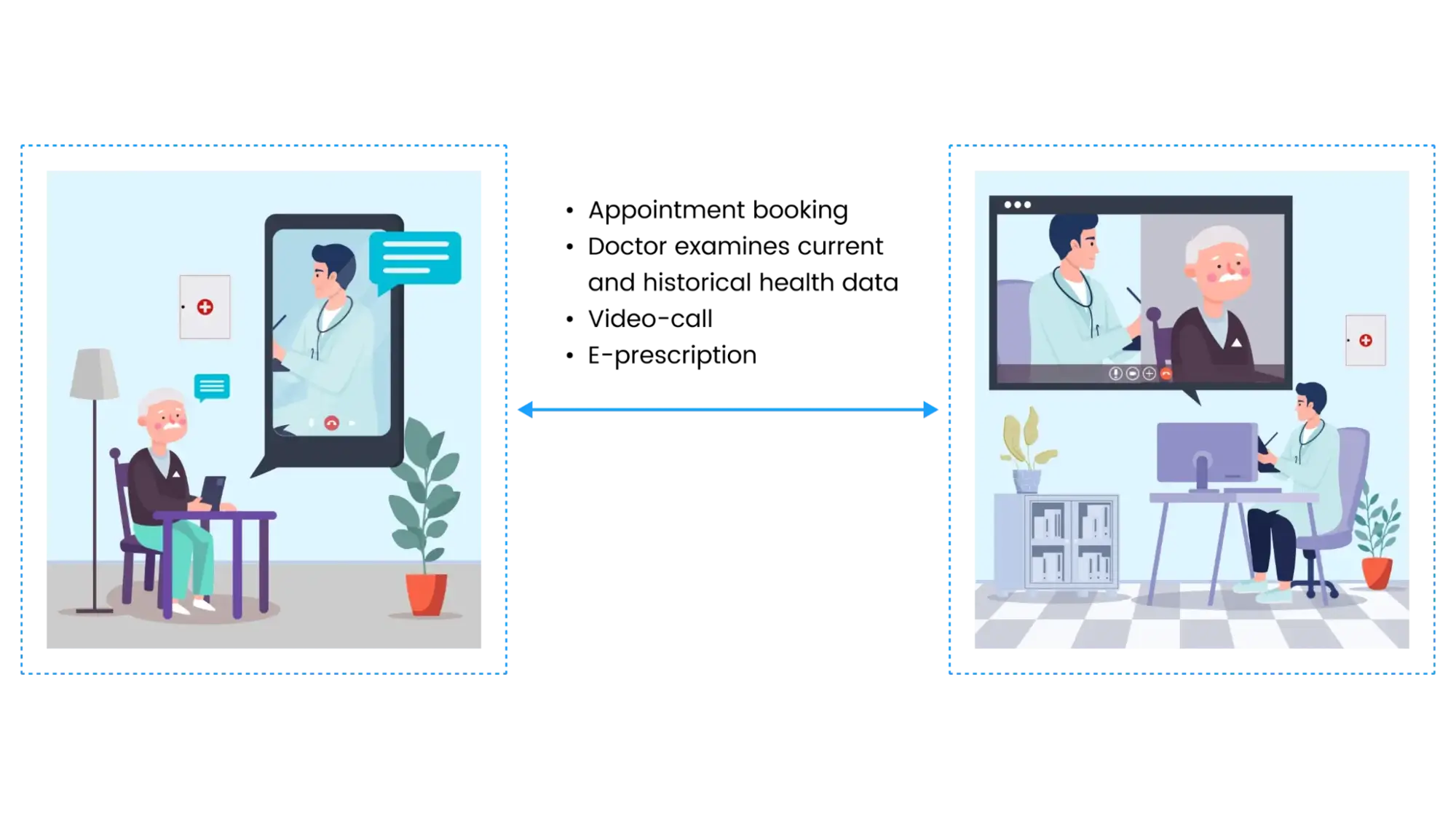
TMA Solutions developed a next-generation virtual care platform that combines telehealth capabilities, remote patient monitoring, and digital engagement tools to improve communication and strengthen patient-provider relationships.
- Virtual Consultation Platform: Enables patients to connect with healthcare professionals remotely through secure online interactions.
- Remote Patient Monitoring: Supports continuous tracking of health conditions and facilitates timely interventions.
- Patient Engagement Tools: Provide personalized reminders, notifications, and health management support to encourage active participation in care plans.
- Integrated Healthcare Ecosystem: Connects patients, providers, and caregivers through a unified digital platform for more coordinated care.
Business Outcomes:
- Improved patient engagement and satisfaction.
- Enhanced accessibility to healthcare services.
- Increased continuity of care beyond hospital settings.
- Strengthened communication between patients and healthcare providers.
- Supported more proactive and personalized care delivery.
>> Read more at: Leveraging Next-Generation Virtual Care for Enhanced Patient Engagement
Conclusion
Remote patient monitoring for chronic disease management in elderly care is transforming healthcare delivery by enabling continuous, personalized, and proactive care. Through the integration of wearable devices, AI, IoT, and digital health platforms, healthcare providers can improve patient outcomes, enhance engagement, and reduce unnecessary hospitalizations.
As the demand for home-based and preventive care continues to grow, RPM technologies will become increasingly important in supporting healthy aging and addressing the rising burden of chronic diseases. By investing in connected healthcare solutions today, organizations can build more resilient and patient-centered care models for the future.