Health tech companies are transforming healthcare by adopting best practices in software development. These methods streamline workflows, enhance patient engagement, and enable data-driven care. From real-time health monitoring apps and secure data management to building scalable, interoperable platforms, innovative tech solutions are reshaping the industry. This guide provides insights into effective healthcare software development practices that help health tech firms create robust, compliant, and impactful solutions against healthcare challenges.
Healthcare software development market overview
The healthcare software development market is transforming traditional healthcare into a digital, efficient, and patient-centered model. The mHealth sector has grown rapidly, driven by the urgency of COVID-19 and a growing appreciation for technology’s role in healthcare resilience. Although IT budgets were cut at the pandemic's onset, healthcare stakeholders have since refocused on software's potential. This has led to an expected market growth from USD 93.12 billion in 2024 to USD 249.05 billion by 2032 at a CAGR of 13.1%.
Substantial investment in digital health technologies is fostering innovations across genomics, virtual care, clinical administration, and big data. New segments are also emerging, including patient engagement solutions, clinical robotics, telehealth, and gamification. These advancements have encouraged startups and established firms alike to pursue new solutions that cater to patient needs and provider efficiencies.

With strong demand and ongoing innovation, healthcare software development remains essential for creating a sustainable, accessible, and efficient healthcare system.
See more: Custom software for clinical research management
Current trends and future visions in healthcare software development
Emerging trends are transforming how healthcare providers operate and how patients engage with their health, pushing the sector toward a more connected, data-driven future.
Current trends shaping healthcare software development:
Internet of Things (IoT): Wearable devices and smart sensors are enabling continuous health monitoring outside traditional clinical settings. Integrated with healthcare software development, including efficient patient management software, these devices support remote patient monitoring, chronic disease management, and early detection of health concerns, leading to more proactive healthcare.
Blockchain technology: Blockchain offers a decentralized, secure way to manage sensitive healthcare data, improving data security and integrity. By leveraging blockchain, patients can also have greater control over their medical information, enhancing privacy and transparency. Blockchain technology can also used to create secure and immutable records for medical research and clinical trials.
Cloud-based solutions: Cloud computing allows healthcare software to be more accessible, scalable, and collaborative. With cloud-based systems, healthcare providers can adapt to changing needs, support remote collaboration, and improve access to healthcare services, especially for patients in underserved areas.
3D medical imaging: Advanced imaging tools, such as 3D Medical Image Viewers, are enhancing the ability to analyze complex CT scans, MRIs, and ultrasounds in three dimensions. This innovation enables precise and detailed diagnostics, particularly for complex conditions.
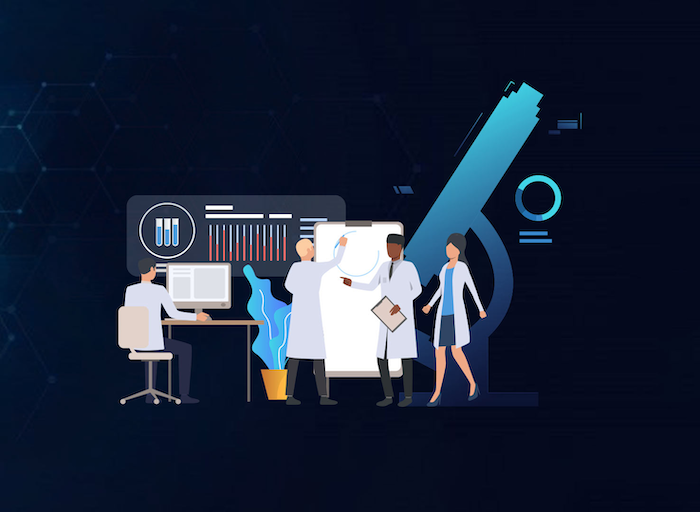
Looking ahead, healthcare software development holds promise in several transformative areas:
Advanced data analytics and predictive modeling: With predictive models, healthcare providers can assess potential health risks, anticipate disease outbreaks, and better allocate resources. This data-driven approach could greatly enhance preventative care and system efficiency.
Virtual Reality (VR) and Augmented Reality (AR): VR and AR offer powerful tools for medical training and procedural assistance. VR provides immersive training simulations, while AR can assist surgeons by overlaying real-time data and images during complex procedures, enhancing precision and outcomes.
Artificial intelligence-powered robots and automation: Artificial intelligence-driven robotics are likely to play a greater role in healthcare delivery, assisting with tasks ranging from robotic surgery and medication dispensing to administrative workflows. Automation in healthcare software development can improve efficiency and free up time for healthcare professionals to focus on patient-centered care and decision-making. This includes the development of AI-powered diagnostics tools, which can assist in the early detection and diagnosis of various diseases.
Advantages of healthcare development of software
Healthcare software development is transforming how care is delivered, benefiting both healthcare professionals and patients by enhancing experiences, improving outcomes, and increasing operational efficiency. These advancements are helping healthcare organizations meet the evolving needs of their patients and teams.
The role of technology in improving patient outcomes
Improved diagnosis and treatment: EHRs centralize patient information, providing healthcare providers with a holistic view of medical histories. This facilitates more accurate diagnoses and personalized treatment plans.
Patient engagement and empowerment: Mobile health apps (mHealth) provide tools like medication reminders and symptom trackers, encouraging patients to actively manage their health. Personalized medicine also enables treatment plans tailored to individual genetics, fostering a patient-centered approach.
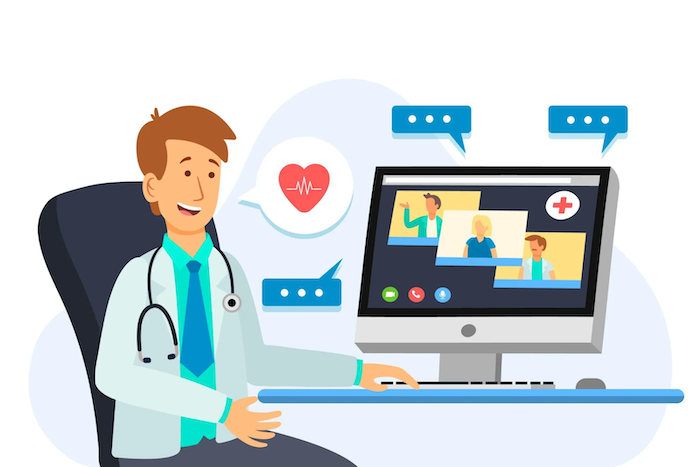
Increased access to specialists: Telemedicine software development reduces geographical barriers, allowing patients – especially in remote areas – to access a broader range of specialists, enhancing care accessibility.
Increased efficiency and productivity for medical professionals
Reduced administrative tasks: Hospital Management Software (HMS) automates scheduling, record management, and billing, freeing healthcare providers to focus on patient care.
Enhanced decision-making: Advanced analytics within some healthcare software provide insights that support informed treatment decisions and data-driven care strategies.
Remote specialist consultations: Telemedicine platforms enable doctors to consult with specialists remotely, allowing collaborative treatment of complex cases without patient referrals. This facilitates health information exchange and improves access to specialized care.
Improved communication and coordination: EHRs create a unified information-sharing platform, improving communication and coordination among care teams, and enhancing efficiency.
Administrative efficiency and cost savings: Automating routine tasks and reducing errors lowers administrative costs, allowing healthcare facilities to allocate resources to quality patient care.
Different types of healthcare software solutions
The healthcare software landscape is extensive, offering a wide array of solutions that support both clinical and administrative needs. Here’s an overview of some key types of healthcare software development systems reshaping healthcare operations and patient care.
Electronic Health Records (EHRs): EHRs are the core of modern healthcare systems, providing a centralized electronic platform for storing and managing a patient's complete medical history. This centralized approach enhances data accessibility, supports informed clinical decisions, and facilitates coordinated patient care.
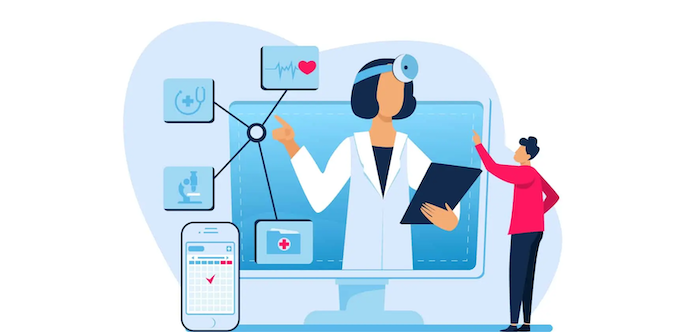
Telemedicine software: Telemedicine platforms enable remote consultations through video conferencing or secure messaging, connecting patients with healthcare providers without the need for in-person visits. By leveraging telemedicine software development services, these platforms can be tailored to meet specific needs, ensuring compliance with industry standards and providing a seamless user experience. This technology is particularly beneficial for patients in remote areas and enhances healthcare accessibility.
Hospital Management Systems (HMS): Acting as a central hub, HMS software development manages various administrative functions. These functions include patient admissions, staff scheduling, billing, and record management, and enhancing operational efficiency.
Pharmacy management systems: These systems optimize pharmacy operations, which manage medication inventory, track prescriptions, and monitor patient medication adherence. This ensures smooth workflows and supports patient safety, including features such as facilitating e-prescribing and reducing medication errors.
Revenue Cycle Management (RCM) software: RCM automates key operational payment and scheduling for healthcare payers. This software development optimizes billing and revenue cycle management by automating processes, reducing manual work, and improving efficiency.
mHealth apps: Mobile health apps cater to diverse patient needs, offering features like medication reminders, symptom tracking, educational resources, and chronic disease management tools. These apps empower patients to manage their health actively, promoting better outcomes and a more patient-centered approach.
Wearable technology: Wearable devices such as smartwatches and fitness trackers integrate with healthcare software, capturing real-time data on heart rate, sleep patterns, activity levels, and more. This data provides valuable insights into a patient’s health status, supporting early disease detection and personalized health management.
Services offered by healthcare software development companies
Healthcare software development companies provide a range of specialized services designed to meet the unique needs of healthcare organizations. These services combine technical expertise with industry knowledge to create secure, user-friendly, and efficient solutions for improved patient care and operational efficiency. With leading software development for healthcare, these companies play a critical role in transforming how healthcare organizations operate.
Needs assessment and consulting
Before development begins, consultants work with healthcare organizations to assess their specific needs, challenges, and desired functionalities. This phase helps define the project scope and choose the most suitable approach, whether it’s custom development or adapting an off-the-shelf solution.
Custom software development
Many healthcare software development companies specialize in building custom solutions tailored to an organization’s unique requirements. This includes the design, development, and testing of software. Seamless integration with existing systems is crucial for a smooth transition and effective use of digital resources.

Integration services
Given the diversity of software solutions used in healthcare, integration services are essential. Development teams work to ensure these systems communicate effectively, enabling smooth data exchange, streamlining workflows, and reducing manual tasks.
Mobile app development
With the rise of mobile health (mHealth) applications, healthcare software companies provide expertise in developing secure, user-friendly mobile apps for both patients and healthcare providers. These apps support functions such as medication reminders, symptom tracking, and virtual health assistants.

Telemedicine platform development
Telemedicine is a critical component of modern healthcare. Development companies can build robust, HIPAA-compliant telemedicine platforms that support remote consultations and virtual care, expanding access to healthcare for patients in remote or underserved areas.
Ongoing maintenance and support
Healthcare software requires consistent maintenance to ensure optimal functionality, security, and adaptability. Development teams provide ongoing support services, including updates, troubleshooting, and feature enhancements, to keep the software aligned with organizational needs.
Challenges in healthcare software development
Software development in the healthcare market involves unique challenges that go beyond conventional software development. Here are some of the key hurdles healthcare software developers face.
Strict regulations and compliance
Healthcare software must adhere to stringent regulations like HIPAA (Health Insurance Portability and Accountability Act) to ensure data security, privacy, and patient confidentiality. Developers must implement robust security measures to protect sensitive medical information, ensuring both regulatory compliance and proper data management.
Balancing functionality and user-friendliness
Healthcare software needs to handle complex medical requirements while remaining accessible to users with varying levels of technical skill. This balance demands careful attention to design and user experience (UX), so the software is both powerful for healthcare providers and intuitive for patients.
Integration challenges
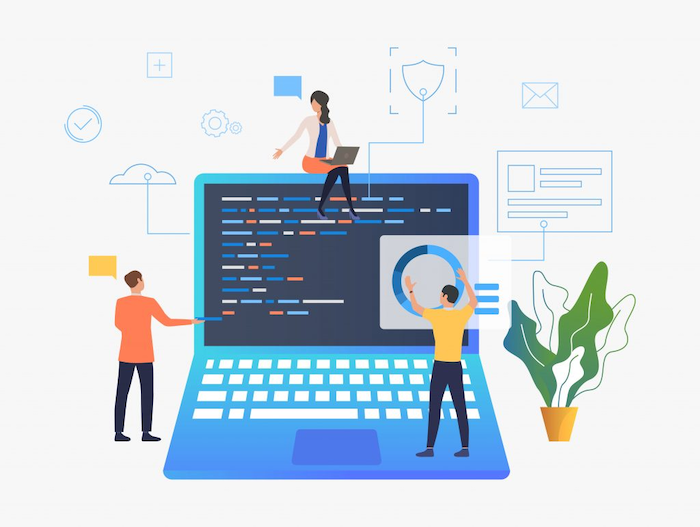
Many healthcare institutions rely on a complex mix of existing software systems. New software development must integrate seamlessly with these systems. This requires meticulous data mapping, planning, and interoperability testing to ensure smooth data exchange and functionality.
Evolving technologies and standards
The healthcare and technology landscapes are constantly evolving and software must adapt to new trends. Future-proofing solutions are crucial to ensure compatibility with new technologies and adherence to evolving industry standards.
Healthcare software development process
Discover the problem you want to solve
A user-centric approach begins with a clear understanding of the specific problem your healthcare software product development will address. In a competitive and evolving market, focus on creating a product that meets a genuine need. Begin by conducting thorough market research to identify gaps in current offerings and potential areas where your solution could add unique value.
Validate your idea by gathering feedback from a small group of target users, which helps ensure you’re approaching the issue effectively. Additionally, consult with healthcare professionals like doctors and nurses to gain practical insights. This collaborative approach helps build a solution aligned with real-world healthcare needs, setting a solid foundation for the development process.
Define your target audience
Identifying your target audience is essential in healthcare software development, as it ensures your app meets the specific needs of its users. For instance, if your app is for elderly users, consider features like larger buttons and simple, accessible UI/UX. Alternatively, if healthcare professionals are the focus, prioritize quick data access and seamless system integration.

Understanding your audience helps streamline the development process by guiding design, platform, and technology choices. Once the target group is defined, consult with a healthcare software development team. This will help you select the best UX approach, tech stack, and platform for successful user adoption.
Develop a scalable design
Building a scalable design is crucial in healthcare app development, allowing your app to grow with your user base. While the initial version may focus on core functionalities, a scalable design ensures that you can add new features and updates over time without needing extensive rework.
Following solid design principles is crucial for future-proofing software development. This makes it easier and more cost-effective to expand as you learn more about user needs and preferences. This approach supports long-term value and flexibility, ensuring your app stays relevant and efficient.
Assemble product team and tech stack
After defining the app’s core functionalities and design, gather a multidisciplinary team to execute the development process. Include key roles like project managers, developers, and UX/UI designers to ensure effective collaboration and alignment across all development stages.
Next, choose the appropriate tech stack for your project. Decide between native or cross-platform development, depending on whether you’re targeting iOS, Android, or both. A well-chosen tech stack supports strong performance and scalability, setting up your healthcare app for long-term success.
Create a minimum viable product (MVP)
Instead of developing a full-scale app right away, it’s wise to start with a Minimum Viable Product (MVP). An MVP is a simplified version of your app with essential features, allowing early users to test it and provide feedback.
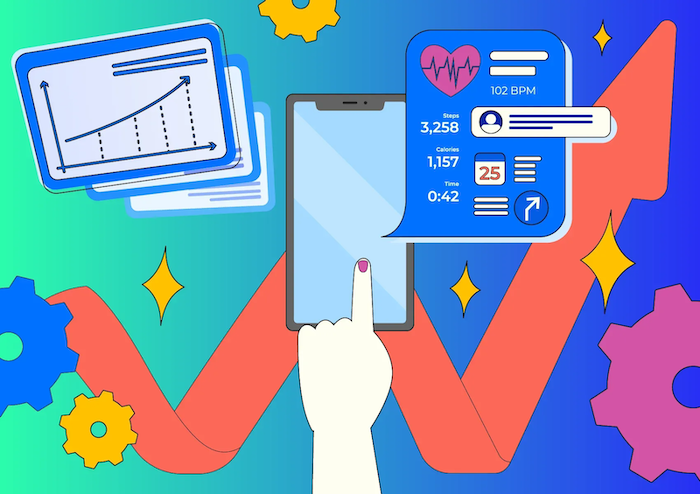
Creating an MVP is particularly valuable in healthcare, where software development can be costly. By releasing an MVP, you can validate user interest, gather constructive feedback, and make improvements based on real user insights.
Start testing
Testing is a crucial step in healthcare software development that ensures your app delivers a seamless user experience. Through comprehensive testing, you can identify bugs, evaluate functionality, and gather user feedback to make necessary improvements.
Testing also allows you to verify compatibility with your target audience. Choose between unit testing for individual components and functional testing to assess the app's overall performance. By approaching testing from the user's perspective, you can better understand user expectations and adjust features accordingly.
Product release and maintenance
In the final stage, your healthcare app is ready for release. However, launching the app is just the beginning. Continuous support and maintenance are essential to keep your app secure and relevant. Regular updates protect against new cybersecurity threats, incorporate necessary feature enhancements, and adapt to third-party API changes.
Ongoing maintenance is crucial in healthcare, where non-compliance can lead to financial penalties and other serious consequences. By prioritizing maintenance, you ensure that your app remains safe, compliant, and competitive in the market, providing a reliable experience for users.
Off-the-shelf vs Custom healthcare software development
When selecting healthcare software development, organizations can choose between custom software development and off-the-shelf solutions, each offering distinct advantages and drawbacks.
Custom healthcare software development
Custom solutions are built from the ground up to fit the specific needs and workflows of a healthcare organization. This approach has several key benefits:
Perfect fit: Custom software is designed to address unique challenges, integrate seamlessly with existing systems, and meet exact requirements.
Scalability and flexibility: Custom solutions can adapt as the organization’s needs evolve, with new features added as needed.
Enhanced security and compliance: Custom-built software can incorporate tailored security measures and regulatory compliance like HIPAA.
However, custom software development also has limitations:
Higher cost and investment: Custom development is resource-intensive, requiring significant time, expertise, and budget.
Development time: Building from scratch takes time, potentially delaying the software’s implementation.
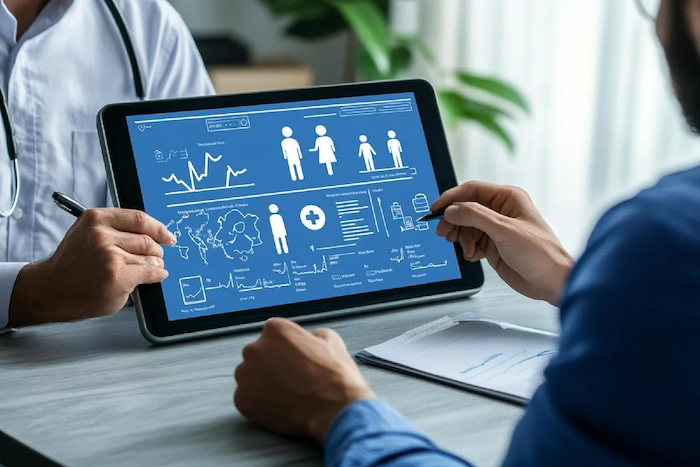
Off-the-shelf healthcare software
Off-the-shelf software development is pre-built with standard features and offers several benefits:
Faster implementation and lower costs: COTS solutions are quicker to deploy and generally require a lower upfront investment.
Proven functionality: These solutions come with vendor support and a track record of established performance.
However, off-the-shelf options also have limitations:
Limited customization: These solutions may not align perfectly with specific workflows or integrate seamlessly with all systems.
Scalability concerns: Adapting off-the-shelf software to changing needs can be challenging.
Security considerations: While secure, off-the-shelf software may lack the ability to tailor data security to specific regulatory needs.
Ultimately, the choice between custom and off-the-shelf software depends on an organization’s unique requirements, budget, and level of customization desired.
Examples of healthcare software development
After considering the advantages and limitations of off-the-shelf versus custom healthcare software, selecting the right development partner is crucial. TMA Solutions, with a team of 600 engineers and 17 years of experience, excels in bringing innovative healthcare solutions to life.
We leverage advanced technologies like generative AI, data analytics, and automation to enhance patient care and streamline processes for healthcare professionals. Our comprehensive healthcare software development services address diverse challenges, including regulatory requirements, data security, and system integration. This enables healthtech organizations to deliver impactful and scalable solutions tailored to modern healthcare demands.
Here are examples of healthcare software developed by TMA Solutions that showcase their adaptability and commitment to crafting impactful, scalable solutions for modern healthcare demands.
Optimize trainee experience with IoT Fitness solution
When it comes to enhancing fitness experiences through IoT, TMA Solutions provides a comprehensive solution for managing studio operations and optimizing trainee outcomes.
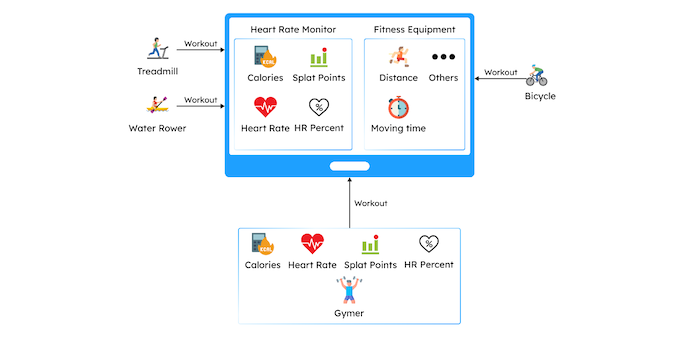
This IoT fitness solution integrates real-time workout data from fitness equipment using Ant+ Legacy and Bluetooth protocols, creating a seamless flow of information to support personalized fitness experiences. Additionally, TMA’s solution includes a healthcare CRM application that tailors member interactions, streamlines class bookings, and facilitates targeted communication to boost engagement and loyalty.
Leverage Big Data for Healthcare Analytics
TMA Solutions developed a health analytics platform to support data-driven healthcare insights. This platform integrates data from multiple sources, including medical records from partners, internal systems, and memberships.
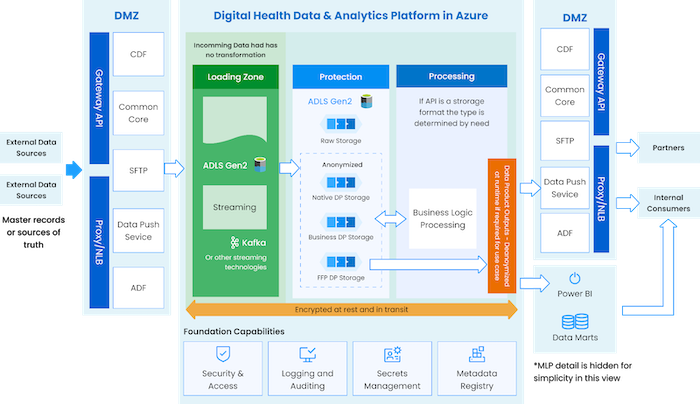
This platform uses real-time data streaming to organize, categorize, and encrypt data, ensuring security during storage and transmission. Transformed data is then decrypted. It is then used by internal teams and partners, with a search engine that processes up to 5TB of data and delivers results in under 3 seconds.
Enhance senior care services with remote health monitoring system
TMA Solutions developed a remote health monitoring system that enables real-time health tracking, timely alerts, and smooth communication between seniors, caregivers, and family members.
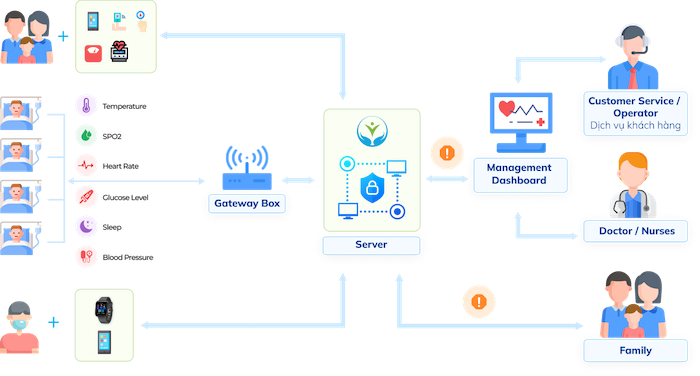
This solution monitors critical health metrics like heart rate, blood pressure, mobility, and medication adherence, giving caregivers continuous insights into residents' health status. Additionally, automated alerts notify caregivers of abnormal readings, allowing prompt response to potential health concerns. The system also keeps family members updated on daily activities and well-being, fostering transparency and connection. These features highlight the value of healthcare software development in improving the quality of care for seniors and enhancing their overall well-being, particularly within the SaaS model.
The impact of software development is transforming how companies deliver value to the healthcare industry. Advancements in AI, machine learning, and IoT promise even more sophisticated tools. These tools will empower healthtech companies to create personalized, efficient, and accessible solutions. As healthcare software continues to advance, healthtech companies are poised to lead the way in building a smarter, more connected healthcare landscape.


.webp_2026-10-01-18-27-07-971.webp)
.webp_2026-10-01-18-17-11-290.webp)
.webp_2026-10-01-18-08-26-854.webp)
.webp_2026-10-01-17-47-32-240.webp)