Home
Search
Found 797 results for “ “ keyword
icon
How AI Language Learning Solutions Personalize Corporate Training at Scale As enterprises expand across multiple markets, training customer-facing teams in business languages becomes increasingly difficult to scale through traditional classroom or tutor-based programs. AI language learning solutions address this challenge by delivering personalized learning paths, AI-powered speaking practice, and role-specific training that adapts to each learner while providing managers with measurable progress across the organization. Conclusion AI language learning solutions enable enterprises to deliver scalable, role-specific language training while reducing dependence on traditional classroom programs. By combining adaptive learning, speech recognition, and personalized tutoring, organizations can improve workforce communication more efficiently and measure progress with real-time analytics. TMA Solutions provides this comprehensive capability through our tailored ecosystem, including AI-Powered Language Learning, Smart Tutor Booking helping global enterprises build multilingual workforces with measurable learning outcomes. What Is an AI Language Learning Solution? An AI language learning solution uses artificial intelligence to personalize language training based on each learner's proficiency, learning pace, and job role. Unlike traditional online language courses that deliver the same content to everyone, AI-powered platforms continuously adapt learning paths, provide speaking feedback, and measure practical language development against workplace communication requirements. Why Traditional Language Training Cannot Scale Across Global Teams Language training has historically been one of the most expensive and logistically complex components of workforce development. The reasons it does not scale are structural, not incidental. High Cost of Human Tutoring One-on-one human tutoring is widely recognized as the most effective format for language acquisition, because it provides immediate feedback, real conversational practice, and the ability to respond to the learner's specific errors in the moment. It is also prohibitively expensive at enterprise scale. A team of 200 customer service agents across three markets cannot economically receive the frequency of individual tutoring sessions needed to develop conversational fluency on a business timeline. According to the Global Language Learning Market report by HolonIQ (2022), enterprise language training costs in Asia-Pacific markets have grown by over 30 per cent since 2019, driven by the expansion of multinational operations into markets requiring local language and cross-cultural communication capability. For most HR training managers, the gap between what individual tutoring costs and what the training budget allows is the single biggest constraint on language program effectiveness. Difficult to Scale Across Global Teams Group language training schedules content for the assumed average learner in the cohort. Employees who already have intermediate proficiency spend significant time revisiting material they know. Employees who need more foundational support are moved along at a pace that leaves gaps unaddressed. Neither group benefits from the experience in proportion to the time they invest. The Business Need for Faster Workforce Language Upskilling The pressure on language training programs is not abstract. It emerges from specific operational and commercial situations that HR training managers recognize immediately. Customer-Facing Teams With Uneven Language Proficiency When a company expands into a new market through a local acquisition or rapid hiring, it often inherits a team whose English or second-language proficiency is uneven across roles and levels. A customer service team where 40 per cent of agents can handle escalation calls confidently in English and 60 per cent cannot is an operational inconsistency that affects customer experience directly. Closing that gap fast, without taking agents off the floor for weeks of classroom instruction, is a practical constraint that traditional training models cannot resolve. Sales Teams Entering New Language Markets Sales teams moving into markets where customer relationships are conducted in a different language face a ramp time that directly delays revenue. According to McKinsey's research on global talent operations (2023), cross-border sales effectiveness drops by an estimated 20 to 30 per cent when language proficiency falls below a functional business threshold, even when product knowledge and sales technique are strong. The investment in language upskilling for market-entry sales teams has a measurable return that exceeds the training cost in most documented cases. Compliance and Technical Communication Requirements In regulated industries, language precision matters beyond conversational fluency. A financial services agent explaining product terms, a healthcare support specialist communicating clinical information, or a legal service provider documenting agreements in a second language all face accuracy requirements that generic language fluency does not guarantee. Role-specific language training that covers the precise vocabulary and communication standards of the industry and function is required to meet these needs. How AI Language Learning Solutions Personalize Training by Role and Skill Level Personalization and integration in enterprise language learning operates at three strategic pillars: matching content to the learner's current proficiency, matching content to the specific communication demands of the learner's role and linking progress directly to corporate growth metrics. Adaptive Proficiency Assessment and Path Generation Before assigning learning content, the platform evaluates each learner's language proficiency and generates a personalized learning path. As learners improve, AI continuously adjusts lesson difficulty and practice scenarios based on performance. As the learner progresses, the system continuously updates its model of their current ability based on assessment performance, practice session outcomes, and error pattern analysis. Content difficulty, vocabulary focus, and practice scenario complexity all adjust accordingly. This is a core capability of any effective ai language learning solution designed for enterprise-scale training. Role-Specific Vocabulary and Scenario Training Customer service agents, sales representatives, and technical support specialists require different communication skills. AI language learning solutions create role-specific learning paths with vocabulary and conversation scenarios aligned to daily work, allowing employees to practice language that directly supports job performance. Connecting Learner Progress to HR Systems For HR training managers overseeing large language programs, visibility into individual and team progress is as important as the quality of the learning experience itself. AI language learning platforms that connect to HR systems allow managers to track proficiency development against role benchmarks, identify which team members are progressing on schedule and which need additional support, and report on language readiness as a workforce KPI rather than a training completion metric. AI Tutoring, Speech Recognition, and Real-Time Feedback in Modern Learning Modern AI language learning platforms combine several technologies to create a more effective learning experience. AI Speech Recognition Speech recognition allows learners to practice pronunciation whenever they choose and receive immediate feedback without waiting for an instructor. The system identifies pronunciation errors, highlights areas for improvement, and encourages repeated practice until learners achieve greater speaking accuracy. Conversational AI Practice AI-powered conversation simulations enable employees to practice realistic workplace interactions, such as customer inquiries, product demonstrations, or technical support conversations. The system adapts each dialogue according to learner responses, creating varied practice experiences instead of repetitive scripted exercises. To optimize training budgets, enterprises can deploy a hybrid approach: AI handles 80% of daily conversational practice at scale, reducing the dependency on expensive human instruction hours. When learners require deeper strategic guidance beyond automated practice, a personalized online tutoring solution like https://www.tmainnovation.com/education/education-center-private-schools/smart-tutor-online-booking-t-tutors Smart Tutor Booking connects them with qualified human tutors for scheduled, highly targeted one-on-one sessions. Real-Time Learning Analytics Beyond tracking course completion, AI platforms measure practical language development through assessment scores, speaking performance, vocabulary growth, and progress toward role-specific proficiency goals. Managers gain meaningful insights into workforce readiness and can make better decisions about future training investments. This approach is typically delivered through a smart learning management solution that centralizes training data, tracks learner progress, and provides real-time visibility for HR and managers across the organization. Frequently Asked Questions How is an AI language learning solution different from consumer language apps? Consumer apps focus on general language learning for individuals. Enterprise platforms provide role-specific content, manager dashboards, HR integration, and analytics that measure workplace communication skills rather than general language proficiency. How long does it typically take to bring a customer service agent to functional business language proficiency with AI-supported training? Progress depends on learners' starting proficiency, practice frequency, and learning objectives. Most organizations begin seeing measurable improvements after several weeks of consistent AI-supported practice. Can AI language learning platforms support multiple target languages simultaneously? Most enterprise AI language learning platforms support multiple target languages, though the depth of AI capability, particularly speech recognition accuracy and conversational scenario quality, varies by language. Before deploying a multi-language program, HR training managers should verify that the platform's AI capabilities for each required language meet the quality threshold needed for the specific communication demands of the role, rather than assuming uniform quality across all supported languages. ...
icon
How AI Monitoring Improves Elderly Patient Safety 24/7 Frequently Asked Questions (FAQs) What is AI monitoring in elderly care? AI monitoring in elderly care refers to the use of artificial intelligence, wearable devices, sensors, and healthcare software to continuously monitor senior patients and improve patient safety. How does remote monitoring improve elderly patient safety? Remote monitoring systems help detect emergencies, monitor chronic diseases, track medication adherence, and provide real-time alerts to caregivers and healthcare providers. What are the benefits of AI-powered medication tracking? Smart medication tracking solutions help reduce missed doses, improve treatment adherence, and support safer medication management for elderly patients. What is a Remote Patient Monitoring (RPM) system? A Remote Patient Monitoring system allows healthcare providers to monitor patient health data remotely using connected medical devices and wearable technologies. Why are healthcare providers investing in AI software for healthcare? Healthcare providers are adopting AI software to improve patient outcomes, automate workflows, reduce caregiver workload, and optimize healthcare operations. Conclusion AI-powered monitoring is transforming elderly healthcare by improving patient safety 24/7. From remote monitoring for elderly patients and smart medication tracking solutions to remote patient monitoring systems and wearable health data integration solutions, AI technologies enable healthcare providers to deliver safer, faster, and more proactive care. As the demand for elderly care continues to grow, healthcare organizations are increasingly investing in healthcare technology software development, AI software for healthcare, and digital health software development to modernize patient care and optimize operations. For senior care centers, homecare providers, and healthcare organizations, AI monitoring is no longer just an innovation, it is becoming an essential foundation for safer and more scalable elderly healthcare. Future Trends in AI Monitoring for Elderly Care Predictive AI and Preventive Healthcare Future AI monitoring systems will increasingly use predictive analytics to identify: Fall risks Health deterioration Medication non-adherence Hospitalization risks This will allow healthcare providers to intervene earlier and improve preventive care. AI Agents for Healthcare Operations AI agent for nurse assistant technologies are expected to support: Patient communication Automated care coordination Daily health check-ins Clinical workflow automation These AI-powered healthcare solutions will help healthcare organizations scale elderly care services more efficiently. Security and Compliance in AI Healthcare Monitoring Healthcare monitoring systems process highly sensitive patient information. Healthcare technology software development must comply with strict security and interoperability standards, including: HIPAA compliance GDPR regulations HL7 FHIR interoperability standards Healthcare data encryption requirements Healthcare software development agencies must ensure secure medical device integration and protected healthcare data management. Security and compliance are essential for building trust in AI-powered healthcare systems. Benefits of AI Monitoring for Healthcare Providers Improved Patient Safety and Outcomes AI-powered monitoring improves elderly patient safety by enabling: Faster emergency response Continuous patient observation Predictive health monitoring Better medication adherence Improved chronic disease management These improvements lead to better patient outcomes and higher quality of care. Reduced Caregiver Workload Healthcare organizations worldwide are experiencing staffing shortages and increasing patient demands. AI agent for healthcare solutions and AI agent for clinical operation automation help reduce administrative burdens by automating: Patient monitoring workflows Follow-up reminders Health alerts Clinical documentation Care coordination tasks This allows healthcare staff to focus more on direct patient care. Cost Optimization for Senior Care Centers The AI monitoring systems help senior care organizations optimize operational costs by: Reducing emergency incidents Preventing hospital readmissions Improving workflow efficiency Minimizing manual monitoring requirements For senior care centers, AI-powered 24/7 monitoring helps maximize patient safety without significantly increasing staffing costs. AI-Powered Elderly Monitoring: The Future of Safer Senior Care MateCare by TMA Solutions is an AI voice companion that enhances seniors' independence, safety, and well-being. As the global population continues to age, healthcare providers are facing increasing pressure to deliver safer, faster, and more efficient elderly care services. According to the World Health Organization (WHO), the number of people aged 60 and older will reach 2.1 billion by 2050. This rapid demographic shift is driving the demand for smarter healthcare technologies that can support continuous monitoring and proactive care. Traditional elderly care models often rely heavily on caregivers and manual supervision. However, staff shortages, rising operational costs, and increasing patient needs make 24/7 human monitoring difficult to sustain. This is where AI-powered monitoring systems are transforming the healthcare industry. From remote monitoring for elderly patients to AI-powered medication tracking and real-time health data analysis, AI technologies are helping healthcare organizations improve patient safety around the clock without significantly increasing staffing requirements. In this article, we explore how AI monitoring improves elderly patient safety 24/7, the technologies behind these solutions, and why healthcare providers are increasingly investing in https://www.tmasolutions.com/industries/healthcare AI software for healthcare and digital health software development. AI for Clinical Decision Support AI monitoring systems do more than collect data. Advanced AI software for healthcare can analyze large volumes of patient information to support clinical decision-making in real time. The systems that applied AI can: Detect early signs of health deterioration Predict hospitalization risks Identify behavioral changes Recommend preventive interventions Prioritize high-risk patients Real-time health data for clinical decision support helps healthcare professionals make faster and more informed decisions, especially in elderly care environments where early intervention is critical. How AI Monitoring Improves Elderly Patient Safety 24/7 AI-Powered Fall Detection and Emergency Response Falls are one of the most serious risks in elderly care. AI-powered remote monitoring for elderly patients uses sensors, wearable devices, cameras, and motion detection technologies to identify falls or unusual movement patterns in real time. When a fall is detected, the system can automatically: Alert caregivers Notify emergency contacts Trigger emergency response workflows Share patient location information This significantly reduces emergency response time and helps prevent severe complications caused by delayed medical attention. Real-Time Monitoring for Faster Intervention Unlike traditional monitoring systems, AI solutions operate continuously. Remote monitoring for senior patients enables healthcare providers to receive instant alerts even when staff are not physically present. This is especially valuable for: Senior care centers Assisted living facilities Homecare services Elderly patients living alone AI-powered monitoring ensures that healthcare teams can respond immediately to emergencies, improving patient safety and reducing hospitalization risks. Reducing Medication Errors in Elderly Care Medication management is one of the biggest challenges in elderly healthcare. Many senior patients take multiple medications daily, increasing the risk of: Missed doses Incorrect medication usage Duplicate prescriptions Adverse drug interactions The solution of medication reminder applied AI and smart medication tracking can help improve medication adherence and reduce human error. Technologies Supporting Medication Safety Modern healthcare application development includes solutions such as: Automated medicine dispensers Automated pill box with reminder alerts Smart medication tracking systems Mobile medication reminder applications AI-generated medication schedules These technologies help patients follow treatment plans more accurately while reducing caregiver workload. Healthcare providers are increasingly integrating medication tracking systems into broader healthcare software development strategies. Understanding AI-Powered Elderly Monitoring Systems AI monitoring refers to the use of artificial intelligence, connected medical devices, wearable technologies, and healthcare software to continuously monitor patient conditions in real time. Modern healthcare technology software development combines AI algorithms with cloud computing, IoT devices, and healthcare interoperability standards to create intelligent healthcare ecosystems. These systems can: Monitor patient activity and movement Detect abnormal health conditions Alert caregivers during emergencies Analyze patient health trends Support clinical decision-making Enable remote patient monitoring Healthcare providers are increasingly adopting AI software for healthcare to improve operational efficiency and patient outcomes. Why Elderly Patient Safety Requires Continuous Monitoring Elderly patients often require continuous supervision due to age-related health conditions and mobility limitations. Common risks include: Falls and injuries Chronic disease complications Missed medications Memory disorders such as dementia Cardiovascular emergencies Delayed emergency response According to the Centers for Disease Control and Prevention (CDC), falls are the leading cause of injury-related deaths among adults aged 65 and older. Every year, one in four older adults experiences a fall. For senior care centers and home care services, ensuring patient safety 24/7 can be challenging, especially with limited healthcare staff....
icon
How AI Nurse Assistants Improve Elderly Care Operations Introduction The global elderly population is growing rapidly, creating increasing pressure on healthcare systems, nursing facilities, and caregivers. According to the World Health Organization, the number of people aged 60 and older will reach 2.1 billion by 2050, significantly increasing demand for long term healthcare and elderly support services. To address these challenges, healthcare providers are investing in AI nurse assistants and intelligent healthcare platforms to improve operational efficiency, patient monitoring, and care quality. AI technologies are helping elderly care facilities automate repetitive tasks, monitor patient health in real time, and support faster medical responses. As digital healthcare transformation accelerates, AI nurse assistants are becoming an important part of modern elderly care operations. This shift is also driving growing demand for wearable health data integration solutions and remote monitoring for elderly systems capable of supporting scalable healthcare services. How AI Nurse Assistants Improve Elderly Care Operations AI nurse assistants and virtual nursing platforms significantly improve elderly care operations by automating administrative tasks, providing proactive health monitoring, and enabling highly personalized care. By easing staff workloads, these tools allow human caregivers to focus on critical clinical decisions and meaningful, compassionate interactions. Remote Monitoring Improves Patient Safety Remote monitoring for senior care is becoming increasingly important because many elderly patients require ongoing medical observation without continuous physical supervision. AI platforms can collect and analyze data from wearable devices such as heart rate monitors, sleep trackers, and movement sensors. These systems help healthcare providers: Detect abnormal health patterns: Identifies early signs of health issues through continuous monitoring. Monitor medication adherence: Tracks medication schedules and supports treatment compliance. Track patient mobility: Monitors movement and activity levels to detect potential risks. Reduce emergency response delays: Sends real-time alerts for faster caregiver intervention. Improve long term patient management: Supports personalized care with ongoing health insights. Remote monitoring for elderly patients also allows healthcare organizations to expand healthcare access while reducing pressure on hospitals and nursing facilities. AI Helps Caregivers Make Faster Decisions AI nurse assistants can analyze patient information and generate alerts when unusual health conditions are detected. This supports faster operational decisions and improves coordination between caregivers, nurses, and healthcare providers. According to Deloitte, healthcare organizations adopting AI technologies are already improving operational efficiency and reducing delays in patient service delivery. The 2026 US healthcare outlook reveals that over 80% of health executives expect agentic and generative AI to deliver significant value to hospital operations this year. As healthcare demand continues growing, intelligent healthcare systems are becoming essential for scalable elderly care operations. Improving Elderly Care Operations Through AI Nurse Assistant Elderly care organizations often face staffing shortages, rising operational costs, and increasing patient care demands. Traditional care models alone are becoming more difficult to scale efficiently. Reducing Administrative Workloads for Caregivers Nurses and caregivers spend significant time handling documentation, scheduling, medication tracking, and patient monitoring activities. AI nurse assistants help reduce these repetitive workloads by automating operational tasks and improving access to patient information. Common AI supported healthcare functions include: Appointment and medication reminders Automated patient monitoring Digital documentation support Health data analysis Emergency alert notifications These technologies allow healthcare staff to spend more time focusing on patient care instead of administrative activities. Supporting Continuous Patient Monitoring Elderly patients often require continuous health monitoring because of chronic conditions and higher medical risks. AI systems combined with wearable health data integration solutions allow healthcare providers to monitor patient conditions in real time through connected devices and digital healthcare platforms. This helps organizations improve response times and detect potential health issues earlier. Conclusion AI nurse assistants are transforming elderly care operations by improving patient monitoring, reducing caregiver workloads, and supporting faster healthcare decisions. As healthcare systems continue modernizing digital infrastructure, AI platforms and remote monitoring technologies will become increasingly important for delivering scalable and efficient elderly care services. Organizations investing in wearable health data integration solutions and remote monitoring for elderly systems today will be better positioned to improve patient care quality and support long term healthcare sustainability in the future. Advancing Elderly Care with TMA Solutions Healthcare Expertise mCare by TMA Solutions: Advancing Elderly Care with Digital Health Monitoring As the demand for elderly care continues to grow, healthcare providers are seeking innovative technologies that can improve care quality while addressing workforce shortages and operational challenges. TMA Solutions leverages its healthcare expertise and AI capabilities to develop intelligent elderly care solutions that support proactive health management, remote monitoring, and independent living. Through its https://www.m-care.vn/ mCare ecosystem and senior care services, TMA delivers comprehensive solutions designed specifically for elderly care providers, nursing homes, home care organizations, and healthcare institutions. Key capabilities include: Telehealth support: Enables virtual consultations for timely medical support from home. Remote health monitoring: Monitors vital signs, sleep patterns, and daily activities in real time to support proactive elderly care. Instant emergency alert: Detects health abnormalities and immediately notifies caregivers and medical professionals. Medication reminders: Delivers personalized medication reminders to help seniors stay on track with their treatment plans. Chronic disease monitoring: Supports chronic disease management through real-time monitoring and personalized health insights. In addition, TMA's MateCare AI companion also helps seniors maintain daily routines, receive personalized reminders, and stay socially connected through voice-based interactions and intelligent assistance. By combining AI, IoT, and healthcare technologies, TMA enables elderly care providers to deliver safer, more efficient, and more personalized care while improving operational visibility and supporting long-term healthy aging. AI Healthcare Innovation in Vietnam Vietnam is becoming an emerging destination for healthcare technology development and AI driven healthcare solutions. Growth of AI Healthcare Ecosystems Healthcare providers and technology companies are increasingly investing in digital healthcare transformation initiatives, intelligent automation, and AI platforms. This growth is strengthening the development of AI for aged care in Vietnam and expanding innovation across healthcare technology sectors. Expanding AI Healthcare Capabilities Vietnamese technology companies are also building expertise in: AI healthcare platforms Remote healthcare monitoring Intelligent automation Cloud based healthcare systems Wearable healthcare integration As healthcare demand continues increasing globally, AI for healthcare from Vietnam is gaining attention because of the country’s growing engineering capabilities and competitive technology ecosystem. The Role of Wearable Healthcare Technologies Wearable healthcare technologies are becoming one of the most important components of modern elderly care systems. Real Time Health Monitoring Wearable devices continuously collect patient health information such as heart rate, oxygen levels, physical activity, and sleep patterns. When integrated into AI healthcare platforms, this data helps organizations monitor elderly patients more accurately and proactively. This is why wearable health data integration solutions are increasingly being adopted across healthcare and aged care environments. Preventive Healthcare and Early Detection AI systems can identify health risks earlier by analyzing long term patient data and detecting unusual behavioral or physiological patterns. This supports preventive healthcare strategies and helps reduce emergency hospitalizations among elderly patients. The combination of AI technologies and remote healthcare systems is therefore improving both operational efficiency and patient care quality. How TMA Solutions Enables Wearable https://www.tmasolutions.com/industries/healthcare Healthcare Integration As wearable technologies become essential to modern elderly care, TMA Solutions enables healthcare providers to seamlessly integrate and manage health data from a wide range of connected medical devices. The company has successfully integrated more than 50 wellness, medical, and fitness devices, supporting a wide range of connectivity protocols including BLE, NFC, ANT+, 4G, Wi-Fi, ZigBee, and LoRaWAN. Through seamless device integration, intelligent data filtering, and rigorous data validation processes, TMA enables healthcare organizations to collect accurate real-time health data and transform it into actionable insights. These capabilities help elderly care providers improve patient monitoring, support early risk detection, and deliver more proactive, data-driven care services. ...
icon
How Can Healthcare Organizations Accelerate Digital Transformation? Healthcare organizations are under increasing pressure to modernize operations, improve patient experiences, and manage growing volumes of clinical and operational data. Hospitals, clinics, insurers, digital health startups, and healthcare SaaS providers are investing heavily in digital technologies, yet many continue to face challenges related to fragmented systems, manual workflows, and limited interoperability. The healthcare industry is generating more data than ever before through Electronic Health Records (EHR), connected medical devices, telehealth platforms, patient portals, and clinical research systems. However, transforming this data into actionable insights requires more than technology adoption alone. It requires a well-planned digital transformation strategy supported by scalable healthcare software solutions. For organizations seeking to accelerate innovation while maintaining regulatory compliance and operational efficiency, partnering with an experienced https://www.tmasolutions.com/industries/healthcare healthcare software development company can play a critical role in achieving long-term digital transformation goals. What challenges are healthcare organizations facing? Many healthcare organizations have already digitized portions of their operations. However, several obstacles continue to slow transformation initiatives. Fragmented healthcare systems Healthcare data is often distributed across multiple systems including EHRs, EMRs, laboratory systems, and patient engagement tools. This fragmentation creates operational inefficiencies; however, evidence shows that Electronic Health Records (EHRs) can now act as a main hub for patient information, enabling different systems to share data smoothly. Despite this potential, implementing such integrated innovations remains difficult, as 60-80% of digital projects fail during the deployment phase due to insufficient consideration of organizational constraints. Legacy infrastructure Many healthcare providers still rely on aging applications that are difficult to maintain, integrate, or scale. Legacy systems can hinder innovation efforts and make it challenging to adopt modern healthcare technologies. Increasing data volumes Healthcare organizations must manage vast amounts of structured and unstructured data from medical records, clinical research, wearable devices, imaging systems, and patient-generated health information. Workforce and operational pressures Healthcare organizations are facing growing workforce challenges that extend beyond staffing shortages. One of the most pressing issues is clinician burnout, which has become a significant barrier to healthcare digital transformation and sustainable care delivery. Recent studies indicate that burnout affects a substantial portion of the healthcare workforce. Meta-analyses have reported burnout prevalence rates exceeding 70% among nurses and physicians, while rates reach 56% among dietitians, 43% among emergency department staff, and 40% among midwives. These figures highlight the widespread impact of operational pressures across different healthcare professions. Source: https://www.ssph-journal.org/journals/public-health-reviews/articles/10.3389/phrs.2025.1609096/full https://www.ssph-journal.org/journals/public-health-reviews/articles/10.3389/phrs.2025.1609096/full Regulatory and security requirements Healthcare organizations must maintain compliance with multiple regulations while protecting sensitive patient information. As digital transformation expands, security and governance become increasingly important. What solutions can address these challenges? Successful digital transformation requires a combination of modern healthcare platforms, interoperability, data analytics, automation, and patient-centered digital experiences. Modern healthcare platforms Organizations are increasingly investing in cloud-based healthcare platforms that centralize data, improve accessibility, and support future scalability. These platforms can help replace fragmented legacy systems with unified environments. Healthcare data analytics Advanced analytics enables healthcare organizations to transform large datasets into meaningful insights. Healthcare data platforms can support: Population health analytics Clinical performance monitoring Predictive healthcare insights Operational reporting Research and innovation initiatives Healthcare data analytics solutions can help organizations make faster and more informed decisions while improving healthcare outcomes. Telehealth and remote patient monitoring Telehealth and remote monitoring solutions allow healthcare providers to extend care beyond traditional clinical settings. Capabilities may include: Virtual consultations Remote vital sign monitoring Chronic disease management Patient engagement tools Real-time health alerts These solutions help improve care accessibility while supporting more proactive patient management. AI-Powered healthcare solutions Artificial intelligence is increasingly being applied across healthcare workflows to improve efficiency and decision-making. Examples include: OCR-based healthcare data extraction Healthcare chatbots Predictive analytics Sleep apnea detection Atrial fibrillation (AFib) detection Clinical data analysis AI technologies can reduce manual workloads while helping organizations extract greater value from healthcare data. Interoperability and system integration Healthcare organizations require seamless information exchange across systems and devices. Interoperability initiatives help connect: EHR and EMR systems Medical imaging platforms Laboratory systems Medical devices Telehealth applications Healthcare SaaS platforms Strong interoperability reduces data silos and improves care coordination. Why are compliance and security critical? Digital transformation initiatives must be built on a foundation of compliance, privacy, and security. Healthcare organizations often operate across multiple jurisdictions and regulatory environments. As a result, software platforms must support applicable healthcare standards and regulations. Key standards commonly involved in healthcare digital transformation include: HIPAA for protecting healthcare information in the United States GDPR for managing personal data within European markets HL7 for healthcare information exchange FHIR for modern healthcare interoperability PACS and DICOM for medical imaging management ISO 13485 for medical device quality management ISO 27001 for information security management ISO 9001 for quality management systems Security capabilities should include: End-to-end encryption Multi-factor authentication Identity and Access Management Role-Based Access Control (RBAC) Immutable audit logs Organizations that address compliance and security early in the development process can reduce implementation risks and improve regulatory readiness. How should healthcare organizations choose the right technology partner? Selecting the right technology partner is often one of the most important decisions in a digital transformation initiative. Organizations should evaluate potential partners based on several criteria. Healthcare domain expertise Healthcare technology projects involve unique workflows, compliance requirements, and interoperability challenges. Industry-specific experience can significantly reduce implementation risks. Regulatory knowledge A partner should understand healthcare regulations and standards relevant to the target market. Compliance requirements can vary significantly across regions, making healthcare domain expertise essential for reducing implementation risks and avoiding costly delays. Data and AI capabilities As healthcare becomes increasingly data-driven, organizations benefit from partners that have experience in healthcare analytics, AI, and large-scale data management. Device integration experience Medical device connectivity is becoming increasingly important across telehealth, remote monitoring, and digital therapeutics initiatives. Scalability and long-term support Digital transformation is not a one-time project. Organizations should look for partners capable of supporting ongoing product evolution, modernization, and growth. For many organizations, working with a provider specializing in medical software development from Vietnam offers access to highly skilled engineering teams while maintaining cost efficiency and scalability. What healthcare projects has TMA successfully delivered? Healthcare data analytics platform (USA) Challenge A healthcare organization needed a platform capable of managing and analyzing large volumes of healthcare data while improving access to medical information. Solution TMA built a new healthcare analytics platform, migrated 15 million medical records, and developed a search engine capable of processing large healthcare datasets. TMA's Azure Data Lake Architecture for a Healthcare Data Analytics Platform Source 1: https://docs.google.com/presentation/d/1DAVtWKu1il-Mn7nQvhAoFkDVCmq0g2DVsXkOlo034Xg/edit?slide=id.p34#slide=id.p34 TMA Healthtech - Package - 17 Apr 26 Outcomes 15 million healthcare records migrated 5TB of healthcare data searchable within 3 seconds Improved data accessibility and analytics capabilities Pharmacy automation platform (Australia) Challenge A rapidly growing healthcare provider required a scalable platform to manage pharmacy operations while reducing reliance on manual processes. Solution TMA implemented cloud-based integration, automated workflows, enhanced reporting, and real-time safety monitoring. Integrated Pharmacy Automation Workflow for Medication Management Source: https://docs.google.com/presentation/d/1DAVtWKu1il-Mn7nQvhAoFkDVCmq0g2DVsXkOlo034Xg/edit?slide=id.p34#slide=id.p34 TMA Healthtech - Package - 17 Apr 26 Outcomes Supports operations across more than 2,000 pharmacies Improved operational efficiency Enhanced patient safety Facilitated migration from legacy systems to modern cloud infrastructure What business benefits can organizations expect? Healthcare organizations that successfully execute digital transformation initiatives can achieve several business outcomes. Faster time-to-market: Modern development approaches enable organizations to launch new healthcare services and products more quickly. Reduced operational costs: Automation reduces administrative workloads and improves operational efficiency. Improved patient outcomes: Real-time monitoring, analytics, and digital engagement tools help support more proactive care delivery. Regulatory readiness: Built-in compliance and security capabilities help organizations manage evolving regulatory requirements. Scalability for future growth: Modern healthcare platforms provide the flexibility needed to support future expansion, innovation, and digital health initiatives. Ready to accelerate your healthcare digital transformation Healthcare digital transformation is no longer limited to technology modernization. It is becoming a strategic initiative that affects patient experience, operational efficiency, compliance, and long-term organizational growth. Whether you are building a new digital health platform, modernizing legacy healthcare systems, implementing AI-driven healthcare solutions, or expanding telehealth services, selecting the right healthcare technology partner is critical to accelerating outcomes while reducing implementation risks. Connect with https://www.tmainnovation.com/healthcare TMA Healthtech to explore practical healthcare software development strategies, modernize healthcare operations, improve care delivery, and support your organization's long-term digital transformation goals. ...
icon
Telehealth Platforms: How They Innovate Care Delivery & Workflows The Vietnam telehealth (the remote delivery of healthcare services using telecommunications technology) market is growing rapidly. It reached a value of USD 130.0 Million in 2025 and is projected to reach USD 612.5 Million by 2034, exhibiting a CAGR (compound annual growth rate) of 18.80% during the 2026-2034 forecast period. Despite this growth, many healthcare clinics and providers face serious operational gaps. Patients in remote rural communities often suffer due to a lack of specialist access at local health stations. These geographic barriers force patients to travel long and costly distances to central hospitals, resulting in delayed treatments and clinical risks. Furthermore, clinics face heavy manual workloads for patient registration, insurance verification, and manual data entry. To address these challenges, advanced digital health platforms are transforming clinical workflows. These modern platforms connect wearable sensors, smart devices, and artificial intelligence (AI) software directly with remote medical clinics. Continuous tracking provides clinicians with real-time health updates, improving clinical outcomes and reducing emergency room visits. By transitioning to scalable telehealth systems, clinics can extend their geographic reach, automate check-ins, and build deep trust with patients. This modern care delivery model creates clear operational efficiency and measurable financial returns for progressive healthcare enterprises. How does telehealth platform development work? To understand how modern https://www.tmasolutions.com/industries/healthcare telehealth platform for providers are designed for clinics and providers, it helps to examine the key components that move health data from the patient's environment to the clinical team. An enterprise-grade solution typically includes the following interconnected parts: Connected medical and wellness devices: Smartwatches, smart rings, blood pressure cuffs, and ECG (electrocardiogram — a device that records the electrical activity of the heart) sensors capture real-time vital metrics directly from the patient at home. Patient mHealth mobile application: A user-friendly smartphone interface lets patients log daily wellness activities, view clinical trends, and receive instant automated medication reminders. Secure cloud backend and database: A scalable cloud server aggregates incoming health data stream feeds, manages user access roles, and runs algorithmic analyses. Clinician portal and remote care dashboard: A web-based interface gives doctors and home care nurses real-time access to patient health records, symptom logs, and emergency alerts. Integrated self-service registration kiosks: On-site hardware check-in stations verify patient identity, check insurance coverage, and schedule future appointments while integrating directly with electronic health record (EHR) databases. Example of Telehealth Consultation Workflow Technical frameworks and system integration Building a reliable and secure Telehealth Platform Development for Clinics & Providers infrastructure requires a robust backend system that connects diverse medical devices and integrates with existing clinical workflows: FHIR and HL7 standardization: Implementing FHIR (Fast Healthcare Interoperability Resources) and HL7 (Health Level Seven) protocols enables unified and legal data exchange between custom telehealth platforms and complex hospital databases. High-quality real-time conferencing channels: Leveraging multipoint conferencing and real-time audio streaming capabilities ensures high-definition video calls and low-latency audio during remote clinical consultations. Comprehensive connection protocols: Supporting diverse standards like BLE (Bluetooth Low Energy), ANT+ (a wireless technology protocol used for monitoring sensor data), cellular 4G, and Wi-Fi secures uninterrupted device-to-cloud connections. Smart OCR transcription software: Utilizing advanced OCR (Optical Character Recognition) engines converts paper prescriptions and photos of legacy medical screens into structured digital clinical files. Telehealth Consultation Workflow What business benefits can telehealth platforms deliver for providers? Investing in a high-quality Telehealth Platform for Providers program provides measurable financial and operational benefits for hospitals, private clinics, and nursing homes: Reduced operational and labor costs: Automating patient registration, check-ins, and booking through integrated kiosks lowers administrative overhead and optimizes clinic staff allocation within existing hospital information system (HIS) workflows. Expanded geographic market reach: Deploying remote clinical portals allows localized private clinics to treat patients from distant rural areas without establishing physical branch locations. Enhanced patient retention and loyalty: Providing instant access to electronic prescriptions, treatment histories, and virtual consultations improves the patient experience and builds brand loyalty. Optimized long-term care programs: Continuous vital sign tracking allows specialized private clinics to offer premium monthly chronic care packages, creating reliable and predictable recurring revenue streams. Minimized preventable hospital readmissions: Real-time alerts of abnormal vital trends enable early outpatient interventions, preventing expensive emergency care liabilities. How to choose the right technology partner? Selecting the right software engineering company is a critical decision that determines the safety, usability, and long-term success of your Telehealth Platform Development for Clinics & Providers program: Dedicated custom medical software engineering experience: Enterprises must evaluate if the software vendor has a proven history of developing certified, clinical-grade medical software architectures. Strong security and compliance standards: Healthcare platforms should be built with security and regulatory compliance in mind. A reliable solution should support industry standards such as HIPAA, GDPR, and HDS to protect sensitive patient information and ensure data privacy. Compliance with recognized quality and security frameworks helps healthcare organizations reduce risk, strengthen trust, and meet regulatory requirements across different markets. Advanced device interoperability and testing capacity: A qualified partner should have established expertise in integrating multiple wireless hardware standards and validating complex sensor data integrity. Large scale and flexible talent pools: The engineering partner must deploy a deep pool of highly qualified software engineers to handle custom configurations, scaling, and long-term systems maintenance. Why should enterprises choose TMA healthtech? For organizations seeking an experienced and capable software engineering partner to build or deploy Telehealth Platform Development for Clinics & Providers systems, TMA Healthtech serves as a premier global provider. The company brings over 15 years of dedicated experience in custom medical software engineering, delivering secure and state-of-the-art solutions: All-in-one care network hub: The mCare platform connects patients, family members, home nurses, clinics, and doctors under a single, real-time care network to optimize virtual primary care and specialist clinical coordination. Unmatched medical device integration: TMA's mCare platform integrates seamlessly with 50+ medical and consumer wellness devices, including smartwatches, smart rings, ECG monitors, blood pressure monitors, glucose meters, and oxygen monitors. Highly secure and compliant infrastructure: mCare adheres to GDPR and ISO 13485 standards, along with HDS (Health Data Hosting) compliance, is designed to comply with HIPAA regulations, and ensures full encryption of all transmitted and stored patient data to protect clinical trust. Up to 80% reduction in administrative workloads: By leveraging AI-powered OCR capabilities, clinics can digitize paper prescriptions, medical forms, and legacy records more efficiently. This significantly reduces manual data entry and document processing efforts, allowing staff to focus more on patient care. How has TMA delivered real-world impact? The following examples demonstrate how different organizations have deployed the mCare platform to protect patients and simplify clinical workflows: Supporting elderly people living alone in Vietnam: A major telecommunications and health technology provider partnered with TMA Healthtech to equip solitary seniors with smartwatches and smart rings running the mCare platform. When the system's AI detects a sudden health change, it immediately alerts a remote medical team. Each enrolled user also receives up to 15 virtual doctor consultations, giving families reliable peace of mind. Supporting Elderly People Living Alone Through Telehealth Monitoring high-risk patients in private clinics: Specialized private medical clinics integrated mCare to continuously track patients with epilepsy (a brain disorder characterized by repeated seizures) and serious heart conditions between scheduled office visits. Continuous vital sign tracking enabled highly precise, personalized medication adjustments, leading to significantly improved clinical outcomes and a measurable reduction in emergency room visits. Reducing paperwork in assisted living residences: Nursing homes deployed the mCare Nurse Mobile App to help care staff record daily routines, medications, and physical health updates. The OCR camera scanner minimized transcription errors caused by paper prescriptions, and a secure family portal shares health updates in real time, building deeper trust with residents' families. Bringing specialist care to rural communities: Public health agencies deployed portable mCare Health Kiosks to local health stations in Vinh Long province, Vietnam. Rural patients can visit a kiosk to check their vital signs and speak directly with central hospital specialists via high-quality video screens, eliminating the need for long and costly trips to urban medical centers. What is the strategic next step for enterprises? To protect patients from delayed clinical interventions and heavy manual data entry workloads and to build a stronger, more proactive care system, healthcare organizations should take the following steps: Perform an operational virtual care audit: Clinics must evaluate their current digital infrastructure to identify gaps in real-time symptom tracking and administrative document workflows. Formulate an integration and device compatibility plan: Healthcare organizations should map out their required medical device connections and EHR integration parameters before choosing a custom vendor. Connect with https://www.tmainnovation.com/healthcare TMA healthtech today: Contact our specialized engineering team to learn how the mCare platform and our custom software solutions can protect your patients, reduce operational errors, and prepare your organization for the future of digital health....

icon
How Patient Engagement Platforms Improve Patient Retention and Treatment Adherence...
icon
How Predictive Maintenance Helps Reduce Downtime in Food & Beverage Manufacturing Conclusion As the Food & Beverage industry faces increasing demands for efficiency, safety, and sustainability, predictive maintenance emerges as a vital strategy, not just for avoiding breakdowns but for building resilience. By transforming real-time data into actionable insights, manufacturers can stay ahead of potential failures, optimize operations, and focus on quality and innovation. In a sector where every second counts, anticipating problems before they happen isn’t just smart—it’s essential. Predictive maintenance is transforming how F&B manufacturers approach operational reliability. TMA’s Solution TMA’s CMMS (Computerized Maintenance Management System) solution was implemented for a leading fast-food chain in Vietnam. The brand faced challenges in managing the maintenance of its equipment, including refrigeration units, cooking appliances, and POS systems. By integrating CMMS, the brand was able to centralize maintenance tracking, automate scheduling for preventive maintenance, and ensure timely interventions across all locations. As a result, the chain achieved a 30% reduction in unplanned downtime, improving overall production efficiency. The system also contributed to extending the lifespan of critical equipment by 15–20%. With QR code-based ticketing and real-time reporting, the company not only improved asset utilization but also maintained high food safety standards across all branches. This proactive maintenance approach significantly enhanced operational efficiency. Computerized Maintenance Management System Benefits for the F&B Sector Reduced unplanned downtime: Studies show predictive maintenance can reduce downtime by up to 30%, according to Food Engineering Magazine. Extended equipment lifespan: Continuous insights prevent overuse or neglect. Improved food safety: Minimizing malfunction prevents contamination and spoilage. Cost savings: Lower emergency maintenance costs and labor disruptions. Assetwatch reports maintenance-related savings reaching 15–20% in some plants. Compliance and regulation readiness: Real-time data logs help meet standards like HACCP and FSMA. Applications in F&B Packaging Lines: Detect motor or bearing degradation before jams occur. Refrigeration Units: Monitor temperature fluctuations to ensure consistent cooling. Conveyor Systems: Spot misalignments or motor fatigue early. HVAC Systems: Optimize ventilation and temperature to ensure energy efficiency and product integrity. Introduction The Food & Beverage (F&B) industry relies heavily on continuous and efficient production. From packaging machines to refrigeration systems and conveyor belts, unplanned equipment failures can cause massive disruptions, product spoilage, and revenue loss. Predictive maintenance (PdM) offers a data-driven strategy to detect potential failures before they occur, thereby minimizing unplanned downtime. How Predictive Maintenance Works Predictive maintenance leverages sensors, IoT, and AI to continuously monitor equipment health. Data from vibration, temperature, pressure, or acoustic signals is analyzed to identify abnormal patterns. For example, Advanced Technology Services reports using vibration analysis and infrared thermography to anticipate component wear in food-processing machinery. Siemens emphasizes the use of cloud-based platforms and machine learning algorithms, such as Senseye Predictive Maintenance, to analyze signals from thousands of sensors across production lines. Why Downtime Is Critical in F&B Manufacturing In the F&B sector, downtime doesn’t just impact productivity—it can compromise food safety, delay deliveries, and create waste. According to Accruent, even short periods of machine failure can result in entire production batches being discarded. This is especially damaging when working with perishable goods or strict hygiene requirements. ...
icon
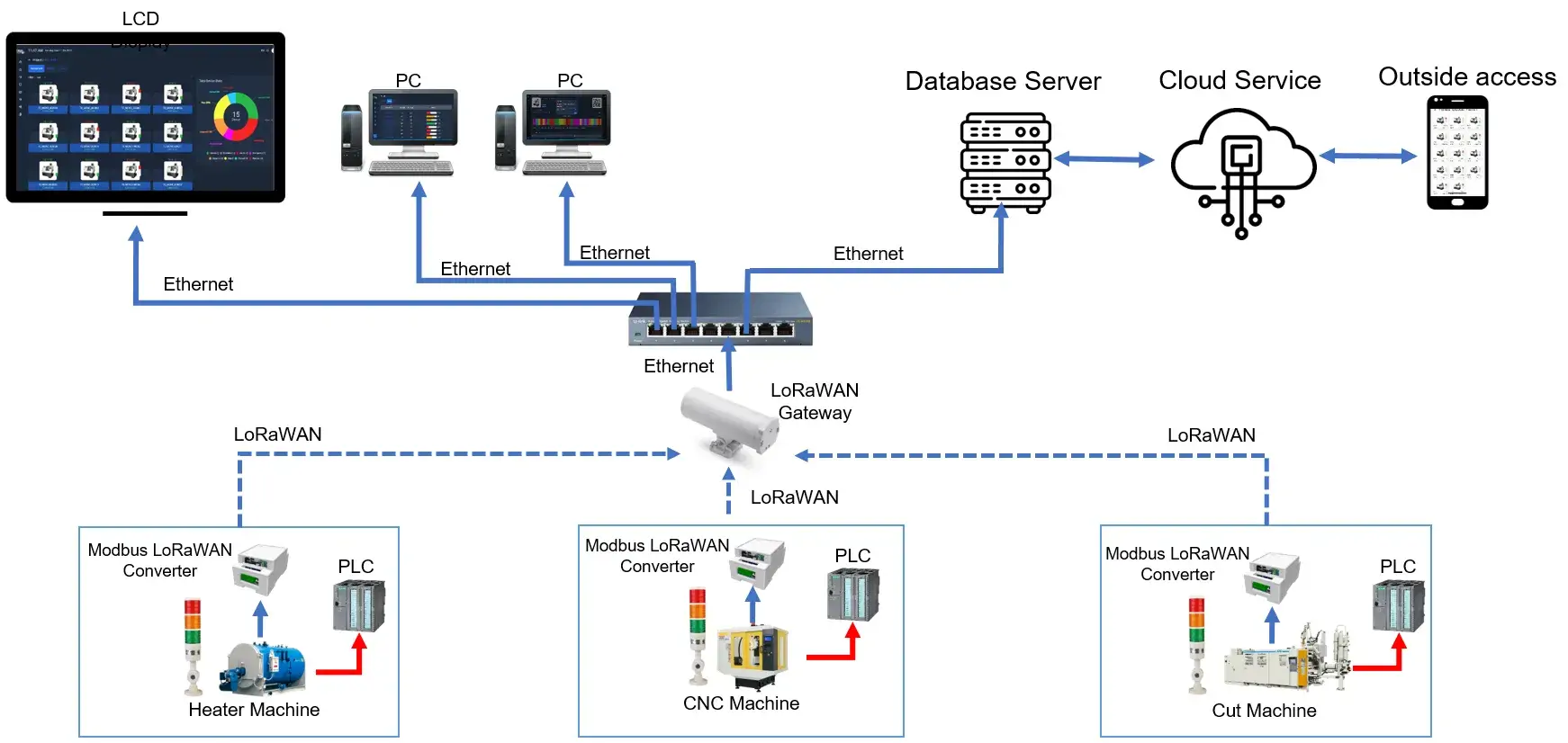
How Smart Manufacturing Solutions Help Businesses Stay Ahead Conclusion Smart manufacturing is more than an operational upgrade—it is a business imperative for sustainable growth and differentiation. Companies that embrace smart solutions are not only improving internal performance but are also positioning themselves to lead in the digital economy. By integrating data, intelligence, and connectivity across the manufacturing lifecycle, smart manufacturing empowers organizations to stay ahead of competitors, adapt with agility, and drive long-term value creation. Innovation and Future Readiness One of the most profound benefits of smart manufacturing is its ability to fuel innovation. By connecting physical assets with digital intelligence, businesses can experiment faster, bring new products to market sooner, and customize at scale. Smart manufacturing supports emerging business models such as mass customization and on-demand production, which are key to staying competitive in fast-evolving markets. Research also suggests that companies adopting smart manufacturing early tend to lead in digital maturity and business model reinvention. They are better equipped to absorb economic shocks and leverage new opportunities—whether it be AI-powered design, digital twins, or autonomous production cells. Adaptability and Risk Mitigation Modern supply chains face increased exposure to disruptions due to global uncertainties. Smart manufacturing enables end-to-end traceability and real-time monitoring, which improves companies' ability to respond to unexpected events such as supply shortages or quality defects. With predictive analytics and simulation tools, businesses can model different production scenarios and make proactive decisions—mitigating risks before they escalate. The integration of smart manufacturing with enterprise systems also enhances cybersecurity, compliance, and ESG reporting. As manufacturers face increasing pressure from regulators and customers to meet sustainability goals, smart solutions provide the necessary transparency and control to monitor carbon footprints and energy usage across production processes. Operational Excellence and Measurable Gains Smart manufacturing solutions deliver tangible improvements across the value chain. For example, a case study published in MDPI highlighted a small manufacturing enterprise that implemented a smart production system and recorded a 47% increase in productivity, 53% reduction in downtime, and 21% decrease in energy consumption. These results are not isolated; studies show that smart factories outperform traditional ones in key metrics such as throughput, asset utilization, and lead time. Additionally, smart factories leverage predictive maintenance and machine monitoring to reduce unplanned outages, lowering maintenance costs and improving OEE (Overall Equipment Effectiveness). Data-driven insights allow production managers to optimize resource allocation, reduce material waste, and drive continuous improvement. TMA Solutions offers two core platforms that help businesses achieve these benefits: CMMS (Computerized Maintenance Management System): TMA’s CMMS (Computerized Maintenance Management System) was implemented as part of a digital manufacturing initiative for a leading fast-food chain in Vietnam, aiming to modernize equipment maintenance across all locations. The system enabled real-time monitoring, QR code-based ticketing, and automated scheduling of preventive tasks for assets such as refrigeration units, cooking appliances, and POS terminals. Figure 1: Computerized Maintenance Management System (CMMS) MMS (Machine Monitoring System): One of the most effective starting points for SMEs adopting digital manufacturing is deploying a Machine Monitoring System (MMS). This system provides real-time visibility into the status, utilization, and performance of factory equipment — without requiring extensive infrastructure changes. TMA’s MMS is designed to be lightweight and modular, making it ideal for small factories. It collects data from machines using affordable sensors and displays key metrics like uptime, downtime, and productivity on a centralized dashboard. Managers can identify performance bottlenecks, analyze root causes of delays, and make data-driven decisions based on actual equipment usage. Figure 2: Machine Monitoring System (MMS) These solutions are already in use across industries, including automotive and F&B, enabling clients to improve efficiency by up to 30% and reduce downtime by 40%, based on internal project results from TMA’s Smart Manufacturing Division. Smart Manufacturing as a Competitive Strategy Smart manufacturing is not just about automating factory processes; it encompasses the integration of advanced technologies like IoT, AI, big data, cloud computing, and robotics into manufacturing systems to enable real-time visibility, adaptability, and decision-making. According to Deloitte's 2025 Smart Manufacturing Survey, 86% of manufacturers believe smart manufacturing is essential to their success over the next five years. Companies adopting smart manufacturing are reporting improved agility, faster product launches, and greater customer satisfaction. Strategically, smart manufacturing helps businesses become more responsive to shifting market demands. By creating a connected ecosystem across design, supply chain, production, and quality management, manufacturers can eliminate silos and accelerate innovation cycles. In this way, smart manufacturing shifts from a cost-driven initiative to a value-creation strategy. Introduction In a world of increasing market volatility and customer demands for customization, smart manufacturing has emerged as a powerful enabler of business resilience and agility. Beyond its technological sophistication, smart manufacturing represents a strategic opportunity for companies to unlock productivity, reduce risks, and gain sustainable competitive advantages. This article explores how smart manufacturing solutions empower businesses to thrive amid disruption, based on research insights and real-world success stories. ...