AI-Powered Elderly Monitoring: The Future of Safer Senior Care
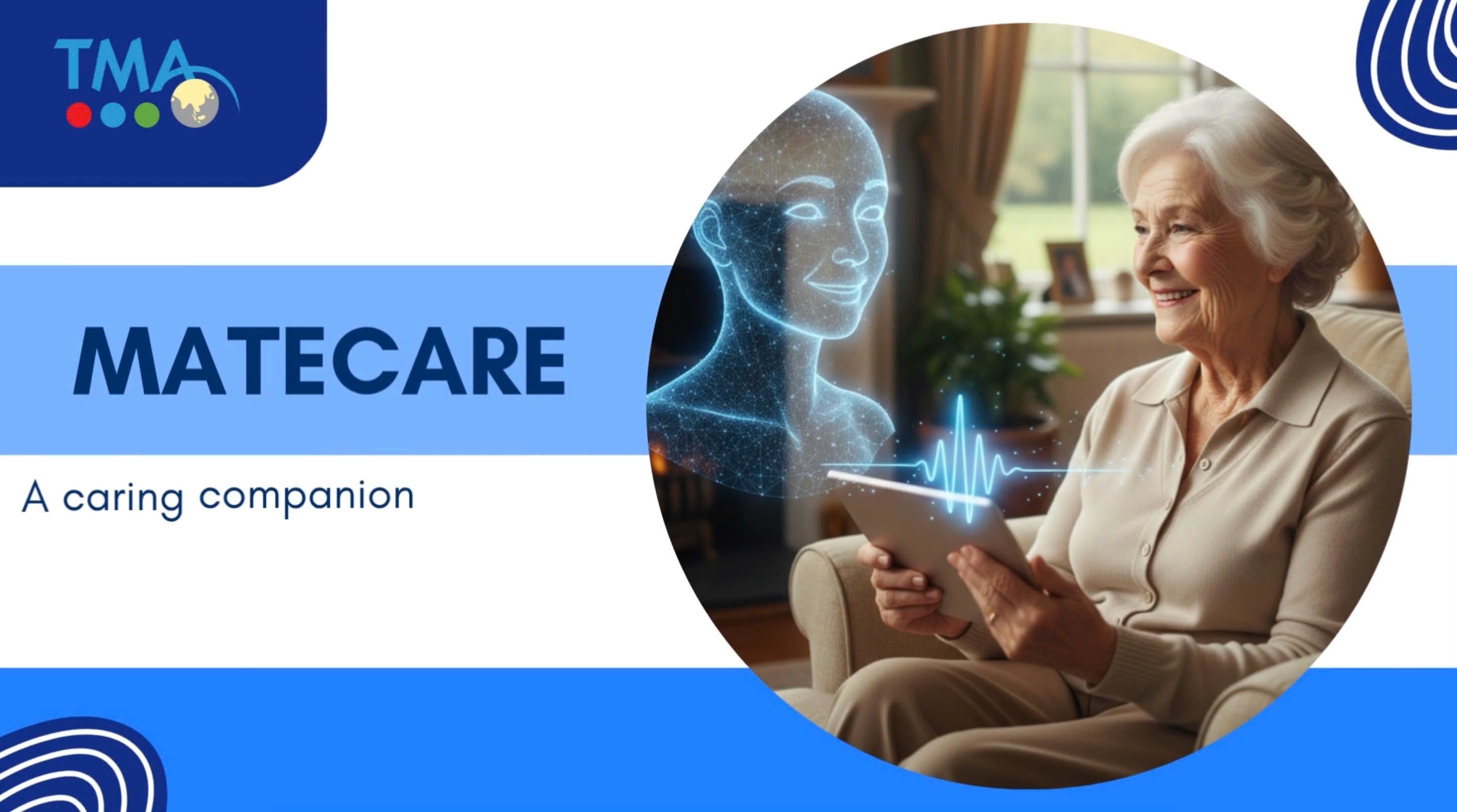
As the global population continues to age, healthcare providers are facing increasing pressure to deliver safer, faster, and more efficient elderly care services. According to the World Health Organization (WHO), the number of people aged 60 and older will reach 2.1 billion by 2050. This rapid demographic shift is driving the demand for smarter healthcare technologies that can support continuous monitoring and proactive care.
Traditional elderly care models often rely heavily on caregivers and manual supervision. However, staff shortages, rising operational costs, and increasing patient needs make 24/7 human monitoring difficult to sustain. This is where AI-powered monitoring systems are transforming the healthcare industry.
From remote monitoring for elderly patients to AI-powered medication tracking and real-time health data analysis, AI technologies are helping healthcare organizations improve patient safety around the clock without significantly increasing staffing requirements.
In this article, we explore how AI monitoring improves elderly patient safety 24/7, the technologies behind these solutions, and why healthcare providers are increasingly investing in AI software for healthcare and digital health software development.
Why Elderly Patient Safety Requires Continuous Monitoring
Elderly patients often require continuous supervision due to age-related health conditions and mobility limitations. Common risks include:
- Falls and injuries
- Chronic disease complications
- Missed medications
- Memory disorders such as dementia
- Cardiovascular emergencies
- Delayed emergency response
According to the Centers for Disease Control and Prevention (CDC), falls are the leading cause of injury-related deaths among adults aged 65 and older. Every year, one in four older adults experiences a fall.
For senior care centers and home care services, ensuring patient safety 24/7 can be challenging, especially with limited healthcare staff.
Understanding AI-Powered Elderly Monitoring Systems
AI monitoring refers to the use of artificial intelligence, connected medical devices, wearable technologies, and healthcare software to continuously monitor patient conditions in real time.
Modern healthcare technology software development combines AI algorithms with cloud computing, IoT devices, and healthcare interoperability standards to create intelligent healthcare ecosystems.
These systems can:
- Monitor patient activity and movement
- Detect abnormal health conditions
- Alert caregivers during emergencies
- Analyze patient health trends
- Support clinical decision-making
- Enable remote patient monitoring
Healthcare providers are increasingly adopting AI software for healthcare to improve operational efficiency and patient outcomes.
How AI Monitoring Improves Elderly Patient Safety 24/7
AI-Powered Fall Detection and Emergency Response
Falls are one of the most serious risks in elderly care.
AI-powered remote monitoring for elderly patients uses sensors, wearable devices, cameras, and motion detection technologies to identify falls or unusual movement patterns in real time.
When a fall is detected, the system can automatically:
- Alert caregivers
- Notify emergency contacts
- Trigger emergency response workflows
- Share patient location information
This significantly reduces emergency response time and helps prevent severe complications caused by delayed medical attention.
Real-Time Monitoring for Faster Intervention
Unlike traditional monitoring systems, AI solutions operate continuously. Remote monitoring for senior patients enables healthcare providers to receive instant alerts even when staff are not physically present. This is especially valuable for:
- Senior care centers
- Assisted living facilities
- Homecare services
- Elderly patients living alone
AI-powered monitoring ensures that healthcare teams can respond immediately to emergencies, improving patient safety and reducing hospitalization risks.
Reducing Medication Errors in Elderly Care
Medication management is one of the biggest challenges in elderly healthcare. Many senior patients take multiple medications daily, increasing the risk of:
- Missed doses
- Incorrect medication usage
- Duplicate prescriptions
- Adverse drug interactions
The solution of medication reminder applied AI and smart medication tracking can help improve medication adherence and reduce human error.
Technologies Supporting Medication Safety
Modern healthcare application development includes solutions such as:
- Automated medicine dispensers
- Automated pill box with reminder alerts
- Smart medication tracking systems
- Mobile medication reminder applications
- AI-generated medication schedules
These technologies help patients follow treatment plans more accurately while reducing caregiver workload.
Healthcare providers are increasingly integrating medication tracking systems into broader healthcare software development strategies.
AI for Clinical Decision Support
AI monitoring systems do more than collect data. Advanced AI software for healthcare can analyze large volumes of patient information to support clinical decision-making in real time. The systems that applied AI can:
- Detect early signs of health deterioration
- Predict hospitalization risks
- Identify behavioral changes
- Recommend preventive interventions
- Prioritize high-risk patients
Real-time health data for clinical decision support helps healthcare professionals make faster and more informed decisions, especially in elderly care environments where early intervention is critical.
Benefits of AI Monitoring for Healthcare Providers
Improved Patient Safety and Outcomes
AI-powered monitoring improves elderly patient safety by enabling:
- Faster emergency response
- Continuous patient observation
- Predictive health monitoring
- Better medication adherence
- Improved chronic disease management
These improvements lead to better patient outcomes and higher quality of care.
Reduced Caregiver Workload
Healthcare organizations worldwide are experiencing staffing shortages and increasing patient demands.
AI agent for healthcare solutions and AI agent for clinical operation automation help reduce administrative burdens by automating:
- Patient monitoring workflows
- Follow-up reminders
- Health alerts
- Clinical documentation
- Care coordination tasks
This allows healthcare staff to focus more on direct patient care.
Cost Optimization for Senior Care Centers
The AI monitoring systems help senior care organizations optimize operational costs by:
- Reducing emergency incidents
- Preventing hospital readmissions
- Improving workflow efficiency
- Minimizing manual monitoring requirements
For senior care centers, AI-powered 24/7 monitoring helps maximize patient safety without significantly increasing staffing costs.
Security and Compliance in AI Healthcare Monitoring
Healthcare monitoring systems process highly sensitive patient information. Healthcare technology software development must comply with strict security and interoperability standards, including:
- HIPAA compliance
- GDPR regulations
- HL7 FHIR interoperability standards
- Healthcare data encryption requirements
Healthcare software development agencies must ensure secure medical device integration and protected healthcare data management.
Security and compliance are essential for building trust in AI-powered healthcare systems.
Future Trends in AI Monitoring for Elderly Care
Predictive AI and Preventive Healthcare
Future AI monitoring systems will increasingly use predictive analytics to identify:
- Fall risks
- Health deterioration
- Medication non-adherence
- Hospitalization risks
This will allow healthcare providers to intervene earlier and improve preventive care.
AI Agents for Healthcare Operations
AI agent for nurse assistant technologies are expected to support:
- Patient communication
- Automated care coordination
- Daily health check-ins
- Clinical workflow automation
These AI-powered healthcare solutions will help healthcare organizations scale elderly care services more efficiently.
Conclusion
AI-powered monitoring is transforming elderly healthcare by improving patient safety 24/7.
From remote monitoring for elderly patients and smart medication tracking solutions to remote patient monitoring systems and wearable health data integration solutions, AI technologies enable healthcare providers to deliver safer, faster, and more proactive care.
As the demand for elderly care continues to grow, healthcare organizations are increasingly investing in healthcare technology software development, AI software for healthcare, and digital health software development to modernize patient care and optimize operations.
For senior care centers, homecare providers, and healthcare organizations, AI monitoring is no longer just an innovation, it is becoming an essential foundation for safer and more scalable elderly healthcare.
Frequently Asked Questions (FAQs)
What is AI monitoring in elderly care?
AI monitoring in elderly care refers to the use of artificial intelligence, wearable devices, sensors, and healthcare software to continuously monitor senior patients and improve patient safety.
How does remote monitoring improve elderly patient safety?
Remote monitoring systems help detect emergencies, monitor chronic diseases, track medication adherence, and provide real-time alerts to caregivers and healthcare providers.
What are the benefits of AI-powered medication tracking?
Smart medication tracking solutions help reduce missed doses, improve treatment adherence, and support safer medication management for elderly patients.
What is a Remote Patient Monitoring (RPM) system?
A Remote Patient Monitoring system allows healthcare providers to monitor patient health data remotely using connected medical devices and wearable technologies.
Why are healthcare providers investing in AI software for healthcare?
Healthcare providers are adopting AI software to improve patient outcomes, automate workflows, reduce caregiver workload, and optimize healthcare operations.