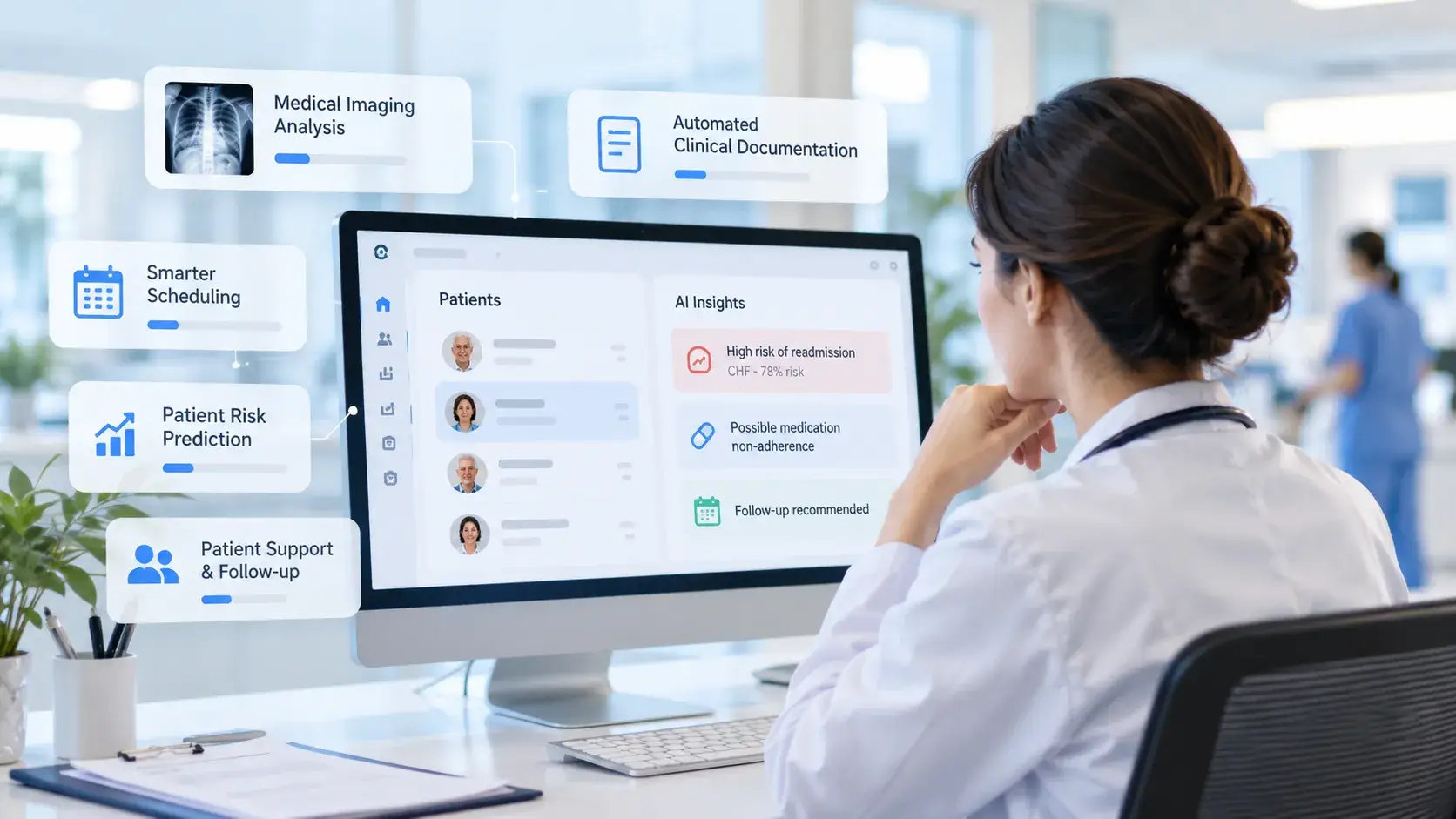
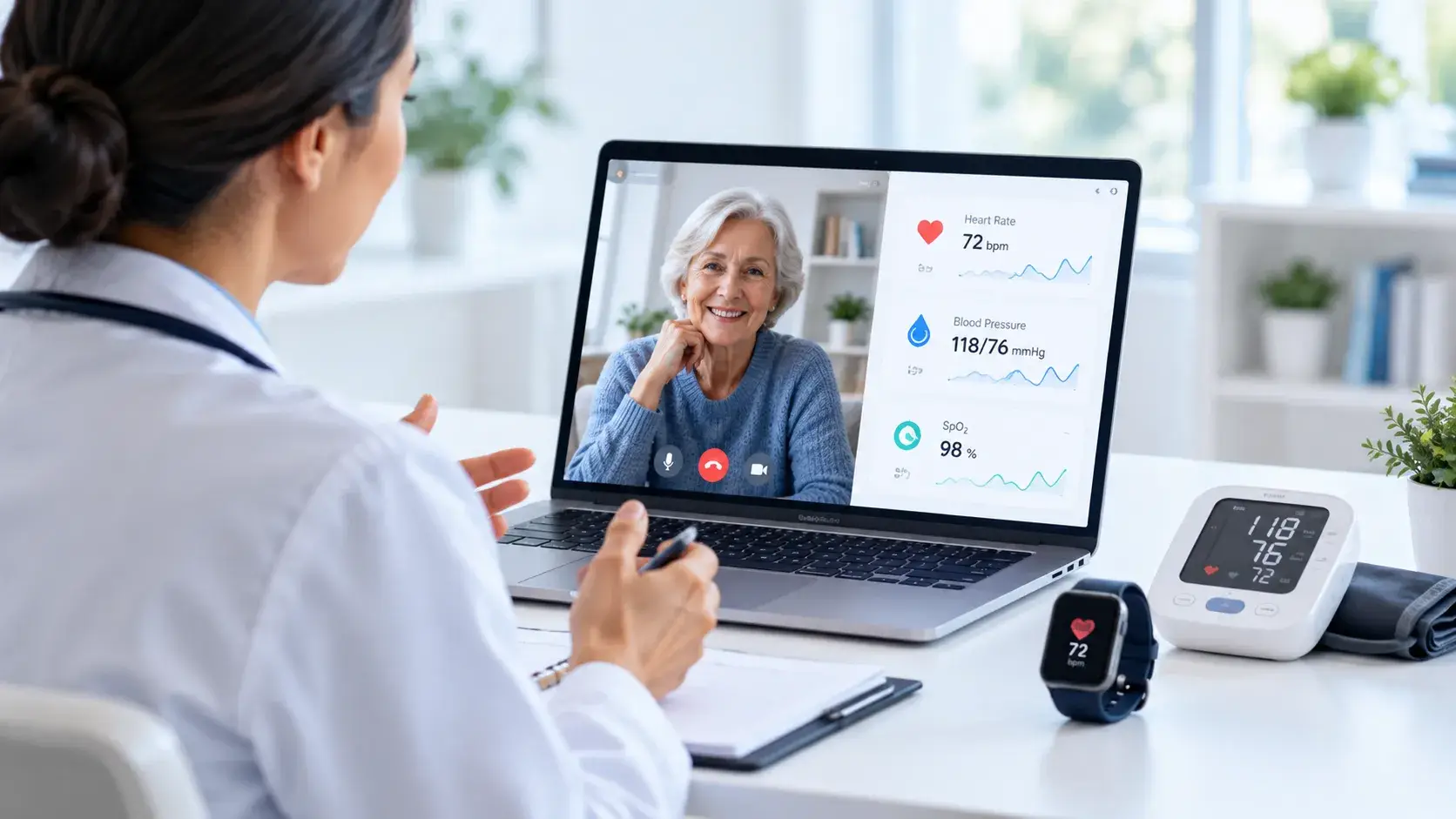
Patient engagement is essential to effective and continuous healthcare. When patients understand their conditions, participate in decisions, and stay connected with their care teams, they are more likely to follow treatment plans and maintain long-term relationships with healthcare providers.
However, engagement often declines after patients leave the clinic. They may forget medication schedules, misunderstand treatment instructions, miss appointments, or stop reporting their progress. For healthcare providers, limited visibility between consultations makes it difficult to identify these problems before they affect treatment outcomes.
A patient engagement platform helps healthcare organizations maintain communication, deliver personalized guidance, monitor treatment progress, and support patients throughout the care journey. Combined with the right engagement strategies, digital technology can help clinics improve patient retention, strengthen treatment adherence, and deliver more coordinated care.

Transforming patient engagement through digital care solutions
Why Patient Engagement Matters?
Patient engagement describes the extent to which patients actively participate in managing their health and treatment. It includes understanding health information, communicating with care teams, following agreed care plans, monitoring symptoms, and participating in shared decisions.
Engagement is not simply about sending more messages. Effective engagement gives patients the information, tools, and support they need at the appropriate stage of care.
Its importance extends beyond patient experience. According to the World Health Organization, approximately one in ten patients experiences harm in healthcare, while more than half of this harm may be preventable. WHO also reports that well-designed patient engagement initiatives can reduce the burden of harm by up to 15%. For healthcare providers, stronger engagement can contribute to:
Better understanding of treatment plans.
Greater medication and appointment adherence.
More consistent communication.
Earlier identification of treatment barriers.
Improved continuity of care.
Stronger patient trust and loyalty.
Better use of clinical and administrative resources.
Patient engagement therefore needs to be treated as a continuous process rather than a single activity performed during consultation.
Patient Engagement and Adherence: The Numbers Behind the Challenge
The need for stronger patient engagement becomes clearer when considering the scale of long-term disease management, treatment non-adherence, and preventable patient harm:
Around 50% treatment adherence: A landmark World Health Organization report found that adherence to long-term therapies averages approximately 50% among patients with chronic diseases in developed countries and may be lower in developing countries. This highlights the need for clearer communication, ongoing follow-up, and practical support throughout treatment.
More than 43 million NCD deaths: Noncommunicable diseases caused more than 43 million deaths in 2021, accounting for approximately three-quarters of all non-pandemic-related deaths worldwide. These conditions often require continuous treatment, monitoring, and long-term patient participation.
These figures show that patient engagement is more than a communication initiative. It is an important part of treatment adherence, patient safety, and the long-term management of chronic conditions.
Healthcare providers therefore need structured engagement strategies that help patients understand their care plans, maintain healthy behaviors, report concerns, and remain connected with their care teams.
Common Barriers to Retention and Treatment Adherence
Before introducing engagement strategies, healthcare providers need to understand why patients disengage or stop following treatment plans.
Complex treatment instructions
Patients may receive multiple prescriptions, lifestyle recommendations, follow-up requirements, and diagnostic requests during a short consultation. Without clear and accessible instructions, important information can easily be misunderstood or forgotten.
Limited health literacy
Medical terminology and complex explanations can make it difficult for patients to understand their conditions and the purpose of their treatment. Patients may be reluctant to ask questions or admit that they do not understand the instructions.
Lack of follow-up support
When communication ends after a consultation, patients may feel disconnected from their healthcare providers. Questions may remain unanswered, symptoms may go unreported, and motivation may decline.
Medication-related challenges
Patients may forget doses, experience side effects, have concerns about medication, or struggle with complicated schedules. Without timely support, these issues can lead to inconsistent treatment adherence.

Medication management challenges for older adults
Generic communication
Standard messages sent to every patient may not reflect individual conditions, treatment stages, communication preferences, or risks. Irrelevant communication can cause patients to ignore future messages.
Fragmented patient information
When appointment history, prescriptions, monitoring results, and communication records are stored separately, care teams may lack the context required to provide consistent and personalized support.
How IHP Enables Continuous Patient Engagement
Effective patient engagement requires more than occasional messages or appointment reminders. Healthcare providers need a connected digital experience that makes it easier for patients to access services, receive care, understand the next steps, and continue engaging after a consultation.
TMA’s Integrated Healthcare Platform (IHP) supports this journey by bringing together digital appointment booking, virtual consultations, electronic prescriptions, follow-up services, patient education, and service memberships. These capabilities help healthcare organizations maintain more consistent patient engagement across multiple stages of care.
Simplify Patient Onboarding and Access to Care
Patient engagement begins with convenient access to healthcare services. Complicated registration processes and limited appointment options can discourage patients before treatment even begins. IHP simplifies the initial patient experience by enabling users to:
Register, sign in, and manage their accounts digitally.
Book specialist appointments online.
Schedule health screenings.
Receive appointment notifications and reminders.
By making essential services accessible through one digital channel, IHP helps reduce administrative friction and allows patients to begin their care journey more conveniently.
Extend Care Beyond In-Person Visits
Patients may need professional support without returning to a clinic for every interaction. IHP expands access to care through video and voice consultations, allowing patients to connect with healthcare professionals remotely when appropriate. After a consultation, patients can continue their care journey through:
Follow-up consultation management.
Electronic prescriptions accessible through the patient app.
AI-powered assistance for common patient questions.
Health articles, educational content, and community resources.
These capabilities help patients access relevant information and follow-up services after their initial consultation. When additional professional support is needed, patients can arrange another consultation instead of relying solely on information provided during a previous visit.
Support Ongoing Healthcare Relationships
Long-term engagement depends on making healthcare services accessible over time, rather than limiting the relationship to individual appointments. IHP provides a foundation for ongoing healthcare relationships through:
Membership and subscription-based service packages.
Management of member and panel patients.
Follow-up consultation services.
Preventive health screening appointments.
Ongoing access to health information and educational resources.
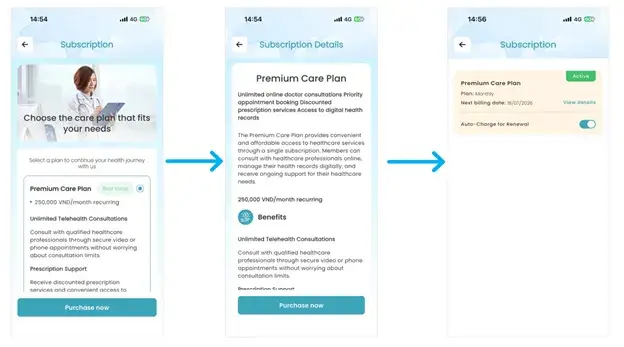
Membership and subscription-based service packages.
These capabilities can help healthcare providers offer structured services to returning patients and encourage continued participation in preventive and follow-up care.
IHP’s future roadmap includes chronic care subscriptions and additional wellness capabilities. These planned developments can further support structured long-term care programs as the platform evolves.
Conclusion: Turning Patient Engagement into Continuous Care
Patient retention and treatment adherence cannot be improved through reminders alone. Healthcare organisations need a comprehensive approach that combines personalised communication, accessible healthcare services, continuous follow-up, and connected digital workflows.
By adopting a modern patient engagement platform, healthcare providers can strengthen relationships with patients, improve care coordination, and support better long-term health outcomes.
TMA’s Integrated Healthcare Platform helps organisations connect patient communication, care management, virtual healthcare services, and follow-up workflows into a unified digital healthcare experience.
Discover how TMA can help your organisation build a connected healthcare ecosystem and deliver more personalised patient care.