Home
Search
Found 797 results for “ “ keyword
icon
AI is Transforming Lending with New Opportunities and Key Challenges Conclusion AI in lending has revolutionized the way financial institutions operate, offering faster loan processing, personalized credit decisions, and improved risk management. However, to fully harness its potential, lenders must address challenges related to data security, regulatory compliance, and algorithmic fairness. By adopting best practices and leveraging AI responsibly, financial institutions can enhance loan management, reduce operational costs, and offer borrowers a more seamless experience. AI in lending is reshaping the lending landscape by streamlining processes, improving credit scoring, and reducing risks for financial institutions. With innovations in machine learning (ML) and data analytics, lenders can now make more accurate and efficient decisions, benefiting both borrowers and financial organizations. In this article, we’ll explore how AI plays a pivotal role in lending, real-world use cases, its benefits, and the challenges associated with its adoption. Powering loan management with AI in lending AI in lending has revolutionized the lending process by using machine learning (ML) algorithms to analyze vast amounts of data and make real-time credit decisions. By evaluating creditworthiness, borrower behavior, and potential risks, AI-based platforms help financial institutions optimize loan approvals, interest rates, and amounts while minimizing defaults. These systems reduce bias by focusing on objective data points rather than subjective human judgment, ensuring fairer credit assessments. AI is having a transformative impact on the lending process Additionally, the integration of generative AI (Gen-AI) enhances personalization and decision-making by simulating credit scenarios and offering tailored loan products. This technology also automates manual tasks like document verification, enabling faster loan processing and an improved borrower experience. Key applications of AI in lending AI technology is reshaping lending workflows and operations – specifically within the domain of AI in lending – enhancing key processes like credit scoring, loan approvals, fraud detection, and collection management. Here’s how AI transforms these critical areas in lending. AI-powered credit scoring Traditional credit scoring systems rely heavily on historical financial data, often disadvantageous to new borrowers or those with unconventional financial backgrounds. This limits financial inclusion and increases errors in credit evaluations for new clients. AI-driven credit scoring models address this gap by considering real-time indicators such as income trends, potential earning capacity, and employment prospects. By analyzing a broader range of data, AI enhances accuracy and opens lending opportunities for previously underserved populations. Accelerating loan approvals with AI technology The traditional loan approval process involves significant manual effort—collecting documents, verifying information, and awaiting manager approvals, which can take days or even weeks. AI-powered systems streamline this process by automating document collection, verification, and routing. Advanced document processing tools extract key details, validate authenticity, and send applications through approval pipelines more efficiently. The result? Faster approvals and an enhanced client experience. Enhancing loan approvals through ai-powered automation Adoption of AI in fraud detection Fraud remains a significant concern for lenders, with phishing scams, identity theft, and falsified financial statements causing substantial losses. According to Deloitte, the rising use of Generative AI could cost banks up to $40 billion in fraud-related losses by 2027. AI addresses fraud detection through: Fraud Scores: NLP and ML analyze transaction patterns and assign fraud scores to assess risk, flagging suspicious activities for review or cancellation. Fraud Investigations: AI scans thousands of loan documents in real-time, flagging inconsistencies for further manual investigation, saving significant man-hours. Purchase Profiles: AI creates detailed client purchase profiles to segment users and monitor unusual transactions. KYC Verification: AI-based KYC solutions verify user IDs, match fingerprints, and ensure borrower authenticity before loan approvals. Enhancing collection strategies with AI-driven insights Effective collection management involves proactive measures to prevent loan defaults. AI helps lenders identify at-risk accounts by analyzing transaction histories and repayment patterns. AI-driven collection strategies include: Personalized Outreach: Chatbots and virtual agents provide tailored payment reminders and 24/7 client support. Custom Repayment Plans: AI generates borrower-specific repayment options to accommodate financial challenges and facilitate successful repayments. Automated Follow-ups: AI phone agents conduct timely follow-ups, improving borrower engagement and reducing delinquency rates. Understanding the advantages of AI in lending The financial lending industry faces ongoing challenges, and AI in lending transforms by automating processes, improving the accuracy and speed of decisions, and enhancing client experiences. Streamlined lending operations through automation Traditional lending workflows involve labor-intensive tasks prone to human error, causing delays in credit assessments and approvals. AI automates key processes, such as underwriting and financial analysis, by extracting insights from diverse data sets. By identifying patterns and standardizing workflows, AI ensures consistency and enhances compliance. The result is a faster and more reliable loan approval process that reduces costs and improves operational efficiency. Streamlined lending operations through AI automation Achieving accuracy in credit assessments Manual credit assessments can lead to errors that affect loan decision accuracy. AI-powered tools analyze complex financial statements within minutes, offering a deeper understanding of a borrower’s creditworthiness. By automating data extraction and validation, AI improves data quality and ensures more accurate financial spreads, allowing lenders to make more informed decisions. Proactive risk management with AI Monitoring portfolio health and ensuring compliance can be resource-intensive when done manually. AI streamlines compliance tracking by automating document collection, validation, and covenant monitoring. With continuous risk assessment, AI solutions help identify potentially high-risk loans early, allowing lenders to take preventive measures and improve overall portfolio performance. Faster loan approvals for a superior client experience In today’s competitive financial landscape, clients expect quick and personalized services. AI accelerates the lending process by automating credit application reviews and delivering instant insights. This enables real-time decision-making and faster loan approvals, enhancing client satisfaction. AI-driven client data analysis also allows lenders to provide tailored financial advice and product recommendations, improving the overall banking experience. Optimized resource allocation and productivity gains Repetitive tasks, such as credit memo preparation and document verification, often tie up valuable staff resources. By automating these processes, AI frees up personnel to focus on high-value activities, such as client engagement, strategic planning, and cross-selling opportunities. This improves productivity and empowers financial institutions to allocate resources more effectively, driving business growth and competitiveness. Automating lending tasks for better resource allocation A McKinsey Global Institute report estimates that generative AI could contribute $200 billion to $340 billion in value across the banking sector through productivity gains alone. This highlights the strategic importance of adopting AI-driven solutions in lending to boost efficiency, accuracy, and scalability. Challenges in implementing AI in lending Implementing AI in lending and loan management offers numerous advantages, but it also presents significant challenges. Financial institutions must address these concerns to harness AI's full potential while ensuring compliance, fairness, and operational efficiency. Data privacy and security concerns in AI AI lending systems require access to sensitive financial data for credit risk analysis and fraud detection. However, this reliance on data raises privacy concerns, especially if the system is not compliant with regulatory standards such as GDPR, SOC-2, and CCPA. A data breach could lead to legal repercussions and damage to the institution's reputation. Ensuring robust data protection protocols and meeting regulatory requirements is critical to maintaining trust and securing client information. Mitigating bias and ensuring fairness AI algorithms are trained on historical data, which can contain biases that perpetuate unfair treatment. For instance, if past lending data is skewed against certain demographic groups, the AI model may unintentionally replicate these biases. Addressing the impact of data bias on fairness in AI lending Addressing this issue requires the use of diverse, unbiased data sets, transparent algorithm development, and rigorous testing. By implementing fair lending practices and fostering algorithmic accountability, financial institutions can mitigate the risk of discriminatory outcomes. Addressing transparency and interoperability gaps Opaque AI models, often described as "black boxes," can erode trust in lending decisions due to their lack of explainability. Human oversight and detailed reporting mechanisms are necessary to ensure transparency and accountability in the decision-making process. Additionally, integrating AI systems with legacy infrastructure remains a significant challenge. 56% of mortgage lenders cite interoperability as their primary concern. To avoid data silos and inefficiencies, organizations must prioritize AI solutions with robust integration capabilities that can seamlessly connect with existing platforms. Ensuring data quality and availability AI and machine learning models require large volumes of accurate, high-quality data for training and optimization. However, incomplete or inaccurate data can limit the effectiveness of AI in lending processes, resulting in unreliable predictions and increased risks. Financial institutions must invest in data enrichment strategies and partnerships to access comprehensive datasets that enhance AI model performance. Managing implementation costs and ensuring ROI Deploying AI-driven loan management systems involves significant upfront costs, including software, hardware, maintenance, and ongoing operational expenses. Additionally, regular updates, staff training, and monitoring contribute to long-term costs. Institutions must carefully evaluate their return on investment (ROI) and select AI solutions that align with their budget and business goals. Implementing scalable and cost-effective AI systems can help financial organizations achieve sustainable growth while balancing costs. Managing AI implementation costs and ensuring ROI in lending...
icon
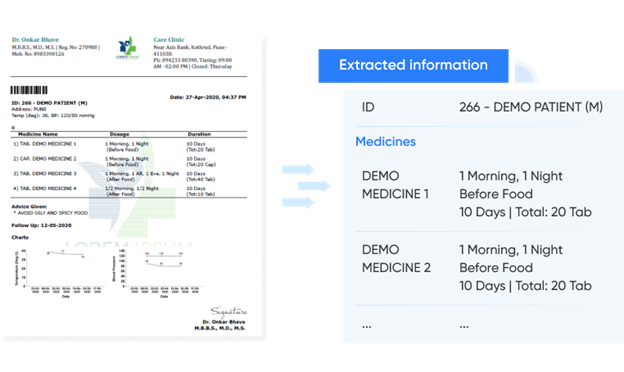
AI in Medical Diagnosis AI in Action: Transforming Medical Specialties AI isn't just a theoretical concept; it's already making tangible impacts across various medical fields: Radiology: AI is acting as a "second reader" for radiologists, flagging suspicious areas on scans for closer review. It's used to detect cancers (lung, breast), classify brain tumors, identify strokes, assess bone age, and even improve the quality of scans taken with lower radiation doses. This speeds up interpretation and enhances accuracy. Pathology: Analyzing tissue samples under a microscope is crucial but time-consuming. AI can analyze digital pathology slides, helping pathologists identify and grade cancerous cells more efficiently and consistently, potentially easing pathologist shortages. Cardiology: AI algorithms analyze ECGs to detect arrhythmias like atrial fibrillation with high accuracy. They can also assess heart function from echocardiograms and predict patients at high risk of heart failure based on their health records. Ophthalmology: AI systems can screen retinal images for signs of diabetic retinopathy (a leading cause of blindness) quickly and effectively, enabling timely intervention, especially in large-scale screening programs. Dermatology: AI tools analyze images of skin lesions to help dermatologists assess the likelihood of melanoma and other skin cancers. Oncology: Beyond detection, AI helps classify cancer subtypes and can assist in predicting how a patient might respond to specific therapies, paving the way for more personalized cancer treatment. Health Data Extraction and Record Digitization with TMA Solutions While AI is transforming specialties like radiology and oncology, another often overlooked but vital area of diagnostics is access to accurate patient data. Medical decisions rely not only on images and tests but also on a wide range of patient information – from blood pressure and glucose levels to prescriptions and physical measurements. This data often exists in scattered formats, such as printed prescriptions, handwritten notes, or output from diverse medical devices. Apply OCR in Healthcare solutions to automate data collection TMA’s AI-powered https://www.tmasolutions.com/technologies/ai-ml-and-data-sciences OCR solution addresses this challenge by automating health data extraction across more than 30 types of medical devices (e.g., Omron, Microlife, Wellue, Accu-Check), prescriptions, and in-body test results. Healthcare providers, including clinics, pharmacies, remote monitoring services, and nursing homes, use the solution to streamline data collection and access. Key Capabilities: Flexible data capture: Users can label specific fields for custom data extraction, making the system adaptable to various forms and record types. Centralized patient records: By digitizing health indicators such as blood pressure, glucose levels, and body temperature, TMA’s OCR helps unify fragmented medical records. Increased operational efficiency: Reducing manual data entry lowers errors and frees up medical staff to focus on patient care. This capability significantly enhances diagnostic workflows, ensuring clinicians can access up-to-date, accurate data without delays. It’s a clear example of how AI is not just diagnosing disease—but enabling diagnosis itself. Seeing the Unseen: How AI Approaches Diagnosis AI, particularly subsets like machine learning and deep learning, excels at tasks that challenge the human brain's capacity: analyzing massive datasets and recognizing subtle patterns. In diagnostics, this translates to: Enhanced image analysis: AI algorithms, especially Convolutional Neural Networks (CNNs), are trained on thousands of medical images (X-rays, CT scans, MRIs, pathology slides). They learn to detect minute anomalies – a tiny lung nodule, early signs of diabetic retinopathy in a retinal scan, or cancerous cells on a digital pathology slide – that might be missed by the human eye, especially during busy periods. Intelligent pattern recognition: AI can sift through vast amounts of patient data, including Electronic Health Records (EHRs), genomic sequences, and lab results, identifying complex patterns associated with specific diseases. This can help predict a patient's risk for conditions like heart failure or sepsis even before obvious symptoms appear. Data synthesis: AI can integrate information from diverse sources – clinical notes (using Natural Language Processing - NLP), imaging reports, blood tests, genetic markers – providing clinicians with a more holistic view to support their diagnostic reasoning. Conclusion Artificial Intelligence is redefining how we detect and understand disease — not just through sophisticated imaging algorithms or predictive models, but also by solving fundamental challenges in data collection and accessibility. TMA’s OCR solution exemplifies this shift, offering a practical and scalable way to digitize, unify, and activate healthcare data from disparate sources. By streamlining workflows and reducing human error, it enhances diagnostic precision and efficiency across healthcare settings. As AI continues to evolve, innovations like TMA will play a crucial role in building a smarter, more responsive, and more connected healthcare system — one where data truly works in service of better health outcomes. The Future: AI as a Diagnostic Partner The future of medical diagnosis isn't about replacing doctors with machines. Instead, it's about partnership. AI will increasingly function as an indispensable assistant, augmenting the skills and knowledge of human clinicians. We can expect continued advancements leading to: More sophisticated AI models capable of handling even greater complexity. Tighter integration with clinical workflows. Greater emphasis on explainable AI (XAI) to build trust. A shift towards more predictive diagnostics, identifying risks long before disease manifests. Ultimately, more personalized and effective healthcare for everyone. Medical diagnosis is a cornerstone of healthcare. It’s often a complex puzzle, requiring clinicians to synthesize patient history, symptoms, lab results, and intricate medical images. While human expertise remains irreplaceable, Artificial Intelligence (AI) is emerging as a powerful ally, helping doctors diagnose diseases faster, more accurately, and earlier than ever before. But how exactly is AI changing the diagnostic landscape? Let's dive in....
icon
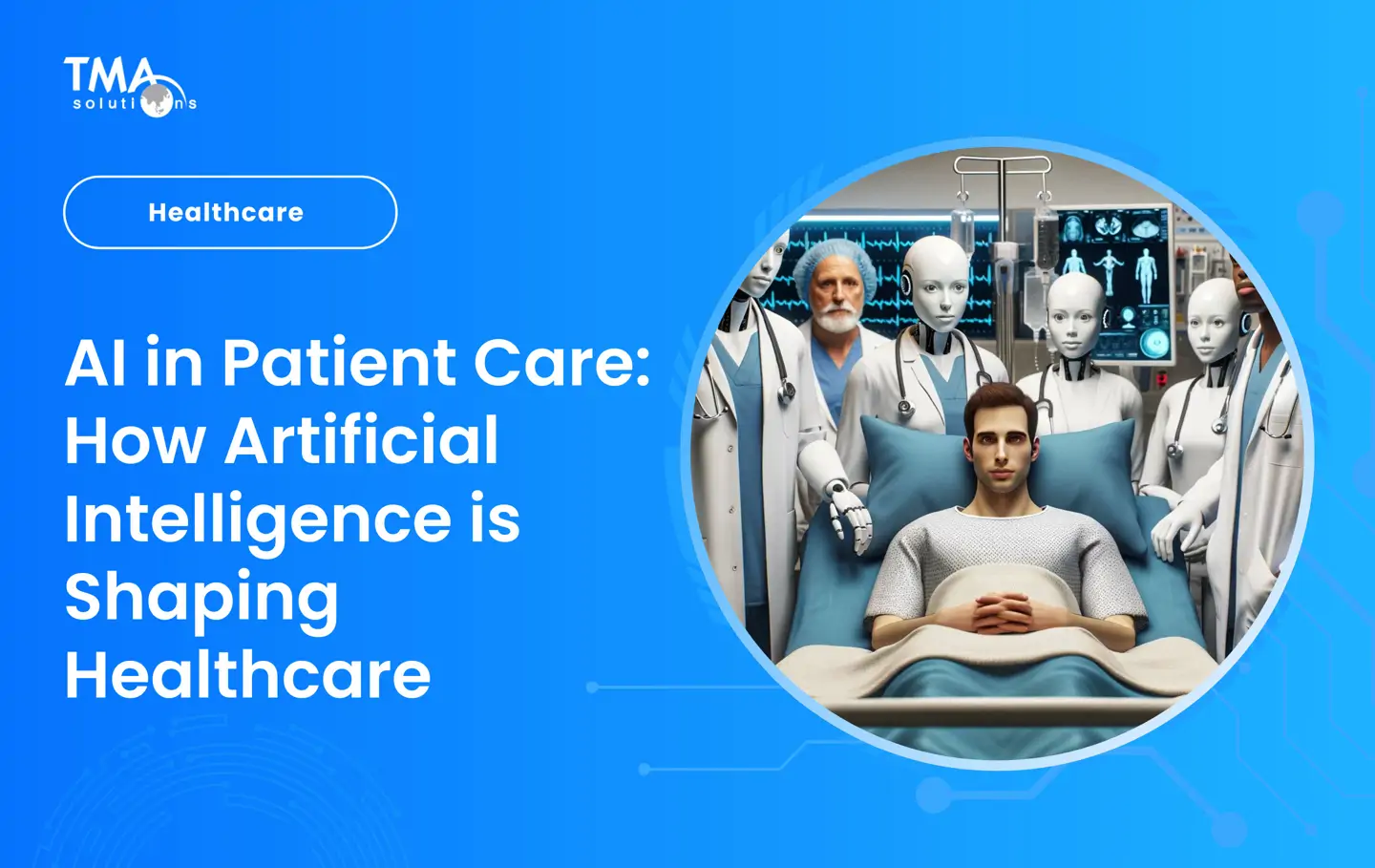
AI in Patient Care: How Artificial Intelligence is Shaping Healthcare Disadvantages of AI in patient care While AI offers significant potential to improve patient care, several key challenges must be addressed to ensure its safe and effective implementation: Patient privacy and data security AI systems in healthcare rely on vast amounts of sensitive patient data. Protecting this data from unauthorized access and misuse is paramount. Robust security measures and strict adherence to privacy regulations (like HIPAA) are essential to maintain patient trust and prevent potential harm from data breaches. Patient safety and diagnostic accuracy concerns The accuracy and reliability of AI-driven diagnoses and treatment recommendations are crucial concerns for patient safety. AI algorithms must be rigorously trained on diverse and representative datasets to ensure they can accurately recognize patterns in medical data and provide appropriate recommendations tailored to individual patient needs. Addressing patient safety concerns with AI in diagnostics Inaccurate or biased AI systems can lead to misdiagnosis or inappropriate treatments, potentially jeopardizing patient health. Integration issues with existing healthcare systems Integrating AI tools with existing IT infrastructure, such as EHRs, is essential for seamless data flow and effective use of AI in patient care . Integration challenges can disrupt workflows, create data silos, and hinder the ability of healthcare professionals to access and utilize AI-generated insights effectively. Building trust and ensuring ethical ai use Gaining the trust of healthcare professionals is critical for the successful adoption of AI in patient care . Physicians and other clinicians need transparency into how AI systems make decisions to ensure they are based on valid medical research and ethical principles. Furthermore, adherence to federal regulations is crucial to guarantee that AI is used ethically and responsibly, prioritizing patient safety and well-being. Conclusion AI in healthcare is revolutionizing patient care by enhancing diagnostics, personalizing treatments, and improving operational efficiency. Despite challenges like data privacy and bias, the potential benefits of AI in patient care far outweigh the drawbacks. As AI continues to evolve, it promises a future where healthcare becomes more accessible, efficient, and patient-centered. The future of AI in patient care AI is poised to revolutionize patient care, transforming how clinicians diagnose, treat, and manage health in the coming years. Several key advancements will directly impact patient experiences and outcomes: Proactive and personalized care AI tools will enable more proactive and personalized care by predicting disease progression through subtle signals in patient data. This allows for earlier interventions, potentially preventing serious health events and improving long-term outcomes for patients. Enhanced surgical care and remote access AI will enhance surgical care through real-time remote assistance and collaboration. Advanced platforms will enable specialists to virtually guide procedures in resource-limited settings, expanding access to high-quality surgical expertise for patients in underserved areas. AI will also help reduce alarm fatigue for surgical teams, ensuring focus on critical events and improving patient safety during procedures. Transforming surgery with AI-powered remote assistance Continuous patient monitoring and personalized treatment plans AI-driven wearable technology will enhance remote patient monitoring, allowing clinicians to continuously track patient well-being and respond promptly to any concerning changes. AI in patient care will also drive advancements in precision medicine by streamlining the interpretation of genetic and genomic data, enabling faster diagnoses and truly personalized treatment plans tailored to individual patient needs. Streamlined processes and virtual support AI will streamline administrative tasks such as insurance approvals and billing, reducing red tape and waiting times for patients. Furthermore, AI-powered virtual health coaches will provide personalized guidance on lifestyle choices, supporting preventive care and empowering patients to actively manage their health. AI will also aid in the early detection of rare diseases, leading to faster diagnosis and treatment for patients with these challenging conditions. The importance of human-ai collaboration While AI offers tremendous potential, integrating these tools into everyday clinical practice remains a key challenge. The future of patient care will rely on effective human-AI collaboration, leveraging AI's analytical power while retaining the essential human elements of empathy, complex reasoning, and nuanced judgment in patient interactions. Integrating AI into clinical practice with a collaborative approach Advantages of AI in patient care AI in patient care offers practical solutions that address key challenges in healthcare and directly improve patient care in several ways: Faster and more accurate diagnoses By streamlining diagnostic workflows, AI enables faster and more accurate diagnoses. AI algorithms assist radiologists in analyzing medical images, allowing care teams to prioritize urgent cases and potentially detect subtle issues that might otherwise be missed. This leads to quicker treatment initiation and better patient outcomes. Reduce staff retention AI automates time-consuming administrative tasks, such as data entry and prior authorization requests. This automation alleviates employee burnout and frees up clinicians to dedicate more time to direct patient interaction, leading to improved patient satisfaction and a more personalized care experience. AI's role in fostering better patient-clinician relationships Earlier disease detection AI tools play a crucial role in early disease detection, significantly impacting disease progression and patient prognosis. By analyzing patient data and identifying subtle patterns, AI in patient care can support earlier identification of chronic conditions like chronic kidney disease, allowing for timely interventions that can slow, prevent, or even stop disease progression. Optimized and personalized treatments AI accelerates the development of new drugs and optimizes existing treatment strategies. By analyzing vast amounts of data, including genetic information and medical histories, AI algorithms can help identify high-potential drug candidates, predict their effectiveness and safety, and inform personalized treatment plans tailored to individual patient needs. This results in more effective treatments and reduces the risk of adverse effects, directly improving patient outcomes. Examples of AI in patient care To illustrate AI's transformative impact on patient care, here are several key examples: AI-enhanced medical diagnosis Diagnostic errors contribute significantly to preventable harm in hospitals. AI offers a powerful solution by analyzing medical images, patient records, and other data to provide more accurate and timely diagnoses. AI-powered solutions for faster and more accurate diagnoses This improved diagnostic accuracy directly translates to better patient outcomes by enabling faster and more appropriate treatment. AI accelerating drug discovery The traditional drug development process is lengthy and expensive. AI is accelerating this process by assisting in drug design, predicting side effects, and identifying suitable candidates for clinical trials. By reducing the time and cost associated with bringing new drugs to market, AI ensures patients have faster access to potentially life-saving treatments. AI-driven patient experience AI is enhancing the patient experience through various applications. AI-powered chatbots provide convenient access to information and support, while personalized health tips and appointment reminders help patients actively manage their health. Furthermore, AI-assisted diagnosis and treatment planning contribute to faster and more personalized patient visits, improving satisfaction and overall care quality. AI-powered data management The sheer volume of healthcare data can be overwhelming. AI's ability to process and analyze massive datasets unlocks valuable insights that can directly impact patient care. By connecting disparate data points, AI in patient care facilitates faster development of new treatments and preventive strategies and enables more accurate and timely diagnosis. Data analysis powered by artificial intelligence is transforming healthcare AI in robotic surgery AI-assisted robotic surgery enhances surgical precision and control, leading to minimally invasive procedures, reduced complications, less pain, and faster recovery times for patients. This technology translates directly to improved patient outcomes and a better surgical experience. Imagine a world where your healthcare is tailored just for you—early disease detection, precise treatment recommendations, and round-the-clock monitoring, all powered by artificial intelligence. Sounds futuristic, right? Well, the future is here, and AI is revolutionizing how we approach patient care. In this blog, we’ll walk you through the incredible ways AI is transforming healthcare and what it means for patients, providers, and the industry as a whole. Are you curious to learn how AI in patient care is reshaping your health journey? Let’s get started. Different types of artificial intelligence in patient care Artificial intelligence is transforming patient care through various AI in patient care approaches, each with unique strengths: Machine learning for personalized treatment Machine learning algorithms analyze vast amounts of patient data, including medical records, imaging, and vital signs, to provide precise diagnoses and customized treatment plans. This personalized approach, precision medicine, allows healthcare professionals to tailor interventions to individual patient needs, leading to more effective and targeted care. Deep learning, a subset of machine learning, further enhances these capabilities, enabling more sophisticated analysis and prediction. Natural language processing (NLP) NLP empowers computers to understand and process human language, enhancing patient care in several ways. NLP can analyze medical records to extract key information for more accurate diagnoses, identify relevant treatments and medications, and predict potential health risks based on patient history. Additionally, NLP facilitates better patient-provider communication through chatbots and virtual assistants, providing readily accessible information and support. NLP for improved diagnosis and personalized treatment AI-Powered Clinical Decision Support While early rule-based expert systems faced limitations in scalability and integration, they laid the foundation for modern AI-powered clinical decision support systems. These systems assist healthcare professionals in making informed decisions at the point of care by providing evidence-based recommendations, flagging potential drug interactions, and alerting clinicians to critical changes in patient status. AI's impact on diagnosis and treatment AI-driven platforms are enhancing diagnostic accuracy and creating personalized treatment plans. AI systems analyze clinical data and diagnostic images to provide reliable second opinions while also synthesizing patient data and research findings to craft treatment regimens tailored to individual needs. However, these systems often face challenges in integrating with existing EHRs and clinical workflows, requiring healthcare providers to invest in interoperability solutions for seamless implementation. Streamlining administrative tasks AI is also revolutionizing administrative processes in healthcare, automating tasks such as data entry, claims processing, and appointment scheduling. This automation frees up valuable time for healthcare professionals to focus on direct patient care, improving efficiency, and enhancing the patient experience. The rise of AI in patient care While the underlying concepts of artificial intelligence have existed for decades, its widespread adoption in healthcare is a relatively recent phenomenon, with significant growth seen in areas like AI in patient care over the last ten years. The early 21st century saw key advancements like increased computing power, the availability of large datasets ("Big Data"), and improved AI algorithms, laying the groundwork for AI's integration into medical practices. Artificial intelligence is becoming an increasingly important part of patient care The true turning point, however, was the growing recognition of AI's potential to directly address critical challenges in patient care, from improving diagnostic accuracy and personalizing treatments to streamlining healthcare operations. According to Statista, the market, valued at $11 billion in 2021, is projected to reach an impressive $187 billion by 2030. This increasing impact is reflected in the rapid growth of the AI healthcare market, demonstrating a clear trend toward greater AI integration across the healthcare industry....
icon
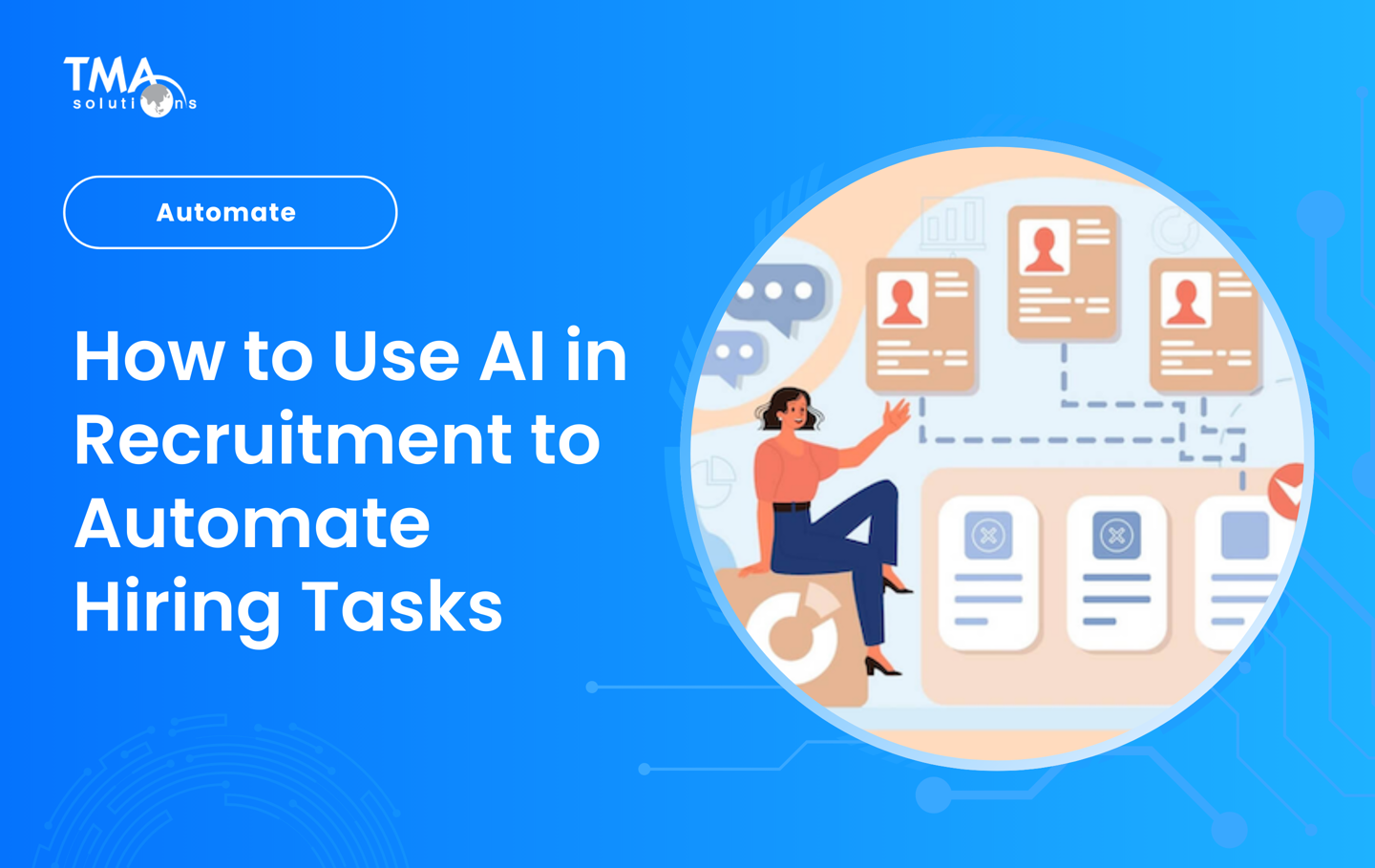
Recruitment, traditionally a labor-intensive process, involves multiple tasks such as candidate sourcing, screening, and interviewing. AI now allows businesses to automate these tasks, significantly reducing time and costs while improving decision-making. This article examines how AI in recruitment automates essential tasks, offering businesses actionable insights to enhance their hiring strategies. Artificial intelligence (AI) is reshaping the recruitment process, with 62.5% of HR professionals already incorporating it into their hiring practices. This rapid adoption is fueled by AI’s ability to enhance efficiency and effectiveness in hiring, offering businesses a competitive edge. As the global AI recruitment market is projected to grow to USD 890.51 million by 2028. It’s clear that this technology is not just a passing trend. Projected growth of the AI recruitment industry from 2020 to 2030 The significance of AI in the hiring process AI-driven recruitment technology is transforming the talent acquisition (TA) landscape by automating routine, time-consuming tasks. This allows hiring teams to focus more on strategic, big-picture goals. When implemented correctly, AI integrates seamlessly into the hiring process, providing valuable support without replacing the need for human interaction. As recruitment AI becomes more mainstream and the competition for top talent intensifies, TA leaders must adopt AI-powered tools to stay competitive. These tools enable faster, smarter hiring processes that drive better outcomes through high-level personalization and data-driven insights. Here are four key reasons why recruiters should embrace AI in the recruitment process . Automation Recruiters frequently face the challenge of achieving more with limited resources. AI-powered recruitment tools simplify numerous administrative duties that typically consume a substantial amount of time. These tools assist with: Sourcing: Identifying the best candidates by matching their qualifications with job descriptions criteria and evaluation features. Screening: Ranking and scoring candidates based on predefined criteria, ensuring a more efficient review process. Scheduling: Automating interview scheduling with virtual assistants and calendar integrations, reducing manual effort. AI automates recruitment tasks, boosting efficiency and reducing delays As reported in Dice's Recruitment Report, recruiters may dedicate as many as 30 hours per week to searching resumes. AI reduces this burden by narrowing down large talent pool, allowing recruiters to focus on the most qualified applicants. Personalization Artificial intelligence enables the creation of personalized experiences for both candidates and recruiters, fostering better relationships and outcomes throughout the staffing procedure. For candidates: Generative AI delivers personalized job suggestions and relevant content based on a candidate’s profile, search history, and preferred location. For employees: Generative AI provides tailored career growth paths, learning programs, and internal talent marketplace tools to promote career advancement and internal mobility. For recruiters and hiring managers: Artificial intelligence hiring tools help build and maintain a personalized talent pipeline, ensuring that qualified candidates are easily discovered and previous high-quality candidates are rediscovered for new opportunities. Data Insights AI-driven data insights are transforming how recruiters assess talent. These insights allow recruiters to: Find new job applicants and reconnect with past candidates. Tap into cloud-sourced suggestions and insights to enhance hiring strategies. Understand candidate intent and pipeline trends, ensuring a more targeted and efficient staffing procedure. Artificial intelligence insights also help reduce time-to-hire and cost-per-hire, improving the overall productivity of the hiring process. Bias Control AI plays a key role in reducing bias during candidate selection, an essential aspect of fostering diversity and inclusion. By scoring candidates based on their skills and experience, rather than demographic factors, AI ensures that hiring decisions are made based on merit. Moreover, video assessments with standardized questions provide every candidate an equal chance to showcase their skills. The benefits of AI in recruitmen t are evident, as it boosts productivity, sharpens decision-making, and attracts top talent. By streamlining the staffing procedure, AI has become an indispensable tool for modern candidate selection strategies. Challenges and risks in AI-driven recruitment Using AI in hiring process can bring substantial benefits to the staffing procedure, but it also presents several challenges and risks. Here's an exploration of the key concerns: Inconsistent candidate quality AI is powerful in automating screening processes, but its limitations can sometimes lead to suboptimal candidate selection. If the technology fails to interpret nuances in resumes – such as career gaps, unconventional career paths, or transferable skills – it may overlook highly qualified individuals. Additionally, poor implementation of AI tools, like using subpar chatbots or digital assessments, can further narrow the pool of suitable candidates. To avoid this, recruiters must remain actively involved in the process, continuously reviewing AI-generated results and ensuring they align with the organization’s hiring objectives. AI should be a tool to support human decision-making, not replace it entirely. Challenges of AI in recruitment: inconsistent candidate quality Reduced human interaction AI excels at increasing productivity, but it can strip away the personal aspects of staffing. The traditional staffing procedure involves building relationships, understanding cultural fit, and gauging how candidates might integrate into a team. Automating too much of the process can lead to a disconnect, where both the recruiter and the candidate feel distant from each other. AI can transform various aspects of the recruitment process. As Fullen from Korn Ferry suggests, maintaining human interaction throughout the process is vital. For instance, incorporating personal interactions, like allowing candidates to speak directly with recruiters, adds a human touch to the staffing procedure. This approach strengthens the emotional and relational aspects essential for securing long-term hires. High investment costs Using AI in recruitment often requires substantial financial investment, both in terms of purchasing software and training staff. While these tools can be invaluable for large companies with high-volume hiring needs, the cost-benefit analysis may not favor smaller businesses that hire infrequently. Additionally, AI systems work best for roles that are consistent and repeatable, where the skills and qualifications needed are well-defined. In contrast, companies with unique or complex hiring needs may find that AI doesn't deliver the desired return on investment. This is especially relevant in executive searches, where human expertise and judgment remain critical. In such cases, AI primarily assists by summarizing reports rather than making final hiring decisions. AI use cases in recruitment Below are some key applications of AI in job recruitment that are shaping the future of talent acquisition. Streamlining candidate sourcing AI is transforming candidate selection, especially in candidate sourcing, by enabling faster and more efficient identification of top talent. AI tools utilize machine learning algorithms to search job boards, databases, and social media. These tools assist recruiters in assessing candidate fit by analyzing profiles based on experience, skills, and qualifications. AI improves recruitment speed, accuracy, and collaboration in sourcing candidates Some AI-powered solutions also provide data-driven insights to help recruiters make informed decisions. Others use AI chatbots to interact with candidates in real time, assisting them throughout the application process. The benefits include faster searching, improved accuracy, and more effective collaboration within hiring teams, making the process more efficient overall. Automating candidate screening AI-powered candidate screening tools play a crucial role in speeding up and refining the staffing procedure, particularly when managing large volumes of applications. These tools quickly analyze resumes and applications to extract key information, such as qualifications, skills, and experience, allowing recruiters to efficiently identify top candidates. In addition to basic resume parsing, AI screening systems use more advanced methods like behavioral and skill evaluations to assess compatibility. For example, they can flag potential red flags, such as behavior patterns or mismatches that might not align with the role. This allows recruiters to concentrate on candidates with the highest potential for success. This recruitment automation enhances both the speed and accuracy of screening, ensuring that the most qualified candidates are shortlisted while freeing recruiters to focus on more strategic tasks. AI-powered candidate screening enhances hiring speed and accuracy Enhancing talent assessments AI-driven talent assessment tools enable companies to assess candidates' skills and personality traits more effectively. AI-driven assessments incorporate methods like gamification, behavioral evaluations, and skill testing to make the process more interactive for candidates. For example, gamified assessments evaluate problem-solving skills and adaptability, while behavioral assessments measure traits like teamwork and leadership. AI analyzes data from these assessments, providing recruiters with comprehensive reports on each candidate’s strengths, areas for improvement, and personality compatibility. In addition, AI-based assessments can be customized to align with specific organizational needs, from evaluating technical skills to ensuring cultural fit. These tools can also integrate seamlessly with existing recruitment systems, ensuring a smooth workflow and allowing companies to make more informed, data-driven hiring decisions. AI-powered talent assessments provide data-driven insights into candidate skills Optimizing candidate interviews AI in recruitment is transforming candidate interviews, making the process more efficient and data-driven. Recruiters can use these platforms to conduct pre-screening interviews through video calls or text chats. The conversations are recorded and analyzed using machine learning algorithms. This allows for faster identification of candidates who are suitable for the next stage. AI recruiting technology analyzes candidates' behavior and response metrics Advanced AI tools assess voice tone, facial expressions, and body language to gauge a candidate’s emotional state and engagement. By analyzing candidates’ responses, recruiters gain a well-rounded understanding of their personality and suitability for the role. Additionally, AI tools can track metrics like response time and engagement during interviews, helping recruiters make more informed decisions with minimal manual effort. Customizing job offers and onboarding experiences AI-powered tools are reshaping how organizations handle the offer and onboarding stages of satffing, helping to create personalized, engaging experiences for new hires. These tools automate tasks like creating offer letters, schedulingteam introduction, and guiding new hires through their first steps. Using machine learning and AI technology, onboarding platforms can tailor the process to each individual, introducing new hires to company culture, policies, and teams. For larger organizations, these AI systems can easily scale to accommodate many new employees simultaneously, ensuring a smooth team introduction experience for everyone. AI also tracks new hire engagement, providing insights into their integration and adjusting the staff introduction program to improve their experience. Streamlined onboarding process developed by TMA Solution How will AI redefine recruiters' roles? The future of AI in recruitment emphasizes a human-centered approach. AI acts as a supportive tool that enhances recruiters' efforts rather than replacing them. With AI handling routine chores, recruiters will be able to make quicker, more informed decisions with the help of data insights. This shift allows recruiters to evolve in several ways: Be more proactive Instead of reacting to job openings, AI equips recruiters with valuable data and insights, enabling them to plan ahead and implement strategic hiring approaches. Recruiters can anticipate talent needs and focus on building a strong, diverse candidate pipeline ahead of time. Focus on relationship-building AI gives recruiters more time to engage with candidates on a deeper level. Instead of spending valuable time on administrative tasks, recruiters can focus on building meaningful relationships with top candidates, understanding their skills, motivations, and cultural fit. This enhances the overall candidate experience and leads to better hiring decisions. Collaborate more effectively with hiring managers AI enables recruiters to work more effectively with hiring managers by offering data-driven insights, including KPIs and quality-of-hire metrics. These AI-powered visuals help educate hiring managers on the effectiveness of their staffing processes, ensuring a more collaborative and transparent approach to hiring. In summary, AI in recruitment offers substantial advantages to businesses by allowing HR teams to shift their focus toward more strategic initiatives. At the same time, it helps reduce bias in the employment process and enhances the candidate experience. By leveraging AI, companies can not only attract top talent more efficiently but also foster long-term success through building a stronger, more diverse workforce. However, it’s crucial to balance AI's capabilities with human oversight to avoid potential pitfalls such as loss of personal interaction or reliance on algorithms alone. The combination of AI and human expertise is key to optimizing the staffing process for today's dynamic job market. How to Use AI in Recruitment to Automate Hiring Tasks...
icon
AI in Recruitment: Candidate Matching Cuts Screening Up to 70% Introduction In the modern hyper-competitive hiring landscape, talent acquisition teams face an acute operational paradox: managing an overwhelming volume of job applications while simultaneously struggling to identify highly specialized talent. Traditional recruitment workflows relying on manual resume screening and simple keyword filters are failing to keep up with the speed and complexity of today's job market. The integration of AI-powered candidate matching systems is reshaping how enterprises discover, evaluate, and hire talent. By combining Natural Language Processing (NLP), intelligent document processing, and customizable scoring algorithms, modern recruitment platforms evaluate candidate profiles in seconds, matching top-tier talent to open positions with data-driven precision. Traditional Recruiting vs. AI-Powered Candidate Matching Legacy hiring processes differ fundamentally from modern AI-driven recruitment frameworks: Strategic Dimension Traditional Recruiting (Keyword ATS) AI-Powered Candidate Matching Operational & Business Value Search & Screening Mechanism Exact keyword/string matching; rigid boolean filters. Contextual Natural Language Processing (NLP) & AI Document Intelligence. Identifies qualified talent even if exact job-title keywords are missing. Data Extraction Manual data entry from unstructured CVs into ATS databases. Automated AI/OCR parsing for education, experience, skills, and languages. Converts complex PDF/scanned CVs into structured, machine-readable formats. Screening Speed & Capacity Slow manual review; recruiter fatigue over large applicant volumes. Sub-second scoring and instant candidate prioritization across thousands of CVs. Cuts initial screening timelines from weeks to minutes. Evaluation Consistency High risk of recruiter bias, human error, and inconsistent criteria. Configurable matching scores based on standardized organizational priorities. Promotes objective, transparent, and repeatable hiring decisions. Key Business & Operational Benefits Integrating AI candidate matching into enterprise talent acquisition pipelines yields tangible returns across multiple operational metrics: Drastic Reduction in Time-to-Hire: By automating resume parsing and initial candidate scoring, HR teams can rank top applicants instantly, accelerating the entire hiring lifecycle. Significant Reduction in Administrative Overhead: Automating repetitive CV data entry saves thousands of operational hours annually, allowing recruiters to shift focus from paperwork to high-value candidate engagement. Consistent & Standardized Evaluation: Configurable matching scores evaluate candidates against exact business priorities (technical competencies, languages, certifications, and experience), eliminating subjective evaluation bottlenecks. Enhanced Pipeline Visibility: Centralized recruitment analytics provide real-time dashboards to track matching score distributions, candidate pipelines, and recruitment bottlenecks. How TMA Solutions Powers AI Recruitment Building scalable, enterprise-grade talent acquisition tools requires robust AI engineering, secure data handling, and seamless integration with existing Applicant Tracking Systems (ATS). As a leading AI development company, TMA Solutions delivers custom talent acquisition technology through its proprietary AI platform: Featured Solution: Job Agent - AI Platform for Talent Acquisition The Operational Challenge: Enterprise hiring teams and recruitment agencies manage weekly intakes of over 1,000 resumes. Relying heavily on manual screening causes severe delays in candidate referrals, high risk of human errors, and inconsistent candidate evaluation criteria. TMA's AI Engineering Solution: Drawing on its AI agent development capabilities, TMA created Job Agent—an AI-powered platform for candidate screening and matching. Equipped with advanced AI/OCR document intelligence, the system automatically extracts candidate qualifications from unstructured CVs and evaluates them against customizable criteria (skills, education, location, and experience) to generate configurable Match Scores. Tangible Business Impact: Automates CV data entry and candidate shortlisting, cutting processing timelines by up to 70%. Eliminates manual data errors and standardizes hiring criteria across teams. Accelerates candidate handoffs to hiring managers with transparent, data-driven score breakdowns. Conclusion AI-powered candidate matching is transforming recruitment from a slow, manual administrative process into an agile, data-driven talent strategy. By moving beyond rigid keyword filtering to intelligent semantic matching and AI agents, enterprises can accelerate hiring velocity, lower operational costs, and consistently secure top talent. Upgrading your enterprise talent acquisition architecture does not require replacing your legacy HR software. Through modular AI integration and custom API engineering, intelligent matching engines can be integrated seamlessly into existing ATS environments....
icon
AI in Software Development for the Healthcare Industry: Trends & Opportunities​ Get Started with TMA Solutions Are you ready to harness the power of AI to transform your healthcare business? TMA Solutions provides https://www.tmasolutions.com/services custom healthcare software solutions that leverage AI to improve diagnostics, optimize workflows, and enhance patient care. https://www.tmasolutions.com/contact-us Contact TMA Solutions today to learn how we can help you integrate AI into your healthcare solutions and drive innovation in your organization. Why Choose TMA Solutions for AI in Healthcare? Global Solutions Provider Over https://www.tmasolutions.com/about-us 28 years of software development experience Expertise in AI-driven healthcare software solutions Proven track record of healthcare software outsourcing in AI and machine learning A strong portfolio of AI-based healthcare software solutions tailored to specific healthcare needs How TMA Solutions is Enabling AI in Healthcare TMA Healthtech Solution Center TMA Solutions is at the forefront of enabling AI in healthcare by providing custom AI-powered healthtech solutions that address the specific needs of healthcare organizations. Here’s how TMA Solutions is applying AI in real-world healthcare scenarios: Case Study 1: AI-Enabled Diagnostic Tools for Healthcare Providers Healthcare Assistant Support Trend Relevance: AI-Driven Diagnostics TMA’s Role: TMA Solutions has developed an https://www.tmasolutions.com/insights/ai-driven-patient-care-solutions AI-powered diagnostic tool for healthcare providers in Ireland. This tool leverages AI and machine learning to analyze medical images and predict patient conditions. By automating the diagnostic process, TMA’s solution reduces diagnostic errors and supports faster, more accurate decision-making. Impact: The solution has improved diagnostic accuracy by 20%, helping clinicians catch early signs of conditions that may otherwise go undetected. It has also reduced the time required to analyze medical images, streamlining hospital workflows. Case Study 2: AI-Based Remote Monitoring for Chronic Disease Management Remote Health Monitoring Trend Relevance: AI for Predictive Healthcare and Early Intervention TMA’s Role: TMA developed anhttps://www.tmasolutions.com/case-studies/enhance-senior-care-services-with-remote-health-monitoring-system AI-based remote monitoring system to help manage chronic diseases, such as diabetes and hypertension, for patients in Vietnam. The system collects real-time data from wearable devices, such as glucose monitors and blood pressure cuffs, and uses AI to predict potential health risks. Impact: This system allows healthcare providers to proactively manage patients' conditions, intervene early when necessary, and reduce hospital admissions. It has helped improve patient outcomes by providing continuous care without the need for frequent hospital visits. Case Study 3: Custom Healthcare Mobile App for Personalized Treatment Plans Fitness Application Trend Relevance: Personalized Medicine and Treatment Plans TMA’s Role: TMA created ahttps://www.tmasolutions.com/case-studies/optimize-trainee-experience-with-iot-fitness-solution custom healthcare mobile app that integrates AI algorithms to develop personalized treatment plans based on patients’ genetic data and medical history. The app helps doctors offer tailored treatments for patients with chronic conditions and rare diseases. Impact: The app has enabled doctors to optimize treatment plans for their patients, resulting in improved patient satisfaction and faster recovery times. This custom healthcare app development has enhanced the quality of care by providing more individualized, data-driven treatment options. Key Trends in AI for Healthcare Software Development AI-Driven Diagnostics AI in Diagnostics AI is already making significant strides in medical diagnostics. Through https://www.tmasolutions.com/files/TMA-AI-Center.pdf machine learning algorithms , AI can analyze large datasets, including medical images, patient histories, and genetic information, to identify patterns that may be overlooked by human clinicians. This trend is set to accelerate by 2025, with the AI in diagnostics market expected to reach $6.9 billion. Opportunity: AI-driven diagnostics help doctors identify diseases earlier, improving outcomes and reducing treatment costs. AI models can assist in everything from reading medical imaging to predicting patient risks. Personalized Medicine and Treatment Plans AI-Driven Personalized Treatments AI’s ability to analyze vast amounts of patient data has a direct impact on https://www.tmasolutions.com/insights/predictive-analytics-in-healthcare-transforming-patient-care-with-data-driven-insights personalized medicine . By studying genetic data and patient histories, AI can help create tailored treatment plans that optimize care for individual patients. Opportunity: AI in healthcare application development companies in Vietnam is revolutionizing the way treatments are tailored to patients. By integrating AI into healthcare apps, it’s possible to offer treatments that are more effective, faster, and more affordable, which is crucial in today’s healthcare environment. AI in Healthcare Automation How Automation Helps Healthcare https://www.tmasolutions.com/case-studies/automate-pharmacy-operations-with-cloud-based-solution AI-powered automation is transforming administrative tasks in healthcare settings. From managing electronic health records (EHRs) to scheduling and claims processing, AI is reducing the manual workload for healthcare staff and allowing them to focus more on patient care. Opportunity: With the global healthcare system facing workforce shortages, AI software development helps streamline operations and improve efficiency. Hospitals and clinics can reduce operational costs and improve patient experience with the help of https://www.tmasolutions.com/case-studies/increase-healthcare-service-operation-productivity-with-devops-and-cloud-solutions healthcare software outsourcing for AI-powered automation. AI-Powered Drug Discovery AI Transforms Drug Discovery AI is accelerating the drug discovery process by predicting how certain molecules will behave. By leveraging AI for https://www.tmasolutions.com/insights/predictive-analytics-in-healthcare-transforming-patient-care-with-data-driven-insights predictive analytics , pharmaceutical companies are speeding up the development of new treatments, reducing the time from research to approval. Opportunity: The growing use of AI in drug development creates a wealth of opportunities for partnerships between https://www.tmasolutions.com/case-studies/optimizing-data-with-azure-dynamic-integration-legacy-migration-and-advanced-visualization medical software development companies and pharmaceutical companies. AI can help find solutions for rare diseases and optimize clinical trials. AI for Predictive Healthcare and Early Intervention How Predictive Impact Healthcare Predictive AI models use data from various sources, including wearables, medical records, and patient behavior, to predict potential health risks. This enables healthcare providers to intervene before a condition becomes severe, thus improving patient outcomes and reducing healthcare costs. Opportunity: As the demand for https://www.tmasolutions.com/case-studies/home-kit-solution-for-continuous-health-monitoring preventive healthcare increases , AI-powered tools that monitor and analyze data in real-time are crucial. AI enables healthcare providers to offer personalized recommendations and reduce hospitalization rates with early intervention. Introduction https://www.tmasolutions.com/technologies/ai-ml-and-data-sciences Artificial Intelligence (AI) is rapidly transforming the healthcare industry by offering innovative solutions to complex challenges. From improving diagnostic accuracy to streamlining hospital operations and enabling personalized treatments, AI is driving a revolution in healthcare software development. As the demand for AI-powered solutions grows, healthcare companies are turning to https://www.tmasolutions.com/industries/healthcare healthtech software solutions providers to develop the next generation of healthcare applications. In this article, we will explore the key trends and opportunities AI presents for the healthcare industry, and how https://www.tmasolutions.com/technologies/ai-ml-and-data-sciences TMA Solutions , one of the top https://www.tmasolutions.com/files/HealthTech-Brochure.pdf healthcare software development companies in Vietnam, is leading the way in AI-enabled healthcare solutions. ...
icon
AI IT Services and Software Development Solutions for Enterprise Transformation Most enterprise AI projects do not fail at the idea stage. They fail at the engineering stage. Connecting a large language model to enterprise data, securing it against hallucination, integrating it with existing systems, and deploying it at scale requires a different class of software development expertise than building conventional applications. This article outlines what enterprise AI infrastructure actually requires, where most organizations encounter technical barriers, and what to look for in an AI IT services and software development partner capable of taking AI from prototype to production. What Are AI IT Services and Software Development Solutions? AI IT services and software development solutions are end-to-end technical services that help enterprises design, build, integrate, and deploy custom artificial intelligence systems within their existing technology environments. These services span the full delivery lifecycle: from AI readiness assessment and architecture design through to custom model development, agent engineering, enterprise system integration, and post-deployment monitoring and optimization. The defining characteristic of enterprise AI development is specificity. The systems produced are grounded in the organization's own data, configured for its actual workflows, and engineered to the security, compliance, and performance standards its environment demands. A general-purpose AI product applied to enterprise problems almost always requires significant rework at the integration layer before it can function reliably in production. Why Enterprises Struggle to Move AI Projects Into Production The gap between AI experimentation and AI production is one of the most expensive problems in enterprise technology today. According to Gartner, at least 30% of generative AI projects are expected to be abandoned after proof of concept. The causes are not primarily commercial. They are technical and architectural. The Grounding Problem A general-purpose large language model trained on public data does not know anything about an enterprise's products, internal processes, customer history, or proprietary knowledge base. Connecting it to that context accurately and securely requires a grounding architecture: retrieval-augmented generation systems, vector databases, prompt engineering frameworks, and document processing pipelines that were not part of most enterprise technology teams' prior experience. Without proper grounding, AI systems produce responses that sound plausible but contradict company policy or draw on outdated information, eroding trust rapidly in both customer-facing and internal deployments. The Integration Problem Enterprise AI does not operate in isolation. A virtual assistant that cannot access CRM records, a project management agent that cannot update task status in the existing project tool, or a sales coaching system that cannot read pipeline data from the ERP are all technically functional but operationally useless. Integration with enterprise systems, APIs, databases, and workflow tools is where most proof-of-concept projects encounter friction they were not designed to handle. The Security and Compliance Problem Enterprise deployments of AI carry data security implications that consumer-grade applications do not face at the same level. Customer data, financial records, and internal strategy documents all have regulatory and contractual protection requirements. Deploying AI that touches this data without proper access controls, data residency management, audit logging, and output filtering creates compliance exposure that can exceed the value the AI delivers. Resolving these three problems simultaneously, at production quality, is an engineering challenge that requires specialized capability. According to the World Economic Forum (2023), AI and machine learning specialists are among the fastest-growing roles globally, with demand significantly outpacing supply, which is why most enterprises turn to external AI IT services partners rather than attempting to build this capability entirely in-house. The Growing Demand for AI IT Services and Software Development Solutions The commercial pressure to deploy AI at the enterprise level is intensifying. According to McKinsey Global Institute (2023), generative AI could add between 2.6 and 4.4 trillion USD annually to the global economy, with the largest impact in customer operations, software engineering, marketing, and sales. Organizations that establish AI capabilities early are building compounding advantages in operational efficiency that will be difficult for late adopters to close. This is creating sustained demand for AI IT services and software development partners with demonstrated capability across the full stack of enterprise AI delivery: model integration, agent architecture, workflow automation engineering, enterprise system connectivity, and production deployment. What Enterprise AI Infrastructure and Development Actually Require Building enterprise AI systems that function reliably in production requires capability across three technical domains that are rarely found in the same team. Large Language Model Integration and Fine-Tuning Most enterprise AI applications are built on top of foundation models from providers including OpenAI, Anthropic, Google, or open-source alternatives. The integration work involves selecting the appropriate model, implementing grounding architectures that connect it to enterprise knowledge sources, managing context windows efficiently, and engineering prompt structures that produce consistent, accurate outputs. For specialized use cases, fine-tuning on domain-specific data improves accuracy significantly but requires careful data preparation, training pipeline management, and evaluation methodology. AI Agent and Multi-Agent System Development AI agents do not simply respond to queries. They take actions: retrieving information, executing processes, updating records, triggering workflows, and coordinating with other systems to complete complex tasks. Building reliable agents requires tool definition, function-calling architecture, memory management, error handling, and guardrail implementation. Multi-agent systems that orchestrate multiple specialized agents across end-to-end workflows add further complexity in inter-agent communication and failure handling. TMA Solutions specializes in designing and developing custom AI agents and virtual assistants that integrate deeply with existing CRM, ERP, and operational platforms. Each solution is built with enterprise-grade guardrails, robust data lineage, and governance frameworks tailored to the organization’s security and compliance requirements. Enterprise Data Infrastructure as the AI Foundation AI systems are only as reliable as the data they are built on. Before any agent, virtual assistant, or automation workflow can function accurately in production, the enterprise data layer must be unified, clean, and consistently structured. Fragmented data across disconnected ERP, CRM, and operational systems means AI models receive contradictory inputs, produce unreliable outputs, and require constant manual correction. A purpose-built https://www.tmainnovation.com/data-solutions/data-solutions-platform/tma-data-platform enterprise data platform addresses this at the infrastructure level. TMA Data Platform collects and processes data from multiple source systems that AI systems can consume reliably. TMA's Insight Generation Model (IGM) extends this further by operating directly on the unified data layer to produce automated chart generation, predictive model scoring, and ranked business insights. In practice, this means AI agents and intelligent workflows built on top of TMA's data infrastructure have access to clean, current, and contextualized data from day one, rather than spending the first phase of every project cleaning and consolidating inputs. Enterprise System Integration, Deployment, and Governance Production-grade AI development requires API design, database connectivity, real-time data pipeline construction, and security architecture that governs what the AI can access, read, and execute. Beyond initial deployment, a production AI system requires monitoring infrastructure, feedback loops, retraining pipelines, and a governance framework that maintains accuracy and safety as enterprise data changes and compliance requirements evolve. This operational layer is where the difference between a demo and a reliable production system is made. AI Centers, Virtual Assistants, and Intelligent Workflow Automation The most common enterprise AI deployment categories each carry distinct technical requirements. https://www.tmasolutions.ai/ AI Centers of Excellence provide a structured foundation for developing, deploying, and governing AI initiatives at scale. This typically requires shared infrastructure for model hosting and lifecycle management, governance frameworks for access control and monitoring, and standardized processes that allow multiple business units to adopt AI consistently. Virtual assistant builder solutions differ from consumer chatbots in their requirement for enterprise knowledge grounding, multi-turn conversation management, and response accuracy. A virtual assistant supporting procurement processes must accurately reflect purchasing policies, while one supporting HR operations must remain aligned with current procedures and documentation. TMA's virtual assistant development service delivers conversational AI systems grounded in enterprise knowledge bases and configurable by business users without ongoing engineering intervention. Project management agent solutions use AI agents to automate routine coordination tasks such as task assignment, progress tracking, deadline monitoring, and status reporting. By reducing administrative workload, these agents help project teams maintain visibility across initiatives, improve execution efficiency, and allow managers to focus on decision-making rather than manual oversight. How Enterprises Choose the Right AI Technology and Development Partner The selection of an AI IT services and software development partner affects not only the success of the initial deployment but also the organization's long-term AI capability. Four criteria distinguish partners with genuine enterprise AI engineering expertise from those with limited implementation experience. Full-Stack AI Delivery Capability An effective partner should demonstrate expertise across the entire AI delivery lifecycle, including model integration, AI agent development, enterprise system connectivity, security implementation, and production deployment. Providers that specialize in only one layer often require additional vendors to complete the solution. Enterprise Security and Compliance Architecture AI systems frequently process sensitive business data. A qualified partner should have a documented approach to data security, access control, audit logging, and regulatory compliance. For organizations operating in regulated industries, these capabilities are essential rather than optional. Proven Enterprise Integration Experience AI applications must work within existing business environments. Experience integrating with ERP, CRM, HR, and operational platforms is critical because AI systems that cannot access or interact with enterprise workflows rarely deliver meaningful business value. Transparent Development and Governance Methodology Enterprise AI projects should follow the same engineering discipline as any mission-critical software initiative. Clear processes for requirements definition, iterative development, testing, deployment, monitoring, and governance help reduce implementation risk and support long-term scalability. Frequently Asked Questions What is the difference between buying an AI tool and commissioning AI IT services and software development? Buying an AI tool means acquiring a pre-built application with fixed capabilities. Commissioning AI IT services means engaging an engineering team to build systems designed for the organization's specific requirements, grounded in its own data, integrated with its existing systems, and governed to its security and compliance standards. Most enterprises require both: off-the-shelf tools for common tasks and custom-developed systems for workflows where generic solutions cannot meet accuracy or integration requirements. How long does it typically take to deploy a custom AI agent for an enterprise use case? Well-scoped use cases with accessible data and clear integration requirements can be deployed in production within eight to sixteen weeks. Use cases involving complex data preparation, multiple enterprise system integrations, or high compliance requirements typically take longer and benefit from a phased delivery approach that puts a functional version in production early while continuing to build out capability. How do enterprises measure the return on investment from AI IT services and software development projects? The most direct measures connect AI performance to the operational metrics the AI was built to improve: reduction in manual processing time, improvement in query response time, increase in conversion rates for AI-assisted workflows, or reduction in compliance administration overhead. Establishing baseline measurements before development begins makes it possible to quantify impact after deployment and demonstrate value to leadership. Conclusion Building reliable, production-grade AI systems is complex engineering work that most organizations cannot fully execute internally. With over 13 years of https://www.tmasolutions.vn/ enterprise software engineering experience, a dedicated team of AI specialists, and a proven track record of more than 150 enterprise projects across 20 countries, TMA Solutions delivers the full-stack AI IT services and software development partnership enterprises need to move successfully from AI pilots to production. ...

icon
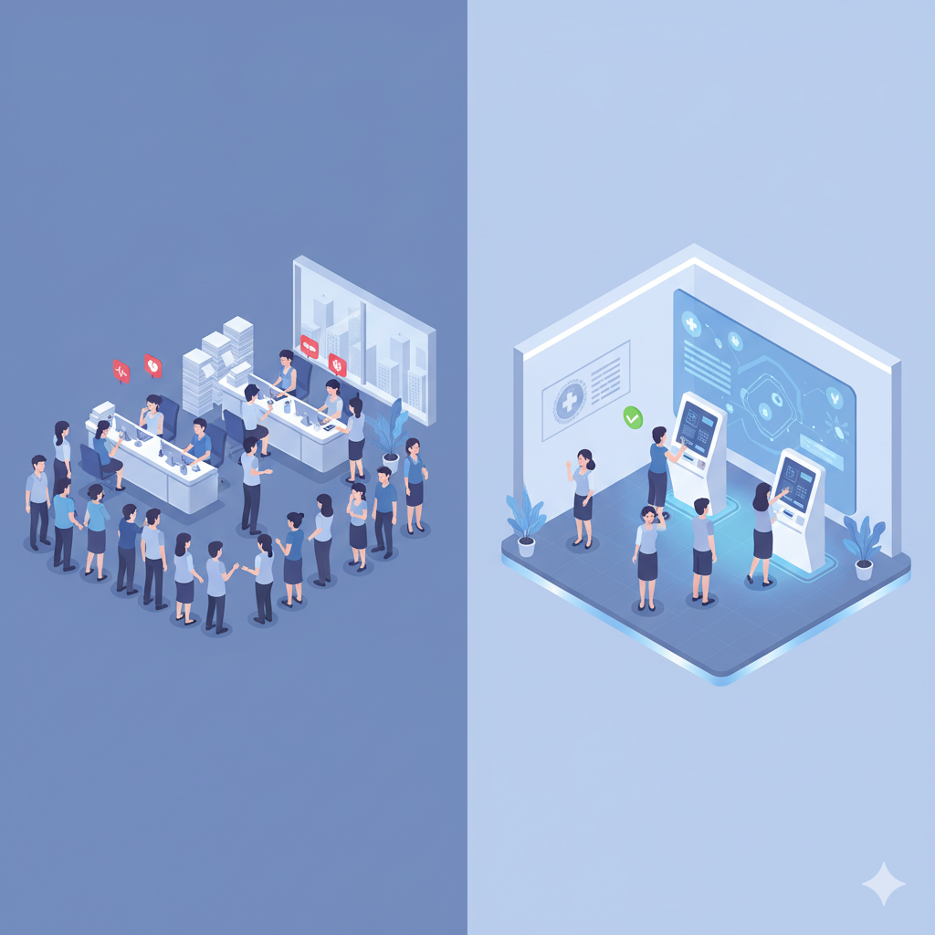
AI Kiosk: Intelligent Virtual Assistant for Smart Hospital Check-In Clinical Implications and Competitive Advantage Operational Efficiency : Thorough automation of repetitive front-desk processes allows hospitals to increase patient handling capacity without expanding administrative staff. Patient Engagement : Emotion-aware AI and natural conversational interaction build trust from the first touchpoint, which is especially critical for vulnerable patient groups. Cost Optimization : Savings from reduced administrative overhead can be reinvested into clinical service upgrades or other digital enhancements. Competitive Advantage : Hospitals adopting the AI Kiosk position themselves as pioneering, patient-centered institutions, leading the way in adopting healthcare innovation. Superior Economic & Clinical Value Data from pilot programs have demonstrated the clear transformational benefits delivered by the AI Kiosk: 250% faster registration eliminating lobby waiting times. 99.5% reduction in administrative staff workload. 58% lower operational costs compared to traditional manual registration. >90% patient satisfaction due to a faster, private, and intuitive experience. 30% fewer registration errors through patient-verified digital data. These outcomes collectively translate into significant financial ROI and reinforce the trust and prestige of the hospital among patients. TMA Solutions – Differentiation through Deep Contextual Understanding With over 15 years of HealthTech experience, TMA Solutions provides not just a device but an intelligent automation solution specifically engineered for the Vietnamese hospital ecosystem. Core Capabilities & Competitive Edge: Multilingual Voice Interaction : Utilizes Flutter technology and Speech Recognizer/TTS APIs to ensure natural voice recognition and response, including the ability to handle complex regional Vietnamese accents, a crucial factor for accessibility. Smart Clinical NLP : Trained on real hospital workflows, the AI is capable of understanding patient intent and symptom descriptions accurately, minimizing data entry errors. Face & Emotion Recognition : In-house Face ID ensures secure verification, while emotion detection allows the Kiosk to adapt its tone and interaction pace (slowing down when anxiety or confusion is detected), fostering empathy and comfort. Seamless System Integration : RESTful APIs connect the Kiosk to HIS, BHXH, and T-VA, ensuring synchronized data flow and eliminating redundant data entry. Accessible User Experience (UX) : Large, clear buttons, simplified menus, and clear spoken guidance make the Kiosk user-friendly for all demographics, especially the elderly and first-time visitors. These factors allow the AI Kiosk to function as a tireless virtual receptionist, maintaining 24/7 accuracy and availability. Clinical Context: Transforming the Critical First Moment The Silent Pain: Patient Health Declines Right at the Front Desk In modern hospitals, the front desk is often the point of friction between a patient's expectation and the system's overload. This is more than just long queues and tedious paperwork. In a clinical context, the anxiety and waiting during registration can lead to more serious consequences: Increased Physiological Stress Response: For patients with cardiovascular conditions, high blood pressure, or even mild acute cases, psychological stress from queuing can trigger the sympathetic nervous system. This causes an increase in heart rate and blood pressure right before the doctor's visit, directly impacting the accuracy of initial vital signs and carrying a risk of complications. Clinical Data Inaccuracies: When front-desk staff are rushed, or patients are tired/confused, errors or omissions in symptom reporting are inevitable. This inaccurate input data can lead to flawed patient triage, directly affecting the quality of care and diagnostics. The AI Kiosk was created to transform this critical moment from a "stress hotspot" into a "healing experience" from the very start. The Future of Hospital Reception The Solution: Integrating AI Intelligence into the Check-In Process The Kiosk is not merely an automated machine; it is an Intelligent Clinical Virtual Assistant that helps hospitals optimize performance and improve patient safety: Empathy through Voice : With advanced voice recognition (supporting all Vietnamese dialects) and natural Text-to-Speech feedback, patients can check-in, verify insurance, and report symptoms in a friendly, conversational manner, reducing feelings of isolation and confusion. Symptom Analysis with Clinical NLP : The system uses clinical reasoning models (such as PQRSTU and OLD CARTS) powered by Natural Language Processing (NLP) to gather detailed symptom descriptions through natural conversation, ensuring accurate and clinically relevant input data. Seamless Interoperability : The Kiosk integrates deeply with the HIS (Hospital Information System), the Social Insurance Portal, and AI Agent via RESTful APIs, automatically retrieving records, confirming appointments, and instantly routing patients to the correct department, cutting down on critical time. Transformational Value : The AI Kiosk turns the front desk from a bottleneck into an intelligent extension of the clinical workflow, ensuring patients feel cared for immediately and providing accurate input data for better diagnostic decisions. Seamless Healthcare Access with Voice Intelligence ...