Recruitment, traditionally a labor-intensive process, involves multiple tasks such as candidate sourcing, screening, and interviewing. AI now allows businesses to automate these tasks, significantly reducing time and costs while improving decision-making. This article examines how AI in recruitment automates essential tasks, offering businesses actionable insights to enhance their hiring strategies.
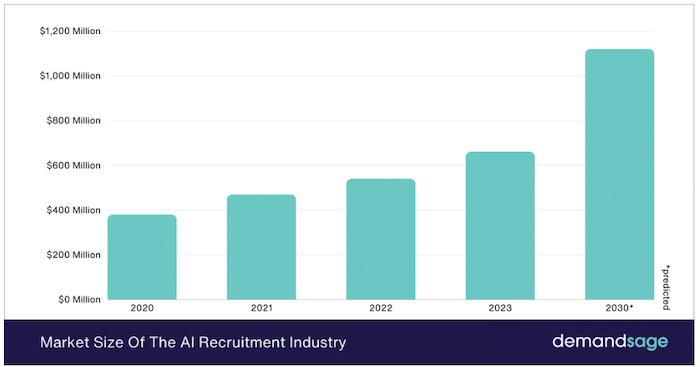
Artificial intelligence (AI) is reshaping the recruitment process, with 62.5% of HR professionals already incorporating it into their hiring practices. This rapid adoption is fueled by AI’s ability to enhance efficiency and effectiveness in hiring, offering businesses a competitive edge. As the global AI recruitment market is projected to grow to USD 890.51 million by 2028. It’s clear that this technology is not just a passing trend.
The significance of AI in the hiring process
AI-driven recruitment technology is transforming the talent acquisition (TA) landscape by automating routine, time-consuming tasks. This allows hiring teams to focus more on strategic, big-picture goals. When implemented correctly, AI integrates seamlessly into the hiring process, providing valuable support without replacing the need for human interaction.
As recruitment AI becomes more mainstream and the competition for top talent intensifies, TA leaders must adopt AI-powered tools to stay competitive. These tools enable faster, smarter hiring processes that drive better outcomes through high-level personalization and data-driven insights.
Here are four key reasons why recruiters should embrace AI in the recruitment process.
Automation
Recruiters frequently face the challenge of achieving more with limited resources. AI-powered recruitment tools simplify numerous administrative duties that typically consume a substantial amount of time. These tools assist with:
-
Sourcing: Identifying the best candidates by matching their qualifications with job descriptions criteria and evaluation features.
-
Screening: Ranking and scoring candidates based on predefined criteria, ensuring a more efficient review process.
-
Scheduling: Automating interview scheduling with virtual assistants and calendar integrations, reducing manual effort.
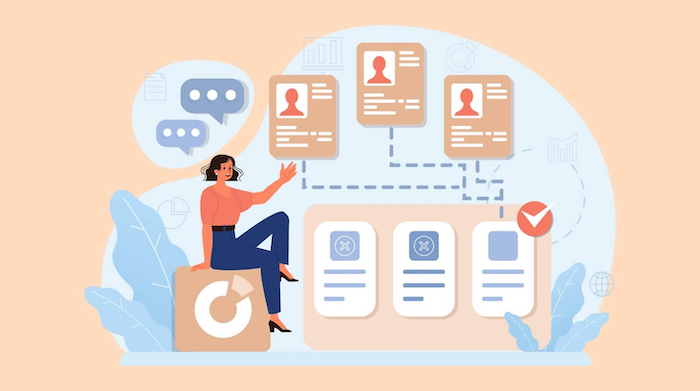
As reported in Dice's Recruitment Report, recruiters may dedicate as many as 30 hours per week to searching resumes. AI reduces this burden by narrowing down large talent pool, allowing recruiters to focus on the most qualified applicants.
Personalization
Artificial intelligence enables the creation of personalized experiences for both candidates and recruiters, fostering better relationships and outcomes throughout the staffing procedure.
-
For candidates: Generative AI delivers personalized job suggestions and relevant content based on a candidate’s profile, search history, and preferred location.
-
For employees: Generative AI provides tailored career growth paths, learning programs, and internal talent marketplace tools to promote career advancement and internal mobility.
-
For recruiters and hiring managers: Artificial intelligence hiring tools help build and maintain a personalized talent pipeline, ensuring that qualified candidates are easily discovered and previous high-quality candidates are rediscovered for new opportunities.
Data Insights
AI-driven data insights are transforming how recruiters assess talent. These insights allow recruiters to:
-
Find new job applicants and reconnect with past candidates.
-
Tap into cloud-sourced suggestions and insights to enhance hiring strategies.
-
Understand candidate intent and pipeline trends, ensuring a more targeted and efficient staffing procedure.
Artificial intelligence insights also help reduce time-to-hire and cost-per-hire, improving the overall productivity of the hiring process.
Bias Control
AI plays a key role in reducing bias during candidate selection, an essential aspect of fostering diversity and inclusion. By scoring candidates based on their skills and experience, rather than demographic factors, AI ensures that hiring decisions are made based on merit. Moreover, video assessments with standardized questions provide every candidate an equal chance to showcase their skills.
The benefits of AI in recruitment are evident, as it boosts productivity, sharpens decision-making, and attracts top talent. By streamlining the staffing procedure, AI has become an indispensable tool for modern candidate selection strategies.
Challenges and risks in AI-driven recruitment
Using AI in hiring process can bring substantial benefits to the staffing procedure, but it also presents several challenges and risks. Here's an exploration of the key concerns:
Inconsistent candidate quality
AI is powerful in automating screening processes, but its limitations can sometimes lead to suboptimal candidate selection. If the technology fails to interpret nuances in resumes – such as career gaps, unconventional career paths, or transferable skills – it may overlook highly qualified individuals. Additionally, poor implementation of AI tools, like using subpar chatbots or digital assessments, can further narrow the pool of suitable candidates.
To avoid this, recruiters must remain actively involved in the process, continuously reviewing AI-generated results and ensuring they align with the organization’s hiring objectives. AI should be a tool to support human decision-making, not replace it entirely.
Reduced human interaction
AI excels at increasing productivity, but it can strip away the personal aspects of staffing. The traditional staffing procedure involves building relationships, understanding cultural fit, and gauging how candidates might integrate into a team. Automating too much of the process can lead to a disconnect, where both the recruiter and the candidate feel distant from each other.
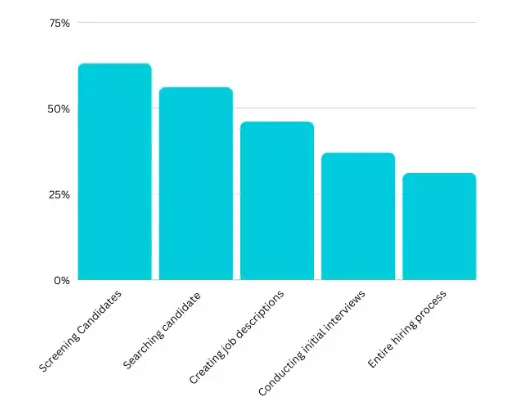
As Fullen from Korn Ferry suggests, maintaining human interaction throughout the process is vital. For instance, incorporating personal interactions, like allowing candidates to speak directly with recruiters, adds a human touch to the staffing procedure. This approach strengthens the emotional and relational aspects essential for securing long-term hires.
High investment costs
Using AI in recruitment often requires substantial financial investment, both in terms of purchasing software and training staff. While these tools can be invaluable for large companies with high-volume hiring needs, the cost-benefit analysis may not favor smaller businesses that hire infrequently. Additionally, AI systems work best for roles that are consistent and repeatable, where the skills and qualifications needed are well-defined.
In contrast, companies with unique or complex hiring needs may find that AI doesn't deliver the desired return on investment. This is especially relevant in executive searches, where human expertise and judgment remain critical. In such cases, AI primarily assists by summarizing reports rather than making final hiring decisions.
AI use cases in recruitment
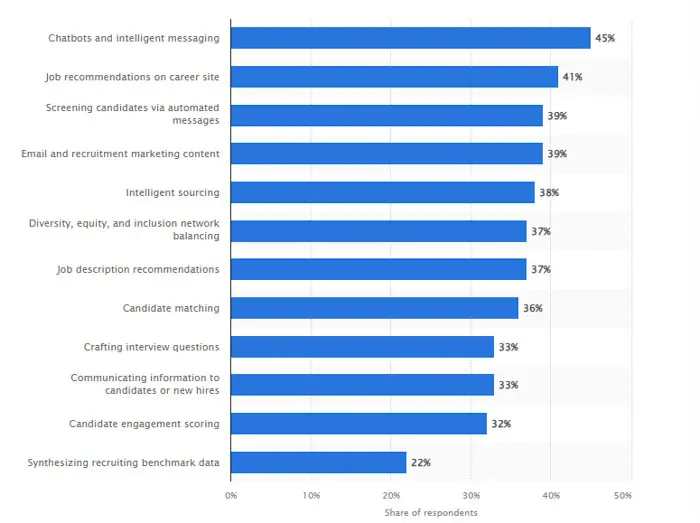
Below are some key applications of AI in job recruitment that are shaping the future of talent acquisition.
Streamlining candidate sourcing
AI is transforming candidate selection, especially in candidate sourcing, by enabling faster and more efficient identification of top talent. AI tools utilize machine learning algorithms to search job boards, databases, and social media. These tools assist recruiters in assessing candidate fit by analyzing profiles based on experience, skills, and qualifications.
Some AI-powered solutions also provide data-driven insights to help recruiters make informed decisions. Others use AI chatbots to interact with candidates in real time, assisting them throughout the application process. The benefits include faster searching, improved accuracy, and more effective collaboration within hiring teams, making the process more efficient overall.
Automating candidate screening
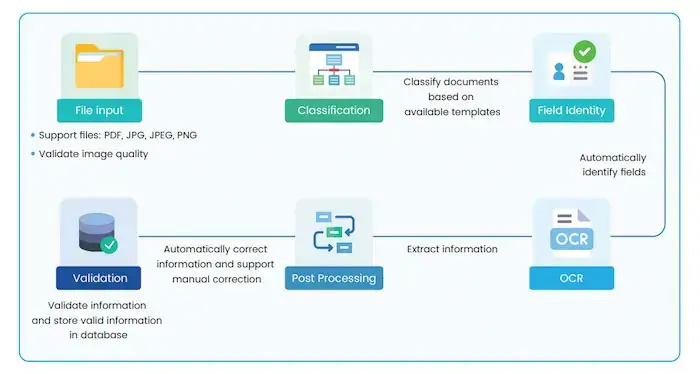
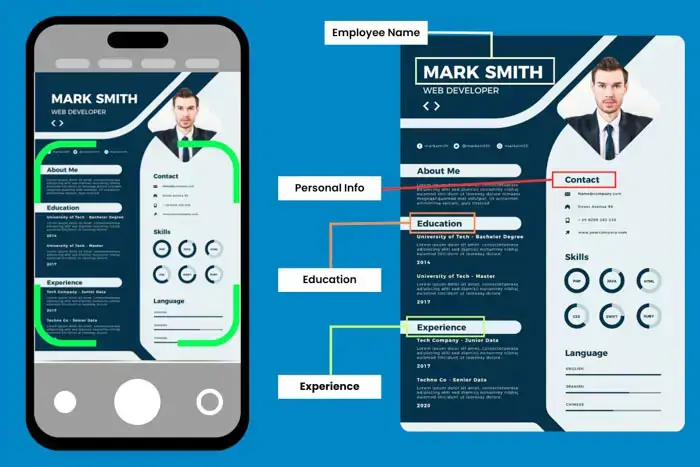
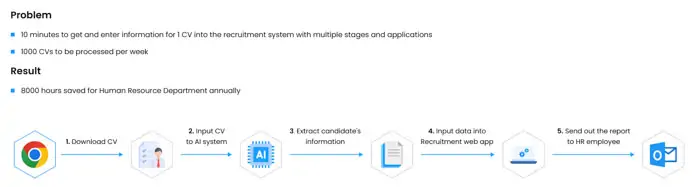
AI-powered candidate screening tools play a crucial role in speeding up and refining the staffing procedure, particularly when managing large volumes of applications. These tools quickly analyze resumes and applications to extract key information, such as qualifications, skills, and experience, allowing recruiters to efficiently identify top candidates.
In addition to basic resume parsing, AI screening systems use more advanced methods like behavioral and skill evaluations to assess compatibility. For example, they can flag potential red flags, such as behavior patterns or mismatches that might not align with the role. This allows recruiters to concentrate on candidates with the highest potential for success.
This recruitment automation enhances both the speed and accuracy of screening, ensuring that the most qualified candidates are shortlisted while freeing recruiters to focus on more strategic tasks.
Enhancing talent assessments
AI-driven talent assessment tools enable companies to assess candidates' skills and personality traits more effectively. AI-driven assessments incorporate methods like gamification, behavioral evaluations, and skill testing to make the process more interactive for candidates.
For example, gamified assessments evaluate problem-solving skills and adaptability, while behavioral assessments measure traits like teamwork and leadership. AI analyzes data from these assessments, providing recruiters with comprehensive reports on each candidate’s strengths, areas for improvement, and personality compatibility.
In addition, AI-based assessments can be customized to align with specific organizational needs, from evaluating technical skills to ensuring cultural fit. These tools can also integrate seamlessly with existing recruitment systems, ensuring a smooth workflow and allowing companies to make more informed, data-driven hiring decisions.
Optimizing candidate interviews
AI in recruitment is transforming candidate interviews, making the process more efficient and data-driven. Recruiters can use these platforms to conduct pre-screening interviews through video calls or text chats. The conversations are recorded and analyzed using machine learning algorithms. This allows for faster identification of candidates who are suitable for the next stage.

Advanced AI tools assess voice tone, facial expressions, and body language to gauge a candidate’s emotional state and engagement. By analyzing candidates’ responses, recruiters gain a well-rounded understanding of their personality and suitability for the role.
Additionally, AI tools can track metrics like response time and engagement during interviews, helping recruiters make more informed decisions with minimal manual effort.
Customizing job offers and onboarding experiences
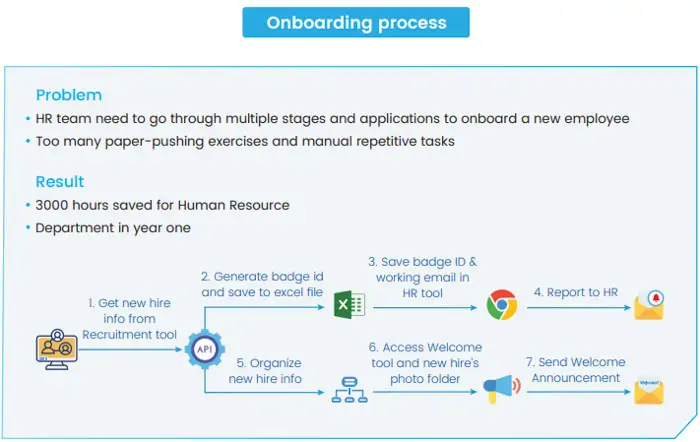
AI-powered tools are reshaping how organizations handle the offer and onboarding stages of satffing, helping to create personalized, engaging experiences for new hires. These tools automate tasks like creating offer letters, schedulingteam introduction, and guiding new hires through their first steps.
Using machine learning and AI technology, onboarding platforms can tailor the process to each individual, introducing new hires to company culture, policies, and teams. For larger organizations, these AI systems can easily scale to accommodate many new employees simultaneously, ensuring a smooth team introduction experience for everyone. AI also tracks new hire engagement, providing insights into their integration and adjusting the staff introduction program to improve their experience.
How will AI redefine recruiters' roles?
The future of AI in recruitment emphasizes a human-centered approach. AI acts as a supportive tool that enhances recruiters' efforts rather than replacing them.
With AI handling routine chores, recruiters will be able to make quicker, more informed decisions with the help of data insights. This shift allows recruiters to evolve in several ways:
Be more proactive
Instead of reacting to job openings, AI equips recruiters with valuable data and insights, enabling them to plan ahead and implement strategic hiring approaches. Recruiters can anticipate talent needs and focus on building a strong, diverse candidate pipeline ahead of time.
Focus on relationship-building
AI gives recruiters more time to engage with candidates on a deeper level. Instead of spending valuable time on administrative tasks, recruiters can focus on building meaningful relationships with top candidates, understanding their skills, motivations, and cultural fit. This enhances the overall candidate experience and leads to better hiring decisions.
Collaborate more effectively with hiring managers
AI enables recruiters to work more effectively with hiring managers by offering data-driven insights, including KPIs and quality-of-hire metrics. These AI-powered visuals help educate hiring managers on the effectiveness of their staffing processes, ensuring a more collaborative and transparent approach to hiring.
In summary, AI in recruitment offers substantial advantages to businesses by allowing HR teams to shift their focus toward more strategic initiatives. At the same time, it helps reduce bias in the employment process and enhances the candidate experience. By leveraging AI, companies can not only attract top talent more efficiently but also foster long-term success through building a stronger, more diverse workforce.
However, it’s crucial to balance AI's capabilities with human oversight to avoid potential pitfalls such as loss of personal interaction or reliance on algorithms alone. The combination of AI and human expertise is key to optimizing the staffing process for today's dynamic job market.


.webp_2026-10-01-18-27-07-971.webp)
.webp_2026-10-01-18-17-11-290.webp)
.webp_2026-10-01-18-08-26-854.webp)
.webp_2026-10-01-17-47-32-240.webp)