Home
Search
Found 797 results for “ “ keyword
icon
Vietnam Fintech Software Development: How Financial Organizations Are Scaling Faster with Outsourcing...
icon
Vietnam Fintech Software Development: Outsourcing and Custom Solutions with TMA...
icon
Why Healthcare Companies Outsource Software Development to Vietnam Healthcare companies outsource software development to Vietnam to gain access to skilled engineering teams, cost-efficient delivery capacity, and long-term product development support. For HealthTech companies, the strongest use cases include platform modernization, mobile patient applications, data engineering, QA automation, cloud migration, and remote care solutions. Because healthcare platforms often evolve around legacy databases, fragmented workflows, and third-party integrations, outsourcing only works when the offshore team can understand both the product architecture and the operating context. A simple ticket-taking model may help with short-term backlog pressure, but it often fails when the product requires refactoring, interoperability planning, cloud reliability engineering, or secure data handling. Vietnam’s advantage is not only labor cost. For enterprise buyers, the stronger value is access to stable engineering teams that can support multi-year roadmaps across web, mobile, cloud, data, AI, testing, and maintenance. This matters because healthcare software is rarely “finished.” Regulations change, integrations expand, clinical workflows evolve, and security threats keep moving. What to Look for in a Healthcare Software Outsourcing Partner A healthcare outsourcing partner should be evaluated on domain capability, delivery maturity, security engineering, communication model, and scalability. The goal is not to find the lowest hourly rate. The goal is to reduce delivery risk while increasing engineering throughput. Domain knowledge and delivery maturity Healthcare software teams need to understand workflows such as patient onboarding, scheduling, clinical documentation, claims support, device data ingestion, pharmacy automation, care coordination, remote patient monitoring, and healthcare analytics. Even when the offshore partner is not responsible for clinical decisions, the team must understand how software defects can affect operational continuity and patient experience. Delivery maturity should include: Clear product ownership and sprint governance Architecture review before major build decisions Definition of ready and definition of done Automated testing strategy Release management and rollback planning Technical debt tracking Documentation for APIs, data models, and deployment flows Because healthcare platforms commonly combine cloud services, mobile apps, APIs, analytics layers, and third-party systems, architectural discipline becomes a business control. Poor modularity slows integration. Weak QA increases release risk. Unclear code ownership creates dependency bottlenecks. Security practices and regulatory awareness Healthcare outsourcing partners should demonstrate security-by-design practices, not just security testing at the end. In the US market, teams should be familiar with HIPAA-related expectations. HHS explains that the HIPAA Security Rule establishes administrative, physical, and technical safeguards for electronic protected health information, while remaining flexible and technology neutral. For outsourcing, that means the partner should support secure SDLC practices, access control, auditability, encryption, vulnerability management, and incident response coordination. A practical healthcare delivery model should align with recognized security frameworks. NIST Cybersecurity Framework 2.0 helps organizations manage cybersecurity risk through governance and risk reduction practices. OWASP SAMM provides a software security maturity model for improving secure development programs. These frameworks do not replace legal compliance, but they help engineering teams make security operational. Generic ODC vs. Engineering Partnership Model Evaluation Area Generic Low-Cost ODC Engineering Partnership Model Primary objective Fill roles at low cost Deliver product outcomes with accountable engineering Architecture ownership Often client-only Shared architecture review and implementation planning Security Periodic testing or checklist Secure SDLC, threat modeling, CI/CD security, vulnerability tracking QA approach Manual testing-heavy Automation, regression strategy, performance testing, risk-based QA Technical debt Often unmanaged Logged, prioritized, and tied to roadmap impact Scaling model Add headcount quickly Scale by skills, domain context, leadership, and governance Business impact Short-term velocity Sustainable delivery speed, maintainability, and lower operational risk TMA Solutions’ 29 Years of Engineering Experience TMA Solutions positions itself as a technology and innovation partner and one of Vietnam’s leading software outsourcing companies. TMA was established in 1997 and states 29 years of experience, 4,000 engineers, clients from 30 countries, and a quality foundation including https://www.tmasolutions.com/ CMMI, Agile, RUP, ISO 9001, and ISO 27001 . For healthcare buyers, scale matters only when paired with domain capability. TMA’s healthcare practice states 700 engineers and 16+ years of healthcare experience, serving clients from Australia, the USA, Europe, and Vietnam. Its https://www.tmasolutions.com/industries/healthcare healthcare expertise areas include AI and health data analytics, remote health monitoring, device integration, telehealth, home care, senior care, disability care, EHR, medication management, nursing home management, healthcare kiosks, pharmacy automation, fitness solutions, clinical research tools, and healthcare self-services. This breadth is important because modern healthcare platforms are increasingly connected systems. A remote monitoring product may require device integration, mobile UX, cloud telemetry, rules-based alerts, analytics dashboards, and secure patient data workflows. A partner with cross-functional capability can reduce handoff friction between engineering disciplines. Conclusion Vietnam healthcare software development outsourcing can help North American healthcare companies improve delivery speed, scale engineering capacity, and modernize complex platforms. The strategic value comes from choosing a partner with healthcare domain knowledge, process maturity, security-aware engineering, and the ability to support long-term product evolution. TMA Solutions brings 29 years of software outsourcing experience, 4,000 engineers, healthcare delivery capability, quality foundations, and broad technical centers to support enterprise healthcare software initiatives. To explore a healthcare software team in Vietnam, engage TMA Solutions for a technical consultation, delivery model discussion, or architecture-focused outsourcing assessment. Start Your Healthcare Software Team in Vietnam TMA Solutions can support healthcare organizations that need to expand software delivery capacity while maintaining quality, security awareness, and architectural discipline. https://www.tmasolutions.com/case-studies TMA’s official case study listing includes a healthcare data and analytics example involving Azure, legacy migration, data integration, and visualization. Where detailed KPIs are not publicly available, enterprise buyers should request relevant case studies, reference architectures, sample team structures, and security process documentation during vendor evaluation. For North American healthcare companies, Vietnam healthcare software development outsourcing is strongest when used as a strategic engineering extension: one that combines product development, modernization, testing, DevOps, data, and security practices under clear governance. FAQ What is healthcare software development outsourcing? It is the use of an external engineering partner to design, build, test, modernize, or support healthcare software, including patient apps, EHR-related systems, analytics platforms, telehealth tools, and remote monitoring solutions. Is Vietnam a good destination for HealthTech outsourcing? Yes, when the vendor has healthcare domain experience, mature delivery governance, strong QA, security-aware development, and scalable engineering capacity. Vendor evaluation matters more than location alone. How should healthcare companies evaluate outsourcing partner reliability? Assess years of operation, engineering scale, healthcare experience, quality standards, security practices, client references, delivery governance, technical leadership, and ability to support long-term maintenance. Can an offshore team support HIPAA-related software projects? Yes, if roles, access, data handling, security controls, and contracts are carefully defined. Vendors should use HIPAA-aware delivery practices where applicable, but buyers should validate legal and compliance responsibilities. What work can be outsourced first? Good starting points include QA automation, modernization assessment, cloud migration support, analytics dashboards, mobile app modules, API development, and maintenance of non-core components with clear documentation. Healthcare Software Services From Vietnam https://www.tmasolutions.com/services/software-development TMA’s software development services cover the software development life cycle, including product enhancement, MVP development, R&D, proof of concept and prototype development, maintenance and support, porting, and migration. For HealthTech companies, this service mix maps well to the most common outsourcing needs. Product development, modernization, testing and support A mature healthcare software outsourcing engagement can support: Product development: Patient portals, clinician dashboards, care management tools, telehealth apps, mobile health apps, healthcare workflow automation, and SaaS platforms. Modernization: Legacy migration, monolith decomposition, API enablement, cloud migration, database modernization, and UI modernization. Data and analytics: Healthcare data lakes, reporting dashboards, risk scoring, operational analytics, and AI-assisted workflow tools. Testing: Functional testing, automation testing, regression testing, API testing, mobile testing, performance testing, and security testing. TMA states https://www.tmasolutions.com/services/qa-software-testing-services 800+ test engineers and 29 years of testing experience . Security engineering: Vulnerability assessment, penetration testing, secure coding, cloud security, DevSecOps and CI/CD security integration. https://www.tmasolutions.com/services/security-application-development TMA’s security application development page references OWASP ASVS, MASVS, NIST SP 800-218, ISO 27034, CIS Control 16, PCI DSS, and related security tools. Because healthcare applications must remain dependable after launch, support should include observability, incident triage, production defect analysis, dependency updates, test maintenance, and release planning. Technical Delivery Pipeline for Healthcare Outsourcing A healthcare outsourcing engagement should use a structured delivery pipeline: Discovery and architecture assessment Review business goals, clinical or operational workflows, data sensitivity, integration points, legacy constraints, and regulatory expectations. Solution design Define target architecture, cloud model, API boundaries, data flow, identity model, audit logging, encryption approach, and integration strategy. Security and compliance planning Map data types, access roles, threat scenarios, secure coding rules, CI/CD controls, test environments, and evidence collection needs. Agile delivery setup Establish team structure, sprint cadence, backlog ownership, documentation standards, code review process, and escalation channels. Build and integration Develop services, mobile/web interfaces, data pipelines, device integrations, EHR-related connectors, and admin workflows. Quality engineering Run unit tests, API tests, integration tests, regression tests, performance tests, accessibility checks, and security scans. Release and deployment Use controlled environments, deployment automation, configuration management, rollback plans, monitoring, and release notes. Operations and continuous improvement Track incidents, technical debt, user feedback, security vulnerabilities, and roadmap changes through a continuous improvement loop. Outsourcing Models for HealthTech Companies HealthTech companies can choose different outsourcing models depending on product maturity and internal capacity. A dedicated offshore development team works well when the client has product ownership and needs stable engineering capacity. A project-based model fits defined scopes such as MVP development, migration, QA automation, or analytics implementation. A managed delivery model is useful when the client wants the partner to own delivery execution under agreed governance. For enterprise healthcare buyers, the best model is often hybrid: client-side product and compliance leadership combined with TMA-side engineering, QA, DevOps, and technical leadership. This keeps strategic control close to the business while extending execution capacity. Lessons Learned from the Field The biggest risk in healthcare outsourcing is not distance. It is weak engineering governance. Generic low-cost ODCs often create hidden cost through unclear ownership, minimal refactoring, fragile CI/CD pipelines, manual regression bottlenecks, and security checks performed too late. In a mature delivery model, technical debt is visible. CI/CD pipelines are treated as product infrastructure. Code reviews evaluate maintainability, not just syntax. QA automation is designed around business-critical workflows. Security is embedded through access control, dependency scanning, secrets management, secure coding, and penetration testing where appropriate. Because healthcare systems are integration-heavy, practical teams also document assumptions. If an API changes, if a device sends malformed data, if an analytics job fails, or if a user role is misconfigured, the system should degrade predictably. This kind of engineering discipline is what separates a long-term technology partner from a staffing vendor. Vietnam Healthcare Software Development Outsourcing: Build Secure, Scalable HealthTech Faster Healthcare software teams in North America are under pressure to modernize EHR workflows, remote monitoring platforms, patient engagement tools, and data analytics systems while controlling engineering cost and delivery risk. The challenge is not simply hiring more developers. Healthcare applications handle sensitive data, integrate with complex legacy systems, and must be designed with security and regulatory awareness from the first sprint. IBM reported that the global average cost of a data breach reached USD 4.4 million in 2025, reinforcing why healthcare software delivery cannot treat security as a late-stage checklist. For CTOs, CIOs, product leaders, and sourcing managers, Vietnam healthcare software development outsourcing is increasingly relevant because it can expand engineering capacity without losing architectural control. The key is choosing a partner that brings healthcare domain knowledge, mature delivery governance, DevSecOps discipline, and the ability to scale beyond staff augmentation....

icon
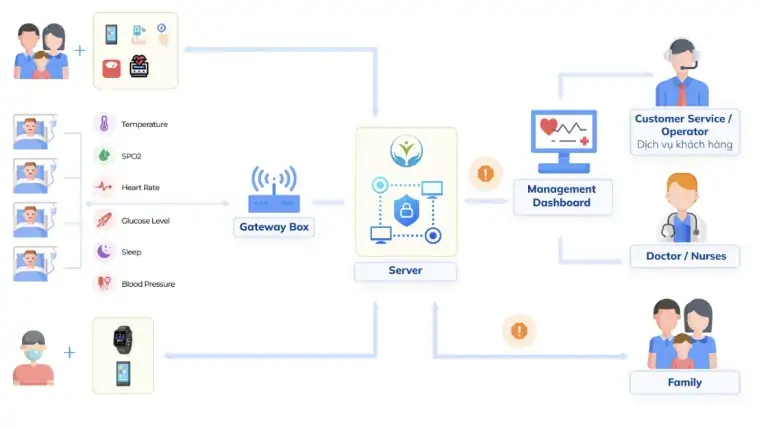
Vietnam’s Competitive Advantage in Healthtech Software Outsourcing Conclusion Vietnam offers a compelling proposition for healthtech: deep talent, cost advantages, compliance readiness, and cultural alignment. With decades of delivery experience and healthcare-specific capabilities, TMA Solutions helps you design, build, and scale patient-centric digital health products. Accelerate your healthtech roadmap - Book a call, View capabilities, or See a live demo. https://www.tmasolutions.com/ Contact TMA to start your tailored plan. Why Vietnam Stands Out in Healthtech Outsourcing 1) A Growing Talent Pool with Healthcare IT Expertise Vietnam’s tech sector produces thousands of engineers each year, many specializing in AI, IoT, data analytics, and cloud - core to digital health. Teams increasingly work on EHR, telehealth, medical imaging, device integrations, and Remote Health Monitoring. 2) Cost Efficiency without Compromising Quality Compared with other hubs, Vietnam offers highly competitive development costs while maintaining international quality standards, accelerating time-to-market and ROI. 3) Strong Compliance Mindset Projects often involve sensitive PHI and strict regulations. Vietnamese teams are experienced with HIPAA, GDPR, and ISO delivering secure, auditable solutions ready for regulatory review. 4) Cultural Fit and Communication Adaptability, collaborative problem-solving, and solid English proficiency enable smooth engagement with clients in the US, Europe, and APAC. Introduction As global demand for digital healthcare grows, organizations are seeking partners who can design, build, and scale https://www.tmasolutions.com/industries/healthcare healthtech software solutions in Vietnam with speed and regulatory confidence. Vietnam has quickly emerged as a top destination for https://www.tmasolutions.com/industries/healthcare healthcare software outsourcing in Vietnam , thanks to a skilled talent pool, cost efficiency, and proven delivery for complex medical use cases. TMA Solutions: 29 Years of Outsourcing Experience As one of Vietnam’s leading providers ofhttps://www.tmasolutions.com/industries/healthcare healthtech software solutions in Vietnam , TMA Solutions (est. 1997) delivers end-to-end services with ~4,000 engineers across global offices. Our healthcare experience includes: Enhance senior care services with remote health monitoring system Remote Health Monitoring Platforms : Integrations with wearables and medical devices for continuous patient data and alerts. Chronic Care Applications : Digital tools for diabetes, cardiovascular conditions, and long-term care management. Telehealth & Virtual Care : Secure video consults, scheduling, e-prescriptions, and patient engagement portals. AI & Data Analytics : Insights from test results, prescriptions, and daily activities to support clinical decisions and population health. This blend of domain know-how, system integration, and delivery maturity helps clients ship faster, reduce risk, and improve outcomes making TMA a trusted partner for https://www.tmasolutions.com/industries/healthcare healthcare software outsourcing in Vietnam . ...
icon
Vietnam’s Growing Tech Industry: Leading Software Development Companies to Watch Introduction Vietnam’s technology industry is entering a new stage of global recognition. Over the last decade, the country has transformed from a cost-focused outsourcing destination into one of Southeast Asia’s fastest-growing software engineering and digital innovation hubs. International businesses are increasingly choosing Vietnam software development companies not only because of competitive development costs, but also because of the country’s expanding engineering workforce, improving technical expertise, and growing capabilities in AI, cloud computing, fintech, and enterprise software development. This shift is happening at a time when global demand for software engineering talent continues to rise rapidly. Enterprises worldwide are accelerating digital transformation initiatives, modernizing legacy systems, and investing heavily in artificial intelligence. As a result, companies are searching for long-term software development partners capable of supporting both technical scalability and continuous innovation. Vietnam is becoming one of the strongest candidates to meet those demands. Vietnam’s Digital Economy Is Growing at One of the Fastest Rates in Southeast Asia Vietnam’s broader digital economy has experienced remarkable growth in recent years, creating strong momentum for the country’s software industry. According to the e-Conomy SEA 2024 Report published by Google, Temasek, and Bain & Company, Vietnam’s digital economy reached approximately US$36 billion in Gross Merchandise Value (GMV) in 2024, nearly three times higher than in 2020. The report also highlighted Vietnam as one of Southeast Asia’s fastest-growing digital markets, driven by increasing adoption of digital services, fintech platforms, e-commerce, and cloud technologies. This growth matters because it directly strengthens the country’s software ecosystem. As domestic and international demand for digital platforms increases, Vietnam software development companies gain more opportunities to build large-scale systems, improve engineering capabilities, and expand into advanced technology areas. At the same time, Vietnam’s ICT sector continues to expand steadily. According to the Vietnam Software and IT Services Association (VINASA), Vietnam’s ICT industry has generated more than US$150 billion in annual revenue in recent years, with software services and digital technology becoming increasingly important contributors to the national economy. These numbers reflect more than simple market growth. They indicate that Vietnam is building a sustainable technology ecosystem capable of supporting long-term software innovation and enterprise digital transformation. Vietnam Has Developed a Large and Competitive Engineering Workforce One of the most important factors behind Vietnam’s software industry growth is the country’s engineering talent pool. According to data from Vietnam’s Ministry of Information and Communications and VINASA, Vietnam currently has more than 530,000 IT engineers and software developers, with tens of thousands of new technology graduates entering the workforce each year. Major technology hubs such as Ho Chi Minh City, Hanoi, and Da Nang continue attracting significant domestic and international investment in software development, AI research, semiconductor technologies, and digital infrastructure. These cities have become central to Vietnam’s expanding technology ecosystem, hosting a growing number of software companies, R&D centers, innovation labs, startups, and global engineering operations. At the same time, universities and technical institutions across Vietnam are strengthening education and training programs in high-demand technology fields including software engineering, artificial intelligence, cloud computing, cybersecurity, embedded systems, and data science. Many universities are also increasing collaboration with enterprises through internship programs, industry partnerships, and practical research initiatives to better align engineering talent with real-world business and technology requirements. This combination of expanding technology investment and continuous talent development is helping Vietnam build a stronger foundation for long-term growth in software engineering and digital innovation. However, the real advantage is not only the number of engineers available. The quality and international experience of Vietnamese software teams have improved significantly over the last decade. As a result, Vietnam software development companies are increasingly competing on engineering capability and delivery quality rather than purely on labor costs. Government Investment Is Strengthening Vietnam’s Long-Term Technology Strategy Vietnam’s technology growth is also strongly supported by long-term government initiatives focused on digital transformation and innovation. In June 2020, the Vietnamese government officially approved the National Digital Transformation Program to 2025, with orientation toward 2030 under Decision No. 749/QĐ-TTg. The program was designed to accelerate the development of digital government, digital economy, and digital society while encouraging businesses across industries to adopt digital technologies and modernize operations. Under this strategy, Vietnam aims to become one of Southeast Asia’s leading digital economies by strengthening national digital infrastructure, expanding cloud computing capabilities, promoting data-driven governance, and increasing technology adoption among enterprises. Beyond digital transformation, Vietnam has also introduced several national strategies focused on emerging technologies and advanced industries. Vietnam Software Development Companies Are Moving Beyond Traditional Outsourcing The global software outsourcing industry has changed significantly over the past several years. Businesses are no longer searching only for low-cost development vendors capable of handling isolated coding tasks. Instead, they increasingly seek long-term technology partners that can contribute to broader business transformation initiatives and support continuous innovation at scale. Modern enterprises now expect outsourcing partners to participate in critical areas such as: Product innovation and digital experience development: Companies need technology partners that can help design and build modern digital products capable of improving customer experience, accelerating time-to-market, and supporting long-term business growth rather than simply delivering technical implementation. Enterprise modernization and legacy system transformation: Many organizations are replacing outdated legacy systems with cloud-native platforms, scalable enterprise applications, and integrated digital ecosystems. Software partners are expected to support both modernization strategy and large-scale system migration. AI integration and intelligent automation: As artificial intelligence becomes a core business priority, enterprises increasingly look for software development companies that can integrate AI capabilities such as generative AI, AI agents, computer vision, predictive analytics, and intelligent workflow automation into business operations. Cloud transformation and scalable infrastructure: Businesses are rapidly adopting cloud technologies to improve scalability, operational flexibility, and global system performance. This requires software engineering teams with expertise in cloud architecture, DevOps, containerization, and multi-cloud environments. Scalable software architecture and long-term engineering support: Enterprises increasingly prioritize software systems that can scale efficiently as business requirements evolve. This places greater importance on architecture design, cybersecurity, system reliability, and long-term product maintenance. Vietnam software development companies are adapting quickly to these changing market expectations. Rather than focusing solely on traditional outsourcing models, many Vietnamese technology firms are expanding capabilities in AI engineering, enterprise software development, cloud services, and digital transformation consulting to position themselves as long-term innovation partners for global businesses. Custom Software Development Is Becoming a Major Growth Driver Modern enterprises often require highly customized software systems tailored to specific operational processes, industry regulations, customer experiences, and scalability requirements. As a result, demand for custom software development companies in Vietnam continues increasing across industries such as finance, healthcare, logistics, manufacturing, telecommunications, retail, and education. Vietnamese software companies are now building: Enterprise management systems, Digital banking platforms, Healthcare applications, Logistics management systems, Industrial IoT solutions, AI-powered enterprise tools. More importantly, many companies now provide end-to-end software development capabilities rather than only development execution. This includes: Solution consulting System architecture UI/UX design Cloud deployment AI integration Long-term system maintenance This evolution is helping Vietnam move higher in the global technology value chain. Artificial Intelligence Is Reshaping Vietnam’s Technology Industry Artificial intelligence is becoming one of the most important drivers of growth across Vietnam’s software ecosystem. As global enterprise investment in AI accelerates, Vietnamese technology companies are increasingly expanding capabilities in: Generative AI AI agents Computer vision Intelligent automation Predictive analytics Smart manufacturing technologies This shift reflects broader changes happening across the global software market. Businesses now expect software systems not only to digitize workflows, but also to automate decisions, improve operational efficiency, and generate intelligent insights. Technology ecosystems in Ho Chi Minh City, Hanoi, and Da Nang are also seeing increased collaboration between enterprises, universities, startups, and R&D centers focused on AI and emerging technologies. As a result, Vietnam is gradually positioning itself not only as a software outsourcing destination, but also as a growing AI and digital innovation hub in Southeast Asia. Leading Software Development Companies in Vietnam to Watch Vietnam’s technology sector now includes a growing number of software companies supporting global enterprises through software engineering, enterprise solutions, AI development, and digital transformation services. Several companies have played important roles in strengthening Vietnam’s international reputation in software development. TMA Solutions TMA Solutions is a trusted software development and IT outsourcing partner in Vietnam. Founded in 1997, TMA Solutions is one of Vietnam’s largest and longest-established software outsourcing companies. According to information published on its official platforms, TMA has more than 4,000 engineers and serves customers across 30 countries . Over nearly three decades, the company has developed expertise across industries including telecommunications, finance, healthcare, manufacturing, logistics, automotive, and enterprise software. TMA has also invested heavily in emerging technology areas through specialized R&D centers focused on: Artificial Intelligence IoT Fintech Healthtech Smart Manufacturing Automotive Software 5G technologies Its broader innovation ecosystem, showcased through TMA Innovation, reflects how Vietnam software development companies are evolving beyond traditional outsourcing toward AI-driven engineering and enterprise digital transformation. FPT Software FPT Software delivers top-tier software outsourcing solutions FPT Software is one of Vietnam’s most internationally recognized technology companies, with operations across Asia, Europe, and North America. The company provides software engineering, enterprise modernization, cloud transformation, AI development, and automotive software solutions for global enterprises. KMS Technology KMS is a trusted partner for software outsourcing needs KMS Technology is known for its expertise in software engineering, cloud applications, product development, and QA automation services for international technology businesses. NashTech NashTech's Vietnam teams play a central role in global technology delivery. NashTech operates major engineering centers in Vietnam and focuses on digital engineering, cloud platforms, enterprise modernization, and scalable software solutions for global clients. Why Global Businesses Continue Choosing Vietnam Software Development Companies Vietnam’s growing position in the global technology industry is not driven by cost advantages alone. Businesses increasingly choose Vietnam because the country offers a rare combination of: Scalable engineering talent, Improving technical quality, Operational flexibility, Competitive development costs, Growing expertise in AI and enterprise software. This balance is particularly valuable as enterprises continue facing engineering shortages and rising development costs in mature technology markets. Vietnam software development companies are also becoming more experienced in handling international delivery environments, enterprise collaboration models, and long-term digital transformation initiatives. As global demand for AI, cloud modernization, and enterprise automation continues to rise, Vietnam is expected to strengthen its position as one of Asia’s leading software engineering and innovation destinations. Sources Google, Temasek & Bain – e-Conomy SEA 2024 Report Vietnam Software and IT Services Association (VINASA) Vietnam Ministry of Information and Communications Vietnam National Digital Transformation Program TMA Solutions Official Website TMA Innovation...
icon
How to leverage VR growth? Emerging virtual reality trends present significant opportunities for businesses and individuals to capitalize on the expanding VR market. Here's how: Adopt Immersive Learning Technologies The potential of VR in education and training is transformative. Educators, professionals, and students can benefit from interactive lessons and risk-free simulations, such as virtual surgeries or engineering prototypes. By adopting immersive learning tools, organizations and individuals can enhance understanding, retention, and overall effectiveness in training and development. Create Hyperrealistic Virtual Reality The future of VR lies in multisensory engagement. Developers and entrepreneurs should focus on creating hyper-realistic experiences that mimic real-world sensations like touch, smell, and taste. These advanced VR environments not only captivate users but also establish a loyal audience, offering a significant competitive advantage. Participate in Social Virtual Worlds Social VR platforms are redefining networking and collaboration. From virtual meetings to immersive events, these platforms provide new ways for individuals and businesses to connect and grow. As VR becomes more community-oriented and user-friendly, leveraging these platforms can unlock opportunities for personal and professional development. Implement AI in Virtual Reality Artificial intelligence enhances VR by creating personalized and adaptive environments. By analyzing user behavior and preferences, AI can deliver a more dynamic and engaging experience. Developers and businesses that integrate AI into their VR solutions can increase user satisfaction and foster long-term retention. Utilize VR for Business Purposes Virtual reality offers numerous applications for businesses, from product prototyping to staff training and client engagement. Early adopters of VR in the corporate world can gain significant operational efficiencies and elevate client experiences. Companies exploring VR applications now position themselves as pioneers in their industries. VR applications in business prototyping, training, and engagement Experience the Metaverse The metaverse represents the future of interconnected virtual experiences, merging applications and services into a seamless virtual ecosystem. Developers can create VR applications tailored for the metaverse, while users can explore new ways to work, interact, and entertain themselves. The metaverse opens vast opportunities for innovation and revenue generation. Conclusion Several key virtual reality trends suggest that virtual reality is poised to reshape numerous sectors, extending its reach beyond gaming and entertainment to encompass education, healthcare, and enterprise applications. In the coming years, we can anticipate deeper immersion through multisensory enhancements and advanced wearables, increased enterprise adoption of VR tools for training, design, and collaboration, and a gradual shift towards metaverse-driven social and professional interactions. By aligning VR initiatives with evolving user needs and industry trends, organizations can position themselves for success in this rapidly evolving landscape. How Are VR Applications Utilized in Industries? Several key virtual reality trends are shaping how industries adopt and implement VR technology. These trends are driving innovative applications across various sectors: Training and Education Programs Virtual reality is revolutionizing education and training by creating immersive, engaging, and personalized learning environments. Students can explore historical events, perform virtual lab experiments, or even take virtual field trips, enhancing retention and understanding. For training, VR allows for risk-free simulations, such as medical surgeries or pilot training, offering realistic experiences that replicate real-world scenarios. Retail and E-Commerce In retail, VR bridges the gap between online and physical shopping experiences. Clients can virtually try on clothes or test products, reducing dissatisfaction and returns. By incorporating VR into client journeys, retailers can offer a highly interactive and engaging shopping experience, increasing client satisfaction and loyalty. Reducing returns and increasing loyalty with VR in retail Healthcare and Medical Education VR is making strides in healthcare by enabling precise surgery simulations, advanced diagnostic tools, and treatment options like virtual therapy for phobias or PTSD. Medical students can practice surgeries in realistic virtual settings, while VR aids in remote consultations, offering patients high-quality care from anywhere. Manufacturing and Engineering Virtual reality enhances product development in manufacturing by allowing teams to visualize and refine designs before creating physical prototypes. This process improves efficiency and precision and reduces costs. Additionally, VR assists in training factory workers and conducting maintenance simulations, boosting overall productivity and safety. Entertainment and Gaming VR transforms gaming and entertainment by creating highly immersive and interactive experiences. Players can dive into virtual worlds, perform daring stunts, or engage in hyper-personalized gameplay. In an increasingly competitive market, VR ensures audience engagement and satisfaction, driving growth and innovation in the sector. What Are VR Technology Challenges? Despite its enormous potential, VR faces barriers to mainstream adoption. Virtual reality trends highlight these pivotal concerns: Accessibility and Inclusivity While advancements are being made, access to VR technology remains a significant challenge. The cost of VR headsets and the availability of compelling content create barriers to entry for many potential users, hindering widespread adoption. Health and Safety Prolonged use of VR headsets can lead to physical discomfort, including eye strain, headaches, and motion sickness. Addressing these health and safety concerns through improved headset design, ergonomics, and content development is crucial for user well-being and broader acceptance. Hardware Limitations Several hardware limitations continue to impede VR's mainstream adoption. These include the relatively high cost of VR headsets, challenges in mass production to meet potential demand, limited battery life for untethered experiences, and restricted field of view, which can impact immersion and user experience. Ethical Considerations As VR technology becomes more prevalent, ethical considerations surrounding data privacy, security, and potential misuse become increasingly important. Developers must prioritize transparency in data collection and usage practices, implement robust security measures to prevent cybercrime, and address concerns about invasive advertising within VR environments. Responsible for VR development for prioritizing ethics and user protection Emerging VR Trends in 2025 Virtual reality trends in 2025 underscore its transformative potential across industries. Far from being a niche tool for entertainment, VR is evolving into a multifaceted technology influencing education, business, and social interactions. While current advancements are remarkable, the untapped potential of VR hints at a future filled with even more groundbreaking possibilities. Experiential Learning in Virtual Environments By 2025, virtual reality will be revolutionizing education by breaking traditional learning barriers. VR transports classrooms to historical epochs, distant planets, or complex scientific phenomena, making lessons engaging and enhancing comprehension. Medical training benefits significantly as students perform intricate surgical procedures in risk-free virtual environments. This trend indicates a transformative shift in how we approach education and professional training. VR's Journey Towards Hyperreality Hyper-realism in virtual reality is reshaping immersive experiences. Technological advances now allow users to feel raindrops, smell flowers, or even taste virtual food, bridging the gap between the real and virtual worlds. This evolution blurs the distinction between reality and simulation, pushing VR to unparalleled levels of sensory engagement. The Growing Popularity of Social VR Social interaction in VR takes center stage as platforms become more interactive and community-focused. Users can host events, attend concerts, or play multiplayer games in virtual environments. These developments foster inclusivity and redefine VR as a collective, social experience rather than a solitary activity. The rise of social VR for connecting in virtual worlds AI Enhancing Virtual Reality Experiences Artificial intelligence is enhancing VR by creating adaptive and personalized environments. AI analyzes user preferences and behaviors to modify virtual settings dynamically, delivering intuitive and immersive experiences. This integration signals a pivotal shift in making VR environments more responsive and user-centric. Business Applications of Virtual Reality The corporate world increasingly incorporates VR for diverse applications, including prototyping, training, and client engagement. Companies are using VR beyond entertainment, recognizing its potential to streamline operations and innovate processes. As costs decrease and accessibility improves, VR is poised to become a staple in business practices. Apple Vision Pro Redefines Virtual Reality The launch of the Apple Vision Pro in 2024 redefined VR with high-resolution displays and ergonomic designs. Its integration of AR overlays expands VR's utility in education, gaming, and professional simulations. With seamless connectivity to Apple's ecosystem, the Vision Pro sets a benchmark for immersive technology. The VR Market’s Current State Virtual reality (VR) immerses users in simulated environments, mimicking real-world experiences or creating entirely new ones. This technology engages various senses, including sight, touch, and hearing. The global VR market is expanding rapidly, with the consumer sector expected to grow from less than $16 billion in 2024 to over $18 billion by 202 Key drivers include advancements in VR gaming and enterprise applications, such as enhanced client experiences, remote collaboration, and training solutions. Rising Adoption of VR Across Industries Enhanced VR hardware, featuring compact and stylish designs, is driving wider adoption among consumers and industries. Sectors such as healthcare, workforce development, and manufacturing are leveraging VR for transformative applications like surgical simulations, immersive employee training, and interactive classroom experiences. These evolving use cases are expected to generate significant economic benefits globally, solidifying VR's role as a disruptive technology in the coming years. VR market growth is fueled by gaming, enterprise, and improved hardware Virtual reality trends show that VR is no longer futuristic—it's here and accelerating rapidly. While early uses focused on gaming, VR now benefits diverse sectors like healthcare, education, and automotive. The key question now is not if VR will grow, but how and where it will have the greatest impact. Understanding these trends, use cases, and challenges is crucial for capitalizing on the next wave of VR innovation. Explore our in-depth analysis of top VR trends. Key Virtual Reality Trends to Watch in 2025 and the Future...
icon
Voice Data Entry Assistant: Freeing Nurses, Elevating Elderly Care Clinical Context: The Hidden Stress in Elderly Care The Pain: Torn Between Care and Paperwork, Nurses are Overburdened The nursing home and long-term care industry face a dual crisis: staff shortages and an enormous administrative load . Nurses, who should be spending their time directly interacting with residents, are instead wrestling with over 30% of their time dedicated to data entry and paperwork. This is not just an efficiency issue; it's a matter of care quality and staff well-being : Decreased Quality of Care: Manual documentation leads to delayed, unsynchronized data, increasing the risk of errors and slowing down clinical response. Increased Burnout: Repetitive data entry in a high-pressure environment causes stress and distraction, pushing nurses away from direct interaction, reducing compassion, and reducing engagement in the service. Digital transformation is no longer optional; it is a critical necessity to free staff from tasks that add no direct clinical value. The Solution: The Power of Voice-First in Healthcare TMA’s Voice Data Entry Assistant resolves this core pain point by converting spoken words into structured medical data in real-time. Nurses simply speak vital signs, care actions, and clinical observations aloud and the AI instantly: 1. Transcribes (ASR) : Converts speech into text. 2. Processes (NLP) : Analyzes, validates, and structures the information (e.g., automatically parsing "11:30 AM, temperature 37.2 degrees" into relevant data fields). 3. Synchronizes Instantly: Saves directly into the resident's digital health record. This hands-free approach brings the documentation tool back to the bedside , ensuring the quality and timeliness of information. TMA Solutions: An AI Ecosystem Elevating Care TMA Solutions, with its long-standing experience in HealthTech, offers a superior solution that is not just a tool but part of a smart elderly care strategy. Core Differentiating Value of the Voice Data Entry Assistant: Hands-Free & Real-Time Documentation: A mobile solution using ASR and NLP to fully automate the recording of metrics, timestamps, and care actions at the point of care. Intelligent Validation: Provides a quick preview and editing capability for transcriptions, ensuring data accuracy and compliance before final submission. Multi-Accent and Multilingual Support: Specifically optimized for Vietnamese regional accents and readily scalable for international markets (English, Japanese, Korean), addressing the needs of multinational staff. Robust AI Infrastructure: Built on large language models (LLMs) and TMA's proprietary DeepDoc technology for deep analysis, turning voice input into reliable, structured medical information. Broad Compatibility: Compatible with popular operating systems (Android, iOS) and optimized for rugged clinical devices (like the Samsung Galaxy XCover), ensuring durability in clinical environments. Extending the TMA Ecosystem: The Voice Data Entry Assistant is the first touchpoint in a comprehensive care ecosystem: Remote Health Monitoring Platform (IoT): Integrates voice-entered data with real-time alerts from vital sign devices (BP, HR, SpO₂). Teleconsultation & Kiosk: Enables remote health checks and connects residents with family members. Predictive Analytics: Uses AI to detect early risk patterns from care records, preventing complications before they escalate. TMA is driving a complete transformation from manual recording to smart, human-centered data management. Impact & Research-Backed Clinical Outcomes Real-world data and pilot studies confirm that the voice interface delivers superior benefits in efficiency and quality for care facilities: Increased Workflow Efficiency: Reduces nursing documentation time by up to 50% , effectively freeing nurses to focus on direct care and resident interaction. Improved Accuracy: Shows a reduction of up to 30% in data entry errors compared to manual methods, strengthening patient safety. Enhanced Care Quality: Records are instantly updated and synchronized, leading to better coordination between shifts and faster response to resident needs. Reduced Staff Fatigue: Over 85% of nurses in pilot studies reported reduced burnout and easier workflows, aiding talent retention. Ensured Compliance: Real-time data synchronization ensures record consistency and timeliness, enhancing audit readiness. Business and Leadership Implications The combination of AI-driven voice interfaces with structured data automation is more than a technological upgrade; it is a strategic competitive advantage: Empowering Caregivers: Provides a seamless, hands-free tool to enhance professionalism and human-centricity in their work. Strengthening Compliance & Safety: Reinforces data reliability and improves adherence to stringent medical regulations. Investing in the Future: Hospitals and nursing homes adopting this solution position themselves as innovation leaders , providing modern, safe, and compassionate care. TMA Solutions is leading the digital transformation wave in elderly care, committed to delivering a care experience that is smarter, safer, and more human-centered for both nurses and residents....
icon
Features of wealth management software Wealth management software must offer a robust set of features to meet the evolving needs of financial institutions and their clients. Here are the key features of an effective wealth management software solution: Personalized and user-friendly design A successful wealth management app must offer a highly personalized experience with an intuitive design. The software should analyze user behavior, preferences, and recent activities to provide relevant content, such as tailored news feeds and financial suggestions. An intuitive interface should ensure that users can easily navigate the app and find the necessary information without effort, enhancing overall user satisfaction. AI-powered financial recommendations Artificial Intelligence (AI) is crucial in providing automated financial advice and suggestions. For high-frequency trading, AI-driven algorithms can execute thousands of transactions per hour, generating small but consistent profits far beyond human capability. In long-term investment strategies, AI can complement human advisors by analyzing vast amounts of data to provide timely and cost-effective solutions, improving decision-making for clients and advisors alike. AI enhances financial recommendations and decision-making Budget planning and expense tracking tools Effective wealth management software should include budget planners and expense trackers to help users set financial goals and monitor their progress. By categorizing expenses and providing insights into spending habits, these tools empower users to manage their finances more efficiently, identify potential savings, and achieve their financial goals faster. Asset management software architecture with frontend, API, and external systems Alert and notification systems Timely notifications are essential for keeping users informed about their investments and market conditions. The software should alert users about significant changes in their portfolio, stock market movements, or beneficial investment opportunities. This real-time communication helps users make informed decisions and take advantage of market trends. Automated trade reconciliation system with real-time issue analysis and user notifications Advanced reporting and analytics Comprehensive reports and analytics tools are critical for financial management. The software should provide users with detailed insights into their portfolios, including profit, loss, expenses, and savings. Visual data representation, such as charts and graphs, allows users to assess their financial progress effectively, considering factors like inflation and currency exchange rates to make well-informed investment decisions. Wealth management software provides comprehensive reports and analytics High-level security measures Given the sensitive nature of financial data, top-notch security is a fundamental feature of wealth management software. Implementing two-factor authentication, adhering to security protocols, and utilizing cloud-based technologies for data protection are essential to safeguard client information against unauthorized access and cyber threats. Regular updates and compliance with industry standards further ensure the security and integrity of the platform. Secure NFT marketplace platform with multi-wallet support and blockchain integration Best practices for developing wealth management software Developing effective wealth management software involves several best practices that ensure the solution is robust, user-friendly, scalable, and adaptable to the evolving needs of financial institutions and their clients. Key practices include selecting the appropriate technology stack, implementing agile development methodologies, and focusing on user experience and design. Selecting the appropriate technology stack Choosing the right technology stack is crucial for the success of wealth management software. The stack should be selected based on factors such as scalability, performance requirements, integration capabilities, and development expertise. Frontend technologies : For web applications, popular frameworks like React, Angular, or Vue.js provide the tools needed to build interactive and responsive user interfaces. For mobile apps, cross-platform frameworks such as React Native or Flutter enable simultaneous development for iOS and Android, reducing time and costs. Backend technologies : Backend development should leverage robust programming languages like Java, C#, Python, or Node.js, chosen based on the team’s expertise and the application’s performance needs. Frameworks such as Spring (Java), ASP.NET (C#), Django (Python), or Express.js (Node.js) can expedite development and provide essential functionalities. Databases like MySQL, PostgreSQL, or MongoDB should be selected based on the type of data—structured or unstructured—and the scalability requirements. Cloud-based vs. On-premise deployment : Cloud-based solutions (AWS, Azure, GCP) offer scalability, flexibility, and cost-effectiveness, while on-premise deployments provide greater control over data and compliance. A hybrid approach can balance these advantages, depending on specific business needs. Core technologies in TMA Solutions’ wealth management software Implementing agile development methodologies Adopting Agile methodologies is highly effective for developing wealth management software due to its flexibility and iterative approach. Flexibility and adaptability : Agile allows teams to adapt to changing requirements and incorporate client feedback throughout the development process, ensuring the software aligns with market demands and user expectations. Faster time-to-market : By working in short development cycles or sprints, Agile enables quicker delivery of functional software, accelerating time-to-market and providing early value to clients. Continuous improvement and quality : Agile emphasizes continuous integration, automated testing, and frequent code reviews, enhancing software quality by identifying and resolving defects early in the development cycle. Regular retrospectives and feedback loops help teams refine processes and maintain technical excellence. Agile development is effective for wealth management software Focusing on user experience and design User experience (UX) is vital for the success of wealth management software, as it directly affects user engagement, satisfaction, and productivity. Understand user needs : A deep understanding of the target users' needs, workflows, and goals is essential to design a user interface (UI) that is intuitive and aligned with their expectations. Keep design simple and intuitive : Consistent and intuitive design patterns, such as familiar icons and clear navigation, reduce complexity and make the software easier to use. Accessibility standards should be followed to ensure all users, including those with disabilities, can interact effectively with the software. Iterative testing and feedback : Regular usability testing with actual users and iterating based on their feedback ensures that the software interface remains user-friendly and meets their needs. Providing clear feedback through error messages and progress indicators further enhances the user experience. UX is vital for wealth management software success Cost considerations for developing wealth management software Developing wealth management software is a significant investment that requires careful consideration of various factors that can influence the overall cost. Scope of the project The breadth and depth of the features included in the software are major determinants of cost. A smaller project with basic functionalities, such as onboarding, portfolio management, and simple reporting, will naturally cost less than a comprehensive solution that includes advanced features like AI-driven analytics, risk assessment, and client relationship management (CRM) integration. As the scope expands to include more complex and customized features, the development cost increases accordingly. Complexity of features The complexity of the features desired in the software also plays a crucial role in determining the cost. For example, incorporating sophisticated AI/ML algorithms for predictive analytics or implementing robust security measures to ensure compliance with financial regulations requires more time, expertise, and resources, leading to higher development costs. Similarly, complex integrations with existing systems or platforms, such as trading systems or financial data providers, can add to the overall cost due to the technical challenges involved. Software complexity increases development costs Technology stack The choice of technology stack impacts both the initial development cost and the long-term maintenance expenses. High-performance infrastructures, cloud-based solutions, and scalable backend technologies may require a larger upfront investment but can offer cost savings over time through better scalability and reduced maintenance. Selecting the right technology stack that aligns with your project's needs and long-term goals is essential for optimizing costs. Development team location The geographical location of the development team significantly influences the hourly rate and, consequently, the overall project cost. Development teams in regions with higher living costs, such as North America or Western Europe, typically charge higher rates compared to teams in regions like Eastern Europe, Asia, or Latin America. However, it's important to balance cost with quality and ensure that the selected team has the necessary expertise to deliver a high-quality product. Geographic location affects development team hourly rates Ongoing maintenance and support Beyond the initial development, ongoing maintenance and support are critical considerations that can affect the total cost of ownership. Regular updates, security patches, and feature enhancements are necessary to keep the software secure, compliant, and relevant in a rapidly changing financial landscape. These ongoing costs should be factored into the overall budget to ensure the software remains functional and competitive over time. Future trends in wealth management software The future of wealth management software is set to be transformed by emerging technologies that promise to deliver more efficient, personalized, and secure solutions. The role of Artificial Intelligence and Machine Learning AI and ML are becoming pivotal in the evolution of wealth management software. These technologies enable advanced data analysis, allowing wealth managers to derive insights from vast amounts of financial data that would be challenging to analyze manually. AI and ML algorithms can identify patterns, predict market trends, and provide data-driven investment strategies, leading to more informed decision-making and optimized portfolios. They can also help in risk management by detecting potential threats or downturns in the market early. AI and ML enhance wealth management software capabilities with statistics from Statista Furthermore, AI-powered chatbots and virtual assistants are enhancing client interactions by offering personalized recommendations, answering queries, and automating routine administrative tasks. This not only improves client satisfaction through more responsive and tailored services but also frees up human advisors to focus on more strategic activities. Impact of blockchain technology Blockchain technology, with its decentralized and immutable ledger, is set to redefine the way financial transactions and operations are conducted in wealth management. One of its most significant applications is in the use of smart contracts. These are self-executing contracts where the terms are directly written into code, allowing for automated enforcement of agreements such as investment contracts or asset transfers. This eliminates the need for intermediaries, reduces transaction costs, and enhances the speed and efficiency of transactions. Blockchain technology enhances wealth management operations Blockchain also enhances transparency and security by providing a single source of truth that is accessible to all parties involved. This can streamline processes like trade settlement, clearing, and reconciliation, which are often time-consuming and prone to errors in traditional systems. By ensuring data integrity and reducing the risk of fraud, blockchain technology provides a robust foundation for building trust with clients and partners. >> For more insights about the future of wealth management and the integration of data and technology, check out this PDF file here: Source: Thomas Ankenbrand, Dominik Bieri, and Nils Berchtold, "Future of Wealth Management: Harvesting the Power of Data and Technology," SIX White Paper , January 2022. Future of Wealth Management - Harvesting the Power of Data and Technology Challenges in developing wealth management software Developing wealth management software involves navigating several complex challenges related to data management, regulatory compliance, and system integration. Addressing these challenges is crucial to ensuring the software's functionality, security, and regulatory adherence in a highly sensitive and regulated industry. Data management and security issues Wealth management software handles vast amounts of sensitive financial data, making data security a top priority. Protecting client information from unauthorized access, breaches, and cyber threats is essential. Ensuring compliance with regulations like GDPR and specific financial standards adds complexity to data management. Implementing robust data encryption, secure authentication protocols, and comprehensive audit trails is critical to safeguarding data and meeting regulatory requirements. Additionally, the rising threat of cybersecurity attacks, such as data breaches, ransomware, and phishing, requires strong security measures. Developing multi-layered security frameworks that include strong encryption, multi-factor authentication, intrusion detection systems, regular security audits, and up-to-date security patches is vital to protect against these evolving threats. Fraud risks highlight the need for secure wealth management software development Regulatory and compliance hurdles The financial industry is heavily regulated, with strict guidelines such as KYC (Know Your Client), AML (Anti-Money Laundering) regulations, and investor protection rules. Ensuring that wealth management software complies with various global regulations, including those from the SEC, FINRA, and regional standards, presents a significant challenge. Developers must have a deep understanding of the regulatory landscape, stay current with changes, and integrate compliance measures into the software from the ground up. This involves building robust systems for client verification, transaction monitoring, and reporting to adhere to complex regulatory requirements. Wealth management software must comply with strict financial regulations Integration with existing systems Wealth management involves integrating multiple data sources, including portfolio data, market data, client information, and transaction records. These data sources are often housed in different systems that may not be designed for seamless communication. The challenge lies in integrating these disparate systems to ensure a unified and comprehensive view of the data. Developing robust APIs, utilizing middleware solutions, and establishing standard data exchange protocols are essential for achieving effective interoperability. Maintaining data consistency across integrated systems is another challenge, as discrepancies can arise from manual data entry, system limitations, or integration issues. Implementing strong data governance practices—such as defining data standards, data ownership, and data validation processes - is crucial to ensuring reliable decision-making and enhancing client satisfaction. How can TMA Solutions assist you? TMA Solutions is well-positioned to support your business in navigating the complexities of wealth management software development , particularly in the areas of retirement planning and model portfolio management. Our expertise lies in providing tailored, cutting-edge solutions that align with your unique business needs and the evolving demands of the financial services industry. TMA Solutions offers comprehensive wealth management solutions Retirement plan management At TMA Solutions, we understand the critical importance of flexible and robust retirement plan management. Our wealth management software solutions offer powerful platforms designed to handle complex administration procedures while allowing for innovative product design. We focus on delivering optimized and adaptable solutions that can cater to diverse client retirement plans, ensuring that your business can meet the unique needs of each client while maintaining compliance with regulatory requirements. Model portfolio management Our advanced tools for model portfolio management are designed to streamline the investment plan creation and maintenance process. TMA Solutions provides a seamless online process that supports both individual and bulk portfolio management, enabling your firm to efficiently manage various financial goals for your clients. By leveraging our solutions, you can enhance the performance of client portfolios, ensuring that your clients receive the personalized and efficient service they expect. Why choose TMA Solutions? TMA Solutions offers an unparalleled combination of experience, expertise, and global reach, making us the ideal partner for your wealth management software needs. Extensive experience: With over 18 years of experience in the industry, TMA Solutions has a deep understanding of the financial services sector and the unique challenges it presents. Skilled workforce: Our team comprises 600 dedicated fintech engineers who are experts in developing and implementing cutting-edge financial technology solutions. Comprehensive services: We provide end-to-end solution services, ensuring that every aspect of your wealth management software—from design to deployment—is handled with precision and care. Global trust: TMA Solutions is trusted by leading financial and banking firms worldwide, a testament to the quality and reliability of our services. International clientele: We proudly serve clients across various regions, including Australia, Europe, Singapore, Hong Kong, and Thailand, reflecting our global footprint and ability to cater to diverse market needs. TMA Solutions is your trusted wealth management software development partner Partnering with TMA Solutions means gaining access to a team of experts dedicated to helping your business grow and succeed in a competitive market. Whether you are looking to enhance your current systems or develop new capabilities, TMA Solutions has the expertise and resources to assist you every step of the way. TMA Solutions is one of a wealth management software development partners Wealth management software development involves navigating challenges such as data management, security, regulatory compliance, and integration complexities. The process demands careful planning, expertise, and collaboration. However, with the right approach and support from a skilled software development team like TMA Solutions, these challenges can be successfully overcome, leading to a powerful and effective solution. Essential components of wealth management software A well-structured wealth management software platform combines robust architecture, secure data management, and sophisticated investment management features. These components work together to deliver a seamless, secure, and effective solution for financial institutions, ensuring a superior client experience and optimized wealth management processes. Architecture of wealth management platforms The wealth management system architecture consists of frontend components, backend components, and integration layers, all designed to provide a seamless user experience and efficient functionality. Frontend components : The frontend includes the User Interface (UI) and User Experience (UX), which are responsible for creating an intuitive, visually appealing, and user-friendly environment. A key element is the client portal, where users securely access financial information, track portfolio performance, and engage with advisors. Backend components : The backend involves the application server, which handles core business logic, user authentication, and session management. It also includes the business logic layer that processes complex tasks like portfolio management, risk assessment, and financial planning, and a robust database management system that ensures data integrity and scalability. Integration layers : These layers facilitate seamless integration with external systems, such as custodial platforms, trading platforms, and financial data providers, using APIs and data feeds to ensure smooth data exchange and interoperability. Wealth platform has frontend, backend, and integration layers Data management and security features Data management and security are fundamental in wealth management software due to the sensitive nature of financial information. Data storage : Secure and encrypted databases are used to store critical client data, ensuring integrity and confidentiality. Techniques such as redundancy and backup mechanisms are employed to prevent data loss and support business continuity. Data protection and security : Advanced security measures, including encryption, access controls, and multi-factor authentication, are crucial to prevent unauthorized access and data breaches. Regular security audits and compliance with standards like ISO 27001 further enhance data protection. Data analytics : Incorporating machine learning and AI, wealth management software can analyze vast datasets to provide actionable insights and personalized recommendations. However, these analytics are secured with encryption and anonymization techniques to comply with data privacy regulations. Wealth management software prioritizes data management and security Investment and portfolio management capabilities Investment and portfolio management features are critical to delivering value to clients by enabling informed decision-making and strategic financial planning. Asset allocation and rebalancing : Tools for asset allocation help in diversifying investments based on an investor's goals and risk tolerance. Automated rebalancing ensures portfolios stay aligned with their target allocation despite market fluctuations. Risk management : The software offers sophisticated analytics to evaluate portfolio risk through metrics like standard deviation, beta, and value-at-risk, helping to identify potential investment downsides and optimize strategies. Performance reporting and analytics : Comprehensive reporting tools provide insights into portfolio performance, returns, and risk metrics through customizable dashboards and visualizations, enabling clients to assess progress and make data-driven decisions. Investment and portfolio management features offer value to clients Managing a personal financial portfolio can be challenging, especially for high-net-worth individuals with packed schedules. This is where https://www.tmasolutions.com/insights/wealth-management-software-development#wealth_management_software_development wealth management software development comes into play, offering a powerful solution to streamline financial management and maximize investment potential. If you're interested in wealth management software development, this article will explore key features, development challenges, and future industry trends. Stay tuned! Importance of wealth management software today Wealth management software is increasingly vital for financial institutions navigating today’s dynamic financial landscape. These solutions help firms stay competitive by improving efficiency, decision-making, client engagement, scalability, and integration with other digital tools. These software solutions enable firms to efficiently scale operations by automating workflows and reducing manual intervention. This helps firms serve a broader client base without a significant rise in costs, optimizing resource allocation and reducing operational expenses. Increased efficiency and automation Wealth management software automates time-consuming tasks like portfolio rebalancing, transaction processing, and reporting. This allows financial advisors to concentrate on strategic functions, such as managing client relationships and conducting investment research, leading to more value-added services. Credit Scoring System management software automates tasks Enhanced data-driven decision-making Access to real-time data is crucial for making informed investment choices. Wealth management software provides robust data analytics, helping advisors make better decisions aligned with market trends, client risk profiles, and financial goals. This data-centric approach enhances the accuracy and relevance of investment strategies. Finance Document Intelligent software enhances data-driven investment decisions Scalability and cost savings These software solutions enable firms to efficiently scale operations by automating workflows and reducing manual intervention. This helps firms serve a broader client base without a significant rise in costs, optimizing resource allocation and reducing operational expenses. Customized client experiences Personalization is key to client retention. Wealth management software enables the creation of customized client portals, allowing clients to securely view their portfolios, track investment performance, and communicate with their advisors. Such transparency fosters trust and loyalty, strengthening the client-advisor relationship. Wealth management software personalizes client experiences Integration with other fintech solutions Seamless integration with other fintech tools, such as CRM systems and trading platforms, is crucial for delivering comprehensive financial services. Wealth management software ensures that advisors have a unified platform for all their needs, enhancing productivity and client satisfaction. Automated portfolio with risk management tools optimize investment strategies. Best Practices for Wealth Management Software Development Success...