Virtual reality trends show that VR is no longer futuristic—it's here and accelerating rapidly. While early uses focused on gaming, VR now benefits diverse sectors like healthcare, education, and automotive. The key question now is not if VR will grow, but how and where it will have the greatest impact. Understanding these trends, use cases, and challenges is crucial for capitalizing on the next wave of VR innovation. Explore our in-depth analysis of top VR trends.
The VR Market’s Current State
Virtual reality (VR) immerses users in simulated environments, mimicking real-world experiences or creating entirely new ones. This technology engages various senses, including sight, touch, and hearing. The global VR market is expanding rapidly, with the consumer sector expected to grow from less than $16 billion in 2024 to over $18 billion by 202 Key drivers include advancements in VR gaming and enterprise applications, such as enhanced client experiences, remote collaboration, and training solutions.
Rising Adoption of VR Across Industries
Enhanced VR hardware, featuring compact and stylish designs, is driving wider adoption among consumers and industries. Sectors such as healthcare, workforce development, and manufacturing are leveraging VR for transformative applications like surgical simulations, immersive employee training, and interactive classroom experiences. These evolving use cases are expected to generate significant economic benefits globally, solidifying VR's role as a disruptive technology in the coming years.

Emerging VR Trends in 2025
Virtual reality trends in 2025 underscore its transformative potential across industries. Far from being a niche tool for entertainment, VR is evolving into a multifaceted technology influencing education, business, and social interactions. While current advancements are remarkable, the untapped potential of VR hints at a future filled with even more groundbreaking possibilities.
Experiential Learning in Virtual Environments
By 2025, virtual reality will be revolutionizing education by breaking traditional learning barriers. VR transports classrooms to historical epochs, distant planets, or complex scientific phenomena, making lessons engaging and enhancing comprehension. Medical training benefits significantly as students perform intricate surgical procedures in risk-free virtual environments. This trend indicates a transformative shift in how we approach education and professional training.
VR's Journey Towards Hyperreality
Hyper-realism in virtual reality is reshaping immersive experiences. Technological advances now allow users to feel raindrops, smell flowers, or even taste virtual food, bridging the gap between the real and virtual worlds. This evolution blurs the distinction between reality and simulation, pushing VR to unparalleled levels of sensory engagement.
The Growing Popularity of Social VR
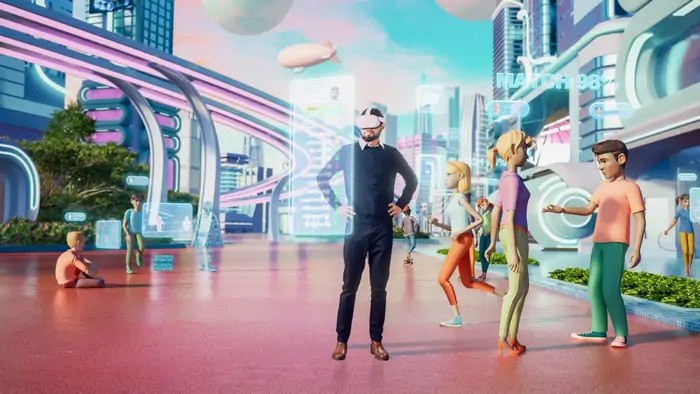
Social interaction in VR takes center stage as platforms become more interactive and community-focused. Users can host events, attend concerts, or play multiplayer games in virtual environments. These developments foster inclusivity and redefine VR as a collective, social experience rather than a solitary activity.
AI Enhancing Virtual Reality Experiences
Artificial intelligence is enhancing VR by creating adaptive and personalized environments. AI analyzes user preferences and behaviors to modify virtual settings dynamically, delivering intuitive and immersive experiences. This integration signals a pivotal shift in making VR environments more responsive and user-centric.
Business Applications of Virtual Reality
The corporate world increasingly incorporates VR for diverse applications, including prototyping, training, and client engagement. Companies are using VR beyond entertainment, recognizing its potential to streamline operations and innovate processes. As costs decrease and accessibility improves, VR is poised to become a staple in business practices.
Apple Vision Pro Redefines Virtual Reality
The launch of the Apple Vision Pro in 2024 redefined VR with high-resolution displays and ergonomic designs. Its integration of AR overlays expands VR's utility in education, gaming, and professional simulations. With seamless connectivity to Apple's ecosystem, the Vision Pro sets a benchmark for immersive technology.
How Are VR Applications Utilized in Industries?
Several key virtual reality trends are shaping how industries adopt and implement VR technology. These trends are driving innovative applications across various sectors:
Training and Education Programs
Virtual reality is revolutionizing education and training by creating immersive, engaging, and personalized learning environments. Students can explore historical events, perform virtual lab experiments, or even take virtual field trips, enhancing retention and understanding. For training, VR allows for risk-free simulations, such as medical surgeries or pilot training, offering realistic experiences that replicate real-world scenarios.
Retail and E-Commerce
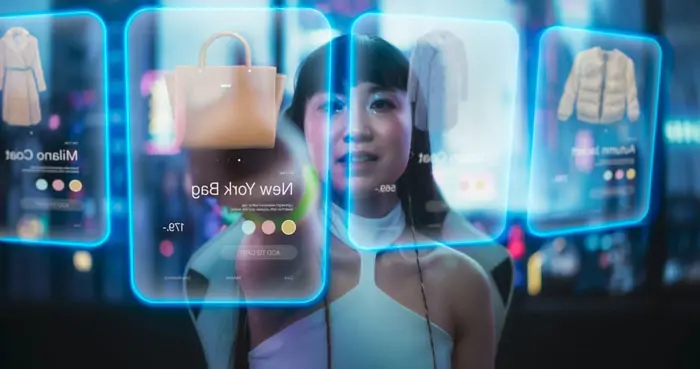
In retail, VR bridges the gap between online and physical shopping experiences. Clients can virtually try on clothes or test products, reducing dissatisfaction and returns. By incorporating VR into client journeys, retailers can offer a highly interactive and engaging shopping experience, increasing client satisfaction and loyalty.
Healthcare and Medical Education
VR is making strides in healthcare by enabling precise surgery simulations, advanced diagnostic tools, and treatment options like virtual therapy for phobias or PTSD. Medical students can practice surgeries in realistic virtual settings, while VR aids in remote consultations, offering patients high-quality care from anywhere.
Manufacturing and Engineering
Virtual reality enhances product development in manufacturing by allowing teams to visualize and refine designs before creating physical prototypes. This process improves efficiency and precision and reduces costs. Additionally, VR assists in training factory workers and conducting maintenance simulations, boosting overall productivity and safety.
Entertainment and Gaming
VR transforms gaming and entertainment by creating highly immersive and interactive experiences. Players can dive into virtual worlds, perform daring stunts, or engage in hyper-personalized gameplay. In an increasingly competitive market, VR ensures audience engagement and satisfaction, driving growth and innovation in the sector.
What Are VR Technology Challenges?
Despite its enormous potential, VR faces barriers to mainstream adoption. Virtual reality trends highlight these pivotal concerns:
Accessibility and Inclusivity
While advancements are being made, access to VR technology remains a significant challenge. The cost of VR headsets and the availability of compelling content create barriers to entry for many potential users, hindering widespread adoption.
Health and Safety
Prolonged use of VR headsets can lead to physical discomfort, including eye strain, headaches, and motion sickness. Addressing these health and safety concerns through improved headset design, ergonomics, and content development is crucial for user well-being and broader acceptance.
Hardware Limitations
Several hardware limitations continue to impede VR's mainstream adoption. These include the relatively high cost of VR headsets, challenges in mass production to meet potential demand, limited battery life for untethered experiences, and restricted field of view, which can impact immersion and user experience.
Ethical Considerations
As VR technology becomes more prevalent, ethical considerations surrounding data privacy, security, and potential misuse become increasingly important. Developers must prioritize transparency in data collection and usage practices, implement robust security measures to prevent cybercrime, and address concerns about invasive advertising within VR environments.

How to leverage VR growth?
Emerging virtual reality trends present significant opportunities for businesses and individuals to capitalize on the expanding VR market. Here's how:
Adopt Immersive Learning Technologies
The potential of VR in education and training is transformative. Educators, professionals, and students can benefit from interactive lessons and risk-free simulations, such as virtual surgeries or engineering prototypes. By adopting immersive learning tools, organizations and individuals can enhance understanding, retention, and overall effectiveness in training and development.
Create Hyperrealistic Virtual Reality
The future of VR lies in multisensory engagement. Developers and entrepreneurs should focus on creating hyper-realistic experiences that mimic real-world sensations like touch, smell, and taste. These advanced VR environments not only captivate users but also establish a loyal audience, offering a significant competitive advantage.
Participate in Social Virtual Worlds
Social VR platforms are redefining networking and collaboration. From virtual meetings to immersive events, these platforms provide new ways for individuals and businesses to connect and grow. As VR becomes more community-oriented and user-friendly, leveraging these platforms can unlock opportunities for personal and professional development.
Implement AI in Virtual Reality
Artificial intelligence enhances VR by creating personalized and adaptive environments. By analyzing user behavior and preferences, AI can deliver a more dynamic and engaging experience. Developers and businesses that integrate AI into their VR solutions can increase user satisfaction and foster long-term retention.
Utilize VR for Business Purposes
Virtual reality offers numerous applications for businesses, from product prototyping to staff training and client engagement. Early adopters of VR in the corporate world can gain significant operational efficiencies and elevate client experiences. Companies exploring VR applications now position themselves as pioneers in their industries.
Experience the Metaverse
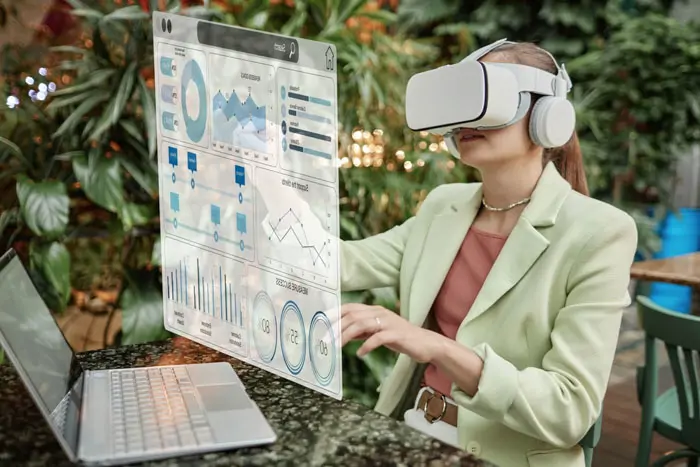
The metaverse represents the future of interconnected virtual experiences, merging applications and services into a seamless virtual ecosystem. Developers can create VR applications tailored for the metaverse, while users can explore new ways to work, interact, and entertain themselves. The metaverse opens vast opportunities for innovation and revenue generation.
Conclusion
Several key virtual reality trends suggest that virtual reality is poised to reshape numerous sectors, extending its reach beyond gaming and entertainment to encompass education, healthcare, and enterprise applications. In the coming years, we can anticipate deeper immersion through multisensory enhancements and advanced wearables, increased enterprise adoption of VR tools for training, design, and collaboration, and a gradual shift towards metaverse-driven social and professional interactions. By aligning VR initiatives with evolving user needs and industry trends, organizations can position themselves for success in this rapidly evolving landscape.


.webp_2026-10-01-18-27-07-971.webp)
.webp_2026-10-01-18-17-11-290.webp)
.webp_2026-10-01-18-08-26-854.webp)
.webp_2026-10-01-17-47-32-240.webp)