Home
Search
Found 797 results for “ “ keyword
icon
The Role of Fintech Peer-to-Peer Lending in Today’s Digital Era In the rapidly evolving world of fintech, fintech peer-to-peer lending (P2P) has emerged as a disruptive force, transforming how individuals and businesses access credit and investment opportunities. By connecting borrowers directly with investors through online platforms, P2P lending offers an alternative to traditional banking. This article provides a comprehensive overview of P2P lending, exploring its mechanics, advantages, disadvantages, and future potential in the digital age. Let’s dive in right now! Understanding peer-to-peer lending Fintech peer-to-peer lending connects borrowers directly with individual investors through online platforms, streamlining the lending process. Here's how it works: Loan application and credit evaluation A prospective borrower submits an online loan application through the P2P lending platform. The platform then evaluates the borrower's creditworthiness, assessing their credit history, income, and other relevant financial data. Based on this evaluation, the borrower is assigned a risk grade and a corresponding interest rate. P2P lending platforms assess borrower creditworthiness for loan approval Loan listing and investor matching Once the loan application is approved, it is listed on the platform, making it visible to potential investors. Investors can then review loan listings based on factors like risk grade, interest rate, and loan amount. The platform facilitates the matching of borrowers with investors who are willing to fund their loans. Loan disbursement and repayment After an investor or group of investors commits to funding the loan, the funds are disbursed to the borrower. The borrower is then responsible for making regular payments, typically monthly, which include both principal and interest, according to the agreed-upon terms. Platform fees and service charges The P2P lending platform acts as an intermediary and charges fees for its services. These fees can be charged to both borrowers (e.g., origination fees) and investors (e.g., service fees) for facilitating the loan process. Peer-to-Peer lending in the fintech landscape Fintech peer-to-peer (P2P) lending is rapidly gaining traction in the fintech industry, offering a new wave of investment opportunities and reshaping how borrowers and investors engage with financial services. Unlike traditional banking, which relies on physical branches and conventional loan structures, P2P lending platforms are modernizing the lending process with tech-driven solutions. These platforms have shown immense growth potential: the global P2P lending market generated $153 billion in 2022 and is projected to soar to $1.7 trillion by 2032, reflecting a robust compound annual growth rate (CAGR) of 27.5% from 2023 to 2032. Fintech P2P lending modernizes finance, connecting borrowers and investors However, the market’s full potential is still constrained by a lack of awareness about P2P lending’s benefits and the challenges posed by stringent regulatory frameworks. Despite these hurdles, the influence of P2P lending in the broader fintech ecosystem continues to expand. Disadvantages of peer-to-peer lending While popular, fintech peer-to-peer lending carries inherent risks. A key concern is platform uncertainty. Although many platforms have credit score requirements for borrowers, default risk remains, as loan repayment isn't always guaranteed. This deters some investors from seeking predictable returns. Fintech P2P lending carries platform uncertainty and default risks Furthermore, while some borrowers get lower interest rates, it increases risk for lenders. This can create a trust gap between borrowers and investors, potentially hindering wider P2P adoption. Transparency and strong security are crucial for mitigating these risks and building user confidence. Advantages of peer-to-peer lending P2P lending drives fintech peer-to-peer lending innovation by offering distinct advantages over traditional banking. It attracts investors seeking better returns and borrowers looking for more accessible loans. Here's how: Higher returns and lower costs Traditional banks often impose high interest rates on loans, hindering borrowers. P2P lending offers borrowers potentially lower rates while providing investors with higher returns than traditional savings or bonds. This mutually beneficial model fuels P2P platform growth. Streamlined application process Traditional loan applications are often complex, involving paperwork, bank visits, and lengthy wait times. P2P platforms offer a streamlined online process. Borrowers create a profile, specify the loan amount and desired interest rate, and then connect with potential lenders. This user-friendly approach attracts more individuals and businesses to digital lending. Fast access to funds P2P lending offers significantly faster access to funds compared to traditional banks. While bank approvals can take weeks or months, P2P platforms automate much of the process, often disbursing funds within a week. P2P lending provides faster access to funds than banks They also accommodate smaller loan amounts, sometimes as low as $1,000, expanding access to financing, especially for startups and individuals with smaller needs. This speed and flexibility drive the popularity of P2P lending. The future of fintech peer-to-peer lending The future of fintech peer-to-peer lending (P2P) lies in strategic partnerships between disruptors and established market leaders. By combining strengths, such collaborations can drive innovation and create new market opportunities. For example, a P2P lending firm with advanced technology can partner with a provider that has a larger client base, resulting in mutual growth and a competitive edge. These partnerships will be crucial for integrating artificial intelligence (AI), enhancing both operational efficiency and client experience, and positioning P2P lending as a dominant force in fintech. A significant challenge for the P2P sector is raising consumer awareness. While P2P lending is becoming more recognized, many consumers are still unfamiliar with its benefits. Overcoming this knowledge gap will be essential for unlocking greater growth. As consumers seek better ways to access credit and investors look for improved returns, P2P lending could be the ideal solution. Fintech P2P lending needs increased consumer awareness for growth To succeed, P2P platforms must remain committed to transparency and fairness in their processes. If these elements are prioritized, the P2P lending market will continue to grow, establishing itself as a powerhouse in the fintech space in the years ahead. Conclusion Fintech peer-to-peer lending (P2P) has established itself as a significant player in the fintech landscape, offering both borrowers and investors new opportunities in the digital age. While challenges such as regulatory frameworks and consumer awareness remain, the advantages of P2P lending, including streamlined processes, faster access to funds, and potentially better returns, continue to drive its growth. As technology advances and the market matures, P2P lending is poised to play an increasingly important role in democratizing finance and shaping the future of financial services. Platforms that prioritize transparency, security, and user experience will be best positioned to thrive in this dynamic and evolving sector....
icon
FinTech regulations businesses must follow When developing and implementing financial software, Fintech companies face the critical challenge of regulatory compliance. Given the nature of financial services, these companies must follow a range of regulations that vary by region to ensure secure, compliant operations and avoid potential legal repercussions. Here’s an overview of key regulations fintech companies must adhere to in the U.S., UK, and EU. U.S. fintech regulatory policies In the United States, Fintech companies must comply with a comprehensive regulatory framework aimed at preventing financial crimes, ensuring data security, and protecting consumer rights: Bank Secrecy Act (BSA) USA PATRIOT Act Anti Money Laundering Act (AMLA) Electronic Fund Transfer Act (EFTA) Red Flag Rule (for identifying and addressing identity theft) Electronic Signatures in Global and National Commerce Act (ESIGN) Fair Credit Reporting Act (FCRA) UK fintech regulatory policies The UK requires Fintech companies to follow regulations that focus on financial stability, anti-money laundering, and consumer protection: Financial Services and Markets Act 2000 (FSMA) Proceeds of Crime Act 2002 (POCA) Final Guidance on Crypto Assets Money Laundering, Terrorist Financing and Transfer of Funds Regulations 2017 (MLR 2017) EU fintech regulatory policies In the EU, Fintech companies are governed by regulations that emphasize data protection, anti-money laundering, and secure payment services: EU Anti Money Laundering Directives (AMLDs) General Data Protection Regulation (GDPR) Revised Payment Services Directive (PSD2) How much does it cost to develop a fintech software? The cost of fintech software development varies based on several key factors. Understanding these cost drivers can help businesses budget effectively and optimize their investment. Cost factors in Fintech software development Project complexity: The more advanced the fintech software, the higher the development costs. Features like blockchain integration, artificial intelligence (AI), and advanced security protocols require specialized expertise, increasing overall expenses. Technology stack: The choice of programming languages, frameworks, and tools affects costs. If the project demands cutting-edge technologies requiring niche expertise, development expenses may rise. Development team: Hiring fintech developers comes at different rates depending on location. Developers in North America and Western Europe generally charge more than those in Eastern Europe or Asia, impacting overall costs. Development timeline: Faster project completion often requires additional resources and increased investment. A longer, more flexible timeline may help manage costs more efficiently. Post-deployment maintenance: Ongoing updates, security patches, and technical support are essential for software stability. While these services add to the cost, they ensure long-term reliability and security. To avoid overpaying and ensure high-quality results, partner with a top fintech software development company that aligns with your business needs. Fintech Software Development in 2025: A Complete Guide for Success 5 steps in fintech software development Creating a fintech software product involves careful planning, time, and resources. Here’s a streamlined five-step process to help simplify and guide the custom fintech software development journey: Step 1. Defining project requirements Conducting a thorough market analysis is crucial for selecting the right application type and monetization strategy. Before finalizing the budget and timeline, ensure a comprehensive project evaluation to align development goals with market demands and business objectives. Market analysis sets foundation for project scope and goals Step 2. Designing an intuitive interface A well-structured fintech software system should prioritize simplicity and ease of navigation. A seamless user experience and intuitive interface are essential for engagement. Gather design references, define your preferences, and collaborate with a UI/UX team to develop a user-friendly and visually appealing layout. Step 3. Developing the fintech software Define the core features and functionalities that address user needs and industry demands. Many fintech developers start with a Minimum Viable Product (MVP) – a streamlined version with essential features – to test the concept, gather user feedback, and refine the product before full-scale development. Start by identifying core features that solve users' specific problems Step 4. Thorough testing Conduct comprehensive testing to ensure the fintech application operates flawlessly. Rigorous test runs help evaluate functionality, security, and performance, allowing you to detect and resolve any issues before deployment. Step 5. Launch and gather feedback Deploy your fintech software and actively collect user feedback to refine the product. Real user insights will help identify potential issues and suggest improvements, such as adding, modifying, or removing features for better usability. If you lack technical expertise but want to develop a fintech software, collaborating with experienced fintech developers can streamline the process. Partnering with a skilled development company ensures a well-executed product that meets industry standards and user expectations. Fintech software development: Advantages and disadvantages Before committing to developing a fintech software, it is crucial to understand both its advantages and challenges. Like any technical product, financial software systems come with significant benefits but also have potential drawbacks. Advantages of fintech software development Adaptability: Tech-fin software enables financial institutions to respond flexibly to dynamic and shifting market conditions in real-time. Accessibility: Fintech software solutions make banking and financial services accessible to anyone with an internet connection. Clients no longer need to wait for days to access services. Cost efficiency: Tech-fin reduces operational costs by streamlining processes and minimizing the need for physical branches and resources, making it a cost-effective alternative to legacy systems. Time-saving: Digital financial solutions deliver faster, more efficient service, allowing users to manage finances on their own schedules. Diverse service offerings: Tech-fin companies offer diverse services meeting the specific needs of both clients and providers. Financial software development brings many pros to fintech organizations Disadvantages of fintech software development Cybersecurity risks: Hackers may target sensitive financial data, making data protection a constant challenge. Regulatory uncertainty: Fintech development companies must continuously adapt to regulatory changes, a task that requires time, expertise, and resources. Operational risks: Due to resource constraints, some Fintech companies may struggle to stay current with operational protocols, which can lead to unexpected issues. Technologies driving fintech innovation Fintech solutions are built on advanced technologies that enable secure, efficient, and innovative financial applications. These technologies provide robust capabilities essential for the modern financial landscape. Here’s a closer look at one of the foundational technologies in Fintech: Blockchain Blockchain acts as a secure digital ledger, enabling transparent and immutable financial transactions across a decentralized network. Blockchain technology ensures data integrity and protects against unauthorized changes, minimizing errors and enabling fraud detection. This reduces the need for traditional intermediaries, lowering costs for tech-fin companies and their users. Applications like Bitcoin and decentralized finance (DeFi) platforms leverage blockchain to offer secure, peer-to-peer money management services, enhancing security and accessibility in the financial sector. Blockchain ensures secure, transparent, and cost-effective financial transactions AI and ML Artificial intelligence and ML are transforming tech-fin by enabling data-driven insights, personalized financial advice, and predictive analytics. artificial intelligence tools, such as ChatGPT and Google's Gemini, analyze large datasets to identify user patterns. Through defying patterns assisting tech-fin applications to deliver tailored recommendations and forecast financial trends, like interest rate changes. Additionally, AI-powered chatbots and virtual assistants handle client support tasks autonomously. They answer FAQs, check balances, and provide resources, freeing human staff for complex inquiries. Through these capabilities, AI and ML enhance efficiency, personalization, and client service in tech-fin, driving automation and streamlining operations. Big data analytics Advanced data analytics empowers Fintech by processing massive datasets to reveal patterns, trends, and insights that drive better decision-making. This technology helps companies understand client behavior and market dynamics, providing a foundation for more personalized services. Big data helps Fintech personalize services and decisions In risk management, large-scale data analysis identifies potential threats by analyzing historical and real-time data, allowing organizations to create effective mitigation strategies. Additionally, data-driven insights enhance operational efficiency by pinpointing bottlenecks and recommending improvements, especially when paired with artificial intelligence, helping tech-fin companies streamline processes and boost productivity. APIs APIs enable seamless data exchange and communication between financial systems, allowing digital financial apps to integrate with existing platforms for enhanced functionality. A https://www.tmasolutions.com/insights/web3-development-company leading Web3 development company can leverage APIs to streamline operations by providing real-time access to account information, enabling fraud detection, and supporting secure authentication, such as biometric logins. APIs also power client support tools like chatbots, allowing Fintech companies to improve client engagement and efficiency. Through these integrations, APIs have become a cornerstone of Fintech, enhancing connectivity and service quality across platforms. Technology stack for developing fintech software Technology is the driving force behind the Fintech software market, enabling seamless access to financial solutions. Developing successful Fintech software requires a robust technology stack capable of handling complex requirements. This stack includes programming languages, frameworks, databases, and other essential technical components. Here are some widely used technologies employed by leading fintech application development services . Programming languages Fintech solutions rely on powerful programming languages that provide flexibility, scalability, and security. Commonly used languages include: Java: Known for its stability and scalability, Java is widely used in financial software development. Python: With its simplicity and versatility, Python is popular for data analysis, machine learning, and rapid development. Ruby: Ruby is valued for its readability and is often used in applications that require rapid prototyping and development. Fintech apps require languages offering flexibility and security Frameworks Frameworks provide the foundation for building and managing applications. In Fintech, these frameworks ensure that applications are secure, reliable, and efficient. Key frameworks include: Spring (Java): A robust, enterprise-grade framework, Spring is popular for building scalable applications in Fintech. Django (Python): Django offers a secure and scalable environment for data-intensive applications, making it ideal for tech-fin. Ruby on Rails: Known for its speed and flexibility, Ruby on Rails is commonly used for developing Fintech applications focused on fast iteration and user engagement. Databases Databases serve as the backbone of financial systems, securely storing and managing large volumes of critical financial data. Popular choices include: MongoDB: A NoSQL database known for handling large volumes of unstructured data, useful for applications requiring high performance. MySQL: A reliable, open-source database often chosen for its compatibility and widespread use in web applications. PostgreSQL: Known for its advanced features and compliance with ACID (Atomicity, Consistency, Isolation, Durability), PostgreSQL is ideal for secure, transactional applications. Market overview and trends in the fintech software industry Fintech has rapidly emerged as a leading trend in software development, driven by technology’s potential to deliver user-friendly services and foster complete transparency. Partnerships between national regulators and financial institutions further fuel the growth of financial technology by enabling secure and value-added services accessible to clients anywhere and anytime. FinTech rises as software trend, offering user-friendly services and transparency The global Fintech market is projected to reach a market size of approximately USD 698.48 billion by 2030. According to Allied Market Research, the primary Fintech functions anticipated to dominate from 2021 to 2030 include: Payment and fund transfers Loans Insurance and individual finance Wealth management Below are some of the critical Fintech trends that will continue to shape the industry: Embedded finance Embedded finance integrates financial applications such as insurance, bill payments, and loans within non-financial platforms. This trend is particularly advantageous for e-commerce businesses, as embedded finance can streamline transactions and improve client experience. Neobanks Neobanks are fully digital banks that operate without physical branches. These banks handle all communication and client service tasks online. Unlike traditional banks, neobanks typically operate under the license of an established financial institution. Open banking Open banking enables the sharing of client data among financial institutions using APIs, which allow digital finance applications to access bank databases securely. This data exchange leads to improved and diversified services for clients. Blockchain Blockchain technology plays a vital role in FinTech due to its reliability and security. It supports organizations in signing contracts, registering transactions, verifying processes, tracking documents, analyzing data, and more. Big data Financial organizations increasingly utilize large-scale data analytics to analyze both structured and unstructured data to predict client behavior and develop effective business strategies. RegTech RegTech, or regulatory technology, is essential for FinTech developers as it automates the management of legal requirements in financial operations. Functions include risk analysis, data protection and processing, and client identification, all contributing to regulatory compliance. https://www.tmasolutions.com/insights/fintech-software-development#fintech_software_development Fintech software development is revolutionizing the financial industry. Businesses can leverage technologies like cloud computing, blockchain, artificial intelligence, and big data. This allows them to deliver innovative solutions that meet the growing demand for online banking, secure payments, and personalized financial services. To stay competitive, it's crucial to understand how to build robust and secure Fintech applications. This guide will provide insights into the key strategies and technologies needed to succeed in this fast-paced industry. Read on to discover how to bring your Fintech vision to life! Different types of fintech software solutions The Fintech industry offers a variety of innovative solutions for startups and established businesses alike, streamlining financial applications and enhancing user satisfaction. Below are the primary types of Fintech software development that companies can leverage to cater to diverse financial needs: Online banking software Online banking software, including https://www.tmasolutions.com/insights/fund-management-software tailored software for efficient fund management , empowers users to access comprehensive banking services remotely. Through these applications, clients can manage their bank accounts, secure loans, transfer funds, make payments, and more – without ever needing to visit a physical branch. This software encompasses all functions available at a traditional bank, providing a seamless online banking experience. Digital banking enables full remote access to bank services Insurance technology software InsurTech software enables insurance companies to adopt more accurate risk assessment techniques, offering tailored deals and streamlined client usability. This software supports various types of insurance such as life, auto, home, and pet insurance. The insurance support allows users to apply for policies, manage claims, and monitor their coverage in one place. Personal finance management software Personalized finance management software allows individuals to track their income, expenses, and spending habits effortlessly. These applications centralize financial data, making it simple for users to analyze their finances and establish better money-management practices. PFM software prioritizes intuitive user interactions, helping people achieve their financial goals with ease. Payment software Digital payment software is essential for managing transactions in real-time. Acting as an intermediary, it connects payment service providers with clients, allowing businesses of all sizes to facilitate secure web and mobile payments. This software handles the intricacies of online payments, offering convenience and efficiency for both businesses and consumers. Software facilitates secure, efficient online payments for businesses Investment software Investment software, including https://www.tmasolutions.com/insights/wealth-management-software-development wealth management software tailored for businesses , democratizes investing, making it accessible to a broader audience beyond high-net-worth individuals. These applications simplify trading by reducing commissions, eliminating intermediaries, and providing users with tools to buy, sell, and monitor assets easily. Investment software has become a transformative platform for individuals looking to build wealth. Tax management software Tax management software is invaluable for businesses and individuals managing complex tax requirements. This software automates the processes of preparing, filing, and tracking taxes, significantly reducing the need for specialized expertise. With streamlined documentation and automatic calculations, users can handle their tax obligations with ease. Key features that fintech software systems must possess To develop successful digital finance software, including https://www.tmasolutions.com/insights/asset-management-software-development developing asset management software , it’s essential to integrate a range of features that are innovative, efficient, and user-centric. By offering enhanced functionality that surpasses competitors in ease of use and affordability, digital finance software can improve user retention and satisfaction. Here are the must-have features to consider: User-friendly and intuitive Fintech software handles complex financial activities such as stock trading, forex exchange, and digital payments. To enhance usability, prioritize a clean and intuitive interface that simplifies navigation. A well-structured design improves accessibility, ensuring users can efficiently manage financial transactions without confusion. Financial data visualization Traditionally, users struggled to track income, expenses, and transactions over time. With software development for Fintech, this is no longer a limitation. Advanced data visualization tools now provide clear, real-time insights through interactive charts and reports, enabling users to analyze financial information effortlessly for any selected period. Visual aids make financial data accessible and understandable Cross-platform compatibility Fintech software should function smoothly across various devices and operating systems. With the rise of multi-device usage, ensuring cross-platform support is essential. Partnering with a specialized fintech software development company can help integrate compatibility, delivering a consistent and efficient user experience on any platform. Gamification features Integrating gamification into fintech solutions enhances user engagement through personalized rewards, cashback offers, and exclusive discounts. This strategy not only makes financial interactions more enjoyable but also serves as a powerful tool for both acquiring new users and fostering long-term client loyalty. Smart alerts and notifications Timely notifications are essential for maintaining client engagement and delivering personalized financial updates. Fintech applications should allow users to customize alert preferences, ensuring they receive important updates—such as transaction alerts, payment reminders, or promotional offers—at their convenience without feeling overwhelmed. Alerts keep users informed with customizable notification settings Digital payments A fintech app must support multiple digital payment options, including mobile wallets, UPI, and bank transfers, to ensure smooth and uninterrupted transactions. By enabling quick account management, bill payments, and automated recurring transactions, users can enjoy a hassle-free financial experience. Examples of fintech software TMA Solutions is a trusted partner with 18 years of experience in tech-fin software development. Our team of 600 engineers provides custom fintech software development services tailored to the banking, financial services, and insurance (BFSI) sectors. We leverage advanced technologies to deliver secure, adaptable, and innovative solutions that help businesses thrive in the dynamic tech-fin landscape. TMA Solutions has a global reach, partnering with clients across Europe, Canada, Australia, Singapore, Hong Kong, Korea, and Vietnam. The company combines practical expertise and a deep understanding of regional and global market needs. This allows them to create solutions that empower financial institutions to navigate the complexities of today’s industry. TMA Solutions has successfully developed a variety of fintech solutions that address critical needs in today’s financial landscape. Here are some key examples: Cash flow management application TMA Solution’s Cash Flow Management Application is revolutionizing how businesses manage credit and payments, supporting over 7,000 Australian companies. This tech-fin tool synchronizes data across accounting systems, providing a unified view of finances. It automation payment reminders, helping companies track outstanding debts and maintain cash flow. TMA Solutions app improves cash flow and debt tracking efficiency The application also monitors client and supplier credit risk, alerting businesses to any changes to avoid bad debts. Additionally, it offers real-time data analysis, enabling businesses to view current cash flow status and forecast trends, which aids in strategic financial planning. TMA’s solution empowers companies to streamline cash flow management and make proactive, data-driven decisions. Branded card issuing solution TMA Solutions’ Branded Card Issuing Solution enables businesses to offer branded prepaid cards, including plastic and virtual options. TMA developed a card management portal for easy oversight, along with mobile applications that let clients activate cards, view balances, and track transactions. TMA Solutions provides branded card issuance with easy management features An API was also created to enable seamless integration with other platforms, enhancing connectivity with external services. This solution provides businesses with a versatile, user-friendly card service that integrates smoothly into financial operations. Capital markets – Post-trade solutions TMA Solutions offers advanced post-trade solutions for the global financial solution industry, supporting capital markets, securities processing, and wealth administration. With https://www.tmasolutions.com/insights/capital-markets-solution-development-company expertise in capital markets solutions , this offering enhances operational efficiency and reliability across various post-trade processes. Key features include Pre-Settlement capabilities that handle multiple asset classes and markets, ensuring smooth operations. Clearing and Settlement functionalities allow for international transactions, corporate actions, and support for all major ETC protocols and settlement types. Additionally, the Trade Accounting feature integrates with corporate general ledger systems, covering commission attribution, sharing arrangements, and transaction tax management. TMA Solutions enhances post-trade efficiency for financial services globally TMA Solutions’ post-trade solution empowers financial institutions to manage complex operations effectively, ensuring accuracy and compliance across capital markets activities. Digital product trading platform TMA Solution’s Digital Product Trading Platform leverages smart contracts to facilitate secure and transparent trading. Key features include support for cryptocurrency payments, allowing seamless digital transactions, and the ability to convert products into NFTs, providing unique digital ownership. TMA Solutions enables secure, NFT-based trading with cryptocurrency payments The platform also supports integration with digital wallets, enabling users to store and manage their digital assets easily. This innovative platform by TMA enhances digital trading, offering secure, flexible, and blockchain-driven solutions. Fintech software development is key to reshaping financial applications for a digital-first world. By leveraging the right technologies, focusing on data security, and partnering with an experienced development team, businesses can create impactful, user-focused solutions. With a clear strategy and adaptability, your Fintech solution can thrive in this fast-evolving industry. Ready to bring your tech-fin vision to life? Careful planning and the right expertise can turn your ideas into innovative financial products that stand out. How to choose the right fintech software development company? Selecting the right fintech development company is crucial for building a Fintech software system that meets your goals. Here are the key steps to finding a team capable of delivering quality financial services and products: How to select the right fintech development company? Portfolio Look for a development firm with a strong portfolio of completed financial projects. Relevant experience is essential, as it demonstrates the firm’s ability to handle the complexities of Fintech software. Reviewing their past work gives you a sense of their expertise and the types of solutions they have successfully delivered. Expertise Define the specific skills needed for your project. Building a Fintech application often requires a broader skill set compared to standard software projects, including knowledge of finance, cybersecurity, and data management. Ensure the team’s expertise aligns with the technical requirements of your project. Client reviews After evaluating the company’s portfolio and expertise, check client reviews to understand their reputation. Platforms like Clutch, GoodFirms, and TopTal feature verified testimonials and can help you find developers with proven value in Fintech. Positive feedback from previous clients is a strong indicator of the team’s reliability and skill. Cybersecurity Given the sensitivity of financial data, cybersecurity should be a top priority. Ensure the team you hire has the expertise to build a secure solution and maintain its protection post-launch. Emphasize data security when assessing potential developers, as this is critical for building trust with your users and safeguarding financial transactions. ...

icon
Fintech Software Development Key Trends Shaping 2025 AI-Powered Hyperpersonalization Real-time customization of financial products and services through AI, ML, and advanced data analytics is fundamentally changing client engagement. It enhances loyalty, boosts cross-selling success, and reshapes consumer expectations in the digital financial ecosystem. Revolut's personalized financial health tools and tailored offers demonstrate the power of AI-driven customization. Market research shows that clients now expect hyperpersonalized services, driving a surge in AI adoption within banking and payments. Nevertheless, data privacy concerns and increasing regulatory scrutiny around AI usage present substantial barriers that firms must navigate carefully. Development focus: Client data platforms (CDP) Real-time analytics and ML models Explainable AI (XAI) for regulatory clarity Embedded Finance Goes Mainstream Embedded finance, the integration of financial services into non-financial platforms like e-commerce and SaaS, is democratizing access to banking while disrupting traditional institutions. It accelerates financial service delivery and forces banks to collaborate with tech platforms rather than compete directly. Shopify’s collaboration with Stripe Treasury illustrates how merchants can access banking services directly within their commerce platform, bypassing traditional banks. The market has responded rapidly, with forecasts indicating that a majority of non-financial companies will offer financial services by 2030, signaling a paradigm shift in banking distribution. However, challenges remain around regulatory compliance and the complexity of managing partner risk in these embedded ecosystems. Development focus: API-first architectures Compliance and KYC integration Partner ecosystems The Fintech Landscape in 2025 is defined by hyperconnectivity, decentralization, sustainability, and a heightened focus on cybersecurity and compliance. This analysis combines key trends, definitions, impacts, development focuses, real-world case studies, and market responses to provide a comprehensive view of how the industry is evolving. Green Fintech (Sustainability Focus) Green fintech aligns financial innovation with environmental, social, and governance (ESG) standards, encouraging ethical investment and enhancing brand reputation. It addresses regulatory mandates while tapping into growing consumer demand for sustainable financial solutions. Doconomy’s integration of carbon footprint tracking into everyday credit card transactions illustrates how fintech can promote sustainability awareness. ESG-focused fintech continues to attract strong investor interest, but the industry still grapples with challenges like inconsistent ESG data standards and the risk of greenwashing, which can undermine trust and credibility. Development focus: Carbon footprint tracking APIs ESG scoring integration Green bonds and sustainable investment platforms Decentralized Finance (DeFi) and Tokenization Decentralized finance, built on blockchain technology, removes intermediaries from financial transactions, creating global access, lower costs, and increased transparency. Tokenization of real-world assets unlocks liquidity and new investment models, though regulatory and security challenges persist. TMA Fintech Center has developed its own NFT Marketplace Platform , supporting multidisciplinary applications, multiple payment methods, high security standards, and integration with multiple wallets and chains — empowering businesses to leverage DeFi and tokenization securely and flexibly. TMA NFT Marketplace Platform The sector is experiencing steady growth, with increasing interest from institutional players. However, security vulnerabilities and unclear regulatory frameworks continue to pose significant risks to broader adoption. Development focus: Smart contract security audits Tokenization frameworks for real-world assets (RWAs) Cross-chain interoperability RegTech Evolution Regulatory technology, or RegTech, automates compliance processes, accelerating audits, reducing operational costs, and minimizing regulatory risk for financial institutions. This transformation is critical as global regulations become increasingly complex and dynamic. Case studies highlight platforms like Clausematch, which automates compliance documentation workflows for major banks. Adding to these innovations, TMA Fintech Center offers Finance Document Intelligent, an advanced AI solution based on Azure AI Services. This system uses cutting-edge machine learning to automatically and accurately extract text, key-value pairs, tables, and structures from financial documents, significantly accelerating compliance reporting and validation processes. TMA Finance Document Intelligent Solutions The market for RegTech is expected to grow to $22.3 billion by 2027 - The Global RegTech Market To 2027 Size Share Industry Trends Analysis Report, driven by firms seeking scalable and faster compliance methods. Yet, the challenge lies in integrating new systems with legacy infrastructure while keeping up with constantly changing regulations. Development focus: AI-driven compliance monitoring E-signatures and smart documents Cloud-native policy management Real-Time Everything: Payments, Data, Decisions The demand for instantaneous financial services is pushing real-time payments, data processing, and decision-making into the mainstream. This shift enhances client experience, optimizes operations, and reduces settlement risks but also elevates fraud risks. Platforms like Zelle and the launch of FedNow have revolutionized real-time payments in the United States. Building on this momentum, TMA Fintech Center brings extensive expertise in developing real-time payment solutions , including digital wallets, online banking portals, and international remittance platforms, empowering clients to deliver faster, safer, and more seamless payment experiences across borders. Market response has been highly positive, driven by strong consumer and business demand for immediacy and transparency. However, while speed improves service, it simultaneously amplifies the potential for fraud and challenges institutions to scale their infrastructures efficiently. Development focus: Real-time payment rails Event-driven architectures AI-based fraud detection Conclusion The fintech world of 2025 demands innovation that is secure, sustainable, inclusive, and compliant. Companies that succeed will prioritize user trust, agile development, and strategic adaptation to emerging technologies and regulations. To help organizations confidently navigate this dynamic environment, TMA Solutions - specifically TMA Fintech Center - offers a powerful advantage, with over 28 years of experience in delivering end-to-end solution services. Trusted by leading financial and banking firms worldwide, TMA Fintech Center specializes in: Developing advanced financial software to improve asset management, core banking integration, mobile payment, and capital market services. Designing and developing frontier applications that seamlessly integrate with core banking systems. R&D solutions utilizing Web3, Blockchain, and NFT technologies to solve complex business challenges. Applying AI technologies to enhance client experience and streamline financial processes. With deep expertise across traditional finance and emerging technologies, TMA Fintech Center is uniquely positioned to help clients embed innovation, ensure regulatory compliance, drive sustainability, and create resilient, future-ready fintech solutions. As the fintech landscape accelerates, TMA is ready to be your trusted partner, turning today's opportunities into tomorrow’s competitive advantages. Rise of Super Apps and Financial Ecosystems Super apps that consolidate financial and non-financial services into a single platform are transforming user engagement models. They offer immense cross-sell opportunities but require careful design to balance complexity and regulatory compliance. Grab Financial Group exemplifies the evolution of super apps by combining payments, insurance, and investments into one user experience. With the majority of Gen Z consumers preferring unified platforms, super apps are set for explosive growth, though challenges around privacy, data governance, and antitrust scrutiny are intensifying. Development focus: Modular service architectures Unified identity management UX design for super apps Financial Inclusion Through Tech Fintech is bridging the gap for unbanked and underserved populations, providing access to financial services that foster economic opportunity and social equity. Mobile-first solutions and microfinance initiatives are central to this transformation. M-Pesa’s success in enabling mobile banking without traditional bank infrastructure has set a precedent for emerging markets. Despite massive opportunities among billion unbanked adults, FinTech’s must overcome infrastructure limitations and digital literacy challenges to achieve true financial inclusion. Development focus: Mobile-first banking apps Low-bandwidth payment solutions Microcredit and microinsurance platforms Cybersecurity Becomes Even More Critical As fintech adoption grows, cyber threats multiply, making cybersecurity a top priority. Stronger protocols are essential to maintain trust, prevent financial loss, and comply with increasingly strict regulations. Financial firms are responding with a increase in cybersecurity investments. Yet, the industry faces increasingly sophisticated cyberattacks and insider threats that evolve faster than defenses. Development focus: Zero-trust security models Biometric authentication Threat intelligence platforms ...
icon
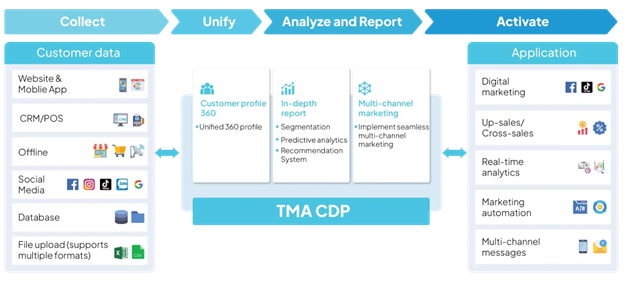
Forecasting Models for Sales Data In today's dynamic business landscape, guesswork is a luxury few can afford. For businesses aiming to thrive, understanding future trends and making proactive decisions is paramount. This is where forecasting models for sales data step in, transforming raw historical figures into actionable insights about what's to come. Our Expertise At TMA Solutions At TMA Solutions, we understand the critical role that accurate sales forecasting plays in achieving business success. We have extensive experience in building sophisticated forecasting models tailored to the unique needs of our clients. Our expertise includes developing solutions for: Client Data Platforms (CDP) for Enhanced Marketing & Planning: We build https://www.tmasolutions.com/technologies/big-data-and-analytics data analytics and forecasting models that leverage comprehensive client data within a CDP. This allows businesses to predict client behavior, anticipate future purchasing patterns, and segment audiences more effectively, leading to better targeted and planned marketing campaigns. By understanding which clients are likely to buy what and when, businesses can optimize their outreach and maximize ROI. Client Data Platforms (CDP) for Enhanced Marketing & Planning Granular Retail Forecasting at a Per-SKU Level: We specialize in developing highly granular forecasting models that predict retail sales at a per-SKU (Stock Keeping Unit) level. This level of detail provides an unparalleled advantage for retailers, enabling g ranularity in planning for every SKU, from storage and inventory management to outgoing products . This precision helps businesses: Avoid expired inventory: By accurately predicting demand, the risk of holding excess stock that expires becomes significantly lower. Optimize storage: Knowing exactly how much of each SKU is needed helps optimize warehouse space and reduce storage costs. Improve restocking efficiency: With precise forecasts, businesses can implement better planning for restocking, ensuring products are available when clients want them, minimizing lost sales due to stockouts, and streamlining the entire supply chain Granular Retail Forecasting at a Per-SKU Level Applications Of Forecasting Models In Sales The versatility of sales forecasting models means they can be applied to a wide array of business scenarios: Short-term Operational Planning: Predicting daily or weekly sales to optimize staffing in retail stores, manage call center volumes, or schedule deliveries. Medium-term Tactical Planning: Forecasting monthly or quarterly sales to plan marketing campaigns, adjust production capacity, and manage inventory at a more strategic level. Long-term Strategic Planning: Projecting annual or multi-year sales to inform decisions about new product launches, market entry, capital investments, and overall business growth. Seasonality and Trend Analysis: Identifying recurring sales patterns (e.g., holiday spikes) and long-term growth or decline trends to adjust strategies accordingly. Impact Assessment: Analyzing the potential sales impact of price changes, promotions, or external factors like economic shifts. The Undeniable Benefits Of Sales Forecasting Implementing robust sales forecasting models offers a multitude of advantages that ripple across an entire organization: Improved Resource Allocation: By anticipating future demand, businesses can optimize inventory levels, production schedules, and staffing, preventing costly overstocking or stockouts. Enhanced Financial Planning: Accurate sales forecasts are fundamental for budgeting, cash flow management, and setting realistic revenue targets, leading to more stable financial operations. Smarter Marketing and Sales Strategies: Understanding future sales trends allows for more targeted marketing campaigns, proactive sales initiatives, and effective client engagement. Better Supply Chain Management: From raw materials procurement to distribution, a clear sales forecast helps streamline the entire supply chain, minimizing disruptions and maximizing efficiency. Risk Mitigation: Identifying potential dips or surges in sales early on allows businesses to develop contingency plans and mitigate potential risks before they impact the bottom line. Strategic Decision Making: Ultimately, reliable sales forecasts empower leadership to make informed, data-driven decisions regarding product development, market expansion, and long-term business strategy. What Exactly Are Sales Forecasting Models At its core, a sales forecasting model is a sophisticated analytical tool that uses historical sales data, along with various other relevant factors, to predict future sales performance. Instead of relying on intuition or simple extrapolation, these models employ statistical algorithms and machine learning techniques to identify patterns, seasonality, trends, and other underlying relationships within your sales data. The output is a projection of future sales, often accompanied by a confidence interval, providing a more robust and data-driven understanding of potential outcomes. Conclusion In an increasingly competitive market, leveraging the power of sales forecasting models is no longer an option, but a necessity. The insights gleaned from these sophisticated tools empower businesses to move beyond reactive decision-making and embrace a proactive, data-driven approach. By accurately anticipating demand, optimizing resources, and refining strategies, organizations can achieve greater efficiency, reduce costs, and ultimately drive sustainable growth. Partnering with experts like TMA Solutions can provide the critical foresight needed to navigate market complexities, seize emerging opportunities, and confidently shape a successful future....
icon
Conclusion Modernizing from a manual to a smart factory is no longer optional; it's a strategic necessity. As global manufacturing becomes increasingly data-driven and agile, factories that continue to rely on traditional methods risk falling behind. The journey may seem complex, but with a clear roadmap, trusted technologies, and the right partner, the transformation can be both practical and rewarding. More than just automation, smart factories represent a shift toward intelligent operations powered by real-time data and human–machine collaboration. How TMA Solutions Supports Smart Factory Modernization Predictive Maintenance: A leading Vietnamese manufacturer of plastic valves partnered with TMA to tackle recurring quality issues on their production line. Although the factory had adopted partial automation, defective products still slipped through, causing material waste and threatening brand reliability. To solve this, TMA implemented an AI-powered sound detection system that continuously analyzed audio signals during production. The system detected subtle acoustic anomalies to identify faulty items in real time, triggering visual alerts for operators and logging data for reporting and predictive maintenance. The results were significant: product pass rates increased to 99%, manual inspection was largely eliminated, and the factory scaled production without additional labor costs. This successful collaboration highlighted how AI and sound analytics can transform traditional manufacturing challenges into smart, scalable solutions, laying the foundation for more intelligent, autonomous factory operations. Predictive Maintenance Challenges and Success Factors A study from Springer highlights key challenges such as data silos, lack of skilled workforce, and change resistance, which are common in traditional factories. Success depends on strong leadership, a clear vision, and continuous improvement cycles. Firms that embraced a phased rollout, focused on scalable architectures, and embedded cybersecurity by design were more likely to succeed. A Roadmap for Modernization According to MDPI, successful smart factory transformation follows a 5-level maturity model: from awareness, readiness, initiation, consolidation, to integration. Here is a practical roadmap based on industry experience: Step 1: Assess Digital Readiness Evaluate current infrastructure and data maturity. Identify legacy systems and integration points. Step 2: Start with Pilot Projects Choose a high-impact area such as predictive maintenance or energy monitoring. Use low-risk pilots to build confidence and gather insights. Step 3: Connect Machines and Collect Data Deploy IoT devices to monitor temperature, pressure, energy usage. Ensure connectivity with protocols like MQTT, OPC-UA. Step 4: Apply AI and Analytics Use machine learning for fault detection and production optimization. Apply predictive maintenance to reduce unexpected failures. For example, AI models can predict equipment failure 3–5 days in advance, allowing for proactive intervention. Step 5: Expand and Integrate Connect systems like MES, ERP, and PLM. Develop centralized dashboards for real-time decision-making. Step 6: Change Management and Workforce Enablement Train staff in new tools and processes. Create cross-functional teams to lead the transformation. From Manual to Smart: Key Differences Transitioning from manual to smart involves both technological and cultural shifts. Factories must move from isolated systems to a fully integrated digital ecosystem. What is a Smart Factory? A smart factory is a highly digitized and connected production environment that uses smart machines and sensors to continuously collect and share data. This data is then used to make intelligent decisions in real time. IEEE defines smart manufacturing as the combination of cyber-physical systems (CPS), cloud computing, and cognitive computing to optimize production processes. Key characteristics of a smart factory include: Autonomous decision-making Real-time performance monitoring Predictive maintenance using AI and IoT Scalable and reconfigurable production systems Why Modernize: The Limitations of Manual Factories In today’s competitive landscape, traditional factories that rely heavily on manual labor and legacy systems are increasingly falling behind. Manual processes often result in lower efficiency, delayed responses to defects, and minimal data insights. According to McKinsey, companies that embrace Industry 4.0 can reduce machine downtime by up to 50% and improve productivity by 20–30%. Moreover, manual operations lack transparency and real-time visibility. In contrast, smart factories enable end-to-end visibility, automation, and data-driven decisions. A smart factory integrates IoT, AI, cloud, and real-time analytics to enhance operational agility and reduce unplanned downtime. From Manual to Smart Factory: A Practical Guide for Factory Modernization...
icon
From Software to Intelligence: The Shift to AI Driven Applications Introduction Evolution from Traditional Software to AI-Driven Applications Businesses today are moving beyond traditional software systems and entering a new era of intelligent applications. Instead of relying only on platforms that store information or automate basic workflows, companies now want systems that can understand data, support decision making, and improve operations in real time. Recent industry developments show that https://www.tmasolutions.com/technologies/ai-ml-and-data-sciences Artificial Intelligence (AI) is becoming a core part of enterprise technology strategies. According to Reuters, major technology companies are rapidly expanding AI capabilities across search engines, productivity platforms, and enterprise applications. This reflects a larger shift happening across industries where organizations are redesigning digital systems around intelligence rather than static software functions. As digital transformation accelerates, enterprises are increasingly investing in AI driven applications to improve productivity, streamline workflows, and create better customer experiences. Why Enterprises Are Moving Toward Intelligent Applications Traditional enterprise software helped organizations standardize processes and improve operational management. However, many systems still depend heavily on manual input, predefined workflows, and fragmented databases. As businesses grow, these limitations become more visible. Employees often spend significant time searching for information, managing repetitive tasks, or switching between disconnected systems. Modern enterprises now require applications that can: Process large volumes of information quickly Understand user behavior and business context Automate repetitive workflows Generate operational insights Support faster decision making Improve customer interactions As a result, intelligent applications are emerging as a key technology investment for organizations seeking to improve efficiency, agility, and competitive advantage. The Rise of Intelligent Applications AI driven applications are designed to do more than simply execute commands. These systems can analyze information, identify patterns, and generate responses based on context. Instead of acting as passive software tools, intelligent applications become active business assistants that help organizations improve efficiency and productivity. Today, enterprises are using AI technologies in areas such as: Customer support automation Enterprise search and knowledge management Business analytics and reporting Workflow optimization Document processing Predictive maintenance Personalized customer experiences According to the PwC Sizing the Prize report, artificial intelligence is projected to contribute up to $15.7 trillion to the global GDP by 2030, which represents an increase compared to a non-AI baseline. Recent analysis from Reuters Artificial Intelligence News indicates that major tech companies are aggressively embedding generative AI into everyday platforms, from social media to cloud infrastructure. This trend demonstrates that intelligent systems are becoming a standard part of modern enterprise environments. Benefits of AI Driven Applications for Enterprises Organizations adopting intelligent applications are seeing measurable improvements across operations. Improved Operational Efficiency AI systems can automate repetitive administrative tasks, allowing employees to focus on higher value activities. This reduces operational bottlenecks and improves overall productivity. Faster Decision Making AI technologies can process large amounts of business data in real time and provide actionable insights. This helps organizations make faster and more informed decisions. Better Customer Experience AI applications improve customer interactions by delivering faster responses, personalized recommendations, and more efficient support services. Increased Scalability Intelligent systems help businesses scale operations without significantly increasing manual workloads or operational complexity. Stronger Business Agility AI technologies allow organizations to adapt more quickly to changing market conditions and customer demands. How TMA Solutions Supports AI First Transformation TMA Solutions – driving enterprise transformation through AI. As enterprises transition toward intelligent digital ecosystems, selecting the right technology partner becomes increasingly important. TMA Solutions has extensive experience in enterprise software engineering, AI integration, cloud transformation, and digital modernization for global clients across multiple industries. The company supports organizations in building scalable AI driven applications through services such as: Enterprise software modernization AI application development Intelligent automation Cloud infrastructure services Data analytics solutions Enterprise system integration With decades of experience delivering technology solutions for international enterprises, TMA Solutions helps businesses modernize legacy systems and accelerate AI adoption while maintaining scalability, security, and operational efficiency. By combining engineering expertise with long term technology partnership models, TMA Solutions supports organizations in building intelligent systems aligned with future business growth. Conclusion The shift from traditional software to intelligent applications is transforming how enterprises operate. Businesses are increasingly adopting AI technologies to improve productivity, optimize workflows, and create more responsive digital experiences. As AI adoption continues expanding across industries, intelligent applications will become a central part of modern enterprise operations. Technology partners such as TMA Solutions play an important role in helping organizations modernize systems, integrate AI technologies, and build scalable digital ecosystems capable of supporting long term business growth....
icon
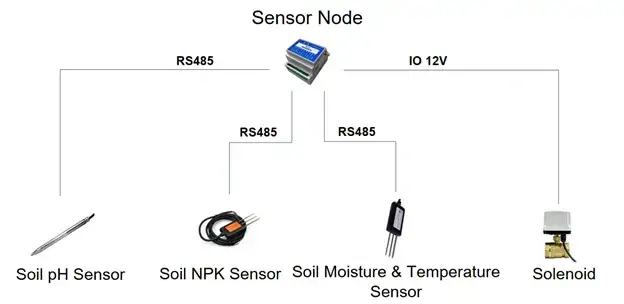
From Soil to Cloud: IoT Sensors Driving Smarter Agriculture Conclusion IoT soil monitoring is no longer experimental. It is now: A cost-control tool A yield-stability engine A climate-risk protection layer A sustainability and compliance enabler Farms that measure their soil in real time operate with control. Those that don’t are increasingly exposed to cost volatility and climate risk. TMA Solutions delivers smart agriculture from soil to cloud, from raw data to intelligent action. https://www.tmasolutions.com/ Contact us today! What TMA Solutions Delivers Sensor Node Board​ TMA Solutions provides a full-stack Smart Agriculture Platform , integrating field devices, cloud infrastructure, AI analytics, and irrigation automation into one unified system. Enterprise Cloud Deployment on AWS, Microsoft Azure, or Google Cloud Solar-Powered IoT Sensors for real-time soil and air monitoring AI-Driven Smart Irrigation & Climate-Aware Scheduling Multi-Zone Precision Irrigation Control Hybrid Wireless Connectivity via LoRaWAN, Cellular, and Wi-Fi Centralized Cloud Dashboard & Open APIs for system integration Full Lifecycle Operations & Technical Support We position TMA not as a hardware supplier, but as a long-term platform and system engineering partner. Dashboard​ From Field to Cloud: How the System Works Building a reliable soil IoT system is not just about installing sensors. Success depends on: Correct sensor selection based on soil type, crop, and deployment depth Reliable connectivity using LoRaWAN, Cellular (GSM / NB-IoT / LTE-M), or Wi-Fi depending on terrain Autonomous power design using solar and ultra-low-power firmware Rugged hardware that survives weather, chemicals, and flooding Scalable architecture that grows from small pilots to large deployments This engineering foundation is what allows automation and AI to work reliably in real farms. The Five Soil Metrics That Drive Results A production-grade IoT system focuses on the core variables that directly impact crop performance: Soil Moisture: Controls irrigation and root health Soil Temperature: Determines planting timing and microbial activity Soil pH: Regulates nutrient availability NPK Nutrients: Enables precision fertilization by zone Electrical Conductivity (EC): Early warning for salinity and soil stress Together, these five indicators define the real condition of the field, not assumptions based on weather alone. Why Soil IoT Matters When soil conditions are not measured in real time, farming is largely guesswork. Once soil data becomes continuous and actionable, three major changes happen immediately: Costs are reduced through optimized irrigation and fertilization. Yields become more stable because crops stay within ideal growth conditions. Environmental impact is controlled, supporting sustainability and regulatory compliance. Soil data is no longer a technology upgrade, it is a business control system for modern farming. For generations, agriculture depended on experience, seasonal patterns, and manual observation. That approach is no longer enough. Climate instability, water scarcity, rising fertilizer costs, and stricter sustainability requirements are pushing farms to operate with precision, automation, and real-time data. This shift defines Agriculture 4.0, where the most valuable data starts in the soil and flows to the cloud. At TMA Solutions, we build end-to-end Smart Agriculture Platforms that transform raw soil data into real operational decisions. ...
icon
From virtual to in-person: Corporate training software for hybrid learning...