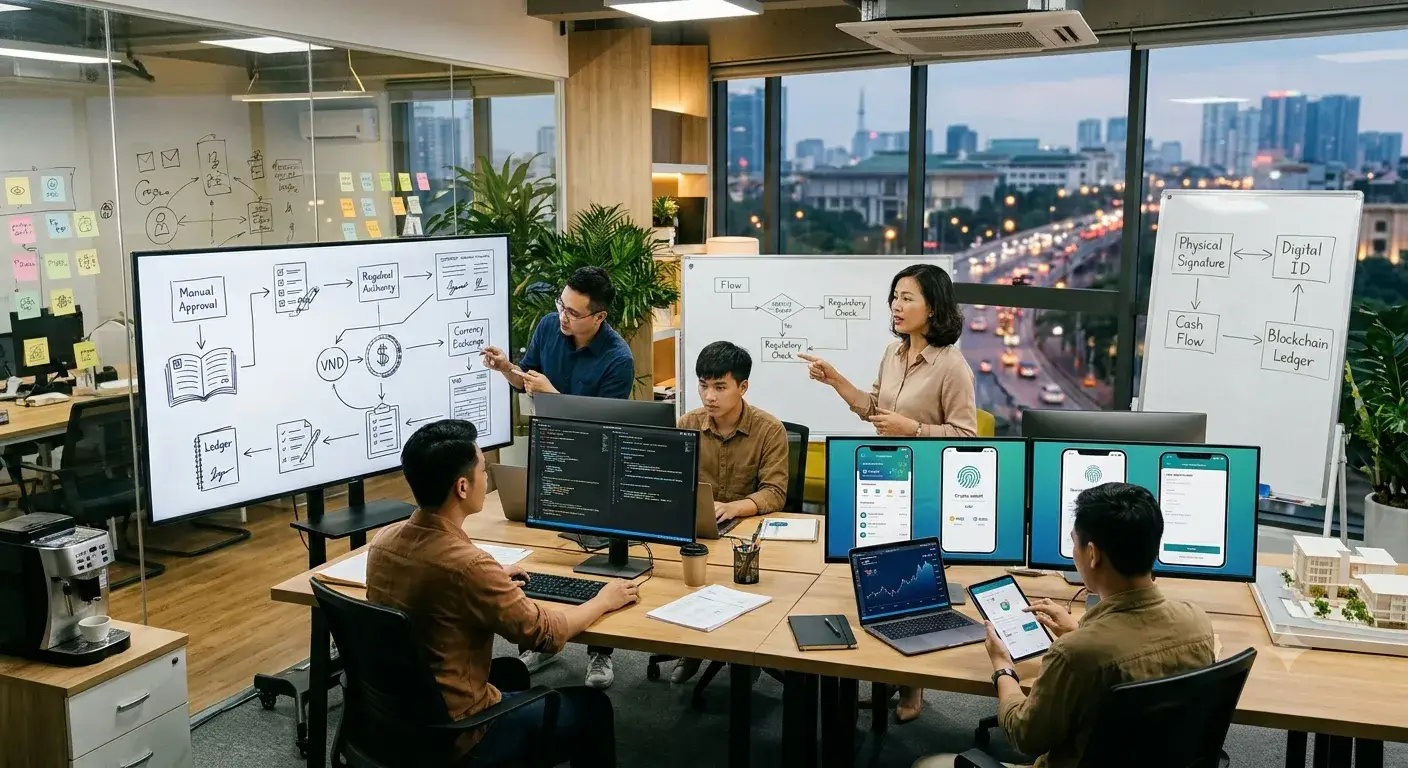
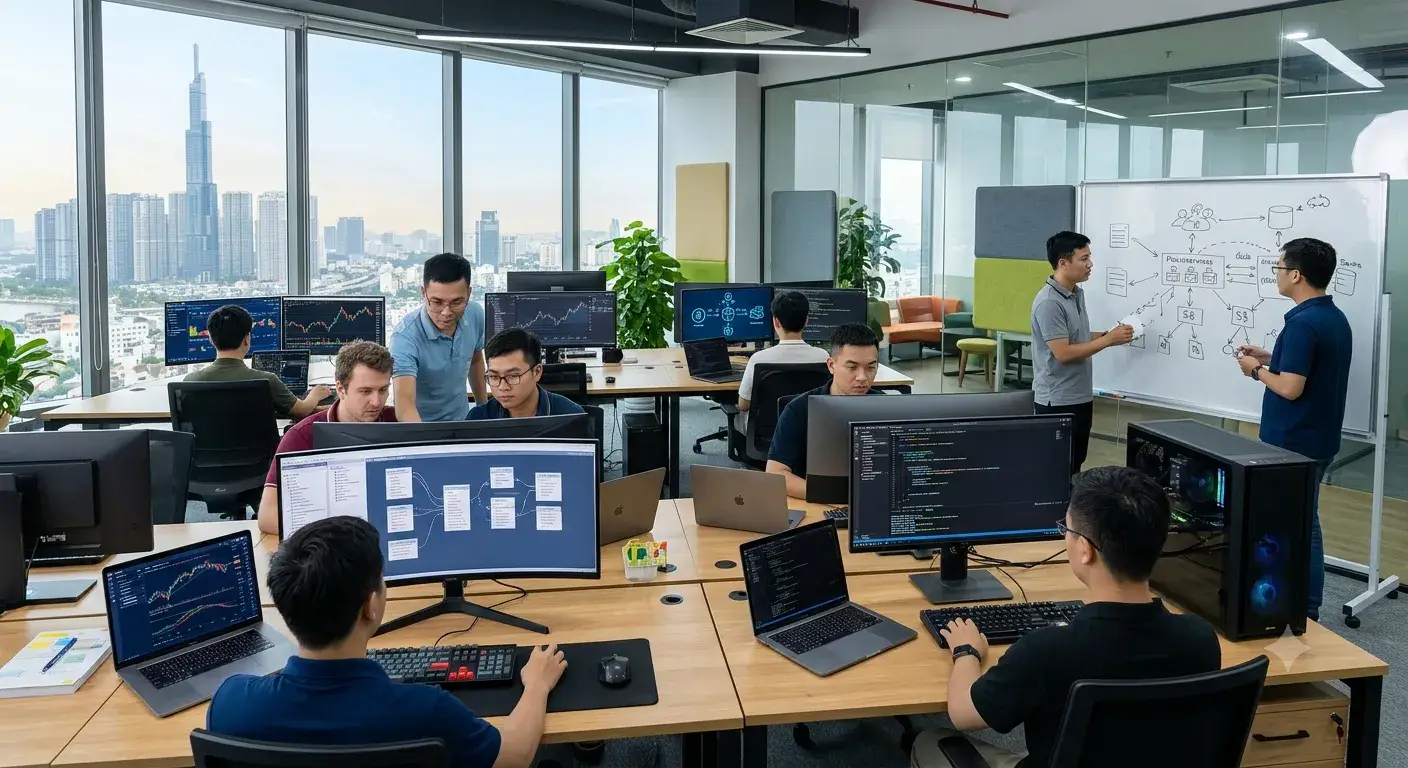
Managing training across physical classrooms and online portals often forces L&D teams to reconcile attendance and completion data manually. For distributed enterprises, this logistical friction wastes administrative hours and creates compliance blind spots when regulatory training records are not synchronized. Corporate training software solutions solve this by centralizing course management, learner administration, and progress tracking. By bringing training activities into a unified blended learning ecosystem, organizations can seamlessly coordinate in-person and virtual sessions while maintaining an audit-ready view of employee participation and compliance status.
_2026-11-09-16-48-36-853.webp)
The challenge of delivering corporate training across different modes
Hybrid learning gives employees flexibility in how they attend training, but it adds operational complexity for HR and Learning & Development (L&D) teams. Classroom attendance may be recorded separately from online course completion, while assessment results and employee records can remain scattered across different systems or spreadsheets.
Without a centralized process, administrators spend time reconciling records, following up on incomplete training, and preparing reports. In regulated environments, inconsistent records can make it harder to verify whether employees have completed mandatory training within the required timeframe.
An effective employee onboarding system organizes role-based learning, assigns relevant materials, and tracks new hires' progress. This helps HR and L&D teams coordinate onboarding across locations and delivery formats while maintaining visibility into required activities.
For regulatory and safety requirements, compliance training automation helps standardize course assignments, completion monitoring, assessment records, and reporting. Centralized training data gives administrators a clearer view of outstanding requirements and helps reduce reliance on manual tracking.
How corporate training software supports hybrid learning
Corporate training software provides a shared environment for coordinating synchronous and asynchronous learning. Instead of managing classroom sessions, virtual instructor-led training, and self-paced courses separately, organizations can organize these activities through a centralized learning management system (LMS).
A blended learning platform should support three core operational functions:
- Centralized training management: Organize SCORM/xAPI-compliant courses, learning materials, trainers, and learners in one repository.
- Flexible learning delivery: Coordinate instructor-led classroom sessions, virtual training, and self-paced modules within the same training program.
- Consistent attendance and completion records: Track participation, assessment results, and course completion to create audit-ready trails for compliance reporting.
These functions help reduce the administrative work involved in managing different training formats. For instance, enterprise platforms like TMA Smart Corporate Training integrate these architectural capabilities by combining virtual conference tools, offline attendance synchronization, and centralized reporting. This gives L&D teams a consistent basis for reviewing employee participation without manual reconciliation.
_2026-11-09-16-48-37-784.webp)
How to measure the effectiveness of hybrid corporate training
Hybrid training should be evaluated against both learning objectives and operational requirements. Tracking the right indicators helps L&D teams understand whether employees are participating, completing required courses, and progressing through their learning plans.
Measurement area | Example indicators | What it helps assess |
Participation | Enrollment and attendance by delivery format | Whether employees attend scheduled training sessions |
Completion | Course and learning-path completion rates | Whether employees finish assigned training |
Knowledge and skills | Assessment scores and skill-gap results | Whether employees demonstrate expected competencies |
Onboarding | Completion of role-based onboarding modules | Whether new hires progress through required training |
Compliance | Mandatory course completion and assessment records | Whether required training has been completed and documented |
Operational efficiency | Administrative hours and time spent reconciling records | Whether training coordination requires less manual effort |
Organizations can compare these indicators over time to identify recurring delays, low participation, or gaps in mandatory training. Centralized reporting also helps managers review training status across departments without relying on separate spreadsheets for each delivery format.
How to structure an effective hybrid learning journey
Merely moving existing courses online does not create a successful hybrid program. L&D leaders must intentionally design learning journeys that leverage the strengths of both delivery modes. A structured blended learning model typically follows a three-phase approach:
- Preparation (asynchronous): Assign self-paced modules and foundational theory before live sessions. This ensures employees arrive with a baseline understanding, reserving instructor time for application rather than basic lectures.
- Application (synchronous): Use in-person workshops or virtual instructor-led training (VILT) for collaborative problem-solving, role-playing, and hands-on practice.
- Reinforcement (continuous): Deploy mobile microlearning, quizzes, and digital resources after training to combat the forgetting curve and track long-term competency attainment.
_2026-11-09-16-48-38-274.webp)
To execute this model at scale without overwhelming administrative teams, organizations rely on centralized learning management systems to automate prerequisite tracking and transition learners between these phases.
Frequently asked questions
Does the platform integrate with video conferencing tools?
Yes. Smart Corporate Training supports integration with online conference platforms like Zoom and Microsoft Teams, allowing administrators to manage virtual instructor-led training (VILT) directly from the LMS.
How does centralized training management help with compliance?
Centralized training records give L&D teams a single source of truth for course assignments, participation, and assessment results. This creates an audit-ready trail, making it easy to instantly identify outstanding requirements and generate reports for regulatory compliance.
Can Smart Corporate Training support both classroom and self-paced learning?
Yes. The platform serves as a unified ecosystem, capturing self-paced online progress while allowing trainers to record offline classroom attendance. This ensures all hybrid learning data synchronizes into one central employee profile.
Ready to improve how your organization manages hybrid training? Contact TMA Solutions to explore Smart Corporate Training and discuss your workforce training requirements.


.webp_2026-11-09-17-00-55-331.webp)