Home
Search
Found 797 results for “ “ keyword
icon
Call to Action Benefits of Addressing Operating System Vulnerabilities Protect Sensitive Data: Prevent theft or loss of critical information through proactive security measures. Ensure Service Continuity: Minimize the risk of service disruptions and system downtime caused by security breaches. Achieve Compliance: Meet regulatory security requirements and align with industry standards to avoid legal and reputational risks. Why do we need the Customized Operation System Solution? Do Cloud Platforms Provide Specific Operating Systems? Yes, many cloud platforms offer tailored operating systems optimized for security. For example, AWS allows users to combine Alpine Linux—a lightweight and security-focused OS—with Amazon EKS (Elastic Kubernetes Service) However, are these options Free? Not quite. Most secure and specialized OS options available on cloud platforms come with additional licensing or usage costs. What is the potential issue? Despite advantages, they may not be fully compatible with every application. Custom configurations or legacy systems might face integration challenges, which can lead to performance issues or increased complexity. This mismatch can become a significant concern depending on the workload requirements. Customized Operating Systems: A Strategic Advantage Delivering a customized operating system—designed to fit each client's unique environment—offers an optimal solution for seamless integration and cost efficiency. This solution not only aligns with specific operational needs but also empowers organizations to proactively manage security patches, ensuring greater control over system integrity and compliance. Case Study Comprehensive Foundation of Product Requirements in Cybersecurity TMA Solutions, leveraging its extensive experience in delivering cybersecurity services to global clients, introduces a robust and secure operating system tailored to meet the evolving demands of cybersecurity. This customized OS serves as a foundational element in the development of an advanced Isolation Platform, which offers enhanced protection against phishing, malware, and other malicious threats. Unlike standard OS versions, this tailored solution minimizes vulnerabilities and ensures tighter control over system operations, significantly reducing the attack surface. Key Highlights: Custom Secure Operating System TMA Solutions provides clients with a fully controlled and customized operating system designed with security at its core, which is a platform so that clients can continue to develop Cybersecurity applications such as Web Isolation, Email Isolation. Migration and Support Services To facilitate seamless adoption, TMA Solutions offers comprehensive support for migrating existing products to the new secure OS. This includes integration assistance, performance optimization, and ongoing maintenance to ensure stability and security compliance throughout the transition. Save operating costs Succeeded in consolidating and upgrading multiple Operating System versions into a unified Customized OS that ensures compatibility and support for all client products. Thereby, clients benefit from reduced copyright expenditures and simplified compliance (200k$ ~ 300k$/year) Phishing & Malware Defense System Based on Isolation Platform Reasons & Benefits of Using a Customized/Hardened Ubuntu-Based OS Full Control Over the Operating System By starting with the standard Ubuntu version, we can build a customized OS image tailored specifically for our product. This gives us complete control over what components are included, ensuring only the necessary packages and configurations are present, minimizing attack surfaces. How to harden New OS Image based on Ubuntu Cost Efficiency Without Compromising Security Leveraging an open-source OS like Ubuntu helps reduce licensing costs. At the same time, with proper hardening and configuration, we can maintain a high level of security for production environments. Needed Configurations of Hardening New OS Proactive Security Management With a custom OS, we can take a proactive approach to security by managing updates and patches on our schedule. This allows us to quickly respond to emerging threats and apply critical fixes without waiting for third-party vendors. Process of Hardening New OS What’s STIG Scan? DISA STIG Scan is a kind of Vulnerability Scan which is a crucial process within any comprehensive cybersecurity program. It involves the automated detection of security weaknesses in software, systems, and networks, allowing organizations to identify and address potential threats before attackers can exploit them. Vulnerability Scanning Process Why We Need Harden Operation System Illustrative Example: Cloud Infrastructure on AWS and the Importance of OS Vulnerability Management Cloud Infrastructure on AWS Let’s consider a typical infrastructure setup for a product deployed on clouds, specifically on Amazon Web Services (AWS), to highlight the importance of managing operating system vulnerabilities. In cloud environments, we have access to a wide range of built-in security features to help safeguard our applications. As shown in the above image, components such as AWS Secrets Manager, Virtual Private Network (VPN), and other layered security mechanisms are in place to protect sensitive data and ensure secure communication. Within this secure architecture, we deploy virtual machines—commonly referred to as EC2 Workers. Naturally, when provisioning a node, instance, or virtual machine in the cloud, selecting an operating system is a fundamental step. One of the most widely used OS choices in such environments is Ubuntu. Despite the robust security features provided by cloud platforms, the underlying operating system remains a critical layer that must be actively monitored and maintained. Unpatched vulnerabilities at the OS level can become entry points for attackers, making vulnerability management an essential part of any cloud security strategy. Of course, the Ubuntu operating system on AWS, GCP, or Azure is stable, but is it secure enough? That depends. For general workloads, it may be adequate. However, from a cybersecurity perspective, relying solely on the default configuration is not enough. Cloud providers offer a secure foundation, but  the responsibility for securing the operating system layer lies with us. Ubuntu, like any OS, can have vulnerabilities—especially if it's not regularly updated or hardened. Without proper patch management, configuration controls, and continuous monitoring, even a stable OS can become a weak link in your security posture. Operating system vulnerability management  is not optional; it’s essential. It ensures that known exploits are patched, unnecessary services are disabled, and the system is aligned with security best practices. In cloud environments where threats evolve rapidly, proactive OS hardening is a critical line of defense. Cyber Security Outsourcing – Expert Handling of OS Vulnerabilities...
icon
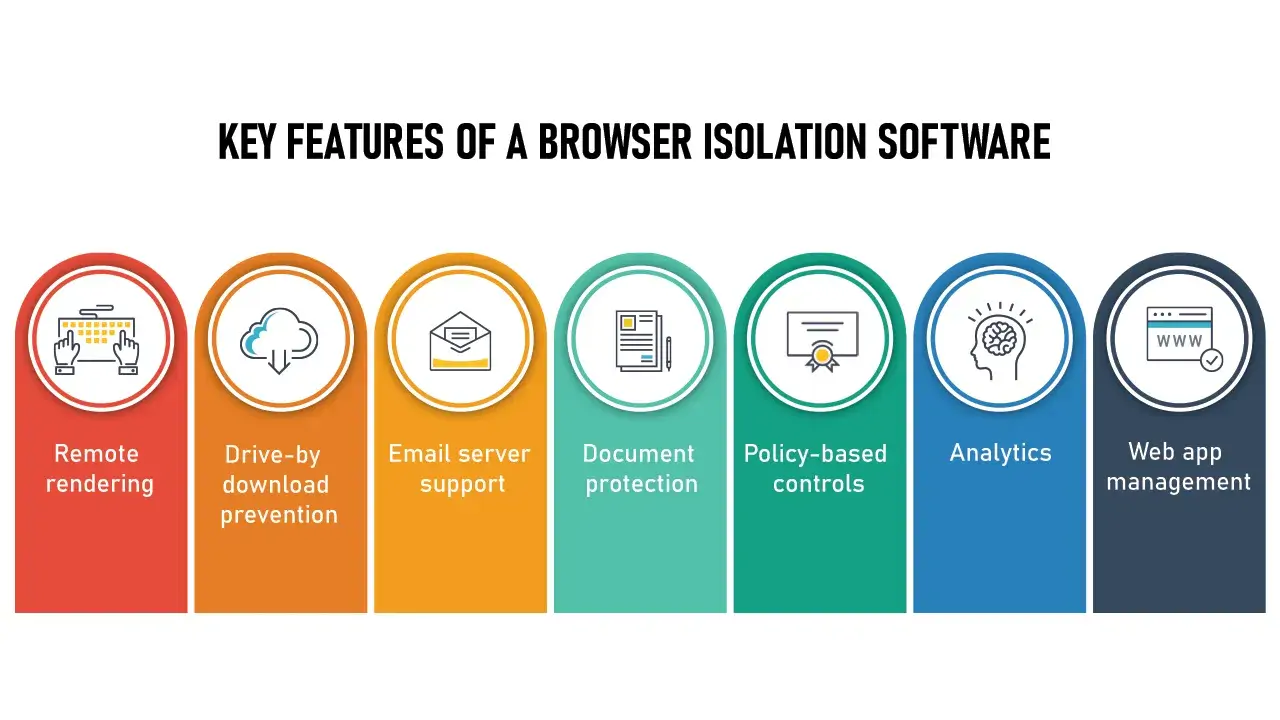
Case Study Comprehensive Cross-Platform Remote Browser Isolation TMA Solutions leveragedhttps://www.tmasolutions.com/services/security-application-development expertise in security application services for a U.S.-based security vendor seeking to accelerate the development of their flagship product and create a market-leading platform that could neutralize all web-borne threats for their clients without compromising user experience or web functionality. TMA was engaged to provide the specialized engineering talent required to build the product's core features. The features included a robust and highly performant browser rendering engine for Browser Isolation’s Remote Rendering. The engine, built on Google's open-source Chromium project and implementing a proprietary blend of ACR and Smart-DOM technologies, delivered a seamless and intuitive browsing experience, fully compatible across all modern browsers, devices, and OSes. Other functionalities involved advanced data security controls, providing both inbound Document Protection with CDR and powerful outbound DLP features such as restrictions on file uploads, automatic watermarking of documents and applications, redaction of sensitive data, and prevention of unauthorized copy-and-paste actions, all controlled by a sophisticated policy engine. To meet diverse infrastructure and compliance requirements, the platform was designed for maximum deployment flexibility, supporting multi-cloud strategies via major third-party cloud providers, private on-premise systems, or hybrid models combining both, giving the end-clients complete control over where their data was processed and ensuring the solution could adapt to any existing IT landscape. Secure Cloud Browser System This isolation technology integrates seamlessly into the client's broader Zero Trust ecosystem. TMA Solutions enabled them to bring a powerful, cross-platform security architecture to market, fully aligned with the client’s operational and regulatory needs. Secure Browser Isolation in Zero Trust In response to an increasingly complex threat landscape, enterprises are fundamentally shifting their security posture by https://www.tmasolutions.com/insights/zero-trust-cybersecurity-outsourcing-services-for-application-access adopting the Zero Trust model , operating on the core principle of "Never Trust, Always Verify". Browser Isolation, as a direct and powerful application of Zero Trust’s principle, addresses a critical gap that exists in legacy Zero Trust architectures by extending the philosophy to the web browser, complementing other security solutions within a Zero Trust system. It can be integrated with cloud email security to neutralize phishing attacks or work alongside Data Loss Prevention (DLP) tools to prevent users from leaking sensitive data. This capability makes Browser Isolation a critical component of modern security frameworks like the Secure Access Service Edge (SASE), where it serves as a core function of an advanced SWG. SASE Architecture Key Features Of Browser Isolation Organizations’ interaction with web applications is complex and spans across multiple domains, allowing Browser Isolation solution vendors to provide differentiated offerings, all characterized by a few important features: Secure Browser Isolation Key Features Remote Rendering: The core of Browser Isolation. The solution must load any content retrieved from an external connection in an isolated, sandboxed location away from the user’s device and provide a sanitized version for the user to interact with. Drive-by download Prevention: Browser Isolation must prevent unintentional, unauthorized file downloads onto the user’s file system. Email Server Support: Phishing email is one of the most common and effective attack vectors employed by cybercriminals. Browser Isolation must integrate seamlessly with web-based email services to protect users and businesses against fraudulent links. Document Protection: Also known as Content Disarm and Reconstruction (CDR). When the user must download documents from the web, Browser Isolation should assume the file is malicious and be able to transform the original document into a safe and harmless format while retaining information. Policy-based Controls: Browser Isolation must allow administrators to set granular rules for how different employees can interact with the web, empowering the business. Analytics: Browser Isolation solution should collect and collate browser activity data into informative reports, allowing administrators to identify potential security gaps and fine-tune security policies for optimal effectiveness. Web App Management: Modern work is transitioning from locally-installed software to web-based applications. Browser Isolation should extend its protection to these platforms. Core Principles Of Browser Isolation Browser Isolation is a security technology that physically isolates a user's web browsing activity from their endpoint device and corporate network. Secure Browser Isolation Model When a user navigates to a website, the browsing session is not initiated locally. Instead, it is executed within a secure, containerized environment, typically on a remote server hosted either on the cloud or on-premises. All active code from the website runs within this isolated space, completely sandboxed from the user's machine. The user then receives and interacts with a safe, sanitized version of the webpage’s visual content on their browser, constructed using remote rendering technologies such as Pixel Pushing or Adaptive Clientless Rendering (ACR). These remote sessions are ephemeral; once the user closes the tab or ends the session, the entire container, along with any malware, malicious cookies, or trackers it encountered, is instantly destroyed. Browser Isolation - Secure Enterprise Web Access The modern enterprise operates on the web. The rise of cloud computing, Software-as-a-Service (SaaS) platforms, and remote work models has elevated the web browser from a simple utility to the primary workspace for employees. Consequently, the browser becomes a prime target for cybercriminals and threat actors, being the least protected attack surface despite significant cybersecurity spending. Traditional enterprise browsers are ill-equipped for this ever-evolving threat landscape. Tools like antivirus software, endpoint protection platforms (EPP), and signature-based Secure Web Gateways (SWG) operate on a reactive, detection-based model. They depend on identifying known threat patterns, signatures, or malicious behaviors to block an attack. This approach is fundamentally flawed against modern adversaries who deploy zero-day exploits, polymorphic malware, and highly evasive adaptive threats specifically designed to bypass these defenses. The result is a security posture that is always one step behind the attackers. Browser Isolation is a shift from this probabilistic model of threat detection to a deterministic model of threat prevention, an embodiment of the https://www.tmasolutions.com/insights/zero-trust-cybersecurity-outsourcing-services-for-application-access Zero Trust philosophy applied to the web. Cybersecurity Outsourcing Service in Secure Browser Isolation...
icon
Challenges Cloud environments introduce unique challenges to data governance, including: Data Sovereignty and Compliance: Data stored across multiple regions must comply with local laws. For instance, a company storing EU client data in a US-based cloud risks GDPR violations if not properly managed. Shared Responsibility Model: Cloud providers like AWS secure infrastructure, but clients must govern their data. Misunderstandings can lead to unencrypted sensitive data, causing breaches. Data Security and Privacy: Distributed cloud systems are vulnerable to cyberattacks. In 2023, 45% of cloud breaches stemmed from weak access controls. Interoperability and Vendor Lock-In: Using multiple clouds (e.g., AWS and Azure) complicates consistent governance, potentially trapping organizations in one provider’s ecosystem. Uncontrolled Data Growth: Rapid cloud resource creation can lead to data sprawl, making it difficult to track sensitive data assets. Challenges in Cloud Data Governance Definition Data governance involves policies, processes, and technologies to manage data consistently, securely, and in compliance with regulations. In cloud environments, it ensures data quality (accuracy and reliability), security (protection from breaches), compliance (e.g., GDPR, HIPAA), and lifecycle management (from creation to deletion). For example, a retailer using AWS to store client data must implement governance to comply with GDPR and prevent unauthorized access. In cloud environments, it encompasses: Data Quality: Ensuring accuracy, completeness, and reliability of data. Data Security: Protecting data from unauthorized access and breaches. Compliance: Adhering to regulations like GDPR, CCPA, or HIPAA. Data Lifecycle Management: Managing data from creation to deletion. Components of Data Governance Introduction As organizations increasingly adopt cloud computing for its scalability and cost-efficiency, robust data governance has become critical. In 2024, 60% of companies faced data breaches due to inadequate cloud governance, underscoring the need for structured policies to ensure data accuracy, security, and compliance. This document explores how effective data governance enables organizations to maximize cloud benefits while mitigating risks like security breaches and regulatory non-compliance. Conclusion Effective data governance in cloud environments is no longer optional—it is a strategic imperative for organizations aiming to leverage the scalability, flexibility, and cost-efficiency of cloud computing while safeguarding data integrity, security, and compliance. By addressing challenges such as data sovereignty, security risks, and uncontrolled data growth through centralized policies, automation, and collaboration with cloud providers, organizations can build a robust governance framework that drives trust and operational excellence. Emerging trends like https://www.tmasolutions.com/technologies/ai-ml-and-data-sciences AI-driven governance and zero trust architecture further underscore the need for proactive, future-ready strategies. Ready to transform your cloud data governance? https://www.tmasolutions.com/contact-us Contact TMA Solutions to explore how our expertise can accelerate your digital transformation journey. Choosing TMA for Your Data Governance With over 20 years of experience, TMA Solutions is a https://www.tmasolutions.com/ leading Vietnam-based provider of enterprise-grade technology solutions. Our expertise in big https://www.tmasolutions.com/technologies/big-data-and-analytics data, cloud , and industry-specific consulting makes us a trusted partner for digital transformation. Our https://www.tmasolutions.com/technologies/big-data-and-analytics Big Data and Analytics team has empowered global clients with solutions like the https://www.tmasolutions.com/insights/tma-data-solutions-in-digital-transformation-trends TMA Data Platform , which supports on-premises and multi-cloud environments with robust data governance. The following case studies are examples of our successful projects in cloud data governance: Streamlining Operations with Azure Data Factory Dynamic Data Integration: Utilize Data Factory to connect multiple data sources, both on-cloud and on-premise, and extract data into a centralized Data Lake for advanced processing. Data Management: Employ data services to move data from various sources to the Data Lake for cleansing, consolidation, and mining, while building pipelines to handle data from different products Azure Data Factory Cloud-based and AI-driven Solution Cloud Infrastructure: Implemented a scalable cloud system with auto-scaling and load balancing to handle traffic spikes. Third-Party Integration: Seamlessly integrated payment gateways, logistics providers, and CRM systems to streamline operations. AI-Driven Client Support: Developed a 24/7 support portal with AI assistance for improved service quality. Personalized Shopping: Enhanced user experience with customized product recommendations based on client behavior. Future Trends in Cloud Data Governance AI-Driven Governance: Machine learning tools like Azure Machine Learning can predict compliance risks and automate data classification, reducing manual effort. Zero Trust Architecture: Adopt tools like Okta or Microsoft Entra ID for continuous user and device verification to enhance cloud security. Privacy-Enhancing Technologies: Implement differential privacy in analytics platforms to protect client data while enabling insights. Regulatory Evolution: Prepare for the EU’s AI Act by integrating transparency tools like AWS SageMaker’s model explainability features into governance frameworks. Future Trends in Cloud Data Governance Best Practices for Cloud Data Governance Define Roles and Responsibilities Establish a Governance Council to set policies, Data Stewards to ensure data quality, and Cloud Architects to align infrastructure with governance standards. Example: Assign a Data Steward to oversee GDPR compliance for client data in AWS. Implement Data Security Measures Use AES-256 encryption for data at rest and TLS for data in transit. Deploy role-based access control (RBAC) and multi-factor authentication (MFA) via Azure Active Directory. Monitor threats with intrusion detection systems and audit logs using AWS CloudTrail. Ensure Data Quality and Integrity Implement validation and cleansing processes to maintain data accuracy and consistency. Example: Use Azure Data Factory to clean and validate sales data before analytics. Adopt a Data Catalog Use AWS Glue or Azure Data Catalog to track data lineage and metadata, improving visibility. Automate Compliance Processes Leverage AWS CloudTrail or Azure Monitor to ensure compliance with standards like GDPR or SOC 2. Manage Data Lifecycle Define retention policies (e.g., archive client data after 7 years) and automate deletion using AWS S3 lifecycle rules. Train Teams Conduct regular training on cloud risks and governance policies to ensure stakeholder alignment. Core Principles To address cloud governance challenges, adopt these principles: Centralized Governance, Decentralized Execution: Define policies centrally (e.g., via a governance council) but allow business units to implement them using tools like Azure Policy. Automation and Monitoring: Use AWS Config to automate compliance checks and monitor data access in real time. Data Classification and Tagging: Tag data as "confidential" or "public" using AWS Glue to ensure proper handling across platforms. Collaboration with Cloud Providers: Leverage AWS’s compliance certifications (e.g., ISO 27001) to align with organizational policies. Continuous Compliance: Deploy Azure Monitor for real-time audits to maintain GDPR and HIPAA compliance. Data Governance in Cloud Environments...
icon
Best Practices in Data Integration Solutions Many global companies face challenges due to scattered data, which makes analysis and decision-making less accurate. Data integration solutions are key to unifying information and optimizing operations. With strong technical capabilities and international experience, TMA Solutions is becoming a trusted partner in building comprehensive data integration solutions from Vietnam for businesses.. 1. The Compelling Advantages of Outsourcing Data Integration to Vietnam More and more global companies are choosing Vietnam as a destination for data integration services. Here are the main advantages that make Vietnam a top choice in this field. 1.1. Access to a Large Number of Skilled Data Engineers Current situation: Vietnam currently has about 560,000 personnel working in computer science and IT who had been trained at technical universities and technology centers. Leading global tech companies such as TMA Solutions, FPT, or Viettel invest heavily in data, creating a high-quality talent ecosystem. Benefit: International businesses can easily connect with experienced engineers who are familiar with many integration platforms (ETL, API, cloud-based integration, etc.), ensuring the highest project quality and schedule. Vietnam’s growing pool of skilled data engineers is ready for global Data integration solutions from Vietnam projects. 1.2. Significant Cost-Effectiveness Current situation: The hourly rate for software developers in Vietnam is about US$10–45/hour, with an average of US$20/hour. If working 40 hours/week, ~52 weeks/year, the annual cost is 20 × 40 × 52 = US$41,600. In North America, senior AI engineers can earn US$300,000 – 450,000/year or more. Benefit: Vietnam’s lower outsourcing costs help businesses optimize their operational budget Competitive cost structure of Vietnamese tech workforce makes it an attractive outsourcing destination. 1.3. Strong Government Support & Stable Environment Current situation: The Vietnamese government promotes digital transformation through the National AI Strategy until 2030 (Decision 127/QD-TTg) and the 2018 Cybersecurity Law, along with investment incentives in the amended Investment Law for high-tech businesses. These policies create a clear legally supporting environment for technology projects, especially in data and AI. Benefit: Foreign companies can be confident about legal frameworks, cybersecurity, and regulatory support to maintain long-term collaboration in data integration. Vietnam government invests in national data infrastructure through a major data development fund 1.4. High English Proficiency & Cultural Adaptability Current situation: Vietnam continuously improves English proficiency and ranks among Asian countries with high English skills. Young engineers also have a global mindset, making it easy to adapt to Western working cultures. Benefit: Vietnam’s strong English skills and cultural adaptability help teams communicate smoothly with international partners and reduce mistakes during collaboration. Vietnam’s tech workforce balances strong English skills with a global mindset. 2. Core Data Integration Solutions Offered by Vietnamese Companies Here are the main services that Vietnamese companies provide in data integration. 2.1. Custom ETL/ELT Pipeline Development Description: Build data pipelines to extract data from multiple sources, transform it according to business requirements, and load it into target systems such as data warehouses or data lakes. Technology used: Engineers in Vietnam use Apache Airflow or Apache NiFi to orchestrate pipelines, combined with Debezium/Kafka for CDC ingestion, and Python/SQL scripts for data transformation. ETL/ELT pipeline development helps businesses optimize data flow and improve information processing efficiency. 2.2. Data Warehouse & Data Lake Solutions Description: Design and implement data warehouses or lakes to store and analyze large-scale data, supporting reporting, BI, and advanced analytics. Technology used: Vietnamese companies use platforms like Google BigQuery, Amazon Redshift, with Python/SQL for data processing and query optimization. For example, a Vietnamese provider implements a BigQuery warehouse with automated pipelines. Data warehouse & data lake solutions help businesses unify data and fully leverage information value. 2.3. API Integration & Management Description: Integrate data via APIs between systems such as CRM, ERP, web/mobile apps, and core data systems. Manage API connections, standardize data, and ensure stable and secure data flows. Technology used: Vietnamese companies use REST API/JSON and scripts to extract/push data, combined with ETL pipelines to move data from APIs to warehouses. For example, a Vietnamese job posting mentions "design ingest pipelines from API/file/log" in a data integration environment. API integration and management allows businesses to connect systems seamlessly, enhancing automation and data sharing. 2.4. Cloud Data Integration Description: Provide cloud-based data integration services, from infrastructure setup, storage pipelines, multi-source data synchronization, to full data architecture design and deployment on cloud platforms. Technology used: Vietnamese engineers work with AWS, Google Cloud, Docker, Git, CI/CD infrastructure to deploy ETL/ELT pipelines, using cloud services for storage and data processing. Cloud data integration helps businesses synchronize, process, and use data in real time. 3. A Process for Successful Data Integration Projects A successful data integration process should follow sequential steps to ensure data is processed accurately, efficiently, and meets business requirements. 3.1. Step 1: Planning Main activity: Define the project scope and objectives. Develop a detailed plan for tasks, estimate resources, time, and costs required to implement the data system. Outcome: Businesses have a clear roadmap to keep the project on track. Planning phase led by TMA Solutions, defining project scope, goals, and required resources for Data integration solutions from Vietnam 3.2. Step 2: System Analysis Main activity: Analyze the system to understand data and usage needs. Identify data sources, analyze structure and meaning, and set objectives for reporting, statistics, evaluation, or forecasting Outcome: Businesses understand the entire data flow, sources, structure, and usage goals of each dataset. System analysis by TMA engineers to map data sources, flows, and business requirements. 3.3. Step 3: Updating Data Design Main activity: Based on system analysis, focus on designing or updating the data model. Build or adjust data diagrams, processing workflows, and data paths to ensure correct flow and transformation. Design reports, charts, and forecasting tables as per business requirements. Outcome: Businesses receive an optimized data model that ensures storage, flow, and processing efficiency. TMA updates the data design with optimized models, diagrams, and transformation workflows 3.4. Step 4: Data Collection & Processing Main activity: Build and operate the data collection system. Collect, process, clean, and standardize data from multiple sources through automated workflows. Outcome: Businesses have an automated, stable, and unified data collection and processing system. Data is continuously updated, duplicates and errors removed, improving report and analysis reliability. Data collection and processing stage handled by TMA, ensuring clean and normalized data 3.5. Step 5: Testing and Integration Main activity: Test the system thoroughly to ensure all components work as expected. Integrate applications, tools, and data modules into the overall system. Outcome: Businesses have a seamless, high-performance system with compatibility across platforms, applications, and databases. TMA Solutions engineers monitoring system screens and performing integration checks in a data center environment. 3.6. Step 6: Maintaining Operation Main activity: TMA is fully responsible for system maintenance and optimization. TMA’s technical team monitors performance, handles issues, and ensures stability. They regularly update versions, apply security patches, and upgrade features or AI models to meet changing business needs. Outcome: Businesses enjoy long-term, stable, and flexible operation. With TMA, the system is maintained, updated, and upgraded regularly to maintain optimal data performance and quality throughout the project lifecycle. TMA’s team monitors and maintains the system to ensure stable operations for Data integration solutions from Vietnam . 4. Successful Data Integration Case Studies from Vietnam Here are some representative case studies by TMA Solutions, showing technical capability, implementation experience, and practical value for businesses. 4.1. Semantic Search & Chat Engine for Enhanced Data Ingestion and Integration Problem/Challenge: The client had multiple data sources, including product knowledge, technical support, and personalized data, but faced difficulties in synchronizing and connecting these sources. The existing system could not handle large, diverse datasets, causing slow, fragmented, and inaccurate search and support. Solution: TMA Solutions developed a https://www.tmasolutions.com/case-studies/semantic-search-chat-engine-for-enhanced-data-ingestion-and-integration Semantic Search & Chat Engine using AI/ML and NLP to automatically extract, standardize, and connect data from multiple formats. The system allows natural language search, understands query context, and provides accurate results while also optimizing data ingestion and integration processes across the system. Benefit/Result: The solution speeds up and improves information retrieval accuracy, reduces manual processing, and increases analyst efficiency. Data is standardized, easily accessible, and more usable, improving user experience through intelligent, seamless search. Implementation Process of the Semantic Search & Chat Engine by the TMA Solutions Team 4.2. Optimizing Data with Azure: Dynamic Integration, Legacy Migration, and Advanced Visualization Problem/Challenge: The business had many legacy systems on different platforms, leading to scattered data, difficult synchronization, and interruptions in analysis. Each source had different formats, structures, and update schedules, making data consolidation, cleaning, and reporting time-consuming and risky. Solution: TMA Solutions implemented the project https://www.tmasolutions.com/case-studies/optimizing-data-with-azure-dynamic-integration-legacy-migration-and-advanced-visualization Optimizing Data with Microsoft Azure , building ETL pipelines and automating data ingestion from legacy systems and other sources, processing, cleaning, and transforming data, then storing it centrally. The new system integrates with Power BI for real-time data visualization, allowing leadership and business units to access reports and dashboards from a unified platform. Benefit/Result: The system unifies data from multiple sources, shortens reporting time, improves strategic analysis, and allows leaders to make faster and more accurate decisions. System Development Model for Optimizing Data with Azure 4.3. Optimizing Data Workflows on AWS: Integration, Processing, and Automation Strategies Problem/Challenge: The client wanted to modernize their data workflows. The current system managed large data from multiple sources (candidate profiles, recruitment interactions, HR data) but had slow processing, high AWS operational costs, and limited automation. Solution: TMA implemented a https://www.tmasolutions.com/case-studies/optimizing-data-workflows-on-aws-integration-processing-and-automation-strategies Serverless architecture using AWS services such as Lambda, S3, and Glue to automate ingest, process, and transform data. TMA also built a real-time performance monitoring system to track resources, detect bottlenecks, and optimize costs. This architecture reduces manual coding and leverages AWS scalability. Benefit/Result: The solution reduces infrastructure costs by 30%, triples data processing speed, and ensures high stability for automated workflows, improving operational efficiency and system scalability. Implementation Process of Serverless Architecture Combined with AWS Services by TMA Solutions 4.4. Optimized E-commerce and Marketing Integration for Data Management and Synchronization Problem/Challenge: E-commerce businesses faced difficulties synchronizing customer and marketing campaign data across multiple platforms (CRM, email, social media). Data was fragmented, delayed, or inconsistent, hindering customer behavior analysis and campaign tracking. Solution: TMA developed a https://www.tmasolutions.com/case-studies/optimized-e-commerce-and-marketing-integration-for-data-management-and-synchronization Data Integration & Synchronization system connecting CRM with email and social media, setting up pipelines to transfer data, standardize formats, and synchronize customer and marketing campaign records so each change updates the central system immediately. Benefit/Result: The solution maintains consistent data, enhances marketing personalization, improves customer behavior analysis, and significantly increases conversion rates. Data Integration & Synchronization System Implemented by TMA Solutions 4.5. Centralized Data Platform for Dynamic Segmentation and Personalized Marketing Problem/Challenge: The client struggled to manage user data scattered across multiple systems and channels, lacking a full view of customers. Solution: TMA built a https://www.tmasolutions.com/case-studies/centralized-data-platform-for-dynamic-segmentation-and-personalized-marketing Centralized Data Platform to collect data from CRM systems, digital interactions, and user behavior, then applied machine learning to dynamically segment users. The platform updates and classifies users in real time, supporting personalized marketing campaigns. Benefit/Result: Businesses can quickly segment users based on current behavior and changing conditions, improving targeting accuracy and marketing campaign effectiveness. TMA Solutions Builds a Centralized Data Platform for Dynamic Segmentation and Personalized Marketing 5. How to Choose Your Data Integration Partner in Vietnam To select a suitable partner for optimal data integration, businesses should consider four key criteria: 5.1. Verify technical proficiency in your required tech stack A data integration project succeeds only if the team has deep knowledge of the technologies you use. If the partner is not skilled in SQL, Python, Spark, or integration tools like AWS, Azure, Snowflake, there is a high risk of compatibility issues, processing errors, and data loss. Businesses should ask partners to present core technologies, implementation processes, or conduct a Proof of Concept (POC) to verify real capabilities. 5.2. Check for international certifications (e.g., ISO 27001, CMMI) International certifications show compliance with security and quality management standards. Partners with ISO 27001 (information security) or CMMI (software development process) certifications often have standardized operations, good risk control, and data integrity assurance. Businesses should verify that partners provide international certifications to ensure that they follow data safety standards and therefore minimizing collaboration risks. 5.3. Assess project management & communication protocols Data integration projects involve multiple parties, phases, and large data volumes. Partners using professional tools like Jira, Asana, or Slack show clear, transparent processes and can coordinate smoothly across time zones and languages. Businesses should select partners with clear project management and professional communication tools to ensure that all stages of the collaboration is well-organized. 5.4. Review past projects and client references Practical experience is the best proof of a partner’s capability. Reviewing past projects and client feedback helps businesses understand how the partner solves similar data problems. Partners with diverse portfolios and positive international client feedback often show quick adaptability, industry understanding, and consistent output quality. Businesses should prioritize partners with rich portfolios and strong client reviews to ensure real-world capability and output quality. 6. Why TMA Solutions is a Leading Data Integration Partner in Vietnam With over 28 years of experience, TMA Solutions is a pioneer in data integration in Vietnam. Its team of over 4,000 engineers in 7 countries ensures strong implementation capacity for large-scale and technically complex projects. Key advantages of TMA Solutions: Extensive international experience: We have collaborated with clients from the US, Canada, Japan, Australia, and Europe, understanding global standards in project management and data security. International-standard quality management: Our certifications include CMMI Level 5, ISO 9001:2015, ISO/IEC 27001:2013, showing strict control from design to deployment. Comprehensive technical capability: Our engineers are skilled in various AI technologies like Machine Learning, Computer Vision, Natural Language Processing, and operations on top cloud platforms like AWS, Azure, Google Cloud. Flexible solutions and cost optimization: We can provide industry-specific customized services that optimizesperformance, reduces costs, and shortens deployment time. Awards and achievements: Recognized by VINASA in https://www.tmasolutions.com/news/tma-awarded-as-one-of-the-top-10-software-outsourcing-fintech-aiot-enterprises Top 10 Software Outsourcing & IT Services Enterprises, Top 10 Fintech Enterprises, Top 10 AI & IoT Enterprises at Vietnam IT Enterprises Awards 2022 , and included in https://www.tmasolutions.com/news/tma-recognized-in-vietnams-top-10-digital-technology-companies-2024 Vietnam’s Top 10 Digital Technology Companies 2024. Technology Engineering Team of TMA Solutions 7. FAQs About Outsourcing Data Integration to Vietnam 1 - What is the average hourly rate for a data engineer in Vietnam? Market reports show that data engineer rates in Vietnam range from US$14–45/hour depending on experience and project complexity. This rate is much lower than in North America or Europe but maintains technical skills and output quality. This allows international businesses to optimize budget while maintaining high performance in data integration projects. 2- How do you handle time zone differences? Vietnam is in GMT+7, a few hours ahead of North America or Europe. Most Vietnamese tech companies are used to working across time zones using project management and communication tools like Jira, Trello, Slack, or Microsoft Teams. This keeps progress continuous, allows overnight work, and ensures technical teams respond quickly within client time frames. 3 - How is the intellectual property (IP) and data security protected? Vietnam is strengthening data security laws with Decree 13/2023/ND-CP and the Personal Data Protection Law effective from 2026. Many tech companies have international certifications such as ISO/IEC 27001 and enforce strict intellectual property agreements. 4 - Can Vietnamese companies handle large-scale, enterprise-level projects? With solid technical capability and large engineering teams, Vietnamese tech companies can successfully implement enterprise-level data integration projects. Many have collaborated with partners in the US, Europe, Japan, or Singapore on AI, cloud data platforms, and complex analytics projects. Data integration solutions from Vietnam demonstrate strong competitiveness with high-quality engineers, optimized costs, and flexibility across industries. TMA Solutions is a pioneer, providing comprehensive data integration solutions – from architecture consulting, development, to operation and system security. >> If your business is looking for an experienced partner to realize your data strategy, contact TMA Solutions for advice and a tailored solution. Contact information: TMA SOLUTIONS - The leading data integration solutions from Vietnam Email: sales@tmasolutions.com Website: https://www.tmasolutions.com/ https://www.tmasolutions.com/ Linkedin: https://www.linkedin.com/company/tma-solutions/ TMA Solutions TMA Tower address: Street #10, Quality Tech Solution Complex (QTSC), Trung My Tay Ward, Ho Chi Minh City....

icon
Data Lake vs Data Warehouse: Which One to Choose for Your Business? Why Data Architecture Matters for Your Business The global data lake market is exploding to reach USD 34.07 billion by 2030 with a staggering 25.3% CAGR. With 82% of companies now employing multiple data architectures, the organizations that make informed decisions today will be the market leaders of tomorrow. At https://www.tmasolutions.com/ TMA Solutions, a leading software company with expertise in digital transformation in real estate, fintech R&D using Blockchain and Web3 , and smart building management, we've helped enterprises transform their data capabilities through strategic data architecture implementations. Our proven track record includes breakthrough projects that have revolutionized digital real estate asset management, digital banking services, and ecommerce solutions. Data Warehouse What is a Data Warehouse? According to Gartner, a data warehouse is a storage architecture for aggregated, structured data designed to support enterprise-wide analytics and business intelligence (Gartner, 2023). In practice, it centralizes cleaned and transformed data from systems like SAP ERP, Salesforce , and POS to serve as a “single source of truth” for decision-making, enabling core banking integration and warehouse management systems. Data Warehouse: Structured, reliable, performance-optimized for mission-critical business intelligence Data Warehouse Benefits Data warehouses dominate enterprise environments with 79% adoption rates because they deliver what executives demand: reliable, fast, and accurate insights for critical business decisions. When your CFO needs quarterly reports, compliance officers require audit trails for international clearing and settlement systems , or operations teams need real-time dashboards for warehouse management systems , data warehouses provide the structured foundation that drives business success. According to Gartner, a data warehouse is “a storage architecture capable of storing data extracted from various resources such as transaction systems and relational databases”. This schema-on-write approach ensures exceptional data quality, consistency, and query performance, essential for organizations where data accuracy directly impacts revenue, regulatory compliance, and digital payment solutions . TMA Solutions' Data Warehouse Projects Transforming Retail Operations with Advanced Analytics TMA Solutions has successfully implemented modern data architecture solutions for retail clients, deploying Power BI dashboards integrated with SAP ERP and Salesforce for comprehensive insights into sales trends, inventory turnover, client segmentation, and store performance. These implementations, enhanced by omnichannel retail analytics and AI chatbots for ecommerce , enable retailers to optimize warehouse management systems , improve client targeting, and increase operational efficiency across their online shopping platforms. Power BI dashboard for retail, integrating SAP ERP and Salesforce for real-time insights Healthcare Data Warehouse for Critical Patient Care Our cloud-based AI software for veterinarians and healthcare analytics platform demonstrates TMA's expertise in handling complex, sensitive data while maintaining strict compliance requirements. The platform features sophisticated data ingestion components powered by DataMiner and ETL processes that consolidate medical records from external partners, internal sources, and AI-driven veterinary medical records into a centralized warehouse environment. This implementation supports real-time streaming for Electronic Health Records (EHR) and cloud-based veterinary clinic management , enabling healthcare providers and veterinarians to make informed decisions that improve patient outcomes and manage lumpy skin disease or mastitis/high fever/lameness disease in livestock. Education Technology Solutions with Learning Management Systems TMA Solutions has developed a learning management system (LMS) for a global education provider, leveraging a data warehouse to centralize structured data from enterprise e-learning systems and digital classroom tools . This platform supports self-learning platforms by providing real-time analytics on student performance, course completion rates, and engagement metrics, enabling educators to optimize education technology solutions and deliver personalized learning experiences. When to Choose Data Warehouses The data warehousing market continues robust growth, projected to exceed $30 billion by 2025, reflecting the sustained demand for reliable, structured analytical platforms. Data warehouses excel in scenarios requiring: Financial Reporting and Regulatory Compliance: Banking, insurance, and healthcare organizations benefit from structured, auditable data with clear lineage for post-trade processing in capital markets and SMSF - Self Managed Super Fund / Superannuation. Operational Dashboards: Real-time performance monitoring with consistent sub-second response times for strata management and real estate operation management. Structured Data Integration: Seamless consolidation of SAP ERP, Salesforce , and transactional systems for core banking integration. Predictable Analytics Patterns: Known KPIs and established reporting requirements for wealth management software and personal financial advice. Data Lake What is a Data Lake? A data lake is a flexible, scalable storage solution that holds raw, unstructured, or semi-structured data. According to AWS, it “allows you to store all your structured and unstructured data at any scale” (Amazon Web Services, 2023). Unlike a warehouse, a lake can store everything from social media logs, IoT in agriculture sensor feeds, to NFT marketplace development for fintech data, without requiring a predefined schema. Data Lake: Flexible, scalable, AI-ready platform for breakthrough innovation and advanced analytics Data Lake Benefits Data lakes represent a paradigm shift that enables organizations to capture and analyze every piece of valuable data—structured databases, marketing content management, IoT in agriculture sensor streams, video content, and unstructured documents—without forcing rigid schemas upfront. According to Public Cloud Group, “a data lake serves as a unified and centralized repository, enabling organizations to store both structured and unstructured data at scale”. This schema-on-read approach has proven transformative for organizations pursuing AI agents development, machine learning solutions , and AI-powered financial advisory tools that drive competitive differentiation. TMA Solutions' Data Lake Projects Client Data Platform for Marketing Excellence TMA Solutions developed a comprehensive Client Data Platform for a Vietnam marketing client, providing a complete 360-degree client view through dynamic segmentation and personalized marketing capabilities powered by centralized advertising content management . This data lake implementation consolidates client interactions from multiple touchpoints, including AI chatbots for e-commerce , enabling sophisticated behavioral analysis and targeted campaign optimization that significantly improves conversion rates and client lifetime value in omnichannel retail and drop shipping operations. Large-Scale Data Repository for Advanced Analytics Our Central Data Repository (CDR) implementation demonstrates TMA's capability in organizing large-scale data to improve accessibility and facilitate advanced analytics. This solution, powered by machine learning solutions and AI agents solutions for enterprise, provides the foundation for complex analytical workloads, including AI demand forecasting in logistics , generative AI logistics , and comprehensive reporting that supports both operational efficiency and strategic planning initiatives. AI-Powered Healthcare Data Collection TMA's innovative cloud-based veterinary clinic management solution leverages AI in education and advanced OCR technology to extract health indexes from 30+ devices and prescriptions. This data lake implementation supports cattle health monitoring and disease risk assessment for conditions like lumpy skin disease and mastitis/high fever/lameness disease , enabling customized data extraction for remote monitoring, clinics, pharmacies, and nursing homes. By integrating paperless vet clinic solutions , it significantly reduces manual data entry while improving accuracy and accessibility for critical healthcare decisions. Advanced Credit Risk Analysis Our https://www.tmasolutions.com/technologies/ai-ml-and-data-sciences AI/ML -powered credit risk analysis platform showcases data lake capabilities in financial services. The solution uses advanced credit scoring algorithms with AI-powered financial advisory tools and fintech R&D using Blockchain and Web3 to enhance risk assessment, leveraging a variety of data sources, including blockchain financial solutions and digital lending/cash-flow management , to reduce credit evaluation time by 30% while improving accuracy and risk prediction capabilities. Smart Agriculture with IoT and AI TMA Solutions has implemented a smart irrigation and crop monitoring solutions platform for agricultural clients, utilizing a data lake to process IoT in agriculture sensor data and pest detection analytics. This solution supports farm automation , hydroponics systems, and traceability in agriculture through QR code -enabled data warehouse product traceability , enabling farmers to optimize yields and monitor livestock tracking technology for healthier, more sustainable operations. TMA’s data lake solution for smart agriculture, enabling IoT-driven crop monitoring When to Choose Data Lakes Data lakes provide maximum value for: Machine Learning and AI Initiatives: Native support for diverse data types accelerates AI agent development and edge AI model deployment. IoT and Sensor Data Processing: Flexible ingestion handles continuous data streams from smart irrigation, livestock tracking technology, and smart city applications. Advanced Client Analytics: Real-time personalization and recommendation engines for e-commerce solutions and digital wealth management that drive revenue growth. Experimental Analytics: Data science workflows that discover new insights and business opportunities using AI-powered digital signage and human-interactive AI. Introduction In today's data-driven world, selecting the right data architecture is critical to unlocking the full potential of your business. With the global data lake market projected to reach USD 34.07 billion by 2030, growing at a 25.3% CAGR, and data warehouses continuing to dominate enterprise analytics with a market size expected to exceed $30 billion by 2025, organizations face a pivotal decision: data lake or data warehouse? Each architecture offers unique strengths. Data warehouses provide structured, reliable insights for business intelligence, while data lakes enable flexible, scalable solutions for advanced analytics, AI in education , AI for business management , and machine learning solutions . Choosing the right approach depends on your business priorities, from regulatory compliance and real-time reporting to AI-powered automation and IoT in agriculture . Data Warehouse vs. Data Lake: Structured analytics meets flexible, AI-driven innovation How to Choose the Right Solution Strategic Decision Matrix Industry-Specific Recommendations Based on TMA Experience Healthcare Organizations Start with data warehouses for regulatory compliance and operational reporting, then add data lakes for AI - comprehensive patient summaries and AI-driven veterinary medical records. TMA's healthcare implementations, including cloud-based AI software for veterinarians , demonstrate how this hybrid approach enables both compliance and innovation. Retail and E-commerce Implement data warehouses for financial reporting and warehouse management systems , while leveraging data lakes for AI in e-commerce, omnichannel retail, and AI-powered digital signage . Our retail clients achieve optimal results through this combined strategy, enhanced by AI chatbots for e-commerce and online shopping platforms. Financial Services Use data warehouses for regulatory reporting and post-trade processing in capital markets, complemented by data lakes for NFT marketplace development for fintech and AI-powered financial advisory tools. TMA's fintech development services show significant improvements in digital lending/cash-flow management and international remittance. Manufacturing Deploy data lakes for IoT in agriculture and farm automation , supported by data warehouses for production reporting and data warehouse product traceability using QR code technology. This approach maximizes operational insights and regulatory compliance for crop monitoring solutions and livestock tracking technology. Real Estate Leverage data lakes for digital transformation in real estate and smart building management systems, complemented by data warehouses for real estate operation management and strata management . TMA’s Vietnam PropTech solutions enable remote building monitoring, apartment/condominium management software , and PropTech SaaS for efficient property management. Education Utilize data warehouses for structured analytics in learning management systems and enterprise e-learning systems, while data lakes support AI in education and self-learning platforms. TMA’s education technology solutions empower institutions with digital classroom tools and personalized learning analytics. Conclusion Choosing between a data warehouse and a data lake—or a hybrid approach—depends on your organization’s unique needs and strategic goals. Data warehouses offer unmatched reliability and performance for structured analytics, making them ideal for financial software outsourcing, core banking integration, and strata management. Data lakes, with their flexibility and scalability, empower organizations to harness diverse data for AI-powered automation, IoT in agriculture, and digital transformation in real estate. For many businesses, a hybrid strategy combining both architectures delivers the best of both worlds, balancing compliance with cutting-edge analytics. Why Choose TMA Solutions Proven Results, Global Expertise TMA Solutions brings unparalleled expertise to data architecture decisions, combining 27 years of industry experience with a team of 4,000+ skilled engineers who have successfully implemented data solutions for clients across 30+ countries. Our comprehensive understanding of both data lake and data warehouse technologies, coupled with deep industry knowledge in PropTech SaaS, fintech R&D using Blockchain and Web3 , and https://www.tmasolutions.com/technologies/cloud cloud-based veterinary clinic management , enables us to deliver solutions that generate measurable business value. Our Competitive Advantages Technical Excellence: 4,000+ certified engineers with expertise across AWS, Azure, Google Cloud, SAP ERP, Salesforce, and agentic API AI environments. Industry Depth: Proven success in healthcare, retail, manufacturing, financial services, real estate management software, and education technology solutions. Global Reach: Local presence with international standards across Vietnam, Canada, Australia, and Europe. End-to-End Capability: From strategy development to implementation, optimization, and ongoing support for digital banking services and smart building management. Recent Client Transformations Healthcare Analytics Platform: Consolidated medical records and enabled real-time EHR streaming for improved patient care and AI-driven veterinary medical records. Client Data Platform: 360-degree client view with dynamic segmentation for marketing content management and omnichannel retail. Credit Risk Analysis: 30% reduction in evaluation time through AI-powered financial advisory tools and blockchain financial solutions. Pet Health AI Platform: AI-powered automation with improved operational efficiency for cattle health monitoring. Real Estate Management Platform: Smart building management system with remote building monitoring and digitization of apartment data for Vietnam PropTech. Learning Management System: Enterprise e-learning system with real-time analytics for self-learning platforms and digital classroom tools. Contact TMA Solutions Website: https://www.tmasolutions.com/contact www.tmasolutions.com/contact Email: mailto:sales@tmasolutions.com sales@tmasolutions.com Case Studies: https://www.tmasolutions.com/case-studies www.tmasolutions.com/case-studies Data Lake vs Data Warehouse: Which One to Choose for Your Business?...
icon
How Enterprise Data Integration Solutions Improve Retail Decision-Making For organizations investing in data solutions for retail, an https://www.tmasolutions.com/technologies/big-data-and-analytics enterprise data integration solution provides the connective layer that makes real-time retail intelligence possible. Without it, each of the capabilities described above requires a separate custom integration that adds cost, complexity, and fragility. Connecting Omnichannel Data Into a Single Platform A retail-grade enterprise data integration solution connects POS systems, e-commerce platforms, marketplace APIs, social commerce channels, loyalty databases, ERP systems, and warehouse management systems into a unified data layer. Data from each source is ingested continuously, normalized to a common schema, and made available to analytics, AI, and operational systems without manual extraction or transformation. TMA helps retailers break data silos by integrating structured, semi-structured, unstructured, and streaming data sources into a centralized architecture. Built-in ELT processing, data cleaning pipelines, visualization tools, and AI-ready APIs reduce engineering complexity while accelerating analytics initiatives. To support this centralized architecture at enterprise scale, TMA has experience integrating data from relational databases including Oracle, MSSQL, MySQL, PostgreSQL, and MariaDB, alongside APIs, SaaS applications, IoT devices, and file-based sources. The platform processes up to 500 million records per day and is deployable on AWS, Microsoft Azure, Google Cloud, private cloud, or on-premises infrastructure without vendor lock-in. Enabling Real-Time Analytics and AI Serving Integration alone does not deliver retail intelligence. The data must flow through processing, quality management, and AI serving layers before it reaches the systems that need to act on it. TMA's Insight Generation Model (IGM) extends unified enterprise data environments with predictive analytics, insight generation, scenario simulation, and recommendation capabilities. Social commerce, marketplace ecosystems, and AI-driven operations have made retail one of the most data-intensive industries globally. To make fast decisions across these channels, brands can no longer rely on delayed batch updates. Modern data solutions for retail resolve this infrastructure bottleneck by unifying customer, inventory, and operational metrics into a centralized architecture. Utilizing this framework, TMA Solutions helps retailers build unified data foundations that eliminate data silos and enable real-time analytics, automation, and AI readiness across omnichannel operations. What Are Data Solutions for Retail and Why Do They Matter? A data solution for retail is an integrated architecture engineered to break down channel silos. Instead of managing disjointed systems, it unifies data from every touchpoint (such as physical POS, e-commerce, social storefronts, and supply chain operations) into a single environment. This centralization delivers the clean, real-time data inputs required for operational automation and AI serving. Unlike generic data platforms, retail-specific data solutions are engineered to handle the high-velocity, high-variety data generated by omnichannel operations, where customer behavior, inventory movement, and pricing signals change continuously across multiple systems simultaneously. By creating a unified data foundation, data solutions for retail enable customer intelligence, inventory visibility, real-time analytics, and AI-driven decision-making across the retail value chain. Why Omnichannel Retail Creates Complex Data Challenges Modern retail operates across a growing mix of physical stores, e-commerce platforms, marketplaces, social commerce channels, loyalty programs, and supply chain systems. While this omnichannel model creates new opportunities for customer engagement and revenue growth, it also generates large volumes of data that are stored and managed across disconnected systems. The Fragmented Channel Landscape As a result, retailers struggle to build a unified view of customers, inventory, and business performance. The same customer may appear as multiple records across systems, purchase histories become incomplete, and inventory data is often inconsistent across channels. These gaps make personalization, forecasting, and operational decision-making significantly more difficult. The Speed Mismatch Between Commerce and Data At the same time, retail demand now changes faster than traditional data architectures can respond. Social commerce campaigns, marketplace promotions, and shifting customer behavior can drive sudden spikes in demand within hours. Yet many retailers still rely on batch-based reporting, creating delays between what is happening in the business and what decision-makers can actually see. Legacy Systems That Were Never Designed for Integration Most retail enterprises operate core systems that were implemented a decade or more ago. ERP platforms, POS infrastructure, and warehouse management systems were designed to function independently, not to share data in real time with social commerce APIs or AI recommendation engines. Integrating these systems without a purpose-built data layer requires custom engineering for every new connection, creating a growing maintenance burden that slows every new capability. The Operational Cost of Fragmented Customer and Inventory Data Without modern data solutions for retail, fragmented data quickly translates into operational inefficiencies, lost revenue opportunities, and slower decision-making. Lost Sales From Inventory Misalignment When inventory data is updated in batches rather than in real time, retailers routinely oversell products that are no longer in stock or undersell products that are available in nearby locations. According to IHL Group, inventory distortion including stockouts and overstock costs the global retail industry approximately USD 1.75 trillion annually. A significant portion of this loss is directly attributable to data latency: systems that show available inventory are working from information that is hours or days old. Customer Profiles That Cannot Drive Personalization A customer who purchases in-store and online is treated as two different customers by systems that do not share identity resolution logic. Loyalty points do not transfer. Recommendations do not reflect cross-channel behavior. Promotions are duplicated or contradictory. The result is a degraded customer experience that erodes retention. Research by Salesforce (State of the Connected Customer, 2022) found that 76% of customers expect consistent interactions across departments, yet 54% say it generally feels like sales, service, and marketing teams do not share information. Decisions Made on Yesterday's Data Operating on a 12-to-24-hour data delay creates severe margin loss. When markdown decisions, replenishment triggers, and promotional shifts are based on yesterday's reports, they fail to capture real-time market shifts. In modern commerce, demand fluctuations occur in minutes. These rapid changes are driven by viral social signals, flash competitor pricing, or sudden weather changes. How Data Solutions for Retail Enable Real-Time Retail Intelligence Real-time retail intelligence is not a dashboard. It is an architectural capability that enables every operational system to act on current data without waiting for a batch cycle. A Unified Customer Profile Across All Channels Real-time retail intelligence begins with identity resolution: the ability to recognize the same customer across TikTok, Shopee, a physical POS, and a loyalty app, and to merge their behavioral and transactional history into a single profile. This profile updates continuously as new interactions occur, enabling personalization, churn prediction, and next-best-offer modeling to operate on current data rather than historical snapshots. Inventory Visibility Across the Entire Supply Chain Real-time inventory intelligence means knowing, at any given moment, how much stock exists at each location, which units are in transit, which are reserved against open orders, and which are available for immediate fulfillment. This visibility enables automatic reorder triggers, cross-location fulfillment routing, and markdown optimization based on actual inventory positions rather than periodic counts. What Retailers Should Look For in Top Data Solutions Companies Not all data solutions companies have the engineering depth to deliver omnichannel retail intelligence at production scale. When evaluating top data solutions companies, retail CIOs should look beyond generic data platforms and assess whether a provider can support real-time omnichannel operations at enterprise scale. CIOs evaluating partners should assess five areas: Retail-Specific Data Engineering Experience While generic data vendors excel at broad data engineering, they often lack context regarding specific retail operational logic. A production-grade partner must understand complex inventory management dependencies, cross-border loyalty program structures, marketplace API limitations, and high-velocity social commerce demand signals. Look for partners with documented delivery experience in retail environments, not just platform implementations. Real-Time and Batch Processing in a Single Architecture Retail requires both. Replenishment triggers and fraud detection need real-time streaming data. Customer segmentation and markdown optimization can run on batch workloads. A platform that requires separate infrastructure for each processing model adds complexity and cost. AI Readiness Built Into the Data Layer The data platform should not just store and move data. It should prepare data for AI consumption automatically, including feature engineering, data enrichment, and schema normalization, so that AI models can be trained and served without a separate data preparation project each time. Scalability Across High-Volume Retail Events Retail data volumes spike dramatically during peak periods: promotional campaigns, holiday seasons, and live commerce events. An architecture designed for average daily load will fail under peak load. Enterprise-grade platforms must support horizontal scaling to handle significant throughput spikes without disruption. Governance and Compliance by Design Retail data includes sensitive customer information subject to data protection regulations across multiple markets. Role-based access controls, end-to-end encryption, data lineage tracking, and audit capabilities must be built into the platform architecture, not added as afterthoughts. TMA Solutions addresses each of these criteria through its engineering delivery model and AI-powered data platform capabilities: retail-specific implementation experience across e-commerce and omnichannel environments, a unified architecture for both real-time and batch processing, AI readiness built into the data layer through IGM, and enterprise-grade governance and security by design. Frequently Asked Questions Why do omnichannel retailers need enterprise data integration? Omnichannel retail generates data across multiple disconnected systems that use different identifiers, schemas, and update frequencies. Without enterprise data integration, customer profiles are fragmented, inventory visibility is delayed, and AI systems cannot access the consistent, current data they need to function accurately. How does real-time data integration improve retail inventory management? Real-time data integration ensures inventory positions are updated continuously across all channels and locations. This eliminates the data latency that causes overselling, stockouts, and missed fulfillment opportunities. Retailers with real-time inventory visibility can trigger automatic replenishment, route orders to optimal fulfillment locations, and make markdown decisions based on actual stock positions. What should CIOs look for when evaluating top data solutions companies for retail? CIOs should prioritize partners with proven https://www.tmasolutions.com/industries/ecommerce-and-retail retail data engineering experience, support for both real-time and batch processing, AI-ready data architecture, enterprise-scale throughput capacity, and governance capabilities built into the platform. Generic data platforms without retail-specific implementation experience often require significant customization to meet operational requirements. Conclusion Retailers evaluating data solutions for retail must look beyond dashboards and reporting tools. They need a unified data foundation capable of supporting real-time operations across the business. https://www.tmainnovation.com/data-solutions/data-solutions-platform/tma-data-platform TMA Data Platform combines data collection, integration, processing, storage, analytics, and AI serving within a single architecture. With support for Data Lake, Data Warehouse, and Data Lakehouse architectures, built-in data pipelines, AI-ready APIs, and the Insight Generation Model (IGM), the platform helps retailers transform fragmented data into actionable business intelligence. Backed by more than 13 years of enterprise data engineering experience, a team of 500 data engineers, and over 150 projects delivered across 20 countries, TMA Solutions helps retail organizations build scalable foundations for omnichannel intelligence, automation, and AI-driven decision-making. Data Solutions for Retail: Building Real-Time Omnichannel Intelligence...
icon
Guidelines for building efficient software development workflows Development workflows are a set of steps that guide software teams from initial idea to deployment. This article will help you understand the main stages of a project and the key workflow models commonly used today. 1. Key stages in a typical AI product development workflow The AI product development process consists of several stages that guide the journey from the initial concept to the final product. Specifically: An overview of the process for developing and operating software 1.1. Step 1: Product Planning This is the initial stage where the project team and the client work together to define the product’s goals, target users, and project scope. In this step, the team also agrees on the KPIs (key performance indicators) and creates a roadmap to make sure the product stays on track and meets market needs. Main roles in this stage: Product Owner (PO): Represents the client and stakeholders, shapes the product vision, and provides requirements. Project Manager (PM): Manages the whole process, makes sure the project follows the plan, timeline, and allocated resources. Business Analyst (BA) : Analyzes market needs, collects business requirements, and turns them into clear technical requirements for the development team. Product Planning: The process and simple best practices for success 1.2. Step 2: Solution Consulting After the initial idea, the team moves to solution consulting. The goal is to choose the right technology and check if the plan is possible. Within well-structured development workflows, this stage covers drafting a simple system design, estimating costs, reviewing lessons from past projects, and considering new trends such as cloud computing, AI, or automation. Main roles in this stage: Project Manager (PM) : Manage schedule, resources, and budget, and ensure overall feasibility. Business Analyst (BA): Analyze detailed requirements and clarify use cases to keep the solution on track. QA/Tester (early involvement) : Participate early to predict technical risks, give a testing view, and ensure quality from the start. Solution Consulting: select technology and assess feasibility 1.3. Step 3: Business Analysis After solution consulting, the team moves to gather and analyze detailed requirements from the client and stakeholders. The tasks include writing requirement documents (BRD/PRD), drawing business process diagrams, listing stakeholders, and holding meetings so the client can follow and adjust in time. Main roles in this stage: Business Analyst (BA) : Key role. Collects requirements, analyzes business needs, clarifies use cases, and turns them into documents or technical requirements. Project Manager (PM): Coordinates tasks, tracks the progress of analysis, and ensures requirement documents match the project scope. Tech Lead: Reviews the technical feasibility of requirements and makes sure they can be implemented. QA/Tester : Helps define acceptance criteria and testing conditions from the start. Business Analyst: Bridge between business needs and technical requirements 1.4. Step 4: R&D PoC Prototype At this step, the team creates small tests or prototypes to check technical feasibility and evaluate the performance of algorithms. By placing this phase within broader development workflows, clients gain a clearer view of the idea and can better decide which areas require further development before full deployment. Main roles in this stage: R&D Engineer / Developer: Build PoC code and prototypes to test the idea. Tech Lead: Guide architecture, choose technology, and ensure the prototype can scale later. QA/Tester: Join early to test features, stability, and find technical risks in the prototype. Project Manager (PM) : Track progress, manage resources, and make sure the PoC/Prototype meets its goal of proving feasibility. Prototype – Stage to validate idea and technology 1.5. Step 5: UX/UI Design At this step, the first idea is turned into a visual design so everyone can thoroughly comprehend. The design team creates wireframes and interactive prototypes. Then, a group of sample users test the prototype and give feedback. The goal is to make sure the final product is user-friendly, and gives an excellent user experience. Main roles in this stage: UX Designer: Study user behavior, build flows, wireframes, and overall experience. UI Designer: Design the visual interface, colors, typography, and product style. Front-end Developer: Join to make sure the design can be implemented technically. Project Manager (PM): Manage progress, set priorities, and ensure the design matches the product goals. QA/Tester : Focus on testability, usability, and consistency Designer works with BA & PO to complete the design, QA reviews for consistency 1.6. Step 6: Technical Solution When the interface design is ready, the technical team builds the detailed system architecture. This includes database design, infrastructure setup, and automated deployment using CI/CD pipelines. Within modern development workflows, this stage is essential to ensure security checks, backup and recovery standards, and scalability of every system component. Main roles in this stage: Tech Lead: Build the system architecture, define technologies, and set technical standards. System Engineer / DevOps: Design infrastructure, deployment environment (cloud or on-premise), and CI/CD pipelines. Project Manager (PM) : Coordinate schedule and resources, ensure the solution fits the project scope. Developers: Review and suggest technical details for each module. QA/Tester : Define quality criteria and technical risks early in the design stage. Technical Solution: System architecture & technical plan 1.7. Step 7: Development This is the stage where the product comes to life. The development team writes code, builds APIs, integrates systems, and develops both the frontend (user interface) and backend (business logic and data). Work is divided into sprints (short development cycles). After each sprint, a test build is shared with QA to check quality and keep progress transparent. Main roles in this stage: Front-end Developer : Build the user interface based on the UX/UI design. Back-end Developer: Develop business logic, APIs, and database. Mobile Developer: Build applications for iOS/Android. DevOps Engineer: Set up environments, CI/CD, and automate build and deploy. Tech Lead: Provide technical guidance, review code, and ensure compliance with the planned architecture. QA/Tester: Test in parallel (unit test, integration test) to ensure quality. Project Manager (PM) : Track development progress, manage scope, and control resources. Development: From idea to product 1.8. Step 8: Testing This stage is designed to detect bugs early and ensure a smooth user experience before release. Testing also reinforces the reliability of the overall development workflows, making sure that both functionality and performance align with expectations. The team applies different methods such as functional, performance, security, and user acceptance testing. Main roles in this stage: QA Engineer / Tester: Run planned tests (unit, integration, system, UAT), find and report bugs. Automation Teste r: Create scripts and tools for automated tests to improve efficiency and accuracy. Developers (Front-end / Back-end / Mobile): Fix bugs and work with QA to ensure code quality. Tech Lead: Oversee the testing process and confirm quality before release. Project Manager (PM): Track testing progress, handle bug priorities, and make sure the product meets standards before delivery. QA tests functionality, performance, security & system integration 1.9. Step 9: Porting & Migration Once the system is ready, the Porting & Migration process facilitates the transfer of data and applications from the old platform to the new one. The team controls data integrity, prepares a fallback plan in case of issues, and updates all documents after migration. Main roles in this stage: System Engineer / DevOps: Handle infrastructure and deployment environment, ensure safe porting/migration. Database Administrator (DBA) : Manage data transfer, optimize performance, and ensure data integrity and security. Developers (Back-end / Mobile / Front-end): Adjust code for compatibility with the new platform or system. Tech Lead: Guide technical direction, supervise the migration process, and solve any arising problems. QA/Tester: Test after migration to ensure data, features, and performance are not affected. Project Manager (PM): Coordinate schedule, manage risks, and make sure the migration meets project needs. Porting & Migration: Safe system and data transfer 1.10. Step 10: Production Support In this stage, the goal is to keep the system stable and support users after release. The team monitors performance, fixes issues, and applies patches to ensure smooth operations while maintaining alignment with established development workflows. Main roles in this stage: Support Engineer / Helpdesk: Receive and resolve user issues, support daily system operations. System Engineer / DevOps : Monitor infrastructure, optimize performance, and ensure system availability. Developers (L2/L3 Support): Fix software bugs, apply security patches, or make small improvements. QA/Tester: Re-test hotfixes and patches before official release. Project Manager / Service Manager : Manage SLAs, classify incidents, and coordinate resources for timely resolution. IT Managed Services: Quản lý hạ tầng, bảo mật, chi phí cloud & tối ưu tài nguyên 1.11. Step 11: IT Managed Services In the operation stage, the AI team focuses on managing IT infrastructure, applying security updates, controlling cloud costs, and optimizing resources. The team also performs regular security audits, makes long-term upgrade plans, and provides KPI and SLA reports so clients can track easily. Main roles in this stage: IT Support / Helpdesk: Handle daily support requests from users. System Engineer / Network Engineer / DevOps: Manage infrastructure, servers, networks, and cloud to ensure system availability and safety. Security Specialist (SOC/Infosec): Monitor cybersecurity, detect threats, and handle incidents. Database Administrator (DBA) : Manage databases, optimize performance, and perform backup and restore when needed. Service Manager / Project Manager : Track SLAs, report service quality, and coordinate resources. Waterfall: Suitable for AI projects with clear requirements, proven data & algorithms 2. Common AI product development workflow models In practice, the AI product development process often follows two common models: Waterfall and Agile. Below is a comparison table of Waterfall and Agile, applied to the AI product development workflow: Criteria Waterfall Agile How it works Sequential process, each stage is clearly defined, with no return to previous steps. Iterative development, split into small sprints, flexible and adaptable to changes. Advantages Clear plan, comprehensive documents, easy to manage, good quality control. Flexible, fast response, frequent testing, suitable for AI products that need experiments. Limitations Less flexible, hard to change, costly and time-consuming to adjust. Can lose control if poorly managed, requires strong teamwork and constant involvement. When to use AI projects with clear needs, proven data/algorithms (e.g., legacy systems, fixed analytics) AI projects with data that changes often, need constant testing (e.g., chatbots, recommendation, new ML models) 2.1. Waterfall workflow How it works: The Waterfall model follows a linear sequence where each stage must be finished before moving to the next: Initiation → Analysis → Design → Implementation → Testing → Operation/Maintenance. Every stage has clear goals and documents, which serve as the basis for the next step. Advantages: Fixed plan: Steps are defined from the start, providing a clear roadmap for the team. Detailed documents: Each stage has standard documents, easy to manage and hand over. Quality control: Quality is checked at every step before moving forward. Easy to manage: Suitable for less experienced teams, as the process is strict and predictable. Best fit for clear projects: Ideal for projects with well-defined requirements, data, and outputs from the start. Limitations : The biggest weakness is the lack of flexibility. Adapting to new requirements or risks can be difficult, and changes in later stages can significantly increase time and costs. When to use: Waterfall is suitable for AI projects with clear inputs and outputs, where data and algorithms are already proven. Examples: Integrating AI into a legacy system, building fixed analytics and reporting solutions, or projects that require strict compliance and tight control. 2.2. Agile workflow How it works: Agile uses an iterative process. The product is divided into small versions or features, delivered in short cycles (sprints). After each sprint, the team gets feedback from clients, end users, or the market, then quickly improves and adjusts. This makes Agile one of the most adaptive development workflows for dynamic projects. Advantages: Flexible: Easy to change or adapt when risks appear. Fast response: Plans can be updated when new insights from data are found. Fit for AI products: Supports many experiments and continuous improvement. Frequent quality checks: Helps find bugs early and keep the product stable. Optimized by reality: Algorithms and features improve step by step, based on feedback and real use. Limitations: Agile can lead to lack of control if management is weak or if documents are not updated often. This method also requires close teamwork and the ability to react quickly. When to use: Agile is suitable for AI projects where data changes often or continuous experimentation is needed. Examples: Building chatbots, recommendation systems, business process automation, or developing new machine learning models. Agile: Suitable for AI projects with frequently changing data or continuous exploration needs In real projects, TMA Solutions prefers to use the Agile model for AI product development. Agile helps TMA teams stay flexible, adapt easily when data or requirements change, and keep clients involved throughout the process. This approach allows the product to improve in short cycles and quickly reflect market needs as well as user feedback. Development workflows ensure that technology projects run effectively, from planning to deployment and continuous improvement. Each model, such as Waterfall or Agile, has its own strengths and limits, depending on the product type and business goals. If you need an experienced partner to apply Agile in AI product development, contact TMA Solutions for expert consulting and long-term support. Contact information: TMA SOLUTIONS - The leading software outsourcing company in Vietnam Email: sales@tmasolutions.com Website : https://www.tmasolutions.com/ https://www.tmasolutions.com/ Linkedin: https://www.linkedin.com/company/tma-solutions/ TMA Solutions TMA Tower address: Street #10, Quality Tech Solution Complex (QTSC), Trung My Tay Ward, Ho Chi Minh City....

icon
Tools Used in Digital Forensics The three most popular tools used for digital forensics are ProDiscover, FTK, and Autopsy. ProDiscover is designed for capturing, analyzing, and preserving digital evidence from computers specifically. FTK is a suite of tools for forensic imaging, processing, and analysis. Autopsy is an open-source, user-friendly graphical interface to The Sleuth Kit (TSK), containing modular plugins and a variety of additional functions to support a free investigative environment. ProDiscover’s biggest advantage is that it really excels at live system analysis and has a significant history in successfully dealing with corporate cases with Windows systems. But FTK is the most feature-rich and a class above all else, where one software is needed for large-scale, detailed data investigations of multiple different file system types. They are excellent commercial tools and can provide court-ready evidence. Autopsy, on the other hand, while only having about ninety percent of both tools’ capabilities, it excels where they miserably fail at: being economically viable for a lot of users, having community support, being adaptable to a massive library of additional plugins, and having an easy learning curve. This is why Autopsy is the choice of many users and is always recommended everywhere. Definition Digital forensics are branches of forensic science that deal with evidence found on any form of digital device. Digital evidence is case-determining information found through digital devices. Each different standard provides its own different classification sets of evidence and forensic branches. The two most popular standards are from the International Organization for Standardization (ISO) with ISO/IEC 27037 and the https://www.tmasolutions.com/services/security-application-development National Institute of Standards and Technology (NIST) with NIST SP 800-86. ISO categorizes evidence into six different types: storage media, mobile devices, network evidence, cloud services, volatile data, and embedded systems. NIST categorizes digital forensic branches based on the four data sources listed: data file, operating systems, network traffic, and applications; it refers to the branches categorization as its evidence type as well. Both of these standards are created by their respective organizations as a digital forensic outline to follow their own standards of what is considered to be good practice. NIST will be the focus of this article based on its detailed overview of data file forensics, the type of digital forensics that the upcoming case study will be on. Why is Digital Forensics Important? Digital forensics encompasses anything digital, provides applications for many different types of data sources to be processed. It helps filter out information specifically relevant to the investigation, discover organization policy violations, and pinpoint possible suspects of cyber incidents. It provides important context so that investigators understand what had happened. In modern-day investigations, it is very unlikely for a suspect not to be involved with at least one digital device, such as their phone, laptop, computer, or hard drive. Without proper techniques, it would be very difficult to find relevant information using these devices. This is where digital hardware forensics can assist investigators in processing these critical devices. Conclusion Digital forensics is essential in modern-day investigations. It allows for proper collection, examination, and analysis of digital evidence. NIST SP 800-86 is a good guideline in helping investigators understand what needs to be done during digital forensics, along with properly categorizing evidence and process types. While there are many tools available for purchase, Autopsy is a free, open-source, and excellent digital forensic tool that can be used by any skill level, with community support and libraries of modular add-ons to help expand the depth of investigation further. Case Study Background BCJ Company is an upcoming big player in the mousepad industry. Their previous lineup of quiet, textured glass designs with beautiful artworks has pushed the market’s standard for what a mousepad should be. Every business quarter for the past 2 years, they have been able to drop a new jaw-dropping and trend-setting product. This has inspired a lot of competition in the industry, but no one has come close to beating them. Although this unprecedented chain of success is a massive blessing, BCJ Company has struggled to keep up with the unending rise in demand, which has forced them to speed up their expansion. Upper management and human resources could not always properly keep track of all workers’ activity and training, nor could they properly screen for new hires. Rumors have sparked in the company offices that QCK Company’s latest product is a direct copy of what the development teams are working on. Human resources has decided to conduct a company-wide survey to check for any suspicious behavior, and an anonymous tip has named Jimmy Thompson to be a likely suspect. Jimmy is a new company hire who previously worked at QCK Company as a low-level executive but wanted to transfer to BCJ Company’s production team due to “working environment conflicts.” Thanks to the company’s IT policy, Jimmy’s company computer has been seized, and he has been put on temporary suspension. The investigation team must now find appropriate evidence if Jimmy has leaked sensitive company documents. Figure 1 – What Jimmy’s Email Inbox Looks Like Normally. Case Analysis Based on NIST SP 800-86, this investigation falls under the Data File Forensics category as the investigators must look through Jimmy’s company computer’s file system. NIST’s guideline for the investigation contains the steps: collection, examination, analysis, and report. The forensic tools must not deal with the device directly, as it might tamper with its integrity. FTK Imager will be used to capture the state of the device. This copy will be one-to-one and will be the basis for where the investigation will be carried out. FTK is a free imaging tool of the FTK suite that can fulfill this role. Another copy of the output image file will be made to make sure there is as little tampering with the original as possible. Figure 2 – FTK Imager in Action of Capturing Jimmy’s Device State. The examination phase will be carried out using Autopsy for the reasons mentioned above. After importing the evidence, it allows the user to run the evidence through its Ingest Modules. They are core components, which can be imported additionally for more options, and used to perform automated analysis on the evidence provided. For example, they could check through directories to detect anomalies and generate artifacts. Figure 3 shows some modules that BCJ Company’s investigator will run on the evidence. Figure 3 – Some Ingest Modules Chose for the Evidence. After the evidence is thoroughly processed, Autopsy is able to show all data regarding the file system. Figure 4 shows a general overview of what Autopsy looks like at this stage. This is where the analysis stage starts. The investigator can look through specific file types, view deleted files, or go through all the directories within the evidence as if they were a normal user logged in to a computer. By carefully examining and analyzing, case-determining information could be found and added to the built-in case report function. Figure 4 – General Overview of Autopsy After Processing the Evidence. After collecting sufficient information, a proper timeline of Jimmy’s activities on his computer can be built. This leads to the report phase of relaying all the information found regarding Jimmy. At this stage, all irrelevant information has been discarded, and only relevant data is left to construct a proper timeline of what has happened on this computer. Case Report The general overview of Jimmy’s computer usage is that he only used it as a storage and email client device on the company mail network. His browsing history, suspicious deleted files, and downloaded executable installers were all done by the IT department when they first configured the device before handling it to Jimmy. There was a total of ten email addresses, and 84 email messages were found. The core event timeline based on the email threads is as follows: Jimmy has a history of not doing work on time and is constantly yelled at by Tony (tonym@company.com), who is a superior that must be reported to. It would not be an exaggeration that Thomas (thomasf@company.com) did the majority of Jimmy’s assigned tasks as his intern/assistant. He appears to constantly lie about his daughter’s illness as an excuse to ask for favors from Thomas. The assistant has shown signs of hatred for Jimmy, which eventually led to his resignation, as seen in Figure 5. Figure 5 – Thomas’ Resignation Letter. Jon (jonh@company.com) appears to be a very close friend of Jimmy, and they constantly chat about various things they have going on at the company. When Jimmy shared about how Tony will likely fire him from the company, Jon suggested that they “speed up the plan”. They both seem to want to return to QCK Company along with the exfiltrated sensitive company document. Jon ensured that if the email was deleted, no one would know. This led to the last email sent from his computer to contain two PDFs about BCJ Company’s glass mouse pad blueprint, as shown in Figure 7. The investigators were able to extract email attachments using Autopsy, as shown in Figure 6. Figure 6 – Autopsy Extracting Email Attachments. Figure 7 – One of The Glass Mouse Pad Blueprint Extracted from Jimmy’s Email. The investigators can come to the conclusion that Jimmy did, in fact, leak confidential company documents. The evidence also revealed that the documents were sent to another employee in the company, named Jon, via the company email network. Jimmy and Jon are both compliant with this company policy violation. Jon likely has a way to exfiltrate these documents outside of the company network to his own private devices. The case must proceed with an investigation into Jon’s devices to determine where the documents have been leaked to. Digital Forensics: Tools, Techniques, and a Case Study Approach...