Many global companies face challenges due to scattered data, which makes analysis and decision-making less accurate. Data integration solutions are key to unifying information and optimizing operations. With strong technical capabilities and international experience, TMA Solutions is becoming a trusted partner in building comprehensive data integration solutions from Vietnam for businesses..
1. The Compelling Advantages of Outsourcing Data Integration to Vietnam
More and more global companies are choosing Vietnam as a destination for data integration services. Here are the main advantages that make Vietnam a top choice in this field.
1.1. Access to a Large Number of Skilled Data Engineers
Current situation: Vietnam currently has about 560,000 personnel working in computer science and IT who had been trained at technical universities and technology centers. Leading global tech companies such as TMA Solutions, FPT, or Viettel invest heavily in data, creating a high-quality talent ecosystem.
Benefit: International businesses can easily connect with experienced engineers who are familiar with many integration platforms (ETL, API, cloud-based integration, etc.), ensuring the highest project quality and schedule.
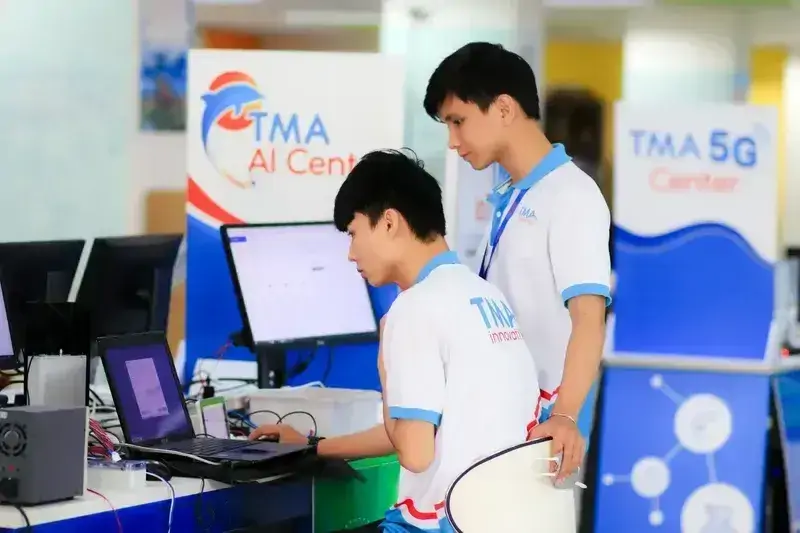
Vietnam’s growing pool of skilled data engineers is ready for global Data integration solutions from Vietnam projects.
1.2. Significant Cost-Effectiveness
Current situation: The hourly rate for software developers in Vietnam is about US$10–45/hour, with an average of US$20/hour. If working 40 hours/week, ~52 weeks/year, the annual cost is 20 × 40 × 52 = US$41,600. In North America, senior AI engineers can earn US$300,000 – 450,000/year or more.
Benefit: Vietnam’s lower outsourcing costs help businesses optimize their operational budget
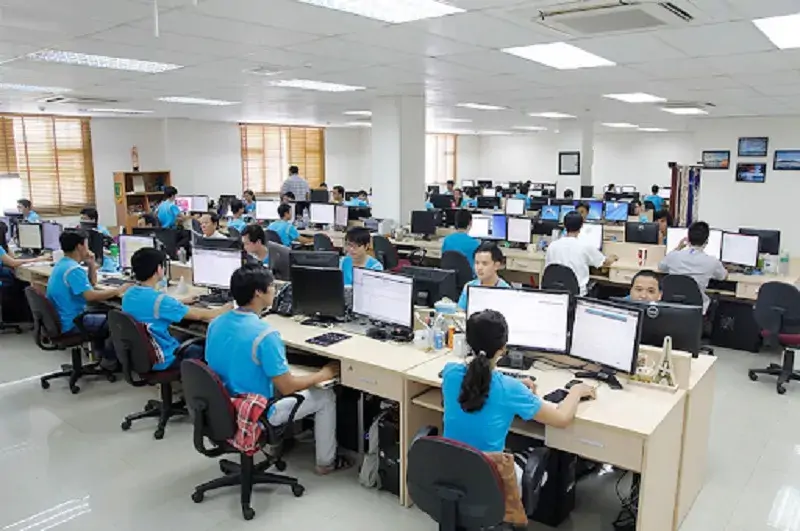
Competitive cost structure of Vietnamese tech workforce makes it an attractive outsourcing destination.
1.3. Strong Government Support & Stable Environment
Current situation: The Vietnamese government promotes digital transformation through the National AI Strategy until 2030 (Decision 127/QD-TTg) and the 2018 Cybersecurity Law, along with investment incentives in the amended Investment Law for high-tech businesses. These policies create a clear legally supporting environment for technology projects, especially in data and AI.
Benefit: Foreign companies can be confident about legal frameworks, cybersecurity, and regulatory support to maintain long-term collaboration in data integration.

Vietnam government invests in national data infrastructure through a major data development fund
1.4. High English Proficiency & Cultural Adaptability
Current situation: Vietnam continuously improves English proficiency and ranks among Asian countries with high English skills. Young engineers also have a global mindset, making it easy to adapt to Western working cultures.
Benefit: Vietnam’s strong English skills and cultural adaptability help teams communicate smoothly with international partners and reduce mistakes during collaboration.
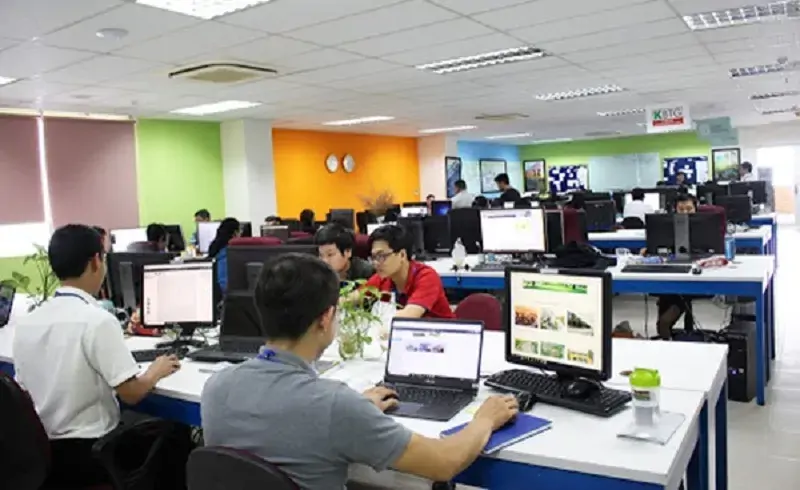
Vietnam’s tech workforce balances strong English skills with a global mindset.
2. Core Data Integration Solutions Offered by Vietnamese Companies
Here are the main services that Vietnamese companies provide in data integration.
2.1. Custom ETL/ELT Pipeline Development
Description: Build data pipelines to extract data from multiple sources, transform it according to business requirements, and load it into target systems such as data warehouses or data lakes.
Technology used: Engineers in Vietnam use Apache Airflow or Apache NiFi to orchestrate pipelines, combined with Debezium/Kafka for CDC ingestion, and Python/SQL scripts for data transformation.
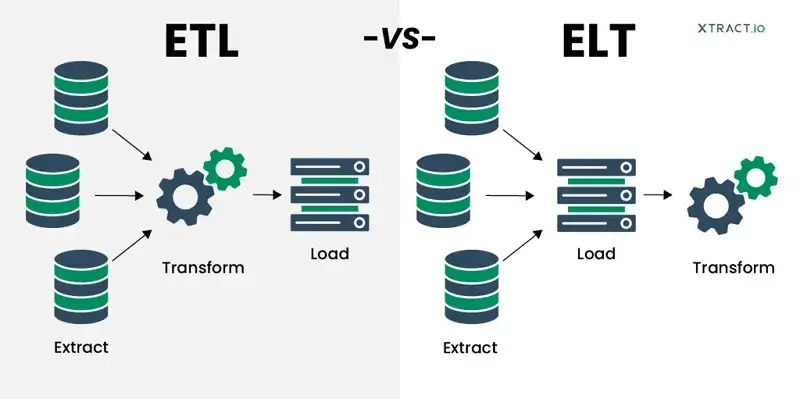
ETL/ELT pipeline development helps businesses optimize data flow and improve information processing efficiency.
2.2. Data Warehouse & Data Lake Solutions
Description: Design and implement data warehouses or lakes to store and analyze large-scale data, supporting reporting, BI, and advanced analytics.
Technology used: Vietnamese companies use platforms like Google BigQuery, Amazon Redshift, with Python/SQL for data processing and query optimization. For example, a Vietnamese provider implements a BigQuery warehouse with automated pipelines.
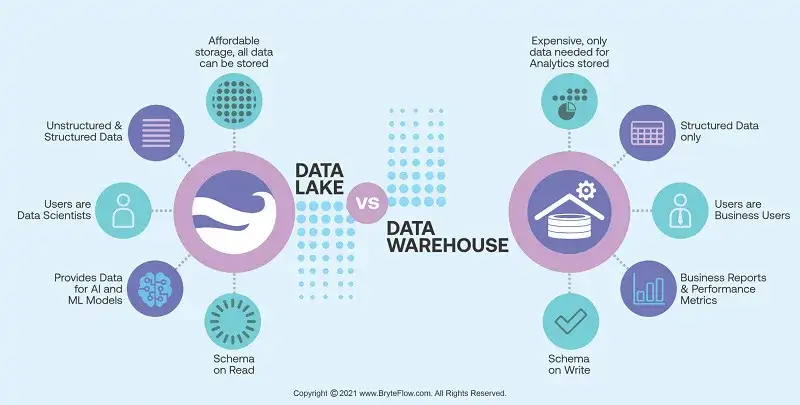
Data warehouse & data lake solutions help businesses unify data and fully leverage information value.
2.3. API Integration & Management
Description: Integrate data via APIs between systems such as CRM, ERP, web/mobile apps, and core data systems. Manage API connections, standardize data, and ensure stable and secure data flows.
Technology used: Vietnamese companies use REST API/JSON and scripts to extract/push data, combined with ETL pipelines to move data from APIs to warehouses. For example, a Vietnamese job posting mentions "design ingest pipelines from API/file/log" in a data integration environment.

API integration and management allows businesses to connect systems seamlessly, enhancing automation and data sharing.
2.4. Cloud Data Integration
Description: Provide cloud-based data integration services, from infrastructure setup, storage pipelines, multi-source data synchronization, to full data architecture design and deployment on cloud platforms.
Technology used: Vietnamese engineers work with AWS, Google Cloud, Docker, Git, CI/CD infrastructure to deploy ETL/ELT pipelines, using cloud services for storage and data processing.

Cloud data integration helps businesses synchronize, process, and use data in real time.
3. A Process for Successful Data Integration Projects
A successful data integration process should follow sequential steps to ensure data is processed accurately, efficiently, and meets business requirements.
3.1. Step 1: Planning
Main activity:
- Define the project scope and objectives.
- Develop a detailed plan for tasks, estimate resources, time, and costs required to implement the data system.
Outcome: Businesses have a clear roadmap to keep the project on track.
Planning phase led by TMA Solutions, defining project scope, goals, and required resources for Data integration solutions from Vietnam
3.2. Step 2: System Analysis
Main activity:
- Analyze the system to understand data and usage needs.
- Identify data sources, analyze structure and meaning, and set objectives for reporting, statistics, evaluation, or forecasting
Outcome: Businesses understand the entire data flow, sources, structure, and usage goals of each dataset.
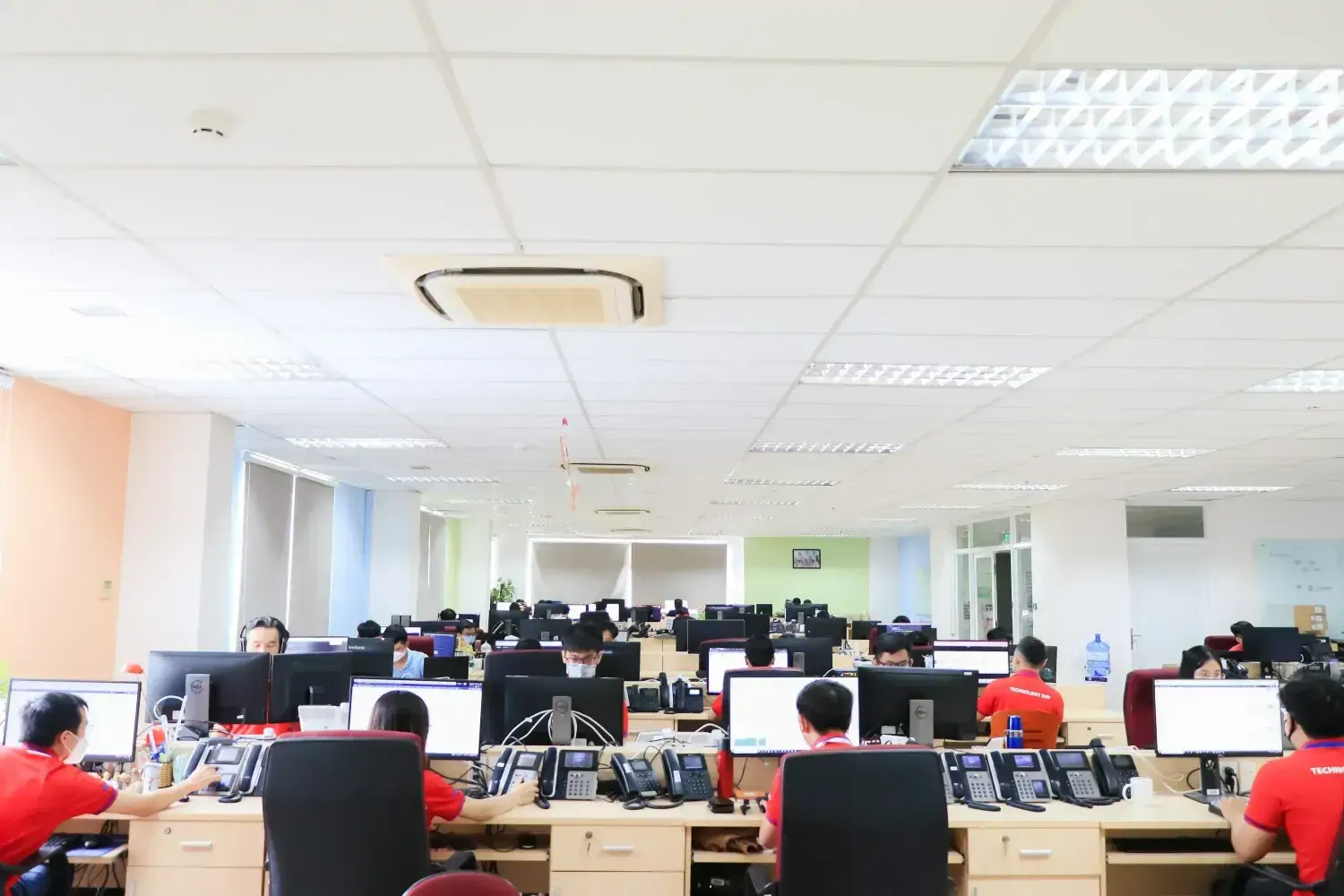
System analysis by TMA engineers to map data sources, flows, and business requirements.
3.3. Step 3: Updating Data Design
Main activity:
- Based on system analysis, focus on designing or updating the data model. Build or adjust data diagrams, processing workflows, and data paths to ensure correct flow and transformation.
- Design reports, charts, and forecasting tables as per business requirements.
Outcome: Businesses receive an optimized data model that ensures storage, flow, and processing efficiency.
TMA updates the data design with optimized models, diagrams, and transformation workflows
3.4. Step 4: Data Collection & Processing
Main activity:
- Build and operate the data collection system.
- Collect, process, clean, and standardize data from multiple sources through automated workflows.
Outcome: Businesses have an automated, stable, and unified data collection and processing system. Data is continuously updated, duplicates and errors removed, improving report and analysis reliability.
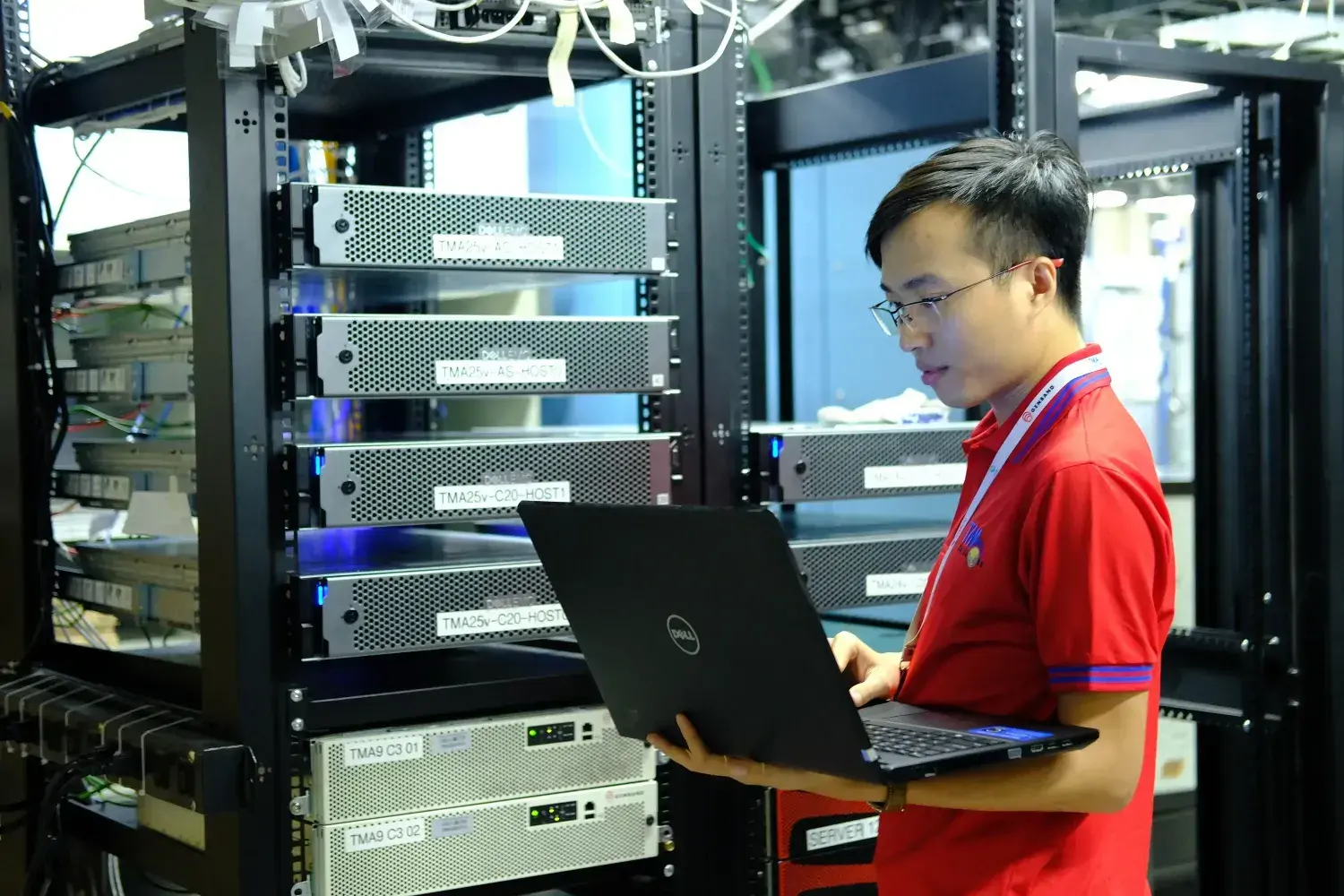
Data collection and processing stage handled by TMA, ensuring clean and normalized data
3.5. Step 5: Testing and Integration
Main activity:
- Test the system thoroughly to ensure all components work as expected.
- Integrate applications, tools, and data modules into the overall system.
Outcome: Businesses have a seamless, high-performance system with compatibility across platforms, applications, and databases.
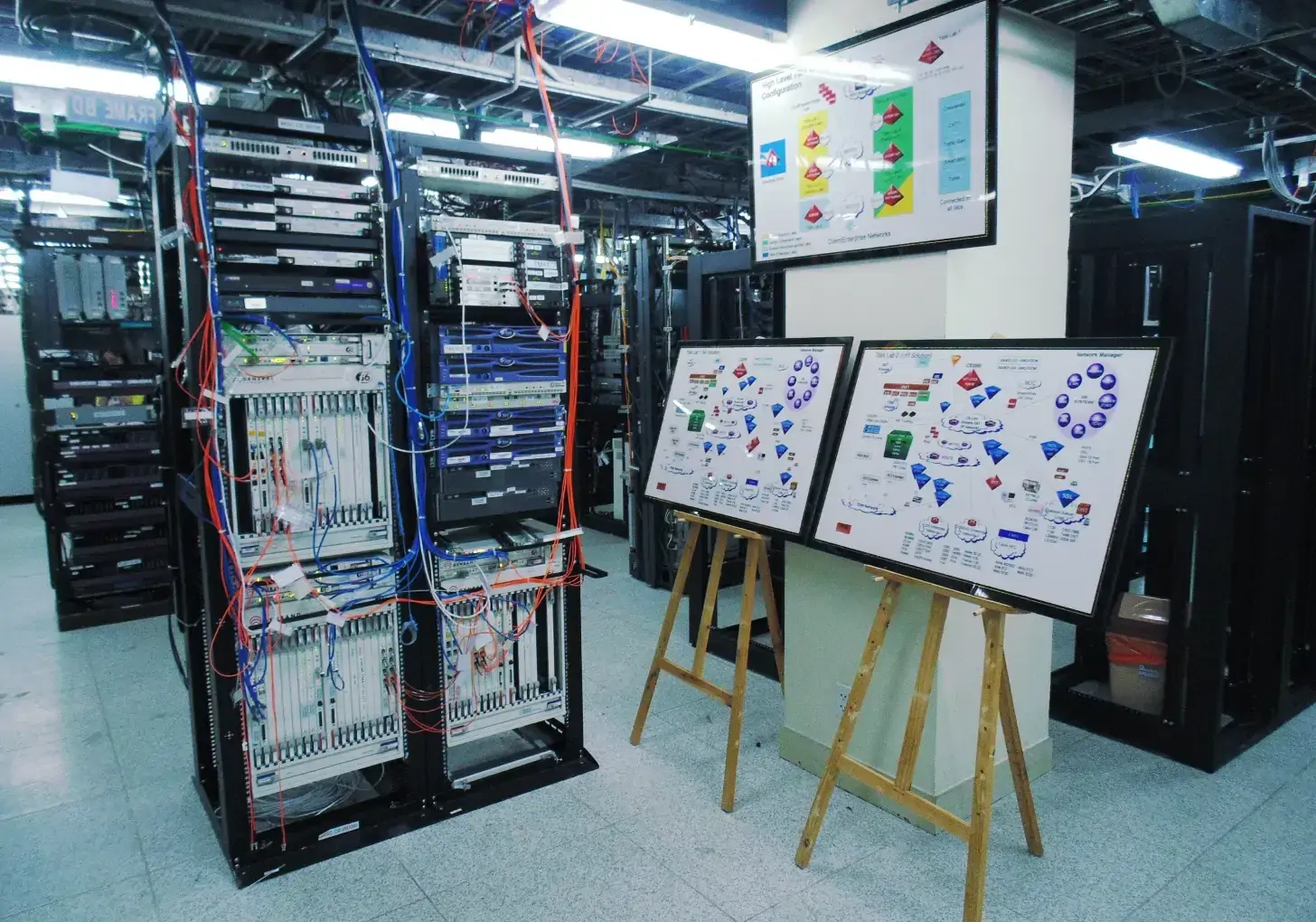
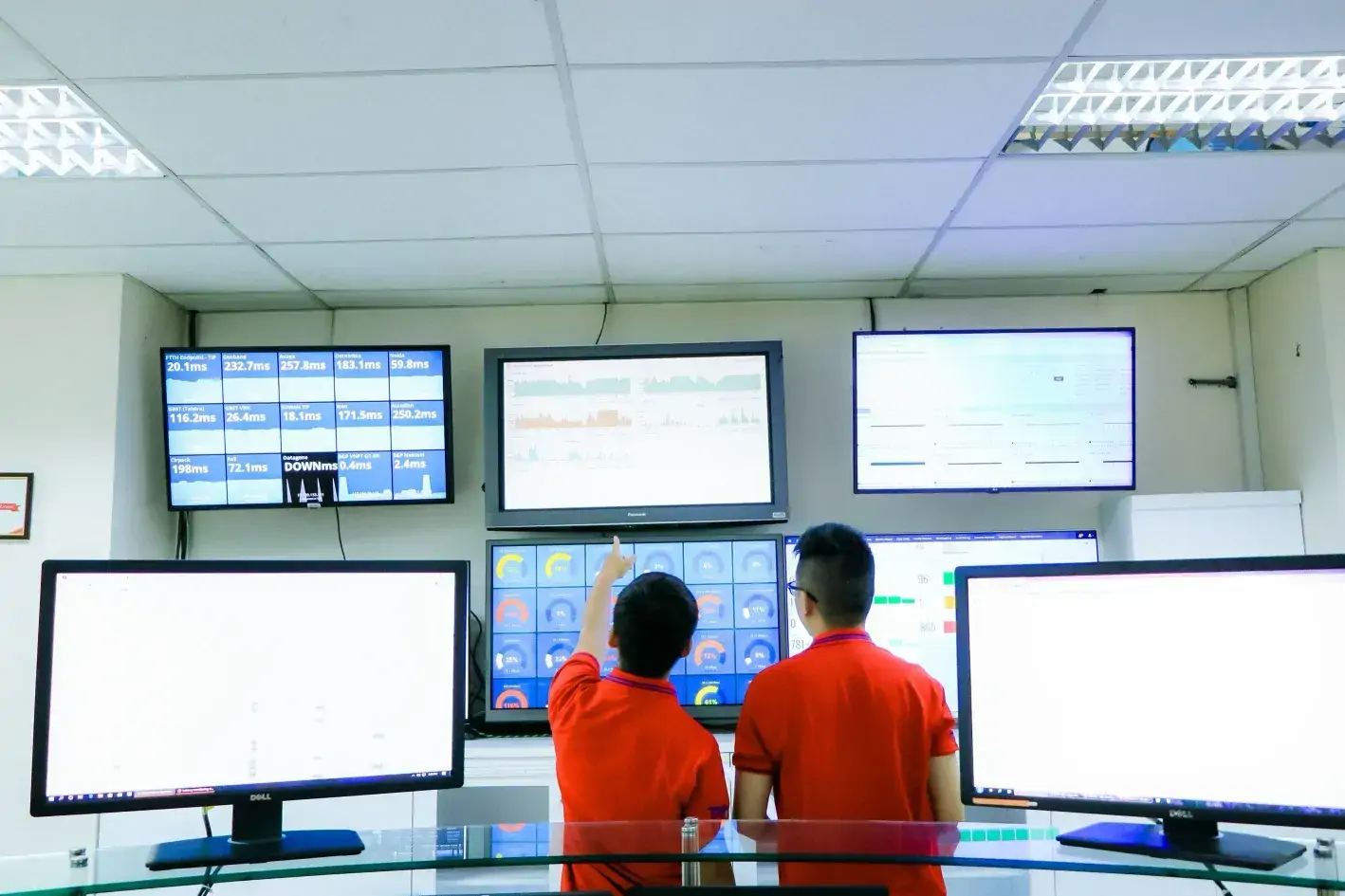
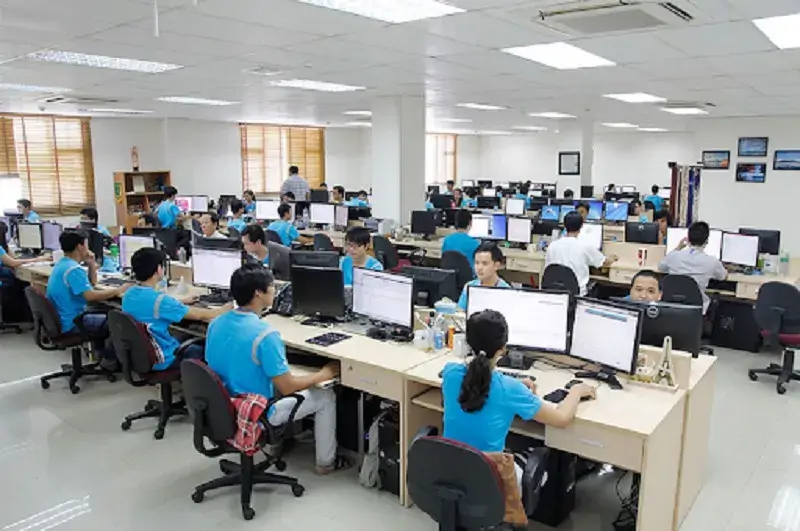
TMA Solutions engineers monitoring system screens and performing integration checks in a data center environment.
3.6. Step 6: Maintaining Operation
Main activity: TMA is fully responsible for system maintenance and optimization. TMA’s technical team monitors performance, handles issues, and ensures stability. They regularly update versions, apply security patches, and upgrade features or AI models to meet changing business needs.
Outcome: Businesses enjoy long-term, stable, and flexible operation. With TMA, the system is maintained, updated, and upgraded regularly to maintain optimal data performance and quality throughout the project lifecycle.
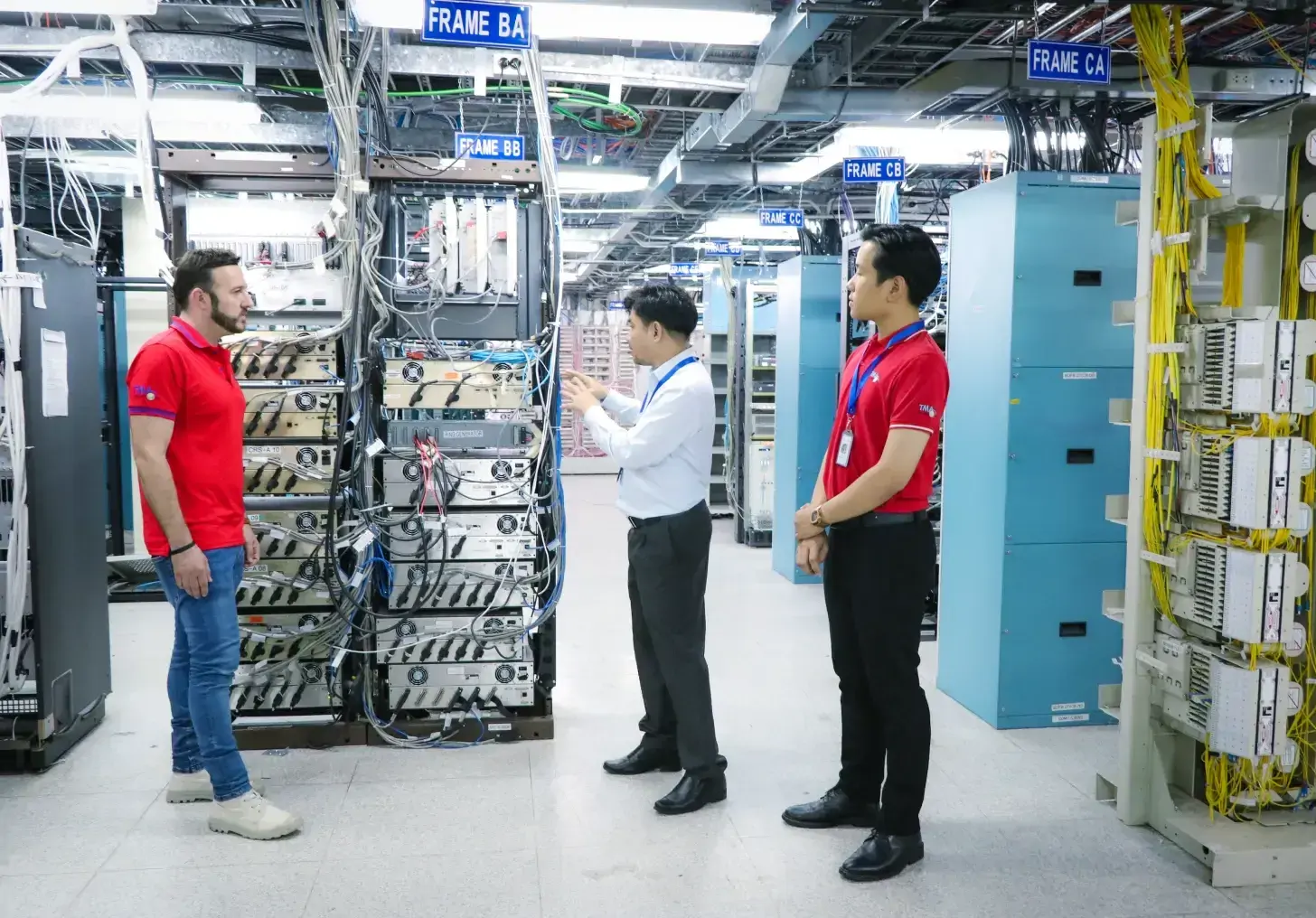
TMA’s team monitors and maintains the system to ensure stable operations for Data integration solutions from Vietnam .
4. Successful Data Integration Case Studies from Vietnam
Here are some representative case studies by TMA Solutions, showing technical capability, implementation experience, and practical value for businesses.
4.1. Semantic Search & Chat Engine for Enhanced Data Ingestion and Integration
Problem/Challenge: The client had multiple data sources, including product knowledge, technical support, and personalized data, but faced difficulties in synchronizing and connecting these sources. The existing system could not handle large, diverse datasets, causing slow, fragmented, and inaccurate search and support.
Solution: TMA Solutions developed a Semantic Search & Chat Engine using AI/ML and NLP to automatically extract, standardize, and connect data from multiple formats. The system allows natural language search, understands query context, and provides accurate results while also optimizing data ingestion and integration processes across the system.
Benefit/Result: The solution speeds up and improves information retrieval accuracy, reduces manual processing, and increases analyst efficiency. Data is standardized, easily accessible, and more usable, improving user experience through intelligent, seamless search.
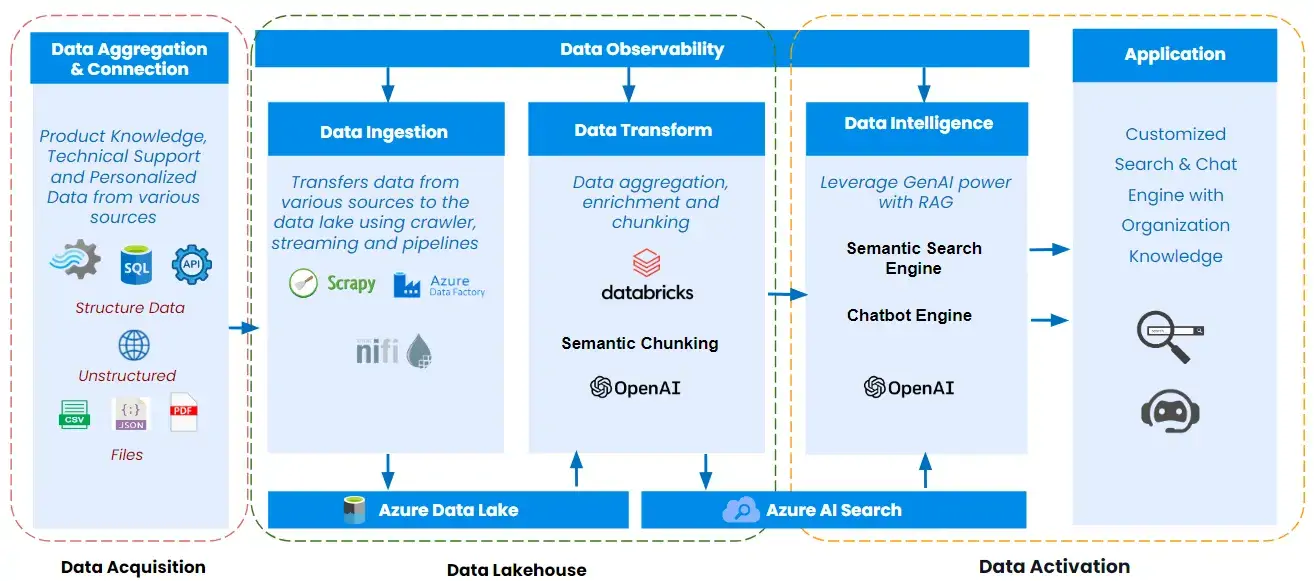
Implementation Process of the Semantic Search & Chat Engine by the TMA Solutions Team
4.2. Optimizing Data with Azure: Dynamic Integration, Legacy Migration, and Advanced Visualization
Problem/Challenge: The business had many legacy systems on different platforms, leading to scattered data, difficult synchronization, and interruptions in analysis. Each source had different formats, structures, and update schedules, making data consolidation, cleaning, and reporting time-consuming and risky.
Solution: TMA Solutions implemented the project Optimizing Data with Microsoft Azure, building ETL pipelines and automating data ingestion from legacy systems and other sources, processing, cleaning, and transforming data, then storing it centrally. The new system integrates with Power BI for real-time data visualization, allowing leadership and business units to access reports and dashboards from a unified platform.
Benefit/Result: The system unifies data from multiple sources, shortens reporting time, improves strategic analysis, and allows leaders to make faster and more accurate decisions.
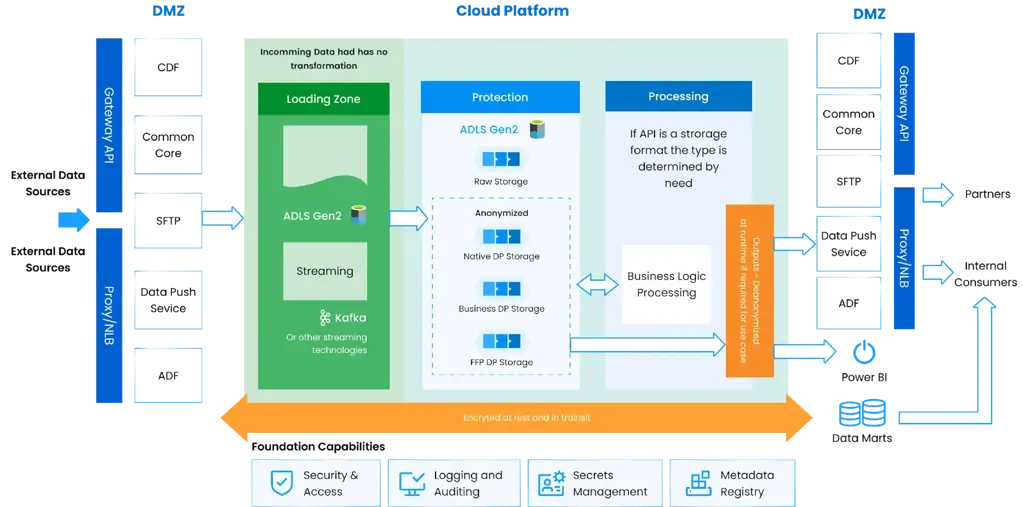
System Development Model for Optimizing Data with Azure
4.3. Optimizing Data Workflows on AWS: Integration, Processing, and Automation Strategies
Problem/Challenge: The client wanted to modernize their data workflows. The current system managed large data from multiple sources (candidate profiles, recruitment interactions, HR data) but had slow processing, high AWS operational costs, and limited automation.
Solution: TMA implemented a Serverless architecture using AWS services such as Lambda, S3, and Glue to automate ingest, process, and transform data. TMA also built a real-time performance monitoring system to track resources, detect bottlenecks, and optimize costs. This architecture reduces manual coding and leverages AWS scalability.
Benefit/Result: The solution reduces infrastructure costs by 30%, triples data processing speed, and ensures high stability for automated workflows, improving operational efficiency and system scalability.
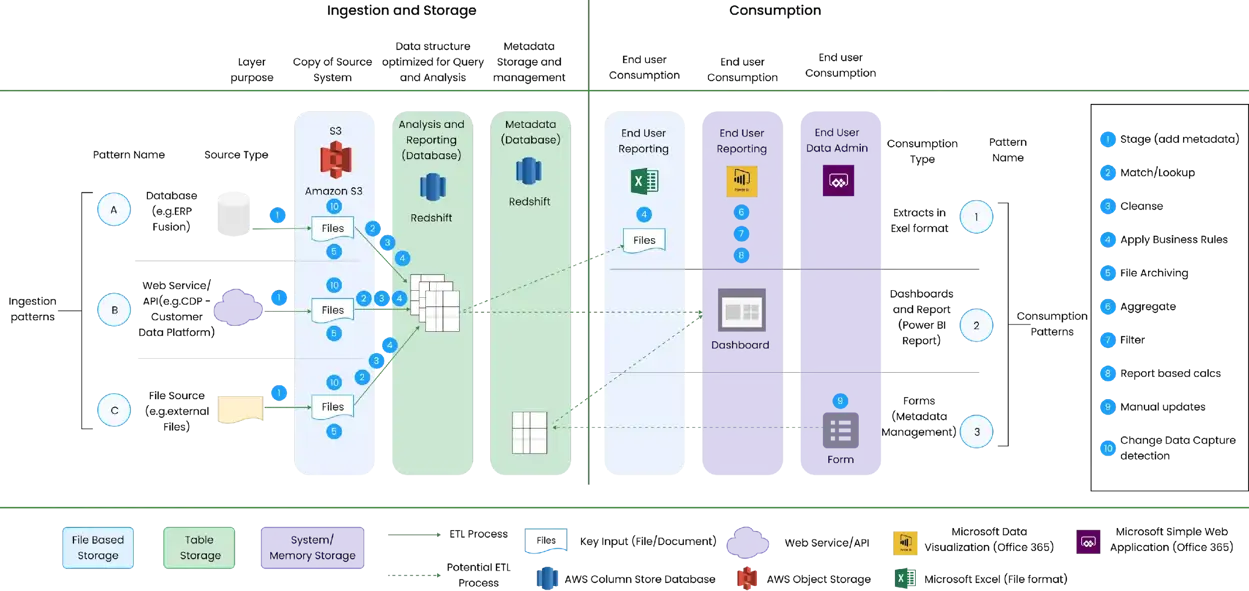
Implementation Process of Serverless Architecture Combined with AWS Services by TMA Solutions
4.4. Optimized E-commerce and Marketing Integration for Data Management and Synchronization
Problem/Challenge: E-commerce businesses faced difficulties synchronizing customer and marketing campaign data across multiple platforms (CRM, email, social media). Data was fragmented, delayed, or inconsistent, hindering customer behavior analysis and campaign tracking.
Solution: TMA developed a Data Integration & Synchronization system connecting CRM with email and social media, setting up pipelines to transfer data, standardize formats, and synchronize customer and marketing campaign records so each change updates the central system immediately.
Benefit/Result: The solution maintains consistent data, enhances marketing personalization, improves customer behavior analysis, and significantly increases conversion rates.
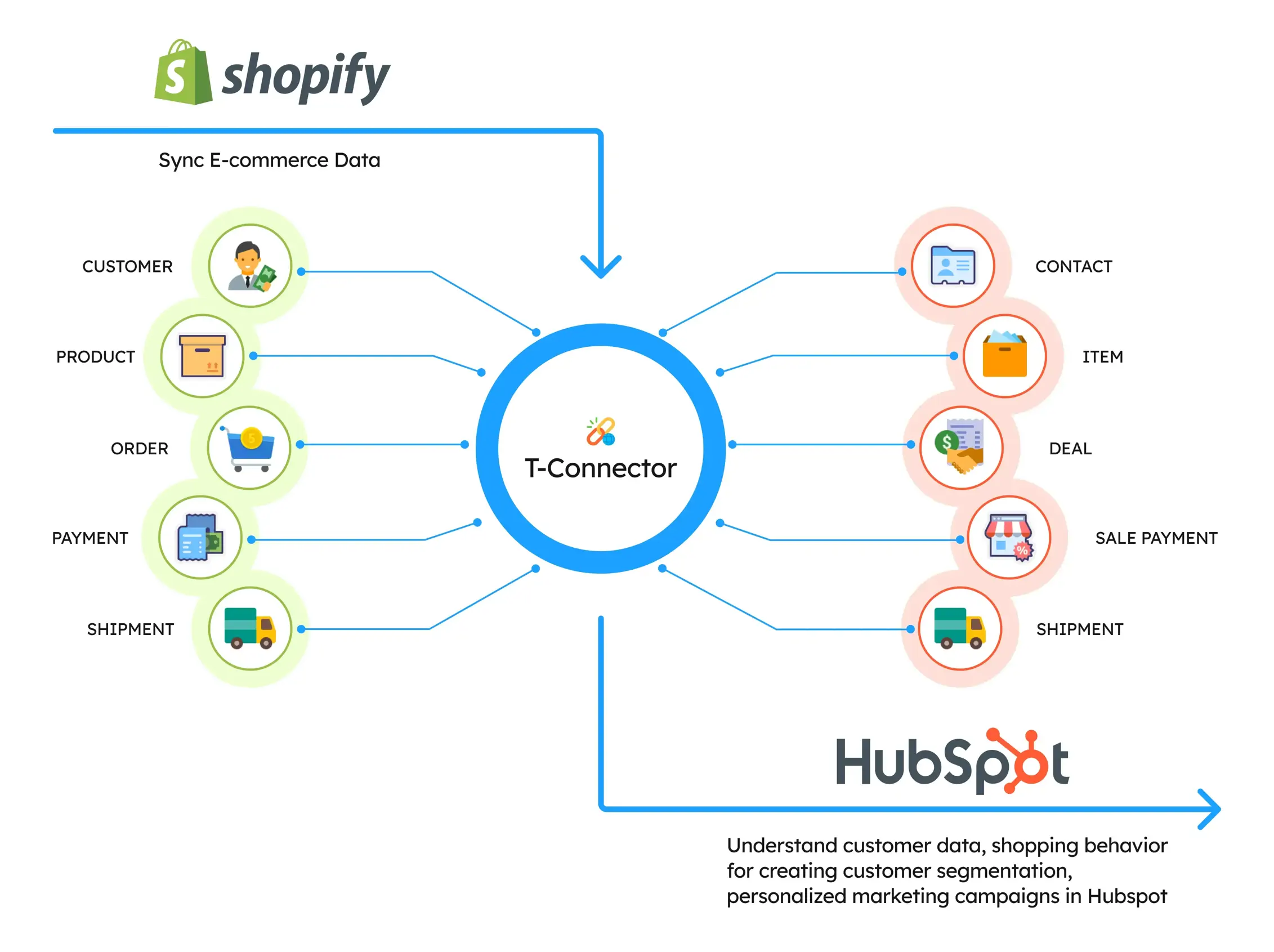
Data Integration & Synchronization System Implemented by TMA Solutions
4.5. Centralized Data Platform for Dynamic Segmentation and Personalized Marketing
Problem/Challenge: The client struggled to manage user data scattered across multiple systems and channels, lacking a full view of customers.
Solution: TMA built a Centralized Data Platform to collect data from CRM systems, digital interactions, and user behavior, then applied machine learning to dynamically segment users. The platform updates and classifies users in real time, supporting personalized marketing campaigns.
Benefit/Result: Businesses can quickly segment users based on current behavior and changing conditions, improving targeting accuracy and marketing campaign effectiveness.
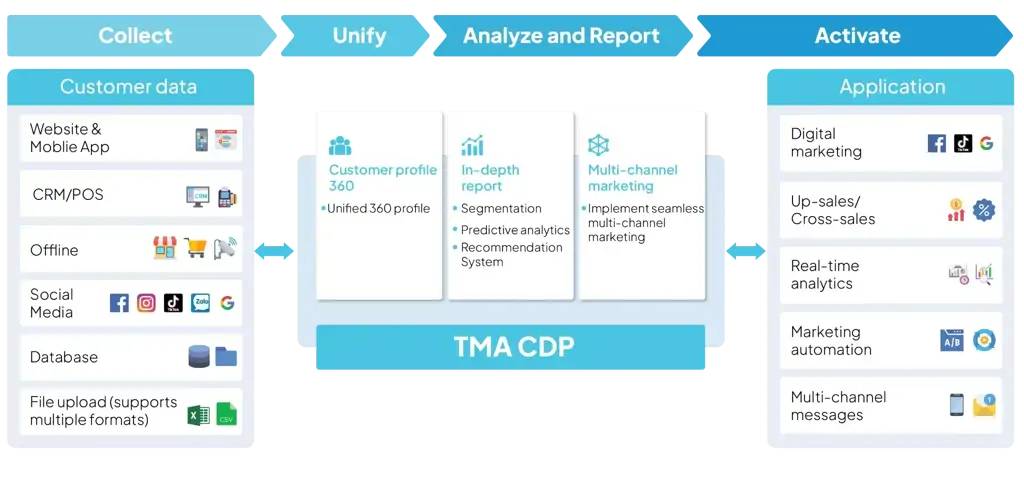
TMA Solutions Builds a Centralized Data Platform for Dynamic Segmentation and Personalized Marketing
5. How to Choose Your Data Integration Partner in Vietnam
To select a suitable partner for optimal data integration, businesses should consider four key criteria:
5.1. Verify technical proficiency in your required tech stack
A data integration project succeeds only if the team has deep knowledge of the technologies you use. If the partner is not skilled in SQL, Python, Spark, or integration tools like AWS, Azure, Snowflake, there is a high risk of compatibility issues, processing errors, and data loss.
Businesses should ask partners to present core technologies, implementation processes, or conduct a Proof of Concept (POC) to verify real capabilities.
5.2. Check for international certifications (e.g., ISO 27001, CMMI)
International certifications show compliance with security and quality management standards. Partners with ISO 27001 (information security) or CMMI (software development process) certifications often have standardized operations, good risk control, and data integrity assurance.
Businesses should verify that partners provide international certifications to ensure that they follow data safety standards and therefore minimizing collaboration risks.
5.3. Assess project management & communication protocols
Data integration projects involve multiple parties, phases, and large data volumes. Partners using professional tools like Jira, Asana, or Slack show clear, transparent processes and can coordinate smoothly across time zones and languages. Businesses should select partners with clear project management and professional communication tools to ensure that all stages of the collaboration is well-organized.
5.4. Review past projects and client references
Practical experience is the best proof of a partner’s capability. Reviewing past projects and client feedback helps businesses understand how the partner solves similar data problems. Partners with diverse portfolios and positive international client feedback often show quick adaptability, industry understanding, and consistent output quality.
Businesses should prioritize partners with rich portfolios and strong client reviews to ensure real-world capability and output quality.
6. Why TMA Solutions is a Leading Data Integration Partner in Vietnam
With over 28 years of experience, TMA Solutions is a pioneer in data integration in Vietnam. Its team of over 4,000 engineers in 7 countries ensures strong implementation capacity for large-scale and technically complex projects.
Key advantages of TMA Solutions:
- Extensive international experience: We have collaborated with clients from the US, Canada, Japan, Australia, and Europe, understanding global standards in project management and data security.
- International-standard quality management: Our certifications include CMMI Level 5, ISO 9001:2015, ISO/IEC 27001:2013, showing strict control from design to deployment.
- Comprehensive technical capability: Our engineers are skilled in various AI technologies like Machine Learning, Computer Vision, Natural Language Processing, and operations on top cloud platforms like AWS, Azure, Google Cloud.
- Flexible solutions and cost optimization: We can provide industry-specific customized services that optimizesperformance, reduces costs, and shortens deployment time.
Awards and achievements: Recognized by VINASA in Top 10 Software Outsourcing & IT Services Enterprises, Top 10 Fintech Enterprises, Top 10 AI & IoT Enterprises at Vietnam IT Enterprises Awards 2022, and included in Vietnam’s Top 10 Digital Technology Companies 2024.
Technology Engineering Team of TMA Solutions
7. FAQs About Outsourcing Data Integration to Vietnam
1 - What is the average hourly rate for a data engineer in Vietnam?
Market reports show that data engineer rates in Vietnam range from US$14–45/hour depending on experience and project complexity. This rate is much lower than in North America or Europe but maintains technical skills and output quality. This allows international businesses to optimize budget while maintaining high performance in data integration projects.
2- How do you handle time zone differences?
Vietnam is in GMT+7, a few hours ahead of North America or Europe. Most Vietnamese tech companies are used to working across time zones using project management and communication tools like Jira, Trello, Slack, or Microsoft Teams. This keeps progress continuous, allows overnight work, and ensures technical teams respond quickly within client time frames.
3 - How is the intellectual property (IP) and data security protected?
Vietnam is strengthening data security laws with Decree 13/2023/ND-CP and the Personal Data Protection Law effective from 2026. Many tech companies have international certifications such as ISO/IEC 27001 and enforce strict intellectual property agreements.
4 - Can Vietnamese companies handle large-scale, enterprise-level projects?
With solid technical capability and large engineering teams, Vietnamese tech companies can successfully implement enterprise-level data integration projects. Many have collaborated with partners in the US, Europe, Japan, or Singapore on AI, cloud data platforms, and complex analytics projects.
Data integration solutions from Vietnam demonstrate strong competitiveness with high-quality engineers, optimized costs, and flexibility across industries. TMA Solutions is a pioneer, providing comprehensive data integration solutions – from architecture consulting, development, to operation and system security.
>> If your business is looking for an experienced partner to realize your data strategy, contact TMA Solutions for advice and a tailored solution.
Contact information:


.webp_2026-10-01-18-27-07-971.webp)
.webp_2026-10-01-18-17-11-290.webp)
.webp_2026-10-01-18-08-26-854.webp)
.webp_2026-10-01-17-47-32-240.webp)