As businesses scale, manual management becomes increasingly inefficient. Business mobile apps offer a solution by streamlining processes and aligning operations. However, developing these apps requires addressing unique challenges, including complex integrations, robust security, and extensive database management. This guide will delve into the essential enterprise mobile app development features and development strategies to ensure the success of your enterprise mobile app in 2024. Let's get started!
Benefits of developing an enterprise mobile app
The primary driver for developing an enterprise app is to improve operational efficiency. However, the specific motivations can vary depending on the unique needs of each business. Below are key reasons why businesses choose to invest in enterprise apps.
Enhance operational efficiency
As your business expands, managing its operations can become overwhelming. Inefficient processes can lead to errors, financial setbacks, and delays in payments or deliveries. An enterprise app provides real-time insights into your operations, helping identify and eliminate inefficiencies that may be slowing down your business growth.

Boost revenue potential
Improved internal processes directly contribute to increased revenue. By optimizing workflows and reducing time spent on manual tasks, you can serve a larger client base more efficiently. Streamlined operations allow your team to focus on growth, ultimately leading to higher profitability.
Reduce financial risks
Tracking every process within your organization is key to reducing unnecessary costs. An enterprise app helps monitor resources, identify where efforts are not yielding results, and prevent wasteful spending. This level of control ensures that your business operates as cost-effectively as possible.
Streamline payment management
As your business expands, managing payment transactions becomes more challenging. Enterprise apps offer robust solutions for tracking payments, setting deadlines, sending notifications, and managing different payment methods. This not only simplifies transaction management but also ensures that all financial processes align with your business goals.

Automate core business workflows
Manual processes, such as paperwork or routine administrative tasks, can slow down business operations. Enterprise software is capable of performing automatic processes. These tasks include marketing campaigns the processing of data, and monitoring of transactions. The automatic process not only reduces manual effort but also ensures that your business runs smoothly, freeing up time for strategic decision-making.
Key types of enterprise software applications
The realm of enterprise software encompasses a diverse array of applications, each tailored to address specific business needs. While the exact range varies across industries, here are some of the most commonly developed enterprise applications.
Management-focused apps
Management apps are a critical category of enterprise software, designed to organize and streamline various business operations. These apps provide a comprehensive platform for managing different functions, enhancing overall efficiency. Here are the primary types of management enterprise apps and their roles in business:
Enterprise Resource Planning (ERP) apps: ERP apps consolidate key functions, including planning, sales, marketing, and inventory management, into a single platform. By consolidating operations, these apps improve efficiency, resource allocation, and decision-making.
HR management apps: HR apps automate tasks such as recruitment, payroll, and performance management, enabling HR departments to focus on strategic initiatives. These apps also enhance employee engagement and streamline administrative tasks.
Business management apps: Workflow apps optimize internal processes by automating tasks, improving collaboration, and reducing bottlenecks. They help businesses increase productivity and adapt to changing needs through tailored solutions.

Team collaboration apps
This app is essential for enhancing communication and coordination within businesses. These apps allow teams to stay connected, synchronized, and agile, regardless of location. Their browser-based flexibility and real-time features support efficient project management and communication.
Key types of collaborative teamwork apps:
Client Relationship Management (CRM): CRMs help businesses manage client interactions, track leads, and build stronger relationships by organizing communication with existing and potential clients.
Content Management Systems (CMS): CMS apps enable teams to create, edit, and manage digital content, streamlining workflows and ensuring easy access to up-to-date assets.
Analytics and reporting apps
Analytic software applications like PowerBI are essential tools that help businesses transform raw data into actionable insights. By reading, processing, and analyzing large amounts of data, these tools provide valuable information that supports decision-making and strategic planning.
These applications allow businesses to make informed decisions by offering real-time insights and automating complex data analysis processes. They also help identify trends and opportunities for growth, enabling companies to optimize their operations and improve performance.

Data storage apps
Storage enterprise apps are crucial for businesses to systematize and securely store their content. These tools help organize and retain data according to company standards, ensuring it is easily accessible and safeguarded.
By offering a structured approach to managing digital assets, storage apps help businesses maintain efficiency, ensure compliance, and provide reliable access to important information whenever needed.
Essential features for enterprise apps
Enterprise applications are indeed complex beasts, juggling a myriad of features, integrations, and processes. This complexity can make synchronization a daunting challenge. To ensure smooth operations and prevent conflicts, partnering with a leading mobile app company in Vietnam can provide the expertise and support needed to address these challenges effectively. By carefully considering key factors like system compatibility, integration strategies, and user-centric design, you can streamline your enterprise application development and ensure success.
Robust database systems
Enterprise apps require robust databases to manage user data securely and efficiently. These databases store critical information on people, assets, and goods, ensuring scalability and security as data grows.
For business use, extensive databases ensure consistent, real-time data access across devices without lag, providing a reliable foundation for smooth operations and informed decision-making.
Flexible user role management
Enterprise apps require multiple user roles to manage data access securely. This feature ensures that each user group only sees information relevant to their role. For example, a delivery partner can view orders and client details but not sensitive company data like finances.
User permissions help protect critical information and streamline workflows, making them essential for enterprise apps.

Third-party integrations
Enterprise apps benefit greatly from third-party integrations, allowing them to connect with established tools like Jira for task management and Google Docs for editing. These integrations provide essential functions and streamline workflows. This enhances productivity within a single app and becomes a critical feature of enterprise solutions.
Real-time data insights
Real-time analytics is vital for smooth collaboration, especially with remote teams. This feature ensures data updates instantly, keeping everyone aligned and avoiding processing delays. For businesses, real-time data insights can support quick decisions and efficient teamwork, making it a critical feature for any enterprise app.

Integrated instant messaging
Instant messaging in enterprise apps enables smooth communication and collaboration among employees. It facilitates quick information sharing and keeps a record of changes, improving productivity and accountability. This feature is essential for effective teamwork and streamlined workflows in any enterprise app.
Best practices for enterprise app development
Enterprise applications are indeed complex beasts, juggling a myriad of features, integrations, and processes. This complexity can make synchronization a daunting challenge. To ensure smooth operations and prevent conflicts, you must carefully consider several key factors.
Aligning processes
Enterprise apps are tailored to meet a business’s unique needs, often requiring custom solutions that standard apps don't provide. For example, rather than using a generic admin panel, enterprise apps may need a custom-built platform to integrate complex workflows. Aligning app features with business goals ensures the app effectively supports and enhances key operations.
Addressing security concerns
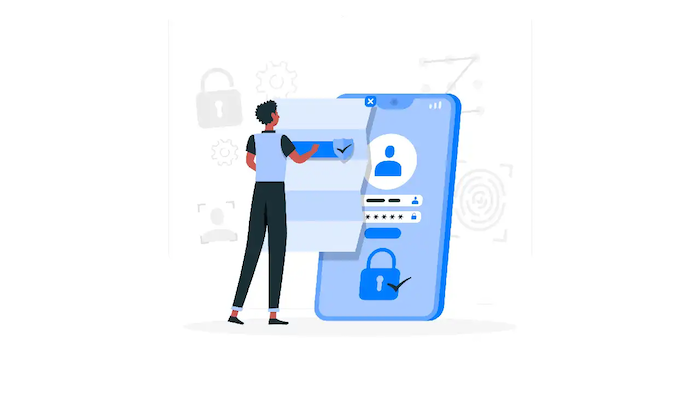
In enterprise app development, robust security is essential to protect sensitive data and maintain corporate reputation. Given that enterprise apps are closely tied to databases, they face heightened risks of cyber intrusions, making high-security standards a cornerstone of development.
Key security mechanisms include:
Authentication controls: Multi-factor authentication (2FA) is a security measure that requires two forms of verification, such as a password and a security code. This additional layer of protection enhances user security.
Permission-based access: This method grants data access only to authorized accounts, tracking activity by account and device to ensure all operations are securely attributed.
Safe key storage: Storing access keys securely prevents unauthorized entry. While digital storage is effective, secure physical storage as a backup can provide extra protection.

Standing out among simplified solutions
To compete with tools like Excel and Google Sheets, an enterprise app must offer more than basic functionality. By introducing unique features or targeting niche needs, the app can deliver greater value, setting it apart as an essential, competitive tool for the organization.
Adapting to market and technology shifts
Enterprise apps must be flexible to handle unexpected challenges and adapt to evolving market and technology shifts. This adaptability ensures the app remains relevant and effective, supporting the organization’s growth in a dynamic environment.
8 phases of enterprise mobile app development
When building mobile apps for business purposes, you can anticipate the process will align closely with the typical software development lifecycle. The overarching steps in the development process remain consistent across projects. However, the specific features, tools, and technologies used can vary significantly to each app’s development journey.
Strategic planning and research
Effective enterprise mobile app development begins with strategic planning and research. Defining your expectations for the app and identifying must-have versus nice-to-have features are essential steps to guide the development process and prioritize critical functions.
Gather insights through employee surveys, deep research, or brainstorming sessions. These insights will help you understand the app's purpose, target users, and essential features. Answering these fundamental questions will help you define a clear roadmap for your app's development. This roadmap will ensure that the app aligns with your organization's goals and requirements.
Technical feasibility assessment
After initial planning, assessing the technical feasibility of your enterprise mobile app is essential. Evaluate whether the app can integrate with your existing back-end systems, which are often costly and complex to modify. Ensuring compatibility with current infrastructure avoids unexpected costs and technical challenges later in development.
While third-party cloud infrastructure might seem like a quick solution, it may lack the reliability and control that in-house resources provide.
Prototyping and validation
Development teams collaborate to create wireframes and prototypes. This process provides a visual representation of the solution, allowing stakeholders to see its layout and functionality early on.
Additionally, developing a basic MVP (Minimum Viable Product) enables testing of core features, ensuring they meet user expectations and align with business goals. This phase is crucial for refining the app’s design and functionality before moving forward in development.
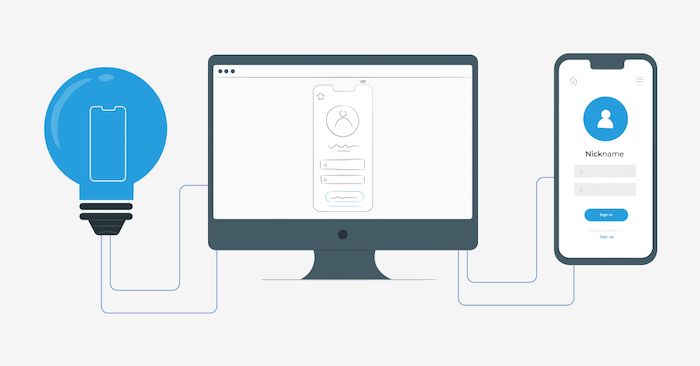
UI/UX Design Implementation
UI/UX design is a critical phase in enterprise app development, as it directly impacts usability and the overall user experience. Conducting thorough user research and testing different design approaches helps create an intuitive and appealing interface, ensuring the app is both functional and enjoyable to use.
By prioritizing virtual app design, businesses can enhance user satisfaction and encourage adoption, making this stage essential for a successful enterprise app.
Development and Coding
The development phase is one of the most time-intensive stages in enterprise app creation. During the development phase, software engineers establish the app's backend infrastructure. Steps involve setting up databases, APIs, and servers to support the app's functionality.
Unlike startup app development, which often prioritizes speed, enterprise solutions require a careful, methodical approach to ensure reliable, scalable apps with long-term performance. This phase is essential for delivering a robust app that meets the complex needs of the organization.

Rigorous Quality Assurance
Quality assurance (QA) is a critical phase in enterprise app development, ensuring the software meets high standards of functionality and reliability. Depending on the development methodology, QA engineers often test the app at each stage, identifying and addressing bugs and errors early.
They also assess usability, performance, and user-friendliness to ensure a seamless experience. Rigorous QA safeguards the final product's quality, delivering a polished and reliable app to meet organizational needs.
Deployment to Production
Once the app passes all QA checks, it can be deployed. This phase involves launching all necessary servers and making the app accessible to employees for use.
For convenience, the app is often published on platforms like the Play Store or App Store, though some companies may opt to distribute it internally. Successful deployment marks the transition of the app from development to practical application within the organization.

Ongoing Maintenance and Updates
An enterprise app requires continuous monitoring and updates to ensure it operates smoothly and adapts to evolving business needs. Regular maintenance helps identify and resolve issues promptly, optimize performance, and implement enhancements as demand grows.
Collaborating with a development team ensures the app remains efficient, secure, and aligned with organizational goals. The ongoing support phase is crucial for long-term success.
Tech trends revolutionizing enterprise apps
In recent years, several key technologies have significantly influenced enterprise mobile app development, shaping how businesses operate and deliver value. Below are four technologies that have had a profound impact on this domain:
Microservices architecture
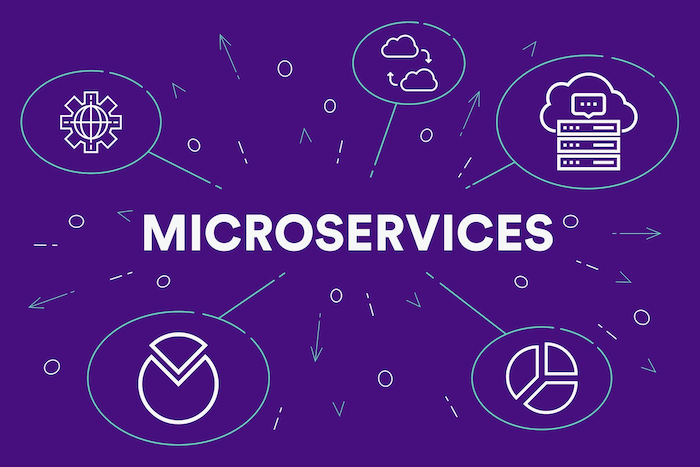
Microservices architecture refers to structuring an application as a collection of small, independent services. Each service is self-contained, can be built using different technologies, and operates independently, often with its own admin panel.
This modular approach speeds up development by allowing teams to work on different services simultaneously. Additionally, it enhances the overall reliability and security of the system, as issues in one service do not necessarily affect the entire application.
Cloud-based services
Historically, enterprise apps were hosted on internal company servers, often limiting scalability and increasing operational costs. However, cloud-based services have revolutionized this space by offering more affordable, flexible, and scalable solutions.
These services reduce upfront infrastructure investments and make enterprise apps more accessible to businesses of all sizes, particularly small and medium-sized enterprises (SMEs). With cloud technology, businesses can easily scale their applications, access data remotely, and ensure continuity with minimal downtime.
Big data integration
Big data refers to the massive volumes of structured and unstructured data generated daily. As businesses grapple with this data deluge, the need for sophisticated enterprise applications to manage, analyze, and extract insights becomes increasingly critical. While the availability of data is expanding rapidly, the challenge lies in effectively organizing and processing this information to unlock its full potential.
Enterprise big data applications help companies systematize large data sets, making it easier to link, match, and analyze information. This streamlines business processes, reduces bottlenecks, and supports faster, data-driven decision-making.

Artificial Intelligence (AI) and Machine Learning (ML)
AI and ML have revolutionized enterprise app development by introducing automation, advanced analytics, and personalized client experiences. The vast growth in enterprise data allows companies to harness the power of AI and ML for predictive analytics, process optimization, and enhanced client service.
AI-powered apps can analyze patterns in data to provide valuable business insights, automate routine tasks, and offer personalized recommendations. This enables businesses to stay competitive and improve operational efficiency.
Estimating the cost of enterprise mobile app development
How much does it cost to develop a mobile app? The average cost to develop an enterprise mobile app ranges from $200,000 to $500,000, based on factors such as:
Complexity and features: Apps with advanced features and integrations will generally require a larger budget.
Platform: Developing a native app for each major enterprise mobile app development platform (iOS, Android) tends to be more costly than cross-platform solutions. Selecting the right platform impacts both cost and app reach.
Development team: The expertise and location of the development team also influence costs, with experienced developers and reputable firms often commanding higher rates.
Design requirements: Custom, high-quality user interfaces add to expenses.
Maintenance and support: Ongoing maintenance is an additional cost to keep the app updated and functional.
Careful planning is essential to control expenses, ensuring that the app includes necessary features while avoiding excessive spending on non-essential ones. This approach helps optimize your budget and deliver a tailored, cost-effective solution for your organization
Common challenges in developing enterprise mobile apps
The demand for enterprise mobile app development is rising as they transform traditional business processes. However, developing these apps comes with unique challenges, including:
Insufficient resources: Limited budgets and time constraints can hinder effective development.
Slow technological development: Rapid technological changes make it challenging to keep the app up-to-date and competitive.
Integrating back-end resources: Ensuring seamless integration with existing back-end systems requires significant expertise.
Device breakdown: Handling potential device compatibility issues ensures the app functions reliably across devices.
Security: Protecting sensitive data is crucial, making robust security protocols essential.
Choosing the right team for enterprise app development success
Finding reliable mobile app development partners is crucial to the success of your enterprise app, whether for iOS or Android. To ensure you find the best-fit team, consider these essential factors:
Portfolio: Review their previous projects to assess the quality and relevance of their work.
References: Request and follow up on references to gauge client satisfaction.
Development process: Understand their approach to project management and development to ensure it aligns with your needs.
Pricing: Evaluate their pricing structure to find a balance between cost and quality.
Technical expertise: Confirm that the team has the necessary skills and experience for complex enterprise app development.
These steps will help you choose a reliable, skilled team, setting a strong foundation for your enterprise app’s success.
TMA Solutions is a leading provider of enterprise mobile application development services. With extensive experience and a strong global track record, they can deliver high-quality solutions. With over 27 years of experience, TMA’s portfolio demonstrates their ability to tackle complex projects across sectors, underscoring a commitment to quality. Client satisfaction is evidenced through reliable references from a diverse international client base, highlighting consistent success across varied markets.

TMA’s development approach integrates agile methodologies and industry standards, ensuring each project aligns precisely with client needs. Their pricing is competitive, providing balanced, high-quality results within budget considerations. Moreover, TMA’s advanced R&D centers keep them at the forefront of technology. The team integrates AI, IoT, 5G, and other cutting-edge technologies into their enterprise solutions.
Enterprise mobile app development is a complex process, requiring careful attention to security issues, integrations with third parties, and adaptability to unexpected challenges. Each feature and decision serves as an investment, strengthening your organization’s competitiveness and efficiency. At TMA Solutions, we prioritize understanding your business’s unique needs and delivering tailored solutions designed with users in mind. Contact us to discuss the essential features your enterprise app needs to thrive in 2024 and how we can support you in building a solution that drives lasting success.


.webp_2026-10-01-18-27-07-971.webp)
.webp_2026-10-01-18-17-11-290.webp)
.webp_2026-10-01-18-08-26-854.webp)
.webp_2026-10-01-17-47-32-240.webp)