The number of chronic patients and older adults who need regular monitoring keeps rising, while hospital beds and healthcare staff are limited. To solve this problem, many healthcare organizations have adopted remote patient monitoring systems, which collect health data at home and support timely action.
This article explains what an RPM system is, how it works, its core features and how to build a scalable platform.
1. Definition of a remote patient monitoring (RPM) system
According to the US Department of Health and Human Services (HHS), remote patient monitoring (RPM) is the use of digital devices to monitor a patient's health. With RPM, patients and doctors can collect and share health information to manage both short-term and long-term conditions.
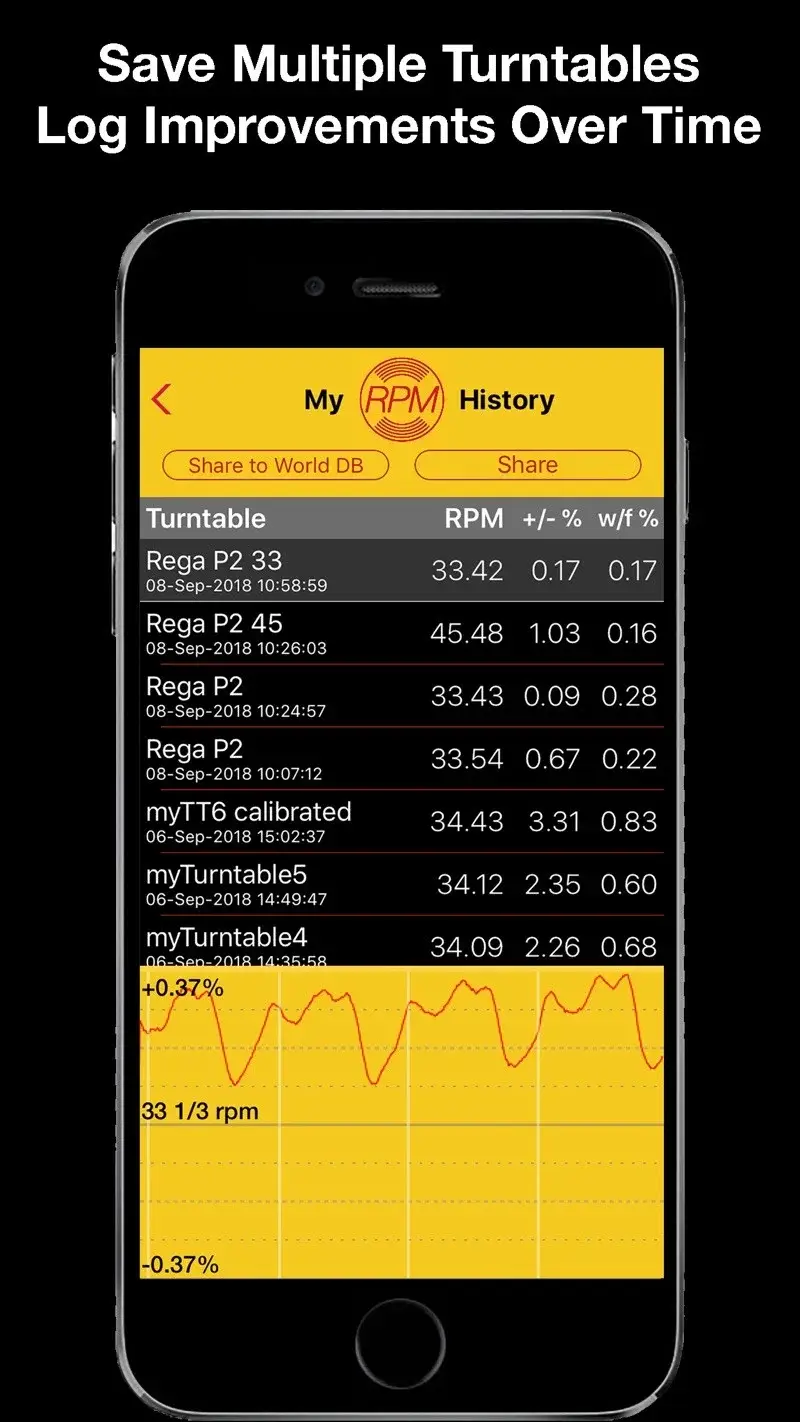
A complete RPM system has three parts: Home or wearable devices, an app for patients and a management platform for the care team. These three parts connect with each other and also exchange data with the healthcare organization's electronic medical records (EMR/EHR).
Unlike a personal health app, an RPM system is designed for hospitals and clinics that manage hundreds or thousands of patients at the same time. For this reason, scalability, security and integration are essential requirements from the start.
2. How an RPM system works
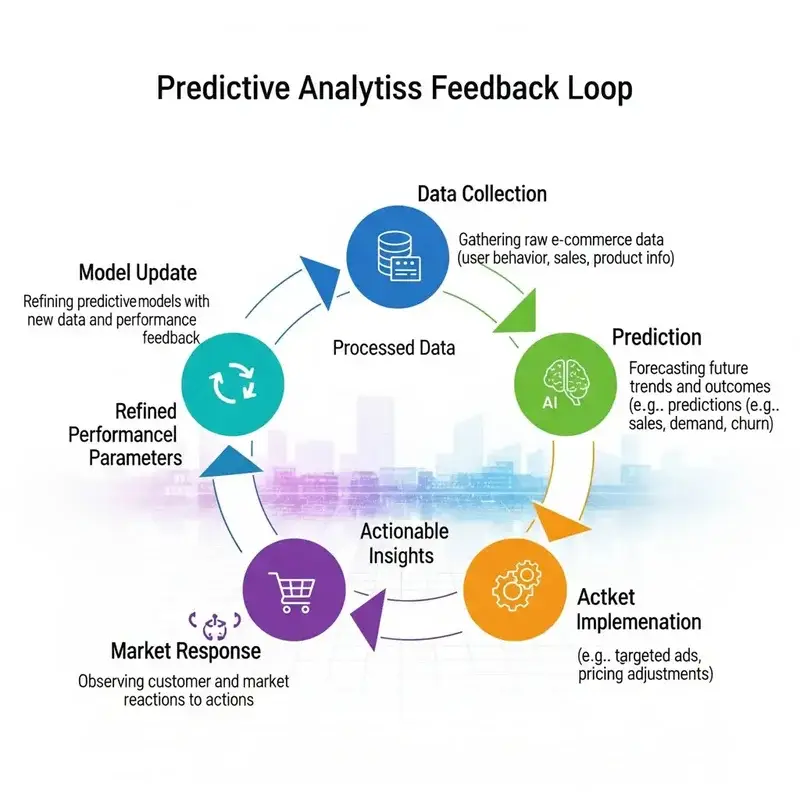
An RPM system follows a closed loop of five steps, from the moment a patient takes a reading to the moment a doctor takes action.
Data collection: Patients use blood pressure monitors, pulse oximeters, glucose meters, smart scales or wearables at home.
Data transfer: Readings are sent via Bluetooth, Wi-Fi or mobile networks to an app and then to an encrypted cloud platform.
Analysis: The system then compares the data with each patient's clinical thresholds, while AI models detect negative trends.
Alerts: When a reading is abnormal, the nurses and doctors in charge receive notifications based on priority.
Action and documentation: The care team contacts the patient, adjusts the treatment and records all activities in the EMR/EHR through HL7 or FHIR standards.
Thanks to this loop, data from the patient's home sits in the same record as data from hospital visits. As a result, doctors have complete data to make treatment decisions.
3. Reasons healthcare organizations need remote patient monitoring systems
More and more hospitals and clinics are investing in RPM systems, because traditional patient monitoring shows many limits. In particular, there are three main reasons why RPM has become an urgent need.
The number of chronic patients is higher than in-person visits can handle. According to the US Centers for Disease Control and Prevention (CDC), 76.4% of US adults had at least one chronic condition in 2023. These patients need regular monitoring, but each follow-up visit only shows the doctor their condition at one point in time. An RPM system fills this gap with continuous data between visits.
The use of RPM is growing fast. According to the Office of Inspector General of the US Department of Health and Human Services (OIG), the number of Medicare enrollees who used RPM rose from 55,000 in 2019 to 570,000 in 2022, more than 10 times higher. RPM is moving into routine care, although its users are still a small share of all Medicare enrollees.
Manual processes often lead to errors. Also according to OIG, about 43% of patients who used RPM did not receive all three components of the service. One likely reason is that healthcare organizations lack tools to track data collection and time spent with patients. A well-designed RPM system records these steps automatically, which helps ensure care quality and compliance.
4. Key features of an RPM system
4.1. Customizable interface for caseload management
What it does: It lets doctors and nurses sort their patient list by risk level, condition or the person in charge. Each user can choose the data columns, filters and layout that suit their work.
Problem it solves: One nurse may care for hundreds of patients, so it is easy to miss someone who needs attention. A customizable interface helps them see right away which patients need action first, so they can manage more patients without overload.
4.2. Smart alerts and notifications for providers
What it does: It sends alerts automatically when a reading goes past a threshold or when a patient does not send data. In addition, alerts are ranked by urgency and sent to the right person through the app, SMS or email.
Problem it solves: If every small change triggers an alert, the care team develops alarm fatigue and may miss real alerts. Smart alerts filter out unnecessary notifications, so doctors can respond faster to dangerous cases.
4.3. Real-time analytics
What it does: It processes data as soon as devices send it and shows trend charts for each patient and for the whole patient group.
Problem it solves: Data is only useful when people see it in time. Real-time analytics helps doctors notice a slow rise in blood pressure or a slow drop in SpO₂ before the patient needs to go to the hospital.
4.4. Secure HIPAA-compliant communication
What it does: It offers messages, video calls and document sharing between patients and the care team, with data encryption and access control under HIPAA.
Problem it solves: According to IBM's Cost of a Data Breach Report 2025, a healthcare data breach costs an average of $7.42 million, the highest of all industries. For this reason, hospitals cannot use ordinary messaging apps to share patient information. A secure communication channel helps healthcare organizations avoid legal risks and helps patients feel safe when they share information.
4.5. CPT-ready billing workflows
What it does: It automatically counts the days when patients send data and the time staff spend with them, and then suggests the right CPT codes for insurance billing in the US.
Problem it solves: Under the 2026 Medicare Physician Fee Schedule, CMS added new RPM codes 99445 and 99470 for less than 16 days of data transmission and less than 20 minutes of interactive communication per month. As billing rules become more detailed, manual tracking can easily lead to wrong codes or lost revenue. An automated workflow helps healthcare organizations bill correctly and in full.
4.6. AI-powered insights
What it does: It uses machine learning models to predict the risk of decline, group patients by risk level and suggest which patients to contact first.
Problem it solves: With a large number of patients, doctors cannot review all the data for each person. AI helps detect changes that are hard to see with the human eye, so the care team can focus on the patients who need action.
4.7. Report generation
What it does: It automatically creates clinical reports for each patient and operational reports for the whole RPM program, which can be exported as PDF files or sent to the EMR/EHR.
Problem it solves: Doctors have a summary of the patient's progress before each visit. Managers can measure program results, and the billing team has evidence for audits.
If you are not sure which features to build first, talk to the TMA team for advice.
5. Common applications of remote patient monitoring systems
RPM systems can serve many patient groups and care models. Below are the four most common applications.
5.1. Chronic disease monitoring
Chronic disease monitoring is the use of RPM for the long-term care of patients with hypertension, diabetes, heart failure or chronic obstructive pulmonary disease (COPD).
How it works: Patients measure blood pressure, blood glucose, weight or SpO₂ every day. The system compares the data with each patient's own thresholds and informs the doctor when there is an important change.
Example: According to the TIM-HF2 trial, heart failure patients under remote monitoring had a death rate of 8% per year, compared with 11% in the usual care group. This result means a 30% reduction in all-cause mortality.
Benefits: Doctors can adjust treatment earlier, reduce hospital admissions and use long-term data to assess treatment results.
5.2. Elderly care and home healthcare
Elderly care with RPM is the monitoring of vital signs, activity and safety of older adults who live at home or in nursing homes.
How it works: Smartwatches, smart rings or smart bands record heart rate, SpO₂ and activity levels. When there are warning signs, the system alerts family members and the care team.
Example: Adult children who live far away receive a notification when their parent's heart rate rises unusually at night.
Benefits: Older adults can live independently for longer, and families feel at ease because they always know their loved one's health status.
5.3. Post-discharge monitoring
Post-discharge monitoring is the use of RPM to continue monitoring patients in the first weeks after they leave the hospital, a period with a high risk of complications.
How it works: At discharge, patients receive measuring devices and instructions for the app. The care team checks readings every day and calls the patient when there are warning signs.
Example: A patient after heart surgery measures blood pressure, heart rate and temperature every day for the first 30 days.
Benefits: Hospitals can discharge patients earlier, free up beds and detect complications before patients need to return to the hospital.
5.4. Remote consultation and telehealth services
Remote consultation is the combination of RPM data with video visits, so that doctors have enough information to give advice without the patient coming to the hospital.
How it works: Before the consultation, the doctor reviews charts of the patient's recent readings. During the video call, both sides look at the data together and agree on a treatment plan.
Example: A patient with diabetes in a remote area has an insulin dose adjusted by an endocrinologist based on a full week of blood glucose data.
Benefits: Patients save travel time, and doctors make decisions based on real data instead of only what the patient tells them.
6. Partner with TMA Solutions to design and build your RPM platform
A scalable RPM system needs both strong technical skills and an understanding of clinical workflows. For this reason, an experienced development partner is a key factor in project success.
TMA Solutions was established in 1997 and has its headquarters in Ho Chi Minh City, with 4,000 engineers and clients in 30 countries. In healthcare, TMA has 15+ years of experience and a team of 700 engineers, with clients in Australia, the US, Europe and Vietnam.
When you work with TMA, your healthcare organization can benefit from the following capabilities:
Remote health monitoring: Your system is built on experience with Remote Health Monitoring, medical device integration and healthcare data analytics solutions.
Device integration and IoT: You can connect many types of wearables and medical devices with TMA's IoT and hardware integration capabilities.
Scalable AI and cloud: Your platform runs on the cloud and uses AI to detect abnormalities, ready to scale as the number of patients grows.
Security and testing: Patient data is protected through a secure application development approach and careful software testing before go-live.
TMA has applied these capabilities in the Smart Vitals, Safer Homes project for a telecommunication company in Vietnam. The company wanted to expand into healthcare services, but it found it hard to collect daily health data from many users and needed a 24/7 monitoring system suitable for older adults. To solve this problem, TMA built the mCare platform with these parts:
Device integration: Syncs with smartwatches, smart rings, smart bands and medical devices to track heart rate, SpO₂, activity and nutrition.
AI analysis: Monitors data streams continuously to detect physical abnormalities.
Cloud platform: Processes and stores data with high availability and data integrity.
Telehealth app: Supports remote consultations and direct contact with doctors and pharmacies.
As a result, the client owns its users' health data directly, has new revenue streams from digital health services and has officially entered the healthcare market.
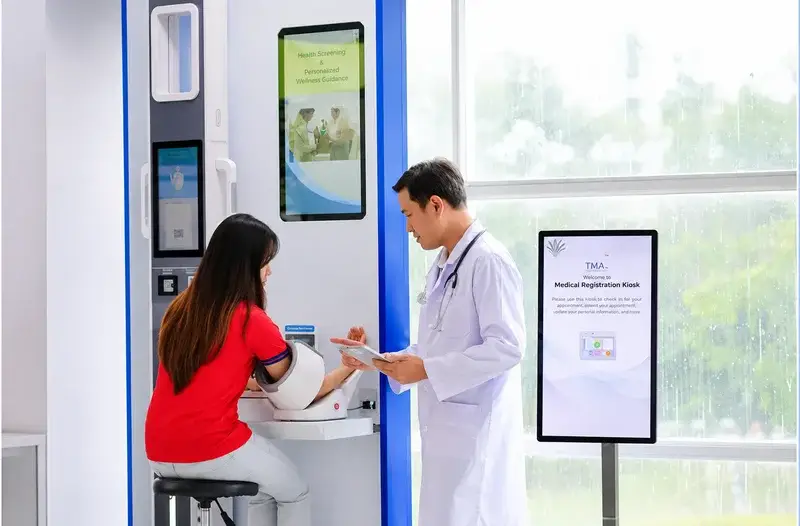
If you plan to build or upgrade an RPM system, contact TMA's Healthtech team for advice on architecture and an implementation roadmap.
7. Frequently asked questions about remote patient monitoring systems
7.1. Is remote patient monitoring covered by insurance?
Yes, in the US, Medicare covers RPM through specific CPT codes for remote physiologic monitoring. From 2026, CMS added codes 99445 and 99470 for shorter monitoring periods. However, coverage by private insurers and insurers in other countries may differ, so healthcare organizations should check the specific rules before launch.
7.2. What is the difference between RPM and telehealth?
RPM focuses on the continuous collection and monitoring of health data, while telehealth is the delivery of visits and consultations through video or phone. In other words, RPM provides data between visits, and telehealth is the form of the visit itself. The two are often combined so that doctors have enough data during remote consultations.
7.3. How long does it take to build or deploy an RPM system?
The time depends on the feature scope, the number of device types and the level of integration with current systems. An MVP for one disease group and a few device types is usually much faster than a full platform with EMR/EHR and billing integration. The steps that often take the most time are workflow analysis, device integration, security testing and staff training.
A remote patient monitoring system helps healthcare organizations monitor large numbers of patients continuously, detect early warning signs and reduce unnecessary hospital admissions. To scale well, the platform needs a flexible management interface, smart alerts, real-time analytics, secure communication, automated billing workflows, AI and complete reports.
If you want to build an RPM platform that fits your organization's workflows, contact TMA Solutions to define the right scope and roadmap together.
Contact information:
TMA SOLUTIONS - The leading remote patient monitoring company in Vietnam Email: sales@tmasolutions.com Website: https://www.tmasolutions.com/ Linkedin: TMA Solutions TMA Tower address: Street #10, Quality Tech Solution Complex (QTSC), Trung My Tay Ward, Ho Chi Minh City. |