Estimating mobile app development cost can be complex due to various influencing factors. Whether you're building a simple application or a feature-rich platform, understanding these elements can help you budget more effectively. In this article, we’ll explore the key factors that impact a mobile app expense, giving you a clearer perspective on the required investment.
Mobile app development cost: Key factor and cost estimate
Mobile apps offer businesses a unique way to strengthen client relationships through personalized experiences and data-driven feedback. As a result, many companies are eager to develop apps that connect them with clients where they spend much of their time – on mobile devices. However, mobile app development costs can vary significantly based on multiple factors.
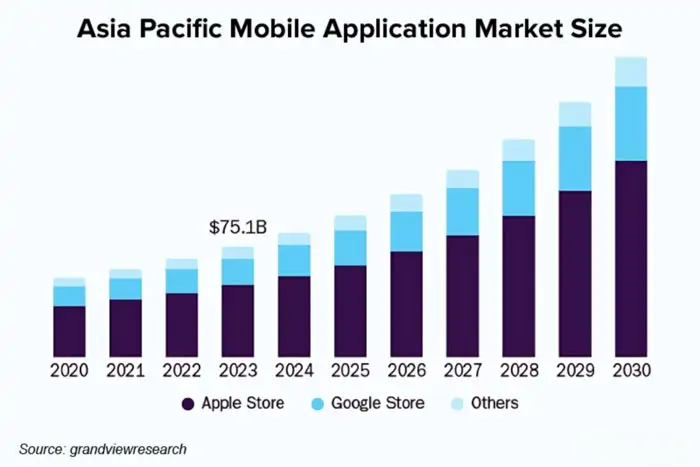
A survey by Clutch reveals that the minimum cost for mobile app development typically ranges between $5,000 and $10,000. However, this only covers the discovery phase, such as research and planning. The actual app development cost is substantially higher, with a median cost of approximately $171,450.
According to GoodFirms, you can estimate app costs based on their complexity, dividing them into different categories:
-
Basic apps: $40,000 - $60,000
-
Medium complexity apps: $61,000 - $69,000
-
Feature-rich apps: $70,000 - $100,000
The total expense of creating an mobile app is influenced by factors like its features, design specifications, development duration, and platform support. Additional elements like partner integrations, security, and ongoing maintenance can also impact the final cost.
Understanding these factors allows businesses to budget effectively for mobile app development and align their expectations with the complexity and scope of their project.
How to calculate mobile app development cost
Providing an accurate app development cost estimate can be difficult due to the wide variety of features and complexities involved. To get a more accurate idea, you’ll need to consider several factors that directly impact the overall mobile app cost.
Developer rates, expertise and experience
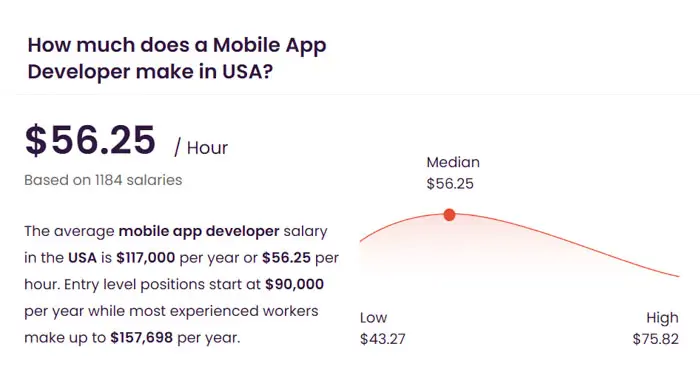
The experience level of developers plays a significant role in determining costs. More experienced developers generally charge higher rates, but they bring the expertise needed for complex projects. Here’s a breakdown:
-
Junior: Charging around 43$, these developers are suited for tasks like debugging, maintenance, and simpler feature app development. Some training may be required.
-
Intermediate: At around $56 per hour, these developers can handle most app design projects and feature requests with general expertise.
-
Senior: With rates averaging $75 per hour, senior developers can lead entire app development projects, handle scalability, and implement advanced features.
Platform costs
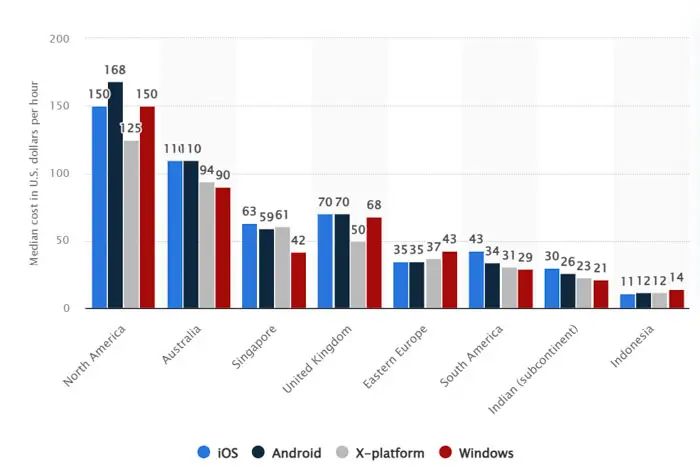
When it comes to mobile app development, the hourly rates for developers vary significantly based on the platform and the developer’s expertise. Here's a general overview of what you can expect for various platforms:
-
iOS developers: Developers working with iOS, particularly those skilled in Swift or Objective-C, tend to charge across a wide range depending on their experience. Junior developers handling basic iOS apps often charge lower rates. In contrast, senior developers with expertise in advanced frameworks like ARKit typically demand higher fees.
-
Android developers: For Android app development, rates also vary widely. Entry-level developers new to the platform usually charge lower rates. In contrast, experienced professionals skilled in Kotlin or advanced Android projects involving custom frameworks and integrations may command higher fees.
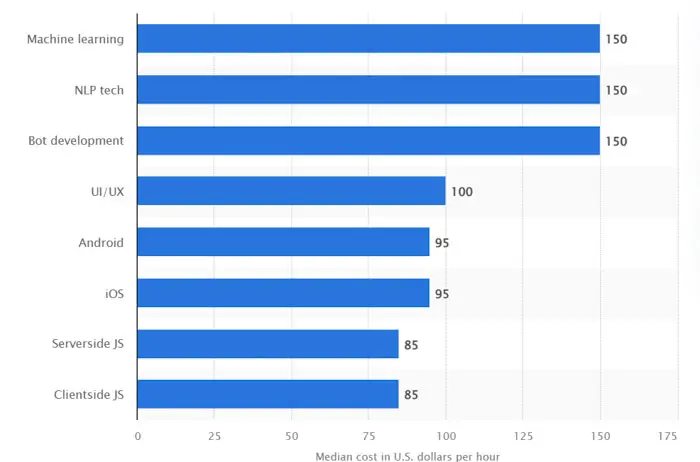
Median hourly rates for mobile application development, by platform -
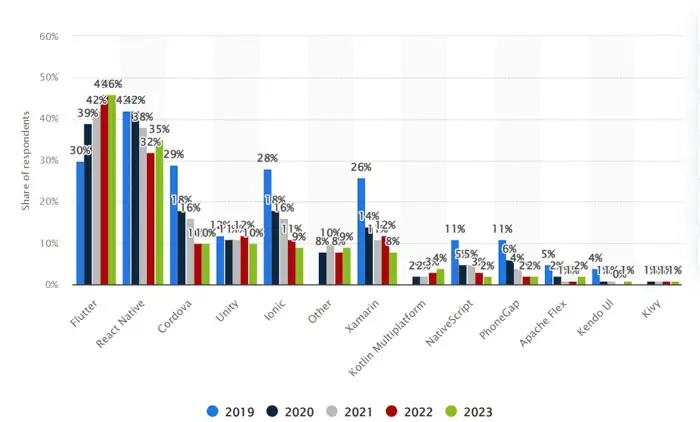
React native developers: React Native is a popular choice for businesses looking to build cross-platform apps. Developers specializing in React Native generally charge rates that reflect their experience and the complexity of the project. More experienced developers who handle complex cross-platform integrations will likely command higher rates.
-
Xamarin developers: Xamarin developers generally charge within a similar range to React Native developers. However, rates may vary depending on the developer’s location and the complexity of the project.
Mobile app development technologies
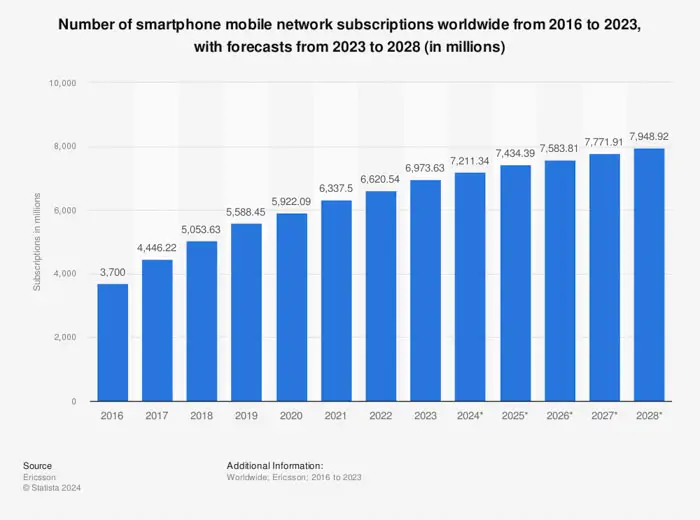
When planning a mobile app development project, the type of technology you choose will play a significant role in determining the overall cost. The technology stack impacts app development time, complexity, and the skill set required, all of which affect cost.
-
Web apps: The least expensive option, web apps are essentially mobile-friendly websites. They are cost-effective but limited in functionality compared to true mobile apps.
-
Native apps: Built using platform-specific languages like Swift for iOS or Java for Android, native apps provide the best performance but require separate development for each platform, increasing costs.
-
Hybrid apps: Combining web technologies like HTML, CSS, and JavaScript, hybrid apps are cheaper and faster to develop but don’t match the performance of native apps.
-
Cross-platform apps: Frameworks like Xamarin or Flutter allow a single codebase to be used across platforms, reducing costs while offering decent performance, though not as high as native apps.
Core app features
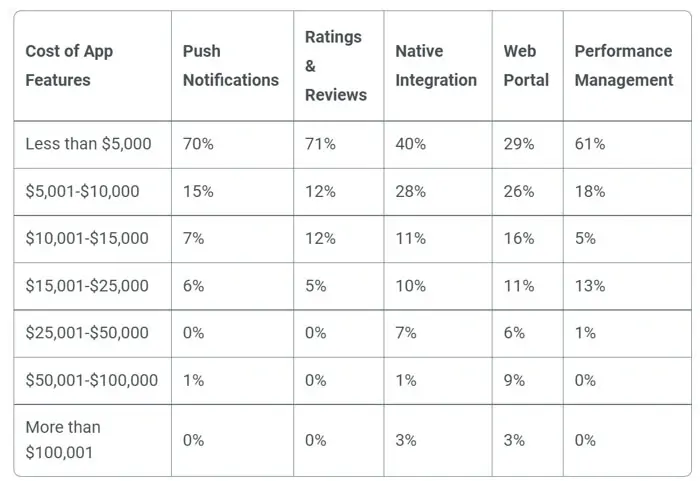
The core features you choose for your app significantly affect the complexity and overall cost of app development. Each feature requires varying amounts of development time and resources, which impacts the total project cost. Here are some key considerations when planning your app.
-
User login: Features like social login or more secure Single Sign-On (SSO) add to app development complexity.
-
In-app features: The more features you add (e.g., product catalogs, loyalty programs, streaming media), the higher the cost. Features like booking systems or vendor portals take more time to develop.
-
Hardware integrations: Integrating device features like cameras or Bluetooth increases app development time and cost.
-
API and system integrations: Connecting your app to third-party services or internal systems via APIs adds to complexity and cost.
-
Infrastructure and maintenance: Backend infrastructure (databases, cloud storage) and ongoing maintenance also influence long-term costs.
Additional team members
Developing a mobile app involves more than just hiring developers. A well-rounded app development team includes various specialized roles, each essential to the project's success. The inclusion of these experts increases the overall cost, as every role contributes significantly to the development process.
-
Project manager: Oversees timelines, deliverables, and communication between team members.
-
UI/UX designer: Creates the app’s user interface and user experience.
-
Mobile developer: Implements the design and functionality into front-end code.
-
Back-end developer: Manages databases, servers, and APIs that power the app’s features.
-
Quality assurance (QA): Tests the app for bugs and ensures it meets requirements.
While each team member brings specialized expertise to the project, their contributions collectively drive the final app development cost. The more complex the app, the more coordination and skill are required across these roles, ultimately affecting the budget. For larger or more sophisticated apps, involving experienced team members in each of these roles ensures that the app meets its goals effectively.
Factoring in the cost of these additional roles from the outset is crucial to accurately budgeting for a mobile app development project.
Outsourcing: Agencies vs. freelancers
When outsourcing mobile app development, businesses often choose between working with agencies or freelance developers, both of which offer different advantages and cost structures.
Agencies typically offer full-service solutions. Their team includes developers, designers, project managers, and QA experts capable of managing the entire project lifecycle.
Freelance developers offer more flexibility and cost savings compared to agencies. When working with freelancers, you can hire based on specific skills needed for your project (e.g., iOS, Android, or cross-platform).
Considerations for choosing between agencies and freelancers:
-
Project complexity: For larger, more complex projects, agencies provide the benefit of a cohesive team, while freelancers can be ideal for smaller, more focused tasks.
-
Budget: Freelancers are more budget-friendly for smaller projects or startups, while agencies provide reliability and comprehensive service for higher-budget projects.
-
Timeline: Agencies are typically faster at delivering projects, thanks to their structured teams, while freelancers’ timelines may vary depending on their availability and workload.
4 formulas for estimating mobile app development expenses
Mobile app development costs can vary greatly due to factors as mentioned above. While these aspects are essential, several standard formulas can help estimate the cost of developing a mobile app more accurately.
Common formula for estimating mobile app development expense
An effective method for estimating mobile app development expenses involves calculating the hours dedicated to each project phase. Key stages involve designing the app’s interface, developing platform-specific features, and building the backend. Additional steps include conducting quality assurance (QA), managing the project, and offering post-launch support. The overall cost is determined by multiplying the total hours spent by the team’s hourly rate.
Cost estimate based on app features
App development cost is directly influenced by the number and complexity of its features. Apps with basic features like note-taking or task management are generally more affordable. In contrast, those with advanced capabilities such as messaging, video streaming, or payment integration demand a higher financial investment. With this method, businesses can determine the cost by assessing the time and resources required for each individual feature.
Agile development cost estimate method
The Agile development approach divides the process into short, focused work cycles known as “sprints,” typically lasting 1 to 4 weeks. Each sprint involves completing a specific set of planned tasks or features. The overall cost is determined by multiplying the number of sprints by the corresponding cost of each, depending on the workload completed during that timeframe.
Time and materials cost estimate approach
The Time & Materials model is suitable for projects where requirements may change during app development. Businesses are charged based on the actual time spent by developers working on specific tasks, as well as the cost of any necessary materials. This method offers flexibility, ensuring businesses only pay for completed work.
Fixed-cost pricing model
The fixed price model involves agreeing on a total project cost before development begins. Regardless of how long the development process takes or how many resources are used, the agreed-upon amount remains the same. This approach provides cost certainty but may limit flexibility if project requirements change.
These cost estimation models provide valuable insight into budgeting for mobile app development. While they offer helpful frameworks, businesses should also consider possible cost fluctuations due to unexpected challenges, feature enhancements, or extended development timelines. Understanding these models can lead to more accurate budgeting and a smoother development experience.
Unexpected factors influencing app development cost
When planning a mobile app development project, there are several hidden costs that can significantly impact the overall costs. Below is an overview of the key overlooked factors.
Quality assurance
Quality assurance (QA) is essential for ensuring that the app functions as intended, free of bugs and issues. The app's size and complexity may require hiring specialized QA professionals or a dedicated project manager. These roles help ensure that the app meets the required standards, and their involvement can drive up costs. QA ensures that the final product works smoothly, reducing future expenses tied to fixing issues post-launch.

Infrastructure
Infrastructure costs, though frequently overlooked, are crucial for ensuring an app’s functionality. These expenses cover data storage, hosting, and delivery, along with servers, development tools, and libraries. As mobile app complexity increases, so do infrastructure demands, particularly when managing large data volumes or enabling real-time interactions. Properly accounting for these factors is essential for accurate budgeting.
IT support
Once the app is live, ongoing IT support is necessary to ensure its long-term success. This covers tasks such as fixing bugs, updating iOS and Android versions, and maintaining APIs. The complexity of the app can impact how much ongoing support is needed. Over time, these support costs may increase as new features are added or updates are required.
App publishing
While publishing an mobile app on major platforms like Google Play and Apple’s App Store may seem straightforward, it comes with fees. For instance, Apple charges annual developer fees, and while Google has a one-time fee, these costs still need to be factored in. Additionally, if you’re distributing apps within an organization, enterprise programs also come with subscription costs.
App security
Security is a critical but often overlooked factor. Users need to trust that their information is safe, so implementing strong security protocols is essential. Without a proper security plan, the risk of breaches increases, which can lead to financial and reputational losses. Investing in security from the beginning ensures that the app is secure and reduces the chance of costly fixes or vulnerabilities down the road.
The mobile app development process outlined step by step
Building a mobile app requires a clear and strategic process to ensure a successful outcome. Below is a step-by-step guide to get started.
Market research
Before app development, it's crucial to understand the needs and preferences of your target audience. Conduct market research to analyze how users interact with similar apps, understand competitors, and gather insights from user reviews. This information helps shape your app’s functions and overall user experience, user interface to better meet market demands.
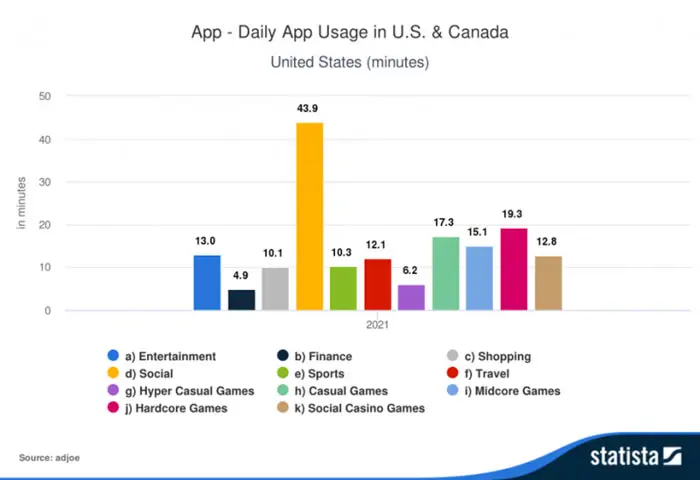
Platform selection
Based on your research and budget, decide whether to develop for iOS, Android, or both platforms. If the budget is limited, it may be best to start with one platform and expand later. This decision also affects the technology stack and the app development team you hire.
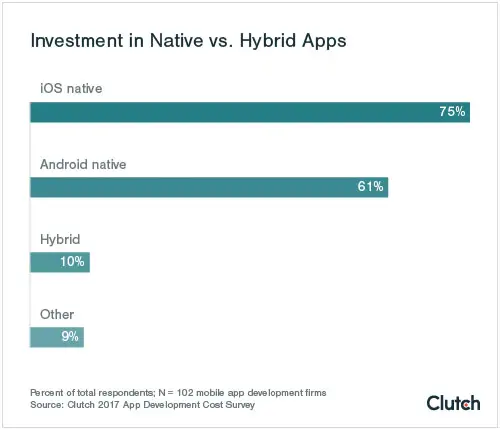
Hiring the right team
Selecting a reliable app development company is key to ensuring a smooth development process. Look for a team with experience, strong communication skills, and a clear understanding of your vision. A skilled team typically consists of developers, designers, project managers, and marketing experts who can assist you throughout every stage.

Building an MVP
Developing a Minimum Viable Product (MVP) is essential for reducing costs and mitigating risks. The MVP should include essential functions that solve users’ core problems while allowing you to gather feedback. This approach lets you validate your concept before investing in full-scale app development.
Testing
Testing is an important part of the app development process. Ensure thorough testing for performance, client engagement, and functionality across multiple devices and operating systems. Proper testing identifies bugs, reduces future maintenance costs, and enhances the app’s overall reliability.

Submitting to app stores
After testing, it’s time to submit it to app stores: Google Play (for Android) or Apple’s App Store (for iOS). Be sure to follow their respective guidelines, including those related to design, functionality, and privacy to avoid delays in approval.
Launch and performance tracking
After the app is launched, track its performance using in-app analytics. Monitor user engagement, behavior, and feedback to identify areas for improvement. Regular updates and new features can enhance the app’s longevity and maintain user interest.
By following this step-by-step process, you can better manage your mobile app’s development from concept to launch while optimizing costs and ensuring a strong client experience.
App development cost through stages of the development lifecycle
Having a clear understanding of mobile app development expense is vital for proper budgeting and strategic planning. Below is an overview of the key stages in app development and the associated cost ranges.
Concept and planning
The cost for this stage is typically lower than other phases, as it focuses on initial research and planning to define the app's goals and feasibility. This involves setting project objectives and ensuring the app aligns with your business needs before proceeding to the design and development stages.
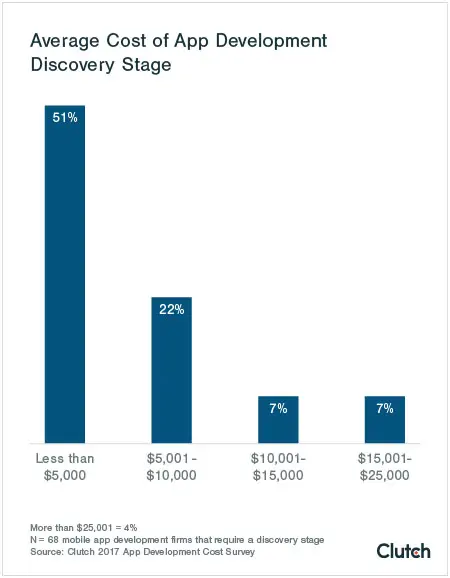
Design
Designing an app includes the creation of wireframes, prototypes, and UI/UX elements. The cost of this stage can vary depending on the complexity of the design, with simpler designs requiring fewer resources. A more polished, intuitive design that enhances product experience typically incurs higher costs, but it's a critical investment for user retention.
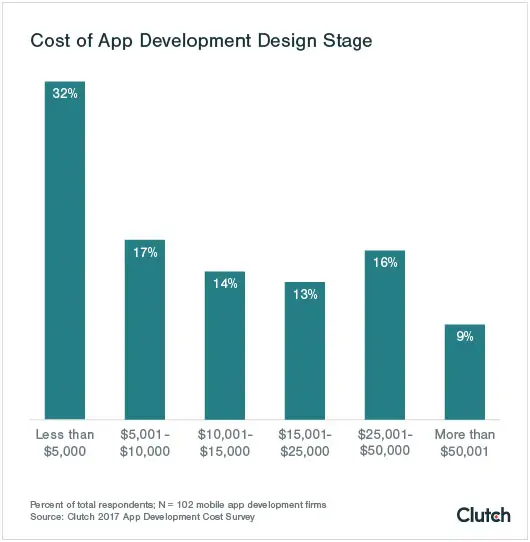
Development
This is the most resource-intensive phase, where coding and integration take place. Both front-end and back-end development, server setup, and API integration occur here. The cost depends on the app’s complexity—simple apps require fewer functions and integrations, while complex apps with advanced functionalities require more time and resources.
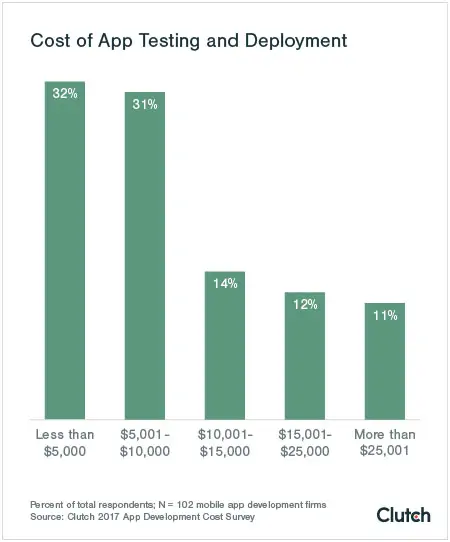
Testing and deployment
Testing is necessary to ensure that the app runs smoothly across multiple devices and operating systems. During this phase, the team conducts quality assurance, fixes bugs, and makes final refinements before launching the app. Costs here can vary, with more complex apps requiring additional time for comprehensive testing. Deployment costs include preparing the app for app store submission, which adds to the budget.
Maintenance and updates
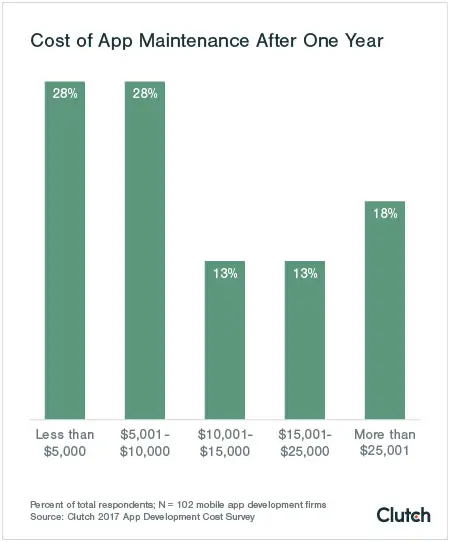
Following the app’s launch, ongoing expenses include maintenance, security patches, and feature enhancements. Regular updates are essential to ensure compatibility with new OS versions and address user feedback. The overall cost varies based on update frequency and the complexity of maintenance tasks needed to keep the app performing optimally.
Ways to minimize mobile app development expense
Building a mobile app can be a costly endeavor, but there are several strategies you can adopt to manage and reduce costs. Here are some key ways to cut down on mobile app development expenses.
Feature prioritization
When planning your app, it's essential to identify the core features that provide the most value to your users. Focus on building a Minimum Viable Product (MVP) that includes only the must-have features. This approach lowers initial app development costs while enabling user feedback collection, helping you make better decisions about future feature enhancements.

Early QA involvement
Incorporating quality assurance (QA) from the very beginning helps catch bugs and issues early in the app development process, saving significant costs down the road. By addressing potential problems before they escalate, you can avoid more expensive fixes that might arise later in the project.
Planning for future updates
It's essential to think beyond just the initial launch. Develop your app with scalability in mind and consider future updates or changes based on market trends or user feedback. Planning for long-term goals can help you avoid costly overhauls and ensure the app can evolve smoothly as your business grows.

In-house vs outsourcing
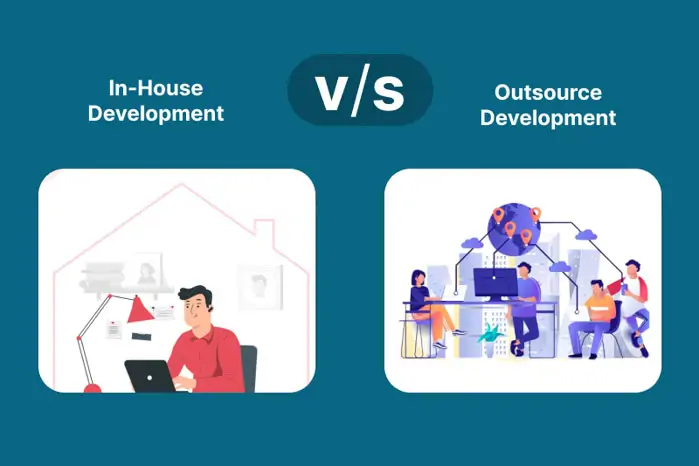
When deciding between in-house development and outsourcing, consider the cost and availability of talent. Outsourcing can be more cost-effective, especially if you're able to hire a dedicated team with the right expertise. In-house development might give you more control but can increase expenses due to hiring, training, and resource management.
Cross-platform development
Developing cross-platform apps allows you to use a single codebase for both iOS and Android, which reduces the need for separate app development teams. This approach can significantly cut down development costs while ensuring your app reaches a broader audience. Popular cross-platform technologies like Flutter, React Native, and Unity offer excellent performance and functionality for a wide range of apps.
Why TMA for developing your innovative mobile apps?
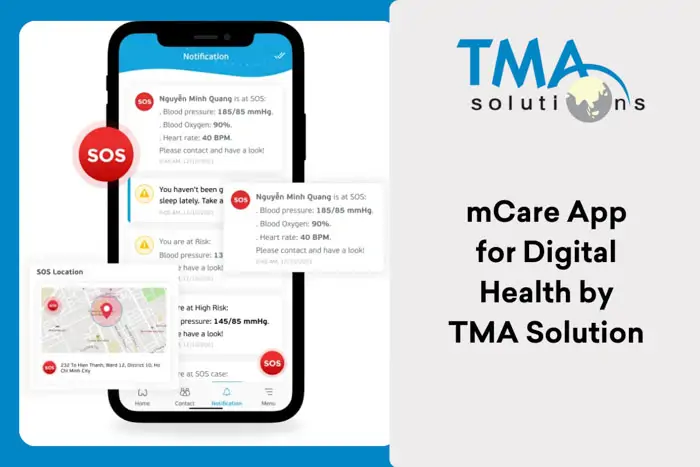
When calculating mobile app development cost, selecting the right partner is crucial to ensuring both quality and value. With 27 years of industry experience, TMA Solutions offers unparalleled transparency and expertise. TMA Soultions guides businesses through the app development process, helping them understand essential factors that impact project costs.
Customization and complexity
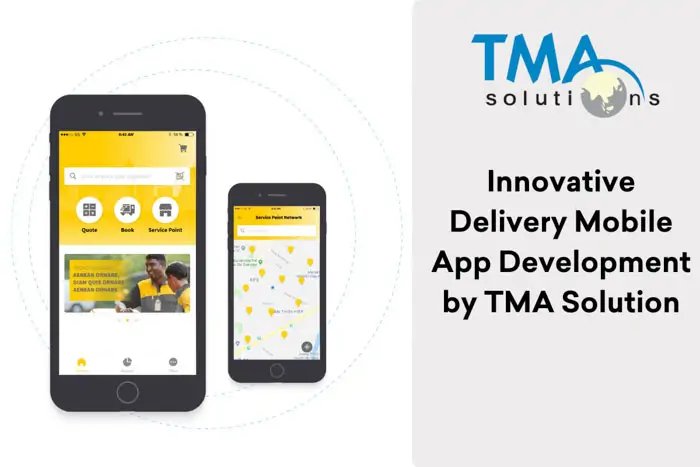
TMA Solutions customizes every app to align with the unique requirements of its clients. The complexity of the app – whether it’s a simple interface or a feature-rich solution – impacts the overall cost. More complex apps with advanced functionalities, such as real-time data updates or third-party integrations, will naturally increase the price. TMA’s team of over 800 engineers ensures that every aspect of your app is optimized for both performance and cost efficiency.
Technology and platforms
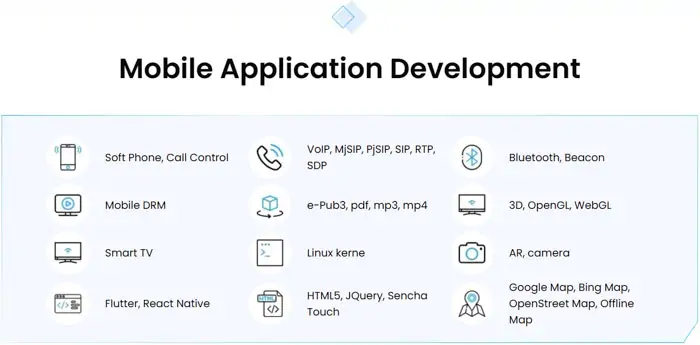
The selection of technology is a key factor influencing app development expenses. TMA Solutions offers expertise across Android, iOS, React Native, and Flutter, providing flexibility in choosing between native or cross-platform development. Cross-platform solutions can reduce costs by using a single codebase for multiple platforms, while native apps may require separate development efforts.
Quality and innovation
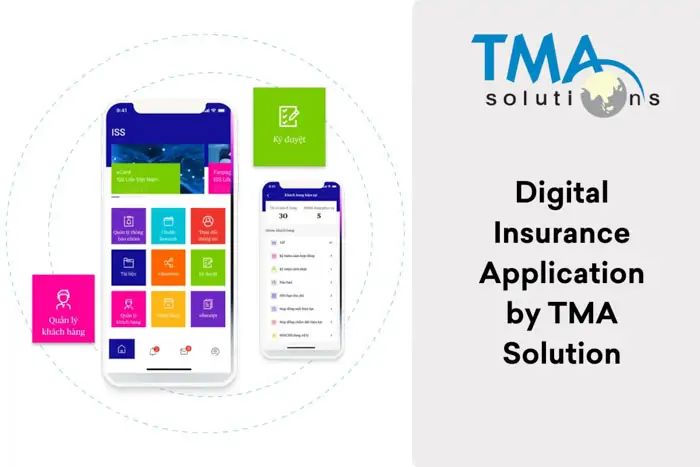
TMA Solutions stands out for its commitment to quality and cutting-edge innovation. The company’s strong R&D focus means clients benefit from the latest technologies and methodologies, helping to keep apps competitive while maintaining cost-effectiveness.
Time and resources
An agile development approach is central to TMA’s project delivery. By optimizing time and resources, the company ensures that projects are completed on time and within budget. Clients can also select from flexible engagement models, allowing them to manage app development costs based on their specific business goals and timelines.
Ongoing support and maintenance
Beyond initial development, TMA Solutions offers tailored post-launch support to ensure your app continues to run smoothly. Factoring in long-term maintenance is essential when calculating the overall cost of app development, as updates and security enhancements are necessary to keep the app functional and secure.
In conclusion, calculating mobile app development cost requires a careful evaluation of several factors. By understanding these key elements, you can make informed decisions to optimize your budget. Whether outsourcing or managing in-house, planning each stage carefully will help you create a high-quality app while managing costs effectively.
FAQs:
What costs are involved in building an app for a small business?
App development costs for small businesses typically range from $25,000 to $100,000. This covers essential stages like design, development, testing, and ongoing maintenance.
Can a mobile app be developed for free?
Yes, free platforms with templates and no-code tools allow app development without upfront costs. However, these options might fall short in terms of advanced customization and optimal performance.
What are the app store fees for publishing a mobile app?
Launching an app on Google Play requires a single fee of $25. For Apple’s App Store, the annual subscription cost is $99.
How much does app maintenance typically cost?
App maintenance usually accounts for 15% to 20% of the initial development cost each year. This covers updates, error corrections, and ensuring compatibility with operating system updates.
Is developing a mobile app more affordable in-house or through outsourcing?
Outsourcing app development is often a more cost-effective option. This is particularly true when collaborating with developers from regions that offer competitive pricing.
Freelancer vs. agency: What’s the cost difference?
Freelancers typically charge lower hourly fees, though project expenses can increase as requirements become more complex. App development team in agencies charge more but offer end-to-end services and faster project delivery.


.webp_2026-10-01-18-27-07-971.webp)
.webp_2026-10-01-18-17-11-290.webp)
.webp_2026-10-01-18-08-26-854.webp)
.webp_2026-10-01-17-47-32-240.webp)