According to the American College of Radiology (ACR), one study found that up to 71% of patients with incidental lung nodules did not receive the recommended follow-up. When follow-up depends on manual work, patients slip through the cracks between visits. Automated follow-up workflows close that gap.
This article explains what an automated medical follow-up workflow is, how AI runs it, and real examples of how it works in practice.
1. What is an automated medical follow-up workflow?
An automated medical follow-up workflow is a process that uses software and AI to monitor, contact and care for patients after a medical event, such as a visit, a surgery or a hospital discharge. Instead of nurses calling each patient, the system sends messages, collects answers, sends reminders and alerts the care team when it finds warning signs.
1.1. Trigger-based workflow logic
An automated follow-up workflow works on a simple "trigger – action" rule. Each event in the patient record, such as a discharge, a new test result or a missed appointment, starts a chain of actions that the team has set up in advance.
Event-based triggers: the patient leaves the hospital, finishes surgery, or has an imaging result that needs follow-up.
Time-based triggers: a follow-up visit is due, a refill is due, or 24 hours or 7 days have passed since discharge.
Data-based triggers: a vital sign goes above a set limit, the patient reports worsening symptoms in a survey, or the patient does not reply to a message.
With this logic, each patient gets the right action at the right time, and staff do not need to track every case by hand.
1.2. Key types of automated follow-ups
Automated follow-up workflows are usually grouped by their care goal:
Post-discharge follow-up: checks on symptoms and answers questions about medication and discharge instructions.
Post-surgery follow-up: screens for signs of complications, such as fever, more pain or problems with the wound.
Imaging recommendation follow-up: tracks repeat scans that radiologists recommend in their reports.
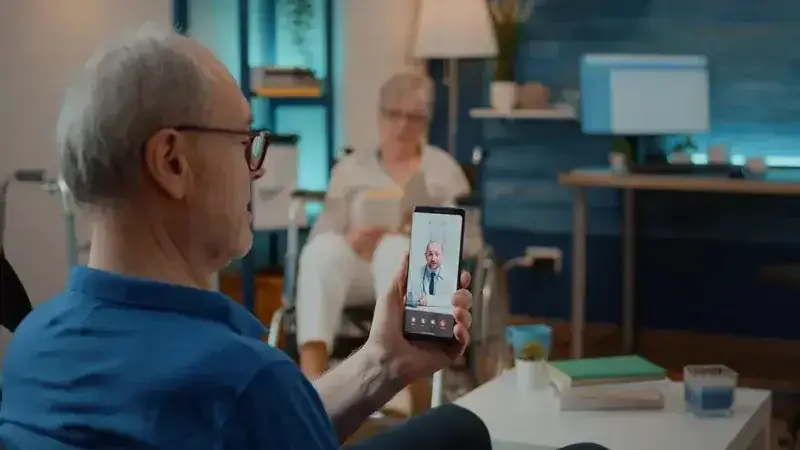
Remote monitoring: tracks vital signs at home for patients with chronic diseases.
Medication and refill reminders: helps patients take the right medicine at the right dose.
Appointment reminders and attendance tracking: reduces the number of missed appointments.
1.3. Core benefits
A 2024 study in BMJ Open at 7 Houston Methodist hospitals (USA) found that patients who engaged with a post-discharge texting program had 29% fewer readmissions than patients who did not engage. The study shows an association, not cause and effect, but it suggests that regular contact helps teams find problems earlier. The main benefits include:
Fewer readmissions and emergency visits: problems are found and solved before they become serious.
Less work for care teams: routine tasks, such as messages and reminders, run automatically.
Fewer missed patients: every case stays on the list until it is closed.
Better patient experience: patients get timely support even after they go home.
2. How does an automated healthcare workflow process work?
An automated follow-up workflow runs in 5 connected steps and repeats them until the patient completes the follow-up period. To make the steps easy to picture, the examples below follow a heart failure patient who has just left hospital. You can learn more about how these steps work with AI scribes, OCR and RPA in our article on clinical workflow automation.
2.1. Data collection
In the first step, the system automatically pulls patient data from the electronic health record (EHR), the hospital information system (HIS), home devices, and the messages and surveys that patients send back. For example, when the heart failure patient is discharged, the system gets the diagnosis, the prescriptions, the discharge date and the phone number from the EHR right away. After that, the patient's daily blood pressure and weight from home devices also go into the same record.
2.2. Trigger identification
Next, the system compares the new data with preset rules to decide when it needs to act. Each rule is a "trigger", for example: the patient has just been discharged, 24 hours have passed since discharge, weight has gone up by more than 2 kg in 2 days, or the patient has not replied to a message. For text data, such as notes or reports, AI uses NLP to read the text and find information that needs follow-up.
2.3. Automated action
When a trigger fires, the system carries out the action linked to that trigger without any staff input. For the heart failure patient, the system sends a message on the first day after discharge to ask about symptoms and medication use. On the following days, it reminds the patient to check weight and blood pressure, and then suggests a follow-up visit after 7 days. The system can use SMS, email, a mobile app, a chatbot or automated calls.
2.4. Data update
The system writes every patient answer, reading and appointment status back into the EHR, usually through the HL7 or FHIR health data standards. For example, the heart failure patient's answer "no shortness of breath" and daily weight readings go straight into the record. As a result, doctors can see the full progress after discharge as soon as they open the EHR, and the new data becomes the input for the next follow-up cycle.
2.5. Alert & escalation
In the last step, when the data shows warning signs, the system sends an alert to the right person based on the level of priority. For example, if the heart failure patient reports "shortness of breath when lying down" or gains weight quickly, the nurse in charge gets a red alert and calls the patient back. If no one handles the alert within the set time, the system escalates it to the treating doctor. Stable patients stay in the automated workflow, so the care team can focus on the cases that really need action.
3. Examples of automated medical follow-up workflows
3.1. Remote patient monitoring workflow for continuous health follow-up
Workflow: Wearables and home medical devices send vital signs to the platform. The system analyzes the data, sorts patients by risk level and sends role-based alerts when a reading is abnormal or a patient misses a reading.
How TMA built it: TMA built a remote patient monitoring platform with a data layer that receives and standardizes data from many types of devices, and connects to the EHR through HL7 FHIR. The alert logic combines fixed limits, personalized limits based on patient history, trend-based alerts and alerts for missing data. Each alert goes to the right person based on severity, and the system keeps a full record of every alert.
Follow-up value: Patients with chronic diseases are monitored between visits without gaps. The care team only handles cases that need action, which reduces alarm fatigue.
3.2. Advanced clinical workflow automation & intelligent healthcare solutions
Workflow: After a visit, the system automatically sends discharge instructions, reminders to check vital signs, appointment reminders and satisfaction surveys by SMS, email or app. Paper documents are digitized with OCR and synced to the EHR.
How TMA built it: In a data-driven healthcare platform project, TMA used automated follow-up workflows to track the actions of research participants and used OCR to digitize paper records. TMA also built a virtual clinic platform and an integrated booking system that connect appointments, records and care workflows. You can find more details in our article on clinical workflow automation.
Follow-up value: Post-visit care becomes standard and automated. Staff spend less time on routine post-visit contact.
3.3. Patient intake assistant: a practical AI use case in healthcare
Workflow: Patients describe their symptoms by text or send a photo. The AI asks follow-up questions, gives first guidance, suggests time slots, books the appointment and sends a reminder.
How TMA built it: TMA AI Center built the Patient Intake Assistant on its in-house AI Agent Builder platform, which includes a workflow builder, a multimodal LLM and secure data integration modules. The assistant connects directly to the hospital's EMR, scheduling software and HIS.
Follow-up value: Patients get support from their very first contact and receive automatic reminders, which reduces missed appointments. The solution can also expand to post-treatment follow-up and support with lab results.
3.4. Post-discharge follow-up and escalation
Workflow: On the day of discharge, the system sends a message to confirm the phone number and ask for permission to stay in touch. The next day, the patient gets a message about medication and discharge instructions. When the patient sends a question or a concern, the system alerts the post-discharge nurse, who passes it to the right department if needed.
How it was implemented: Houston Methodist (USA) ran a semi-automated, two-way texting program at 7 hospitals. The messages started from the HL7 discharge feed in the EMR, and departments had to respond to each referral within 24 hours.
Follow-up value: According to a 2024 study in BMJ Open, among 78,883 patients who were contacted, those who engaged with the program had 29% fewer readmissions than those who did not. The whole program needed only about 10 full-time nurse care managers for all 7 hospitals.
3.5. Post-surgery follow-up and complication screening
Workflow: One day after same-day surgery, patients get an automated text message that asks about their recovery. If a patient does not reply or reports a problem, the system sends an alert so that a nurse can call back.
How it was implemented: Rennes Teaching Hospital (France) replaced day-one phone calls after surgery with automated text messages for 7,246 patients.
Follow-up value: According to a 2019 study in the Journal of Medical Systems, 87% of patients replied to the text messages, compared with 57% who answered phone calls. The system raised alerts for 36% of cases, so nurses could focus on the patients who needed help.
3.6. Radiology recommendation follow-up tracking
Workflow: AI reads radiology reports and finds follow-up recommendations, including the type of scan, the body area and the time frame. The system tracks each recommendation, closes it when the patient has the repeat scan, and alerts the person in charge when it is overdue.
How it was implemented: The American College of Radiology (ACR) describes this model in its list of AI use cases. Recommendations can appear in any part of a report, so the AI needs natural language processing rather than only reading the conclusion.
Follow-up value: According to the ACR, one study found that 71% of patients with incidental lung nodules did not get the recommended follow-up. An automated system helps reduce the number of missed follow-ups.
3.7. Remote patient monitoring and clinical escalation
Workflow: Patients with high blood pressure get a weekly text reminder to check their blood pressure. If a reading is abnormal, the system asks for a second reading. If the second reading is also abnormal, the system sends an alert to a nurse through the Epic inbox.
How it was implemented: Penn Medicine (USA) tested the BP Pal program for 6 months at 2 primary care practices with 300 participants. The system sorted the data automatically based on clinical rules, so staff only handled urgent values and abnormal trends.
Follow-up value: According to a 2024 study in the Journal of General Internal Medicine, participants sent blood pressure readings in 72.8% of the weeks. The intervention group had more medication changes than the control group (0.81 vs 0.57), although the drop in blood pressure was not significantly different between the two groups.
3.8. Medication refill and adherence follow-up
Workflow: The system uses daily pharmacy refill data from the EHR to find patients who are 7 days or more late to refill their medicine. It then sends an automated "nudge" text message to remind them to refill.
How it was implemented: Two US health systems tested the "Nudge" model with patients who had heart disease, high blood pressure, high cholesterol or diabetes.
Follow-up value: According to a 2021 pilot study in Circulation: Cardiovascular Quality and Outcomes, 30.6% of patients in the intervention group refilled at least one late medication, compared with 18.0% in the control group. This result is a positive trend but not yet statistically significant. The pilot does show that late refills can be detected and messaged automatically from EHR data.
3.9. Follow-up appointment scheduling and attendance tracking
Workflow: After a patient leaves the emergency department, the system sends an automated text or call that connects the patient directly to the referral doctor to book a visit. It then sends appointment reminders.
How it was implemented: Washington University in St. Louis (USA) ran a randomized controlled trial with 278 patients discharged from the emergency department.
Follow-up value: According to a 2020 study in Academic Emergency Medicine, 49.3% of patients in the intervention group kept their follow-up appointment, compared with 23.4% of patients who only received standard written instructions.
4. Key technologies behind automated medical follow-up workflows
An automated follow-up workflow combines many technologies, and each one plays a separate role:
Workflow engines and rule engines: tools that set up "trigger – action" rules, message schedules and alert escalation levels.
Natural language processing (NLP) and large language models (LLMs): read medical reports, understand free-text messages from patients and summarize follow-up history for doctors.
Conversational AI and chatbots: talk with patients by text or voice, ask about symptoms and book appointments.
Machine learning and predictive analytics: score the risk of readmission and predict which patients may miss appointments, so staff can contact them first. A strong AI/ML and data science platform supports these models.
IoT and medical device integration: collect vital signs from wearables, blood pressure monitors and glucose meters through IoT solutions.
HL7 and FHIR standards: allow two-way data exchange between the follow-up system and the EHR or HIS.
OCR and RPA: digitize paper medical documents and automate repeated tasks in older systems with RPA.
Multi-channel communication: SMS, email, mobile apps and automated calls reach patients in the way that suits them best.
Cloud and security infrastructure: store and encrypt data and control role-based access, usually on a cloud platform.
5. TMA Solutions: building automated follow-up systems for healthcare
To build an automated follow-up system, hospitals need a partner that understands both clinical workflows and integration technology. TMA Solutions is a Vietnamese software development company, founded in 1997 in Ho Chi Minh City. TMA's Healthtech center has more than 700 engineers and over 16 years of experience in healthcare, with clients in Australia, the USA, Ireland, Sweden, New Zealand and Vietnam.
When you work with TMA, your hospital gets the following benefits:
Real follow-up experience: TMA runs a national senior monitoring service and chronic care programs in Vietnam.
Device and system integration: TMA's remote monitoring platform connects more than 50 medical devices and wearables, supports HL7 FHIR APIs, and integrates with HIS/EMR and kiosks.
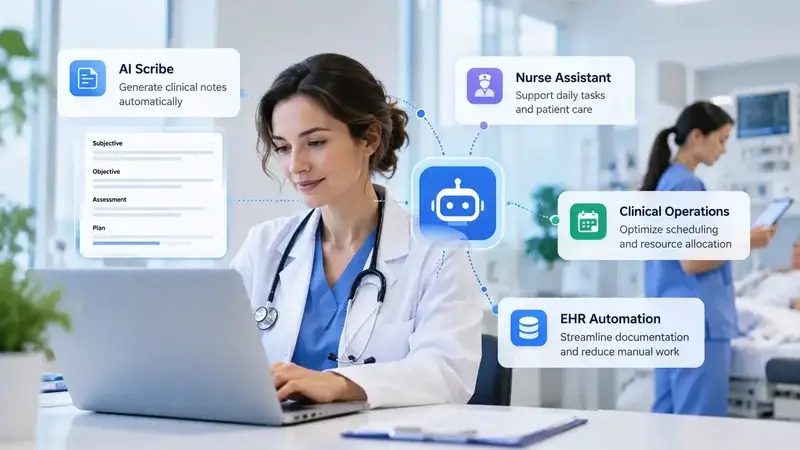
AI already live in hospitals: TMA's AI scribe is live in 3 hospitals and writes notes directly into existing systems with no API changes.
Risk-based alerts: The system uses red, yellow and green alert levels to help care teams focus on the right patients.
AI governance and security: The solutions are designed to be ready for HIPAA and GDPR, with bias checks, clinical review before release and model monitoring after launch.
End-to-end development: TMA offers software development together with software testing, from workflow design to operation and maintenance.
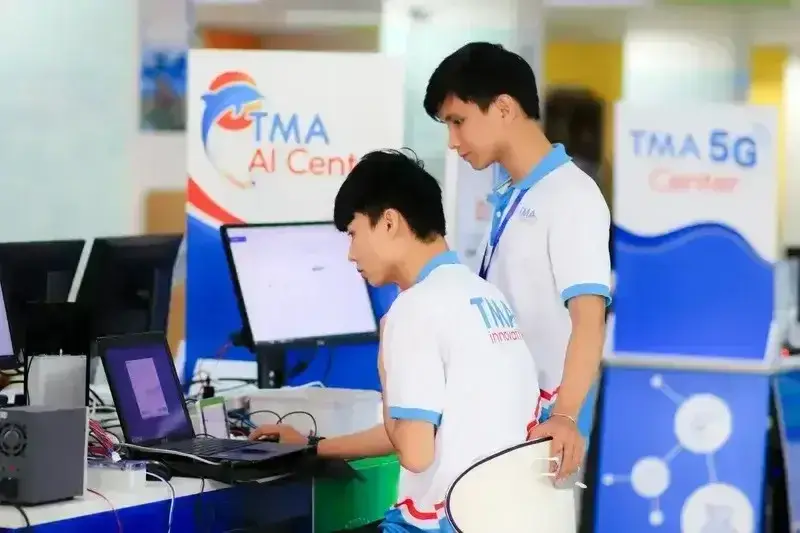
If your hospital wants to automate patient follow-up after visits, after discharge or at home, TMA's Healthtech team can work with you to design the workflow, choose the right technology and run a pilot.
6. Frequently asked questions about automated medical follow-up workflows
6.1. Can automated workflows integrate with EHR systems?
Yes. Most automated follow-up systems today connect to the EHR through HL7 and FHIR standards or through the EHR vendor's API. For example, the post-discharge texting program at Houston Methodist started directly from the HL7 discharge feed in the EMR. For older systems with no API, hospitals can use RPA to write data back into the EHR.
6.2. How much does it cost to build an automated follow-up system for a clinic or hospital?
The cost depends on the number of workflows to automate, the number of systems to integrate, the level of AI use and the choice to buy a ready-made solution or build your own. For a realistic figure, hospitals should start with one specific workflow, such as post-discharge follow-up, and then expand step by step.
6.3. Is patient data safe when using automated follow-up tools?
According to IBM's Cost of a Data Breach Report 2026, healthcare has the highest average cost per data breach of any industry, at USD 6.64 million. Patient data is safe only when security is part of the system design from the start, so hospitals should require data encryption, role-based access, audit logs for every action, patient consent before any messages, and compliance with rules such as HIPAA or GDPR.
Automated medical follow-up workflows help hospitals monitor patients after visits, surgery and discharge without adding to staff workload. With more than 700 Healthtech engineers and real experience in running remote monitoring platforms, TMA Solutions can support hospitals from workflow design to integration and operation.
>> Contact TMA to discuss a follow-up system that fits your organization.
Contact information:
TMA SOLUTIONS - The leading Automated Medical Follow Up Workflows company in Vietnam Email: sales@tmasolutions.com Website: https://www.tmasolutions.com/ Linkedin: TMA Solutions TMA Tower address: Street #10, Quality Tech Solution Complex (QTSC), Trung My Tay Ward, Ho Chi Minh City. |