Home
Search
Found 797 results for “ “ keyword
icon
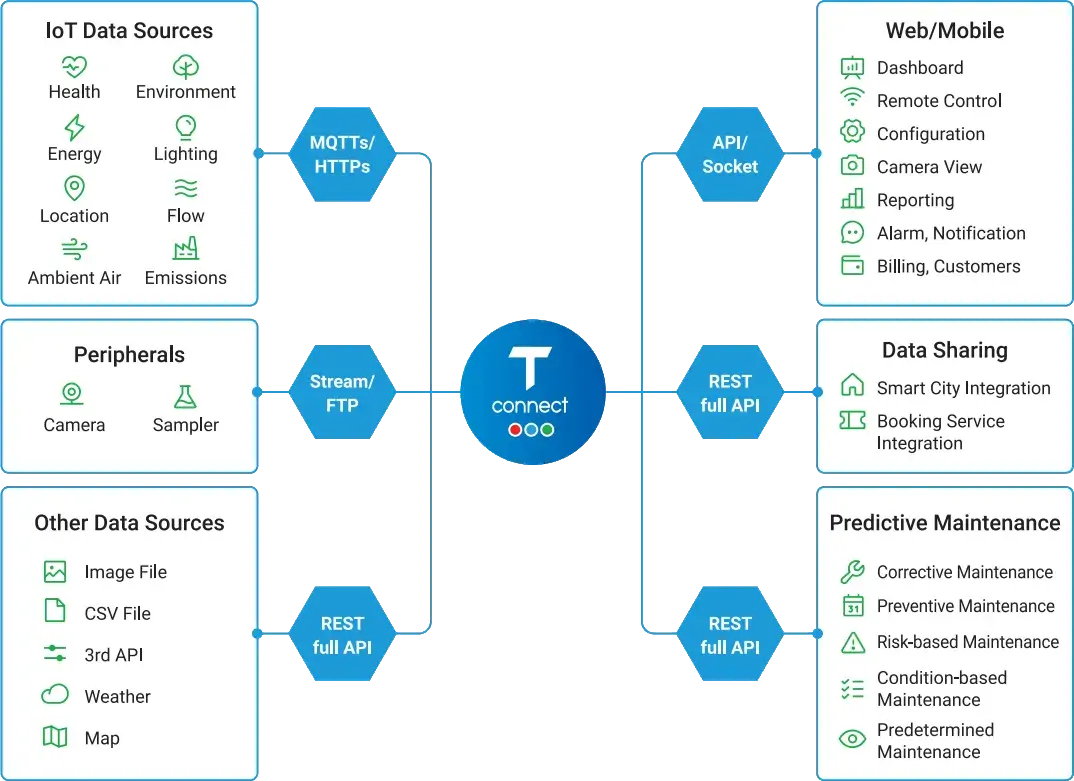
The 5 Biggest Challenges of Smart Factory Implementation (and How to Overcome Them) Introduction: The Path to a Smarter Factory is Not Always Smooth The promise of the smart factory is compelling: a hyper-efficient, data-driven environment that boosts productivity, reduces costs, and enhances agility. With 86% of manufacturers believing smart factory initiatives will be the main driver of competitiveness in the next five years, the question is no longer if but how to make the transition. However, the journey from a traditional plant to a fully integrated smart factory is filled with significant hurdles. Many organizations find themselves struggling with high costs, complex technology integration, and a workforce unprepared for the digital shift. In fact, many initiatives fail to move beyond the pilot stage, a phenomenon known as “pilot purgatory”. This article identifies the five biggest challenges of smart factory implementation, supported by industry research, and provides a practical guide on how to overcome them. High Initial Investment and Unclear ROI The Challenge: The upfront cost of implementing smart factory technologies—from IoT sensors and software platforms to new machinery—can be substantial. For many executives, especially in small and medium-sized enterprises (SMEs), justifying this large capital expenditure without a clear and immediate Return on Investment (ROI) is a major barrier. How to Overcome It: Start Small and Scale : Instead of a factory-wide overhaul, begin with a pilot project in a high-impact area. Focus on a single production line or a critical bottleneck where improvements can be quickly measured. Focus on OEE : Use Overall Equipment Effectiveness (OEE) as a key metric. A simple Machine Monitoring System (MMS) can track downtime and inefficiencies, providing clear data to prove the value of further investment. Adopt a Modular Approach : Choose solutions that are modular and scalable. This allows you to add capabilities over time as you achieve positive ROI, controlling costs and minimizing risk. Conclusion: Turning Challenges into Competitive Advantages While implementing a smart factory presents significant challenges, they are not insurmountable. By adopting a strategic, phased approach that focuses on clear business outcomes, invests in people, and prioritizes security and scalability, manufacturers can successfully navigate the complexities of digital transformation. The goal is not just to build a factory that is "smart," but one that is resilient, agile, and prepared for the future. With the right strategy and the right technology partner, these challenges become opportunities to build a lasting competitive advantage. Integrating Legacy Systems (IT/OT Convergence) The Challenge: Most factories are "brownfield" environments, meaning they operate with a mix of old and new equipment from various manufacturers, each with its own proprietary protocols. Integrating these legacy Operational Technology (OT) systems with modern Information Technology (IT) infrastructure is a complex technical nightmare. This lack of interoperability creates data silos and prevents the seamless flow of information needed for a truly smart factory. How to Overcome It: Use IoT Gateways: Implement IoT gateways and protocol converters that can translate data from older machines (using protocols like Modbus) into a standard format (like MQTT) for modern IT systems. Centralized IoT Platform: Deploy a centralized platform that can connect to diverse assets, regardless of their age or vendor. This creates a unified data layer for the entire factory. Prioritize Data Standardization: Establish a clear data governance strategy from the beginning to ensure all information collected is consistent, accurate, and usable across different applications. The Talent Gap and Workforce Resistance The Challenge: A smart factory requires a workforce with new skills in data analytics, AI, and robotics. According to Deloitte, the talent gap is a top concern for manufacturers, with many struggling to find and retain qualified employees. Furthermore, existing employees may resist change, fearing that automation will make their jobs obsolete. This cultural resistance can sabotage even the most well-designed digital transformation strategy. How to Overcome It: Invest in Reskilling and Upskilling: Create internal training programs to equip your current workforce with the necessary digital skills. Focus on turning machine operators into "data interpreters." Promote Human-Machine Collaboration : Frame the transformation not as a replacement of people, but as an augmentation of their abilities. Emphasize how technology can eliminate repetitive, tedious tasks, allowing employees to focus on higher-value problem-solving. Engage Employees Early : Involve factory floor staff in the planning and implementation process. Their hands-on knowledge is invaluable for identifying practical challenges and ensuring the new tools are user-friendly. Cybersecurity Vulnerabilities The Challenge: As factories become more connected, their "attack surface" expands dramatically. Every IoT sensor, machine, and network connection is a potential entry point for cyber threats. A successful attack on a smart factory can go beyond data theft; it can halt production, damage expensive equipment, compromise worker safety, and disrupt the entire supply chain. How to Overcome It: Adopt a "Defense-in-Depth" Strategy: Implement multiple layers of security, including firewalls, intrusion detection systems, and network segmentation to isolate critical OT systems from the general IT network. Prioritize Access Control: Enforce strict role-based access control and multi-factor authentication to ensure only authorized personnel can access or modify sensitive systems. Regular Security Audits and Training: Conduct regular vulnerability assessments and provide ongoing cybersecurity training for all employees to build a security-conscious culture. Data Overload and Failure to Scale Data Overload and Failure to Scale The Challenge: Smart factories generate an enormous amount of data. Without a clear strategy, companies risk "drowning in data" without extracting any meaningful insights (4). This is a key reason why many companies get stuck in "pilot purgatory"—they can successfully run a small-scale trial but fail to scale it across the enterprise because the data management and analytics capabilities are not robust enough (2). How to Overcome It: Define Clear Business Goals: Before collecting any data, define the specific business problems you want to solve. This ensures you only gather relevant data and can measure the impact of your initiatives. Leverage Edge and Cloud Computing: Use edge computing to process time-sensitive data locally on the factory floor, reducing latency. Send summary and historical data to the cloud for more complex analysis and long-term storage. Utilize AI-Powered Analytics: Implement AI and machine learning platforms that can automatically analyze large datasets to identify patterns, predict failures, and provide actionable recommendations, turning raw data into business intelligence. How TMA Solutions Helps You Overcome These Hurdles The journey to a smart factory is a marathon, not a sprint. At TMA Solutions, we provide a modular and scalable approach to help you navigate these challenges effectively. Our T-Connect IoT platform is designed to solve the integration problem, seamlessly connecting legacy and modern equipment into a single, unified dashboard. It provides the foundation for data collection and management, helping you move beyond pilot projects to a factory-wide deployment. Paired with our Machine Monitoring System (MMS), you can start small, prove ROI quickly, and build momentum for your digital transformation. We empower you to turn data into a strategic asset, ensuring your smart factory initiative delivers tangible business value from day one. Figure 1: T-Connect. ...
icon
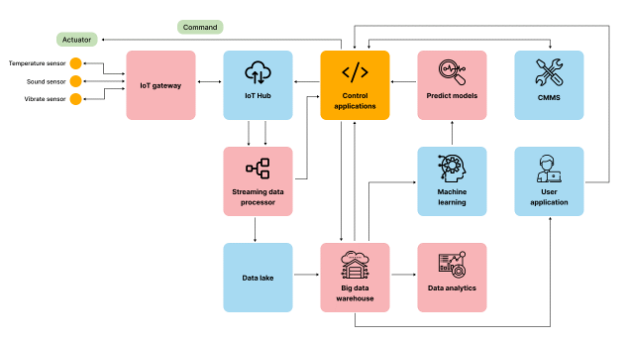
The AIoT Revolution: Unlocking Efficiency in Modern Manufacturing For decades, the Internet of Things (IoT) has connected machines, sensors, and systems on the factory floor, gathering vast oceans of data. But data alone doesn't create value. The revolution begins when intelligence is applied. This is the power of AIoT—the fusion of Artificial Intelligence (AI) and IoT—a combination that is moving manufacturing from simple data collection to intelligent, autonomous action. While IoT provides the digital "nervous system" to connect assets, AI acts as the "brain" to analyze, predict, and optimize operations in real-time (2). This synergy is unlocking unprecedented levels of efficiency, with industry leaders like Gartner noting that over 80% of enterprise IoT projects will incorporate AI by 2022 (5). For manufacturers, this isn't just a trend; it's a fundamental shift toward the smart, resilient, and autonomous factory of the future. From Theory to Factory Floor: TMA’s AIoT Solutions in Action Harnessing the power of AIoT requires deep expertise in both data science and domain-specific engineering. This is where a dedicated technology partner transforms potential into profit. A prime example is TMA's Predictive Maintenance solution, developed for a global appliance manufacturer. The Challenge: There is a need to move from reactive to predictive maintenance to reduce operational costs and downtime for their machinery. The AIoT Solution: TMA deployed a system using IoT sensors (like sound, vibration, and temperature) to continuously monitor equipment health. This data was fed into custom-built AI models. The Result: The AI models successfully learned the "normal" operating signature of each machine and could accurately forecast failures in real-time. This allowed the client to schedule maintenance proactively, drastically cutting unexpected downtime and extending the lifespan of critical assets. This real-world application highlights the core value of AIoT: it provides a clear, data-driven path to solving multi-million dollar problems. Predictive Maintenance (PdM) Unifying Operations: The sCMMS Platform To fully leverage AIoT, manufacturers need a central hub to manage these new capabilities. TMA's Smart Computerized Maintenance Management System (sCMMS) provides this unified platform. It integrates IoT data, AI-driven insights, and maintenance workflows into a single dashboard. Instead of just logging repairs, the sCMMS uses AI to: Automate work order creation based on AIoT alerts. Provide an AI Assistant to help technicians diagnose problems. Manage inventory intelligently, ensuring the right spare parts are ready for a predicted failure. This solution is a practical example of how TMA’s Smart Factory capabilities bridge the gap between raw data and tangible business outcomes. Smart Computerized Maintenance Management System (sCMMS) Beyond Data: The Core Pillars of AIoT AIoT transforms raw data streams into actionable insights across three critical pillars Optimized Production Lines : AI algorithms analyze real-time data from IoT sensors to identify bottlenecks, automate quality control, and adjust machine parameters on the fly. This leads to higher throughput, reduced waste, and more consistent product quality. Enhanced Supply Chain Visibility : AIoT doesn't stop at the factory door. It provides intelligent tracking of assets and materials across the entire supply chain, using AI to predict logistical disruptions and optimize inventory levels. Predictive Maintenance (PdM) : This is arguably the most significant impact of AIoT. Instead of reacting to breakdowns or adhering to rigid maintenance schedules, AIoT allows manufacturers to predict equipment failure before it happens, minimizing costly unplanned downtime. The Future of Manufacturing is Now The AIoT revolution is not a distant vision; it is happening on factory floors today. By combining the connectivity of IoT with the intelligence of AI, manufacturers can finally unlock the full potential of their data. From predicting machine failures with TMA's Predictive Maintenance solutions to ensuring worker safety with intelligent VMS, the path to a more efficient, autonomous, and resilient operation is clear. The question for manufacturers is no longer if they should adopt AIoT, but how quickly they can partner with experts to implement it. AIoT for a Safer, More Secure Facility AIoT's impact extends beyond machine efficiency to include personnel safety - a top priority for any manufacturer. Traditional camera systems (CCTV) are passive; they only show what happened after an incident. TMA's Video Management System (VMS) turns these cameras into active, intelligent guardians. By applying AI analytics to live video feeds (an "AI + IoT" solution), the system can: Detect PPE Violations: Automatically identify if a worker is not wearing a required helmet or safety vest in a designated zone. Prevent Collisions: Send real-time alerts if forklifts or personnel are on a collision course. Secure Restricted Areas: Instantly detect and flag unauthorized intrusion. This proactive approach to safety prevents accidents, ensures compliance, and creates a more secure working environment. Video Management System (VMS)...
icon
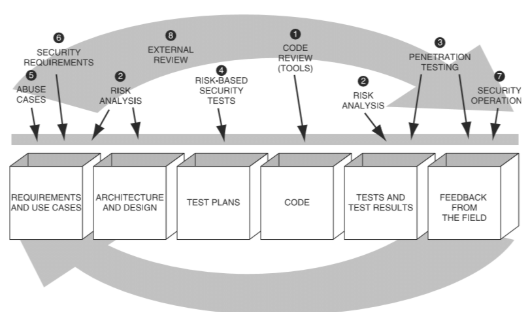
Make Penetration Testing a Priority Penetration Testing is not just a final check; it is also an essential part of building resilient and trustworthy software. By embedding it into development practices, organizations protect users, maintain their reputation, and stay ahead of cyber threats. Without penetration testing in the SDLC, organizations risk releasing vulnerable software, leading to data breaches , financial loss, and reputational damage. Integrating pen testing helps prevent these risks by ensuring security is built into every stage of development. TMA Solutions provides both security testing and penetration testing services for products and organizations, with many years of experience serving global clients from professional and certified penetration engineers. Detailed information about the Penetration testing service of TMA Solutions is at https://www.tmasolutions.com/case-studies/penetration-testing-service https://www.tmasolutions.com/case-studies/penetration-testing-service Understanding Penetration Testing The Definition Penetration testing is a controlled attack simulation with permission from the owner of the product/system that helps identify vulnerability and security issues in an application, network and system. You can fix or mitigate issues and implement defensive strategies to protect your critical systems and information, by locating vulnerabilities before the adversaries do. The role of a pentester is to attempt to break into the target system to find vulnerabilities or security issues before attackers do. This distinctive approach uncovers vulnerabilities and threats, evaluates your agency's ability to detect and respond, and offers a benchmark for ongoing progress As cybercrime increases, the importance of penetration testing is greater than ever. Expected loss from cybercrime until 2027 Main Areas Web Application Penetration Testing: Focus on web applications, web servers and other web interface product. The popular standard for Web Application pentest is OWASP TOP 10. OWASP TOP 10 both provides a list of popular attack vector that aim at web products and a testing guide on how to proceed to find such issue. System Penetration Testing: Examine the security posture of an operating system weather it is safe or not, including but not limited to: finding misconfiguration and sensitive information in the system, finding escalation vector that allow malicious attacker to jump to another user or another system, expose potential backdoors and malware application. Network Penetration Testing: Find the potential vulnerabilities within the network infrastructure, including network devices like routers, switches, firewalls. This includes both internal and external network of an organization. Popular found issues are Man-in-the-Middle attack, Flooding attack, Spoofing attack. Mobile Application Penetration Testing: Aim to find security risks and vulnerabilities inside mobile applications and mobile devices, especially important in Bring Your Own Device (BYOD) environment. API Penetration Testing: Test the security implementation on API, check for weak authentication/authorization, code injection, and data leaks… IoT Penetration Testing: The goal is to simulate a real-world attack on IoT devices and systems, including hardware, firmware, communication protocols, and associated software applications.https://www.tmasolutions.com/insights/iot-security-challenges (IoT Security Challenges) Why is Penetration Testing important in SDLC? Many organizations forego or do not see the importance of Penetration Testing in the Software Development Cycle , and consequently, they have paid a heavy price for that oversight. With the fast and unprecedented development of Artificial Intelligent , hacking can be both simplified and increased greatly in scale. Malicious attackers will target an organization that does not take care of their product security, and their loss will not only be limited to resources and financial but also to their reputation. In this case, Penetration testing (pentest) is not just a tool for assessing software before releasing but also a strategic component that ensures robustness throughout the SDLC. Secure Software Development Life Cycle Process Identifying Vulnerabilities Early In a modern secure development cycle, it is important to identify and eliminate or mitigate a security issue early rather than late. Traditional development models like Waterfall often put security checks at the end, at the final audit. At that point, a serious and critical security issues also mean a re-development of an entire feature or even an entire product logic. Early detection of vulnerabilities through penetration testing allows development teams to address security flaws during the design, coding, or testing phases, which is significantly more cost-effective than fixing issues after release. Compliance and Regulatory Requirements Many clients and regions in the world require the product to meet certain requirements in cybersecurity and data protection. There are many standards for each industry, for example: HIPAA for healthcare (https://www.tmasolutions.com/insights/healthcare-data-security Healthcare Data Security ) PCI-DSS for finance and e-commerce GDPR for organizations handling EU citizen data ISO/IEC 27001 for information security management Failing to meet these security standards not only increases risk but can also result in legal penalties or loss of certification . Penetration testing is often a mandatory requirement in these compliance frameworks. Conducting and documenting regular tests can demonstrate: Due diligence in protecting sensitive data Proactive risk management Readiness for audits and certification Real-World Threat Simulation Penetration Testing can cover much more than regular vulnerability scanning. Products like Nessus, OpenVAS, and Qualys can actively scan the system and provide a report about possible vulnerabilities, but they fail to do a deep dive into the system to find issues that are complicated and require multiple steps. Penetration Testing, on the other hand, focuses on manually finding and exploiting an issue, similar to a real-world attacker. A pentester will work with whatever information they can gather from many different sources, then utilize that information to leverage an attack. Penetration Testing includes many human-thinking logics that are simply beyond the capabilities of any vulnerability scanner. Building Client Confidence and Market Advantage Security is a differentiator in today's competitive software market. The rise of supply chain attack also means that client will carefully review and pick the companies that will provide a secure and safe product to use within their system. Especially in B2B sectors , they demand proof that the software they use or integrate with is secure. Companies that conduct regular penetration testing can provide: Security assessment summaries Vulnerability remediation reports Certifications of compliance This transparency builds trust and often becomes a deciding factor in high-value deals. The Critical Role of Penetration Testing in Software Development...
icon
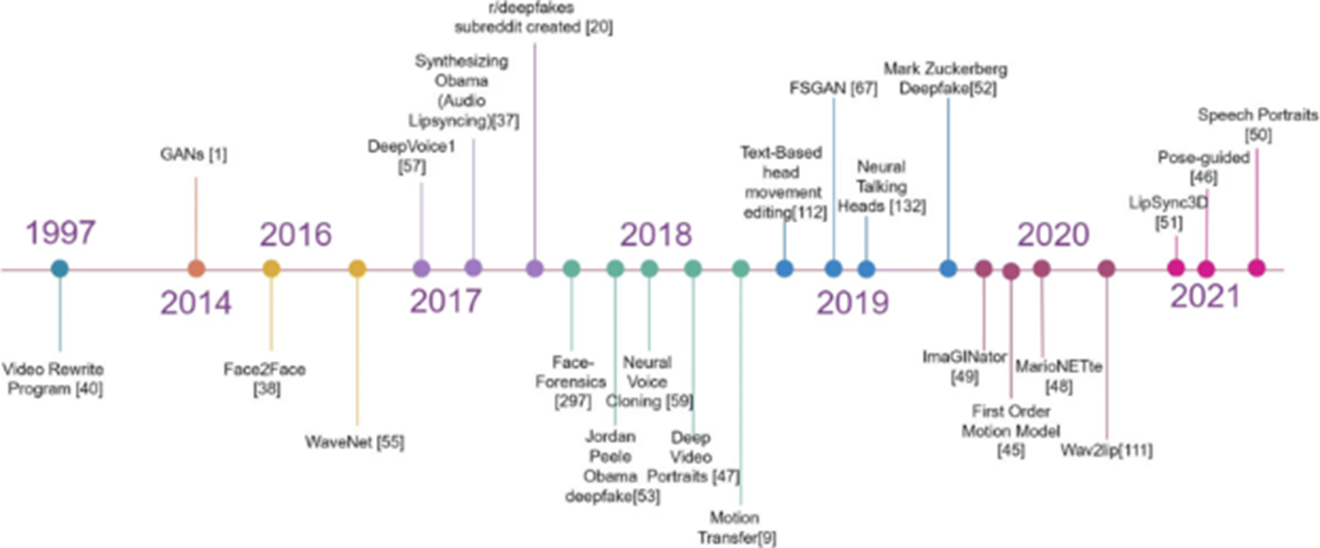
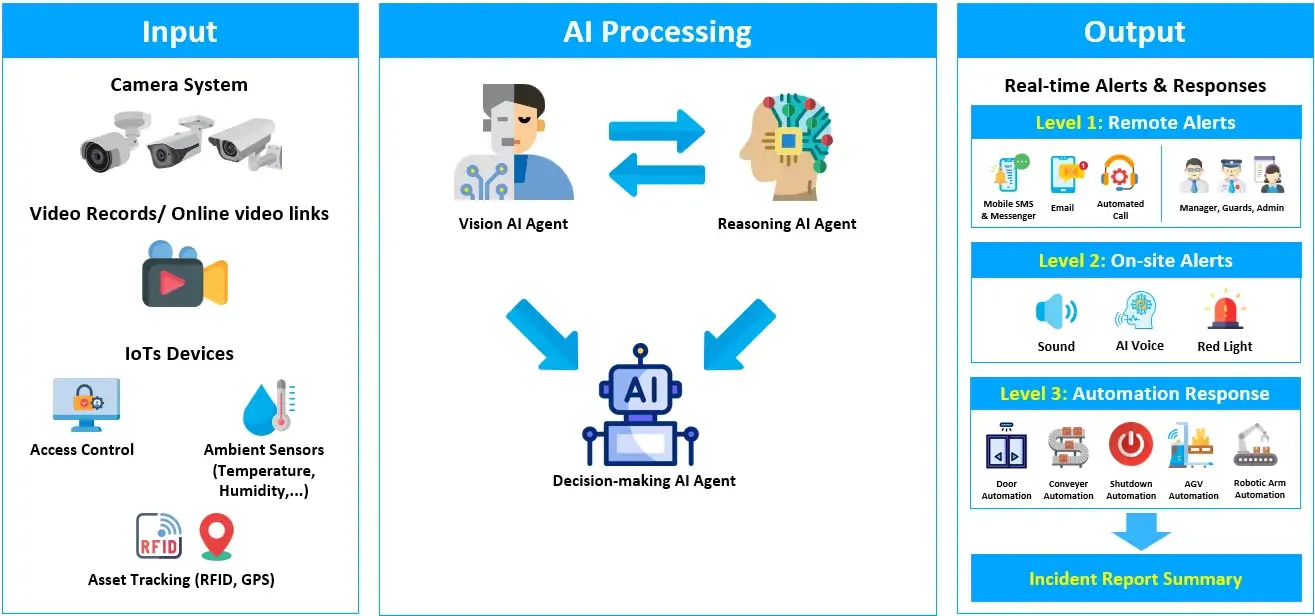
TMA SOAR with TrueSight Flow: A New Approach To address these gaps, TMA Solutions leverages its SOAR platform— TrueSight Flow —which offers near-real-time monitoring and automation capabilities for media content integrity. What is SOAR? Security Orchestration, Automation, and Response (SOAR) systems integrate threat intelligence, detection tools, and workflow automation to help security teams respond more quickly and consistently to incidents. By combining AI-powered detection with SOAR automation, TrueSight Flow enables real-time event correlation, auto-alerting, and even policy-driven content suppression or escalation. Once a deepfake is detected, the system can immediately trigger alerts, activate takedown protocols, or route cases to human reviewers, closing the loop between identification and response. TMA-TrueSight-Near-Real time Deepfake Detection Conclusion Deepfakes will continue to evolve, posing risks to individuals, organizations, and societies. While detection technology has made significant progress, the next critical step is improving how quickly and effectively we respond. Tools like TMA’s TrueSight Flow represent a forward-thinking move toward integrated, responsive solutions in the fight against synthetic media threats. Current Limitations in Detection and Response Forensics Deepfake Detection System Evaluation Despite progress, several challenges persist: Real-time detection is rare . Most tools analyze content after it has already been published, limiting timely intervention. Real-time detection is difficult due to high computational cost, system latency , and the requirement for large-scale, well-labeled training datasets to handle diverse types of manipulated media. Latency in response. Even if a deepfake is detected, organizations may not have streamlined processes or automation in place to act quickly enough to prevent harm. Lack of integrated response mechanisms . Detection alone is not sufficient. Many systems are missing a coordinated response pipeline that can immediately escalate and mitigate threats once identified. Timeline of the evolution of Deepfakes Early Detection Methods In the early days, deepfake detection relied on manual analysis or simple digital watermarking techniques. These approaches were slow and often ineffective against advanced forgeries, especially when dealing with high-quality synthetic content. Rise of AI/ML Techniques The shift toward using https://www.tmasolutions.com/technologies/ai-ml-and-data-sciences AI and machine learning has been a game-changer. Detection tools now leverage convolutional neural networks (CNNs) and other deep learning models to identify subtle inconsistencies in facial expressions, blinking patterns, or lighting artifacts that may go unnoticed by the human eye. Notable models include XceptionNet, MesoNet , and FaceForensics++ , which have shown effectiveness in identifying manipulated facial features in synthetic media. However, this remains a cat-and-mouse game—every improvement in detection is often followed by advances in generation techniques. Introduction Deepfakes have become a growing concern in the digital age. With the ability to manipulate audio and video content to mimic real people, these AI-generated forgeries are increasingly used in fraud, disinformation campaigns, and social manipulation. As they grow more sophisticated, the urgency to detect and respond to deepfakes has never been greater. The Evolving of Deepfake Detection and the Rise of Real-Time Response...
icon
The Future of AI in Cold Chain Logistics Call to Action Looking to enhance your cold chain logistics with AI? Partner with TMA Solutions, your trusted Vietnam software outsourcing company, to build predictive, intelligent, and resilient logistics systems. Reach out to us at mailto:contact@tmasolutions.com contact@tmasolutions.com Or visit https://www.tmasolutions.com https://www.tmasolutions.com to explore our AI and logistics automation solutions. Why Choose TMA Solutions for Cold Chain AI? TMA Solutions is a https://www.tmasolutions.com/ leading software outsourcing company in Vietnam, recognized for its AI and logistics expertise. Our strengths include: Proven AI R&D capabilities across logistics and supply chain domains Full-cycle development from AI modeling to deployment In-house quality assurance teams and testing services Experience with global clients in the pharmaceutical, food, and retail industries Whether you're seeking custom https://www.tmasolutions.com/technologies/ai-ml-and-data-sciences AI development , predictive analytics, or a full-featured https://www.tmasolutions.com/industries/logistics-and-transportation logistics automation platform, TMA delivers scalable and secure solutions tailored to cold chain requirements. Real AI Applications in Cold Chain Logistics AI Demand Forecasting in Logistics AI analyzes historical data, weather trends, and consumption patterns to predict demand surges or slowdowns. In the cold chain, this reduces overstocking and understocking, minimizing spoilage and improving profitability. Predictive Maintenance Using IoT Cold chain assets, such as refrigerated trucks or storage units, require constant monitoring. AI models, integrated with IoT sensors, detect anomalies in real-time and predict equipment failure before it happens—ensuring no break in the cold chain. TMA - AI-Driven Predictive Maintenance solution AI-Powered Route Optimization and Last Mile Delivery Using AI for last-mile delivery, especially in temperature-sensitive logistics, ensures the shortest and safest delivery paths—while avoiding delays caused by traffic, weather, or infrastructure. Generative & Agentic AI in Cold Chain With https://www.tmasolutions.com/technologies/ai-ml-and-data-sciences Generative AI , logistics teams can simulate various failure scenarios (e.g., power outages, supply interruptions) to prepare alternative plans. Meanwhile, Agentic AI solutions allow autonomous systems to make real-time decisions inside cold warehouses, such as rerouting goods or adjusting storage zones based on sensor feedback. TMA – Agentic AI solutions – How it work AI is Transforming the Cold Chain – Here’s How Cold chain logistics, where maintaining precise temperature control is crucial, face increasing complexity. From pharmaceuticals to perishable foods, supply chain disruptions can result in major losses. That’s where https://www.tmasolutions.com/industries/logistics-and-transportation AI logistics automation and predictive analytics are redefining operational standards. At https://www.tmasolutions.com/ TMA Solutions , a top Vietnam AI company with 20+ years in Vietnam software outsourcing, we are helping logistics providers improve cold chain efficiency by offering: AI-powered demand forecasting Shipment tracking and route optimization Agentic AI solutions for logistics These innovations increase visibility, reduce spoilage, and create responsive, data-driven operations....
icon
The Future of Corporate Learning: Blending Edtech with Workforce Development Smart LMS Enables organizations and institutions to create, deliver, and track learning programs with AI-driven personalization, automation, and analytics, supporting both education and enterprise training​. TMA in Action: TMA’s Smart Learning Management System leverages AI to create personalized learning paths and improve learning outcomes. It assesses learners’ proficiency, recommends the most relevant lessons, and tracks progress in real time. (TMA Smart Learning Management System) Introduction As industries evolve at unprecedented speed, organizations face a critical challenge: ensuring their workforce has the right skills at the right time. Traditional corporate training models—static courses, one-size-fits-all workshops, and infrequent assessments—are no longer sufficient. The future of corporate learning lies in the intelligent blending of EdTech innovation with workforce development strategies. Modern enterprises require learning ecosystems that are agile, personalized, measurable, and closely aligned with business objectives. By leveraging AI-powered EdTech platforms, immersive learning technologies, and data-driven insights, organizations can transform training from a cost center into a strategic growth engine. At TMA Solutions, we are proud to be driving this transformation in corporate learning. Our innovations: Smart LMS, AI-Powered Language Learning Platforms, Course Matching Finders, and Smart Course Creators, AI Tutors, Education Management Suites—are helping enterprises and corporate training providers build future-ready workforce development ecosystems. The result is a corporate learning environment where employees are no longer passive recipients of training, but active participants in their professional growth. By making workforce learning more personalized, data-driven, and performance-focused , we enable organizations to accelerate upskilling, close critical skill gaps, and prepare their workforce to meet the evolving demands of tomorrow’s business landscape Conclusion Corporate learning is no longer just about training—it is about building a resilient, future-ready workforce. Organizations that successfully blend EdTech with workforce development gain a decisive competitive advantage in an increasingly skills-driven economy. With a proven track record of delivering advanced EdTech solutions across Japan, South Korea, Australia, Vietnam, the United States, and Europe, TMA Solutions is playing a pivotal role in this transformation. Through AI-powered platforms designed to support scalable, data-driven, and industry-aligned learning, TMA enables enterprises, institutions, and training providers to modernize how skills are developed, deployed, and measured—contributing to a more agile and globally competitive workforce Education Management Suites Education Management Suites (EMS) is an all-in-one platform that helps institutions and education providers digitalize and streamline the entire student lifecycle—from marketing and admissions to academics, finance, and operations. Built with comprehensive Omnichannel, CRM, SIS, LMS, ERP, and AI automation capabilities, EMS empowers organizations to improve efficiency, enhance learner experience, and make data-driven decisions at scale. TMA in Action: TMA’s Education Management Suites (EMS) serves as a unified digital backbone for education institutions and training providers seeking to modernize and scale their operations. By consolidating omnichannel engagement, customer relationship management (CRM), student information systems (SIS), learning management (LMS), and enterprise resource planning (ERP) into a single platform, EMS eliminates data silos and streamlines the entire student lifecycle. AI Tutor Connect learners with the best tutors and enhance every learning experience with AI-powered personalization in an all-in-one platform. Learners can seamlessly browse tutor profiles, book one-on-one or group sessions, and manage schedules directly within the platform. AI-driven recommendations help optimize tutor selection, while automated reminders and session management streamline the entire experience for both learners and instructors. TMA in Action: TMA’s AI Tutor is embedded within an all-in-one learning ecosystem that connects learners, tutors, and content seamlessly. Through the platform, learners can search for and connect with verified tutors based on subject expertise, industry experience, availability, and learning goals. Intelligent matching ensures that each learner is paired with the most suitable tutor to address specific skill gaps or career objective. Smart Course Creator Designing structured, engaging courses takes time and expertise. AI assists by generating content, quizzes, visuals, and sequencing based on learning goals, allowing teachers to focus on refinement and delivery. Deployed in Australia, this tool enabled trainers to accelerate course development, saving at least 30% of preparation time compared to traditional methods while ensuring content alignment with industry standards and learner needs. TMA in Action: TMA’s Smart Course Creator allows educators to input a topic or objective and receive a complete course outline with AI-generated lessons, slides, assessments, and media suggestions. It integrates seamlessly with Smart Education Marketplace Platform for quick publishing and tracking. (TMA Education Marketplace Platform) AI-Powered Language Learning Platform Empowers learners to master communication and job-specific language skills through personalized, interactive, and AI-driven self-learning experiences across the entire learning journey​. TMA in Action: TMA’s AI Language Learning Platform delivers complete experience: Smart Level Assessment Personalized Learning Path​ AI Roleplays & Instant Feedback​ AI Tutor & Language Coach​ In South Korea, it has been successfully adopted by language centers and enterprises to support both English and Korean training, achieving high engagement rates and measurable learning gains. (TMA Learning Language Platform) ...
icon
How TMA Enhances Logistics with AI Solutions? Key Applications of AI Solutions in Logistics We harness the power of agentic AI to create intelligent logistics solutions that not only automate but also optimize processes. With our expertise in AI development, we design systems that predict demand, enhance decision-making, and streamline supply chain management. 1. Smart Warehousing Through robotic process automation (RPA) and AI-powered inventory management, TMA helps businesses reduce errors by up to 30%, save time by 20%, and improve stock accuracy by 25%. Our solutions enable autonomous forklifts and drones to navigate warehouses, ensuring the most efficient storage and retrieval of goods. According to a 2020 report by the World Economic Forum, AI and automation could improve warehouse efficiency by up to 25%. 2. Predictive Analytics for Supply Chain Management By integrating AI-driven predictive analytics, we empower logistics teams to anticipate disruptions, optimize delivery routes, and reduce delays. Our machine learning models analyze historical data and forecast future trends, enabling smarter, data-driven decisions. Gartner reports that 70% of supply chain leaders who implemented predictive analytics saw improvements in demand forecasting accuracy and operational efficiency. 3. Autonomous Vehicles and Last-Mile Delivery With the rise of autonomous vehicles, TMA is at the forefront of developing self-driving trucks and drone delivery systems. These innovations not only reduce human error but also minimize operational costs, offering businesses faster and more reliable last-mile delivery solutions. A McKinsey report predicts that autonomous delivery vehicles could reduce logistics costs by up to 40% in the next decade. 4. AI-Powered Client Service Our AI solutions extend beyond logistics operations. By implementing chatbots and virtual assistants, we help companies provide instant, round-the-clock client service, improving satisfaction and reducing the burden on support teams. What Are Agentic AI Solutions in the Logistics Industry? Agentic AI refers to autonomous AI systems that act as intelligent agents, making decisions and taking actions without human intervention. These systems leverage machine learning, predictive analytics, and robotics to analyze real-time data, optimize workflows, and perform tasks that traditionally require human oversight. For logistics companies, agentic AI can be applied across various areas, from inventory management and route optimization to automated warehousing and autonomous delivery systems. Why Choose TMA Solutions for Your AI-Powered Logistics Needs? With over two decades of experience in AI and automation, TMA has a proven track record of delivering innovative technology solutions tailored to the unique challenges of the logistics industry. Here’s why you should partner with us: Expertise: Our deep knowledge in AI, machine learning, and robotics enables us to design solutions that meet the most demanding logistics challenges. Customization: We understand that each logistics operation is unique, and we tailor our AI solutions to meet your specific needs. End-to-end solutions: From consulting to deployment and ongoing support, we offer comprehensive solutions that drive long-term success for your logistics operations. The Future of Logistics: Embracing Agentic AI The future of logistics is undoubtedly powered by AI. With agentic AI solutions, companies can expect smarter, faster, and more efficient logistics operations. At TMA Solutions, we’re helping businesses unlock this potential by integrating AI into every facet of logistics, from automation to real-time decision-making. In today’s fast-evolving logistics industry, organizations are increasingly turning to agentic AI solutions to drive innovation, enhance operational efficiency, and gain a competitive edge. At TMA Solutions, we specialize in integrating cutting-edge AI technologies into logistics processes, offering tailored solutions that transform how businesses manage supply chains, warehouses, and distribution networks. (Key components such as data collection, AI-driven analytics, automation, user interfaces, integration, and security for optimized logistics operations) The Future of Logistics: Embracing Agentic AI...
icon
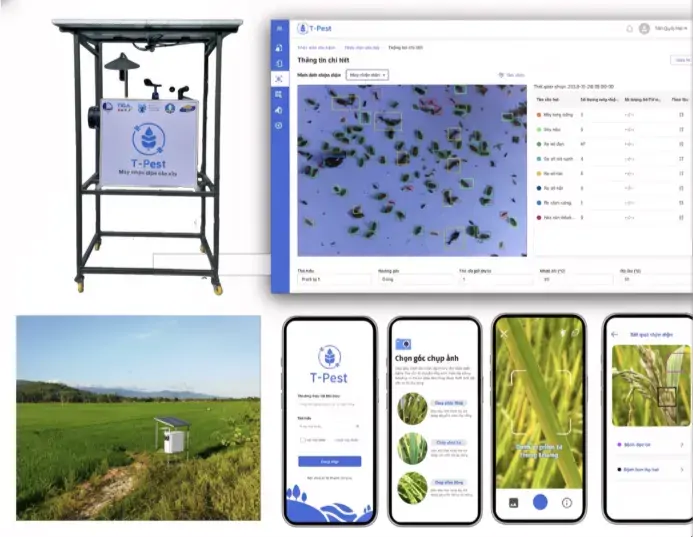
The Future of Smart Farming: How AI Helps Vietnamese Farmers Increase Productivity Current Agricultural Landscape: Challenges Driving Innovation Scale and Economic Significance Vietnam's agricultural foundation creates both opportunities and challenges for AI adoption. The sector generates $430 billion in total economic activity while supporting nearly 40% of the workforce, demonstrating massive potential impact from productivity improvements. Agricultural exports reached $36 billion in 2017, with rice exports alone contributing $5.8 billion from 9 million tons of production. Coffee production adds substantial value as the world's second-largest exporter, while emerging crops like durian access premium international markets. However, structural challenges limit traditional farming efficiency: Land fragmentation: 70% of farms operate below 0.5 hectares Climate vulnerability: Temperature increases 0.26°C per decade (twice global average) Labor constraints: Rural youth migration creates workforce gaps Quality standards: International markets demand traceability and certification Digital Infrastructure Foundation Vietnam's digital transformation provides essential infrastructure for smart farming adoption. 82.3% fiber optic coverage reaches rural areas, while smartphone penetration enables mobile-based agricultural applications. The government's Digital Infrastructure Strategy targets: Universal fiber availability by 2025 6,500 5G base stations already operational Nationwide 5G deployment by 2030 Rural internet expansion from 37% to 99% coverage This connectivity foundation enables real-time monitoring, cloud-based analytics, and remote equipment control essential for AI-powered agriculture. From Traditional Rice Paddies to AI-Powered Agricultural Revolution How Vietnam's $2 billion smart farming investment is delivering 30% water savings, 75% labor reductions, and 19% income increases across coffee, rice, durian, and vegetable production. Executive Summary: https://www.tmainnovation.com/agriculture Vietnam's Agricultural AI Transformation Vietnam's agricultural sector is experiencing a technological revolution that positions the country as Southeast Asia's smart farming leader. Government investment exceeding $2 billion USD, combined with 115 agritech startups and international partnerships, has created an ecosystem where artificial intelligence delivers measurable productivity gains across the nation's key crops. The transformation addresses critical challenges: 70% of farms operate on less than 0.5 hectares, climate change threatens traditional farming methods, and export markets demand increasing quality standards. AI solutions provide practical answers through precision agriculture, automated monitoring, and data-driven decision making. Key Impact Metrics: Water savings: 13-40% through IoT-powered irrigation systems Labor cost reductions: 50-75% via drone automation and smart monitoring Yield improvements: up to 15% from precision agriculture implementations Income increases: 19% for farmers adopting comprehensive smart farming packages Export value growth: $36 billion annually with quality improvements enabling premium market access The agricultural sector contributes 11.96% to GDP while employing 13.9 million people, making these productivity improvements economically transformative for Vietnam's development trajectory. Crop-Specific AI Applications and Results Coffee: Central Highlands Transformation Vietnam's coffee sector demonstrates the most advanced AI implementation with measurable economic impact. Coffee production in Central Highlands leverages comprehensive technology integration from satellite monitoring to precision application systems. Deforestation monitoring projects process over 34,000 GPS locations and hundreds of Sentinel satellite images to create the highest resolution land cover mapping for sustainable coffee supply chains. This technology enables compliance with international environmental standards and premium market access. Various platforms establish service centers in Buon Ma Thuot, Vietnam's coffee capital, signaling expansion into the sector's core production region. Platform capabilities include: Supply chain digitization and optimization Farmer payment and inventory management systems TMA's Agriculture Supply Chain Management framework To further bolster coffee traceability and integrity, TMA's Agriculture Supply Chain Management framework offers an open platform for data collection and analysis, compliant with VietGAP, GlobalGAP, and GS1 standards. Farmers capture activities via mobile apps (voice, photo, video) in just 1-2 hours weekly, enabling crop optimization and seamless integration with enterprise systems through APIs, without proprietary lock-in. In livestock-integrated coffee farms, TMA's Pig Behavior Monitoring solution, deployed for large corporations in Vietnam and Thailand, uses computer vision and edge AI for anomaly detection (up to 90% accuracy), monitoring growth rates and temperatures remotely to prevent diseases that could impact intercropped systems. TMA's Pig Behavior Monitoring solution Supply Chain and Traceability Enhancements Across all crops, traceability remains key for export success. TMA's Traceability Supply Chain platform utilizes Hyperledger Blockchain for transparent data storage, enabling QR code-based fraud detection, consumer engagement, and business intelligence reports. This complements existing AI tools by providing end-to-end visibility from farm to market. TMA's Traceability Supply Chain platform For e-commerce integration, TMA's AgriHub Ecosystem Platform connects farmers to consumers via AgriMart, with a central database ensuring product quality and reliability, supporting premium exports of coffee, durian, and rice. These integrations demonstrate how Vietnamese agritech leaders like TMA are partnering with global entities to deliver customized, high-accuracy solutions that scale from smallholder farms to national exports, ensuring Vietnam's smart farming revolution is both innovative and inclusive. AI Technologies Revolutionizing Vietnamese Farming Computer Vision and Crop Monitoring Vietnamese agriculture demonstrates sophisticated computer vision applications across multiple crop types. Various agritech companies in Vietnam develop AI-driven crop intelligence platforms enabling disease identification through smartphone photos, making advanced diagnostics accessible to smallholder farmers. Coffee production benefits from satellite imaging projects achieving 93% accuracy in deforestation detection using convolutional neural networks. These systems enable environmental compliance while supporting sustainable farming practices required for premium export markets. Durian quality assessment systems achieve 94.5% overall accuracy in ripeness determination through neural network classification. Gas sensors combined with machine learning enable automated discrimination between unripe, ripe, and overripe fruit, ensuring consistent export quality standards. Research institutions develop comprehensive datasets including 2,595 durian leaf images categorized across 6 disease classes, supporting computer vision models for early disease diagnosis and precision treatment applications. Complementing these efforts, innovative solutions like TMA's Pest Detection system, developed in collaboration with Vietnam's Department of Agriculture, leverage computer vision to identify pests and diseases in fields with up to 88% accuracy. This edge-device compatible tool allows for early detection on cloud or on-premise setups, helping farmers devise targeted pesticide plans and reducing unnecessary chemical use. TMA's Pest Detection system Similarly, TMA's Tree Disease Detection project employs drones for aerial data collection and deep learning models (such as AlexNet and VGG) to analyze images, enabling automatic daily monitoring of tree health. Inputs are uploaded to the cloud via Wi-Fi for processing, with results visualized on mobile or web apps, further enhancing precision in disease management for crops like durian and coffee. TMA's Tree Disease Detection IoT Sensors and Precision Agriculture Internet of Things sensor networks create comprehensive farm monitoring capabilities with measurable productivity improvements. Various companies in Vietnam offer cloud-based platforms serving over 20,000 users, achieving 30% water savings and 25% yield increases through automated irrigation control. World Bank IoT pilot programs for Alternate Wetting and Drying systems reduce rice farming water usage by 13-20% while maintaining yields. Sensor networks monitor soil moisture, pH levels, nutrient content, and environmental conditions with real-time adjustments. Smart irrigation implementations provide practical benefits highlighted by farmer testimonials: "This is so convenient. I can observe the water level in my field and accordingly turn my irrigation pump on and off from the comfort of my home. It also saves water and energy," reports Pham Van Tuan, a rice farmer in Can Tho Province. Implementation costs range $500-$2,000 per sensor unit, with total deployment costs of $120,000-$500,000 depending on farm scale. Water savings up to 40% compared to traditional methods create immediate operational cost reductions justifying these investments. TMA's Smart Irrigation solution Building on this, TMA's Smart Irrigation solution integrates solar-powered sensors for real-time soil and air monitoring, supporting multi-zone control and weather forecast-based scheduling. Deployable on major clouds like AWS, Azure, or Google, it uses LoRa, WiFi, or GSM for communication, reducing manual effort and customizing easily for Vietnamese farms, aligning with national goals for water efficiency in rice and vegetable production. Drone Technology and Autonomous Systems Agricultural drone adoption delivers dramatic efficiency improvements with quantifiable results. Various companies in Vietnam have sprayed over 2,000 hectares using advanced agricultural drones, achieving 75% labor reductions compared to manual spraying while ensuring even pesticide coverage. Binh Thuan Province implementation covers 9.9 hectares across intercropped durian and coffee orchards, reducing spraying time from 10+ days to 2.5 days. Precision application ensures even pesticide coverage on both leaf sides, improving pest control effectiveness while reducing chemical usage. Advanced agricultural drones achieve 50% labor reductions in seed, pesticide, and fertilizer application while providing precise input optimization that reduces waste. Mobile app integration enables automated mapping and application planning, making advanced technology accessible to smallholder farmers. Drone implementation costs include equipment purchase ($15,000-$50,000), operator training, and regulatory compliance, with payback periods typically 1-2 years through labor savings and improved application efficiency. Integrating seamlessly with these drone advancements, TMA's solutions incorporate drone-based data in projects like Tree Disease Detection, where aerial photos and videos are automatically captured and analyzed for abnormalities, supporting autonomous systems that enhance pest and disease control in durian orchards and coffee plantations. Predictive Analytics and Machine Learning Artificial intelligence transforms farming decisions through machine learning algorithms providing weather forecasting, harvest optimization, and market intelligence. Climate prediction models enable farmers to adjust irrigation schedules and planting dates based on AI-powered analysis. Various companies in Vietnam work with over 1,000 coffee farms using Agri ERP platforms, achieving $800,000 in revenue growth through supply chain digitization. These platforms optimize coffee bean purchasing timing, inventory management, and farmer payment schedules. Local AI platforms provide comprehensive crop disease monitoring and predictive analytics specifically designed for Mekong Delta rice farmers, combining drone surveillance, satellite data, and IoT sensors for real-time monitoring and advisory services. Comprehensive platforms impact 250,000+ farmers across 294,484 hectares, with 55+ service centers and $30 million in loans disbursed at 100% repayment rates. Recent $70 million Series A funding demonstrates investor confidence in scalable agricultural AI solutions. Enhancing these predictive capabilities, TMA's Soil Data Analytics case study develops machine learning models embedded in devices like Pulse Meters to estimate soil moisture, EC, and permittivity with ~90% accuracy, aiding yield forecasting for crops like rice. Additionally, their Gene Analytics Platform, used in herd development but adaptable to Vietnamese livestock, employs ML for breeding value calculations, fostering sustainable practices in coffee and durian regions. TMA's Soil Data Analytics ...