From Traditional Rice Paddies to AI-Powered Agricultural Revolution
How Vietnam's $2 billion smart farming investment is delivering 30% water savings, 75% labor reductions, and 19% income increases across coffee, rice, durian, and vegetable production.
Executive Summary: Vietnam's Agricultural AI Transformation
Vietnam's agricultural sector is experiencing a technological revolution that positions the country as Southeast Asia's smart farming leader. Government investment exceeding $2 billion USD, combined with 115 agritech startups and international partnerships, has created an ecosystem where artificial intelligence delivers measurable productivity gains across the nation's key crops.
The transformation addresses critical challenges: 70% of farms operate on less than 0.5 hectares, climate change threatens traditional farming methods, and export markets demand increasing quality standards. AI solutions provide practical answers through precision agriculture, automated monitoring, and data-driven decision making.
Key Impact Metrics:
- Water savings: 13-40% through IoT-powered irrigation systems
- Labor cost reductions: 50-75% via drone automation and smart monitoring
- Yield improvements: up to 15% from precision agriculture implementations
- Income increases: 19% for farmers adopting comprehensive smart farming packages
- Export value growth: $36 billion annually with quality improvements enabling premium market access
The agricultural sector contributes 11.96% to GDP while employing 13.9 million people, making these productivity improvements economically transformative for Vietnam's development trajectory.
Current Agricultural Landscape: Challenges Driving Innovation
Scale and Economic Significance
Vietnam's agricultural foundation creates both opportunities and challenges for AI adoption. The sector generates $430 billion in total economic activity while supporting nearly 40% of the workforce, demonstrating massive potential impact from productivity improvements.
Agricultural exports reached $36 billion in 2017, with rice exports alone contributing $5.8 billion from 9 million tons of production. Coffee production adds substantial value as the world's second-largest exporter, while emerging crops like durian access premium international markets.
However, structural challenges limit traditional farming efficiency:
- Land fragmentation: 70% of farms operate below 0.5 hectares
- Climate vulnerability: Temperature increases 0.26°C per decade (twice global average)
- Labor constraints: Rural youth migration creates workforce gaps
- Quality standards: International markets demand traceability and certification
Digital Infrastructure Foundation
Vietnam's digital transformation provides essential infrastructure for smart farming adoption. 82.3% fiber optic coverage reaches rural areas, while smartphone penetration enables mobile-based agricultural applications.
The government's Digital Infrastructure Strategy targets:
- Universal fiber availability by 2025
- 6,500 5G base stations already operational
- Nationwide 5G deployment by 2030
- Rural internet expansion from 37% to 99% coverage
This connectivity foundation enables real-time monitoring, cloud-based analytics, and remote equipment control essential for AI-powered agriculture.
AI Technologies Revolutionizing Vietnamese Farming
Computer Vision and Crop Monitoring
Vietnamese agriculture demonstrates sophisticated computer vision applications across multiple crop types. Various agritech companies in Vietnam develop AI-driven crop intelligence platforms enabling disease identification through smartphone photos, making advanced diagnostics accessible to smallholder farmers.
Coffee production benefits from satellite imaging projects achieving 93% accuracy in deforestation detection using convolutional neural networks. These systems enable environmental compliance while supporting sustainable farming practices required for premium export markets.
Durian quality assessment systems achieve 94.5% overall accuracy in ripeness determination through neural network classification. Gas sensors combined with machine learning enable automated discrimination between unripe, ripe, and overripe fruit, ensuring consistent export quality standards.
Research institutions develop comprehensive datasets including 2,595 durian leaf images categorized across 6 disease classes, supporting computer vision models for early disease diagnosis and precision treatment applications.
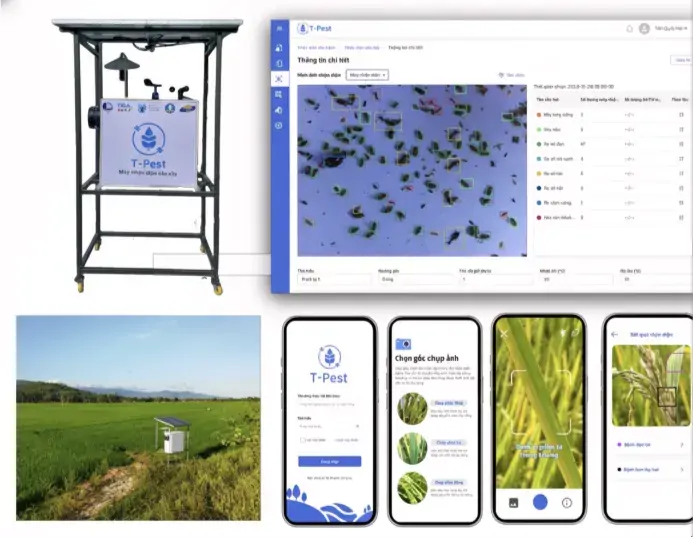
Complementing these efforts, innovative solutions like TMA's Pest Detection system, developed in collaboration with Vietnam's Department of Agriculture, leverage computer vision to identify pests and diseases in fields with up to 88% accuracy. This edge-device compatible tool allows for early detection on cloud or on-premise setups, helping farmers devise targeted pesticide plans and reducing unnecessary chemical use.
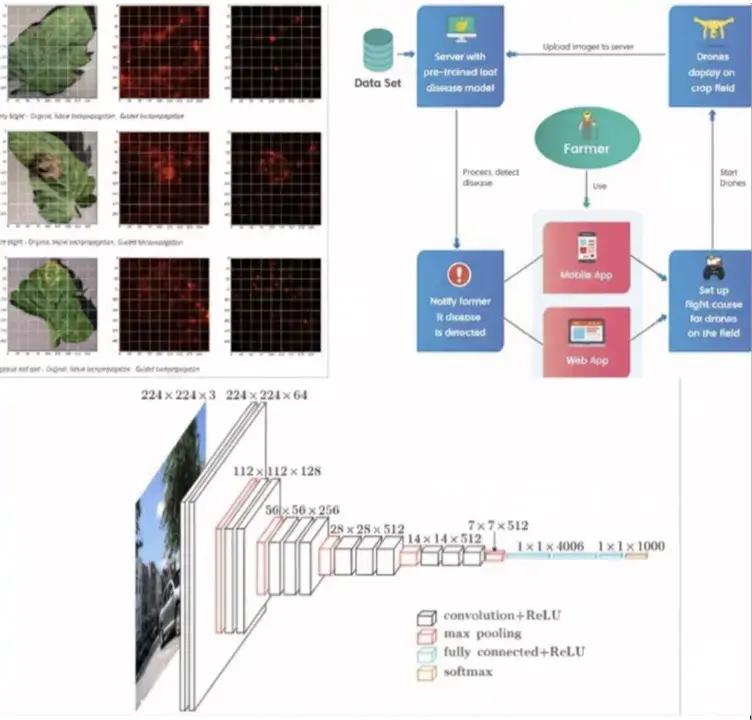
Similarly, TMA's Tree Disease Detection project employs drones for aerial data collection and deep learning models (such as AlexNet and VGG) to analyze images, enabling automatic daily monitoring of tree health. Inputs are uploaded to the cloud via Wi-Fi for processing, with results visualized on mobile or web apps, further enhancing precision in disease management for crops like durian and coffee.
IoT Sensors and Precision Agriculture
Internet of Things sensor networks create comprehensive farm monitoring capabilities with measurable productivity improvements. Various companies in Vietnam offer cloud-based platforms serving over 20,000 users, achieving 30% water savings and 25% yield increases through automated irrigation control.
World Bank IoT pilot programs for Alternate Wetting and Drying systems reduce rice farming water usage by 13-20% while maintaining yields. Sensor networks monitor soil moisture, pH levels, nutrient content, and environmental conditions with real-time adjustments.
Smart irrigation implementations provide practical benefits highlighted by farmer testimonials: "This is so convenient. I can observe the water level in my field and accordingly turn my irrigation pump on and off from the comfort of my home. It also saves water and energy," reports Pham Van Tuan, a rice farmer in Can Tho Province.
Implementation costs range $500-$2,000 per sensor unit, with total deployment costs of $120,000-$500,000 depending on farm scale. Water savings up to 40% compared to traditional methods create immediate operational cost reductions justifying these investments.
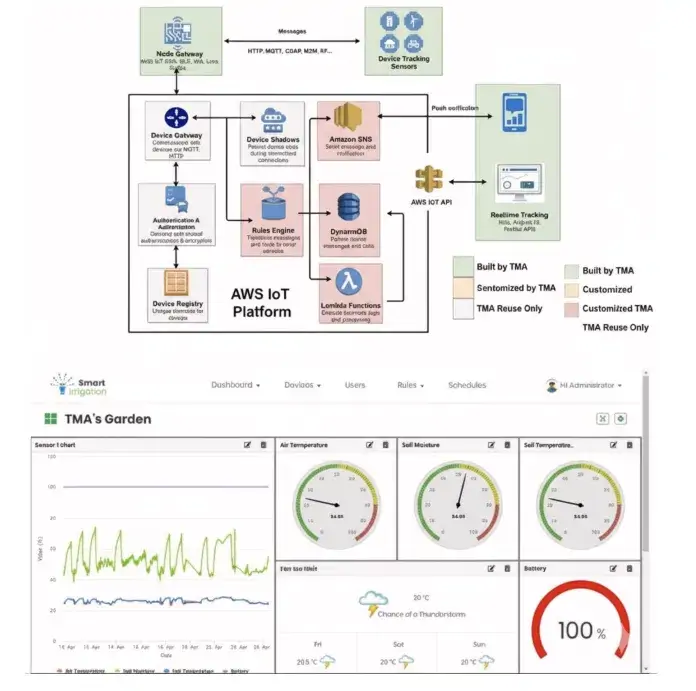
Building on this, TMA's Smart Irrigation solution integrates solar-powered sensors for real-time soil and air monitoring, supporting multi-zone control and weather forecast-based scheduling. Deployable on major clouds like AWS, Azure, or Google, it uses LoRa, WiFi, or GSM for communication, reducing manual effort and customizing easily for Vietnamese farms, aligning with national goals for water efficiency in rice and vegetable production.
Drone Technology and Autonomous Systems
Agricultural drone adoption delivers dramatic efficiency improvements with quantifiable results. Various companies in Vietnam have sprayed over 2,000 hectares using advanced agricultural drones, achieving 75% labor reductions compared to manual spraying while ensuring even pesticide coverage.
Binh Thuan Province implementation covers 9.9 hectares across intercropped durian and coffee orchards, reducing spraying time from 10+ days to 2.5 days. Precision application ensures even pesticide coverage on both leaf sides, improving pest control effectiveness while reducing chemical usage.
Advanced agricultural drones achieve 50% labor reductions in seed, pesticide, and fertilizer application while providing precise input optimization that reduces waste. Mobile app integration enables automated mapping and application planning, making advanced technology accessible to smallholder farmers.
Drone implementation costs include equipment purchase ($15,000-$50,000), operator training, and regulatory compliance, with payback periods typically 1-2 years through labor savings and improved application efficiency.
Integrating seamlessly with these drone advancements, TMA's solutions incorporate drone-based data in projects like Tree Disease Detection, where aerial photos and videos are automatically captured and analyzed for abnormalities, supporting autonomous systems that enhance pest and disease control in durian orchards and coffee plantations.
Predictive Analytics and Machine Learning
Artificial intelligence transforms farming decisions through machine learning algorithms providing weather forecasting, harvest optimization, and market intelligence. Climate prediction models enable farmers to adjust irrigation schedules and planting dates based on AI-powered analysis.
Various companies in Vietnam work with over 1,000 coffee farms using Agri ERP platforms, achieving $800,000 in revenue growth through supply chain digitization. These platforms optimize coffee bean purchasing timing, inventory management, and farmer payment schedules.
Local AI platforms provide comprehensive crop disease monitoring and predictive analytics specifically designed for Mekong Delta rice farmers, combining drone surveillance, satellite data, and IoT sensors for real-time monitoring and advisory services.
Comprehensive platforms impact 250,000+ farmers across 294,484 hectares, with 55+ service centers and $30 million in loans disbursed at 100% repayment rates. Recent $70 million Series A funding demonstrates investor confidence in scalable agricultural AI solutions.
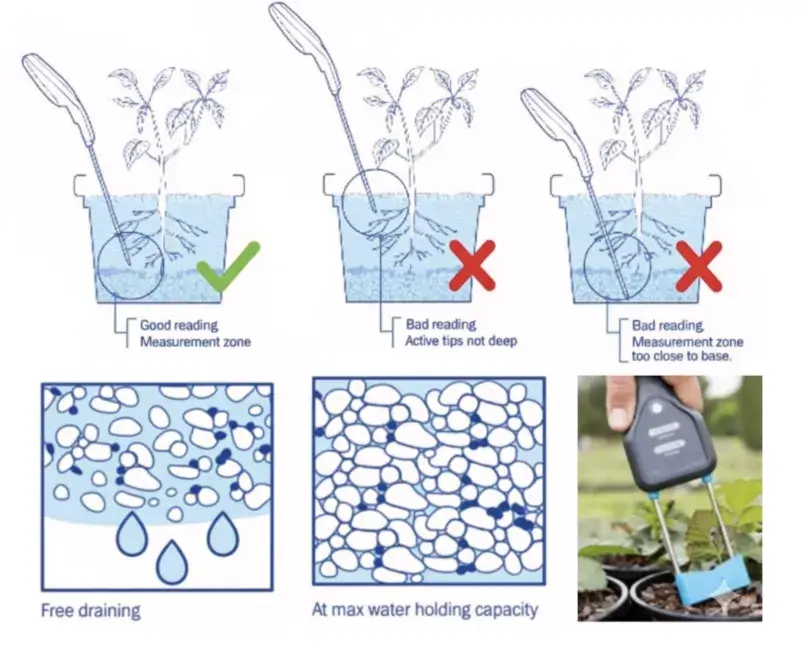
Enhancing these predictive capabilities, TMA's Soil Data Analytics case study develops machine learning models embedded in devices like Pulse Meters to estimate soil moisture, EC, and permittivity with ~90% accuracy, aiding yield forecasting for crops like rice. Additionally, their Gene Analytics Platform, used in herd development but adaptable to Vietnamese livestock, employs ML for breeding value calculations, fostering sustainable practices in coffee and durian regions.
Crop-Specific AI Applications and Results
Coffee: Central Highlands Transformation
Vietnam's coffee sector demonstrates the most advanced AI implementation with measurable economic impact. Coffee production in Central Highlands leverages comprehensive technology integration from satellite monitoring to precision application systems.
Deforestation monitoring projects process over 34,000 GPS locations and hundreds of Sentinel satellite images to create the highest resolution land cover mapping for sustainable coffee supply chains. This technology enables compliance with international environmental standards and premium market access.
Various platforms establish service centers in Buon Ma Thuot, Vietnam's coffee capital, signaling expansion into the sector's core production region. Platform capabilities include:
- Supply chain digitization and optimization
- Farmer payment and inventory management systems
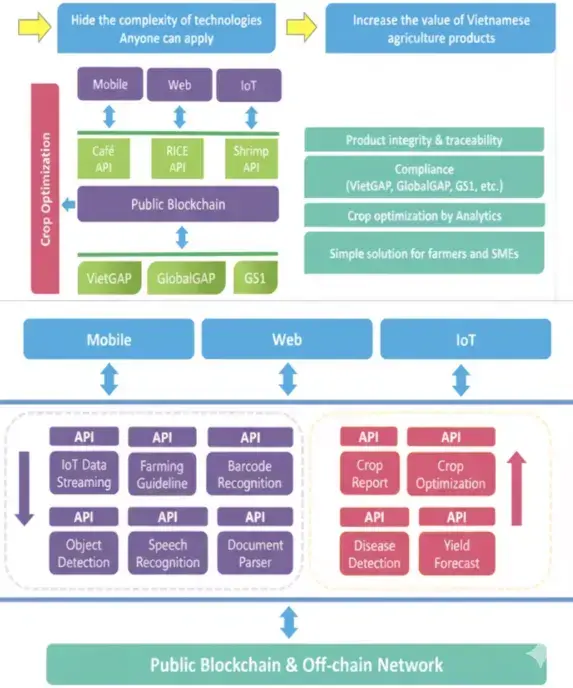
To further bolster coffee traceability and integrity, TMA's Agriculture Supply Chain Management framework offers an open platform for data collection and analysis, compliant with VietGAP, GlobalGAP, and GS1 standards. Farmers capture activities via mobile apps (voice, photo, video) in just 1-2 hours weekly, enabling crop optimization and seamless integration with enterprise systems through APIs, without proprietary lock-in.
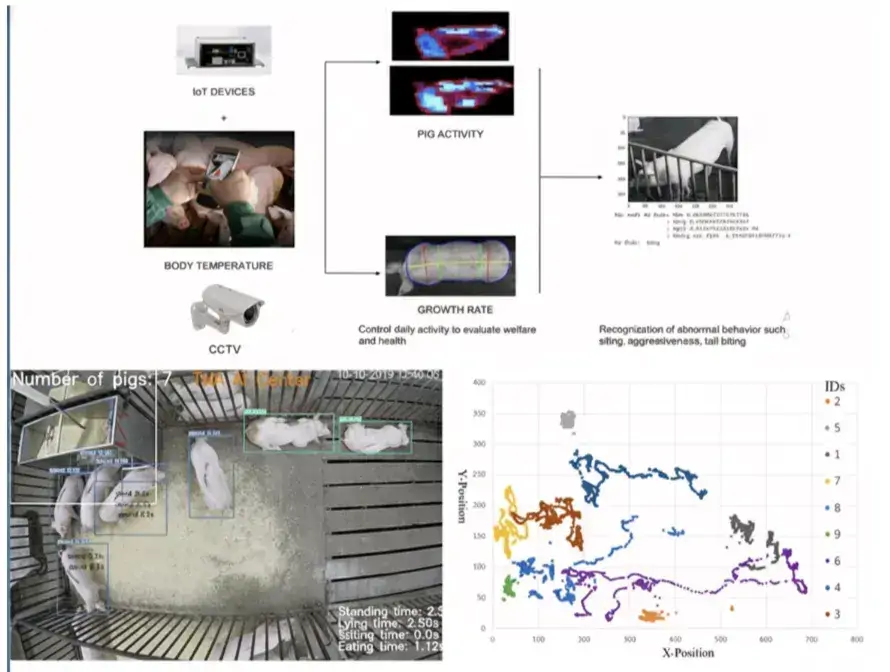
In livestock-integrated coffee farms, TMA's Pig Behavior Monitoring solution, deployed for large corporations in Vietnam and Thailand, uses computer vision and edge AI for anomaly detection (up to 90% accuracy), monitoring growth rates and temperatures remotely to prevent diseases that could impact intercropped systems.
Supply Chain and Traceability Enhancements
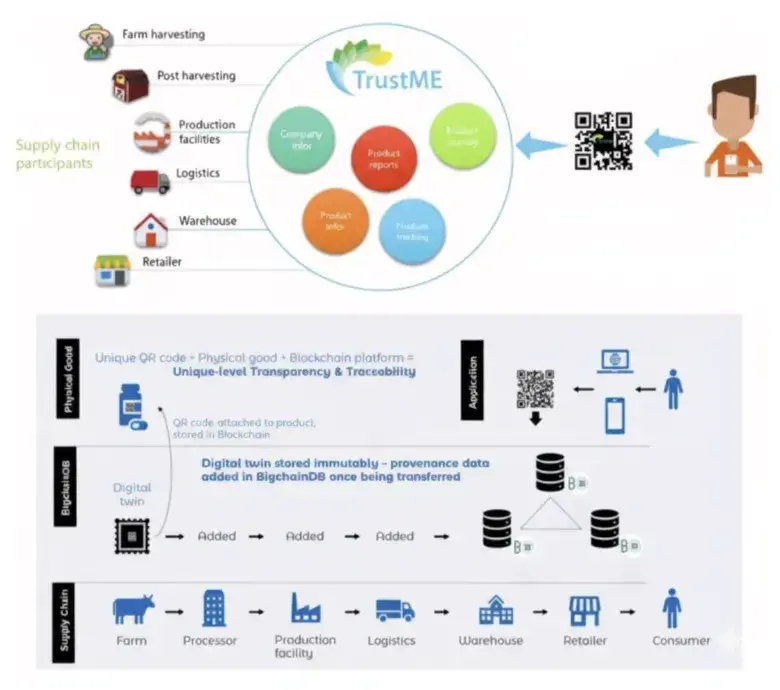
Across all crops, traceability remains key for export success. TMA's Traceability Supply Chain platform utilizes Hyperledger Blockchain for transparent data storage, enabling QR code-based fraud detection, consumer engagement, and business intelligence reports. This complements existing AI tools by providing end-to-end visibility from farm to market.
For e-commerce integration, TMA's AgriHub Ecosystem Platform connects farmers to consumers via AgriMart, with a central database ensuring product quality and reliability, supporting premium exports of coffee, durian, and rice.
These integrations demonstrate how Vietnamese agritech leaders like TMA are partnering with global entities to deliver customized, high-accuracy solutions that scale from smallholder farms to national exports, ensuring Vietnam's smart farming revolution is both innovative and inclusive.


.webp_2026-10-01-18-27-07-971.webp)
.webp_2026-10-01-18-17-11-290.webp)
.webp_2026-10-01-18-08-26-854.webp)
.webp_2026-10-01-17-47-32-240.webp)