Home
Search
Found 797 results for “ “ keyword
icon
Top 10 Trusted Global Mobile App Development Companies | 2024 Edition Why choose leading app development companies? Mobile apps are essential tools for engaging clients and optimizing business operations. Partnering with a leading app development company offers numerous advantages that can significantly impact your business success. Expertise and skill: Top app development firms bring extensive experience and a deep understanding of various platforms, technologies, and programming languages. This ensures your app is built to the highest standards, delivering robust and scalable solutions. TMA Solution offers wide range of technology which work closely to your need Customized solutions: Leading mobile app development companies work closely with you to create tailored apps that meet your specific business needs while allowing for future growth, giving you a competitive edge. Cutting-edge technology: By staying on top of the latest trends and technologies like AI, AR/VR, and blockchain, these companies integrate innovative features that enhance your app's functionality and appeal. Superior UX/UI design: User experience is crucial to an app's success. Reputable companies prioritize intuitive UX and captivating UI design, leading to higher client satisfaction and retention. Rigorous quality assurance: Top-tier firms conduct thorough testing to ensure your app is free of bugs and glitches, providing a seamless and reliable user experience. Timely delivery and cost efficiency: With efficient processes, leading companies deliver high-quality apps on time and within budget, maximizing your return on investment. Ongoing support: A top app development company offers continuous support and maintenance, keeping your app updated and functional long after launch. Intellectual property protection: A reputable app development company ensures clear contractual agreements that safeguard your app’s unique features and code, preventing unauthorized use or replication and protecting your intellectual property. Choosing app development companies for expertise, innovation, and reliable delivery Choosing a leading app development company ensures your app is expertly crafted, user-focused, and equipped with the latest technologies, setting your business up for long-term success. The 10 mobile app development companies featured in this list represent the best in the industry, offering unparalleled expertise, innovative solutions, and a commitment to client satisfaction. By partnering with one of these trusted firms, you can confidently bring your app vision to life and position your business for long-term success in the ever-evolving digital landscape. As you consider your options, keep in mind that the right choice can make all the difference in the quality, functionality, and user experience of your mobile application. Top 10 mobile app development companies TMA Solutions Among leading mobile app development companies , TMA Solutions stands out for its commitment to delivering cutting-edge, high-quality applications tailored to client needs. Based in Vietnam, TMA Solutions has 27 years of experience in the IT industry, catering to clients across the globe. The company has successfully completed thousands of projects, making it a trusted partner for businesses looking to create robust, scalable, and user-friendly mobile applications. TMA Solutions offers a comprehensive range of services, from concept development to deployment, ensuring that each app is tailored to meet the specific needs of its clients. TMA Solutions delivers tailored, high-quality mobile applications What sets TMA Solutions apart? Commitment to quality : TMA Solutions ensures that every mobile app development project meets the highest standards of reliability, scalability, and security, tailored specifically to each client’s needs. Extensive technological expertise : With over 800 engineers proficient in a broad range of technologies, including Android, iOS, React Native, and Flutter, TMA Solutions can create highly customized mobile applications that deliver exceptional user experiences. TMA’s smart E-Commerce mobile app elevates the client shopping experience Strong focus on R&D : TMA Solutions is dedicated to continuous innovation, exploring new technologies and methodologies to stay ahead in the competitive market, ensuring that clients receive cutting-edge solutions. Agile development process : The company employs an agile development approach, which ensures that projects are delivered on time and within budget, without compromising on quality. Flexible engagement models : TMA Solutions offers flexible engagement models, allowing clients to choose the best approach that suits their specific project requirements. Global presence and experience : With a strong global footprint, TMA Solutions has experience working with clients from various industries around the world, providing the insights and flexibility needed to navigate different markets and cultural nuances. Enhancing user experience and delivery efficiency with mobile app development Case study: Real-time health monitoring app for elderly care TMA Solutions partnered with a leading healthcare provider to develop a comprehensive mobile app that leverages advanced technologies to monitor the health status of elderly patients and those with chronic conditions. The client required a comprehensive solution for real-time monitoring of vital health metrics, including heart rate, body temperature, blood pressure, and SPO2 levels. They needed a platform that seamlessly integrated data from wearable devices into mobile, web, and cloud environments, providing timely alerts and actionable insights to both patients and healthcare providers. TMA’s monitoring vital healthcare metrics with innovative application TMA Solutions responded by developing the mCare System – an advanced health monitoring platform that connects wearable devices with both cloud-based and on-premise systems. This platform supports real-time data analytics, IoT integration, and AI-driven insights, all within an intuitive interface. It also includes a critical SOS feature that alerts healthcare providers and emergency services during urgent health events. mCare System: Advanced health monitoring with real-time analytics The deployment of the mCare System has revolutionized the way healthcare providers monitor and respond to patient health. Its real-time data capabilities and user-friendly design have not only enhanced patient engagement but also empowered healthcare professionals to deliver proactive, effective care. Established: 1997 Location: Vietnam, Canada, Australia, USA, Singapore, Japan, Europe Mobile platforms: Android, iOS, Hybrid & cross platform apps Team size: 1,000 - 9,999 Clutch rating: 4.0 MentorMate MentorMate is a leading choice for mobile app development outsourcing , offering expertise and innovative solutions to clients worldwide. With over 20 years of experience, MentorMate has developed a deep understanding of mobile technology and user experience, making them a trusted partner for digital transformation projects on a global scale. MentorMate has 20 years of expertise in global mobile app development outsourcing What sets MentorMate apart MentorMate's strength lies in its ability to combine technical expertise with a global delivery model. With offices in the United States, Bulgaria, and other strategic locations, the company ensures that its clients receive top-notch service regardless of their geographic location. Mentormate assisted Spok in creating smart communication solutions for the health MentorMate's approach emphasizes collaboration, lean UX methodologies, and rapid development cycles, allowing businesses to accelerate their time to market while maintaining high-quality standards. Established: 2001 Location: United States, Bulgaria, Sweden, Paraguay Mobile platforms: Android, iOS, Hybrid & cross platform apps, Team size: 1,000 - 9,999 Clutch rating: 4.7 Appinventiv Appinventiv is recognized as one of the t op mobile app development companies . The company provides comprehensive mobile app development services, including native, hybrid, and web applications, tailored to meet the diverse needs of businesses across various industries. Appinventiv offers tailored, comprehensive mobile app development service What sets Appinventiv apart Appinventiv stands out for its commitment to innovation, quality, and client satisfaction. Their agile development approach ensures that projects are delivered 57% faster than traditional methods while maintaining high standards of quality. Additionally, the company's expertise spans advanced technologies, allowing them to create cutting-edge solutions that drive business growth. Appinventiv offers tailored, comprehensive mobile app development service Their security-first approach ensures that all mobile apps are compliant with industry standards like GDPR, HIPAA, and PCI-DSS, providing clients with secure and robust applications. Moreover, Appinventiv's global presence and extensive experience working solidify their reputation as a trusted mobile app development partner. Established: 2014 Location: India, United States, UK, UAE, Australia, Canada Mobile platforms: Android, iOS, Hybrid & cross platform apps Team size: 1,000 - 9,999 Clutch rating: 4.7 Dotsquares Dotsquares is a seasoned mobile app development company , established in 2002, with a strong global presence across the UK, USA, and India. With over two decades of experience, Dotsquares has successfully delivered thousands of projects across various industries, including healthcare, finance, and hospitality. The company provides a comprehensive range of mobile app development services, including custom and cross-platform app development, designed to meet the unique needs of businesses worldwide. Dotsquares has extensive industry experience in mobile app development What sets Dotsquares apart Dotsquares stands out for its extensive experience, advanced technology integration, and global delivery model. The company excels in creating custom mobile apps and cross-platform solutions, ensuring that businesses can reach their audience effectively across different platforms. Dotsquares created Coda Pharmcy healthcare application to help faster the delivery Their use of cutting-edge technologies enhances user engagement, while their global delivery model ensures cost efficiency and 24/7 project management. With a commitment to quality and comprehensive support, Dotsquares is a reliable partner for businesses looking to develop impactful mobile applications. Established: 2002 Location: India, United States, UK, UAE, Australia, France Mobile platforms: Android, iOS, Hybrid & cross platform apps Team size: 1,000 - 9,999 Clutch rating: 4.6 Hyperlink InfoSystem Hyperlink InfoSystem is one of top mobile app development companies , established in 2011, with a strong presence in the USA, India, and UAE. Over the years, the company has built a reputation for delivering high-quality, custom mobile apps across a range of industries, including healthcare, finance, and retail. Hyperlink InfoSystem has become a go-to partner for businesses looking to leverage mobile technology to drive growth and enhance client engagement. Hyperlink InfoSystem develops custom mobile apps, serving various industries What sets Hyperlink InfoSystem apart Hyperlink InfoSystem excels in offering end-to-end mobile app development services, from ideation and design to development and deployment. The company’s agile development approach ensures flexibility and speed, allowing clients to bring their apps to market faster while maintaining high quality. Zydus Verify: Zydus Cadila's IoT Solution to Combat Counterfeit Medicines What truly distinguishes Hyperlink InfoSystem is its ability to integrate cutting-edge technologies into mobile apps, providing businesses with advanced features and functionalities. Furthermore, their global delivery model ensures that clients receive top-notch service and support, regardless of location, making Hyperlink InfoSystem a preferred choice for mobile app development on a global scale. Established: 2011 Location: India, United States, UK, Canada Mobile platforms: Android, iOS, Hybrid & cross platform apps Team size: 1,000 - 9,999 Clutch rating: 4.9 Sigma Software Group Sigma Software Group is a globally recognized mobile app development company with a strong focus on delivering customized solutions tailored to the unique needs of businesses. Established in 2002, the company has grown into a trusted partner for clients across various industries. Sigma Software delivers comprehensive, reliable mobile app development What sets Sigma Software apart Sigma Software stands out due to its comprehensive approach to mobile app development, which includes everything from initial concept validation and architecture design to full-scale development and post-launch support. The company excels in both native and cross-platform development, ensuring that apps are optimized for iOS, Android, and other major platforms. Mediation mobile application by Sigma Software Sigma Software's commitment to transparency, reliability, and partnership ensures that every project is delivered on time and within budget, with a clear focus on creating business value through technology. Their expertise in integrating advanced technologies enhances the capabilities of the mobile apps they develop, making Sigma Software a top choice for businesses looking to leverage mobile technology for growth and innovation. Established: 2002 Location: Ukraine, USA, Poland, Sweden, Canada, Germany, UAE, Brazil, Mexico, Bulgaria, Czech Republic, Hungary, Portugal, Poland Mobile platforms: Android, iOS, Hybrid & cross platform apps Team size: 1,000 - 9,999 Clutch rating: 4.8 Simform Simform is a leading mobile app development company, established in 2010, that offers end-to-end solutions for businesses looking to enhance their digital presence. With a strong focus on innovation and client satisfaction, Simform provides a full suite of services, including app design, development, and post-launch support. The company operates from key locations across the United States, ensuring localized and responsive service to clients across various industries. Simform delivers advanced, tailored mobile app development with expertise What sets Simform apart Simform stands out for its ability to integrate cutting-edge technologies like AI, IoT, and AR/VR into mobile apps, providing advanced functionalities that drive business growth. Their agile development process ensures efficiency and high-quality outcomes, while their client-centric approach focuses on delivering tailored solutions that meet the unique needs of each client. This combination of technical expertise and client focus makes Simform a trusted partner for mobile app development. Health monitoring and Fitness coaching solution app development by Simform Established: 2010 Location: India, USA, Canada, UAE Mobile platforms: Android, iOS, Hybrid & cross platform apps Team size: 1,000 - 9,999 Clutch rating: 4.9 BairesDev BairesDev is a leading mobile app development company known for its expertise in delivering high-performance, custom mobile applications. Founded in 2009, the company has rapidly expanded its global footprint, offering nearshore technology solutions with a focus on North and Latin America. BairesDev's team serves a diverse range of industries, helping businesses of all sizes develop, deploy, and maintain innovative mobile applications. BairesDev delivers tailored, high-quality mobile apps with a client-focused approach What sets BairesDev apart BairesDev stands out in the mobile app development industry due to its comprehensive approach that combines technical excellence with a client-focused methodology. The company specializes in both native and cross-platform app development, ensuring that applications are tailored to the specific needs of each platform, whether iOS or Android. BairesDev's commitment to quality is evident in its rigorous QA processes, which ensure that every app delivers a seamless and secure user experience. Furthermore, their global delivery model and time zone alignment with clients in the Americas make collaboration efficient and effective, positioning BairesDev as a preferred partner for businesses looking to achieve their mobile technology goals. Established: 2009 Location: Argentina, Brazil, Mexico, Colombia, Spain, USA Mobile platforms: Android, iOS, Hybrid & cross platform apps Team size: 1,000 - 9,999 Clutch rating: 4.9 Andersen Inc. Among mobile app development companies , Andersen Inc. is globally recognized for its strong reputation in delivering high-quality, customized mobile applications. With extensive experience in various industries, including healthcare, finance, and logistics, Andersen offers comprehensive mobile development services that cover the full software development lifecycle. Andersen Inc. provides innovative, reliable mobile app development solutions globally Their expertise spans native iOS and Android development, as well as cross-platform solutions, ensuring that businesses can reach their audiences effectively across multiple platforms. What sets Andersen Inc. apart Andersen stands out for its robust tech stack and a deep understanding of mobile UI/UX design, which ensures that apps are not only functional but also user-friendly and visually appealing. The company employs a large pool of mobile development experts who are skilled in the latest technologies, such as Flutter and React Native, enabling them to deliver high-performance, scalable apps. A Custom Enterprise-Grade Mobile App for Direct Marketing, Developed by Andersen. Andersen's commitment to quality is further demonstrated by their rigorous QA processes, which ensure that every app is thoroughly tested for performance, security, and usability. With a strong global presence and a focus on client satisfaction, Andersen is a top choice for businesses seeking reliable and innovative mobile app development solutions. Established: 2007 Location: Poland, USA, England, Lithuania, Germany, Hungary, Azerbaijan, UAE, Kazakhstan, Cyprus Mobile platforms: Android, iOS, Hybrid & cross platform apps Team size: 1,000 - 9,999 Clutch rating: 4.9 Seasia Infotech Seasia Infotech is a prominent mobile app development company that has been delivering high-quality digital solutions since its inception. The company is known for its expertise in building robust, scalable, and user-centric mobile applications that cater to various industry verticals. With a strong emphasis on innovation and client satisfaction, Seasia Infotech has established itself as a reliable partner for businesses looking to enhance their digital presence through mobile technology. What sets Seasia Infotech apart Seasia Infotech stands out due to its commitment to creating value-driven mobile applications that go beyond mere functionality. The company leverages the latest technologies to develop feature-rich apps that provide exceptional user experiences. Their development process is highly customized, ensuring that each app aligns perfectly with the client's vision and business goals. Seasia Salon booking mobile app development created by Seasia Infotech Additionally, Seasia Infotech offers comprehensive post-launch support, including maintenance and updates, to ensure that the apps remain relevant and effective in a rapidly evolving digital landscape. Established: 2000 Location: India, USA, Australia Mobile platforms: Android, iOS, Hybrid & cross platform apps Team size: 1,000 - 9,999 Clutch rating: 4.8 In today's digital era, mobile applications have become indispensable tools for businesses. With countless options available, choosing the right partner for your app development project can be overwhelming. To help you make an informed decision, we've compiled a list of the top 10 trusted https://www.tmasolutions.com/insights/mobile-app-development-companies#mobile_app_development_companies mobile app development companies that have consistently delivered exceptional results. Discover now!...

icon
How Much Does Mobile App Development Cost for Your Business? Why TMA for developing your innovative mobile apps? When calculating mobile app development cost , selecting the right partner is crucial to ensuring both quality and value. With 27 years of industry experience, TMA Solutions offers unparalleled transparency and expertise. TMA Soultions guides businesses through the app development process, helping them understand essential factors that impact project costs. Customization and complexity TMA Solutions customizes every app to align with the unique requirements of its clients. The complexity of the app – whether it’s a simple interface or a feature-rich solution – impacts the overall cost. More complex apps with advanced functionalities, such as real-time data updates or third-party integrations, will naturally increase the price. TMA’s team of over 800 engineers ensures that every aspect of your app is optimized for both performance and cost efficiency. Innovative delivery mobile app by TMA Solutions enables real-time tracking Technology and platforms The selection of technology is a key factor influencing app development expenses. TMA Solutions offers expertise across Android, iOS, React Native, and Flutter, providing flexibility in choosing between native or cross-platform development. Cross-platform solutions can reduce costs by using a single codebase for multiple platforms, while native apps may require separate development efforts. TMA Solutions specializes in mobile app development Quality and innovation TMA Solutions stands out for its commitment to quality and cutting-edge innovation. The company’s strong R&D focus means clients benefit from the latest technologies and methodologies, helping to keep apps competitive while maintaining cost-effectiveness. Digital insurance app by TMA Solutions offers real-time policy management Time and resources An agile development approach is central to TMA’s project delivery. By optimizing time and resources, the company ensures that projects are completed on time and within budget. Clients can also select from flexible engagement models, allowing them to manage app development costs based on their specific business goals and timelines. Ongoing support and maintenance Beyond initial development, TMA Solutions offers tailored post-launch support to ensure your app continues to run smoothly. Factoring in long-term maintenance is essential when calculating the overall cost of app development, as updates and security enhancements are necessary to keep the app functional and secure. In conclusion, calculating mobile app development cost requires a careful evaluation of several factors. By understanding these key elements, you can make informed decisions to optimize your budget. Whether outsourcing or managing in-house, planning each stage carefully will help you create a high-quality app while managing costs effectively. FAQs: What costs are involved in building an app for a small business? App development costs for small businesses typically range from $25,000 to $100,000. This covers essential stages like design, development, testing, and ongoing maintenance. Can a mobile app be developed for free? Yes, free platforms with templates and no-code tools allow app development without upfront costs. However, these options might fall short in terms of advanced customization and optimal performance. What are the app store fees for publishing a mobile app? Launching an app on Google Play requires a single fee of $25. For Apple’s App Store, the annual subscription cost is $99. How much does app maintenance typically cost? App maintenance usually accounts for 15% to 20% of the initial development cost each year. This covers updates, error corrections, and ensuring compatibility with operating system updates. Is developing a mobile app more affordable in-house or through outsourcing? Outsourcing app development is often a more cost-effective option. This is particularly true when collaborating with developers from regions that offer competitive pricing. Freelancer vs. agency: What’s the cost difference? Freelancers typically charge lower hourly fees, though project expenses can increase as requirements become more complex. App development team in agencies charge more but offer end-to-end services and faster project delivery. Unexpected factors influencing app development cost When planning a mobile app development project, there are several hidden costs that can significantly impact the overall costs. Below is an overview of the key overlooked factors. Quality assurance Quality assurance (QA) is essential for ensuring that the app functions as intended, free of bugs and issues. The app's size and complexity may require hiring specialized QA professionals or a dedicated project manager. These roles help ensure that the app meets the required standards, and their involvement can drive up costs. QA ensures that the final product works smoothly, reducing future expenses tied to fixing issues post-launch. Quality assurance ensures app functionality, reducing future post-launch costs Infrastructure Infrastructure costs, though frequently overlooked, are crucial for ensuring an app’s functionality. These expenses cover data storage, hosting, and delivery, along with servers, development tools, and libraries. As mobile app complexity increases, so do infrastructure demands, particularly when managing large data volumes or enabling real-time interactions. Properly accounting for these factors is essential for accurate budgeting. IT support Once the app is live, ongoing IT support is necessary to ensure its long-term success. This covers tasks such as fixing bugs, updating iOS and Android versions, and maintaining APIs. The complexity of the app can impact how much ongoing support is needed. Over time, these support costs may increase as new features are added or updates are required. App publishing While publishing an mobile app on major platforms like Google Play and Apple’s App Store may seem straightforward, it comes with fees. For instance, Apple charges annual developer fees, and while Google has a one-time fee, these costs still need to be factored in. Additionally, if you’re distributing apps within an organization, enterprise programs also come with subscription costs. App publishing involves fees on Google Play, Apple, and enterprise platform App security Security is a critical but often overlooked factor. Users need to trust that their information is safe, so implementing strong security protocols is essential. Without a proper security plan, the risk of breaches increases, which can lead to financial and reputational losses. Investing in security from the beginning ensures that the app is secure and reduces the chance of costly fixes or vulnerabilities down the road. 4 formulas for estimating mobile app development expenses Mobile app development costs can vary greatly due to factors as mentioned above. While these aspects are essential, several standard formulas can help estimate the cost of developing a mobile app more accurately. Common formula for estimating mobile app development expense An effective method for estimating mobile app development expenses involves calculating the hours dedicated to each project phase. Key stages involve designing the app’s interface, developing platform-specific features, and building the backend. Additional steps include conducting quality assurance (QA), managing the project, and offering post-launch support. The overall cost is determined by multiplying the total hours spent by the team’s hourly rate. Formula: Total cost = hourly rate × total time (design + platform development + backend development + QA + project management + support) Cost estimate based on app features App development cost is directly influenced by the number and complexity of its features. Apps with basic features like note-taking or task management are generally more affordable. In contrast, those with advanced capabilities such as messaging, video streaming, or payment integration demand a higher financial investment. With this method, businesses can determine the cost by assessing the time and resources required for each individual feature. Formula: Total Cost = Sum of (development time per feature × cost per feature) Agile development cost estimate method The Agile development approach divides the process into short, focused work cycles known as “sprints,” typically lasting 1 to 4 weeks. Each sprint involves completing a specific set of planned tasks or features. The overall cost is determined by multiplying the number of sprints by the corresponding cost of each, depending on the workload completed during that timeframe. Formula: Total cost = number of sprints × cost per sprint Time and materials cost estimate approach The Time & Materials model is suitable for projects where requirements may change during app development. Businesses are charged based on the actual time spent by developers working on specific tasks, as well as the cost of any necessary materials. This method offers flexibility, ensuring businesses only pay for completed work. Formula: Total cost = (hourly rate × developers × hours worked) + material expenses Fixed-cost pricing model The fixed price model involves agreeing on a total project cost before development begins. Regardless of how long the development process takes or how many resources are used, the agreed-upon amount remains the same. This approach provides cost certainty but may limit flexibility if project requirements change. These cost estimation models provide valuable insight into budgeting for mobile app development. While they offer helpful frameworks, businesses should also consider possible cost fluctuations due to unexpected challenges, feature enhancements, or extended development timelines. Understanding these models can lead to more accurate budgeting and a smoother development experience. How to calculate mobile app development cost Providing an accurate app development cost estimate can be difficult due to the wide variety of features and complexities involved. To get a more accurate idea, you’ll need to consider several factors that directly impact the overall mobile app cost. Developer rates, expertise and experience The experience level of developers plays a significant role in determining costs. More experienced developers generally charge higher rates, but they bring the expertise needed for complex projects. Here’s a breakdown: Junior: Charging around 43$, these developers are suited for tasks like debugging, maintenance, and simpler feature app development. Some training may be required. Intermediate: At around $56 per hour, these developers can handle most app design projects and feature requests with general expertise. Senior: With rates averaging $75 per hour, senior developers can lead entire app development projects, handle scalability, and implement advanced features. Mobile app developer salaries in the USA, ranging from $43.27 to $75.82 per hour Platform costs When it comes to mobile app development, the hourly rates for developers vary significantly based on the platform and the developer’s expertise. Here's a general overview of what you can expect for various platforms: iOS developers: Developers working with iOS, particularly those skilled in Swift or Objective-C, tend to charge across a wide range depending on their experience. Junior developers handling basic iOS apps often charge lower rates. In contrast, senior developers with expertise in advanced frameworks like ARKit typically demand higher fees. Android developers: For Android app development, rates also vary widely. Entry-level developers new to the platform usually charge lower rates. In contrast, experienced professionals skilled in Kotlin or advanced Android projects involving custom frameworks and integrations may command higher fees. Median hourly rates for mobile application development, by platform React native developers: React Native is a popular choice for businesses looking to build cross-platform apps. Developers specializing in React Native generally charge rates that reflect their experience and the complexity of the project. More experienced developers who handle complex cross-platform integrations will likely command higher rates. Xamarin developers: Xamarin developers generally charge within a similar range to React Native developers. However, rates may vary depending on the developer’s location and the complexity of the project. Cross-platform mobile frameworks used by developers worldwide from 2019 to 2023 Mobile app development technologies When planning a mobile app development project, the type of technology you choose will play a significant role in determining the overall cost. The technology stack impacts app development time, complexity, and the skill set required, all of which affect cost. Global smartphone subscriptions from 2016 to 2023, reaching 7.9 billion by 2028 Web apps: The least expensive option, web apps are essentially mobile-friendly websites. They are cost-effective but limited in functionality compared to true mobile apps. Native apps: Built using platform-specific languages like Swift for iOS or Java for Android, native apps provide the best performance but require separate development for each platform, increasing costs. Hybrid apps: Combining web technologies like HTML, CSS, and JavaScript, hybrid apps are cheaper and faster to develop but don’t match the performance of native apps. Cross-platform apps: Frameworks like Xamarin or Flutter allow a single codebase to be used across platforms, reducing costs while offering decent performance, though not as high as native apps. Median hourly costs for mobile app development technologies by region Core app features The core features you choose for your app significantly affect the complexity and overall cost of app development. Each feature requires varying amounts of development time and resources, which impacts the total project cost. Here are some key considerations when planning your app. User login: Features like social login or more secure Single Sign-On (SSO) add to app development complexity. In-app features: The more features you add (e.g., product catalogs, loyalty programs, streaming media), the higher the cost. Features like booking systems or vendor portals take more time to develop. Hardware integrations: Integrating device features like cameras or Bluetooth increases app development time and cost. API and system integrations: Connecting your app to third-party services or internal systems via APIs adds to complexity and cost. Infrastructure and maintenance: Backend infrastructure (databases, cloud storage) and ongoing maintenance also influence long-term costs. Cost distribution of core app features like push notifications, native integration Additional team members Developing a mobile app involves more than just hiring developers. A well-rounded app development team includes various specialized roles, each essential to the project's success. The inclusion of these experts increases the overall cost, as every role contributes significantly to the development process. Project manager: Oversees timelines, deliverables, and communication between team members. UI/UX designer: Creates the app’s user interface and user experience. Mobile developer: Implements the design and functionality into front-end code. Back-end developer: Manages databases, servers, and APIs that power the app’s features. Quality assurance (QA): Tests the app for bugs and ensures it meets requirements. While each team member brings specialized expertise to the project, their contributions collectively drive the final app development cost. The more complex the app, the more coordination and skill are required across these roles, ultimately affecting the budget. For larger or more sophisticated apps, involving experienced team members in each of these roles ensures that the app meets its goals effectively. Factoring in the cost of these additional roles from the outset is crucial to accurately budgeting for a mobile app development project. Outsourcing: Agencies vs. freelancers When outsourcing mobile app development, businesses often choose between working with agencies or freelance developers, both of which offer different advantages and cost structures. Agencies typically offer full-service solutions. Their team includes developers, designers, project managers, and QA experts capable of managing the entire project lifecycle. Freelance developers offer more flexibility and cost savings compared to agencies. When working with freelancers, you can hire based on specific skills needed for your project (e.g., iOS, Android, or cross-platform). Considerations for choosing between agencies and freelancers: Project complexity: For larger, more complex projects, agencies provide the benefit of a cohesive team, while freelancers can be ideal for smaller, more focused tasks. Budget: Freelancers are more budget-friendly for smaller projects or startups, while agencies provide reliability and comprehensive service for higher-budget projects. Timeline: Agencies are typically faster at delivering projects, thanks to their structured teams, while freelancers’ timelines may vary depending on their availability and workload. Mobile app development cost: Key factor and cost estimate Mobile apps offer businesses a unique way to strengthen client relationships through personalized experiences and data-driven feedback. As a result, many companies are eager to develop apps that connect them with clients where they spend much of their time – on mobile devices. However, mobile app development costs can vary significantly based on multiple factors. Asia Pacific mobile application market reached $75.1B by 2023 A survey by Clutch reveals that the minimum cost for mobile app development typically ranges between $5,000 and $10,000. However, this only covers the discovery phase, such as research and planning. The actual app development cost is substantially higher, with a median cost of approximately $171,450. According to GoodFirms, you can estimate app costs based on their complexity, dividing them into different categories: Basic apps: $40,000 - $60,000 Medium complexity apps: $61,000 - $69,000 Feature-rich apps: $70,000 - $100,000 The total expense of creating an mobile app is influenced by factors like its features, design specifications, development duration, and platform support. Additional elements like partner integrations, security, and ongoing maintenance can also impact the final cost. Understanding these factors allows businesses to budget effectively for mobile app development and align their expectations with the complexity and scope of their project. Estimating mobile app development cost can be complex due to various influencing factors. Whether you're building a simple application or a feature-rich platform, understanding these elements can help you budget more effectively. In this article, we’ll explore the key factors that impact a mobile app expense, giving you a clearer perspective on the required investment. The mobile app development process outlined step by step Building a mobile app requires a clear and strategic process to ensure a successful outcome. Below is a step-by-step guide to get started. Market research Before app development, it's crucial to understand the needs and preferences of your target audience. Conduct market research to analyze how users interact with similar apps, understand competitors, and gather insights from user reviews. This information helps shape your app’s functions and overall user experience, user interface to better meet market demands. Market research help enhances user experience and competitiveness Platform selection Based on your research and budget, decide whether to develop for iOS, Android, or both platforms. If the budget is limited, it may be best to start with one platform and expand later. This decision also affects the technology stack and the app development team you hire. Investments in native app development by Clutch Hiring the right team Selecting a reliable app development company is key to ensuring a smooth development process. Look for a team with experience, strong communication skills, and a clear understanding of your vision. A skilled team typically consists of developers, designers, project managers, and marketing experts who can assist you throughout every stage. A reliable app development team from TMA Solution ensures smooth, successful Building an MVP Developing a Minimum Viable Product (MVP) is essential for reducing costs and mitigating risks. The MVP should include essential functions that solve users’ core problems while allowing you to gather feedback. This approach lets you validate your concept before investing in full-scale app development. Testing Testing is an important part of the app development process. Ensure thorough testing for performance, client engagement, and functionality across multiple devices and operating systems. Proper testing identifies bugs, reduces future maintenance costs, and enhances the app’s overall reliability. Testing mobile app development process by TMA Solution Submitting to app stores After testing, it’s time to submit it to app stores: Google Play (for Android) or Apple’s App Store (for iOS). Be sure to follow their respective guidelines, including those related to design, functionality, and privacy to avoid delays in approval. Launch and performance tracking After the app is launched, track its performance using in-app analytics. Monitor user engagement, behavior, and feedback to identify areas for improvement. Regular updates and new features can enhance the app’s longevity and maintain user interest. By following this step-by-step process, you can better manage your mobile app’s development from concept to launch while optimizing costs and ensuring a strong client experience. Ways to minimize mobile app development expense Building a mobile app can be a costly endeavor, but there are several strategies you can adopt to manage and reduce costs. Here are some key ways to cut down on mobile app development expenses . Feature prioritization When planning your app, it's essential to identify the core features that provide the most value to your users. Focus on building a Minimum Viable Product (MVP) that includes only the must-have features. This approach lowers initial app development costs while enabling user feedback collection, helping you make better decisions about future feature enhancements. Focusing on MVP minimizes costs and enables user-driven feature improvements Early QA involvement Incorporating quality assurance (QA) from the very beginning helps catch bugs and issues early in the app development process, saving significant costs down the road. By addressing potential problems before they escalate, you can avoid more expensive fixes that might arise later in the project. Planning for future updates It's essential to think beyond just the initial launch. Develop your app with scalability in mind and consider future updates or changes based on market trends or user feedback. Planning for long-term goals can help you avoid costly overhauls and ensure the app can evolve smoothly as your business grows. Plan for scalability and future updates to ensure smooth app evolution In-house vs outsourcing When deciding between in-house development and outsourcing, consider the cost and availability of talent. Outsourcing can be more cost-effective, especially if you're able to hire a dedicated team with the right expertise. In-house development might give you more control but can increase expenses due to hiring, training, and resource management. Comparison between in-house development and outsourcing for software projects Cross-platform development Developing cross-platform apps allows you to use a single codebase for both iOS and Android, which reduces the need for separate app development teams. This approach can significantly cut down development costs while ensuring your app reaches a broader audience. Popular cross-platform technologies like Flutter, React Native, and Unity offer excellent performance and functionality for a wide range of apps. mCare app by TMA Solutions provides cross-platform development and monitoring App development cost through stages of the development lifecycle Having a clear understanding of mobile app development expense is vital for proper budgeting and strategic planning. Below is an overview of the key stages in app development and the associated cost ranges. Stage Estimated cost Details Concept and planning $1,000 – $5,000 Covers early-stage activities such as research, feasibility analysis, and setting project goals and scope. Design $15,000 – $25,000 Includes graphic design, user interface development, wireframing, and prototype creation for enhanced user experience. App Development $50,000 – $80,000 Includes coding, server setup, API implementation, and various other technical development activities. Testing and deployment $25,000 – $35,000 Emphasizes error testing, performance optimization, and the app's final deployment. Maintenance and updates $1,000 – $10,000 per year Covers updates, security enhancements, compatibility adjustments, and continuous user assistance. Concept and planning The cost for this stage is typically lower than other phases, as it focuses on initial research and planning to define the app's goals and feasibility. This involves setting project objectives and ensuring the app aligns with your business needs before proceeding to the design and development stages. Average cost of app development discovery stage Design Designing an app includes the creation of wireframes, prototypes, and UI/UX elements. The cost of this stage can vary depending on the complexity of the design, with simpler designs requiring fewer resources. A more polished, intuitive design that enhances product experience typically incurs higher costs, but it's a critical investment for user retention. Cost distribution of app development design stage Development This is the most resource-intensive phase, where coding and integration take place. Both front-end and back-end development, server setup, and API integration occur here. The cost depends on the app’s complexity—simple apps require fewer functions and integrations, while complex apps with advanced functionalities require more time and resources. Testing and deployment Testing is necessary to ensure that the app runs smoothly across multiple devices and operating systems. During this phase, the team conducts quality assurance, fixes bugs, and makes final refinements before launching the app. Costs here can vary, with more complex apps requiring additional time for comprehensive testing. Deployment costs include preparing the app for app store submission, which adds to the budget. Cost breakdown for app testing and deployment Maintenance and updates Following the app’s launch, ongoing expenses include maintenance, security patches, and feature enhancements. Regular updates are essential to ensure compatibility with new OS versions and address user feedback. The overall cost varies based on update frequency and the complexity of maintenance tasks needed to keep the app performing optimally. Cost of app maintenance after one year ...
icon
Mobile Device Security in BYOD Environments The Big Challenges That Keep Security Teams Up at Night Securing BYOD environments means juggling multiple competing priorities. You need to protect company data, respect employee privacy, comply with various regulations, and still make everything usable enough that people will actually follow the policies. It's a delicate balance, and getting it wrong can be costly. The control problem is fundamental. When the company owns the devices, they can install whatever security software they want, configure settings however they need, and monitor everything that happens. When employees own the devices, all of that becomes much more complicated. You might want to encrypt all data on the device, but you can't just force that to happen. You might want to remotely wipe the device if it's lost, but you need permission first, and even then, you're wiping someone's personal photos and contacts along with the work data. Privacy laws make this even trickier. In many places, there are strict rules about what employers can and can't monitor on personal devices. Even if you could technically track every app someone installs or every website they visit, you probably shouldn't from a legal and ethical standpoint. This creates blind spots in your security posture. OWASP discusses security misconfiguration as a major issue, and BYOD environments are particularly prone to this because it's so hard to apply consistent configurations across devices you don't fully control. Authentication is another major challenge. Strong security requires strong authentication - long passwords, multi-factor authentication, biometrics, the works. But people hate jumping through security hoops, especially on personal devices where they're used to just swiping to unlock. They'll use weak PINs because they're easier to remember. They'll reuse passwords across multiple accounts. They'll stay logged in indefinitely because re-authenticating is annoying. OWASP highlights identification and authentication failures as a critical vulnerability type, and it's easy to see why in BYOD contexts. If an app stores authentication tokens insecurely, or doesn't properly invalidate sessions when someone logs out, or allows unlimited login attempts, attackers can exploit these weaknesses to gain unauthorized access. The stakes are even higher with BYOD because that same device might be logged into multiple accounts - personal email, social media, banking apps, and corporate systems all at once. Finally, there's the diversity problem. In a corporate environment where everyone gets the same model laptop with the same OS version, security is relatively straightforward. In BYOD, you might have hundreds of different device models, running different OS versions, at different security patch levels. Android is particularly fragmented - there are thousands of different Android devices out there, and many manufacturers are terrible about pushing out security updates. How to Actually Protect BYOD Environments So we've covered all the scary stuff - the vulnerabilities, the threats, the challenges that make security professionals lose sleep. Now let's talk about what you can actually do about it. Securing BYOD isn't about implementing one magic solution; it's about building multiple layers of protection that work together. Think of it like home security - you don't just install a lock on the front door and call it a day. You also get deadbolts, maybe an alarm system, motion-sensor lights, and you teach your family not to open the door to strangers. Mobile Device Management and Keeping Things Contained The foundation of any BYOD security strategy is usually some kind of Mobile Device Management or Enterprise Mobility Management platform. These are the systems that give IT departments at least some control over devices they don't actually own. With MDM or EMM solutions, you can enforce certain basic security requirements across all devices that connect to your network. What can these systems actually do? They can require that devices be encrypted, so if someone loses their phone, the data on it isn't just sitting there readable by anyone who picks it up. They can enforce strong passwords or biometric authentication - no more four-digit PINs that are just someone's birthday. They can give IT the ability to remotely wipe corporate data if a device is stolen or an employee leaves the company. They can control which apps are allowed to access company resources and which ones are blocked. And they can enforce VPN usage and manage security certificates that authenticate connections. Embracing Zero Trust Because Trust Is a Liability There's been a major shift in security thinking over the past few years, and it's particularly relevant for BYOD. It's called Zero Trust Architecture, and the name pretty much says it all - you trust nothing and verify everything. This might sound paranoid, but in a world where employees are accessing corporate systems from their personal devices over public WiFi networks, paranoia is actually pretty reasonable. Traditional security models assumed that once someone was inside your network, they were probably trustworthy. The firewall kept the bad guys out, and everyone inside was presumed to be legitimate. That model completely falls apart with BYOD because there is no clear network perimeter anymore. Devices are constantly moving between networks, connecting from home, from coffee shops, from airports. How do you define "inside" and "outside" when everything is mobile? Zero Trust throws out that old assumption entirely. Instead of trusting devices that appear to be on the network, Zero Trust continuously validates who's accessing what, from where, and whether they should be allowed to do so. It's not just about checking credentials once at login - every single transaction gets scrutinized based on current context. The really powerful thing happens when you integrate Zero Trust with your MDM or unified endpoint management system. Now device health directly impacts access decisions. If someone's phone hasn't been updated in six months and is running vulnerable software, the system can automatically restrict what they can access until they update. If a device shows signs of being jailbroken or rooted, it might get blocked entirely from corporate resources. This approach directly addresses some of the biggest vulnerabilities in the OWASP Top 10, particularly broken access control and insecure design. By constantly verifying and adapting, Zero Trust transforms BYOD from a trust-based free-for-all into a risk-adaptive system that's much harder for attackers to exploit. You get to keep the benefits of mobility and flexibility without leaving the door wide open to threats. Zero Trust Core Principles Read more about Zero Trust for Cyber security https://www.tmasolutions.com/insights/zero-trust-cybersecurity-outsourcing-services-for-application-access here Testing Your Defenses Before Attackers Do Here's a best practice that organizations often skip, usually because of budget constraints or time pressure: mobile penetration testing. If you're not familiar with the term, penetration testing means deliberately trying to break into your own systems to find vulnerabilities before the bad guys do. It's like hiring a professional burglar to test your home security - they use the same techniques and tools as real criminals, but they tell you what they found instead of stealing your stuff. What does mobile pentesting actually involve? There are several different components that all need to be examined. First, there's application testing, where security researchers look at your Android and iOS apps specifically for the vulnerabilities listed in OWASP's Mobile Top 10. They'll check whether communications are properly encrypted, whether data is leaking where it shouldn't, whether session management is secure, and dozens of other potential issues. Device configuration is another critical area. Pentesters will examine whether devices are properly encrypted, whether screen locks are strong enough, whether the device has been rooted or jailbroken (which breaks down security barriers), and whether the OS version is current and patched. Each of these factors can dramatically impact overall security. Then there's testing the APIs and backend systems that mobile apps connect to. Modern apps are usually just front ends that talk to servers and databases on the backend. Those server-side systems need to be tested for authentication flaws, injection vulnerabilities, and something called Broken Object Level Authorization where users can access data that should belong to someone else. Just because your mobile app looks secure doesn't mean the systems it talks to are protected. The tools for mobile pentesting are pretty sophisticated these days. Security researchers use frameworks like Burp Suite Mobile Assistant for intercepting and analyzing traffic, Frida for dynamic instrumentation that lets them modify app behavior in real-time, MobSF for automated security scanning, and OWASP ZAP for finding vulnerabilities in web services and APIs. These automated tools are combined with manual testing where experienced security professionals try to think like attackers and find creative ways to break things. The key thing about penetration testing is that it's not a one-and-done activity. Threats evolve, new vulnerabilities are discovered, and your apps and infrastructure change over time. Regular pentests - maybe quarterly or at least annually - combined with continuous monitoring and even bug bounty programs where external researchers can report vulnerabilities for rewards, help ensure you're keeping pace with the threat landscape. Beyond just finding security holes, penetration testing also helps with compliance. If you're subject to regulations like ISO 27001, GDPR, or NIST standards for mobile security, being able to demonstrate that you regularly test and validate your security controls is often a requirement. But more importantly, pentesting gives you actionable information. Instead of vague security advice, you get specific findings like "this API endpoint is vulnerable to SQL injection" or "this app stores authentication tokens in plaintext." Those are things your development team can actually fix. Check out the mobile pentest article of TMA Insight https://www.tmasolutions.com/insights/owasp-mobile-top-10-and-mobile-security-framework-mobsf here Wrapping It All Together Security in BYOD environments isn't a destination you reach - it's an ongoing journey that requires constant attention, adaptation, and improvement. But with the right strategies, tools, and mindset, it's a journey that leads to both stronger security and a better employee experience. And in today's world, that's exactly what organizations need to succeed. What Makes BYOD So Tricky? The reality is that BYOD introduces several serious threat vectors. Data can leak through innocent-looking apps that sync to personal cloud storage. Devices connect to sketchy public WiFi networks at airports and hotels. People download apps from unofficial sources or click on phishing links in their personal email. Weak passwords and unlocked devices make it easy for someone who steals or finds a phone to access everything on it. And perhaps most concerning, there's often no real separation between personal stuff and work stuff - it all lives together in one digital melting pot. The OWASP organization, which focuses on web and mobile application security, has documented many of these issues in their Top 10 lists. They highlight problems like broken access control, where users can access data they shouldn't be able to see. Security misconfiguration, where default settings leave systems vulnerable. Sensitive data exposure, where information isn't properly encrypted or protected. These aren't just theoretical concerns - they're the actual vulnerabilities that attackers exploit every single day. OWASP Mobile TOP 10, 2024, from owasp.org Mobile devices have completely transformed how we work. A decade ago, most of us had to sit at a desk and work on a desktop computer in a small office. Now, people can check email from a coffee shop or join video calls while shopping. This trend has brought us flexibility and productivity—but along with it, new security challenges. The Bring Your Own Device movement, or BYOD as it's commonly called, has become the norm rather than the exception. Companies love it because they don't have to shell out thousands of dollars for devices. Employees love it because they get to use the phones and tablets they're already comfortable with. Everyone's happy, right? Well, not quite. The security teams are pulling their hair out, and for good reason. When you let people use their personal devices for work, you're essentially inviting all their personal habits, apps, and security practices into your corporate environment. That Instagram app they downloaded? It's sitting right next to your company's financial database app. Their kids' gaming apps? Those are on the same device that has access to customer data. You see the problem. The Threats Are Real and Growing Mobile devices face a completely different threat landscape than traditional computers. Both Android and iOS use sandboxing to keep apps separated from each other, and they have permission systems that are supposed to prevent apps from doing anything too dangerous. But these protections are only as good as the weakest link, and in BYOD environments, there are a lot of weak links. Here's a concrete example: imagine a business app that doesn't properly validate SSL certificates when connecting to your company's servers. A tech-savvy attacker sitting in the same coffee shop could perform what's called a Man-in-the-Middle attack, intercepting the communication between the app and the server. They could steal login credentials, grab sensitive data, or even modify the information being transmitted. If the app stores passwords or authentication tokens in plain text on the device itself, that's even worse - anyone who gets access to the phone can grab those credentials and use them. Network threats are another huge concern. BYOD devices are constantly hopping between networks - from home WiFi to cellular data to the free WiFi at Starbucks. Each network transition is an opportunity for something to go wrong. Public WiFi networks are particularly dangerous because you never really know who's running them or who else is connected. Without proper encryption and secure tunneling through VPNs, your company's data is traveling across networks that attackers can easily monitor. The encryption piece is crucial here. OWASP talks about cryptographic failures as a major vulnerability category, and it's easy to see why. If an app uses outdated encryption protocols, or worse, doesn't encrypt data at all, that information is essentially traveling in the clear. It's like sending postcards instead of sealed letters - anyone who handles them along the way can read the contents. But you know what the biggest vulnerability is? People. Humans are unpredictable, forgetful, and sometimes just plain careless. In a BYOD environment, you have employees installing whatever apps catch their fancy, clicking on suspicious links because they're curious, and putting off software updates because they don't want to restart their phones. Some people jailbreak their iPhones or root their Android devices to get around restrictions, which completely undermines the built-in security features. ...
icon
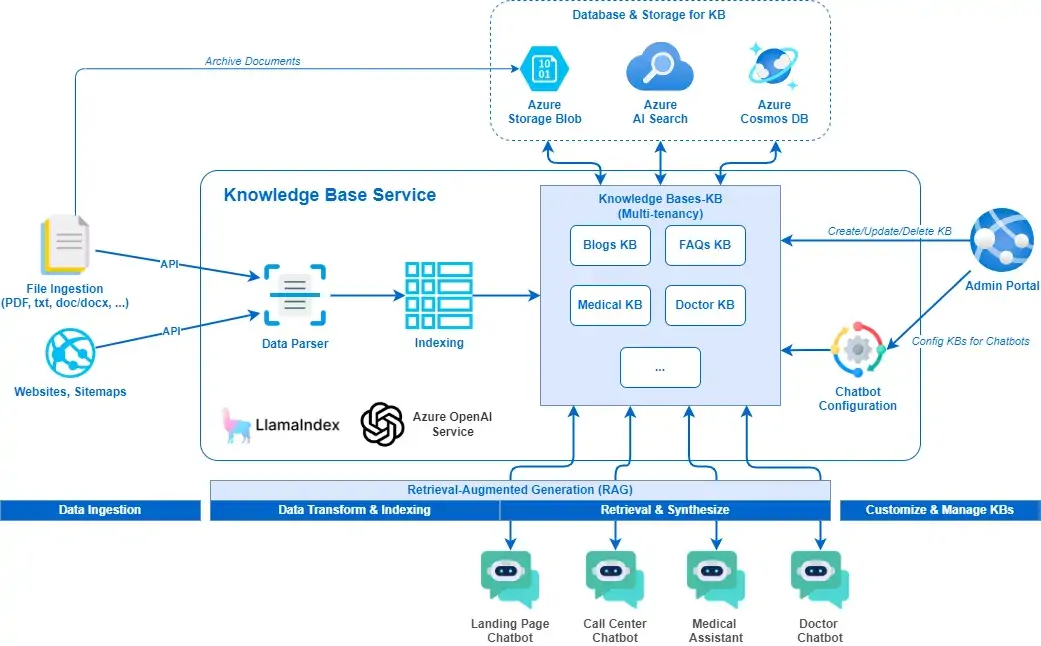
Multi-agent AI Systems in Healthcare What Are Multi-Agent AI Systems? Think of a highly specialized medical team managing a complex patient case: a radiologist, an oncologist, a pathologist, and a primary physician working in tandem. Multi-Agent AI Systems mimic this collaboration – but with AI agents acting as the experts. Each agent is: Autonomous: Able to act independently and make decisions within its scope. Collaborative: Able to communicate and coordinate with other agents to achieve shared goals. Specialized: Tailored for specific tasks like medical imaging, EHR data analysis, or appointment optimization. Together, they form an AI “dream team” capable of solving intricate healthcare challenges more efficiently and intelligently. Healthcare AI Agent Application Artificial Intelligence (AI) is no longer a futuristic concept in healthcare; it’s becoming a core component of diagnostics, treatment planning, and operational efficiency. But what happens when, instead of a single AI, you have a coordinated team of intelligent systems working together? Enter Multi-Agent AI Systems (MAAS) – a powerful, collaborative approach poised to transform healthcare delivery as we know it. The Future of MAAS in Healthcare The evolution of MAAS is accelerating, with significant advances on the horizon: Deeper Integration: Systems will become more tightly woven into EHRs, IoT health devices, and real-time hospital operations. Higher Autonomy: Agents will evolve from support tools to strategic partners, capable of handling complex tasks independently. More Personalization: As data sources increase, agents will deliver increasingly nuanced and tailored care recommendations. Evidence-Based Validation: Rigorous clinical testing, standardization, and published outcomes will guide responsible deployment. Overcoming the Challenges Despite the potential, MAAS implementation involves notable hurdles: Coordination & Architecture: Designing effective communication and conflict-resolution mechanisms among agents is complex. Privacy & Security: Ensuring data protection across distributed agents is critical, especially under regulations like HIPAA and GDPR. Ethical Oversight: Accountability, explainability, and trust are essential when AI agents impact human health decisions. Infrastructure Integration: Existing hospital systems must be able to integrate with MAAS components seamlessly. System Reliability: Ensuring consistent performance, early error detection, and fail-safes is vital in clinical environments. Benefits of Multi-Agent AI Systems Implementing MAAS in healthcare offers numerous strategic and operational advantages:\ Better Decision-Making: The combined analysis from specialized agents results in more accurate diagnoses and more effective, personalized treatment strategies. Operational Efficiency: Automation of admin tasks, optimized scheduling, and smart triaging reduce resource waste and increase throughput. Personalized Care: MAAS can leverage real-time, multi-source data to tailor care plans for each patient. Scalability: These systems are ideal for processing large volumes of data and managing complex workflows across hospitals and clinics. System Resilience: Distributed architecture makes MAAS more robust—if one agent fails, others can still operate and adapt. MAAS in Action: Real-World Use Cases The applications of MAAS are broad and transformative, improving care quality, operational efficiency, and patient engagement. At TMA Solutions, we’ve successfully deployed multi-agent systems to tackle real-world challenges for healthcare providers: AI Virtual Assistant Architecture AI Chatbot for Symptom Knowledge: We implemented an intelligent chatbot that provides users with general health information and possible causes for their symptoms—an accessible first touchpoint for patient engagement. Pre-Screening and Scheduling Agents: Our systems assist in screening patients’ symptoms and intelligently scheduling appointments, optimizing hospital workflows and minimizing patient wait times. Doctor Onboarding Support Agents: To assist newly hired doctors in clinics, TMA developed agents that guide their onboarding process, track their progress, recommend relevant training content, and report assessments to senior doctors for oversight and development. Symptom Analysis and Department Recommendation: We’ve built agents capable of guiding patients in identifying symptoms, analyzing medical history, and recommending the most relevant department or specialty for further care—improving triage accuracy and enhancing patient satisfaction. These systems don’t replace humans—they enhance the capabilities of clinicians and hospital staff by handling repetitive tasks, surfacing insights, and improving the patient journey. Research Topic Network in Mobile Health (mHealth) Studies Conclusion Multi-Agent AI Systems represent a paradigm shift in intelligent healthcare delivery. By bringing together specialized AI agents that collaborate in real-time, MAAS can revolutionize how patients are diagnosed, treated, and supported—both in hospitals and at home. At TMA Solutions, we are proud to be at the forefront of this transformation, delivering real-world multi-agent systems that empower healthcare providers to enhance efficiency, improve outcomes, and deliver smarter, more human-centric care. As the field continues to grow, MAAS will be instrumental in building the intelligent, responsive healthcare systems of the future. ...
icon
Multi-Warehouse Inventory Management Solution For Growing Businesses...
icon
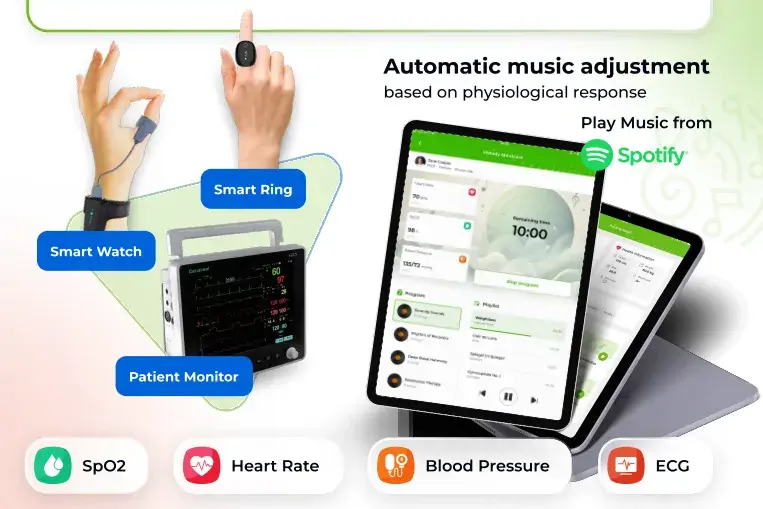
Musical Therapy Platform by TMA: When Music Becomes a Cardiovascular Therapeutic Tool Musical Therapy – A Scientific Foundation for Mental and Cardiovascular Health Overcoming Fear: The Impact of Stress on the Heart Psychological stress and anxiety are the “invisible enemies” behind many cardiovascular interventions. This sense of tension is not just an emotion — it is a physiological response that can lead to serious consequences: elevated heart rate, increased blood pressure, and a higher risk of arrhythmias. The core mission of modern medicine is not only to treat disease, but also to control stress as a way to protect the heart. Music: An Invisible Medicine Proven by Science Music does not merely soothe the soul — it has direct effects on the nervous system. Clinical studies have shown that listening to relaxing music can: Slow heart rate and lower blood pressure. Boost dopamine and serotonin production, improving mood. Activate endogenous endorphins, producing feelings of comfort and reducing pain. Meta-analyses have confirmed that just 20–30 minutes of music before a procedure can reduce heart rate by 10–15 bpm and systolic blood pressure by 5–7 mmHg . This stands as one of the strongest scientific proofs of the therapeutic role of music. Quantifying Emotions: Wearable Tech and Real-time Data In the past, the effects of music were mainly evaluated through subjective patient feedback. Now, with advances in wearable health monitoring devices , we can transform “emotions” into “data”. Modern wearable devices can continuously track key bio signals such as heart rate (HR), heart rate variability (HRV), and ECG. When analyzed with machine learning, this data enables clinicians to understand the precise physiological impacts of each song and rhythm. As a result, music is elevated from a subjective emotional intervention into a quantifiable therapeutic solution. TMA Musical Therapy Platform – Where Art Meets Science TMA Solutions has developed an intelligent Musical Therapy platform , creating a bridge between physicians and patients to deliver a holistic healthcare experience. This platform goes beyond features — it emphasizes user experience across every interface. Personalized therapy programs: Physicians can easily create individualized therapy programs with specialized playlists integrated directly from Spotify. Real-time connectivity: The platform collects and analyzes biometric data (HR, SpO₂, ECG) from wearable devices developed by TMA, synchronizing everything through a real-time data pipeline. Comprehensive evaluation: The system combines objective bio signals with intuitive psychological questionnaires, giving physicians a full view of therapy effectiveness. Web Interface: Advanced Management for Physicians To optimize the clinical workflow, the web-based interface is equipped with powerful management tools: Customizable questionnaires: Physicians can design surveys to measure pre-session anxiety and post-session relaxation levels, allowing immediate evaluation of therapeutic effectiveness. Questions can be set as scored (for quantitative measurement) or non-scored (for qualitative feedback) , offering a comprehensive perspective on both emotional and physiological patient responses. Figure 1: Patient's therapy program details and health data charts on the web interface. Mobile App: Seamless Experience for Patients The mobile app is designed to be intuitive and user-friendly, helping patients stay engaged and compliant with their treatment programs: Preview before starting : Patients can listen to short music snippets before starting a therapy session to ensure they feel comfortable and connected with the music. E-signature : This feature allows patients to confirm their consent and agree to therapy terms, ensuring legal compliance and engagement. Multi-device connectivity : The app can connect to multiple wearable devices (such as smartwatches and ECG sensors) simultaneously, allowing richer and more accurate biometric data collection — providing a holistic view of the body’s response to music Figure 2: Device connectivity and real-time vital signs acquisition model. The platform is built on a cloud-native architecture , ensuring HIPAA/GDPR-compliant data security and seamless integration with existing hospital systems (EMR/EHR). This positions TMA’s platform as a next-generation telehealth platform for healthcare and a foundation for remote patient monitoring solutions in the cardiology field. Exploring the Impact: Clinical Research Objectives This project is a pioneering clinical study aimed at quantifying the role of music therapy in cardiovascular patient care , with specific objectives: Reducing anxiety and stress : Minimize sympathetic over activation to reduce acute complications. Monitoring objective parameters : Continuously collect and deeply analyze key physiological indicators. Supporting recovery : Assess the ability to reduce physical stress, shorten recovery time, and explore a non-pharmacological complementary therapy. Advanced biomarker analysis : Evaluate specialized biological indicators such as Cortisol, BNP, and hs-Troponin I to prove medical efficacy. Pioneering in medicine : Lay the foundation for integrating music and wearable technology into cardiovascular interventions, ushering in a new era of healthtech innovation Success Story: Clinical Trial at a Leading Cardiology Center A clinical trial conducted at a top-tier Cardiology Center with 60 patients delivered highly promising results: 1 8% average reduction in pre-procedure anxiety (STAI scores). 12% reduction in average heart rate during procedures. 30% decrease in the use of mild sedatives. These figures are not just technical achievements — they are clear clinical evidence that music can become a powerful medical tool to protect patients’ hearts. Conclusion TMA’s Musical Therapy solution is more than just a technology platform — it is a disruptive vision of medicine . By integrating the power of music, wearable health monitoring devices , and real-time data analytics , TMA Solutions is paving a new path in cardiovascular care — where healing begins with sound and where patients’ hearts can remain calm and safe even in their most stressful moments....
icon
Top 15 NFT Examples Driving Fintech Innovation Conclusion NFTs are more than digital collectibles; they serve as powerful tools with the potential to reshape the fintech industry. NFT examples can be found in asset tokenization and smart contracts, where these technologies offer secure and transparent transactions. While challenges like regulatory concerns and environmental impact persist, the advantages of NFTs in streamlining financial processes remain significant. As the technology matures, NFTs could become integral to the future of financial systems. Are you prepared to tap into the real potential of NFTs for your business? Let’s invest right in. Non-fungible tokens (NFTs) redefined how we perceive digital ownership and blockchain technology. From digital art to identity verification, NFTs are unlocking new possibilities across industries, particularly in financial technology (fintech). NFT examples illustrate their diverse applications, showcasing their impact beyond collectibles and art. Let’s explore the benefits, challenges, and how NFTs are used in fintech in the blog with us. Benefits of NFTs The most obvious benefits of NFT is market efficiency, streamlining sales processes, and removing the need for intermediaries. Securely capturing either digital or physical works on the blockchain enables NFTs to connect the seller directly with their target clients. Investing NFTs streamline investing by tokenizing physical and digital assets, simplifying ownership transfer, and improving accessibility. Blockchain-based solutions like Ernst & Young's system for secure storage and verification serve as NFT examples that ensure the provenance of high-value items like fine wine. NFTs invest by tokenizing physical and digital assets NFTs can represent business ownership similarly to stocks, as both rely on ledgers to track ownership details. By using blockchain – a secure, distributed ledger – NFTs can serve the same purpose as traditional stock ledgers. The key advantage is that smart contracts can automate the transfer of ownership, streamlining the process once an NFT share is sold. Security NFTs enhance identity security by storing personal information on an immutable blockchain, protecting it from unauthorized access and theft. Furthermore, NFTs can democratize investment by enabling fractional ownership of physical assets, like artwork, allowing multiple individuals to own a share and participate in markets previously inaccessible to them. How NFTs work? NFTs are made through the minting process, in which data relevant to an asset is incorporated and stored on a blockchain. This involves creating a new block, validating the NFT’s details, and closing the block, often with smart contracts to assign ownership and manage transfers. The process includes creating, validating, and closing with smart contracts Each NFT is assigned a unique identifier linked to a specific blockchain address, ensuring every token is distinct, even when multiple NFTs represent the same asset. Ownership details are publicly accessible, enhancing transparency. While many blockchains support NFTs, their terminology and mechanisms vary – as NFT examples , Ethereum creates tokens directly for assets, whereas Bitcoin’s Ordinals assign serial numbers to satoshis, the smallest bitcoin denomination. Concerns about non-fungible tokens While NFTs offer many benefits for creators, owners, and investors, they come with notable concerns that should be carefully considered. One major issue is the risk of copyright infringement and piracy. Although NFTs represent ownership through hashed metadata and wallet key pairs, the underlying digital assets – such as images, videos, or music – can still be copied or circulated without permission. Unauthorized actions, like saving a tokenized image, may violate ownership rights, but it is up to the NFT owner to locate and take legal action against infringers, which can be a cumbersome process. Digital assets on NFTs can be easily taken without permission Another significant concern is the limited liquidity of NFTs. Unlike cryptocurrencies, which appeal to a broad market, NFTs are targeted at niche audiences of collectors or buyers. This specificity can make it difficult to sell an NFT, particularly if demand for that type of asset diminishes. These challenges underscore the need for potential investors and creators to weigh the risks and rewards of engaging with NFTs. 15 ideas for NFT solutions in fintech Non-fungible tokens (NFTs) are revolutionizing the fintech landscape by introducing innovative solutions across various financial services. Here are 15 notable examples of NFT in fintech. Tokenized assets and securities NFT can symbolize appropriating real-market relations with physical assets such as real estate, artworks, commodities, and even shares of a company's business. Tokenizing these assets on a blockchain allows seamless trading, presents fractional ownership, thus improving liquidity, and makes investment opportunities accessible to all. These NFT examples demonstrate how diverse assets can be effectively managed and traded in the digital realm. NFT-based identity verification Identity verification has been revolutionized by providing secure and tamper-proof digital identities through NFTs. It enhances privacy and nearly entirely prevents fraud in financial digital and other transactions by storing personal identifying data on a blockchain. Furthermore, compared to conventional systems, it makes the process of confirming identity much stronger and more trustworthy. NFTs secure identity verification with private, fraud-resistant digital identities NFT-powered credit scoring Verification of creditworthiness becomes innovative with the use of these NFTs because the complete financial life history of an individual is stored on the blockchain, hence an immutably verifiable record is established. This permits financial institutions to have a more reliable and precise assessment of creditworthiness and will hence speed up the entire lending process, making credit available to those people who have minimal or sometimes lacking credit histories. Smart contracts for insurance Smart contract NFT example demonstrates how insurance can be transformed by automating claims and policy management. This integration enables faster, cost-effective processes with enhanced transparency and security. By streamlining the administration of claims, insurance providers can deliver a more efficient and satisfying client experience. Loyalty programs and rewards The transformation of loyalty programs will occur as NFTs become unique, tradable prizes. When companies create NFTs as digital benefits, client involvement will increase further and will also create a deeper bond with the brand. Such NFTs may be created for a personal touch and are tradable to offer much more value than the mere offering of loyalty points. NFT-driven crowdfunding The issuance of NFTs as tokenized shares enables companies to raise funds transparently through blockchain-based crowdfunding. This makes it possible for a new startup to provide confirmed stakes in its projects while promoting decentralized, transparent fundraising with clear and secure claims by investors on their investments. NFT-based smart escrows NFTs can function as highly secure and efficient smart escrows that promise to release an asset out of a smart contract when all required contractual conditions have been met. This groundbreaking application helps eliminate middlemen between the two parties involved, streamlining, lowering counterparty risk, and facilitating trust and security for a variety of financial agreements. NFT-backed loans NFTs may be collateralized for loans, allowing the borrower to unlock the liquidity loan against collateral without having to sell their assets. People and businesses can obtain loans while retaining full ownership of their assets by using an NFT as collateral. That's a novel use case for money, and it will stimulate growth in this common use case for decentralized finance. NFTs for micro-investments Fractionalized non-fungible tokens will democratize property ownership by enabling persons to own asset fractions worth thousands or millions of dollars without bringing major funds into the investment. NFTs allow people to own small parts of valuable assets Such micro-investment options will open possibilities across asset classes—available to persons who are otherwise barred from participating in specific markets because of minimal amounts of money. Regulated stablecoin representation Integrating NFTs into regulated stablecoins creates a very powerful synergy, defining the security and compliance of the transaction while bringing together the unique features of NFTs and the stability and regulatory acceptance found in traditional fiat currencies. This creates a very strong basis for the transaction of digital assets while lending itself to increased trust and wider adoption in regulated financial ecosystems. Programmable royalties in financial products The revolutionizing aspect of NFTs is the method of automating the disbursement of royalties and managing financial products through smart contracts that automatically pay out to creators and/or other stakeholders from sales after the secondary market. The system works particularly well for industries such as music or art and makes things visible, fair, and easy to execute. NFT examples here include the use in managing digital rights for songs or artwork. Gamified financial literacy Financial literacy can draw in users through rewards and interactive experiences via gamification with NFT. Such educational institutions can use NFTs to gamify transactions in which users win digital collectibles as prizes for completing literacy courses. Certainly, this boosts engagement while making retention of knowledge easy, as people are more invested in learning in finance. Real-time taxation and compliance NFTs can facilitate tax compliance and regulatory measures through real-time automated processes. They provide the capacity for real-time auditing while minimizing errors via recording transactions on an immutable ledger; therefore, increasing transparency. NFTs can automate tax compliance and regulatory measures in real-time Providing a straightened route through which such regulatory compliance and tax returns can be filed has made for a much easier and more manageable way for compliance by both businesses and individuals. DeFi governance and voting NFTs provide an efficient governance structure in decentralized finance. NFTs transfer ownership rights to token holders as voting rights in decentralized autonomous organizations (DAOs) so that the holders can participate in any important governance decision on this platform. Thus, this is made possible and enforces community engagement while creating a more democratic procedure among these platforms. Customizable payment gateways NFT-based payment gateways provide secure and flexible payment processing solutions for businesses on the market, which enables them to accept various digital assets for payments demanded by clients who want increased options regarding payment at their convenience. This adaptability tends to ensure both business and consumer conveniences, effectively enhancing security....
icon
OCR Development Company for Efficient Workflow With TMA Solutions Advantages of using OCR OCR development company offers numerous advantages that can greatly benefit businesses. Adopting OCR technology is a strategic decision that can lead to long-term gains in both operational efficiency and financial performance. This automation accelerates data processing, enabling businesses to maintain accurate records, receipts, and reports with minimal effort. The result is a more efficient workflow that significantly reduces the time spent on administrative tasks, allowing employees to focus on more strategic activities. OCR automates data extraction, boosting efficiency and accuracy for businesses Improved user experience OCR technology enhances user experience by simplifying and speeding up the documentation process. Users can scan documents and instantly convert them into editable digital formats, reducing the time spent on manual entry and documentation tasks. This ease of use streamlines day-to-day business operations, allowing employees to quickly access and modify documents as needed. The reduction in manual labor associated with documentation not only increases productivity but also reduces the risk of errors, contributing to a smoother and more efficient business environment. Efficient data extraction and accounting For businesses involved in data extraction from receipts, invoices, or historical records, OCR is an invaluable tool. It facilitates the accurate extraction of data from various sources, ensuring that important financial and accounting information is digitized and easily accessible. Accountants can rely on OCR to convert paper records into digital formats without the need to recreate old reports manually. This capability is particularly beneficial for maintaining accurate financial records and ensuring compliance with accounting standards. OCR digitizes financial records, streamlining accounting processes Information retrieval from PDF files One of the standout features of OCR is its ability to create searchable PDF files. Unlike standard PDFs, searchable PDFs allow users to search for specific keywords, phrases, or names within the document's text. This functionality makes it incredibly easy to locate and retrieve specific pieces of information quickly, without having to manually sift through pages of content. For businesses that handle large volumes of documents, this feature is essential for efficient information management and retrieval. Create searchable PDF files to search for keywords with OCR Enhanced client service OCR technology also plays a critical role in improving client service. By digitizing client information, records, and history, businesses can access client data more rapidly and accurately. This enhanced accessibility allows companies to respond to client inquiries and requests more efficiently, leading to a better overall client experience. Whether it's retrieving a past order, updating client information, or resolving a client complaint, OCR ensures that businesses can handle client interactions with greater ease and precision. Cost reduction In large organizations, manual data entry can be a significant, often overlooked, expense. The time and resources required to maintain records, enter client information, and organize project data can add up, impacting the company’s budget. OCR technology helps reduce these costs by automating data entry and processing tasks, thereby freeing up employees to focus on higher-value activities. Over time, the reduction in manual labor associated with data management can lead to substantial cost savings, positively affecting the company's bottom line. In today’s fast-paced digital world, the right https://www.tmasolutions.com/insights/ocr-development-company#ocr_development_company OCR development company can make all the difference in streamlining your business processes. TMA Solutions leverages advanced OCR technology to convert handwritten notes and documents into precise digital formats. Read on to learn how our OCR solutions can transform your business and why TMA Solutions is the ideal partner for your OCR needs. Why should choose TMA Solutions as your OCR development company Selecting the right partner for OCR development is a critical decision that can significantly impact the efficiency and success of your business operations. TMA Solutions distinguishes itself as a leading OCR development company , offering a range of benefits that ensure your project is executed seamlessly and delivers the desired outcomes. Versatility with high accuracy TMA Solutions excels in developing OCR systems that can accurately recognize a wide range of document types. From printed texts to handwritten notes on various surfaces such as paper and boards, our OCR solutions are built to deliver exceptional precision. This versatility ensures that businesses can rely on our technology to handle diverse documentation needs, minimizing errors and maximizing efficiency in data extraction and processing. TMA's OCR excels at recognizing diverse document types Multi-language support In today's global business environment, language diversity is a key consideration. TMA Solutions' OCR systems are designed to support multiple languages, including Vietnamese, English, Japanese, and Korean. This capability is particularly valuable for businesses operating in multilingual regions or those with international operations, ensuring seamless document processing and data handling across different languages. Dynamic template support Understanding that each business has unique documentation requirements, TMA Solutions offers dynamic template support within its OCR solutions. Our technology is adaptable to various document types, such as prescriptions, invoices, license plates, and in-body results. Moreover, businesses can conduct self-training for their specific document formats, allowing for continuous improvement and customization of the OCR system to meet evolving needs. TMA Solution offers a variety of dynamic template support within OCR solutions Ready for customization TMA Solutions is committed to delivering OCR solutions that are not only effective but also highly customizable. We offer flexibility in tailoring OCR systems to fit specific business domains, industries, and workflows. This customization capability ensures that our OCR technology can be seamlessly integrated into existing business processes, providing a tailored solution that enhances operational efficiency and supports business growth. TMA offers customizable OCR solutions tailored for seamless business integration When it comes to choosing an OCR development company , TMA Solutions offers the expertise and technology you need to stay ahead. Our tailored OCR solutions ensure accurate data conversion, enhancing your business's efficiency and minimizing the risk of costly errors. Partner with TMA Solutions to unlock the full potential of OCR technology and drive your business forward in the digital era. Applications of OCR in TMA Solutions At TMA Solutions, we leverage our expertise as an OCR solution company to develop tailored solutions that address the specific needs of our clients. Below are some key applications of OCR within TMA Solutions. Structured & unstructured documents TMA Solutions leverages OCR technology to process both structured and unstructured documents with precision. Structured documents like forms and tables have consistent formats, simplifying data extraction. In contrast, unstructured documents such as letters, contracts, or emails pose a greater challenge due to their varied layouts. Our OCR platform addresses these challenges by providing dynamic templates that allow users to create custom templates by identifying and labeling specific fields within a sample document. This capability enables the system to automatically recognize and extract relevant data from similar documents, ensuring accurate and efficient data capture across all formats. OCR platforms can work well with structured and unstructured documents Medical prescriptions OCR technology is also applied in the healthcare sector, particularly in digitizing medical prescriptions. Handwritten prescriptions are prone to errors and misinterpretation. TMA Solutions' OCR can accurately convert these handwritten notes into digital formats, ensuring that the correct information is recorded and reducing the risk of errors in medication dispensing. This application not only enhances patient safety but also streamlines the prescription management process. TMA's OCR digitizes handwritten notes accurately Logo matching, product/brand detection OCR is not limited to text recognition; it can also be applied in visual recognition tasks, such as logo matching and product or brand detection. TMA Solutions uses advanced OCR algorithms to identify logos and brands within images or videos, enabling businesses to monitor brand visibility and detect unauthorized use of their trademarks. This application is valuable in marketing and brand management, where maintaining brand integrity is crucial. Logo Matching & Product/Brand Detection using OCR Resumes In the recruitment process, OCR technology can be used to streamline the handling of resumes. TMA Solutions' OCR can quickly scan and extract key information from resumes, such as contact details, work experience, and educational background. This automation speeds up the screening process, allowing HR departments to focus on evaluating candidates rather than manually entering data. OCR technology is used to automate resume screening in recruitment ID cards and passports OCR technology is also applied in the recognition and verification of identification documents, such as ID cards and passports. TMA offers OCR solutions that can accurately capture and verify the information contained in these documents, ensuring that businesses comply with regulatory requirements while reducing the time spent on manual verification. This application is particularly useful in industries such as banking, travel, and security, where accurate and efficient identity verification is essential. TMA's OCR technology efficiently digitizes ID and passport cards Invoices and receipts Processing invoices and receipts is a time-consuming task that is prone to human error. TMA Solutions employs OCR technology to automate the extraction of key information from these documents, such as dates, amounts, and vendor details. This automation improves accuracy and speeds up the processing of financial transactions, allowing businesses to maintain up-to-date records and reduce the administrative burden on their staff. TMA’s OCR technology is used to automate invoice processing These applications not only improve efficiency and accuracy but also enable businesses to focus on higher-value tasks, ultimately driving better outcomes and greater operational success. >> For more insights about OCR development & applications, check out the PDF files here: Source: Wang, Junmiao. (2023). A Study of The OCR Development History and Directions of Development. Highlights in Science, Engineering and Technology. 72. 409-415. 10.54097/bm665j77. A Study of The OCR Development History and Directions of Development...