Non-fungible tokens (NFTs) redefined how we perceive digital ownership and blockchain technology. From digital art to identity verification, NFTs are unlocking new possibilities across industries, particularly in financial technology (fintech). NFT examples illustrate their diverse applications, showcasing their impact beyond collectibles and art. Let’s explore the benefits, challenges, and how NFTs are used in fintech in the blog with us.
How NFTs work?
NFTs are made through the minting process, in which data relevant to an asset is incorporated and stored on a blockchain. This involves creating a new block, validating the NFT’s details, and closing the block, often with smart contracts to assign ownership and manage transfers.
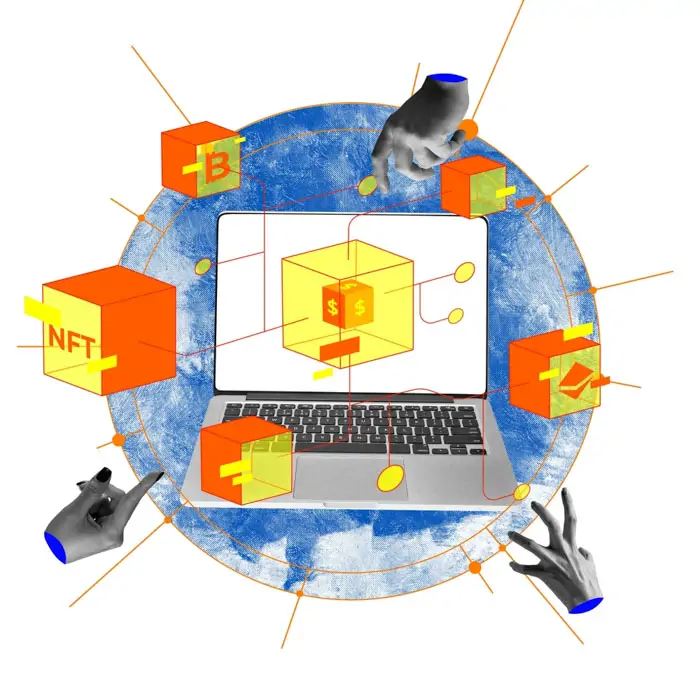
Each NFT is assigned a unique identifier linked to a specific blockchain address, ensuring every token is distinct, even when multiple NFTs represent the same asset. Ownership details are publicly accessible, enhancing transparency.
While many blockchains support NFTs, their terminology and mechanisms vary – as NFT examples, Ethereum creates tokens directly for assets, whereas Bitcoin’s Ordinals assign serial numbers to satoshis, the smallest bitcoin denomination.
Benefits of NFTs
The most obvious benefits of NFT is market efficiency, streamlining sales processes, and removing the need for intermediaries. Securely capturing either digital or physical works on the blockchain enables NFTs to connect the seller directly with their target clients.
Investing
NFTs streamline investing by tokenizing physical and digital assets, simplifying ownership transfer, and improving accessibility. Blockchain-based solutions like Ernst & Young's system for secure storage and verification serve as NFT examples that ensure the provenance of high-value items like fine wine.
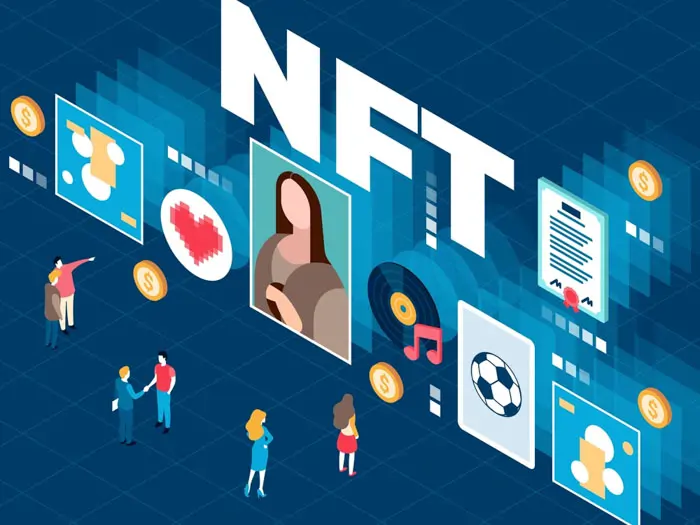
NFTs can represent business ownership similarly to stocks, as both rely on ledgers to track ownership details. By using blockchain – a secure, distributed ledger – NFTs can serve the same purpose as traditional stock ledgers. The key advantage is that smart contracts can automate the transfer of ownership, streamlining the process once an NFT share is sold.
Security
NFTs enhance identity security by storing personal information on an immutable blockchain, protecting it from unauthorized access and theft. Furthermore, NFTs can democratize investment by enabling fractional ownership of physical assets, like artwork, allowing multiple individuals to own a share and participate in markets previously inaccessible to them.
15 ideas for NFT solutions in fintech
Non-fungible tokens (NFTs) are revolutionizing the fintech landscape by introducing innovative solutions across various financial services. Here are 15 notable examples of NFT in fintech.
Tokenized assets and securities
NFT can symbolize appropriating real-market relations with physical assets such as real estate, artworks, commodities, and even shares of a company's business. Tokenizing these assets on a blockchain allows seamless trading, presents fractional ownership, thus improving liquidity, and makes investment opportunities accessible to all. These NFT examples demonstrate how diverse assets can be effectively managed and traded in the digital realm.
NFT-based identity verification
Identity verification has been revolutionized by providing secure and tamper-proof digital identities through NFTs. It enhances privacy and nearly entirely prevents fraud in financial digital and other transactions by storing personal identifying data on a blockchain. Furthermore, compared to conventional systems, it makes the process of confirming identity much stronger and more trustworthy.

NFT-powered credit scoring
Verification of creditworthiness becomes innovative with the use of these NFTs because the complete financial life history of an individual is stored on the blockchain, hence an immutably verifiable record is established.
This permits financial institutions to have a more reliable and precise assessment of creditworthiness and will hence speed up the entire lending process, making credit available to those people who have minimal or sometimes lacking credit histories.
Smart contracts for insurance
Smart contract NFT example demonstrates how insurance can be transformed by automating claims and policy management. This integration enables faster, cost-effective processes with enhanced transparency and security. By streamlining the administration of claims, insurance providers can deliver a more efficient and satisfying client experience.
Loyalty programs and rewards
The transformation of loyalty programs will occur as NFTs become unique, tradable prizes. When companies create NFTs as digital benefits, client involvement will increase further and will also create a deeper bond with the brand. Such NFTs may be created for a personal touch and are tradable to offer much more value than the mere offering of loyalty points.
NFT-driven crowdfunding
The issuance of NFTs as tokenized shares enables companies to raise funds transparently through blockchain-based crowdfunding. This makes it possible for a new startup to provide confirmed stakes in its projects while promoting decentralized, transparent fundraising with clear and secure claims by investors on their investments.
NFT-based smart escrows
NFTs can function as highly secure and efficient smart escrows that promise to release an asset out of a smart contract when all required contractual conditions have been met. This groundbreaking application helps eliminate middlemen between the two parties involved, streamlining, lowering counterparty risk, and facilitating trust and security for a variety of financial agreements.
NFT-backed loans
NFTs may be collateralized for loans, allowing the borrower to unlock the liquidity loan against collateral without having to sell their assets. People and businesses can obtain loans while retaining full ownership of their assets by using an NFT as collateral. That's a novel use case for money, and it will stimulate growth in this common use case for decentralized finance.
NFTs for micro-investments
Fractionalized non-fungible tokens will democratize property ownership by enabling persons to own asset fractions worth thousands or millions of dollars without bringing major funds into the investment.

Such micro-investment options will open possibilities across asset classes—available to persons who are otherwise barred from participating in specific markets because of minimal amounts of money.
Regulated stablecoin representation
Integrating NFTs into regulated stablecoins creates a very powerful synergy, defining the security and compliance of the transaction while bringing together the unique features of NFTs and the stability and regulatory acceptance found in traditional fiat currencies. This creates a very strong basis for the transaction of digital assets while lending itself to increased trust and wider adoption in regulated financial ecosystems.
Programmable royalties in financial products
The revolutionizing aspect of NFTs is the method of automating the disbursement of royalties and managing financial products through smart contracts that automatically pay out to creators and/or other stakeholders from sales after the secondary market. The system works particularly well for industries such as music or art and makes things visible, fair, and easy to execute. NFT examples here include the use in managing digital rights for songs or artwork.
Gamified financial literacy
Financial literacy can draw in users through rewards and interactive experiences via gamification with NFT. Such educational institutions can use NFTs to gamify transactions in which users win digital collectibles as prizes for completing literacy courses. Certainly, this boosts engagement while making retention of knowledge easy, as people are more invested in learning in finance.
Real-time taxation and compliance
NFTs can facilitate tax compliance and regulatory measures through real-time automated processes. They provide the capacity for real-time auditing while minimizing errors via recording transactions on an immutable ledger; therefore, increasing transparency.

Providing a straightened route through which such regulatory compliance and tax returns can be filed has made for a much easier and more manageable way for compliance by both businesses and individuals.
DeFi governance and voting
NFTs provide an efficient governance structure in decentralized finance. NFTs transfer ownership rights to token holders as voting rights in decentralized autonomous organizations (DAOs) so that the holders can participate in any important governance decision on this platform. Thus, this is made possible and enforces community engagement while creating a more democratic procedure among these platforms.
Customizable payment gateways
NFT-based payment gateways provide secure and flexible payment processing solutions for businesses on the market, which enables them to accept various digital assets for payments demanded by clients who want increased options regarding payment at their convenience. This adaptability tends to ensure both business and consumer conveniences, effectively enhancing security.
Concerns about non-fungible tokens
While NFTs offer many benefits for creators, owners, and investors, they come with notable concerns that should be carefully considered. One major issue is the risk of copyright infringement and piracy.
Although NFTs represent ownership through hashed metadata and wallet key pairs, the underlying digital assets – such as images, videos, or music – can still be copied or circulated without permission. Unauthorized actions, like saving a tokenized image, may violate ownership rights, but it is up to the NFT owner to locate and take legal action against infringers, which can be a cumbersome process.

Another significant concern is the limited liquidity of NFTs. Unlike cryptocurrencies, which appeal to a broad market, NFTs are targeted at niche audiences of collectors or buyers. This specificity can make it difficult to sell an NFT, particularly if demand for that type of asset diminishes. These challenges underscore the need for potential investors and creators to weigh the risks and rewards of engaging with NFTs.
Conclusion
NFTs are more than digital collectibles; they serve as powerful tools with the potential to reshape the fintech industry. NFT examples can be found in asset tokenization and smart contracts, where these technologies offer secure and transparent transactions. While challenges like regulatory concerns and environmental impact persist, the advantages of NFTs in streamlining financial processes remain significant.
As the technology matures, NFTs could become integral to the future of financial systems. Are you prepared to tap into the real potential of NFTs for your business? Let’s invest right in.


.webp_2026-10-01-18-27-07-971.webp)
.webp_2026-10-01-18-17-11-290.webp)
.webp_2026-10-01-18-08-26-854.webp)
.webp_2026-10-01-17-47-32-240.webp)