Home
Search
Found 797 results for “ “ keyword
icon
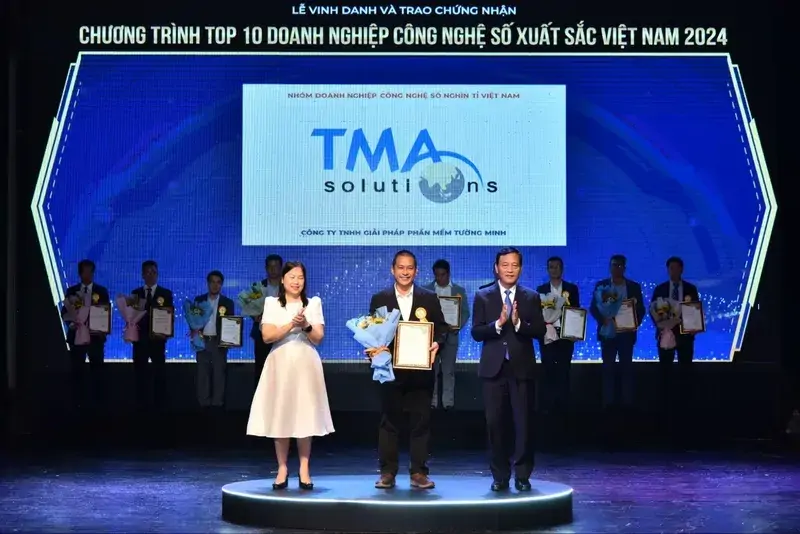
Top 10 healthcare software development companies in 2025 The demand for technology in healthcare is rising. Each health software development company plays an important role by providing solutions for hospitals, clinics and startups. This article highlights leading providers in 2025 and shares key criteria to help you choose the right partner. HealthTech App Development Company Industry Expertise in HealthTech Staff Size TMA Solutions TMA has built aged care, home care, remote health monitoring systems, telehealth solutions, device integration, clinical research tools, ecect… Around 4.000 staff NashTech NashTech is not specialised in healthcare but has strong capacity in custom software development, IT consulting and application management. It can deliver secure solutions that meet compliance and integration reuirements in the healthcare sector… 2.000+ staff NextGen Healthcare For 50 years, NextGen has built EHR software, clinic management systems and e-prescription solutions. 2.000+ staff 10Pearls 10Pearls develops software for medical devices that meet strict standards such as FDA, HL7, HIPAA and DICOM. It applies agile methods to support digital healthcare transformation. 1000 staff ScienceSoft With more than 20 years of expertise, ScienceSoft provides IT consulting and development for healthcare. Its services include mobile solutions, SaMD systems and healthcare data analytics. 750+ staff Savvycom Software Savvycom has over 15 years of experience in healthcare software. The company delivers medical applications, telemedicine solutions, fast MVPs and HIPAA-compliant designs… 700+ staff Orient Software Orient partnered with digital health projects such as Hello Health in Indonesia. Its team, skilled in ReactJS and PHP, supports fast healthcare MVPs. 350+ staff Ada Health Ada offers an AI-powered platform for self-diagnosis and medical advice. It works in mHealth, clinical decision support and telemedicine. Around 300 staff 1. TMA Solutions TMA Solutions was founded in 1997 and is now one of the largest software companies in Vietnam. TMA has built HealthTech solutions for more than 15 years. TMA has built remote health monitoring systems, home care monitoring solutions and clinical research tools. TMA develops solutions across mobile, web, cloud, and AI. The company applies AI for medical image analysis and diagnosis, IoT for patient monitoring devices, and big data analytics for healthcare management. It also follows global standards such as HL7, FHIR, HIPAA, and GDPR to protect medical data. The company has more than 4.000 software engineers, with 7 offices in Vietnam and branches in Canada, the US, Germany, Australia, Japan and Singapore. TMA is ranked among the https://www.tmasolutions.vn/tin-tuc/TMA-duoc-vinh-danh-trong-Top-10-Doanh-nghiep-Xuat-khau-phan-mem-2024 Top 10 digital technology companies in Vietnam (by VINASA) and holds international certifications, including CMMI Level 5, ISO 9001 and ISO 27001, proving its quality and security in healthcare software projects. With TMA Healthtech Standards & Compliance, the company leverages expertise in HIPAA, GDPR, FHIR, PACS & DICOM, and HL7 to ensure regulatory compliance and trusted healthcare solutions. TMA’s clients include leading companies in Europe, the US, Australia and Vietnam. Some key projects are: https://www.tmasolutions.com/case-studies/enhance-senior-care-services-with-remote-health-monitoring-system Apply Remote Health Monitoring in Senior Care Services : This solution uses devices and sensors to track vital signs in real time, send alerts on abnormalities, and enable timely intervention. It also offers medication reminders and remote consultations, enhancing care quality and providing peace of mind for seniors and their families.. https://www.tmasolutions.com/case-studies/leverage-big-data-for-healthcare-analytics Leverage Big Data for Healthcare Analytics : This builds a robust platform to manage and process more than 15 million health records. It provides centralised storage, rapid data access and supports accurate, data-driven clinical decisions. https://www.tmasolutions.com/case-studies/home-kit-solution-for-continuous-health-monitoring Home Kit Solution for Continuous Health Monitoring : This develops an IoT-based home kit - measuring heart rate, blood pressure and SpO₂ - integrated with a mobile app. It allows doctors to monitor patients remotely and send early alerts when abnormal signs are detected. TMA Solutions has achieved milestones that confirm its position as a trusted health software development company in the IT sector 2. NashTech NashTech , founded in 2000 and is headquartered in London, UK, is part of Nash Squared (Harvey Nash Group). The company provides a wide range of digital solutions, including custom software development, technology consulting, BPM, digital transformation, mobile applications, cloud and big data. NashTech applies AI and machine learning for data analysis. It uses DevOps and cloud to modernise IT infrastructure while ensuring systems remain flexible, secure and compliant with global standards. With more than 2.000 engineers based in delivery centers in Hanoi, Ho Chi Minh City and Da Nang, and with offices worldwide, NashTech supports clients across Europe, North America and Asia - Pacific. The company has been recognized among the Top 10 IT firms in Vietnam and has received the Sao Khue Award for software export services. Although not specialised in healthcare, NashTech has the capacity to deliver projects that meet stringent security, compliance and integration requirements - making it as a trusted health software development company for global clients. NashTech is a global IT company that provides software solutions, digital transformation, cloud and AI 3. NextGen Healthcare NextGen Healthcare, founded in 1974 in the US, is a health software development company specializing in the outpatient care sector. Headquartered in Atlanta, the company has more than 2.000 employees and serves tens of thousands of clinics and hospitals nationwide. NextGen builds a comprehensive healthcare ecosystem, including EHR, clinic management, telehealth, and patient engagement solutions. A standout innovation is NextGen Ambient Assist, an AI-powered tool that automatically creates clinical notes, helping doctors save time. The company follows international data safety standards such as HIPAA, HL7, FHIR and GDPR. It also holds ONC Health IT Certification and has been recognised many times by Newsweek, Black Book Research and KLAS for excellence in its EHR and clinic management solutions. Sample projects: Adult & Child Health: Implemented NextGen EHR and telehealth to integrate physical and mental health records, giving doctors a comprehensive view of patient’s history and helps them reach patients in the community. Fairfield County Bariatrics: Upgrading NextGen financial management software helps reduce billing time dropped from 97 days to 45 days, lowering overdue debt, and stabilizing cash flow. NextGen Healthcare is a major health IT company that supports outpatient care 4. 10Pearls Founded in 2004, 10Pearls is a rapidly growing health software development company and digital technology consulting firm in the US with its headquarters in Washington , D.C and centers in Latin America, the UK and South Asia. In the HealthTech sector, 10Pearls partners with healthcare and insurance organisations to create digital solutions that enhance patient experience, improve clinical outcomes and optimize operations. 10Pearls offers end-to-end services, including digital product development, program management, software engineering, DevOps & SecOps, testing and automation, web and mobile applications, data analytics, and emerging technologies such as IoT, RPA, Blockchain, Cloud, AR/VR and cybersecurity. Its HealthTech solutions focus on redesigning the patient journey, modernising care systems, deploying telehealth, managing data and automating clinical workflows. These solutions help healthcare clients improve treatment results, reduce costs, enhance user experience and ensure data security. Key HealthTech projects: AARP: Built a digital platform connecting caregivers with information, products and peer support, helping them provide better care for their families. Automated Utilisation Management: Created a system to automate prior authorisation for a multi-state health insurance provider, reducing manual workloads and improving data accuracy. 10Pearls is a fast-growing health software development company and digital consulting provider with operations in several countries 5. ScienceSoft Founded in 1989, ScienceSoft is an international IT consulting and health software development company. The head office is in McKinney, Texas, with offices across North America, Europe, and the Middle East. The company has more than 750 experts. Since 2005, it has completed numerous healthcare projects. These include AI for medical imaging, IoMT for device connectivity, and Big Data for patient record analytics. All solutions follow global standards such as HL7, FHIR, ICD-10, CPT and XDS/XDS-I. They also comply with security and data protection rules, including HIPAA, GDPR, FDA, MDR and HITECH. ScienceSoft holds international certificates: ISO 9001 for quality management, ISO 27001 for information security and ISO 13485 for medical software and devices (SaMD). Key projects: Automation of Cancer Drug & TPN Manufacturing : A GAMP-4 compliant system built with .NET to automate orders, production, and management of chemotherapy and TPN drugs. It integrates modules for ordering, production, invoicing, reporting and security. The system has been running for more than 10 years in hospitals. Remote Physiotherapy Platform : A telehealth platform for AKLOS Health. It connects Xsens DOT wearables with mobile and web apps. The solution is HIPAA-compliant. In 6 months, the MVP was ready with an improved ROM algorithm, helping patients track and improve their treatment. ScienceSoft is an international IT consulting and software development company 6. Savvycom Founded in 2009, Savvycom is one of Vietnam’s leading software development and IT consulting companies. Over the past 15 years, the company has expanded worldwide with seven offices across Vietnam, the US, Australia, Thailand, South Korea and Japan. Savvycom has over 700 experts and has delivered numerous projects for global clients. Recognized among Vietnam's top 10 Fintech companies, it also holds international certificates such as ISO 27001 and HIPAA, and won the 2024 Stevie Award. As a trusted health software development company, Savvycom offers custom software, Cloud & DevOps, UX/UI, digital transformation consulting, and IT staff augmentation. In healthcare, it develops telemedicine platforms, patient portals, and personal health management solutions. Sample HealthTech projects: Enhancing Surgery Booking and Communication: Savvycom built an integrated EHR solution for a US hospital. It improves surgery scheduling, supports care team coordination and enables real-time communication. diaB - Diabetes App: A mobile solution that helps patients track blood glucose, HbA1c, blood pressure and weight and also provides medication reminders, health charts and reports for doctors. Savvycom is one of the leading software development and IT consulting companies in Vietnam 7. Orient Software Founded in 2005 in Ho Chi Minh City, Orient Software is a health software development company with multiple offices serving global clients. For nearly 20 years, the company has delivered hundreds of international healthcare projects, applying AI, Machine Learning, IoT and Big Data to personalise patient experiences, enable remote health monitoring and support doctors in making accurate treatment decisions. Orient Software has more than 350 engineers and has earned major international recognitions, such as Microsoft Gold Partner, Top 10 ICT Companies and Top 10 Outsourcing Companies by VINASA, and was listed by the Financial Times in the Top 500 High-Growth Companies Asia-Pacific 2022. Notable projects by Orient Software include: Hello Health Group (HHG): Developed an MVP for a digital health platform in Indonesia, combining web and mobile apps built with ReactJS and PHP. Doctor Anywhere: Built web and mobile solutions for online medical consultation, allowing patients to book appointments, access telemedicine services, and manage their health records securely. Orient Software is a Vietnamese software company that delivers healthcare solutions powered by AI, IoT and Big Data, built to meet international standards 8. Ada Health Founded in 2011 in Berlin, Ada Health is now a global health software development company with offices in Germany, the US, the UK and Canada. For over a decade, Ada has served millions of users across multiple countries, providing AI-powered solutions for symptom assessment and healthcare guidance. Its core product, Ada Assess, allows users to enter symptoms through a chatbot. The AI system applies medical knowledge, Bayes algorithms, and big data to suggest suitable care options. Ada follows strict international standards for safety, quality and medical data protection, including ISO 27001, ISO 13485, GDPR and HIPAA. The company has approximately 300 staff, including around 60 doctors, working in Berlin and other global offices. The Ada app has attracted over 13 million direct users and more than 50 million via partners, making it the most widely used symptom assessment app worldwide. Ada Health is a global HealthTech firm from Germany, recognised for its Ada Assess solution 9. Criteria for choosing the right health software development company To launch a medical software project successfully, selecting the right health software development company is critical. Below are the key factors to consider when choosing your right partner. Experience in real healthcare projects Not every software company understands the unique demands of healthcare. A hospital management system, an electronic medical record, or an appointment scheduling tool all require handling complex data, multi-level access and clear clinical workflows. A company with prior experience with hospitals, clinics, or health startups knows these processes, saving you time. Security and compliance In healthcare, even a security gap can expose thousands of patient records, leading not only to fines but also to a loss of trust. Your development partner must show compliance with HIPAA or GDPR. They should also have expertise in data encryption, access logging and regular security testing. Request examples of past projects or security reports to validate their capabilities. Expertise in modern Technologies Modern healthcare software often combines several technologies: Mobile apps for booking appointments, paying bills and viewing test results. Cloud platforms for secure storage and multi-location access. AI for diagnosis support and health data analysis. IoT devices to collect data from devices like blood pressure or heart rate monitors. A company lacking these skills risks delivering outdated solutions. On the other hand, a partner skilled in AI or IoT for healthcare can give you a competitive advantage. A skilled and well-structured team A healthcare project cannot rely on a few developers who do everything. You need a clear structure: developers for the core code, testers for strict QA, designers for user-friendly interfaces, and project managers to coordinate. A complete, organized team can ensures yours project stays on schedule. Transparent pricing and Value Alignment In healthcare, choosing the cheapest option often leads to costly problems such as buggy software, delays and inadequate support. Ask the company for a detailed cost breakdown including initial development, warranty, feature updates and technical support. A trusted partner will be clear about pricing from the start so you can plan your budget. Factors to consider when choosing a health software development company 10. 2 common questions about health software development companies To understand this field better, let’s look at some frequent questions about healthcare software and global healthcare corporations. 1. What is the most common healthcare software today? The most common healthcare software today is the Electronic Health Record (EHR) system. In the U.S., Epic Systems is the largest provider. Many hospitals and health systems use Epic to manage patient data and streamline workflows. 2. What is the largest healthcare company in the world? Currently, UnitedHealth Group (U.S.) is the largest healthcare company worldwide, leading in both insurance and healthcare services. CVS Health (U.S.) is also among the top global players, with the largest pharmacy chain in the U.S. and strong pharmacy benefit management (PBM) services. In 2025, the demand for technology in healthcare will keep growing. Hospitals, clinics, and startups need to choose the right health software development company with proven experience, secure systems, modern technology and clear pricing. With the Top 10 list above, you can compare providers based on these criteria and ask for a trial version before implementation. With more than 29 years of experience and a team of 4.000 engineers, TMA Solutions is ready to deliver reliable technology solutions. We help organisations streamline and automate complex processes. Contact us today for advice and tailored solutions. Contact information: TMA SOLUTIONS - The leading health software development in Vietnam Email: sales@tmasolutions.com Website : https://www.tmasolutions.com/ https://www.tmasolutions.com/ Linkedin: https://www.linkedin.com/company/tma-solutions/ TMA Solutions TMA Tower address: Street #10, Quality Tech Solution Complex (QTSC), Trung My Tay Ward, Ho Chi Minh City....

icon
TOP 5 HealthTech App Development Companies in VietNam A company developing HealthTech applications needs to prove its capacity in three aspects: real experience in healthcare, strong technological capability, and a reliable professional team. This is the foundation for creating safe, and easy-to-use solutions for hospitals, clinics, or healthcare startups. The following article will introduce the most trusted companies in this field to help you find the right choice. HealthTech App Development Company Industry Expertise in HealthTech Technology Capability TMA Solutions Developing HealthTech solutions such as telehealth, HIPAA-compliant apps, and supporting many sectors in healthcare ~4,000 engineers, CMMI3, TL9000, R&D center FPT Software Telehealth, AI-CDS, Deepclinics diagnostics, Awards Healthcare Asia Global tech leader, AI factory, partnership with NVIDIA KMS Technology KMS Healthcare focuses on healthcare software Top 10 Digital Tech in VN, global delivery centers Savvycom Software SavvyHIS hospital system, healthcare solutions 16+ years, 500+ projects, Top Digital Tech in Vietnam Orient Software Telemedicine platforms, EMR/EHR systems, patient portals, healthcare analytics, compliance & security in healthtech. 20+ years, 350+ staff, ISO/AI/Cloud certifications 1. TMA Solutions Experience & Expertise in HealthTech : TMA Solutions has more than 15+ years of experience in HealthTech and serves clients from over 30 countries. It runs a dedicated HealthTech Center that builds practical solutions such as remote health monitoring, senior care support to connect with doctors or caregivers, telehealth platforms for online consultation, and electronic health record systems. Technology Capabilities : TMA owns many specialized centers and labs, such as the HealthTech Center, AI Center, IoT Center, and Hardware Lab. These support R&D, prototype building, device integration, big data analytics, and deployment. Team & Talent : The company has about 4,000 engineers, including experts in technology, design, and R&D. TMA also works with about 65 universities. This partnership helps recruit interns and build internal training programs in technical skills. Portfolio & Key Clients TMA has carried out many healthcare projects, such as: Remote Health Monitoring Solution : TMA developed a remote health monitoring system by collecting data from medical devices, wearables, lab results, and patient records. The system analyzes vital signs and sends early alerts to doctors and family members when it detects abnormal signals https://www.tmasolutions.com/news/tma-introduces-comprehensive-technology-solution-in-elderly-care-in-vietnam-golden-age-care-2024-conference-and-exhibition-technology-applied-in-elderly-care Elderly Care Solution : TMA delivered a care service for seniors using wearables and health sensors. The solution supports continuous monitoring, remote consultation, and medicine reminders. The solution includes remote consultation and medication reminders, supporting consistent and high-standard at-home care. https://www.tmasolutions.com/news/press-release-tma-solutions-launched-new-healthtech-solutions-driving-innovation-in-healthcare Rehabilitation Support Solution : TMA created a system that lets users check their basic health status using onsite medical devices. The data connects to a remote consultation system, improving user experience and reducing pressure on healthcare facilities. Certifications & Achievements: Throughout its operations, TMA has earned https://www.tmasolutions.com/about-us Healthtech Standards & Compliance Leverage your expertise in HIPAA, GDPR, FHIR, PACS & DICOM, and HL7 to ensure compliances.. At the same time, TMA has built many R&D centers focused on innovation and specialization in HealthTech. >> See the projects TMA has carried out here: https://www.tmasolutions.com/case-studies https://www.tmasolutions.com/case-studies Checking the Medical Registration Kiosk developed by TMA HealthTech Center — bringing smarter and faster healthcare solutions to life. 2. FPT Software Experience & Expertise in HealthTech: FPT Software has more than 15–17 years of working with medical device manufacturers and healthcare organizations worldwide. It develops software for medical devices, Hospital Information Systems, digital health platforms, telehealth, virtual care, and remote patient monitoring. The company has also carried out several projects for partners in countries such as Singapore and Australia to modernize healthcare systems with cloud and microservices. Technology Capabilities: FPT Software applies modern technologies such as AI / Machine Learning, Internet of Things (IoT), Data Analytics, Cloud Computing, and Low-Code / No-Code. They are capable of developing software for medical devices, embedded systems, and design solutions that meet regulatory compliance standards such as HIPAA, FDA, HL7, and ISO 1348. Team & Talent: FPT Software runs over 80 offices with more than 500 experts in AI and development centers across Asia, Europe, and the US. The company serves clients in over 30 countries. FPT Software’s booth showcased digital transformation and smart automation solutions at an international tech event. 3. KMS Technology Experience & Expertise in HealthTech: Founded in 2009, KMS Technology owns a specialized unit called KMS Healthcare, which has spent more than a decade focusing on developing and testing healthcare software. They create products such as mobile applications, remote patient monitoring, telehealth, and healthcare compliance systems. Technology Capability: KMS Healthcare offers integration solutions for healthcare systems like EHR/EMR, supports SMART on FHIR, HL7 (v2/v3), CDA standards, CCD, and custom APIs. These features help simplify data exchange and make clinical data sharing more flexible and secure. KMS has achieved certifications such as SOC 2 Type II, HITRUST-CSF, and ISO/IEC 27001:2013, ensuring healthcare data security meets international standards. Team & Talent: KMS provides Dedicated Healthcare Software Development Teams with strong experience. The teams are supported by top local talent in Vietnam to ensure long-term success and high-quality performance in product development. The young and passionate team at KMS Technology during a community engagement activity. 4. Savvycom Software Experience & expertise in HealthTech: Savvycom has more than 15 years of experience in delivering healthcare technology solutions. The company has worked with many hospitals and healthcare organizations, including Medlatec, to develop cloud-based EHR systems and mobile healthcare applications. Technology capability: Savvycom manages more than 700 skilled engineers and has successfully completed over 500 projects for 200+ global clients. The company owns the SavvyHIS system—a hospital management platform with over 40 integrated modules, helping optimize operations and improve the patient experience. Team & Talent: Savvycom currently has more than 350 technology experts specializing in software development, artificial intelligence (AI), machine learning (ML), software testing, UI/UX design, and project management. Young and energetic staff at Savvycom working offices, showing a youthful and lively environment in the technology industry. 5. Orient Software Experience & expertise in HealthTech: Orient Software has carried out several HealthTech projects, such as developing digital health information platforms (for example, Hello Health) in Asia. The company also provides specialized development teams in ReactJS and PHP to quickly launch MVP products to the market. Technology capability: Orient Software offers a wide range of technologies, including web development, mobile applications, UI/UX, QA/testing, cloud and infrastructure, Data & AI/Machine Learning. It works with various frameworks and programming languages such as React, Angular, .NET, Java, PHP, Python, and Node.js. The company applies different models like Dedicated Team, Extended Team, and outsourcing. Team & Talent: Orient Software has around 350+ highly skilled engineers, working across both local and international offices. Orient Software employees participate in internal OKRs training sessions, showing a spirit of learning and commitment to sustainable development. 6. Criteria for Choosing a HealthTech App Development Company In the process of choosing a suitable HealthTech app development company, careful consideration is required. Below are some criteria you can refer to before making a decision: Choose a company that has real experience in building apps for hospitals, clinics, or health startups : Hospitals and clinics have many special processes such as check-ups, tests, prescriptions, appointments, medical records, reports, and various legacy systems that apps need to integrate with. If a company has never worked on real healthcare projects, it may design apps that do not fit daily workflows. An experienced provider knows how to build stable apps that can be applied in high-demand hospital environments. Make sure the company follows international rules such as HIPAA or GDPR : Health apps deal directly with patients’ sensitive data. Therefore, the developing company must strictly comply with international standards like HIPAA (USA) or GDPR (EU) to ensure security, privacy, and safety of health information. Be strong in modern technologies like mobile development, cloud systems, AI, or IoT : HealthTech development relies on many technologies. If the company understands platforms like mobile, cloud computing, artificial intelligence (AI), and Internet of Things (IoT), they can create smarter and more flexible applications. Review their past projects to assess their experience with similar healthcare apps: Reviewing previous projects shows whether the company has experience with similar products or not. If they have developed telemedicine apps, hospital management, or personal health care apps, they are more likely to quickly understand the requirements and carry out the work, ensuring high quality and reliable results. 7. 3 frequently asked questions about healthtech app development company 1 - How much does it cost to hire an app development company? The cost of hiring a company to develop a HealthTech app can range from $10,000 to over $150,000, depending on the complexity of the project, the development model, and the company’s location. Companies in North America and Western Europe usually charge more than those in Eastern Europe or Asia. 2 - What apps are used in healthcare? In modern healthcare, many apps have been developed to support health monitoring, remote consultation, and treatment management. These apps help improve healthcare outcomes and enhance user experience. Below are some popular apps commonly used in the healthcare field: Medisafe : A medication reminder app that tracks treatment and supports caregivers. It also syncs with wearable devices. The interface is easy to use and offers daily/weekly/monthly reports. Teladoc : Connects patients with doctors, therapists, and nutritionists for 24/7 consultations. Offers translation services and direct care programs. MySugr : A diabetes management app for tracking blood sugar levels. It has a friendly interface, includes fun challenges, and works with Apple Health/Google Fit. MyChart : A patient portal that allows users to schedule appointments, view medical records, make payments, and contact doctors — all in one app. 3 - What are the 6 steps of developing an app? The app development process includes 6 main steps: Research : Analyze market demand, target users, and technology trends. Planning : Define goals, core features, and select suitable technologies. Design : Create user interfaces (UI) and user experiences (UX) that are intuitive and easy to use. Development : Code and integrate features based on technical requirements. Testing : Test functions, performance, security, compatibility, and user experience. Fix bugs, improve the app, and ensure quality before launch. Release : Launch the app on stores (App Store, Google Play), prepare documents, and monitor after deployment. Then continue to maintain, update, and improve the app based on user feedback. A reliable HealthTech app development company must not only understand technology but also have strong knowledge of healthcare specifics to create clinically validated products. This is the key to making apps that both meet regulations and deliver good experiences for hospitals, clinics, and end users. If you are looking for a healthtech app development company, contact TMA for consultation. Contact information: TMA SOLUTIONS - The leading healthtech app development in Vietnam Email: sales@tmasolutions.com Website : https://www.tmasolutions.com/ https://www.tmasolutions.com/ Linkedin: https://www.linkedin.com/company/tma-solutions/ TMA Solutions TMA Tower address: Street #10, Quality Tech Solution Complex (QTSC), Trung My Tay Ward, Ho Chi Minh City....

icon
Introduction AI Agent will undergo strong development in the future Enterprises across global markets are accelerating the adoption of https://www.tmasolutions.com/technologies/ai-ml-and-data-sciences Artificial Intelligence (AI) Agents to improve operational efficiency, reduce repetitive workloads, and optimize internal business processes. Recent industry developments show that multinational corporations are increasingly shifting operational tasks from external vendors to internal AI driven systems in order to lower costs and shorten execution cycles. According to Reuters, companies in retail, manufacturing, and consumer goods sectors are already using AI technologies to automate campaign production, support operational decision making, and improve resource allocation. This transition reflects a broader movement toward enterprise automation where organizations no longer view AI as an experimental initiative. Instead, AI Agents are becoming part of long term operational strategies designed to increase productivity and improve scalability across departments. As enterprises continue to modernize their infrastructure, many organizations are seeking support from an AI Agent development company from Vietnam to accelerate deployment while maintaining cost efficiency and technical flexibility. The Growing Need for Operational Efficiency Enterprises today are under growing pressure to reduce operational expenses without affecting service quality or business continuity. Rising labor costs, fragmented software ecosystems, and slower decision making processes are creating major barriers to sustainable growth. Traditional automation systems often struggle to adapt to dynamic workflows because they rely heavily on predefined rules and manual configuration. AI Agents are changing this operational model by introducing more intelligent and adaptive systems. https://www.tmasolutions.com/ai-agent AI Agents Are Moving Beyond Traditional Automation Unlike conventional software tools, AI Agents can process large volumes of enterprise data, understand context, and execute workflows with greater flexibility. This allows organizations to automate operational activities that previously required continuous human supervision. AI Agents are increasingly being used across: Customer support operations Supply chain coordination Financial reporting Internal workflow management Administrative processing Rather than simply replacing repetitive tasks, these systems help enterprises improve operational consistency and reduce delays across departments. According to PwC’s 2025 AI research, organizations implementing agentic AI technologies have recorded productivity improvements and operational value increases of up to 66%. Optimizing Enterprise Workflows Through AI Agents One of the biggest reasons enterprises invest in AI Agents is the ability to reduce repetitive operational work while improving execution speed. Many organizations still rely heavily on manual data entry, document validation, email processing, and internal coordination tasks that consume significant time and labor resources. AI Agents Improve Workflow Automation AI Agents can automate repetitive operational activities while maintaining process accuracy and operational continuity. For example, enterprises are using AI Agents to: Categorize customer support tickets Process invoices and business documents Schedule operational workflows Monitor production environments Generate business reports Instead of forcing employees to spend hours on repetitive administrative work, intelligent systems allow teams to focus on strategic activities that generate higher business value. According to IBM, 99% of developers are actively exploring or developing AI Agents as organizations move beyond experimental AI initiatives into real operational environments. Faster Operations Lead to Lower Enterprise Costs Global enterprises are accelerating production timelines by up to 60% using AI factory capabilities and optimized supply chains, with productivity benchmarks highlighted by the World Economic Forum. Some organizations shortened execution cycles from several weeks to only a few hours after integrating AI technologies into operational workflows. These improvements directly contribute to lower operational costs, faster service delivery, and improved resource allocation. Beyond automation alone, AI Agents also improve decision quality by identifying inefficiencies and operational patterns in real time. Enterprises can optimize workforce allocation, reduce workflow delays, and minimize operational waste without significantly expanding headcount. Enterprise Applications Across Industries AI Agent adoption is expanding rapidly because operational challenges are becoming more complex across industries. Enterprises now require systems capable of processing information across multiple business environments while maintaining scalability and reliability. Manufacturing and Logistics Manufacturing companies are using AI Agents for predictive maintenance, production monitoring, and workflow scheduling. These capabilities help organizations reduce downtime, improve production visibility, and optimize resource management across operational environments. Financial Services and Healthcare Financial institutions are integrating AI Agents into compliance operations, document processing, fraud detection, and customer service systems. Healthcare organizations are also implementing AI technologies for appointment management, administrative workflows, and documentation processing to improve operational efficiency while reducing manual workloads. Retail and Customer Experience Retail enterprises are using AI Agents to support inventory planning, customer engagement workflows, and demand forecasting. These technologies help businesses respond more effectively to changing customer behavior while improving operational efficiency across digital channels. As demand for scalable enterprise AI systems continues increasing, many organizations are evaluating partnerships with providers specializing in top AI Agent development in Vietnam because of the country’s growing expertise in enterprise software engineering and AI integration services. Building Sustainable AI Operations While operational cost reduction remains a major priority, enterprises are also focusing on long term sustainability when implementing AI systems. Successful AI adoption requires more than automation alone. Organizations must establish governance frameworks, maintain data quality standards, and ensure that AI systems align with business objectives. Enterprises that achieve strong operational outcomes typically begin with targeted implementations focused on measurable business challenges. Over time, AI Agents can expand across departments and support broader enterprise transformation initiatives. Scalability, security, and interoperability are becoming essential requirements in enterprise AI adoption strategies. Companies that invest in flexible AI architectures are better positioned to adapt to evolving operational demands and changing market conditions. This shift explains why organizations increasingly prefer working with a custom AI Agent development company capable of designing scalable AI systems tailored to enterprise requirements instead of relying solely on generic automation platforms. TMA Solutions as a Strategic AI Technology Partner TMA Solutions drives enterprise AI innovation with scalable solutions, AI expertise, and global delivery capabilities. Enterprises pursuing operational efficiency often require technology partners with strong enterprise engineering capabilities and long term implementation experience. TMA Solutions is one of the leading technology companies in Vietnam with nearly 30 years of experience delivering enterprise software solutions for global clients. Our company has invested heavily in AI, machine learning, and data sciences for more than 10 years through its AI Center and AI Agent Factory. TMA Solutions currently provides over 100 AI solutions and services supporting intelligent automation, Optical Character Recognition (OCR), Generative AI, Computer Vision, and AI driven customer support systems. For enterprises searching for a reliable AI Agent development company from Vietnam or evaluating top AI Agent development in Vietnam, TMA Solutions provides long term technology partnership capabilities aligned with enterprise digital transformation strategies. Conclusion AI Agents are transforming enterprise operations by reducing repetitive workloads, improving process efficiency, and enabling organizations to make faster operational decisions. Industry developments show that enterprises are moving beyond experimental AI adoption and integrating AI systems directly into core business operations. As organizations continue to pursue operational efficiency and scalable digital transformation, the demand for enterprise AI expertise will continue to grow. Businesses seeking long term competitive advantages are increasingly collaborating with top AI Agent development in Vietnam to accelerate innovation while maintaining cost efficiency and operational flexibility. The next stage of enterprise transformation will not simply focus on automation alone. It will focus on building intelligent operational ecosystems where AI Agents continuously support decision making, process optimization, and sustainable business growth. How AI Agents Reduce Operational Costs Across Enterprises...
icon
Introduction: Real-Time Freight Matching Revolution As logistics companies grapple with increasing shipment volumes and tighter deadlines, the need for precision and speed in freight matching has never been greater. Leveraging advanced technologies like artificial intelligence (AI) logistics automation, companies now achieve real-time, automated freight matching, significantly reducing manual efforts and costs. https://www.tmasolutions.com/ TMA Solutions , a leading Vietnam AI company and renowned software distributor, offers custom AI development services designed to enhance logistics operations through agent-based AI solutions for logistics. AI-Driven Freight Matching: How It Works Real-Time Data Analysis and Machine Learning https://www.tmasolutions.com/technologies/ai-ml-and-data-sciences AI logistics automation for freight matching harnesses machine learning to analyze real-time data from trucks, cargo details, delivery routes, and traffic conditions. This continuous analysis ensures immediate, optimal matches between available transport capacity and shipment demand. TMA Solutions' predictive demand forecasting solutions further enhance this capability by anticipating fluctuations in transportation and warehousing demand, enabling proactive matching. TMA’s Solution to determine the vehicle's position from the brake pedal, thereby analyzing traffic jam report data. ​ Dynamic Pricing and Route Optimization Freight matching powered by https://www.tmasolutions.com/technologies/ai-ml-and-data-sciences AI solutions providers goes beyond simple matching. AI dynamically adjusts pricing and selects the most efficient routes by analyzing variables like distance, fuel cost, traffic patterns, and shipment urgency. TMA Solutions' route-based pricing optimization dynamically calculates optimal transportation costs, ensuring competitiveness and profitability. TMA‘s solution - Prices List Management Enhanced Decision-Making through Predictive Analytics Predictive analytics enables logistics providers to anticipate market fluctuations, vehicle availability, and client demands, ensuring proactive freight matching. According to Gartner, predictive analytics in logistics boosts efficiency by 25-30%, substantially improving profitability. Real-World Benefits of AI Freight Matching Reduced Idle Time and Increased Asset Utilization AI automation ensures trucks spend less time idling, maximizing asset utilization. A McKinsey report indicates AI-enabled real-time matching can improve asset utilization rates by up to 20%, dramatically reducing operating costs. Improved Client Satisfaction https://www.tmasolutions.com/technologies/ai-ml-and-data-sciences Agentic AI solutions for logistics enable swift and accurate freight matching, significantly reducing delays and increasing on-time delivery rates. High accuracy and reliability lead directly to enhanced client satisfaction and loyalty. Cost Efficiency and Profitability Automating freight matching dramatically reduces manual labor, operational errors, and administrative overhead, directly translating into cost savings. Businesses typically experience cost reductions of 15–25% after implementing AI logistics automation, as reported by Forbes. Ready to transform your freight matching process and maximize profitability? Contact https://www.tmasolutions.com/ TMA Solutions , your trusted AI solutions provider and Vietnam software distributor, to discover how customized https://www.tmasolutions.com/industries/logistics-and-transportation AI logistics automation can optimize your supply chain operations. How AI Automates Freight Matching in Real-Time | AI Logistics Automation...
icon
Conclusion AI-first companies are outperforming traditional businesses by improving operational efficiency, accelerating decision making, and creating more scalable digital ecosystems. As AI technologies continue reshaping enterprise operations, organizations that prioritize AI first software development will gain stronger competitive advantages in increasingly digital markets. Businesses investing in intelligent systems today will be better positioned to improve productivity, optimize customer experiences, and support long term operational growth in the future. TMA Solutions and AI-first Enterprise Transformation About TMA TMA Solutions is recognized as one of Vietnam’s leading technology companies with strong expertise in AI, enterprise software engineering, and intelligent automation. Through its AI Center and AI Agent Factory, TMA Solutions supports enterprises in accelerating AI first software development and modernizing operational systems across industries. The company currently provides more than 100 AI solutions and services, including: Generative AI and AI Agents Intelligent automation platforms Predictive analytics solutions OCR and Computer Vision Enterprise AI integration services For businesses searching for an AI first development company, TMA Solutions provides strong engineering expertise and scalable technology partnership capabilities supporting enterprise AI adoption. Case studies implemented by TMA Solutions 1. A recruitment solution for employers with Automatic CV Input Challenge: A recruitment organization was handling a large volume of candidate applications every week. HR teams spent significant time manually reviewing resumes, extracting candidate information, and entering data into recruitment systems. The process was labor-intensive and limited the team's ability to focus on talent acquisition activities. Solution: TMA Solutions developed an intelligent recruitment platform that combines Optical Character Recognition (OCR), robotic process automation, and workflow automation technologies. Resume Extraction Engine: Automatically captures candidate information from resumes in different formats. Data Processing Module: Standardizes and organizes applicant data for easier review and management. Workflow Automation Layer: Transfers processed information directly into the recruitment platform without manual input. Business Outcomes: Processed more than 1,000 resumes weekly. Saved over 8,000 working hours annually. Reduced manual data entry efforts and operational bottlenecks. Improved recruitment efficiency and candidate management. >> Read more at: https://www.tmasolutions.com/case-studies/a-recruitment-solution-for-employers-with-automatic-cv-input A recruitment solution for employers with Automatic CV Input Case study: A recruitment solution for employers with Automatic CV Input 2. Increasing efficiency with Finance Report Automation Challenge: Finance teams were spending considerable time collecting data from multiple systems, preparing reports, and manually updating spreadsheets. These repetitive activities delayed reporting cycles and increased the risk of human errors. Solution: TMA Solutions implemented an automated financial reporting solution that streamlined data collection, processing, and report generation. Automated Data Extraction: Retrieves information directly from enterprise systems. Report Generation Engine: Creates standardized reports without manual intervention. Workflow Integration: Connects reporting processes with existing business applications to improve efficiency. Business Outcomes: Reduced report preparation time by up to 80%. Improved reporting accuracy and consistency. Accelerated access to financial insights. Allowed finance teams to focus on analysis and strategic planning rather than manual reporting tasks. >> Read more at: https://www.tmasolutions.com/case-studies/increasing-efficiency-with-finance-report-automation Increasing Efficiency with Finance Report Automation Case study: Increasing efficiency with Finance Report Automation The Role of AI First Software Development AI adoption is no longer limited to adding automation features into existing systems. Businesses are now redesigning software architectures around intelligent operational models. Building Scalable Intelligent Systems AI first software development focuses on creating applications where AI technologies are integrated into the foundation of the platform instead of functioning as isolated tools. This allows organizations to build systems capable of: Continuous learning and optimization Real time analytics Intelligent automation Predictive operational support Adaptive customer engagement As a result, businesses can improve scalability and operational flexibility more effectively. Long Term Competitive Advantages Organizations investing in AI first transformation today are building stronger long term competitive positions. AI-first enterprises can launch services faster, optimize costs more efficiently, and improve innovation cycles compared to businesses still dependent on traditional operational models. This is why many enterprises are partnering with an AI first development company to accelerate enterprise modernization strategies. The Competitive Edge of AI-first Organizations Improved Operational Efficiency AI-first companies reduce repetitive workloads through intelligent automation and workflow optimization. Tasks that previously required large operational teams can now be supported through AI systems capable of processing data, generating insights, and coordinating workflows automatically. Microsoft's Work Trend Index found that 70% of employees using AI reported increased productivity, while 68% said AI helped improve the quality of their work. By automating repetitive tasks and streamlining workflows, organizations can shorten execution timelines and allow employees to focus on higher value activities. Better Customer Experience AI technologies help businesses deliver faster support responses, personalized recommendations, and more efficient digital interactions. Instead of relying entirely on manual customer service processes, AI-first enterprises can scale customer engagement more effectively while maintaining service quality. Data Driven Decision Making Traditional organizations often struggle with fragmented information and delayed reporting processes. AI-first enterprises use real time analytics and intelligent systems to support faster and more informed decision making across departments. This helps organizations improve operational planning, optimize resources, and respond to market opportunities more efficiently. What Defines an AI-first Enterprise An AI-first enterprise is a company that integrates AI technologies into business operations, decision making processes, customer engagement strategies, and product development from the beginning instead of treating AI as a secondary add on feature. AI Is Embedded Across Operations Traditional businesses often use disconnected software systems that require significant manual coordination between departments. In contrast, AI-first companies use intelligent systems to automate workflows, analyze operational data, and improve business visibility in real time. These organizations commonly apply AI technologies across: Customer support operations Business analytics Workflow automation Product recommendations Supply chain optimization Operational forecasting This allows businesses to operate more efficiently while improving scalability and customer experience. Faster Adaptation to Market Changes AI-first enterprises can respond to changing customer behavior and market conditions much faster than traditional organizations. AI systems continuously analyze business data, helping companies identify trends, operational inefficiencies, and customer demands more quickly. This operational agility has become one of the biggest advantages for businesses competing in rapidly evolving digital markets. Introduction https://www.tmasolutions.com/technologies/ai-ml-and-data-sciences Artificial Intelligence (AI) is no longer viewed as an experimental technology reserved for innovation teams. Today, businesses across industries are integrating AI into core operations to improve efficiency, accelerate decision making, and strengthen competitive advantages. This shift is creating a growing gap between AI-first enterprises and traditional businesses that still rely heavily on manual workflows and fragmented operational systems. AI-first companies outpace traditional businesses by scaling through intelligence rather than headcount According to McKinsey, organizations adopting AI technologies at scale are already reporting measurable gains in productivity, operational efficiency, and revenue growth. The report also estimates that generative AI could contribute up to $4.4 trillion annually to the global economy through workflow optimization and automation. As digital transformation accelerates, AI first software development is becoming a major strategic priority for enterprises seeking long term business growth and operational scalability. How AI-First Companies Outperform Traditional Businesses...
icon
How AI Improves Enterprise Learning Engagement and Retention Enterprise e-learning completion rates have remained stubbornly low for years despite significant investment in content and platform infrastructure. The problem is not that employees are unwilling to learn. It is that the format, volume, and timing of most enterprise training ask too much from people who are already operating at capacity. AI-driven personalized learning platforms for enterprise address this by delivering learning in smaller, better-timed units, adapting the experience to how each employee actually engages, and reducing the cognitive overhead that makes traditional multi-hour courses feel like an obligation rather than an opportunity. Why Employees Are Disengaging From Traditional Online Training The relationship between enterprise e-learning and employee engagement has been deteriorating for years, and the reason is structural rather than motivational. Traditional online training was designed around the assumption that employees have extended blocks of time to dedicate to learning, that they will absorb content in sequence from beginning to end, and that completing a module is equivalent to retaining and applying the knowledge it contained. None of these assumptions hold for most enterprise employees. The Attention Economy Inside the Workplace Employees in knowledge-intensive roles manage constant context-switching: messages, meetings, decisions, and operational tasks competing for attention throughout the working day. When learning is delivered as a long, uninterrupted course, it competes with daily work demands and often fails to hold employees' attention. Research published in the Journal of Applied Psychology found that knowledge workers switch tasks an average of every three minutes, and that recovering full focus after an interruption takes more than twenty minutes. Designing corporate training as an extended, uninterrupted experience ignores this reality entirely. Irrelevance at the Point of Delivery Even when employees engage with training content, much of it is delivered at the wrong time to be retained or applied. A module on customer negotiation techniques completed six weeks before a sales representative enters their first negotiation is significantly less effective than the same content delivered the day before. Yet traditional training schedules are built around administrative convenience, not around when the knowledge would be most useful to the learner. Josh Bersin's research on enterprise learning effectiveness consistently identifies timing relevance as one of the strongest predictors of whether training content translates into behavioral change. Content delivered at the moment of need outperforms identical content delivered on a schedule by a wide margin in both retention and application rates. The Completion-Retention Gap High completion rates have become a proxy for training effectiveness in most enterprise reporting. They are not the same thing. An employee who completes a compliance module by clicking through each screen satisfies the completion requirement without engaging meaningfully with the content. Research on the forgetting curve, first described by Hermann Ebbinghaus, shows that learners quickly lose new knowledge without reinforcement. Completing a course once creates compliance records but does not guarantee long-term retention. The Rise of Microlearning and Adaptive Learning Experiences The enterprise learning field's response to engagement decline has moved toward two interconnected approaches: breaking content into smaller, more focused units, and adapting those units to the specific context and needs of each learner. Why Microlearning Addresses the Format Problem Microlearning delivers content in short, focused modules typically ranging from two to ten minutes, each addressing a single concept, skill, or decision point. Short learning modules fit naturally into the limited time employees have during the workday. Combined with spaced repetition, they improve long-term retention more effectively than a single extended training session. Degreed's 2023 How the Workforce Learns report found that 58 percent of employees prefer to learn at their own pace with short content, and that mobile-accessed microlearning has nearly twice the completion rate of traditional desktop-based e-learning courses. The format preference is not a generational quirk. It reflects how people actually work and when they actually have cognitive capacity available for learning. Adaptive Learning as the Solution to Relevance Microlearning solves the format problem. Adaptive learning solves the relevance problem by determining which content each employee needs and when they need it. Rather than delivering the same sequence to every learner, adaptive systems analyze performance data, role requirements, and behavioral signals to surface the specific content most likely to close each employee's current skill gap. Together, microlearning and adaptive learning create an ongoing experience that delivers relevant content without disrupting employees' daily work. How AI Improves Engagement Inside Personalized Learning Platforms Behavioral Signal Analysis AI engagement systems analyze far more than completion data. They analyze learning behavior, including time spent on content, revisit patterns, assessment performance, and engagement across different formats and times of day. This behavioral data builds an increasingly accurate model of each employee's learning profile that informs both content recommendations and delivery timing. An employee who consistently engages with video content in the first hour of the morning but drops off during text-heavy modules in the afternoon receives a different content delivery experience than one who shows the opposite pattern. These adjustments happen automatically, without requiring the learner to configure preferences or the administrator to manage individual settings. Intelligent Nudges at the Point of Need AI-driven learning platforms can identify the moments when a specific employee is most likely to benefit from a learning prompt and deliver content accordingly. When an employee is preparing for a customer conversation, a short module on the relevant product feature appears in their workflow. When performance data indicates a skill gap that is about to be relevant, the system prompts engagement with targeted content before the gap affects outcomes. This contextual delivery model requires integration between the learning platform and the operational systems where work actually happens. Without that integration, timing-based nudges cannot be personalized to actual work contexts. With it, learning becomes embedded in the workflow rather than separate from it. AI-Scored Practice for Skills That Require Application Engagement increases significantly when learning involves active participation rather than passive consumption. For skills that require applied practice, AI-powered simulation environments provide employees with realistic scenario experiences and immediate, specific feedback that passive content cannot deliver. TMA Solutions provides AI-driven practice environments for customer-facing and interpersonal skills, delivering automated scoring and immediate feedback after each practice session. This helps employees improve through repeated practice while giving managers more consistent evaluation data. What a Personalized Learning Platform for Enterprise Should Personalize Personalization in enterprise learning is frequently described in terms of content recommendation. The scope of what a genuinely personalized learning platform for enterprise should adapt is considerably broader. Learning Path Sequencing The order in which employees encounter concepts matters for comprehension and retention. Employees with stronger foundational knowledge in a domain benefit from a different sequence than those who need to build those foundations first. AI sequencing analyzes prior knowledge and adjusts the order of content delivery to optimize comprehension rather than following a fixed curriculum. Content Format and Length Different employees absorb information better in different formats, and the same employee may engage differently with video, text, interactive scenarios, and audio depending on context and available time. Personalized learning platforms adapt format delivery based on behavioral data, serving each employee the format that has produced the strongest engagement and retention in their history. Assessment Timing and Frequency Spaced repetition works best when the interval between knowledge checks is calibrated to each learner's individual forgetting curve rather than a standard schedule. AI-driven assessment systems adjust review frequency based on each employee's retention, increasing reinforcement where knowledge begins to fade and reducing unnecessary repetition when competency is maintained. Notification and Access Timing Pushing learning content to employees at times when they are already cognitively overloaded reduces both engagement and retention. AI systems can model individual engagement patterns to identify optimal delivery windows and avoid pushing notifications during periods of demonstrated low responsiveness. Building Enterprise Learning Experiences Employees Actually Use Designing for the Workflow, Not the LMS The most persistent barrier to enterprise learning engagement is that learning is positioned as something that happens outside of work: a separate activity that requires stepping away from operational responsibilities. Embedding learning touchpoints within the tools and platforms where work actually occurs removes this context switch and reduces the friction between having a knowledge need and addressing it. Deploying an enterprise learning management tool that integrates with communication platforms, project management systems, and operational software can surface relevant learning content in the context where the need arises rather than requiring employees to navigate to a separate learning environment. Making Progress Visible and Meaningful Employees stay engaged when they can clearly see improvements in competency, skill development, and learning consistency rather than simply tracking completed courses. Visible progress reinforces learning habits and encourages continued participation. Manager Visibility as an Engagement Driver Team-level learning analytics that give managers specific, actionable insight into individual development progress create a social accountability structure that increases follow-through. When managers can see where each team member is in their development plan and have substantive conversations about that progress rather than checking a compliance box, learning becomes integrated into the performance relationship rather than operating parallel to it. TMA Solutions develops enterprise learning solutions that connect team learning data with performance discussions, helping managers support continuous employee development. Conclusion Enterprise learning engagement is not primarily a motivation problem. It is a design problem. When learning is delivered in formats that compete with rather than fit within working patterns, at times determined by administrative scheduling rather than learner readiness, and measured by completion rather than capability development, disengagement is the predictable result. A personalized learning platform for enterprise that combines AI-driven microlearning, adaptive learning paths, behavioral analytics, and workflow integration helps organizations deliver more relevant learning experiences while improving long-term knowledge retention and workforce capability. TMA Solutions brings powerful capacities to building enterprise learning solutions that combine AI personalization, competency assessment, learning analytics, and enterprise integration to help organizations build scalable workforce development programs. Explore Smart Corporate Training, AI Coaching and Role-play Simulation System, and other enterprise learning solutions to create engaging, data-driven learning experiences that support continuous employee development....
icon
How AI Is Powering Wealth Management Software Solutions Introduction Wealth management has traditionally been a high-touch, relationship-driven service. However, shifting investor expectations, the demand for hyper-personalization, and the exponential growth of market data have pushed the industry toward a technology-first approach. Artificial Intelligence (AI) is now the engine of modern wealth management software, enabling data-driven portfolio management, personalized investment advice, risk prediction, and operational efficiency. By automating repetitive tasks and generating real-time insights, AI allows wealth managers to focus on strategic decision-making and deepening client relationships—while delivering better investment outcomes at scale. AI in Wealth Management – Capabilities & Benefits Artificial Intelligence is redefining how wealth management firms analyze markets, manage portfolios, and interact with clients. By processing vast amounts of structured and unstructured data - from stock prices and economic indicators to social sentiment and client behavior - AI systems can uncover patterns and insights that would be impossible or too slow for humans to detect. Unlike traditional wealth platforms that rely on static rules and manual updates, AI-driven solutions are adaptive. They continuously learn from new data, market movements, and client actions, enabling wealth managers to make more precise, timely, and personalized decisions. The integration of AI is not just about automation - it’s about enhancing human expertise. Wealth managers gain deeper insights, automate time-consuming processes, and deliver services that are more proactive, data-driven, and scalable, all while maintaining compliance with regulatory requirements. 1. Personalized Portfolio Management AI-powered systems analyze investor profiles, market trends, and risk appetites to build and maintain tailored investment portfolios. They automatically adjust allocations as conditions change. 2. Predictive Analytics for Investment Decisions Machine learning models forecast market movements, asset performance, and macroeconomic impacts to support better investment decisions. 3. Robo-Advisory Services Automated digital advisors deliver personalized investment recommendations, execute trades, and monitor portfolios—at scale and at lower costs. 4. Risk Management & Compliance AI continuously monitors portfolios for risk exposures, detects anomalies, and ensures adherence to evolving regulations in real time. 5. Client Engagement & Reporting AI-powered analytics and natural language generation produce clear, personalized investment reports enriched with charts, forecasts, and actionable insights. AI Technologies Powering Wealth Management Solutions The capabilities above are made possible by a combination of advanced AI technologies and supporting tools: Core AI Technologies Machine Learning (ML) – Learns from historical and real-time market data to identify trends, predict asset performance, and optimize portfolio allocation. Natural Language Processing (NLP) – Powers conversational interfaces, chatbots, and report generation, enabling natural, human-like communication. Predictive Analytics – Uses statistical modeling and AI algorithms to forecast market trends, economic shifts, and client behavior. Natural Language Generation (NLG) – Automatically creates clear, personalized investment reports, market summaries, and portfolio updates. Computer Vision & OCR – Processes physical or scanned financial documents, extracting relevant data for portfolio analysis or compliance. Robotic Process Automation (RPA) – Automates repetitive, rules-based tasks like data entry, transaction reconciliation, and compliance checks. Generative AI – Produces personalized investment recommendations, financial advice scripts, and scenario-based portfolio projections. Cloud AI Services – Provides scalable AI model deployment, ensuring rapid processing for large datasets and real-time decision-making. Common AI Tools & Platforms Cloud AI Services: Azure AI, Google Cloud AI, AWS AI/ML, IBM Watson ML Frameworks: TensorFlow, PyTorch, Scikit-learn, XGBoost NLP Tools: OpenAI GPT, Hugging Face Transformers, spaCy, Azure Cognitive Services Document AI Tools: Azure Document Intelligence, Google Document AI, ABBYY FlexiCapture Data Visualization & BI: Power BI, Tableau, Qlik Sense Automation Tools: UiPath, Blue Prism, Automation Anywhere About TMA Solutions http://www.tmasolutions.com/ TMA Solutions is one of Vietnam’s largest IT service providers, with 4,000 engineers and over 600 fintech specialists. With 18+ years in financial technology, TMA delivers AI-powered wealth management, banking, capital markets, and payment solutions for global clients. Our capabilities include: AI-powered portfolio modeling & robo-advisors AI-based financial reporting & analytics Machine learning credit scoring systems Intelligent document processing for wealth operations Conversational AI for financial advisory and customer service TMA AI Case Studies in Wealth Management 1. Robo Adviser – Personalized, Automated Investment Guidance Objective: Build an AI-driven tool to assess investor habits, risk profiles, and timelines to recommend tailored portfolios. Key Features: Automated portfolio creation, dynamic rebalancing, and risk-adjusted asset allocation. Impact: Expanded advisory capacity, improved personalization, and reduced advisor workload. Figure 1 Robo Adviser Solution 2. Financial Report Generation – Automated Analyst-Quality Reports Objective: Automate the creation of detailed investment and financial reports. Key Features: AI-powered data analytics, prediction modeling, and narrative generation with tables and charts. Impact: Cut reporting time from hours to minutes while improving clarity and customization. Figure 2 Financial Report Generation Solution 3. Finance Document Intelligent – AI Document Processing Objective: Automate document classification and data extraction for portfolio operations. Key Features: Azure AI OCR, document tagging, and searchable data indexing. Impact: Increased operational efficiency and reduced compliance reporting time. Figure 3 Finance Document Intelligent Solution 4. Credit Scoring System – Smarter Investment & Lending Decisions Objective: Build ML-based credit scoring to assess loan applicants and investment risk exposure. Key Features: Real-time scoring, predictive modeling, and portfolio risk integration. Impact: Reduced defaults and enhanced portfolio risk management. Figure 4 Credit Scoring System Conclusion AI is transforming wealth management from a manual, advisor-led process into a personalized, data-driven, and automated service model. Firms that embrace AI can deliver faster investment decisions, improved portfolio outcomes, and stronger client engagement - while reducing operational costs and managing risk more effectively. With a proven track record in AI-powered fintech projects - including robo-advisors, automated financial reporting, intelligent document processing, and predictive credit scoring - TMA Solutions stands out as the best technology partner for wealth management firms seeking to innovate, scale, and lead in the digital era. Whether you need end-to-end platform development, AI integration, or modernization of existing wealth systems, TMA combines deep financial domain expertise, advanced technology, and global delivery capacity to turn your wealth management vision into reality....
icon
How AI is Reshaping the Future of Automation Testing Conclusion The future of automation testing lies in intelligence, not just automation. Powered by AI and guided by strategy, QA is no longer a checkpoint at the end of a pipeline—it’s a continuous, adaptive force for quality across the software lifecycle. As shown at Test Automation Summit 2025, the testers of tomorrow are not being replaced by machines—they’re being elevated by them. TMA Solutions is proud to be a leading player in the automation testing, delivering solutions that consistently align with and adapt to the latest trends. For more information about our automation testing services and solutions, please visit: https://www.tmasolutions.com/services/qa-software-testing-services Offshore QA Testing & Automation Services The Evolving Tester As tools become smarter, so must testers. The modern QA professional is no longer just a script executor but a strategist, data interpreter, and ethical gatekeeper. While AI can handle routine tasks, only human testers can bring context, judgment, and creativity to the table. Future-forward testers will need to design flexible frameworks, collaborate across DevSecOps pipelines, and stay ahead of emerging risks—not only technical, but ethical and organizational. The modern QA Professional QA’s Role in Ethical AI A standout insight from the summit wasn’t technical, it was ethical. As AI is increasingly embedded in decision-making systems, QA has a duty to uncover algorithmic bias and safeguard fairness. In one memorable session, Brynley Scully - CTO, TESCOM Singapore, asked: “If humans aren’t allowed to make biased decisions, why should AI?” His point was clear: testing today isn’t just about functionality—it’s about trust, transparency, and accountability in the age of intelligent software. Ethical AI Frameworks (presented in TAS#25) Risk-Based Testing: Smarter Coverage, Better ROI Rather than chasing full test coverage, many teams are now embracing Risk-Based Testing (RBT), a method that focuses efforts where failures would hurt most. Many experts have mentioned large systems often follow the Pareto Principle, where 20% of functions carry 80% of potential risks. By prioritizing automation around those areas, QA teams maximize value while minimizing effort. RBT also shapes tool selection, encouraging organizations to match testing strategies with business-critical components. Interaction Design Foundation, CC BY-SA 4.0 (Interaction Design Foundation) Scaling with the Cloud As applications scale across platforms and environments, cloud-based testing infrastructure has become essential. Several speakers showcased how cloud-native platforms allow for parallel test execution across browsers and devices, increasing efficiency without raising costs. When combined with AI, these tools enable dynamic orchestration, deciding which tests to run and when, based on system changes and historical data. Shift-Left: Catching Bugs Before They Scale Another dominant theme was shift-left testing—bringing quality checks earlier into the development process. Speakers highlighted that up to 80% of defects can be detected during coding (as shared by Capers Jones in Applied Software Measurement, 1996) if techniques like static code analysis and automated unit testing are adopted. This not only reduces downstream issues but builds a culture of shared responsibility for quality across DevOps teams. Tools such as SonarQube and Parasoft Jtest are making these early-stage practices more accessible and impactful. Shift-Left Testing AI-Augmented Testing and the Road to Autonomy A defining trend at the summit was the shift from rule-based automation to AI-augmented testing environments. Instead of writing brittle scripts prone to breaking with UI changes, modern teams are using AI to build self-healing tests, generate new test cases from past defect data, and prioritize based on predictive analytics. This evolution is further fueled by the emergence of codeless automation frameworks enhanced with AI , which help optimize testing time and significantly boost productivity. At the same time, traditional automation frameworks are also evolving, gradually integrating AI-powered features to stay relevant and competitive. Together, these advancements are paving the way toward autonomous testing , where AI not only assists testers but begins to manage parts of the test lifecycle itself, enabling continuous adaptation and faster delivery. The Evolution of Testing (TAS 25 Track Talk: The Next Generation Testing: AI in Quality Assurance and Beyond) In today’s fast-moving digital era, quality assurance (QA) has evolved from a back-office support task into a core driver of software excellence. Traditional test automation, built on static scripts and regression suites, is no longer sufficient to handle the speed and complexity of modern development. At the Test Automation Summit 2025, industry leaders came together under the theme “The Next Generation Testing: AI in Quality Assurance and Beyond”, emphasizing how Artificial Intelligence (AI) is transforming automation testing into a smarter, more strategic discipline. ...