Home
Search
Found 797 results for “ “ keyword
icon
Vietnam has emerged as a hub for cutting-edge healthcare technology, with a growing number of talented developers specializing in healthcare application development. If you're seeking a reliable partner to bring your healthcare app idea to life, look no further. This article highlights the top 4 trusted https://www.tmasolutions.com/insights/healthcare-application-development-companies-in-vietnam#healthcare_application_development_companies_in_vietnam healthcare application development companies in Vietnam , renowned for their expertise, quality, and commitment to delivering exceptional healthcare solutions. 4 healthcare application development companies in Vietnam Finding a top healthcare app development company is crucial for healthcare providers aiming to deliver exceptional patient experiences and operational efficiency. Here are 4 trusted partners, recognized for their expertise in healthcare app development and their innovation in leveraging technology to transform patient care. TMA Solutions TMA Solutions stands out as a premier healthcare application development company in Vietnam , boasting 17 years of experience and a skilled team of 600 engineers. Serving clients across Europe, the USA, Australia, and Vietnam, TMA Solutions delivers secure, scalable, and innovative solutions tailored to the healthcare industry's unique needs. The company's expertise extends to custom software, mobile apps, AI, and telemedicine, all aimed at enhancing patient care and operational efficiency. TMA Solutions offers top-tier healthcare application development in Vietnam Services TMA Solutions offers a comprehensive range of healthcare application development services designed to meet the diverse needs of the healthcare sector: Remote health monitoring : Solutions enable continuous data collection from wearables and medical devices, providing real-time insights. Medical device integration : Ensures accurate data collection and seamless integration with various devices, enhancing application functionality. Healthcare data analytics : Robust platforms for processing and optimizing large health data sets, including EHRs. Pharmacy automation : Streamlines medication processes, from prescribing to monitoring. Senior care services : Provides customized care solutions, improving communication and care management. Clinical research tools : Supports secure and efficient clinical research through specialized platforms. Healthcare self-services : Empowers patients with modular tools for tracking health, booking appointments, and managing mental health. Petcare : Develops platforms for managing pet health records and veterinary operations. Fitness Solutions : Creates CRM platforms for fitness businesses, integrating advanced monitoring devices and offering virtual fitness solutions. TMA Solutions is committed to delivering innovative healthcare applications that meet the highest standards of quality and compliance. Their expertise ensures that your healthcare technology is reliable, secure, and capable of addressing the specific needs of your business. Case study: AI solution for optimized pet health center As a top healthtech company in Vietnam , TMA Solutions successfully partnered with a prominent veterinary hospital system in ASEAN and Asia to transform their pet health management platform. The client was struggling with incomplete and inaccurate data, an unappealing user interface that discouraged use, and delays in client support. TMA Solutions tackled these challenges by implementing an AI-driven pet health analysis, developing intuitive and user-friendly health platforms, and integrating a chatbot for improved client support. Outcomes : Comprehensive health tracking for pets was achieved, centralizing all relevant data in one place. Personalized health recommendations were provided based on accurate pet data and medical history integration. Client support was enhanced with automated reminders for medication, vaccinations, and appointments, leading to better communication between pet owners and veterinarians. Effortlessly manage pet profiles, health, and tasks with TMA’s app This successful collaboration highlights TMA Solutions' ability to deliver impactful, client-focused solutions that enhance service quality, client satisfaction, and competitive positioning in the market. Location Street #10, Quality Tech Solution Complex (QTSC), 1 To Ky, District 12, Ho Chi Minh City Est. Year 1997 Min. Project Size $50,000+ Hour Rates < $25 / hr Employees 1,000 - 9,999 Contact Vietnam: +84 28 3995 1060/ +84 28 3995 1059 Australia: +61 411 276 342 North America: +1 844 224 4188 Europe: +33 7 44 77 49 24 Japan: +81 50 5490 9867 Rikkeisoft Rikkeisoft is one of healthcare application development companies based in Vietnam , renowned for delivering advanced and tailored digital solutions that cater to the healthcare industry's specific needs. With over a decade of experience, Rikkeisoft combines deep healthcare knowledge with innovative technology to help healthcare providers enhance patient care, streamline operations, and ensure regulatory compliance. Rikkeisoft delivers tailored digital healthcare solutions with deep industry expertise Services As a leading healthtech solutions provider in Vietnam, Rikkeisoft offers a comprehensive suite of services, including custom healthcare software development, telemedicine platforms, and healthcare data analytics. Their expertise extends to cloud-based solutions, AI-driven healthcare applications, and mobile health solutions, ensuring that healthcare organizations can operate efficiently and securely. Additionally, Rikkeisoft provides managed services, quality assurance, and testing, which are crucial for maintaining the reliability and performance of healthcare applications. Case study In one notable project, Rikkeisoft partnered with a global technology company in the US to develop a modular digital healthcare platform. This platform was designed to accelerate time-to-market and significantly improve the management of patient care. Another successful project involved creating a mobile application for managing Rheumatoid Arthritis symptoms for a Japanese client, which helped patients track their health and manage their condition more effectively. Tracking the Rheumatoid Arthritis Symtomp easily with Rikkeisoft app Location 42 Tu Cuong, Ward 4, Tan Binh, Ho Chi Minh Est. Year 2012 Min. Project Size $10,000+ Hour Rates $25 - $49 / hr Employees 1,000 - 9,999 Contact 028 2253 8004 CMC Global CMC Global is one of the leading healthcare application development companies in Vietnam , recognized for its expertise in delivering innovative and comprehensive digital solutions. CMC Global focuses on enhancing healthcare operations and patient care through advanced technologies. With a global reach and a commitment to digital transformation, CMC Global supports healthcare providers in leveraging cutting-edge technologies to improve service quality and operational efficiency. CMC Global delivers innovative digital healthcare solutions for global providers Services As one of top healthtech software solutions in Vietnam , CMC Global offers a wide range of healthcare services, including custom software development, telemedicine solutions, and healthcare data analytics. The company excels in integrating technologies like AI, Cloud computing, and IoT to develop robust and secure healthcare applications. CMC Global also provides digital transformation services, focusing on cloud enablement and data analytics, to help healthcare organizations optimize their processes and meet the industry's evolving needs. Case study In a recent project, CMC Global collaborated with a healthcare startup to develop a smart health application. This application allows patients to independently monitor their health and manage their medical profiles. The project involved creating an intuitive platform where clinics can manage doctors’ profiles, appointment slots, and availability, ensuring seamless patient-doctor interactions. The application, launched on both iOS and Android, received positive feedback for its quality and usability, demonstrating CMC Global's ability to deliver high-impact solutions in the healthcare sector. Monitor and manage medical profiles independently with CMC Global application Location CMC CREATIVE SPACE, Tan Thuan, Tan Thuan Dong, District 7, Ho Chi Minh Est. Year 2017 Min. Project Size $5,000+ Hour Rates < $25 / hr Employees 1,000 - 9,999 Contact 028 6278 8596 Amaris Amaris is a prominent healthcare application development company in Vietnam , known for its innovative approach to healthcare technology solutions. With a strong emphasis on digital transformation, Amaris helps healthcare organizations improve patient care, streamline operations, and ensure regulatory compliance through advanced, tailor-made applications. Amaris develops healthcare solutions emphasizing digital transformation Services Amaris is one of the healthtech companies in Vietnam offering a comprehensive suite of services, including custom healthcare software development, telemedicine platforms, and healthcare data analytics. The company excels in integrating AI-driven solutions and digital health technologies, ensuring that healthcare providers can effectively manage and utilize large volumes of data for better decision-making. Additionally, Amaris provides support in areas like compliance management, research and development, and cost-effective operational strategies, all aimed at enhancing the efficiency and quality of healthcare services. Case study In a recent project, Amaris Consulting partnered with a healthcare provider to develop a robust healthcare management platform. This platform integrated telemedicine capabilities, real-time data analytics, and patient management features, resulting in significantly improved patient outcomes and streamlined operations. Amaris’s expertise in combining advanced digital technologies with healthcare practices makes them a reliable partner for healthcare providers looking to innovate and excel in a rapidly evolving market. Improving patient outcomes and Streamlining operations without any difficulty by Amaris Consulting platform Location 285 Cach Mang Thang 8 Street, Ward 12, District 10, Ho Chi Minh City Est. Year 2007 Min. Project Size $10,000+ Hour Rates < $25 / hr Employees 1,000 - 9,999 Contact 028 7300 1096 These four healthcare application development companies showcase the power of cutting-edge technology and user-focused design in transforming healthcare delivery. They have become trusted partners for organizations looking for dependable and innovative solutions to meet their healthcare app development needs. Why does Vietnam stand out for healthcare application development? Vietnam has become a compelling destination for healthcare application development, offering a unique combination of a rapidly growing tech ecosystem, cost-effective services, a highly skilled workforce, and the presence of major global tech players. These factors make Vietnam an ideal location for businesses seeking to develop advanced healthcare applications. A booming tech hub Vietnam's IT sector has seen remarkable growth over recent years, positioning the country as a significant player in the global outsourcing industry. With over 6,000 IT enterprises contributing to an annual revenue of $110 billion in 2019, the sector accounted for 14% of the nation's GDP. The industry is projected to grow at a rate of 12.68% per year, reaching a market size of $3.20 billion by 2028. This booming tech environment provides a strong foundation for the development of innovative healthcare applications, supported by a dynamic ecosystem that fosters technological advancement. Revenue Growth by IT Service Segments in Vietnam from 2016 to 2028 Competitive costs Vietnam offers significant cost advantages compared to other outsourcing destinations like India and China. The cost of software development outsourcing in Vietnam is approximately 50% lower than in these countries, making it an attractive option for businesses looking to reduce expenses without compromising on quality. According to industry reports, outsourcing to Vietnam can result in cost savings of up to 90% for Western companies. This cost-effectiveness is a crucial factor for businesses aiming to develop high-quality healthcare applications within budget. Outsourcing to Vietnam and Asia offers significant cost savings for IT app Skilled and talented workforce Vietnam boasts a highly skilled and rapidly improving IT workforce. The country is among the top 10 in the world for producing engineering graduates, with over 400,000 IT graduates and 50,000 IT students entering the workforce annually. Additionally, Vietnam ranks highly in terms of English proficiency and basic academic skills, which are essential for effective communication and technical excellence in healthcare application development. This pool of talented professionals provides the expertise needed to create complex and reliable healthcare solutions. Global tech giants' investments make Vietnam a top outsourcing destination Major tech players present Vietnam has attracted significant investments from global technology giants such as Intel, Apple, and Google, who have expanded their operations within the country. The presence of these major tech players is a testament to Vietnam's capability to handle large-scale and sophisticated software development projects. Their investments have further strengthened Vietnam's position as a premier destination for outsourcing, particularly in the healthcare sector, where the demand for robust and secure applications continues to grow. Vietnam's thriving tech industry, cost advantages, skilled workforce, and the presence of global tech leaders make it an outstanding choice for healthcare application development. Businesses looking to develop cutting-edge healthcare solutions will find Vietnam to be a highly conducive environment for innovation and growth. Selecting the right partner among healthcare application development companies in Vietnam is crucial in the competitive healthcare market. The companies featured here are among Vietnam's best, offering a unique blend of experience, innovation, and technical expertise. Partnering with one of these top firms ensures cutting-edge, reliable, and scalable solutions, positioning your organization for long-term success. Top 4 Trusted Healthcare Application Development Companies in Vietnam...
icon
10 healthcare data security best practices To maintain robust healthcare data security and protect sensitive patient information, organizations should implement the following best practices: Role-based access control (RBAC) implementation Implement RBAC to enforce the principle of least privilege. This ensures that employees are granted access only to the data and systems necessary to perform their specific job functions, minimizing the risk of unauthorized access and potential data breaches. Role-Based Access Control for enhanced healthcare data protection Track and review access logs Implement comprehensive logging of all system access and conduct regular audits of these logs. This proactive approach allows organizations to detect any unusual or suspicious activity, identify potential security breaches, and take immediate corrective action. Encrypting data during transfer and storage Employ robust encryption algorithms to protect patient data both during transmission between systems (in transit) and when stored on servers or other devices (at rest). Encryption renders data unusable to unauthorized individuals, providing a crucial layer of defense against data breaches. Employ multi-factor authentication (MFA) Implement Multi-Factor Authentication (MFA) to add a layer of security beyond simple passwords. MFA requires users to provide multiple forms of verification, such as passwords, biometrics, or security tokens, significantly reducing the risk of unauthorized access even if one factor is compromised. Maintain up-to-date systems and software Regularly update all systems and software with the latest security patches and updates. This proactive approach helps to mitigate known vulnerabilities that cybercriminals could exploit, ensuring a more secure IT environment. Provide comprehensive staff training and education Recognizing that human error is a significant contributor to data breaches, provide regular and comprehensive training to all healthcare staff on data security best practices. This training should emphasize the importance of protecting patient information, recognizing phishing attempts, and following established security protocols. Comprehensive staff training for enhanced healthcare data safeguard Establish a robust incident response plan Develop and maintain a comprehensive incident response plan to effectively address data breaches and other security incidents. This plan should clearly outline procedures for containment, eradication, recovery, and communication, minimizing the impact of any security event. Ensure ongoing regulatory compliance Healthcare organizations must maintain strict adherence to relevant data privacy regulations, including HIPAA, HITRUST, GDPR, and other applicable standards. Regular reviews and updates to security policies and procedures are crucial for ensuring continuous compliance. Implement effective vendor risk management Establish a robust vendor risk management program to assess and manage the security practices of all third-party vendors and partners who handle sensitive healthcare data. This includes conducting due diligence, establishing clear security requirements, and performing regular audits. Conduct continuous security assessments Implement a program of continuous security assessment to proactively identify vulnerabilities and weaknesses in the organization's security posture. This includes regular vulnerability scanning, penetration testing, and security audits to ensure ongoing protection against evolving threats. Future trends of healthcare data security The landscape of healthcare data security is constantly evolving, with several emerging trends poised to significantly impact the industry. Staying informed about these trends is crucial for maintaining robust security postures and effectively protecting sensitive patient information. Key emerging trends include: Artificial intelligence (AI) for enhanced security AI-powered security solutions are rapidly becoming essential tools in the fight against cyber threats. AI-powered solutions for enhanced healthcare data security These solutions offer advanced threat detection capabilities, enabling organizations to identify and respond to security incidents in real-time. This proactive approach significantly improves incident response times and reduces the overall risk of data breaches. Blockchain technology for data integrity and security Blockchain technology offers a promising approach to enhancing data integrity and security in healthcare. Its decentralized and tamper-proof nature provides a secure way to store and verify healthcare data, ensuring its authenticity and preventing unauthorized modifications. This technology has the potential to revolutionize data management and security in the healthcare sector. Robust cloud security measures As healthcare organizations increasingly migrate their data storage and processing to cloud environments, robust cloud security measures become paramount. Protecting patient information in the cloud requires a comprehensive approach encompassing data encryption, access controls, vulnerability management, and compliance with relevant cloud security standards. Securing the internet of medical things (IoMT) The proliferation of connected medical devices, collectively known as the Internet of Medical Things (IoMT), introduces new security challenges. Securing these devices and the data they generate is increasingly important to prevent potential vulnerabilities that could compromise patient safety and data privacy. Robust device security, network segmentation, and continuous monitoring are crucial for mitigating IoMT risks. Conclusion Healthcare organizations must prioritize data security to protect sensitive patient information, comply with regulations, and maintain trust. By understanding challenges, recognizing threats, adhering to compliance requirements, and adopting best practices, healthcare providers can secure their systems effectively. With emerging technologies like AI and blockchain, the future holds promising advancements in healthcare data security . Healthcare organizations manage vast amounts of sensitive patient data, making them prime targets for cyberattacks. Ensuring data security and privacy in healthcare technology is essential not just for compliance but also for maintaining trust. This article explores the challenges, common threats, compliance requirements, best practices, and future trends in healthcare data security . Challenges of healthcare data security Ensuring robust healthcare data security is a critical priority. Protecting healthcare data presents unique and significant challenges for security teams. The sensitive nature of the information involved, coupled with the increasingly complex IT landscape within healthcare organizations, makes data security a paramount concern. The financial consequences of data breaches are particularly severe in the healthcare sector, with the average cost exceeding that of all other industries, currently at $10.93 million. Key challenges include: Data complexity Healthcare data encompasses a wide range of highly sensitive information, from detailed medical histories and diagnoses to private insurance details and financial records. This diversity and sensitivity of data make effective management and security significantly more complex. Managing the complexity of sensitive healthcare data Regulatory compliance Healthcare organizations operate under stringent regulatory frameworks, including HIPAA (Health Insurance Portability and Accountability Act) in the United States and GDPR (General Data Protection Regulation) in Europe. Adhering to these complex and evolving regulations adds substantial layers of complexity to data security efforts, requiring specialized expertise and ongoing vigilance. Evolving technological landscape The rapid pace of technological advancements presents a double-edged sword. While new technologies offer opportunities for improved patient care and operational efficiency, they also introduce new security vulnerabilities. For example, the increasing sophistication of AI-powered phishing attacks makes it more difficult to detect and prevent these threats. Healthcare organizations struggle to keep pace with this rapidly changing threat landscape and implement appropriate security measures. Insider threats Threats originating from within the organization, whether intentional (malicious intent) or unintentional (negligence or human error), represent a significant risk to healthcare data security . Employees may inadvertently compromise sensitive data through actions such as clicking on phishing links, sharing passwords, or mishandling sensitive information. Human error and insider threats in healthcare security Most common healthcare data threats In the realm of healthcare data security , organizations face a complex landscape of threats. Understanding these risks is essential for implementing effective safeguards. Some of the most significant risks include: Cybersecurity attacks The sophistication and frequency of cyberattacks continue to rise, posing a substantial threat to healthcare data. Threats such as ransomware, malware, and phishing are constantly evolving, exploiting vulnerabilities in systems and human behavior. Studies indicate a high prevalence of cyberattacks within the healthcare sector, with a significant percentage of organizations reporting at least one attack annually. Internal security threats Threats originating from within the organization, known as insider threats, represent a surprisingly large proportion of data breaches. These threats can be either malicious (intentional data theft or sabotage) or unintentional (accidental data exposure due to negligence or human error). Insider threats highlight the importance of robust access controls, employee training, and continuous monitoring. Unauthorized data access Data breaches, defined as unauthorized access to sensitive patient records or other confidential information, can have devastating consequences for healthcare organizations. These breaches lead to significant financial losses, damage to reputation and patient trust, and potential legal repercussions. Unauthorized access and healthcare data breaches Compliance issues Healthcare organizations must adhere to stringent data privacy regulations such as HIPAA in the United States and GDPR in Europe. Failure to comply with these regulations can result in substantial fines, legal penalties, and further reputational harm. Outdated systems The continued use of outdated or unsupported systems presents a significant security risk. These legacy systems often contain known vulnerabilities that can be easily exploited by attackers, exposing sensitive healthcare data to unauthorized access and potential breaches. Risks from third parties Healthcare organizations frequently share data with third-party vendors and partners for various business purposes. This data sharing introduces new security risks if these third parties do not have adequate security measures in place. It is crucial to conduct thorough due diligence and establish strong security agreements with all third-party vendors. Human mistakes Research consistently shows that human error is a leading cause of data breaches across all industries, and healthcare is no exception. Mistakes made by employees, such as sending sensitive information to the wrong recipient, falling victim to phishing attacks, or mishandling data, can have significant security consequences. Comprehensive employee training and awareness programs are crucial for mitigating this risk. Human error is a cause of healthcare data breaches Regulatory compliance in healthcare data security For healthcare data security , maintaining strict adherence to regulatory standards and compliance guidelines is paramount for healthcare organizations. This adherence is essential not only for upholding patient confidentiality and trust but also for avoiding potentially substantial financial penalties and legal repercussions. In both the UK and the US, specific regulations govern data protection practices within the healthcare sector. Key regulations include: General Data Protection Regulation (GDPR) and Data Protection Act 2018 (DPA 2018) (UK): These regulations set strict standards for data protection and privacy within the UK. Health Insurance Portability and Accountability Act (HIPAA) (US): HIPAA establishes national standards to protect sensitive patient health information in the United States. Non-compliance with these regulations can result in significant financial penalties. For example, under the UK GDPR and DPA 2018, organizations can face fines of up to 17.5 million or 4% of their annual global turnover for serious infringements. To ensure ongoing compliance and mitigate these risks, healthcare organizations must take the following key actions: Understand regulatory requirements Organizations must thoroughly understand the specific provisions and requirements outlined in relevant regulations such as GDPR, HIPAA, and any other applicable local or international laws. This includes staying informed about any updates or amendments to these regulations. Implement robust safeguards Implementing appropriate technical and organizational safeguards is crucial for protecting patient data. These safeguards include, but are not limited to, data encryption, strict access controls, secure data storage practices, and regular security assessments. Protecting patient data through robust security measures Regular audits and assessments Conducting regular audits and assessments of data security practices and systems is essential for identifying any potential gaps in compliance. These audits should be performed regularly and should cover all aspects of data handling and security. Continuous monitoring and updates The regulatory landscape is constantly evolving. Organizations must stay up-to-date with any changes or updates to healthcare regulatory requirements and proactively adjust their policies, procedures, and security measures accordingly. How to Ensure Data Security and Privacy in Healthcare Technology?...
icon
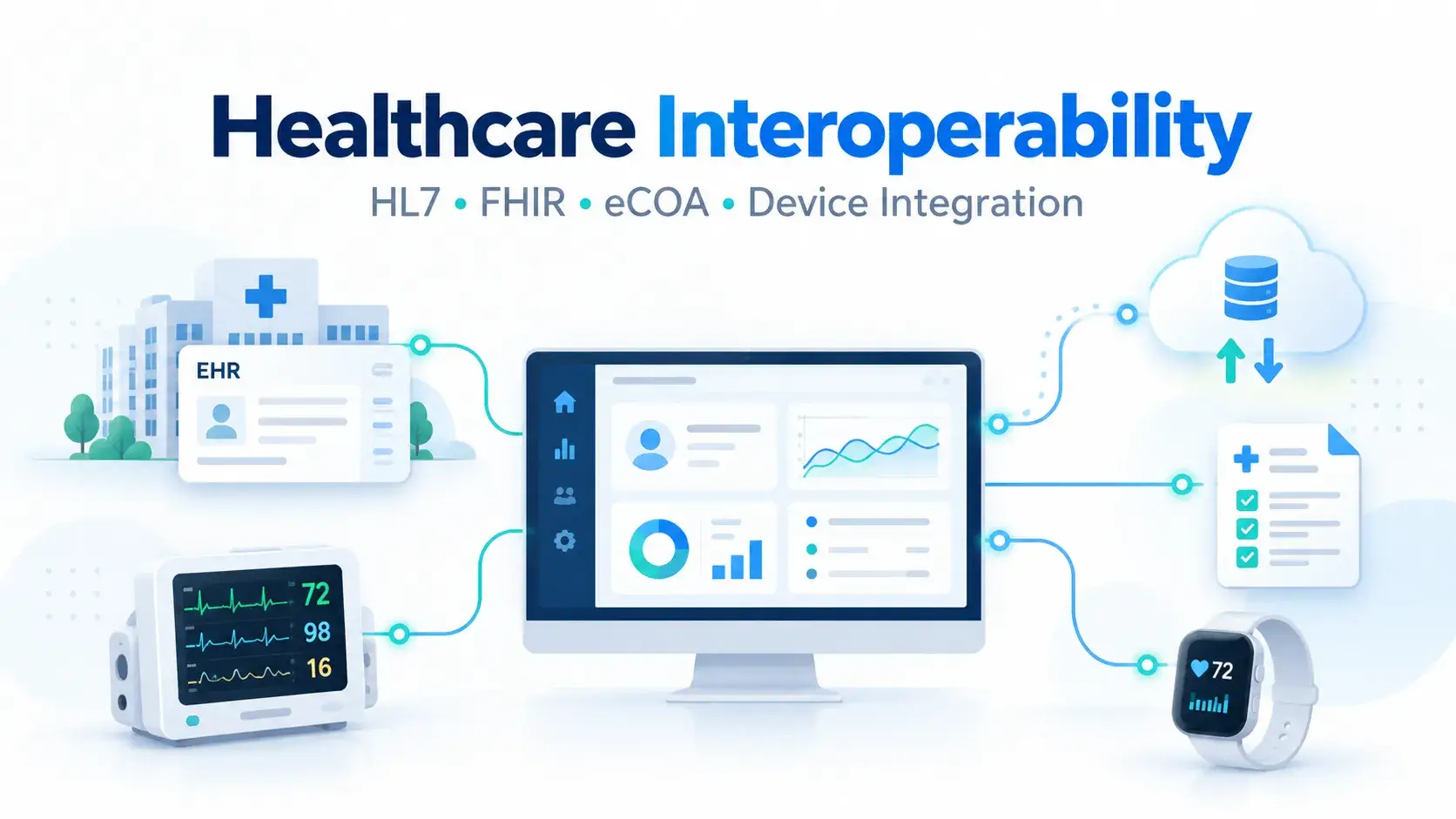
Healthcare Interoperability: HL7, FHIR, eCOA & Device Integration Guide...
icon
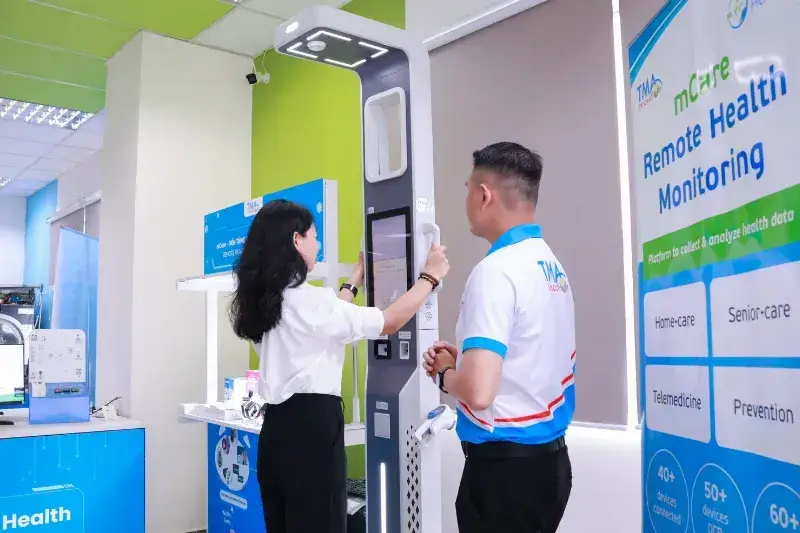
Healthcare Mobile App Development from Vietnam: Why Global Healthcare Providers Are Choosing Vietnam for Digital Health Innovation Key Healthcare Mobile Applications Being Developed in Vietnam TMA Solutions' mCare: Advancing Remote Healthcare with AIoT Innovation The Rise of Telehealth Solutions Telehealth adoption continues to grow globally as healthcare providers seek more accessible and scalable care delivery models. Healthcare providers are investing heavily in telehealth solutions to improve healthcare accessibility, reduce patient wait times, and support remote consultations. As a result, telehealth software providers in Vietnam are increasingly developing scalable virtual care platforms for clinics, hospitals, and healthcare startups. These platforms improve healthcare accessibility while reducing operational burdens on healthcare providers. Remote Patient Monitoring Applications Enabling Continuous Patient Care Remote Patient Monitoring (RPM) systems allow healthcare providers to monitor patient health conditions outside hospitals and clinics. RPM platforms allow healthcare providers to monitor patient conditions remotely using connected medical devices and wearable technologies. These systems help reduce hospital readmissions, improve chronic disease management, and support preventive care strategies. Vietnam healthcare software development services increasingly include solutions such as remote cardiac monitoring systems, wearable health data integration solutions, and EHR integrated RPM platforms. For healthcare organizations, these technologies provide access to real time health data for clinical decision making while allowing physicians to monitor patients outside traditional healthcare facilities. As connected healthcare ecosystems continue to expand, remote monitoring applications are expected to play an increasingly important role in digital healthcare delivery. AI Is Transforming Digital Healthcare Artificial Intelligence is rapidly transforming the healthcare industry, and Vietnam AI solutions for healthcare are becoming increasingly sophisticated. Healthcare organizations are using AI applications to automate workflows, improve operational efficiency, and support clinical decision making. Vietnamese development teams are now building AI solutions such as: AI agent for healthcare operations AI agent for EHR automation AI scribes for doctor documentation Medical OCR solutions Clinical workflow automation systems These applications help reduce administrative burdens on healthcare staff while improving accuracy and productivity. AI software for healthcare is also becoming increasingly important for predictive analytics, patient engagement, and personalized healthcare experiences. Medication Tracking and Elderly Care Applications Supporting Safer Elderly Care With aging populations increasing worldwide, healthcare organizations are investing in digital elderly care solutions. Custom healthcare mobile development from Vietnam increasingly includes: Medication reminder apps Smart medication tracking solutions Automated medicine dispensers Automated pill box with reminder alerts Remote monitoring for elderly patients These applications help improve medication adherence and patient safety while supporting independent living for senior patients. Why Vietnam Is Becoming a Global Hub for Healthcare Mobile App Development Strong Engineering Talent in Vietnam Vietnam has become one of Asia’s fastest growing technology hubs. According to the Vietnam Software & IT Services Association (VINASA), Vietnam has a rapidly expanding IT workforce with strong capabilities in software engineering, AI development, cloud computing, and mobile application development. Healthcare software developers from Vietnam are increasingly working with organizations across the United States, Australia, Europe, Singapore, and Japan. What makes Vietnamese software companies particularly attractive is their ability to combine technical expertise with adaptability. Many teams now specialize in healthcare technology software development, including telehealth platforms, AI healthcare systems, and remote patient monitoring applications. As healthcare systems become more digital and data-driven, this combination of engineering talent and healthcare specialization is becoming increasingly valuable. Competitive Development Costs Without Compromising Quality One of the key reasons healthcare organizations choose healthcare app development company from Vietnam partners is cost efficiency. Compared to North America and Western Europe, Vietnam offers: Lower software development costs Competitive hourly rates High engineering quality Flexible development models Faster project scalability This enables healthcare providers and healthtech startups to accelerate digital transformation while optimizing budgets. Growing Expertise in Healthcare Technology Software Development Healthcare software requires specialized expertise due to strict compliance, interoperability, and security requirements. Vietnam healthcare software development companies are increasingly building expertise in: Telehealth platform development Remote patient monitoring systems Electronic health record (EHR) integration Medical device integration AI software for healthcare HIPAA compliant healthcare applications Healthcare workflow automation This specialization is helping Vietnam become a trusted destination for healthcare technology software development. Why Healthcare Organizations Are Investing in Mobile App Development Healthcare systems worldwide are facing increasing pressure from: Aging populations Rising healthcare costs Workforce shortages Growing patient expectations Increased demand for remote healthcare services According to McKinsey & Company, digital health adoption accelerated significantly after the COVID-19 pandemic, especially in telehealth and virtual care services. Healthcare mobile applications are helping organizations address these challenges by enabling: Remote patient monitoring Telehealth consultations Digital appointment scheduling Medication tracking Real time patient communication AI healthcare workflows As a result, healthcare mobile app development has become a strategic investment for healthcare organizations globally. Introduction The https://www.tmasolutions.com/industries/healthcare healthcare industry is rapidly undergoing digital transformation. From telehealth platforms and remote patient monitoring systems to AI healthcare applications, healthcare organizations worldwide are investing heavily in mobile technologies to improve patient care, operational efficiency, and healthcare accessibility. As demand for digital healthcare solutions continues to rise, Vietnam has emerged as one of the most attractive destinations for healthcare mobile app development. With strong engineering talent, competitive development costs, and growing expertise in healthcare technology software development, Vietnamese software companies are becoming trusted partners for healthcare providers, healthtech startups, clinics, hospitals, and pharmaceutical organizations worldwide. In this article, we explore why healthcare providers are increasingly choosing healthcare mobile app development from Vietnam, the key advantages of outsourcing healthcare app development, the technologies shaping digital health innovation, and the factors organizations should consider when selecting a healthcare software development partner. Frequently Asked Questions (FAQs) Why are healthcare organizations outsourcing healthcare app development to Vietnam? Healthcare organizations choose Vietnam for healthcare software development due to competitive costs, strong engineering talent, healthcare technology expertise, and growing experience in AI and digital health solutions. What types of healthcare applications are developed in Vietnam? Vietnamese healthcare software companies develop telehealth platforms, remote patient monitoring systems, AI healthcare applications, medication tracking apps, healthcare workflow automation systems, and EHR-integrated platforms. Is healthcare software development in Vietnam secure? Many healthcare software development companies in Vietnam follow international security and compliance standards such as HIPAA, GDPR, and HL7 FHIR interoperability frameworks. What are the benefits of custom healthcare mobile development? Custom healthcare mobile development enables organizations to build tailored healthcare solutions that align with specific workflows, patient engagement strategies, and operational requirements. Why is AI important in healthcare mobile applications? AI helps healthcare organizations automate workflows, improve clinical decision-making, reduce administrative burden, and enhance patient experiences through predictive analytics and intelligent automation. Conclusion Healthcare mobile app development from Vietnam is rapidly gaining global recognition as healthcare organizations seek scalable, cost-effective, and innovative digital health solutions. From telehealth platform development and remote patient monitoring systems to AI-powered healthcare applications and healthcare workflow automation, Vietnamese software companies are helping healthcare providers accelerate digital transformation while improving patient outcomes. With strong engineering talent, competitive development costs, and growing expertise in healthcare technology software development, Vietnam is becoming a strategic destination for healthcare software outsourcing and healthtech innovation. For healthcare providers, healthtech startups, clinics, hospitals, and pharmaceutical organizations, partnering with a healthcare app development company from Vietnam offers an opportunity to build secure, scalable, and future-ready healthcare solutions in an increasingly digital healthcare landscape. How to Choose the Right Healthcare App Development Company from Vietnam Evaluate Healthcare Industry Experience Healthcare software development requires specialized knowledge. A development partner may have strong technical skills but still struggle with healthcare-specific compliance, interoperability, or workflow requirements. When selecting a healthcare app development company from Vietnam, organizations should evaluate the company’s healthcare project experience, security expertise, compliance understanding, and technical capabilities in healthcare technologies. Teams with healthcare specialization are often better prepared to manage the complexity of digital health projects and regulatory requirements. Assess Technical Capabilities Healthcare applications often require integration with complex systems. Organizations should ensure development partners have expertise in: Mobile app development Cloud infrastructure API integrations EHR interoperability Medical device integration AI and machine learning Strong technical capabilities are essential for scalable healthcare software development. Prioritize Communication and Long Term Partnership Successful healthcare projects require close collaboration between healthcare organizations and software teams. Vietnamese healthcare software developers are increasingly recognized for: Strong communication skills Agile development methodologies Flexible engagement models Long term partnership capabilities These factors contribute to smoother project execution and long-term product success. Technologies Driving Healthcare App Development in Vietnam Cloud-Based Healthcare Infrastructure Modern healthcare applications increasingly rely on cloud infrastructure for scalability, performance, and remote accessibility. Healthcare solution development company teams in Vietnam commonly work with platforms such as AWS, Microsoft Azure, and Google Cloud to build scalable healthcare ecosystems capable of supporting large patient volumes and real time data processing. Cloud-based infrastructure also enables healthcare organizations to improve collaboration, streamline data access, and support remote healthcare services more effectively. Wearable Device and Medical Device Integration Medical device integration is becoming increasingly important in connected healthcare. Healthcare mobile app development companies in Vietnam are integrating applications with: Smartwatches Heart rate monitors Blood pressure devices Glucose monitoring systems IoT healthcare devices These integrations allow healthcare providers to collect real time patient data and support preventive healthcare strategies through continuous monitoring. Medical device integration is especially valuable for remote patient monitoring systems and chronic disease management applications. AI and Automation in Healthcare AI automation is becoming one of the most transformative trends in healthcare technology software development. Vietnamese software companies are increasingly building solutions that automate repetitive healthcare workflows, including patient reminders, appointment scheduling, medical follow up processes, and clinical documentation. Healthcare RPA solutions and AI workflow automation tools help reduce administrative workloads while improving operational efficiency. As healthcare organizations continue facing staffing shortages and rising operational costs, AI automation is expected to become even more important. Benefits of Healthcare Mobile App Development from Vietnam Access to Custom Healthcare Software Development Every healthcare organization has unique operational requirements. Vietnam custom healthcare app development companies provide tailored solutions designed around specific business needs, including: Hospital workflows Clinic management systems Patient engagement platforms Remote healthcare services Healthcare analytics systems Custom health app development enables healthcare providers to build scalable and flexible digital ecosystems. Faster Time-to-Market for Healthtech Startups Speed is critical for healthtech innovation. Healthcare application development from Vietnam enables healthtech startups to accelerate product development while maintaining development flexibility. Many startups work with Vietnamese development teams to build MVPs, validate ideas quickly, and scale products as user demand grows. Vietnam’s growing software outsourcing ecosystem also makes it easier for startups to expand engineering teams efficiently without the operational challenges associated with in house hiring. For fast growing healthtech companies, this agility can create significant competitive advantages. Strong Focus on Security and Compliance Healthcare applications handle highly sensitive patient data. Healthcare software development agencies in Vietnam are increasingly implementing international compliance standards such as: HIPAA compliance GDPR compliance HL7 FHIR interoperability standards Secure cloud infrastructure Data encryption protocols Security and regulatory compliance are essential for protecting patient information and building trust in digital healthcare systems....
icon
Healthcare software development market overview The healthcare software development market is transforming traditional healthcare into a digital, efficient, and patient-centered model. The mHealth sector has grown rapidly, driven by the urgency of COVID-19 and a growing appreciation for technology’s role in healthcare resilience. Although IT budgets were cut at the pandemic's onset, healthcare stakeholders have since refocused on software's potential. This has led to an expected market growth from USD 93.12 billion in 2024 to USD 249.05 billion by 2032 at a CAGR of 13.1%. Substantial investment in digital health technologies is fostering innovations across genomics, virtual care, clinical administration, and big data. New segments are also emerging, including patient engagement solutions, clinical robotics, telehealth, and gamification. These advancements have encouraged startups and established firms alike to pursue new solutions that cater to patient needs and provider efficiencies. Healthcare tech investments fuel broad industry innovation and growth With strong demand and ongoing innovation, healthcare software development remains essential for creating a sustainable, accessible, and efficient healthcare system. See more: https://www.tmasolutions.com/insights/clinical-research-management-software Custom software for clinical research management Health tech companies are transforming healthcare by adopting best practices in software development. These methods streamline workflows, enhance patient engagement, and enable data-driven care. From real-time health monitoring apps and secure data management to building scalable, interoperable platforms, innovative tech solutions are reshaping the industry. This guide provides insights into effective https://www.tmasolutions.com/insights/healthcare-software-development#healthcare_software_development healthcare software development practices that help health tech firms create robust, compliant, and impactful solutions against healthcare challenges. A Guide to Improving Efficiency in Healthcare Software Development Challenges in healthcare software development Software development in the healthcare market involves unique challenges that go beyond conventional software development. Here are some of the key hurdles healthcare software developers face. Strict regulations and compliance Healthcare software must adhere to stringent regulations like HIPAA (Health Insurance Portability and Accountability Act) to ensure data security, privacy, and patient confidentiality. Developers must implement robust security measures to protect sensitive medical information, ensuring both regulatory compliance and proper data management. Balancing functionality and user-friendliness Healthcare software needs to handle complex medical requirements while remaining accessible to users with varying levels of technical skill. This balance demands careful attention to design and user experience (UX), so the software is both powerful for healthcare providers and intuitive for patients. Balancing complexity and accessibility requires thoughtful design and UX Integration challenges Many healthcare institutions rely on a complex mix of existing software systems. New software development must integrate seamlessly with these systems. This requires meticulous data mapping, planning, and interoperability testing to ensure smooth data exchange and functionality. Evolving technologies and standards The healthcare and technology landscapes are constantly evolving and software must adapt to new trends. Future-proofing solutions are crucial to ensure compatibility with new technologies and adherence to evolving industry standards. Different types of healthcare software solutions The healthcare software landscape is extensive, offering a wide array of solutions that support both clinical and administrative needs. Here’s an overview of some key types of healthcare software development systems reshaping healthcare operations and patient care. Electronic Health Records (EHRs): EHRs are the core of modern healthcare systems, providing a centralized electronic platform for storing and managing a patient's complete medical history. This centralized approach enhances data accessibility, supports informed clinical decisions, and facilitates coordinated patient care. Telemedicine software: Telemedicine platforms enable remote consultations through video conferencing or secure messaging, connecting patients with healthcare providers without the need for in-person visits. By leveraging https://www.tmasolutions.com/insights/telemedicine-solution telemedicine software development services , these platforms can be tailored to meet specific needs, ensuring compliance with industry standards and providing a seamless user experience. This technology is particularly beneficial for patients in remote areas and enhances healthcare accessibility. Hospital Management Systems (HMS): Acting as a central hub, HMS software development manages various administrative functions. These functions include patient admissions, staff scheduling, billing, and record management, and enhancing operational efficiency. Pharmacy management systems: These systems optimize pharmacy operations, which manage medication inventory, track prescriptions, and monitor patient medication adherence. This ensures smooth workflows and supports patient safety, including features such as facilitating e-prescribing and reducing medication errors. Revenue Cycle Management (RCM) software: RCM automates key operational payment and scheduling for healthcare payers. This software development optimizes billing and revenue cycle management by automating processes, reducing manual work, and improving efficiency. mHealth apps: Mobile health apps cater to diverse patient needs, offering features like medication reminders, symptom tracking, educational resources, and chronic disease management tools. These apps empower patients to manage their health actively, promoting better outcomes and a more patient-centered approach. Wearable technology: Wearable devices such as smartwatches and fitness trackers integrate with healthcare software, capturing real-time data on heart rate, sleep patterns, activity levels, and more. This data provides valuable insights into a patient’s health status, supporting early disease detection and personalized health management. Software solutions improve healthcare operations and patient care Advantages of healthcare development of software Healthcare software development is transforming how care is delivered, benefiting both healthcare professionals and patients by enhancing experiences, improving outcomes, and increasing operational efficiency. These advancements are helping healthcare organizations meet the evolving needs of their patients and teams. The role of technology in improving patient outcomes Improved diagnosis and treatment: EHRs centralize patient information, providing healthcare providers with a holistic view of medical histories. This facilitates more accurate diagnoses and personalized treatment plans. Patient engagement and empowerment: Mobile health apps (mHealth) provide tools like medication reminders and symptom trackers, encouraging patients to actively manage their health. Personalized medicine also enables treatment plans tailored to individual genetics, fostering a patient-centered approach. Increased access to specialists: Telemedicine software development reduces geographical barriers, allowing patients – especially in remote areas – to access a broader range of specialists, enhancing care accessibility. Healthcare softwares like EHRs and telemedicine improve patient access and care Increased efficiency and productivity for medical professionals Reduced administrative tasks: Hospital Management Software (HMS) automates scheduling, record management, and billing, freeing healthcare providers to focus on patient care. Enhanced decision-making: Advanced analytics within some healthcare software provide insights that support informed treatment decisions and data-driven care strategies. Remote specialist consultations: Telemedicine platforms enable doctors to consult with specialists remotely, allowing collaborative treatment of complex cases without patient referrals. This facilitates health information exchange and improves access to specialized care. Improved communication and coordination: EHRs create a unified information-sharing platform, improving communication and coordination among care teams, and enhancing efficiency. Administrative efficiency and cost savings: Automating routine tasks and reducing errors lowers administrative costs, allowing healthcare facilities to allocate resources to quality patient care. Current trends and future visions in healthcare software development Emerging trends are transforming how healthcare providers operate and how patients engage with their health, pushing the sector toward a more connected, data-driven future. Current trends shaping healthcare software development : Internet of Things (IoT) : Wearable devices and smart sensors are enabling continuous health monitoring outside traditional clinical settings. Integrated with healthcare software development, including https://www.tmasolutions.com/insights/patient-management-software efficient patient management software , these devices support remote patient monitoring, chronic disease management, and early detection of health concerns, leading to more proactive healthcare. Blockchain technology: Blockchain offers a decentralized, secure way to manage sensitive healthcare data, improving data security and integrity. By leveraging blockchain, patients can also have greater control over their medical information, enhancing privacy and transparency. Blockchain technology can also used to create secure and immutable records for medical research and clinical trials. Cloud-based solutions: Cloud computing allows healthcare software to be more accessible, scalable, and collaborative. With cloud-based systems, healthcare providers can adapt to changing needs, support remote collaboration, and improve access to healthcare services, especially for patients in underserved areas. 3D medical imaging: Advanced imaging tools, such as 3D Medical Image Viewers, are enhancing the ability to analyze complex CT scans, MRIs, and ultrasounds in three dimensions. This innovation enables precise and detailed diagnostics, particularly for complex conditions. Trends drive healthcare toward a connected, data-focused future Looking ahead, healthcare software development holds promise in several transformative areas: Advanced data analytics and predictive modeling: With predictive models, healthcare providers can assess potential health risks, anticipate disease outbreaks, and better allocate resources. This data-driven approach could greatly enhance preventative care and system efficiency. Virtual Reality (VR) and Augmented Reality (AR): VR and AR offer powerful tools for medical training and procedural assistance. VR provides immersive training simulations, while AR can assist surgeons by overlaying real-time data and images during complex procedures, enhancing precision and outcomes. Artificial intelligence-powered robots and automation: Artificial intelligence-driven robotics are likely to play a greater role in healthcare delivery, assisting with tasks ranging from robotic surgery and medication dispensing to administrative workflows. Automation in healthcare software development can improve efficiency and free up time for healthcare professionals to focus on patient-centered care and decision-making. This includes the development of AI-powered diagnostics tools, which can assist in the early detection and diagnosis of various diseases. Examples of healthcare software development After considering the advantages and limitations of off-the-shelf versus custom healthcare software, selecting the right development partner is crucial. TMA Solutions, with a team of 600 engineers and 17 years of experience, excels in bringing innovative healthcare solutions to life. We leverage advanced technologies like generative AI, data analytics, and automation to enhance patient care and streamline processes for healthcare professionals. Our comprehensive healthcare software development services address diverse challenges, including regulatory requirements, data security, and system integration. This enables healthtech organizations to deliver impactful and scalable solutions tailored to modern healthcare demands. Here are examples of healthcare software developed by TMA Solutions that showcase their adaptability and commitment to crafting impactful, scalable solutions for modern healthcare demands. Optimize trainee experience with IoT Fitness solution When it comes to enhancing fitness experiences through IoT, TMA Solutions provides a comprehensive solution for managing studio operations and optimizing trainee outcomes. These features empower studios deliver a highly customized experience for members This IoT fitness solution integrates real-time workout data from fitness equipment using Ant+ Legacy and Bluetooth protocols, creating a seamless flow of information to support personalized fitness experiences. Additionally, TMA’s solution includes a healthcare CRM application that tailors member interactions, streamlines class bookings, and facilitates targeted communication to boost engagement and loyalty. Leverage Big Data for Healthcare Analytics TMA Solutions developed a health analytics platform to support data-driven healthcare insights. This platform integrates data from multiple sources, including medical records from partners, internal systems, and memberships. Real-time data processing enhances secure healthcare data access This platform uses real-time data streaming to organize, categorize, and encrypt data, ensuring security during storage and transmission. Transformed data is then decrypted. It is then used by internal teams and partners, with a search engine that processes up to 5TB of data and delivers results in under 3 seconds. Enhance senior care services with remote health monitoring system TMA Solutions developed a remote health monitoring system that enables real-time health tracking, timely alerts, and smooth communication between seniors, caregivers, and family members. Real-time monitoring and alerts improve senior care communication This solution monitors critical health metrics like heart rate, blood pressure, mobility, and medication adherence, giving caregivers continuous insights into residents' health status. Additionally, automated alerts notify caregivers of abnormal readings, allowing prompt response to potential health concerns. The system also keeps family members updated on daily activities and well-being, fostering transparency and connection. These features highlight the value of healthcare software development in improving the quality of care for seniors and enhancing their overall well-being, particularly within the SaaS model. The impact of software development is transforming how companies deliver value to the healthcare industry. Advancements in AI, machine learning, and IoT promise even more sophisticated tools. These tools will empower healthtech companies to create personalized, efficient, and accessible solutions. As healthcare software continues to advance, healthtech companies are poised to lead the way in building a smarter, more connected healthcare landscape. Off-the-shelf vs Custom healthcare software development When selecting healthcare software development, organizations can choose between custom software development and off-the-shelf solutions, each offering distinct advantages and drawbacks. Custom healthcare software development Custom solutions are built from the ground up to fit the specific needs and workflows of a healthcare organization. This approach has several key benefits: Perfect fit: Custom software is designed to address unique challenges, integrate seamlessly with existing systems, and meet exact requirements. Scalability and flexibility: Custom solutions can adapt as the organization’s needs evolve, with new features added as needed. Enhanced security and compliance: Custom-built software can incorporate tailored security measures and regulatory compliance like HIPAA. However, custom software development also has limitations: Higher cost and investment: Custom development is resource-intensive, requiring significant time, expertise, and budget. Development time: Building from scratch takes time, potentially delaying the software’s implementation. Tailored solutions meet specific healthcare needs effectively Off-the-shelf healthcare software Off-the-shelf software development is pre-built with standard features and offers several benefits: Faster implementation and lower costs: COTS solutions are quicker to deploy and generally require a lower upfront investment. Proven functionality: These solutions come with vendor support and a track record of established performance. However, off-the-shelf options also have limitations: Limited customization: These solutions may not align perfectly with specific workflows or integrate seamlessly with all systems. Scalability concerns: Adapting off-the-shelf software to changing needs can be challenging. Security considerations: While secure, off-the-shelf software may lack the ability to tailor data security to specific regulatory needs. Ultimately, the choice between custom and off-the-shelf software depends on an organization’s unique requirements, budget, and level of customization desired. Healthcare software development process Discover the problem you want to solve A user-centric approach begins with a clear understanding of the specific problem your healthcare software product development will address. In a competitive and evolving market, focus on creating a product that meets a genuine need. Begin by conducting thorough market research to identify gaps in current offerings and potential areas where your solution could add unique value. Validate your idea by gathering feedback from a small group of target users, which helps ensure you’re approaching the issue effectively. Additionally, consult with healthcare professionals like doctors and nurses to gain practical insights. This collaborative approach helps build a solution aligned with real-world healthcare needs, setting a solid foundation for the development process. Define your target audience Identifying your target audience is essential in healthcare software development, as it ensures your app meets the specific needs of its users. For instance, if your app is for elderly users, consider features like larger buttons and simple, accessible UI/UX. Alternatively, if healthcare professionals are the focus, prioritize quick data access and seamless system integration. Audience focus tailors app features to user requirements Understanding your audience helps streamline the development process by guiding design, platform, and technology choices. Once the target group is defined, consult with a healthcare software development team. This will help you select the best UX approach, tech stack, and platform for successful user adoption. Develop a scalable design Building a scalable design is crucial in healthcare app development, allowing your app to grow with your user base. While the initial version may focus on core functionalities, a scalable design ensures that you can add new features and updates over time without needing extensive rework. Following solid design principles is crucial for future-proofing software development. This makes it easier and more cost-effective to expand as you learn more about user needs and preferences. This approach supports long-term value and flexibility, ensuring your app stays relevant and efficient. Assemble product team and tech stack After defining the app’s core functionalities and design, gather a multidisciplinary team to execute the development process. Include key roles like project managers, developers, and UX/UI designers to ensure effective collaboration and alignment across all development stages. Next, choose the appropriate tech stack for your project. Decide between native or cross-platform development, depending on whether you’re targeting iOS, Android, or both. A well-chosen tech stack supports strong performance and scalability, setting up your healthcare app for long-term success. Create a minimum viable product (MVP) Instead of developing a full-scale app right away, it’s wise to start with a Minimum Viable Product (MVP). An MVP is a simplified version of your app with essential features, allowing early users to test it and provide feedback. Starting with an MVP allows testing, feedback, and cost efficiency Creating an MVP is particularly valuable in healthcare, where software development can be costly. By releasing an MVP, you can validate user interest, gather constructive feedback, and make improvements based on real user insights. Start testing Testing is a crucial step in healthcare software development that ensures your app delivers a seamless user experience. Through comprehensive testing, you can identify bugs, evaluate functionality, and gather user feedback to make necessary improvements. Testing also allows you to verify compatibility with your target audience. Choose between unit testing for individual components and functional testing to assess the app's overall performance. By approaching testing from the user's perspective, you can better understand user expectations and adjust features accordingly. Product release and maintenance In the final stage, your healthcare app is ready for release. However, launching the app is just the beginning. Continuous support and maintenance are essential to keep your app secure and relevant. Regular updates protect against new cybersecurity threats, incorporate necessary feature enhancements, and adapt to third-party API changes. Ongoing maintenance is crucial in healthcare, where non-compliance can lead to financial penalties and other serious consequences. By prioritizing maintenance, you ensure that your app remains safe, compliant, and competitive in the market, providing a reliable experience for users. Services offered by healthcare software development companies Healthcare software development companies provide a range of specialized services designed to meet the unique needs of healthcare organizations. These services combine technical expertise with industry knowledge to create secure, user-friendly, and efficient solutions for improved patient care and operational efficiency. With https://www.tmasolutions.com/insights/healthcare-software-development-company leading software development for healthcare , these companies play a critical role in transforming how healthcare organizations operate. Needs assessment and consulting Before development begins, consultants work with healthcare organizations to assess their specific needs, challenges, and desired functionalities. This phase helps define the project scope and choose the most suitable approach, whether it’s custom development or adapting an off-the-shelf solution. Custom software development Many healthcare software development companies specialize in building custom solutions tailored to an organization’s unique requirements. This includes the design, development, and testing of software. Seamless integration with existing systems is crucial for a smooth transition and effective use of digital resources. Custom software ensures smooth integration and digital efficiency Integration services Given the diversity of software solutions used in healthcare, integration services are essential. Development teams work to ensure these systems communicate effectively, enabling smooth data exchange, streamlining workflows, and reducing manual tasks. Mobile app development With the rise of mobile health (mHealth) applications, healthcare software companies provide expertise in developing secure, user-friendly mobile apps for both patients and healthcare providers. These apps support functions such as medication reminders, symptom tracking, and virtual health assistants. mHealth apps support reminders, tracking, and virtual care Telemedicine platform development Telemedicine is a critical component of modern healthcare. Development companies can build robust, HIPAA-compliant telemedicine platforms that support remote consultations and virtual care, expanding access to healthcare for patients in remote or underserved areas. Ongoing maintenance and support Healthcare software requires consistent maintenance to ensure optimal functionality, security, and adaptability. Development teams provide ongoing support services, including updates, troubleshooting, and feature enhancements, to keep the software aligned with organizational needs....

icon
Conclusion The healthcare software industry is growing rapidly, and choosing the right healthcare software development company is crucial for staying competitive. The companies highlighted in the articles are leading the way in delivering innovative and reliable solutions. By evaluating key criteria and understanding your organization’s unique needs, you can select the perfect partner to drive digital transformation in healthcare. Need help navigating the healthcare software landscape? Contact us for expert guidance. Deciding between remote and on-site medical software developers Choosing between a remote and on-site healthcare app development company requires careful consideration of project needs and collaboration preferences. Healthcare software outsourcing companies offer access to a broader talent pool and potentially more cost-effective solutions due to global talent sourcing. This flexibility allows for selecting a partner based on the optimal balance of expertise and budget. Conversely, on-site teams facilitate in-person interaction, which can enhance communication and foster stronger working relationships, particularly in projects requiring intensive collaboration or sensitive data handling. While on-site collaboration may offer a perceived sense of greater accountability, effective communication and project management methodologies are crucial for success with both remote and on-site teams. TMA offers access to a broader talent pool and more cost-effective solutions Core services offered by healthcare software development company Healthcare application development companies offer a range of services tailored to meet the dynamic needs of the medical industry. Below is an overview of the typical service offerings provided by leading companies in this sector: Custom healthcare software development A healthtech company specializes in creating tailored solutions to address specific healthcare needs, such as: CRM systems to enhance patient relationship management. EHR/EMR systems for streamlined patient data management. Data analytics platforms to provide actionable insights and support decision-making processes. Custom healthcare apps streamline operations with CRM, EHR, and analytics tools by TMA Web and mobile application development A healthtech app development company is proficient in building various applications that enhance accessibility and efficiency. Hospital management systems for optimizing operations. E-prescription solutions to digitize and simplify prescription workflows. Wellness and fitness apps for promoting healthier lifestyles. Optimize trainee experience with IoT Fitness solution by TMA Development of medical platforms Custom medical platforms are designed to streamline healthcare operations and improve daily task efficiency. These platforms can integrate features such as patient portals, billing systems, and appointment scheduling to enhance service delivery. UI/UX design Most top-tier firms include intuitive UI/UX design as part of their service offerings. This ensures that the software solutions are user-friendly, visually appealing, and tailored to provide a seamless user experience for both medical staff and patients. Ensure that the UI/UX design is user-friendly and visually appealing Support and maintenance Healthcare application development requires continuous support to ensure reliability and scalability. Development firms offer: Regular updates to maintain compliance with healthcare regulations. Ongoing maintenance to address bugs and optimize system performance. Enhancements to keep the solution aligned with evolving industry needs. A guide to choosing the right healthcare software development company Selecting a healthcare software development company requires a strategic approach. To ensure you make the right choice in a competitive market, follow these four essential steps: Step 1: Clearly define your requirements Before reaching out to a healthtech solutions provider , take time to outline your specific needs and objectives. Create a detailed list of the features, functionalities, and design elements you envision for your healthcare software solution. This preparation ensures you can communicate your expectations and assess whether a company is capable of meeting them. Step 2: Evaluate the company’s portfolio A healthtech software solutions' portfolio provides crucial insights into their expertise and track record. Review their past projects to understand the types of solutions they have delivered, the challenges they addressed, and how they achieved success. Portfolios, often labeled as "Case Studies," or "Our Work," can typically be found on a company’s website and are valuable tools for gauging their proficiency. Step 3: Prioritize relevant experience In addition to reviewing their portfolio, confirm that the company has experience in projects similar to yours. A vendor with a background in developing healthcare software solutions for your specific niche are more likely to deliver a tailored and successful outcome. Their familiarity with industry standards and compliance requirements is a significant advantage. Choose a vendor familiar with your industry's standards and compliance Step 4: Research reviews and testimonials A company’s reputation speaks volumes about its reliability. Explore independent review platforms and client testimonials to understand past clients' experiences. Feedback on sites like Clutch, GoodFirms, or even the company’s website can provide insight into their communication, technical skills, and project delivery standards. Key characteristics of top-tier healthcare software developers Given the significant market size of healthcare IT, selecting a capable and reliable software development partner is crucial. When evaluating potential vendors, consider the following key criteria: Proven track record of success A top-tier healthcare software development company should have a demonstrated history of delivering high-quality solutions that align with client requirements. Look for a portfolio showcasing successful projects and testimonials that reflect their ability to meet industry standards. TMA Solution enhance senior care services with remote health monitoring system Cost-effectiveness The right partner balances affordability with quality. They should offer cost-efficient solutions without compromising on performance, ensuring the software is robust and scalable while staying within your budget. Moreover, ongoing maintenance and support should be part of their service offerings. Transparent project planning Clear communication and a well-defined project roadmap are hallmarks of a reliable vendor. The company should involve you throughout the development process, keeping you at the center of decision-making and ensuring the final product meets your expectations. The company should have clear communication with client involvement Comprehensive service expertise A top healthcare app development company should provide end-to-end services, from software design and development to branding and post-launch support. Their ability to deliver consistently excellent results across all service areas is a significant advantage. Commitment to innovation and emerging technologies The healthcare landscape is constantly evolving, so the development partner should be committed to staying at the forefront of technological advancements. This includes expertise in emerging technologies as well as a proactive approach to adopting new industry best practices. Top 4 healthcare software development companies Choosing the right partner is crucial for ensuring the success of your healthcare projects. Here are the top 4 digital health solution providers : TMA Solutions Founded: 1997 Headquarters: Ho Chi Minh City, Vietnam TMA Solutions is a trusted healthcare software development company dedicated to creating innovative solutions that address the evolving needs of the healthcare industry. By leveraging advanced technologies such as artificial intelligence, data analytics, and automation, TMA enhances the quality of patient care while optimizing processes for healthcare providers. TMA Solutions provides healthcare IT expertise for digital health and aged care Key areas of technical focus include: Remote Health Monitoring Device Integration AI & Health Data Analytics Pharmacy Automation Senior Care Services Clinical Research Tools Telehealth Fitness Solutions Healthcare Self-Services Home Care Chronic Disease Monitoring Nursing Home Management Healthcare Kiosk Clinic Solutions Disability Care Why choose them? With a team of over 600 engineers and 17 years of experience, TMA Solutions combines technical expertise with a commitment to quality and innovation. Partnering with TMA ensures access to cutting-edge technology and proven methodologies, empowering healthcare organizations to deliver high-quality patient care while navigating industry complexities. Case study: TMA Solutions developed a remote health monitoring system designed to continuously track key vital signs, including temperature, blood oxygen levels, heart rate, blood pressure, ECG, and sleep patterns, along with lifestyle factors. By integrating data from wearables, medical devices, prescriptions, test results, and daily habits like nutrition and exercise, the platform offers a comprehensive view of a patient's health. In emergencies, the system sends immediate alerts to family members and healthcare providers, enabling quick action. FPT Software Founded: 1999 Headquarters: Hanoi, Vietnam FPT Software has established itself as a leader in healthcare software development by providing tailored digital solutions that enhance operational efficiency and improve patient care. With over two decades of experience, they specialize in cutting-edge technologies, including IoMT solutions, medical device software, and AI-driven healthcare platforms. Their global team, consisting of 30,000+ professionals, ensures high-quality service delivery, maintaining compliance with industry standards and fostering trust among healthcare organizations worldwide. FPT Software drives healthcare innovation with tailored digital solutions and AI platforms Why choose them? FPT Software is committed to delivering innovative, reliable, and compliant solutions for the healthcare sector. Their expertise in healthcare IT services, coupled with their dedication to quality and global reach, makes them a trusted partner for organizations seeking digital transformation. Case study FPT Software collaborated with global healthcare leaders to develop firmware and device control systems for medical devices. This included the integration of DICOM image viewers with PACS and HIS platforms. By implementing Software as a Medical Device (SaMD) solutions, they ensured improved diagnostics, seamless workflows, and compliance with international healthcare standards. CMC Global Founded: 1993 Headquarters: Hanoi, Vietnam CMC Global, a subsidiary of CMC Corporation, is a premier healthcare software development company dedicated to delivering innovative digital solutions that enhance patient care and streamline healthcare operations. With over 28 years of experience, CMC Global offers a comprehensive suite of services, including custom software development, telemedicine solutions, and healthcare data analytics. Their expertise in integrating advanced technologies such as AI, cloud computing, and IoT ensures the delivery of robust and secure healthcare applications. CMC Global enhances healthcare with AI, IoT, and cloud solutions Why choose them? CMC Global is committed to providing high-quality, tailored solutions that meet the unique needs of healthcare providers. Their global presence and extensive experience enable them to support healthcare organizations in optimizing processes and improving service quality. By leveraging cutting-edge technologies, CMC Global helps clients achieve digital transformation, ensuring compliance with industry standards and enhancing operational efficiency. Case study: CMC Global collaborated with leading hospitals in South Korea to develop and maintain an advanced EHR system. The project involved creating new modules to automate medical record processes, providing training and consulting services, and re-developing the system using modern programming languages for seamless integration across hospital networks. This initiative resulted in improved data management, enhanced patient care, and streamlined hospital operations. KMS Healthcare Founded: 2022 Headquarters: Atlanta, Georgia, USA KMS Healthcare, a subsidiary of KMS Technology, is a leading healthcare software development company dedicated to delivering innovative IT services to healthcare providers, payers, life sciences, medical technology vendors and home care solution providers. Their core competencies include: Healthcare management systems Patient care coordination platforms AI solutions for healthcare, such as data analytics and interoperability Patient engagement solutions KMS Healthcare focuses on scalability, security, and regulatory compliance Why choose them? KMS Healthcare is committed to providing high-quality, tailored solutions that meet the unique needs of healthcare organizations. With a team of over 230 professionals, they leverage deep expertise in healthcare compliance, interoperability, and advanced technologies such as AI and machine learning to drive digital transformation. Their focus on quality and adherence to industry standards ensure the delivery of secure and effective healthcare applications. Case study: KMS Healthcare developed an AI-driven clinical decision support platform aimed at improving antibiotic prescribing and dosing for critical infections in hospitals. The project involved building a cloud-based, multi-tenant SaaS platform that seamlessly integrates with major Electronic Health Record (EHR) systems, including EPIC and Cerner. The solution performs rapid, complex calculations to provide timely and accurate support to clinicians at the point of care, enhancing patient outcomes and boosting hospital and payer financial results through personalized medicine. The landscape of healthcare IT software The healthcare IT software market is witnessing unprecedented growth, driven by the increasing adoption of electronic health records (EHRs), telemedicine platforms, and advanced big data analytics. These technologies play a vital role in revolutionizing healthcare delivery, enabling efficient patient information management, and facilitating remote diagnosis and treatment. However, with this rapid growth come significant challenges. Ensuring robust data security and privacy remains a top priority to protect sensitive medical information from cyber threats. Additionally, integrating diverse software systems to create seamless workflows is a critical need, urging healthcare providers to adopt solutions that promote operational efficiency and interoperability. The pressing demands for innovation have spurred healthcare software development companies to create secure, connected, and scalable solutions, paving the way for a more integrated and efficient healthcare ecosystem. The healthcare IT market is booming, while data security is a concerning factor Highlights and statistics The global healthcare IT market, valued at $326.1 billion in 2021, is now expected to reach $834.35 billion by 2029, growing at a CAGR of 12.6%. This surge is fueled by the growing adoption of EHRs, telemedicine, and healthcare analytics, alongside the increasing need for cost-effective and high-quality healthcare services. Among software types, medical practice management software retains a commanding market share of over 25%. Hospitals continue to dominate the application segment, contributing more than 35% of the total market share due to their reliance on integrated systems for patient care and management. North America leads the global healthcare IT market, accounting for the largest revenue share, attributed to advanced technology adoption, significant healthcare expenditure, and an aging population. The healthcare IT software market’s trajectory points to a transformative future, with a top healthcare software development company at the forefront of advancing patient care and operational excellence through technology. Technology is transforming healthcare, driving advancements in patient care, operational efficiency, and regulatory compliance. Healthcare software development companies are at the forefront of this transformation, delivering innovative solutions like robust EHR systems and advanced telemedicine platforms. This blog explores the healthcare IT software market, highlights leading development companies, and provides guidance on selecting the right partner for your needs. Looking for the right healthcare software development company ? Explore our insights below. Healthcare Software Development Company: Top 4 Transforming Healthcare...
icon
Transforming Digital Health: TMA Solutions’ Expertise in Healthcare Software Outsourcing Healthcare software outsourcing helps medical organizations speed up digital transformation, access external technology expertise and protect patient data. Instead of building the entire system in-house, businesses can work with a trusted partner to use resources better and improve service quality. The content below explains how TMA Solutions supports the healthcare sector through a full outsourcing model. 1. What is healthcare software outsourcing and how it works? Healthcare software outsourcing is the process in which a healthcare organization hires an external technology provider to develop and operate software that supports medical services. In this model, the third party takes full responsibility for technical tasks from planning to maintenance, while the healthcare organization supervises the project. In practice, the outsourcing process often includes: Business and healthcare requirement analysis to define the software functions, data processing needs and compliance standards. System architecture and interface design to ensure medical data flows are managed in a unified way and meet security regulations such as HIPAA or GDPR. Software development and integration, including solutions like electronic health records, patient management systems, telemedicine applications or medical data analytics platforms. Testing and quality validation to make sure the system runs smoothly, processes medical data accurately and works well with existing systems. Deployment, operation, and maintenance to keep the software running without interruption and updated regularly based on new technologies and regulations. Healthcare software outsourcing refers to hiring a technology partner to develop and operate healthcare software 2. Why should healthcare organizations outsource software development? Many healthcare organizations choose outsourcing to leverage external expertise, reduce development costs, shorten deployment time and ensure compliance with healthcare regulations. Cost efficiency In-house healthcare software development demands high investment in people, infrastructure, and maintenance. The organization also has to maintain a high-level engineering team even when development needs change over time. With outsourcing, costs shift from fixed investment to flexible project-based spending. Organizations can save from 30 to 50% of total software development budgets and use that capital for medical operations or equipment upgrades. Access to expertise Healthcare software requires deep knowledge of data security, medical data standards such as HL7 or FHIR and strict compliance rules. Many organizations lack the resources or time to build an experienced in-house team for these areas. On the other hand, outsourcing partners have experts who have delivered similar projects and understand the development workflow in the medical environment. As a result, the software is built to the right standards while limiting technical errors and adapting quickly to real operational needs. Faster time to market Building an internal team, recruiting, training, and setting up development processes can take months before a project is able to start. Meanwhile, healthcare software often needs to be deployed urgently, especially when releasing a new product or adopting new technology. An outsourcing partner already has processes, tools, and talent in place, allowing the project to start immediately. Time to market can be reduced by 30 to 40%, enabling organizations to adopt solutions such as telehealth, AI or patient data analytics faster. Risk mitigation and compliance Healthcare software deals with personal and patient information, so any mistake can lead to regulatory violations or loss of trust. Internal risk control is often difficult due to limited security expertise and knowledge of global healthcare laws. Reputable outsourcing partners follow security standards such as HIPAA, GDPR, or ISO 27001 and apply strict testing and access control procedures. This helps organizations reduce legal risks, protect user data, and maintain safe and stable system operations. Healthcare organizations should outsource to optimise costs and take advantage of external technology expertise 3. Key aspects of healthcare software outsourcing Healthcare software outsourcing must be evaluated from multiple angles to ensure the development process is safe, stable and aligned with industry standards. Data security and compliance In healthcare, patient data and clinical information are highly sensitive, so when outsourcing software, the organization must ensure the vendor has strong encryption, access control and compliance with global security regulations such as GDPR. Vendors specialising in healthcare usually have the required infrastructure and certifications to handle medical data properly, which helps reduce compliance risks and build trust. Vendor selection Choosing the right partner is the foundation of a successful project. The organization should review the vendor’s experience in healthcare, ability to meet industry standards and technical capacity. Selecting the right vendor ensures that the software is developed based on real medical workflows, follows security requirements, and meets healthcare industry expectations instead of being treated like a generic software project. Scalability and flexibility A healthcare software solution must scale as patient volume, data size or service channels grow. Outsourcing allows the organization to adjust resources and expand or reduce the development team based on project needs. It also makes it easier to adapt to regulatory changes, new technologies, or shifts in healthcare service models. Process management Managing the full process from business analysis to software operation is essential when outsourcing. The organization must define clear communication rules, progress reports, testing stages and delivery checkpoints with the vendor. A well-structured workflow helps ensure each phase, such as design, testing, and deployment, follows medical standards and does not fall behind schedule or drift away from project goals. Key factors to consider when outsourcing healthcare software development 4. How to choose the right healthcare software outsourcing partner Selecting the right outsourcing partner in the healthcare field has a direct impact on software quality, security and long-term operation. That is why organizations must evaluate multiple criteria before starting a partnership. Evaluate healthcare industry expertise A vendor with healthcare experience understands medical workflows, patient data management rules, and standards such as HL7, FHIR and HIPAA. They also know how the system must interact with hospitals, clinics and medical IoT devices. This ensures the software matches real medical operations, reduces gaps between requirements and implementation, and follows healthcare regulations from the start. Before working together, the organization should review the vendor’s past healthcare projects and check whether they have experience with hospitals, pharma companies or health insurance providers. Assess technical competence and innovation A strong technical partner masters core technologies such as cloud computing, AI, and big data and can guarantee scalability, security and system stability. They can also propose modern architecture instead of only coding based on instructions. When evaluating a vendor, check their case studies, compliance certifications, R&D capability and engineering team profile. You may request a demo or proof of concept to confirm their ability to apply technologies such as AI, IoT or large-scale medical data analytics before signing the contract. Verify compliance and security practices Medical data is highly sensitive, so the vendor must prove compliance through ISO 27001, HIPAA, or SOC 2, along with data encryption, access control, and regular audits. This helps reduce legal risks, prevent data breaches and maintain patient trust. During evaluation, request valid certificates, audit reports, encryption policies, a BAA or DPA and a clear SLA for incident handling. In addition, review their backup process, recovery plan, access permissions, and security setup in a demo environment before giving final approval. Check communication and project management Weak project management or poor communication can lead to wrong interpretations of requirements and delays. To evaluate this, review how they run Agile, their reporting frequency, and tools such as Jira or Trello. A partner using Agile or Scrum with frequent reporting enables transparent progress tracking. You should also request a clear contact point, a defined response time, and a structured change request process to keep the project under control. Review past healthcare case studies and references Real project records show how the vendor handles issues such as hospital system integration, performance optimization or security implementation. This is more reliable than marketing claims. Ask for detailed case studies, review feedback from past clients, and confirm that they have worked with hospitals, pharma companies or insurance providers. This helps verify real capability before cooperation. Consider flexibility and scalability Healthcare projects often grow rapidly when new facilities open, user numbers increase, or new systems need integration. A flexible vendor can adjust resources, technology and timelines accordingly. Evaluate their ability to scale infrastructure, add engineers when needed and manage scope changes. Also discuss how they adjust plans and allocate resources during workload spikes to ensure progress remains stable. Understand pricing models and contracts Each pricing model, such as fixed price, time and materials, or dedicated team, affects cost control and project risk. A clear contract helps avoid unclear terms or hidden costs. When reviewing the contract, check the cost structure, payment terms, service scope, and change request handling. Instead, clarify responsibilities, extra fees, and how requirement updates are handled before signing. Evaluate cultural fit and long-term partnership potential Work culture and communication style strongly influence long-term cooperation, especially for multi-year healthcare projects. To make the right decision, evaluate how the vendor communicates, handles issues and supports the product after delivery. Also agree on update frequency, communication channels, and collaboration methods during the maintenance phase. How to choose the right partner for healthcare software outsourcing 5. Why choose TMA Solutions for healthcare software outsourcing? TMA Solutions is a trusted technology partner in the HealthTech sector, providing end-to-end healthcare software development services that meet both security standards and industry requirements. Strong expertise in medical software development: TMA Solutions has more than 15 years of experience in healthcare software, with engineers who understand clinical workflows and compliance rules. The company has delivered projects such as telemedicine platforms, hospital management systems, patient monitoring solutions and AI-powered diagnostics. Full service development and maintenance: TMA offers a complete service chain including requirement analysis, design, coding, testing, deployment and maintenance. Its solutions cover electronic health records (EHR and EMR), telehealth platforms, clinic management systems and IoT device integration. International quality and security standards: TMA follows global standards such as ISO 9001, ISO 27001, and CMMI Level 5 to ensure software quality and data protection. All development and testing processes are designed specifically for medical systems and patient data security. Strong technical capability and scalable team: With more than 4,000 engineers and multiple technology centers in Vietnam, TMA can scale resources and technologies based on project needs. The team has solid experience in AI, IoT, cloud computing, big data, and mobile app development. Reliable long-term partnership: TMA maintains long-term relationships with global clients thanks to consistent delivery and continuous support after deployment. The company works closely with customers throughout system expansion and upgrades in the healthcare sector. Reasons to choose TMA Solutions for healthcare software outsourcing 6. Case study TMA Solutions implemented Context: The client is a leading healthcare organization in the United States that provides medical services and insurance. Every day, the organization processes millions of medical records containing critical information related to patient care and health management. Solution In the project “Leverage Big Data for Healthcare Analytics”, TMA Solutions built a healthcare data analytics platform on Microsoft Azure. The platform supports full ETL workflows and real-time streaming for data taken from electronic health records and other medical sources. The solution includes 3 main components: Data ingestion: Collects data from internal systems and external partners and transfers it securely into the platform. Data analytics: Stores data in a loading zone, then encrypts and processes it in a protected stage to keep information safe during transmission and storage. Data output: Decrypts and delivers processed data to partners or internal users through an optimised search tool that can handle 5 TB of sample data in 3 seconds. In addition, the system is reinforced with advanced encryption and strict access control, ensuring full protection for all sensitive medical data. Results The new platform can store and process more than 15 million medical records covering over 30 years of data. It significantly improves data retrieval speed, supports faster queries, and enables accurate decision-making for clinics and insurance services. TMA’s solution helps the organization strengthen data management, improve decision-making, and protect medical information while reducing the risk of data breaches and regulatory violations. The project Leverage Big Data for Healthcare Analytics by TMA Solutions 7. FAQs about healthcare software outsourcing 1- What types of healthcare software can be outsourced? Healthcare organizations can outsource the development of many types of software, including electronic health records (EHR and EMR), telehealth platforms, hospital management systems, patient monitoring applications, medical data analytics solutions and IoT device integration systems. 2- How does TMA Solutions support healthcare organizations in software outsourcing? TMA Solutions provides an end-to-end service that covers consulting, development, testing and maintenance of healthcare software. The company helps clients build systems that follow HIPAA standards, ensure data security, scale flexibly, and run smoothly in long-term operation. 3- What makes TMA Solutions a trusted healthcare IT outsourcing partner? TMA is trusted thanks to more than 15 years of experience in HealthTech, a team of over 4,000 engineers, and development processes certified by ISO 9001, ISO 27001 and CMMI Level 5. The company has long-term partnerships with global healthcare organizations and delivers secure, stable and scalable solutions. 4- What technologies does TMA use in healthcare software development? TMA applies advanced technologies such as AI, IoT, cloud computing, big data, blockchain and mobile app development. These technologies help build smart healthcare platforms, improve data processing and support more accurate patient care. 5- What is the difference between healthcare IT outsourcing and healthcare software outsourcing? Healthcare IT outsourcing covers infrastructure management, security systems, and technical support across the entire healthcare organization. Healthcare software outsourcing focuses on building, deploying, and maintaining software applications that serve medical workflows. Healthcare software outsourcing not only helps medical organizations adopt new technologies faster but also provides a strong foundation for data management and better patient experience. With solid technical capability, international standard processes, and an experienced team, TMA Solutions is a reliable partner for companies looking to develop modern healthcare software. >>Contact TMA Solutions today for a detailed consultation. Contact information: TMA SOLUTIONS - The leading healthcare software outsourcing in Vietnam Email: sales@tmasolutions.com Website : https://www.tmasolutions.com/ https://www.tmasolutions.com/ Linkedin: https://www.linkedin.com/company/tma-solutions/ TMA Solutions TMA Tower address: Street #10, Quality Tech Solution Complex (QTSC), Trung My Tay Ward, Ho Chi Minh City....
icon
https://www.tmasolutions.com/insights/healthcare-technology#healthcare_technology Healthcare technology is undergoing a rapid transformation, fueled by groundbreaking innovations that are reshaping how care is delivered. These advancements are not only improving efficiency but also enhancing patient outcomes and personalizing treatments in ways that were once unimaginable. This article highlights 10 cutting-edge healthcare technologies that are transforming the medical field. Discover how these innovations are reshaping the experiences of both patients and healthcare providers. How technology is transforming healthcare? Healthcare technology encompasses a wide array of tools and systems such as medical devices, IT infrastructure, algorithms, and AI-powered solutions. It also includes cloud technology and blockchain, all aimed at improving the efficiency and performance of healthcare systems. Digital technology has dramatically changed healthcare, enhancing both treatment options and how clinicians perform their jobs. Healthcare technology has significantly transformed the industry, improving treatment options and how clinicians deliver care. Computers in medicine were discussed as early as the 1960s but gained widespread use only when the technology became affordable and reliable. This shift led to the replacement of paper medical records with EHRs, making it easier and more secure to access patient information. Annual number of users in the digital health market worldwide from 2017 to 2029 As healthcare organizations face new challenges, technology is helping to boost performance, improve collaboration, and control costs. Automated processes and advanced tools are enabling healthcare professionals to deliver better care, streamline workflows. This technology also supports the industry’s transition toward value-based care and reduces staff burnout. Digital technology improves healthcare efficiency, data management Below are some key areas where healthcare technology innovations are driving the next phase of advancements in personalized medicine: Advancing disease diagnosis and treatment Artificial intelligence (AI) is playing a key role in enhancing the precision of disease diagnosis and treatment. It analyzes medical data to detect patterns that may be missed by human observation. For example, IBM Research has demonstrated that artificial intelligence can interpret brain activity from MRIs to monitor neurodegenerative diseases like Huntington’s. This advancement enables more accurate diagnoses and improved disease tracking. Advances in medical imaging Artificial intelligence is also revolutionizing clinical imaging, a critical area in healthcare. With the enormous volume of images that clinicians need to review, AI can assist by converting images into quantifiable data and detecting abnormalities. This boosts clinical decision support by speeding up diagnoses and ensuring timely reporting of critical findings. Optimizing healthcare operations Hospitals and healthcare organizations are leveraging technology to optimize their operations beyond just adopting electronic health records. Cloud technology, predictive analytics, and mobile technology are boosting efficiency in healthcare. These innovations help providers streamline operations, lower costs, and improve patient engagement. Transforming clinical research The integration of smart devices, telehealth, and sensors is revolutionizing the way clinical trials are conducted. These technologies support decentralized trials, allowing participants to contribute data from the comfort of their homes. This approach not only increases participation rates but also makes data collection more efficient, providing researchers with faster, more accurate insights into treatment efficacy and health outcomes. Benefits of technology in healthcare Enhancing patient care and experience With the help of healthcare technology , organizations can capture and measure data across the entire clinical care system. This big-picture view allows them to track performance, spot areas that need improvement, and continuously find ways to enhance patient care and experiences. Automation of these processes enables organizations to review their results in real time, ensuring that issues are identified and addressed quickly. Integrated healthcare tools for real-time data tracking and patient care Sharing real-time data Healthcare involves many different groups – clinicians, patients, and payers – all needing access to health records for various reasons. In the past, organizations maintained separate records for each group, but technology now allows for standardized and securely stored digital patient records. This makes it easier for authorized individuals to access the information they need, when they need it, improving communication and efficiency across the board. Technology enables standardized access to health records Increasing flexibility for patients and providers Technology offers greater flexibility for patients who may struggle to find time for in-person appointments. Telemedicine and patient portals provide alternative ways to communicate with healthcare professionals. And wearable devices, like heart monitors, allow clinicians to monitor patient health in real time. This provides more options for tracking symptoms and evaluating patient well-being, even as patients go about their daily lives. 10 healthcare technologies that are transforming the industry As healthcare technology trends continue to evolve, they are reshaping the way medical services are delivered and improving patient outcomes. Below are 10 healthcare technologies that are transforming the industry and revolutionizing care. mHealth: Mobile technology for better care mHealth, or mobile health, refers to the use of mobile technology in healthcare, offering a more convenient and efficient experience for both patients and providers. Through mobile apps, patients can manage their health, communicate with healthcare professionals, schedule appointments, and access vital health information with ease. This healthcare technology also allow healthcare administration to remotely monitor certain health conditions and ensure better patient compliance through medical devices and apps. mHealth enhances healthcare convenience and remote monitoring efficiency Telehealth technology: Virtual care for accessibility Telehealth, also known as telemedicine, enables virtual health assistants between patients and physicians, allowing doctors to assess and treat patients through video conferencifh ng. Telehealth makes healthcare more accessible by removing the need for in-person visits, benefiting patients in remote areas or with mobility challenges. Telehealth gained widespread use during the COVID-19 pandemic, providing an essential solution for maintaining care while reducing the risk of infection. By bridging geographical gaps and enhancing convenience, telemedicine continues to transform healthcare delivery and improve population health management. TMA's Innovative pharmacy automation for efficient medication management in Australia Electronic health records (EHRs): A holistic approach to patient care EHRs have revolutionized the way care providers manage patient information. These digital records provide a comprehensive view of a patient’s health history, ensuring more accurate diagnoses and improved treatment outcomes. EHRs also enhance communication between healthcare providers, streamline processes like e-prescribing, and reduce disparities in care. Patients benefit from having instant access to their health records through patient portals, enabling them to actively manage their health and communicate directly with their care teams. The widespread use of EHRs leads to better patient support, more efficient practices, and significant cost savings for healthcare organizations. EHRs improve patient care, provider communication, efficiency, and cost savings Interoperable health IT systems: Seamless data sharing Interoperable health information technology (Health IT) systems allow for secure, instant access to patient data across multiple platforms and locations. This means that authorized healthcare providers can share and retrieve a patient's health records regardless of where they are stored, improving continuity of care. Before interoperable systems, patients had to manually provide their medical history, or care providers would have to rely on fragmented information. Now, with interoperability, clinicians can get a complete picture of a patient’s medical history in real time. They also enhance accuracy in diagnosis and treatment across different facilities. Interoperable health IT enables seamless, real-time access to patient data Wearable devices: Real-time health monitoring Wearable technology is another game-changing innovation in healthcare. These devices, such as smartwatches and specialized monitors like the ADAMM provide real-time health data to both patients and their doctors. Wearable technology enables proactive health monitoring Wearables track vital signs and other health metrics, alerting users and clinicians to sudden health issues, such as an asthma attack, before it happens. This proactive approach allows doctors to intervene early, preventing medical emergencies and improving health outcomes. As wearables become more advanced, their ability to prevent illness and monitor patient health will continue to expand. The cloud and data analytics: Advancing big data in healthcare Cloud computing and data analytics are vital in healthcare due to the vast data generated by EHRs, wearables, and digital technologies. Cloud technology provides secure, scalable storage solutions, allowing real-time access to patient data, which improves coordination and decision-making. Data analysis helps care providers analyze these vast datasets to identify health trends, predict patient results, and personalize treatment plans. This technology also enhances operational efficiency by optimizing workflows and resource management, although ensuring data security and regulatory compliance remains a challenge 3D Bioprinting: Advancing medical implants and transplants 3D bioprinting is an emerging healthcare technology with the potential to revolutionize healthcare by creating custom implants, prostheses, and even human tissue and organs. Early successes include printing human ears and attaching them to mice, as well as the successful implantation of a 3D-printed vertebra in a human patient. Researchers are also working on bioartificial kidneys, potentially offering new hope to patients with end-stage renal disease. The technology is expected to vastly improve the precision and performance of orthopedic implants. Real-time health tracking via wearables and homecare systems AI in healthcare: Enhancing diagnostics and personalized care Artificial intelligence is playing a pivotal role in healthcare by improving diagnostic accuracy and personalizing patient care. Machine learning algorithms analyze vast amounts of data to identify patterns that may be overlooked by the human brain, providing deeper insights into symptoms and treatment options. AI in healthcare helps professionals predict high-risk conditions and develop personalized treatment plans, contributing to more effective patient outcomes. AI enhances diagnostics and personalized treatment Blockchain: Securing healthcare data Blockchain technology is transforming how sensitive medical information is stored and shared. Its secure, immutable ledger system ensures that once data is entered, it cannot be altered, offering heightened security for health records and insurance claims. Blockchain allows patients greater control over who accesses their medical information, improving transparency and data privacy. This technology is also being explored for its potential to streamline clinical research and medical record management. Robotics: revolutionizing surgery and care delivery The integration of artificial intelligence into robotics has expanded the capabilities of surgical robots in healthcare. Robots are now used as surgical assistants, for facility disinfection, and even for delivering supplies within hospitals. Robotic systems like ROSA, which assists with knee replacement surgeries, are improving the precision of complex procedures, reducing recovery times, and enhancing medical care. These 10 transformative healthcare technologies are revolutionizing not only how care is delivered but also the overall healthcare experience. With continuous advancements, it’s evident that we are just beginning to unlock their full potential. The integration of these innovations promises a more connected, patient-focused, and efficient healthcare ecosystem. As healthcare technology progresses, it will pave the way for even more sophisticated solutions, reshaping how we approach health and wellness in the future. Healthcare Technology: Benefits and 10 Future Trends to Watch...