Healthcare technology is undergoing a rapid transformation, fueled by groundbreaking innovations that are reshaping how care is delivered. These advancements are not only improving efficiency but also enhancing patient outcomes and personalizing treatments in ways that were once unimaginable.
This article highlights 10 cutting-edge healthcare technologies that are transforming the medical field. Discover how these innovations are reshaping the experiences of both patients and healthcare providers.
How technology is transforming healthcare?
Healthcare technology encompasses a wide array of tools and systems such as medical devices, IT infrastructure, algorithms, and AI-powered solutions. It also includes cloud technology and blockchain, all aimed at improving the efficiency and performance of healthcare systems.
Digital technology has dramatically changed healthcare, enhancing both treatment options and how clinicians perform their jobs. Healthcare technology has significantly transformed the industry, improving treatment options and how clinicians deliver care. Computers in medicine were discussed as early as the 1960s but gained widespread use only when the technology became affordable and reliable. This shift led to the replacement of paper medical records with EHRs, making it easier and more secure to access patient information.
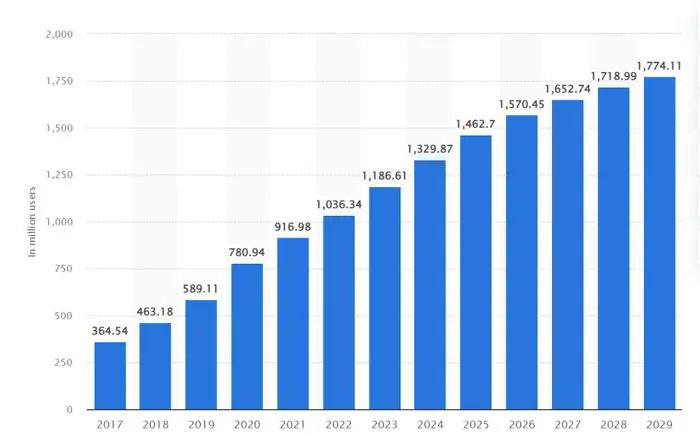
As healthcare organizations face new challenges, technology is helping to boost performance, improve collaboration, and control costs. Automated processes and advanced tools are enabling healthcare professionals to deliver better care, streamline workflows. This technology also supports the industry’s transition toward value-based care and reduces staff burnout.

Below are some key areas where healthcare technology innovations are driving the next phase of advancements in personalized medicine:
Advancing disease diagnosis and treatment
Artificial intelligence (AI) is playing a key role in enhancing the precision of disease diagnosis and treatment. It analyzes medical data to detect patterns that may be missed by human observation.
For example, IBM Research has demonstrated that artificial intelligence can interpret brain activity from MRIs to monitor neurodegenerative diseases like Huntington’s. This advancement enables more accurate diagnoses and improved disease tracking.
Advances in medical imaging
Artificial intelligence is also revolutionizing clinical imaging, a critical area in healthcare. With the enormous volume of images that clinicians need to review, AI can assist by converting images into quantifiable data and detecting abnormalities.
This boosts clinical decision support by speeding up diagnoses and ensuring timely reporting of critical findings.
Optimizing healthcare operations
Hospitals and healthcare organizations are leveraging technology to optimize their operations beyond just adopting electronic health records.
Cloud technology, predictive analytics, and mobile technology are boosting efficiency in healthcare. These innovations help providers streamline operations, lower costs, and improve patient engagement.
Transforming clinical research
The integration of smart devices, telehealth, and sensors is revolutionizing the way clinical trials are conducted. These technologies support decentralized trials, allowing participants to contribute data from the comfort of their homes.
This approach not only increases participation rates but also makes data collection more efficient, providing researchers with faster, more accurate insights into treatment efficacy and health outcomes.
Benefits of technology in healthcare
Enhancing patient care and experience
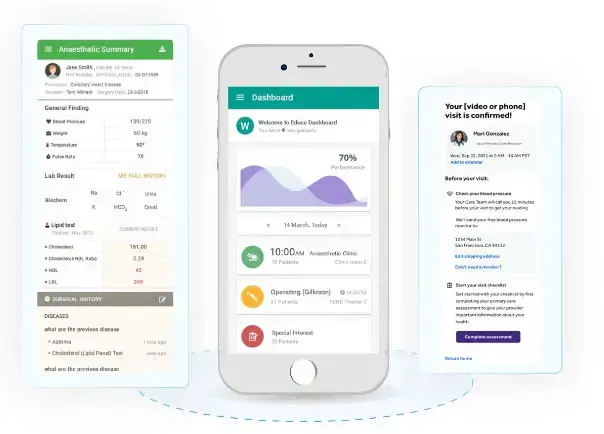
With the help of healthcare technology, organizations can capture and measure data across the entire clinical care system. This big-picture view allows them to track performance, spot areas that need improvement, and continuously find ways to enhance patient care and experiences. Automation of these processes enables organizations to review their results in real time, ensuring that issues are identified and addressed quickly.
Sharing real-time data
Healthcare involves many different groups – clinicians, patients, and payers – all needing access to health records for various reasons. In the past, organizations maintained separate records for each group, but technology now allows for standardized and securely stored digital patient records. This makes it easier for authorized individuals to access the information they need, when they need it, improving communication and efficiency across the board.
Increasing flexibility for patients and providers
Technology offers greater flexibility for patients who may struggle to find time for in-person appointments. Telemedicine and patient portals provide alternative ways to communicate with healthcare professionals. And wearable devices, like heart monitors, allow clinicians to monitor patient health in real time. This provides more options for tracking symptoms and evaluating patient well-being, even as patients go about their daily lives.
10 healthcare technologies that are transforming the industry
As healthcare technology trends continue to evolve, they are reshaping the way medical services are delivered and improving patient outcomes. Below are 10 healthcare technologies that are transforming the industry and revolutionizing care.
mHealth: Mobile technology for better care
mHealth, or mobile health, refers to the use of mobile technology in healthcare, offering a more convenient and efficient experience for both patients and providers. Through mobile apps, patients can manage their health, communicate with healthcare professionals, schedule appointments, and access vital health information with ease.
This healthcare technology also allow healthcare administration to remotely monitor certain health conditions and ensure better patient compliance through medical devices and apps.

Telehealth technology: Virtual care for accessibility
Telehealth, also known as telemedicine, enables virtual health assistants between patients and physicians, allowing doctors to assess and treat patients through video conferencifh ng. Telehealth makes healthcare more accessible by removing the need for in-person visits, benefiting patients in remote areas or with mobility challenges.
Telehealth gained widespread use during the COVID-19 pandemic, providing an essential solution for maintaining care while reducing the risk of infection. By bridging geographical gaps and enhancing convenience, telemedicine continues to transform healthcare delivery and improve population health management.

Electronic health records (EHRs): A holistic approach to patient care
EHRs have revolutionized the way care providers manage patient information. These digital records provide a comprehensive view of a patient’s health history, ensuring more accurate diagnoses and improved treatment outcomes. EHRs also enhance communication between healthcare providers, streamline processes like e-prescribing, and reduce disparities in care.
Patients benefit from having instant access to their health records through patient portals, enabling them to actively manage their health and communicate directly with their care teams. The widespread use of EHRs leads to better patient support, more efficient practices, and significant cost savings for healthcare organizations.
Interoperable health IT systems: Seamless data sharing
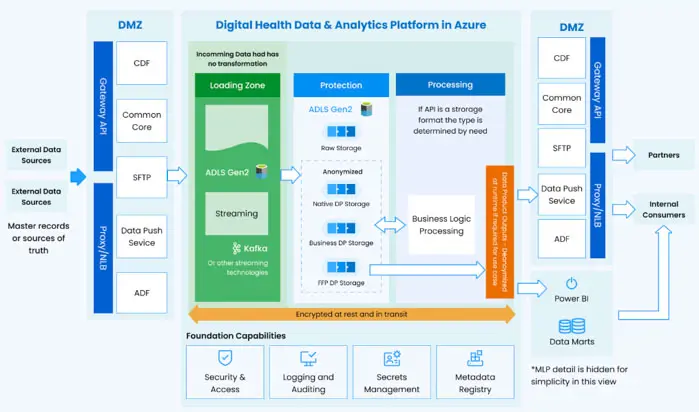
Interoperable health information technology (Health IT) systems allow for secure, instant access to patient data across multiple platforms and locations. This means that authorized healthcare providers can share and retrieve a patient's health records regardless of where they are stored, improving continuity of care.
Before interoperable systems, patients had to manually provide their medical history, or care providers would have to rely on fragmented information. Now, with interoperability, clinicians can get a complete picture of a patient’s medical history in real time. They also enhance accuracy in diagnosis and treatment across different facilities.

Wearable devices: Real-time health monitoring
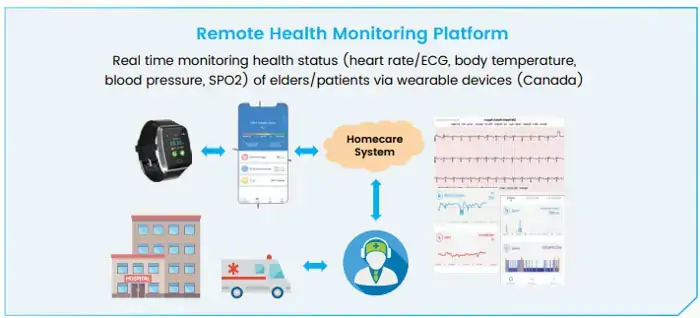
Wearable technology is another game-changing innovation in healthcare. These devices, such as smartwatches and specialized monitors like the ADAMM provide real-time health data to both patients and their doctors.

Wearables track vital signs and other health metrics, alerting users and clinicians to sudden health issues, such as an asthma attack, before it happens. This proactive approach allows doctors to intervene early, preventing medical emergencies and improving health outcomes. As wearables become more advanced, their ability to prevent illness and monitor patient health will continue to expand.
The cloud and data analytics: Advancing big data in healthcare
Cloud computing and data analytics are vital in healthcare due to the vast data generated by EHRs, wearables, and digital technologies.
Cloud technology provides secure, scalable storage solutions, allowing real-time access to patient data, which improves coordination and decision-making. Data analysis helps care providers analyze these vast datasets to identify health trends, predict patient results, and personalize treatment plans.
This technology also enhances operational efficiency by optimizing workflows and resource management, although ensuring data security and regulatory compliance remains a challenge
3D Bioprinting: Advancing medical implants and transplants
3D bioprinting is an emerging healthcare technology with the potential to revolutionize healthcare by creating custom implants, prostheses, and even human tissue and organs. Early successes include printing human ears and attaching them to mice, as well as the successful implantation of a 3D-printed vertebra in a human patient.
Researchers are also working on bioartificial kidneys, potentially offering new hope to patients with end-stage renal disease. The technology is expected to vastly improve the precision and performance of orthopedic implants.
AI in healthcare: Enhancing diagnostics and personalized care
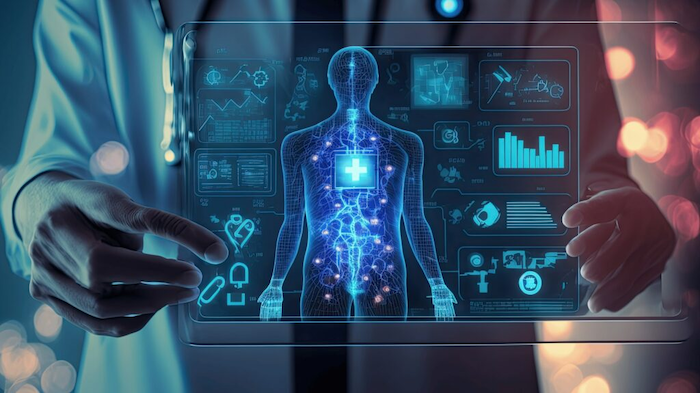
Artificial intelligence is playing a pivotal role in healthcare by improving diagnostic accuracy and personalizing patient care. Machine learning algorithms analyze vast amounts of data to identify patterns that may be overlooked by the human brain, providing deeper insights into symptoms and treatment options.
AI in healthcare helps professionals predict high-risk conditions and develop personalized treatment plans, contributing to more effective patient outcomes.
Blockchain: Securing healthcare data
Blockchain technology is transforming how sensitive medical information is stored and shared. Its secure, immutable ledger system ensures that once data is entered, it cannot be altered, offering heightened security for health records and insurance claims.
Blockchain allows patients greater control over who accesses their medical information, improving transparency and data privacy. This technology is also being explored for its potential to streamline clinical research and medical record management.
Robotics: revolutionizing surgery and care delivery
The integration of artificial intelligence into robotics has expanded the capabilities of surgical robots in healthcare. Robots are now used as surgical assistants, for facility disinfection, and even for delivering supplies within hospitals. Robotic systems like ROSA, which assists with knee replacement surgeries, are improving the precision of complex procedures, reducing recovery times, and enhancing medical care.
These 10 transformative healthcare technologies are revolutionizing not only how care is delivered but also the overall healthcare experience. With continuous advancements, it’s evident that we are just beginning to unlock their full potential. The integration of these innovations promises a more connected, patient-focused, and efficient healthcare ecosystem. As healthcare technology progresses, it will pave the way for even more sophisticated solutions, reshaping how we approach health and wellness in the future.


.webp_2026-10-01-18-27-07-971.webp)
.webp_2026-10-01-18-17-11-290.webp)
.webp_2026-10-01-18-08-26-854.webp)
.webp_2026-10-01-17-47-32-240.webp)