Healthcare organizations manage vast amounts of sensitive patient data, making them prime targets for cyberattacks. Ensuring data security and privacy in healthcare technology is essential not just for compliance but also for maintaining trust. This article explores the challenges, common threats, compliance requirements, best practices, and future trends in healthcare data security.
Challenges of healthcare data security
Ensuring robust healthcare data security is a critical priority. Protecting healthcare data presents unique and significant challenges for security teams. The sensitive nature of the information involved, coupled with the increasingly complex IT landscape within healthcare organizations, makes data security a paramount concern.
The financial consequences of data breaches are particularly severe in the healthcare sector, with the average cost exceeding that of all other industries, currently at $10.93 million. Key challenges include:
Data complexity
Healthcare data encompasses a wide range of highly sensitive information, from detailed medical histories and diagnoses to private insurance details and financial records.
This diversity and sensitivity of data make effective management and security significantly more complex.

Regulatory compliance
Healthcare organizations operate under stringent regulatory frameworks, including HIPAA (Health Insurance Portability and Accountability Act) in the United States and GDPR (General Data Protection Regulation) in Europe.
Adhering to these complex and evolving regulations adds substantial layers of complexity to data security efforts, requiring specialized expertise and ongoing vigilance.
Evolving technological landscape
The rapid pace of technological advancements presents a double-edged sword. While new technologies offer opportunities for improved patient care and operational efficiency, they also introduce new security vulnerabilities.
For example, the increasing sophistication of AI-powered phishing attacks makes it more difficult to detect and prevent these threats. Healthcare organizations struggle to keep pace with this rapidly changing threat landscape and implement appropriate security measures.
Insider threats
Threats originating from within the organization, whether intentional (malicious intent) or unintentional (negligence or human error), represent a significant risk to healthcare data security.
Employees may inadvertently compromise sensitive data through actions such as clicking on phishing links, sharing passwords, or mishandling sensitive information.

Most common healthcare data threats
In the realm of healthcare data security, organizations face a complex landscape of threats. Understanding these risks is essential for implementing effective safeguards. Some of the most significant risks include:
Cybersecurity attacks
The sophistication and frequency of cyberattacks continue to rise, posing a substantial threat to healthcare data. Threats such as ransomware, malware, and phishing are constantly evolving, exploiting vulnerabilities in systems and human behavior.
Studies indicate a high prevalence of cyberattacks within the healthcare sector, with a significant percentage of organizations reporting at least one attack annually.
Internal security threats
Threats originating from within the organization, known as insider threats, represent a surprisingly large proportion of data breaches.
These threats can be either malicious (intentional data theft or sabotage) or unintentional (accidental data exposure due to negligence or human error). Insider threats highlight the importance of robust access controls, employee training, and continuous monitoring.
Unauthorized data access
Data breaches, defined as unauthorized access to sensitive patient records or other confidential information, can have devastating consequences for healthcare organizations.
These breaches lead to significant financial losses, damage to reputation and patient trust, and potential legal repercussions.
Compliance issues
Healthcare organizations must adhere to stringent data privacy regulations such as HIPAA in the United States and GDPR in Europe.
Failure to comply with these regulations can result in substantial fines, legal penalties, and further reputational harm.
Outdated systems
The continued use of outdated or unsupported systems presents a significant security risk. These legacy systems often contain known vulnerabilities that can be easily exploited by attackers, exposing sensitive healthcare data to unauthorized access and potential breaches.
Risks from third parties
Healthcare organizations frequently share data with third-party vendors and partners for various business purposes.
This data sharing introduces new security risks if these third parties do not have adequate security measures in place. It is crucial to conduct thorough due diligence and establish strong security agreements with all third-party vendors.
Human mistakes
Research consistently shows that human error is a leading cause of data breaches across all industries, and healthcare is no exception.
Mistakes made by employees, such as sending sensitive information to the wrong recipient, falling victim to phishing attacks, or mishandling data, can have significant security consequences. Comprehensive employee training and awareness programs are crucial for mitigating this risk.

Regulatory compliance in healthcare data security
For healthcare data security, maintaining strict adherence to regulatory standards and compliance guidelines is paramount for healthcare organizations. This adherence is essential not only for upholding patient confidentiality and trust but also for avoiding potentially substantial financial penalties and legal repercussions.
In both the UK and the US, specific regulations govern data protection practices within the healthcare sector. Key regulations include:
- General Data Protection Regulation (GDPR) and Data Protection Act 2018 (DPA 2018) (UK): These regulations set strict standards for data protection and privacy within the UK.
- Health Insurance Portability and Accountability Act (HIPAA) (US): HIPAA establishes national standards to protect sensitive patient health information in the United States.
Non-compliance with these regulations can result in significant financial penalties. For example, under the UK GDPR and DPA 2018, organizations can face fines of up to 17.5 million or 4% of their annual global turnover for serious infringements. To ensure ongoing compliance and mitigate these risks, healthcare organizations must take the following key actions:
- Understand regulatory requirements
Organizations must thoroughly understand the specific provisions and requirements outlined in relevant regulations such as GDPR, HIPAA, and any other applicable local or international laws. This includes staying informed about any updates or amendments to these regulations.
- Implement robust safeguards
Implementing appropriate technical and organizational safeguards is crucial for protecting patient data. These safeguards include, but are not limited to, data encryption, strict access controls, secure data storage practices, and regular security assessments.

- Regular audits and assessments
Conducting regular audits and assessments of data security practices and systems is essential for identifying any potential gaps in compliance. These audits should be performed regularly and should cover all aspects of data handling and security.
- Continuous monitoring and updates
The regulatory landscape is constantly evolving. Organizations must stay up-to-date with any changes or updates to healthcare regulatory requirements and proactively adjust their policies, procedures, and security measures accordingly.
10 healthcare data security best practices
To maintain robust healthcare data security and protect sensitive patient information, organizations should implement the following best practices:
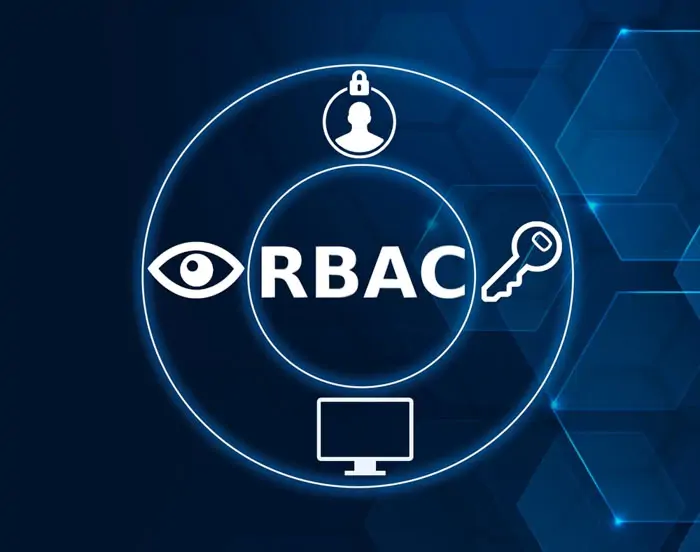
Role-based access control (RBAC) implementation
Implement RBAC to enforce the principle of least privilege. This ensures that employees are granted access only to the data and systems necessary to perform their specific job functions, minimizing the risk of unauthorized access and potential data breaches.
Track and review access logs
Implement comprehensive logging of all system access and conduct regular audits of these logs. This proactive approach allows organizations to detect any unusual or suspicious activity, identify potential security breaches, and take immediate corrective action.
Encrypting data during transfer and storage
Employ robust encryption algorithms to protect patient data both during transmission between systems (in transit) and when stored on servers or other devices (at rest). Encryption renders data unusable to unauthorized individuals, providing a crucial layer of defense against data breaches.
Employ multi-factor authentication (MFA)
Implement Multi-Factor Authentication (MFA) to add a layer of security beyond simple passwords. MFA requires users to provide multiple forms of verification, such as passwords, biometrics, or security tokens, significantly reducing the risk of unauthorized access even if one factor is compromised.
Maintain up-to-date systems and software
Regularly update all systems and software with the latest security patches and updates. This proactive approach helps to mitigate known vulnerabilities that cybercriminals could exploit, ensuring a more secure IT environment.
Provide comprehensive staff training and education
Recognizing that human error is a significant contributor to data breaches, provide regular and comprehensive training to all healthcare staff on data security best practices. This training should emphasize the importance of protecting patient information, recognizing phishing attempts, and following established security protocols.
Establish a robust incident response plan
Develop and maintain a comprehensive incident response plan to effectively address data breaches and other security incidents. This plan should clearly outline procedures for containment, eradication, recovery, and communication, minimizing the impact of any security event.
Ensure ongoing regulatory compliance
Healthcare organizations must maintain strict adherence to relevant data privacy regulations, including HIPAA, HITRUST, GDPR, and other applicable standards. Regular reviews and updates to security policies and procedures are crucial for ensuring continuous compliance.
Implement effective vendor risk management
Establish a robust vendor risk management program to assess and manage the security practices of all third-party vendors and partners who handle sensitive healthcare data. This includes conducting due diligence, establishing clear security requirements, and performing regular audits.
Conduct continuous security assessments
Implement a program of continuous security assessment to proactively identify vulnerabilities and weaknesses in the organization's security posture. This includes regular vulnerability scanning, penetration testing, and security audits to ensure ongoing protection against evolving threats.
Future trends of healthcare data security
The landscape of healthcare data security is constantly evolving, with several emerging trends poised to significantly impact the industry.
Staying informed about these trends is crucial for maintaining robust security postures and effectively protecting sensitive patient information. Key emerging trends include:
- Artificial intelligence (AI) for enhanced security
AI-powered security solutions are rapidly becoming essential tools in the fight against cyber threats.

These solutions offer advanced threat detection capabilities, enabling organizations to identify and respond to security incidents in real-time. This proactive approach significantly improves incident response times and reduces the overall risk of data breaches.
- Blockchain technology for data integrity and security
Blockchain technology offers a promising approach to enhancing data integrity and security in healthcare.
Its decentralized and tamper-proof nature provides a secure way to store and verify healthcare data, ensuring its authenticity and preventing unauthorized modifications. This technology has the potential to revolutionize data management and security in the healthcare sector.
- Robust cloud security measures
As healthcare organizations increasingly migrate their data storage and processing to cloud environments, robust cloud security measures become paramount.
Protecting patient information in the cloud requires a comprehensive approach encompassing data encryption, access controls, vulnerability management, and compliance with relevant cloud security standards.
- Securing the internet of medical things (IoMT)
The proliferation of connected medical devices, collectively known as the Internet of Medical Things (IoMT), introduces new security challenges.
Securing these devices and the data they generate is increasingly important to prevent potential vulnerabilities that could compromise patient safety and data privacy. Robust device security, network segmentation, and continuous monitoring are crucial for mitigating IoMT risks.
Conclusion
Healthcare organizations must prioritize data security to protect sensitive patient information, comply with regulations, and maintain trust. By understanding challenges, recognizing threats, adhering to compliance requirements, and adopting best practices, healthcare providers can secure their systems effectively. With emerging technologies like AI and blockchain, the future holds promising advancements in healthcare data security.


.webp_2026-10-01-18-27-07-971.webp)
.webp_2026-10-01-18-17-11-290.webp)
.webp_2026-10-01-18-08-26-854.webp)
.webp_2026-10-01-17-47-32-240.webp)