Home
Search
Found 797 results for “ “ keyword
icon
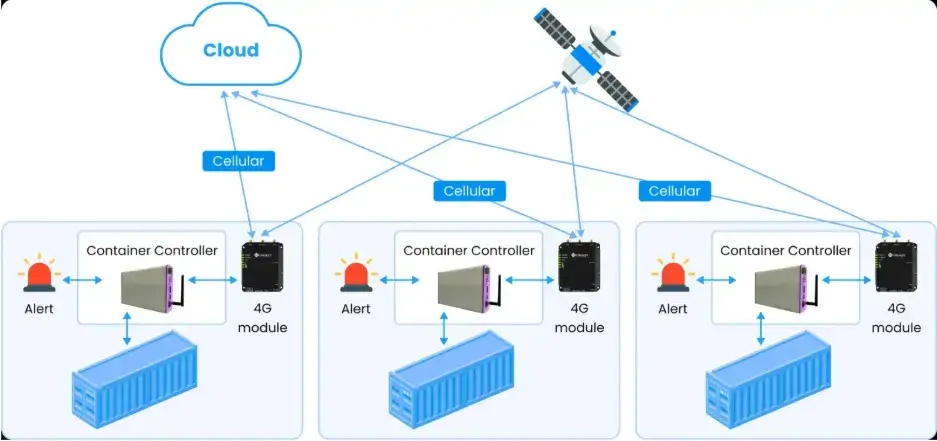
ESG and Smart Manufacturing: A Data-Driven Imperative Conclusion: Smart Action for Sustainable Results The global manufacturing sector is undergoing a seismic shift toward sustainability, not only due to regulatory pressures but also to investor and consumer expectations. Research from Rockwell, Deloitte, Siemens, and Manufacturers Alliance affirms that smart manufacturing is the foundation of successful ESG programs. With real-time energy and water monitoring, predictive analytics, and end-to-end reporting, TMA Solutions equips factories with the digital tools needed to close the ESG execution gap. For manufacturers aiming to transform ESG from aspiration to action, the answer lies in a smarter approach—and TMA is ready to lead the way. TMA’s ESG-Aligned Smart Manufacturing Solutions Based on these market trends, https://www.tmasolutions.com/technologies/internet-of-things TMA Solutions provides a portfolio of technologies that directly address ESG implementation challenges: Water Treatment Monitoring System: TMA has applied its Water Treatment Monitoring System to a Vietnamese company specializing in advanced water purification technologies and wastewater treatment services. The solution enables remote control and real-time tracking of key parameters such as flow rate, pressure, TDS, and pH across multiple treatment sites. After implementation, the client saw a 40% reduction in manual inspection efforts and improved fault detection response time by 50% through automated alerts and AI-based anomaly detection. The centralized dashboard also streamlines regulatory reporting and ensures continuous compliance with environmental standards. Water Treatment Monitoring System Reefer Monitoring System: TMA has applied its Reefer Monitoring System to a leading Vietnamese company specializing in the manufacturing and rental of refrigerated containers. The system enables real-time monitoring of temperature and humidity across refrigerated units, helping the client reduce temperature deviation incidents by 35% and cut fuel consumption by around 20% through intelligent cooling cycle optimization. Centralized data analytics also support regulatory compliance and enhance visibility throughout the cold chain logistics process. Reefer Monitoring System Key Areas Where Smart Manufacturing Supports ESG Energy Efficiency and Carbon Reduction Smart meters and AI analytics enable factories to monitor real-time electricity usage, reduce peak consumption, and detect abnormal loads. Rockwell's research shows that energy optimization is the most common starting point for ESG strategy, with over 70% of manufacturers investing in energy management systems. Water and Resource Management Real-time monitoring tools identify leaks and inefficiencies in water usage. According to Deloitte, water efficiency improvements can contribute to both environmental and regulatory reporting success, especially in heavy industries. ESG Reporting and Transparency Integrated dashboards aggregate environmental, safety, and labor data for internal and external reporting. Siemens suggests that integrated systems can reduce ESG report preparation time by over 60%. Supply Chain Sustainability Predictive maintenance and remote monitoring reduce spare parts waste and energy tied to unplanned downtime. Manufacturers Alliance highlights this as a growing metric for ESG-minded procurement. The Rise of Smart Manufacturing as an ESG Enabler Smart manufacturing is increasingly viewed as a catalyst for achieving ESG goals. Deloitte notes that digital technologies—especially real-time monitoring, AI-based optimization, and advanced analytics—can cut energy consumption by up to 20% and emissions by 30% in process industries. Manufacturers Alliance emphasizes that ESG-smart integration can increase agility, boost resilience against climate risks, and enhance brand trust among investors and consumers. Siemens, in their sustainability blueprint, highlights digital twins as a core tool. These virtual models allow companies to simulate and measure the impact of ESG initiatives (such as changing materials or process configurations) before they are deployed physically, reducing risk by up to 40%. The integration of Environmental, Social, and Governance (ESG) goals into https://www.tmasolutions.com/technologies/ai-ml-and-data-sciences smart manufacturing strategies is no longer aspirational—it’s a business necessity. According to Rockwell Automation’s 2024 report, 89% of manufacturers have either implemented or plan to implement ESG initiatives. However, only 35% feel they are highly prepared to meet ESG-related expectations, revealing a significant gap in execution. The primary challenges? Lack of real-time data (43%), difficulty integrating ESG into business KPIs (39%), and unclear ROI from sustainability investments. ...
icon
TMA’s Practical Approach to Ethical AI At TMA Solutions, ethical AI in logistics is treated as an engineering responsibility and embedded across the lifecycle of logistics and transportation software solutions. Designing for Operational Variance AI systems are validated across multiple warehouses, regions, and operating conditions, including non-ideal lighting and motion scenarios. Transparent Decision-Making TMA systems provide confidence indicators, clear detection evidence, and traceable logs that support audits and operational troubleshooting. Human Oversight with Control Automation includes defined escalation thresholds, manual override workflows integrated with WMS and ERP platforms, and controlled feedback loops. Introduction Artificial intelligence is transforming logistics through warehouse automation, real-time monitoring, RPA, and predictive decision systems. As AI becomes embedded in operational workflows, one risk is often underestimated: Ethical AI and bias prevention in logistics. In logistics, bias is not a philosophical concern. It is an operational risk. When AI in logistics behaves inconsistently across warehouses, routes, or regions, the result is unreliable automation and poor decisions. https://www.tmasolutions.com/industries/logistics-and-transportation Logistics & Transportation Solutions (TMA) What Bias Looks Like in Logistics AI Bias in logistics AI systems usually appears in subtle but damaging ways: AI-powered warehouse systems perform well in one facility but poorly in another. Computer vision in logistics loses accuracy under low light or motion conditions. Logistics automation platforms apply different rules across regions. AI-driven route optimization favors certain routes or facilities without transparency. These issues often surface gradually, making them difficult to detect until trust in automation is already damaged. Conclusion Ethical AI in logistics focuses on consistency, transparency, and operational reliability. When AI-driven logistics systems operate reliably across real-world environments, automation becomes a dependable part of daily operations. Learn more about https://www.tmasolutions.com/industries/logistics-and-transportation TMA’s Logistics & Transportation solutions Bias Prevention Checklist for Logistics AI Organizations implementing AI-driven logistics systems should ensure: Dataset diversity in logistics AI Performance reporting by warehouse and region AI model drift detection Explainable AI alerts Audit-ready AI decision logs Human-in-the-loop AI controls Real TMA Case Studies in Logistics Optimizing Service Point Operations https://www.tmasolutions.com/case-studies/optimizing-service-point-operations-enhancing-efficiency-and-client-experience-in-logistics Optimizing Service Point Operations: Enhancing Efficiency and Client Experience in Logistics This solution provides real-time transaction and inventory visibility across regions, helping prevent performance discrepancies between service points. Logistics Automation with RPA https://www.tmasolutions.com/case-studies/logistic-shipment-tracing Logistic Shipment Tracing – RPA Solution for Logistics RPA was applied to standardize logistics back-office workflows, reduce manual effort, and improve processing accuracy across teams. Ethical AI in Logistics: Preventing Bias While Scaling Automation...
icon
The benefits of facial recognition technology Facial recognition systems offer numerous advantages that make them a standout tool for secure and efficient identification. Below are the primary benefits: Enhanced security and efficiency Facial recognition provides a quick and reliable verification system, offering greater convenience compared to other biometric methods like fingerprints or retina scans. With fewer touch points required, it reduces physical interaction, making it safer and more hygienic. Additionally, it supports multi factor authentication, adding an extra layer of security for sensitive applications. Facial recognition is convenient and hygienic verification Improved accuracy Facial recognition ensures a higher level of accuracy in identifying individuals compared to traditional methods such as email addresses, mobile numbers, or IP addresses. This level of precision has made it a trusted solution in industries like finance, where platforms rely on facial recognition to protect users and secure transactions, including stock and cryptocurrency exchanges. Seamless integration Facial recognition technology is easily compatible with a wide range of devices and software. For instance, smartphones equipped with front-facing cameras often integrate facial recognition algorithms, enabling secure and user-friendly authentication systems without requiring additional hardware or complex modifications. Facial recognition technology is transforming how we interact with the digital and physical world, impacting everything from security and law enforcement to healthcare and client service. This article provides a comprehensive look at the underlying technology behind facial recognition systems and examines their most significant applications today, highlighting the technical challenges and opportunities involved. Explore the key applications of facial recognition now. Discovering other biometric identification methods Beyond facial recognition systems, other biometric methods include fingerprint scanning, iris recognition, and voice authentication. Each technique complements facial recognition systems by offering diverse security options for organizations and individuals. Fingerprint verification Fingerprint recognition software utilizes advanced algorithms to compare an individual's fingerprint against a database of known prints, ensuring accurate identification. This method offers a good balance of accuracy, cost, and ease of use, making it widely adopted. DNA matching DNA matching technology analyzes DNA segments to identify individuals, providing an extremely high level of accuracy. This method involves sequencing DNA in a lab and comparing it with database samples. While highly accurate, DNA matching is not suitable for real-time applications due to cost, processing time, and privacy concerns. Eye recognition Eye recognition technology examines the iris or retinal patterns to determine a match, offering a secure and reliable means of identification. This method offers high accuracy but requires specialized hardware and careful consideration of user experience. Eye recognition is one of the high-accuracy biometrics Hand geometry recognition Hand geometry recognition utilizes camera-captured images of the hand to analyze geometric features, such as finger length and hand width, providing a distinctive identifier for each individual. While less accurate than other biometrics, it's relatively inexpensive, user-friendly, and suitable for basic access control scenarios. Voice recognition Voice recognition software analyzes speech patterns, including pitch, tone, and pronunciation, to create a voiceprint. This is then matched against database samples to verify identities. The voice method is convenient and cost-effective, but it may be susceptible to spoofing and environmental noise. Signature recognition Signature recognition technology employs advanced algorithms to analyze handwriting styles and compare scanned signatures. The recognition technique analyzes the dynamic characteristics of a signature, such as pressure, speed, and rhythm, rather than just the visual appearance. This provides an additional layer of security in identity verification. This recognition method is the least accurate, but it is still widely used due to its convenience and low cost. Conclusion Facial recognition systems offer undeniable benefits across numerous sectors, from enhanced security to improved efficiency. However, it's equally important to acknowledge and address the associated challenges, including accuracy limitations, privacy concerns, and potential biases. By carefully considering these factors and implementing robust governance frameworks, we can harness the power of facial recognition responsibly and ethically. Let us guide more digital transformation resources. Exploring real-world applications of facial recognition Facial recognition technology is being harnessed across various industries to enhance security, convenience, and efficiency. The following use cases demonstrate its transformative power: Security and fraud detection Facial recognition is being leveraged to prevent identity theft and fraudulent activities. By verifying user identities, companies can detect and prevent suspicious account activity, ensuring a secure online experience. Cybersecurity Facial recognition technology is redefining cybersecurity by replacing traditional passwords with a more secure and convenient authentication method. With facial recognition, unauthorized access becomes increasingly difficult, making it an ideal solution for securing personal devices and sensitive information. Secure authentication information with facial recognition Airport and border control Biometric data, including facial recognition, is being used to enhance airport security and expedite the travel process. E-Passports and automated terminals are reducing wait times, improving security, and providing a seamless travel experience. Banking and finances Facial recognition is being adopted in banking to authenticate transactions, eliminating the need for one-time passwords and two-step verification. This technology provides a safer and more convenient way to conduct financial transactions, including ATM cash withdrawals and checkout registers. Healthcare In healthcare, facial recognition is being used to secure access to patient records, streamline patient registration, and detect pain and emotions in patients. This technology has the potential to revolutionize the healthcare industry by providing a more personalized and efficient patient experience. Compliance and standards in facial recognition technology The National Institute of Standards and Technology (NIST) is the leading global authority for biometric testing and standards. NIST's work is crucial for software developers, driving advancements in facial, fingerprint, and other biometric technologies through rigorous research and evaluation. NIST focuses on: Establishing measurement standards: Developing precise evaluation methods for comparing biometric system performance, ensuring reliable comparisons for software development. Defining interoperability standards: Creating common data models and exchange formats essential for integrating biometric components from different vendors. Providing conformance testing tools: Offering tools that allow developers to verify their implementations against established standards, promoting reliable biometric systems. The NIST Face Recognition Vendor Test (FRVT) is the gold standard for independent evaluation of facial recognition algorithms, assessing one-to-many identification and one-to-one verification. Participation is globally open, providing key insights into current facial recognition technology. The science behind facial recognition systems Facial recognition technology operates at the intersection of cutting-edge artificial intelligence and advanced imaging techniques, enabling it to identify and verify individuals with remarkable precision. This process follows a structured sequence of stages: detecting faces, analyzing distinctive features, extracting data to create faceprints, and matching them against a database for recognition. Each stage is underpinned by a combination of core technologies that elevate the system’s accuracy and efficiency. Fundamental technologies Facial recognition systems are built upon a foundation of interconnected technologies that enable automated identification and verification. These core technologies include: Artificial intelligence (AI) AI serves as the backbone of facial recognition systems, utilizing machine learning and deep learning algorithms to process vast datasets and improve performance over time. These algorithms refine the system’s ability to detect and analyze unique facial characteristics, making the technology adaptive and reliable. AI enables adaptive and reliable facial recognition Computer vision As a critical subset of AI, computer vision enables the system to interpret and process visual data from digital images or videos. This technology automatically extracts and analyzes useful information, such as facial features, to ensure accurate identification and recognition. Biometric analysis Biometric analysis focuses on quantifying the unique biological traits of an individual. In facial recognition, this involves capturing and statistically analyzing facial features like the distance between the eyes, jawline shape, and nose contours to establish a unique identity. Neural networks Convolutional Neural Networks (CNNs), a specialized type of neural network, play a pivotal role in the feature extraction phase. They are designed to identify patterns within images, such as facial landmarks, ensuring the system can distinguish subtle differences between faces. Key steps involved in facial recognition systems Modern facial recognition software uses Convolutional Neural Networks (CNNs) to automate individual identification and verification from images or videos. The process involves these key steps: Face detection This initial step employs algorithms to locate and isolate faces within the input, producing a bounding box (ROI). This stage is crucial for focusing subsequent processing on the relevant facial area. Feature extraction After the software analyzes facial geometry, it identifies key landmarks (nodal points) and extracts quantifiable features (e.g., distances between eyes). These features are encoded into a numerical feature vector (face template). How facial recognition software extracts features Feature vector representation After the feature extraction step, CNNs convert extracted features into a compact numerical vector (facial signature), robust to variations in lighting, pose, and expression. The closer two vectors are in vector space (measured by metrics like Euclidean distance), the more likely the faces match. Comparison and matching The input feature vector is compared to a database of stored vectors using efficient search algorithms (e.g., k-d trees). A match occurs when the similarity score exceeds a predefined threshold. This threshold is a key parameter that influences the system's accuracy and false positive/negative rates. Model training The performance of facial recognition software is continuously improved through machine learning. CNNs are trained on large datasets using techniques like backpropagation, data augmentation, and transfer learning to enhance accuracy and robustness. Understanding Facial Recognition Systems and Their Applications...
icon
FedRAMP-Compliant Monitoring System in Cybersecurity Case Study Compliant Monitoring System - Passed the Schellman’s validation TMA Solutions, with extensive experience in delivering cybersecurity services to global clients, provided a Compliant Monitoring System for a U.S.-based client seeking to safeguard sensitive data across critical business applications. Drawing on the expertise of its professional and experienced engineering team, TMA implemented a Grafana FedRAMP Monitoring System that is to monitor and respond quickly to incidents to ensure product continuity, is passed the validation of Schellman (which is an independent, private-sector cybersecurity and compliance services firm that works with the government as a third-party assessor) Figure 5: FedRAMP Grafana Challenges FedRAMP Certified Grafana: Gold Standard in Security Deployment: Hardening the Infrastructure: Grafana's host infrastructure must be hardened to meet strict government security standards, such as CIS Benchmarks or DISA STIGs. FIPS 140-2/3 Compliance (3): FedRAMP mandates that the entire Grafana stack use only FIPS-validated cryptography, a complex task often requiring significant software and library modifications to protect data in transit and at rest. High-Availability and Disaster Recovery: FedRAMP standards require Grafana to have a complex, highly available, multi-AZ architecture, plus a tested disaster recovery plan to meet specific agency RPO and RTO targets. Let’s Look Back At Its Evolution Figure 1: The history of FedRAMP Nowadays, to access to the Federal market, every applications, productions, network systems which are related to Cyber Security, have to be “FedRAMP-compliant” Introduction of FedRAMP Certified Grafana To guarantee the uptime and reliability of our FedRAMP cybersecurity platform, we need a dedicated monitoring system that enables proactive maintenance and rapid incident response from our operations team. The key point is that monitoring system MUST be “FedRAMP-compliant”. It means that the monitor system has to Be program independently verified Be committed to maintaining that high standard of security Moreover, the FedRAMP Certified Grafana Environment provides an observability platform, which uses the LGTM stack - Grafana (dashboards and visualization), Mimir (metrics), Tempo (traces) and Loki (logs) for FedRAMP customers Architecture Global View At a high-level, this system consists of two active EKS clusters in two different regions. Metrics and logs from monitoring agents are sent to both clusters at the same time through https endpoints. By having two copies of data in two different regions, we can ensure high availability for Loki and Mimir. Figure 2: FedRAMP EKS Cluster Global View The RDS cluster resides in the private subnets of the primary region and has one read-write instance in one Availability Zone, one read-only replica in another zone. If the read-write instance fails, the read-only replica within the same AZ will be automatically promoted to receive traffic. The Grafana application in the secondary region communicate with the RDS instance through a VPC Peering connection. Route 53 provides five public domains: two for Mimir's ALBs, two for Loki's ALBs and one for Grafana's ALB. The domain for Grafana will route users the region that has the lowest latency. AWS Certificate Manager (ACM) provides SSL/TLS certificates for these five domains. Regional View An Amazon EKS cluster (FIPS enabled) consists of two primary components: The control plane managed by AWS The data plane Data Plane For the data plan, this system uses the "managed node groups" node type, which are a blend of automation and customization for managing a collection of Amazon EC2 instances. The diagram below shows the data plane. Figure 3: FedRAMP EKS Cluster Region View The RDS cluster uses Aurora MySQL engine and password authentication method. During the provisioning of RDS, the default admin user is also created and gets all the privileges listed here. In addition to the admin user, another minimal-privileges user for Grafana is created after the EKS cluster is deployed. Because the RDS cluster is in the private subnet, running an automatic script that connect directly from outside the VPC and create a user is not possible. The EKS cluster is in the same VPC as RDS, so we can utilize a Kubernetes Job object to run the script. The master and Grafana's passwords are generated by a Terraform resource and stored in Secrets Manager. Control Plane Figure 4: FedRAMP Grafana Control Plane The Amazon EKS control plane consists of control plane nodes that run the Kubernetes software, such as etcd and the Kubernetes API server. The control plane runs in an account managed by AWS, and the Kubernetes API is exposed via the Amazon EKS endpoint associated with the cluster. Each Amazon EKS cluster control plane is single-tenant and unique and runs on its own set of Amazon EC2 instances. The cluster control plane is provisioned across multiple Availability Zones and fronted by an Elastic Load Balancing Network Load Balancer. Amazon EKS also provisions elastic network interfaces in our own VPC subnets to provide connectivity from the control plane instances to the nodes (for example, to support kubectl exec, logs, proxy data flows). This system enables both public and private endpoints. This means that Kubernetes API requests from within the VPC communicate to the control plane via the EKS-managed ENIs within the VPC and the cluster API server is accessible from the internet. CIDR restrictions are in place to limit client IP addresses that can connect to the cluster API server endpoint. AWS encrypts all of the data stored by the etcd nodes and associated Amazon EBS volumes using AWS KMS by default. We also enable envelope encryption for secrets with customer managed KMS keys. At its core, a Zero Trust strategy assumes that no traffic is trustworthy by default, regardless of whether it originates from inside or outside the network. Every request—whether from a user, device, application, or service—must be continuously authenticated, authorized, and validated before gaining access. Cluster View Inside each cluster, we installed the lgtm-distributed helm chart including Loki, Grafana and Mimir via Terraform. The diagram below shows the main components of this chart (Mimir doc, Loki doc). Figure 5: FedRAMP EKS Cluster View This chart comes with default configuration values, which are overridden by a combination of --set flags and a yaml file as part of helm install's command arguments. The helm install command is defined as resource "helm_release" in Terraform. Sensitive data such as RDS passwords is passed into Kubernetes via helm configuration values that are stored as K8s Secret objects in etcd data store. The lgtm-distributed chart also creates Ingress objects for Grafana, Loki and Mimir. These objects then create the corresponding Application Load Balancers with the help of AWS Load Balancer Controller. The EKS cluster by default does not have this controller and therefore it is installed via the "aws-load-balancer-controller" helm chart. Traffic between users and the load balancers is secured via HTTPS. Each region has one SSL/TLS certificate associated with all three ALBs and each certificate contains the domain names of Grafana, Loki, and Mimir. Brief Overview of FedRAMP’S History FedRAMP, which stands for the Federal Risk and Authorization Management Program, is a United States government-wide program that provides a standardized approach to security assessment, authorization, and continuous monitoring for cloud products and services....
icon
In the fast-evolving world of financial services, efficiency and accuracy are crucial for staying competitive. Financial document automation has emerged as a transformative solution, streamlining processes, improving productivity, and reducing the risks of human error. This guide explores the benefits, challenges, use cases, and best practices for implementing this technology in finance firms. Learn more about the future of the process and explore our resources. Common pitfalls in financial document automation projects Despite its advantages, financial document automation presents several challenges that must be addressed for successful implementation: Ensuring data security and privacy The sensitive nature of financial documents makes data security and privacy paramount. Electronic records are vulnerable to cyberattacks and data breaches, necessitating robust security measures and strict adherence to relevant regulations such as CCPA, NAR, and FTC. Financial document automation requires robust security and strict data privacy Integrating with legacy systems Integrating modern document automation solutions with existing legacy systems presents a significant technical challenge. Older, often highly customized systems can be difficult to interface with new technologies, requiring substantial time, resources, and potentially complex migration processes. Managing implementation and maintenance costs The cost of implementing and maintaining document automation systems can be substantial. This includes expenses related to software licensing, upgrades, ongoing maintenance, training, and technical support. Careful budgeting and cost-benefit analysis are essential. Overcoming employee resistance to change The introduction of automation can be met with resistance from employees concerned about job security or changes to their workflows. Ensuring user adoption requires careful change management, clear communication, and providing sufficient training on new systems. Main benefits of financial document automation Financial document automation enables firms to digitize and automate document-heavy workflows. Here are some of the key benefits: Boosting productivity and profitability By eliminating manual data entry, formatting, and document assembly, document automation significantly increases processing speed and reduces inconsistencies. Intelligent APIs can automatically extract data from documents, further enhancing efficiency and directly contributing to improved profitability. Document automation boosts productivity by eliminating manual tasks Ensuring version control and data consistency Automation tools centralize document management, creating a single source of truth and ensuring all teams work with the most current and accurate information. This minimizes errors, improves data consistency across the organization, and facilitates simultaneous collaboration on workflows. Strengthening compliance and auditability Document automation simplifies regulatory compliance by streamlining processes and providing comprehensive audit trails. By minimizing manual errors and ensuring data accuracy, these tools facilitate compliance with regulations and simplify audit procedures. Reducing operational costs Streamlined workflows, reduced errors, and increased efficiency directly translate into lower operational costs. Document automation minimizes the need for manual intervention, leading to significant cost savings and improved resource allocation. Elevating client experience By automating document-heavy processes, financial institutions can significantly improve client touchpoints. Faster processing speeds, reduced errors, and user-friendly digital interfaces contribute to a more seamless and positive client experience, enabling personalized interactions and maximizing value delivery. Practical applications of document automation in finance Financial document automation streamlines critical industry processes, enabling institutions to focus on strategic initiatives. Key use cases include: Streamlining loan origination Automating the processing of diverse loan application documents—including financial statements, identity proofs, and credit scores—significantly accelerates the loan origination process. This eliminates data redundancy and provides lenders with better insights into applicant profiles. Accelerating account opening Document automation expedites new account openings by automating form generation, data extraction, and validation. This is particularly beneficial for institutions processing high volumes of applications and ensures data accuracy, especially when converting documents like bank statements. Automated document processing accelerates account opening Optimizing mortgage processing Automating the capture, validation, and management of mortgage-related documents streamlines the entire mortgage process. This includes data extraction, validation against predefined rules, and fraud detection through data analytics, leading to faster approvals and improved client satisfaction. Enhancing claims management In the insurance sector, document automation streamlines claim processing by electronically capturing, organizing, and managing all relevant documents. Automated workflows categorize claims, route them to appropriate agents, and facilitate faster credit profile analysis and exception handling. Simplifying audit and compliance Document automation simplifies audit and compliance management by electronically capturing, storing, and managing all necessary documents. Automated template creation, data population, and calculations ensure data accuracy and facilitate compliance with regulatory requirements, reducing the risk of penalties. Key considerations for document automation software Choosing the right document automation software is crucial for financial services firms. When evaluating options, consider the following key factors: Accuracy and data validation Accurate data extraction and validation are paramount in financial document automation . The software should employ advanced data capture technologies to ensure the reliable extraction of information from various financial documents, minimizing errors and supporting sound financial decision-making. System integration Seamless integration with existing core financial systems, such as ERP, CRM, and accounting platforms, is essential for efficient data flow and minimizing manual data entry. Robust integration capabilities streamline workflows and facilitate real-time data sharing. Seamless system integration streamlines workflows and minimizes manual data entry Customization and flexibility Financial documents vary significantly in format and complexity. The chosen software should offer sufficient customization options to adapt to different document types, specific business workflows, and unique operational requirements. Security and compliance Given the sensitive nature of financial data, robust security measures and adherence to relevant industry regulations (e.g., GDPR, CCPA) are non-negotiable. The software should include features such as encryption, access controls, audit trails, and regular updates to ensure compliance and protect against data breaches. Scalability and performance The software should be able to scale with the organization's growth, handling increasing document volumes and processing demands without compromising performance or accuracy. Scalability ensures long-term efficiency and avoids bottlenecks as the business expands. Processing speed and efficiency Efficient document processing is crucial for optimizing workflows and freeing up staff for more strategic tasks. The software should offer fast and accurate data extraction, streamlined review processes, and tools for efficient data validation. Fast, accurate document processing optimizes workflows and frees up staff Conclusion Financial document automation is no longer a luxury but a necessity for finance firms seeking to stay competitive in an increasingly digital landscape. By addressing the challenges and following best practices, financial institutions can unlock significant benefits, including improved accuracy, enhanced compliance, and increased productivity. Selecting the right document automation software and implementing it effectively will position your firm for long-term success. Request a consultation to discuss your financial document intelligent services with us now! Best practices for implementing document automation in financial services Successful financial document automation implementation requires careful planning and execution. The following best practices are crucial: Analyze existing workflows Conduct a thorough analysis of current document-heavy workflows, including document creation, review, approval, storage, and retrieval processes. Map roles and responsibilities, document volume and complexity, and any existing vendor relationships. Identify current system performance and pinpoint bottlenecks to understand where automation can provide the greatest impact. Define automation requirements and objectives Based on the workflow analysis, identify key areas for automation, focusing on pain points such as manual tasks, data entry errors, and processing delays. Clearly define the specific requirements for the automation solution, including features like document creation, version control, automated workflows, and integration needs. Select the right automation solution Evaluate potential automation tools based on several critical factors: alignment with business goals, industry-specific requirements, compatibility with existing systems (ERPs, CRMs, etc.), ability to handle document complexity, and customization options. Consider the need for robust APIs for seamless integration with other applications. Choose the right automation tool for business goals and system compatibility Prioritize user adoption and training Effective user adoption is essential for maximizing the benefits of document automation. Provide comprehensive training that demonstrates the practical benefits of the new system and involve users in the workflow design process to foster ownership and minimize disruption. Ensure clear communication and establish a strong support system with the vendor, including access to documentation and technical assistance. Continuously monitor, evaluate, and update the system Regularly monitor and evaluate the performance of the automation system based on user feedback and evolving business needs. Track key performance indicators (KPIs) such as error rates, cost savings, processing time improvements, and straight-through processing (STP) rates. Regularly update the system to ensure compliance with changing regulations and maintain optimal performance. Comprehensive Guide to Financial Document Automation for Finance Firms...
icon
Conclusion Financial reporting AI bots are not just automating tasks; they are fundamentally transforming the way organizations approach financial reporting. By streamlining workflows, enhancing accuracy, and delivering actionable insights, these intelligent tools empower finance teams to move beyond manual processes and focus on strategic analysis and value creation. For organizations seeking to optimize their financial operations, reduce costs, enhance compliance, and gain a competitive edge in today's dynamic business environment, embracing AI-powered financial reporting is no longer a choice – it's a necessity. Key benefits of financial reporting AI bots Financial reporting AI bots are transforming corporate finance by automating key processes and providing valuable insights. These intelligent tools offer a range of significant benefits, including: Streamlined operations through AI-powered automation AI automates repetitive financial tasks, significantly streamlining corporate finance operations. By setting predefined rules and processes, businesses can automate crucial functions such as financial reporting, eliminating manual effort and dramatically reducing the risk of human error. This automation not only accelerates processes but also ensures consistency and compliance with industry-specific regulations, as AI systems can be trained on these rules. AI automation boosts financial operations efficiency, accuracy, compliance Enhanced accuracy and compliance Automated processes with AI, when trained on specific regulations, ensure built-in compliance. This results in significantly higher data quality and fewer errors compared to manual processes. By automating tasks like data validation and reconciliation, these processes minimize discrepancies and ensure adherence to regulatory standards. Superior data analysis and predictive insights With its ability to process massive datasets at incredible speed, AI surpasses human capabilities in identifying complex patterns and generating predictive insights. For instance, AI can analyze a 1,000-row spreadsheet in a fraction of the time a human would require, quickly uncovering trends and anomalies that would be difficult or impossible to detect manually. This enhanced speed and scale are crucial for data-driven decision-making in today's fast-paced business world. Proactive security and fraud detection Real-time data monitoring by AI provides superior security and fraud protection. Trained AI systems detect subtle indicators of potential threats and fraud, triggering alerts for rapid response and asset protection. This proactive approach is more effective than traditional after-the-fact detection. Implementing financial reporting AI bots in your company Successfully implementing financial reporting AI bots requires a strategic approach. Here's a step-by-step guide to help you integrate these powerful tools into your financial operations: Step 1: Assessing business needs Before implementing AI for financial reporting, a thorough assessment of current processes is essential. Assess business needs before implementing AI for financial reporting Identify tasks that are repetitive, time-consuming, and prone to human error, such as data extraction, validation, and report generation. This analysis will pinpoint areas where automation can provide the greatest impact. Step 2: Select appropriate AI tools Choosing the right AI tools is crucial for successful implementation. Align tool selection with specific reporting requirements. For instance, natural language processing (NLP) can be invaluable for analyzing large datasets of textual information, while predictive analytics can be leveraged for forecasting and trend analysis. Step 3: Establish data and governance policies The accuracy and effectiveness of AI-driven financial reporting heavily rely on the quality of the underlying data. Implement robust data governance policies to ensure data accuracy, consistency, and completeness. This includes data validation procedures, data lineage tracking, and clear data ownership. Step 4: Empower finance teams through staff training AI in financial reporting is intended to augment, not replace, human expertise. Invest in training and upskilling programs to empower your finance team to effectively use the new AI tools. This will enable them to leverage AI's capabilities for enhanced decision-making and focus on higher-level analytical and strategic tasks. Step 5: Continuous monitoring and refinement Continuous monitoring and refinement are essential for maintaining the accuracy, relevance, and effectiveness of AI-driven financial reporting. Regularly evaluate the performance of AI tools, update them to reflect evolving business conditions and regulatory requirements, and adapt the system based on feedback and performance data. Continuously monitor and refine AI for effective financial reporting The role of AI bots in financial reporting The adoption of AI-powered chatbots in finance has transformed client interactions by enhancing scalability and efficiency. Leveraging natural language understanding (NLU), speech-to-text (STT), and text-to-speech (TTS) technologies, tools like ChatGPT, Bard, and Bing AI Chat provide user-friendly experiences for tasks like financial queries and client support. AI chatbots improve financial client interaction and user-friendly support However, while these tools improve operational efficiency and cost-effectiveness, they raise concerns about data privacy and ethical implications. Despite advancements, financial chatbots cannot fully replace human advisors due to their limited ability to navigate complex, nuanced financial decisions requiring empathy and judgment. Instead, AI chatbots complement human advisors by offering real-time insights and handling routine tasks. The future of financial advising will likely be a hybrid model, combining AI's precision with human expertise to provide both efficiency and personalized client care. Traditional manual reporting processes, often plagued by inefficiencies, delays, and human error, simply can't keep pace. Financial reporting AI bots offer a powerful solution, automating key processes like data collection, analysis, and report generation to transform corporate reporting. This article explores how these intelligent bots are reshaping the financial reporting landscape, examining their implementation, benefits, and transformative potential. The future of financial reporting with AI bots The future of financial reporting with financial reporting AI bots holds immense promise, but their widespread adoption requires careful consideration of several key challenges. To fully realize this potential, careful consideration must be given to mitigating risks associated with training, maintaining, and overseeing these bots. Ensuring ongoing accuracy and preventing errors requires continuous human involvement in training the AI, adapting to regulatory changes, and monitoring performance. Realizing the potential of AI bots in financial reporting requires careful planning Despite these challenges, early implementations demonstrate impressive results: these bots automate time-consuming, repetitive tasks, freeing up human employees for strategic analysis and decision-making. This allows financial firms to effectively manage vast amounts of data, streamline reporting workflows, and remain agile in a rapidly evolving financial landscape. Practical use cases of financial reporting AI bots The integration of financial reporting AI bots is reshaping the way organizations handle audits, forecasts, and data requests. Below are the most impactful use cases where these bots are making a difference: Enhanced financial statement analysis and auditing Traditionally, audits and financial statement reviews are labor-intensive and prone to human error. However, financial reporting AI bots streamline this process by cross-referencing financial reports and identifying inconsistencies or omissions. These bots can perform tasks such as comparing balance sheets, reconciling statements, and flagging unusual transactions that may indicate fraud. A study found that companies using AI-enhanced auditing tools achieved greater accuracy, resulting in fewer restatements and regulatory inquiries. This is particularly beneficial for enterprises with vast document repositories, as AI bots can quickly sift through large data sets and provide relevant insights to auditors, enabling them to focus on critical analysis rather than data gathering. Advanced financial forecasting and predictive analytics One of the most powerful applications of financial reporting AI bots is predictive financial forecasting. By analyzing vast datasets, such as market reports, press releases, and historical trends, AI bots can identify early signs of risks and opportunities. For example, bots can detect emerging trends in consumer sentiment by scanning social media and news headlines, allowing financial analysts to adjust projections proactively. AI bots enhance financial forecasting through advanced data analysis AI-driven predictive models can also simulate market scenarios, helping organizations anticipate economic shifts and make more informed decisions. This capability enhances the precision of financial planning and supports long-term strategic initiatives. Streamlined data access with natural language processing NLP-powered AI bots enable users to interact with financial data using simple, natural language commands. Instead of navigating complex databases, users can input requests like "Show me the Q1 revenue reports for the past five years," and the bot will deliver relevant data promptly. This functionality reduces the learning curve for finance teams and improves accessibility for non-technical users. Familiarity with consumer AI tools like Siri and Alexa makes it easier for employees to adopt NLP-based financial reporting bots, further boosting efficiency in reporting tasks. Robust AI governance and risk management As financial institutions increasingly rely on AI bots for reporting, maintaining robust governance frameworks is critical. Effective AI governance involves implementing transparent processes, enforcing compliance with regulatory standards, and conducting regular audits to ensure data integrity. AI bots can assist by automating compliance checks, generating detailed audit trails, and alerting stakeholders to potential policy violations. By doing so, organizations can uphold transparency and mitigate risks associated with automated financial reporting. Financial Reporting AI Bots: Transforming Corporate Reporting Process...
icon
The fintech sector has evolved rapidly, revolutionizing how consumers and businesses manage their financial operations. From digital payments to investment platforms, fintech innovations have reshaped the financial landscape. In this guide, we’ll dive into an overview of the fintech industry, explore what fintech does, and break down the six main types of financial technologies and their functions. Conclusion Financial technologies have fundamentally transformed the finance industry, democratizing access to financial services and driving efficiency across various sectors. From streamlined digital payments and automated lending to sophisticated wealth management tools and embedded finance solutions, these innovations are reshaping how businesses and consumers interact with money. As technologies like AI, blockchain, and open banking continue to evolve, the fintech landscape will undoubtedly expand further, creating new opportunities and challenges. By understanding these key types of fintech and adapting to emerging trends, finance firms can not only remain competitive but also lead the way in this dynamic environment. Contact us today to explore how our fintech solutions can benefit your organization. Key trends shaping the future of fintech Fintech, as a key subset of financial technologies , continues to evolve rapidly, driven by advancements in the broader technology landscape. Key trends shaping the industry include: Continued expansion of digital banking The ease of access and convenience offered by digital-first banks are fueling their continued growth. Consumers increasingly manage their finances, loans, and insurance digitally, and the global digital banking platform market is projected to grow at an 11.5 percent compound annual growth rate (CAGR) by 2026. Increased adoption of blockchain technology Blockchain's decentralized architecture and robust data encryption capabilities are driving its adoption across various sectors, including finance. This trend is expected to continue as industries seek enhanced security and transparency in transactions. Growing integration of AI and machine learning AI and ML are transforming fintech by optimizing operations, enhancing client services, and improving fraud detection. As these technologies become more accessible and cost-effective, their role in fintech innovation will continue to expand, especially as traditional banks accelerate their digital transformations. AI and ML are driving fintech innovation and digital transformation 6 main types of fintech solutions Fintech encompasses a broad spectrum of applications across B2B, B2C, and P2P markets, revolutionizing the financial services industry. The following sections highlight key fintech categories and their impact within the broader context of financial technologies . Fintech banks Fintech has revolutionized traditional banking by streamlining core processes like account opening and funding, significantly reducing fraudulent activity through advanced identity verification technologies. Fintech streamlines banking, reducing fraud and improving accessibility This disruption has led to the rise of neobanks, digital-first financial institutions that offer flexible products such as personal checking and high-yield savings accounts, often without the traditional fees associated with brick-and-mortar banks, thereby promoting greater financial accessibility. Digital payments The shift towards cashless transactions has accelerated significantly, with digital payments becoming increasingly common. This rise is driven by the cost-effectiveness of direct bank transfers (ACH) compared to traditional credit card transactions, coupled with faster and easier user signup and authentication processes. Platforms like TMA Solutions play a crucial role by enabling instant bank account connections for both consumer (B2C) payments and streamlining processes like used car purchases and business (B2B) transactions, facilitating digital bill payments, bookkeeping, and payroll management. Personal financial management (PFM) Personal Financial Management (PFM) apps empower users to gain a comprehensive understanding of their financial situation by consolidating data from various accounts into a single, unified dashboard. These tools facilitate effective budgeting, financial tracking, and informed decision-making by providing a holistic view of users' finances, including net worth and overall financial health. Popular examples of PFM apps include Dave, Brigit, and Copilot, the latter of which leverages platforms like Plaid to provide its users with a complete picture of their financial landscape. PFM apps consolidate finances for better budgeting and financial health Wealth management Fintech solutions are transforming wealth management by enabling financial advisors and platforms to aggregate held-away account information, leading to better asset management and more holistic financial advice. These solutions offer tools for investment research, tracking, and personalized advice, making wealth management more accessible and efficient. For example, TMA Solutions offers a powerful platform for investment management tools for creating and managing investment accounts across various asset classes, along with comprehensive investment and financial reporting. Fintech lenders Fintech lenders are transforming the lending landscape by using technology to streamline processes and offer more consumer-friendly loan options, including innovative types like peer-to-peer lending while helping borrowers avoid predatory loans. Embedded finance Embedded finance is revolutionizing how consumers access financial services by seamlessly integrating them into their everyday experiences. Imagine managing your business finances directly from your Shopify platform—that's the power of embedded finance. Companies like Shopify Balance offer business checking accounts embedded within their non-financial platform, allowing users to get paid faster and manage their business finances efficiently. Embedded finance seamlessly integrates financial services into everyday experiences The embedded finance market is expected to grow significantly, with projected revenues reaching $230 billion by 2025, driven by API integrations into everyday applications. Understand the functions and mechanisms of fintech Fintech is transforming financial services by leveraging technology to enhance and automate various financial processes. It offers a diverse range of applications and services, enabled by key technological components. These advancements represent a significant shift within the landscape of financial technologies . Fintech services are revolutionizing the financial industry by offering streamlined and accessible solutions across various sectors. Financial management tools consolidate data from disparate sources into unified dashboards, providing users with comprehensive financial overviews and personalized insights. Investment and trading platforms democratize access to markets, enabling users to easily trade diverse assets like stocks and cryptocurrencies. Fintech streamlines finance, offering accessible tools for management and trading Furthermore, digital payment and transfer services facilitate seamless digital transactions, including peer-to-peer money transfers, offering a convenient and efficient alternative to traditional cash and check exchanges. These advancements enhance efficiency, accessibility, and user experience within the broader financial landscape. Fintech services rely on a foundation of core technologies, primarily user-friendly digital platforms such as mobile applications and, in some cases, web interfaces. These platforms leverage APIs (Application Programming Interfaces) to establish secure connections with users' financial accounts, enabling crucial functionalities like secure data exchange, fund transfers, and identity verification. The combination of accessible digital platforms and secure data connectivity through APIs has significantly impacted everyday financial activities. Digital payments and online financial management are now commonplace, demonstrating the transformative power of fintech. Fintech industry overview Fintech, short for "financial technology," refers to software and technological solutions designed to enhance and automate financial services. The fintech industry spans various sectors, including banking, lending, insurance, and investment management. The fintech industry has experienced significant fluctuations in recent years. In 2023, the global fintech market was valued at approximately $180 billion, doubling from $90.5 billion in 2017. The number of fintech startups worldwide also more than doubled, exceeding 26,000, up from around 12,000 in 2019. Fintech is rapidly growing, transforming financial services across sectors However, the first half of 2024 saw a decline in fintech investments, with total funding dropping from $62.3 billion across 2,287 deals in H2 2023 to $51.9 billion across 2,255 deals in H1 2024. This trend continued into Q3 2024, with 981 deals totaling $16.4 billion, marking a 55% decline from Q3 2023 and a 10% decrease from Q2 2024. Despite these investment downturns, the fintech sector continues to innovate and expand. The global fintech market is projected to grow at a compound annual growth rate (CAGR) of 28.34% between 2023 and 2028, driven by digitalization and the integration of big data and artificial intelligence. Additionally, the market is expected to reach a value of $349.10 billion in 2024, with further growth anticipated in the coming years. Overall, while the fintech industry has faced recent investment challenges, its growth trajectory within the broader landscape of financial technologies remains positive, with ongoing technological advancements and increasing adoption rates contributing to its expansion. Understanding Financial Technologies: 6 Main Types and How They Work...
icon
Binance (Cayman Islands) – $62 billion Binance, founded in 2017 and headquartered in George Town, Cayman Islands, is a leading fintech company and the world's largest cryptocurrency exchange by trading volume. Binance operates a crypto exchange to empower users with diverse financial services The platform provides advanced trading tools, staking services, and investment opportunities, while its proprietary blockchain technology powers many of its innovative solutions. Binance has established itself as a key player in the decentralized finance (DeFi) space, leveraging blockchain to drive technological advancements and deliver accessible financial services. Binance drives cryptocurrency innovation through its advanced fintech trading platform. By combining user-friendly platforms with cutting-edge innovation, Binance continues to shape the future of cryptocurrency and solidify its position as a transformative force in the fintech industry. Top 10 global fintech companies and why they are special >> For more insights about the FinTech industry, check out this PDF file here: Source: Gregor Dorfleitner, Lars Hornuf, Matthias Schmitt, and Martina Weber, "Definition of FinTech and Description of the FinTech Industry," FinTech in Germany , 2017, pp. 5–10. Definition of FinTech and Description of the FinTech Industry Conclusion These 10 fintech companies exemplify the transformative power of financial technology, revolutionizing how financial services are delivered. From facilitating payments to revolutionizing online banking and enabling cryptocurrency adoption, they continue to redefine the financial landscape. Understanding their impact can inspire businesses and individuals to embrace fintech solutions for greater efficiency and advancement. PayPal (United States) – $78.56 billion PayPal, founded in 1998 and headquartered in San Jose, California, is one of the major fintech companies revolutionizing digital payments and financial solutions. With a market capitalization of $78.56 billion, PayPal has become synonymous with online payments and digital wallets, empowering businesses and consumers with secure and seamless financial transactions worldwide. PayPal democratizes finance through easy, secure, and widespread tools PayPal prioritizes accessibility, inclusion, and client-centric innovation. Its acquisition of Venmo has expanded its reach among younger demographics, while its integration of cryptocurrency services through strategic partnerships has positioned the company at the forefront of digital finance. Furthermore, PayPal continues to explore blockchain technology to develop next-generation financial solutions. PayPal continues to dominate global digital payments with innovative fintech services. With its focus on innovation and inclusivity, PayPal remains a driving force in shaping the future of digital payments. Nubank (Brazil) – $64.24 billion Nubank, founded in 2013 and headquartered in São Paulo, Brazil, is one of the standout fintech companies revolutionizing the financial landscape of Latin America. Nu empowers individuals and SMEs with simple digital banking solutions With a mobile-first approach, Nubank provides a range of user-friendly services, including no-fee accounts, credit cards, and personal loans, to over 75 million clients in Brazil, Mexico, and Colombia. This commitment to technology and seamless user experiences has earned Nubank a market capitalization of $64.24 billion and positioned it as a leader in the global fintech industry. Nubank simplifies personal banking with its intuitive fintech platform By prioritizing financial accessibility and leveraging cutting-edge innovation, Nubank continues to set the standard for digital banking and transform the lives of millions in Latin America. Intuit (United States) – $162.96 billion Intuit, founded in 1983 and headquartered in Mountain View, California, is a leading fintech company specializing in software development that empowers individuals and small businesses worldwide. With a market capitalization of $162.96 billion, Intuit delivers innovative solutions through its flagship products, including QuickBooks, TurboTax, Mint, and Credit Karma. These tools simplify essential financial tasks such as accounting, tax preparation, and personal finance management. Intuit aims to empower people and businesses to prosper globally By leveraging AI and machine learning, Intuit provides users with real-time insights and predictive analytics, enabling smarter financial decisions. Its scalable and reliable infrastructure supports a vast user base and complex data processing, ensuring seamless performance and accessibility. Intuit delivers powerful fintech tools for financial managements Intuit’s commitment extends beyond technology, with impactful initiatives like Job Readiness and Sustainability programs aimed at fostering economic prosperity and environmental stewardship. Recognized as top fintech companies , Intuit continues to drive innovation, transforming financial management for individuals and businesses alike Mastercard (United States) – $521.79 billion Mastercard, founded in 1966 and headquartered in Purchase, New York, is a paytech company recognized for its global payments infrastructure and commitment to financial inclusion. With a market capitalization of $521.79 billion, Mastercard empowers individuals and businesses across the globe through its extensive network and innovative payment solutions. Mastercard is widely known for its global payments and financial inclusion As one of the leading fintech companies , Mastercard leverages advanced technologies, including AI and cybersecurity, to ensure secure and efficient transactions. Its product offerings include cutting-edge features like Buy Now Pay Later (BNPL) solutions and biometric payment methods, which position the company at the forefront of modern finance. Mastercard empowers secure, fast transactions with advanced fintech infrastructure. Mastercard's focus on innovation and collaboration with diverse partners underscores its dedication to reshaping the digital payments landscape. By integrating advanced security measures and expanding access to financial services, Mastercard continues to set new standards in fintech, solidifying its role as a trusted and influential player in the global economy. A select group of innovative fintech companies is fundamentally reshaping how businesses and consumers interact with the financial sector. From streamlining payments to democratizing access to financial solutions, these key players drive significant change across the global financial landscape. Below, we examine the top 10 largest fintech development companies in 2025 by market capitalization, based on data from Statista.com. Dive into our analysis right now! Ranking top 10 global fintech companies per market capitalization Visa (United States) – $696.62 billion Visa Inc., founded in 1958 and headquartered in Foster City, California, stands as one of top fintech companies , driving innovation in digital payments with a market capitalization of $696.62 billion. Operating in over 200 countries, Visa connects millions of merchants and cardholders through its secure and scalable payment network. Visa maintains its position as a leading and highly impactful global fintech company As a pioneering paytech company, Visa has embraced cutting-edge technologies such as tokenization, blockchain, and real-time payments to redefine financial services. Its product offerings include credit, debit, and prepaid cards, Visa Direct for instant money transfers, and flexible payment solutions like buy-now-pay-later (BNPL). Visa Ventures further demonstrates its leadership by investing in fintech startups, fostering growth and innovation across the sector. Visa integrates cutting-edge fintech to provide seamless global payment solutions. Recognized globally for its security, technological advancements, and market influence, Visa consistently sets the standard for digital payments, shaping the future of finance and maintaining its position as a cornerstone of the fintech industry. Tencent (China) – $70 billion Tencent, founded in 1998 and headquartered in Shenzhen, China, is a leading fintech company seamlessly integrating financial services into its vast ecosystem. As the parent company of WeChat, Tencent has revolutionized financial accessibility with WeChat Pay, a core platform that enables millions of users to make payments, manage investments, and access lending services directly within the WeChat app. Tencent uses technology to enhance the lives of internet users Tencent drives digital transformation through advanced fintech solutions and business services. Its robust advertising platform and strategic partnerships with banks further enhance its ability to offer cutting-edge financial products. Leveraging AI, Tencent delivers innovative regtech solutions that ensure compliance and optimize financial operations, solidifying its leadership in the fintech sector. Ant Financial leads the way in digital payments and financial inclusion With a market capitalization of $494.59 billion, Tencent continues to shape the future of the internet and financial industries, combining its expertise in technology and finance to provide transformative solutions globally. Ant Financial (China) – $78.5 billion Ant Financial, founded in 2014 and headquartered in Hangzhou, China, is a dominant force in the global fintech landscape. Ant Financial is known for its Alipay mobile payment platform As a leader in fintech companies , Ant Financial offers a diverse portfolio of services, including wealth management, insurance, and lending, all powered by AI and big data. These technologies enable the delivery of highly personalized financial products, enhancing client experience and accessibility. The company’s blockchain innovations, such as blockchain-based supply chain finance, further demonstrate its commitment to advancing financial technology and delivering cutting-edge solutions. Ant Financial’s comprehensive approach to fintech, combining technological innovation with a wide array of financial services, cements its position as a global powerhouse in the industry. Shopify (Canada) – $164.95 billion Shopify, founded in 2006 and headquartered in Ottawa, Canada, has evolved into a fintech powerhouse in addition to being a leading global commerce platform. With a market capitalization of $164.95 billion, Shopify continues to shape the future of commerce and fintech. Shopify Payments has propelled Shopify's position in the fintech space Beyond its well-known e-commerce platform, Shopify offers cutting-edge financial solutions that simplify payment processing and enhance client experiences. Shopify Payments provides businesses with integrated payment solutions, while its Buy Now, Pay Later (BNPL) option gives consumers flexible purchasing options. By incorporating AI-driven tools for sales analytics and fraud detection, Shopify strengthens its position in the retail fintech space, offering businesses actionable insights and robust security. Shopify revolutionizes e-commerce with robust fintech solutions Shopify’s commitment to innovation and its seamless blend of commerce and financial technology make it a pivotal player in the global fintech landscape. Fiserv (United States) – $134.46 billion Fiserv, Inc., founded in 1984 and headquartered in Brookfield, Wisconsin, is one of the top-tier fintech companies with a market capitalization of $134.46 billion. As a global leader in open banking, Fiserv drives innovation in the financial sector through its cutting-edge solutions for banks, merchants, and consumers. Fiserv provides tech solutions for banking, merchants, and consumers Fiserv’s technology offerings span a wide range of services, including payments, processing, risk and compliance, client management, and business optimization. Its Clover platform revolutionizes point-of-sale systems, empowering small businesses with tools to streamline operations and enhance client experiences. Additionally, Fiserv provides digital financial tools that enable banks and financial institutions to deliver personalized services, meeting the evolving needs of their clients. Fiserv redefines financial services with its fintech-driven solutions With a strong focus on technological advancement and scalability, Fiserv continues to set industry standards, solidifying its position as a cornerstone of the fintech ecosystem. Its ability to innovate and adapt ensures its prominence in shaping the future of financial technology. Top 10 Largest Fintech Companies in Modern Finance You Should Know...