The integration of Environmental, Social, and Governance (ESG) goals into smart manufacturing strategies is no longer aspirational—it’s a business necessity. According to Rockwell Automation’s 2024 report, 89% of manufacturers have either implemented or plan to implement ESG initiatives. However, only 35% feel they are highly prepared to meet ESG-related expectations, revealing a significant gap in execution.
The primary challenges? Lack of real-time data (43%), difficulty integrating ESG into business KPIs (39%), and unclear ROI from sustainability investments.
The Rise of Smart Manufacturing as an ESG Enabler
Smart manufacturing is increasingly viewed as a catalyst for achieving ESG goals. Deloitte notes that digital technologies—especially real-time monitoring, AI-based optimization, and advanced analytics—can cut energy consumption by up to 20% and emissions by 30% in process industries.
Manufacturers Alliance emphasizes that ESG-smart integration can increase agility, boost resilience against climate risks, and enhance brand trust among investors and consumers.
Siemens, in their sustainability blueprint, highlights digital twins as a core tool. These virtual models allow companies to simulate and measure the impact of ESG initiatives (such as changing materials or process configurations) before they are deployed physically, reducing risk by up to 40%.
Key Areas Where Smart Manufacturing Supports ESG
Energy Efficiency and Carbon Reduction
Smart meters and AI analytics enable factories to monitor real-time electricity usage, reduce peak consumption, and detect abnormal loads.
Rockwell's research shows that energy optimization is the most common starting point for ESG strategy, with over 70% of manufacturers investing in energy management systems.
Water and Resource Management
Real-time monitoring tools identify leaks and inefficiencies in water usage.
According to Deloitte, water efficiency improvements can contribute to both environmental and regulatory reporting success, especially in heavy industries.
ESG Reporting and Transparency
Integrated dashboards aggregate environmental, safety, and labor data for internal and external reporting.
Siemens suggests that integrated systems can reduce ESG report preparation time by over 60%.
Supply Chain Sustainability
Predictive maintenance and remote monitoring reduce spare parts waste and energy tied to unplanned downtime.
Manufacturers Alliance highlights this as a growing metric for ESG-minded procurement.
TMA’s ESG-Aligned Smart Manufacturing Solutions
Based on these market trends, TMA Solutions provides a portfolio of technologies that directly address ESG implementation challenges:
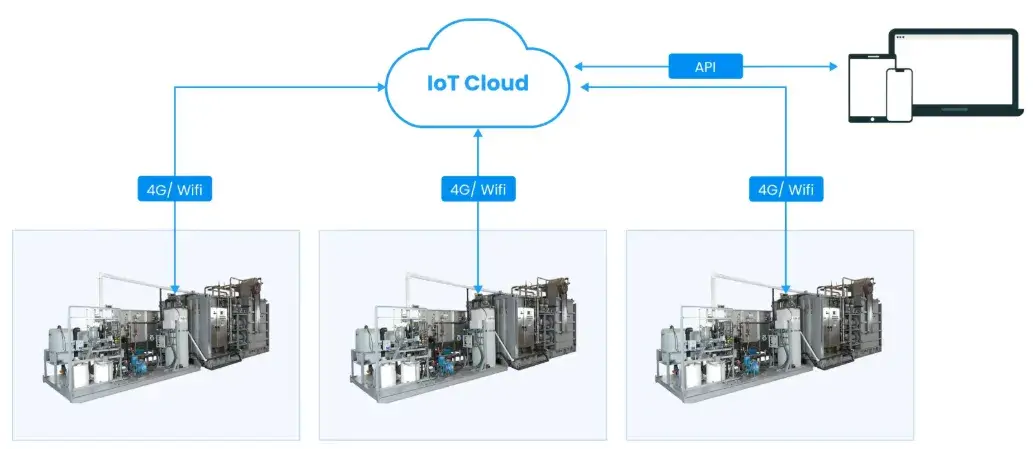
Water Treatment Monitoring System: TMA has applied its Water Treatment Monitoring System to a Vietnamese company specializing in advanced water purification technologies and wastewater treatment services. The solution enables remote control and real-time tracking of key parameters such as flow rate, pressure, TDS, and pH across multiple treatment sites. After implementation, the client saw a 40% reduction in manual inspection efforts and improved fault detection response time by 50% through automated alerts and AI-based anomaly detection. The centralized dashboard also streamlines regulatory reporting and ensures continuous compliance with environmental standards.
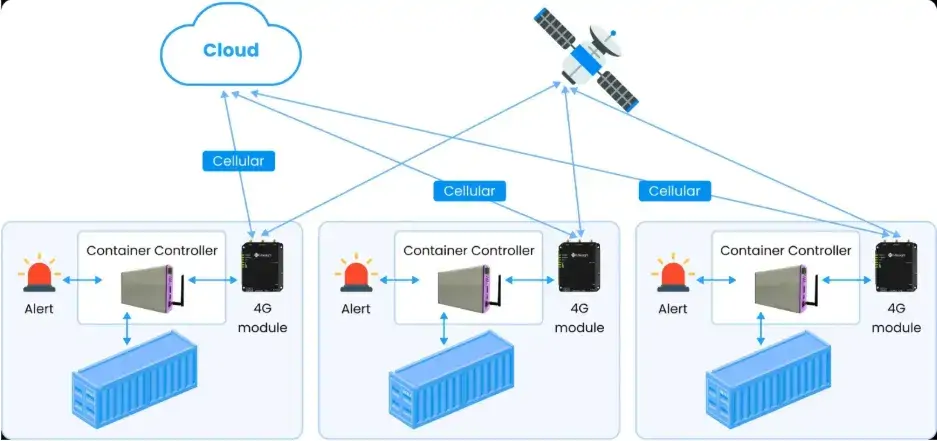
Reefer Monitoring System: TMA has applied its Reefer Monitoring System to a leading Vietnamese company specializing in the manufacturing and rental of refrigerated containers. The system enables real-time monitoring of temperature and humidity across refrigerated units, helping the client reduce temperature deviation incidents by 35% and cut fuel consumption by around 20% through intelligent cooling cycle optimization. Centralized data analytics also support regulatory compliance and enhance visibility throughout the cold chain logistics process.
Conclusion: Smart Action for Sustainable Results
The global manufacturing sector is undergoing a seismic shift toward sustainability, not only due to regulatory pressures but also to investor and consumer expectations. Research from Rockwell, Deloitte, Siemens, and Manufacturers Alliance affirms that smart manufacturing is the foundation of successful ESG programs.
With real-time energy and water monitoring, predictive analytics, and end-to-end reporting, TMA Solutions equips factories with the digital tools needed to close the ESG execution gap.
For manufacturers aiming to transform ESG from aspiration to action, the answer lies in a smarter approach—and TMA is ready to lead the way.


.webp_2026-10-01-18-27-07-971.webp)
.webp_2026-10-01-18-17-11-290.webp)