Home
Search
Found 797 results for “ “ keyword
icon
Conclusion The future of healthcare is undeniably digital, with technologies like AI, IoMT, blockchain, telehealth, and preventive care transforming how care is delivered. These innovations will make healthcare more accessible, efficient, and personalized, improving patient outcomes globally. TMA Solutions is proud to be at the forefront of this transformation, offering https://www.tmasolutions.com/industries/healthcare custom healthcare software development services that address each of these trends. With a strong track record in telehealth, AI diagnostics, IoMT, blockchain data security, and preventive care, TMA Solutions is helping healthcare providers deliver better care and empowering individuals to take charge of their health. As Vietnam continues to grow as a tech hub, TMA Solutions is poised to lead the charge in shaping the future of healthtech. Stay informed, stay proactive, and let’s embrace the exciting future of digital healthcare. TMA Solutions: A Key Player in Vietnam's Healthtech Revolution TMA Healthtech Center Vietnam is rapidly emerging as a hub for digital innovation, and TMA Solutions is a leading force in the country’s healthtech sector. With a strong focus on custom healthcare software development, TMA Solutions is well-positioned to help healthcare organizations embrace emerging technologies. TMA Solutions is already contributing to the advancement of healthcare in Vietnam and beyond by Developing innovative telehealth platforms that improve access to care. Building robust EHR systems that streamline workflows and enhance data sharing. Creating AI-powered diagnostic tools that assist clinicians in making accurate diagnoses. Relevant Case Studies: How TMA Solutions is Bringing Healthtech Trends to Life We’ve explored the exciting trends that are shaping the future of healthcare, but how are these concepts actually being brought to life? Let’s dive into some real-world examples of how TMA Solutions is leading the way, turning these trends into tangible, impactful solutions that are transforming healthcare. From remote monitoring to AI-powered diagnostics, TMA is at the forefront of making the future of healthtech a reality today. 1. Case Study: Remote Health Monitoring Telehealth expansion & remote care TMA Solutions has developed a https://www.tmasolutions.com/case-studies/enhance-senior-care-services-with-remote-health-monitoring-system Remote Health Monitoring Platform that tracks vital signs like heart rate, blood pressure, and oxygen levels via wearable devices. This platform empowers healthcare providers to monitor patients remotely, improving care accessibility and reducing hospital visits. Implemented in Vietnam and Canada, this solution aligns perfectly with the growing trend of remote care and telehealth expansion. 2. Case Study: Health Kiosk for Pharmacy TMA Health Kiosk - The internet of medical things (IoMT) TMA developed a https://www.tmasolutions.com/case-studies/home-kit-solution-for-continuous-health-monitoring Health Kiosk for Pharmacy that integrates connected devices to monitor health metrics like blood pressure, heart rate, and glucose levels. The kiosk enables pharmacies in Vietnam and Australia to offer self-service health checks and remote consultations. By leveraging IoMT, this solution allows for real-time data sharing between patients and healthcare providers, reflecting the trend of connected medical devices. 3. Case Study: Fitness Solution Preventive care & wellness TMA’s https://www.tmasolutions.com/case-studies/optimize-trainee-experience-with-iot-fitness-solution Fitness Solution helps users in Australia and the USA track their physical health through connected fitness devices. By monitoring metrics like activity levels, heart rate, and calories burned, this solution empowers individuals to take control of their health, promoting wellness and disease prevention in line with the growing preventive healthcare trend. Key Healthtech Trends to Watch in 2025 1. The Rise of Personalized Medicine Personalized medicine future Gone are the days of one-size-fits-all treatment plans. Advances in genomics, data analytics, and artificial intelligence are making personalized medicine more accessible. By customizing treatments based on an individual’s genetic makeup and lifestyle, healthcare providers can offer more precise therapies with fewer side effects. By 2025, the global personalized medicine market is expected to reach $2.4 trillion, demonstrating the rapid growth and increasing importance of customized treatments. 2. Telehealth Expansion: Enhancing Remote Care Telemedicine in 2025 Telehealth is no longer just a convenience; it’s becoming an essential part of modern healthcare. Remote Patient Monitoring (RPM) devices, virtual consultations, and wearables will enable patients to manage their health from home, improving access to care in rural and underserved areas. The global telehealth market is projected to reach $459.8 billion by 2030, with a 25.2% CAGR from 2021, showing the massive growth and long-term impact of telehealth in healthcare. 3. AI & Machine Learning in Diagnostics and Treatment How AI & ML apply in diagnostics Artificial Intelligence and Machine Learning are revolutionizing healthcare by providing faster and more accurate diagnostics. These technologies can analyze medical images, predict patient risks, and even assist in complex surgical procedures. Additionally, AI-powered chatbots will provide 24/7 support, guiding patients through their healthcare journey. AI in healthcare is expected to reach $45.2 billion by 2026, reflecting its growing importance in improving diagnostics and patient outcomes across the globe. 4. The Internet of Medical Things (IoMT) IoMT in Healthcare The IoMT includes a vast network of connected medical devices, sensors, and applications that generate real-time data. This data can be leveraged to improve patient care, optimize hospital operations, and enhance drug development. For example, smart pills that track medication adherence or connected inhalers that monitor asthma triggers will become the norm by 2025. The IoMT market is expected to be valued at $158 billion by 2025, as connected medical devices become more mainstream in both home and hospital settings. 5. Blockchain for Secure Data Management Blockchain transforming healthcare Data security and interoperability are critical concerns in the healthcare industry. Blockchain technology offers a secure and transparent way to manage patient data, ensuring privacy and facilitating seamless data sharing between healthcare providers. This will streamline administrative processes, reduce fraud, and improve the accuracy of medical records. By 2025, blockchain is expected to secure 20% of healthcare transactions, showing its role in enhancing data security across healthcare systems worldwide. 6. Focus on Preventive Care How preventive care looks in 2025 The emphasis is shifting from reactive treatment to proactive prevention. Digital health tools, such as fitness trackers, nutrition apps, and mental wellness platforms, are empowering individuals to take control of their health and prevent chronic diseases. The global preventive healthcare market is expected to reach $310 billion by 2025, reflecting the growing focus on wellness and proactive health management. Introduction The healthcare industry is experiencing a rapid transformation, driven by digital health technologies. By 2025, innovations such as AI, machine learning (ML), telemedicine, and personalized medicine will reshape healthcare, making it more efficient, accessible, and personalized. Let’s explore the top healthtech trends and how healthtech solutions providers like TMA Solutions are actively shaping the future of healthtech through https://www.tmasolutions.com/industries/healthcare custom healthcare software development and digital health software development . Digital Health Innovation: Trends & Technologies in 2025...
icon
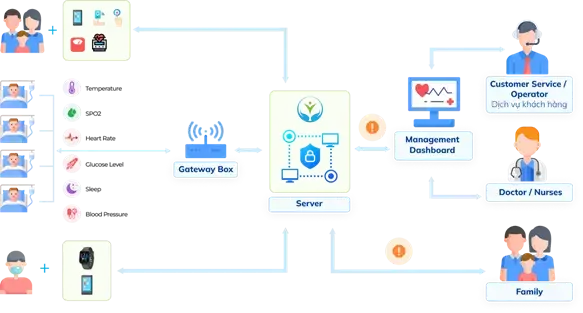
In the rapidly evolving healthcare sector, digital health technologies are reshaping patient care, particularly in remote patient monitoring (RPM) . TMA Solutions is at the forefront of this innovation, developing digital health solutions that improve patient outcomes, reduce healthcare costs, and enhance the quality of care. In senior care, our remote health monitoring systems ensure proactive health management, offering peace of mind to caregivers and family members. TMA Solutions’ Approach to Digital Health Monitoring in Senior Care Problem Statement: Addressing Challenges in Senior Care Traditional healthcare monitoring methods for seniors are often outdated, relying on manual processes that lack real-time updates. These approaches fail to detect potential health issues early, increasing the risk of serious conditions going unnoticed. Furthermore, family members often struggle with staying informed about their loved ones' health, leading to stress and uncertainty. TMA Solutions has developed digital health monitoring systems that provide continuous, real-time health data, ensuring that caregivers and families stay informed. TMA Solutions’ Digital Health Monitoring System Our digital health monitoring system provides comprehensive care by continuously tracking patients' vital signs and health metrics. The system includes: Real-Time Health Monitoring: Tracks key health indicators such as heart rate , blood pressure , and medication adherence , giving caregivers up-to-date insights into patients' health at all times. Automated Alerts: If abnormal readings are detected, such as a sudden drop in blood pressure or irregular heart rate, the system immediately notifies caregivers so they can intervene swiftly. Family Communication: The system shares daily health updates, including physical activity , dietary habits , and overall well-being, allowing family members to stay connected and reassured about their loved ones’ health. Enhance senior care services with remote health monitoring system Benefits of TMA’s Digital Health Monitoring System Implementing this system results in improved care for senior residents and provides families with peace of mind: 24/7 Monitoring and Care: Continuous monitoring ensures that health issues are detected early, especially for individuals with chronic conditions that require constant oversight. Enhanced Quality of Care: With real-time data and instant alerts, caregivers can respond quickly to health concerns, ensuring better management of residents' health and improving overall care standards. Peace of Mind for Families: Families can receive regular updates on their loved ones' health status, ensuring they stay informed and confident in the care being provided. Conclusion TMA Solutions is committed to leading the way in https://www.tmasolutions.com/industries/healthcare digital health innovations , offering solutions that improve the delivery of healthcare and enhance patient outcomes. Our https://www.tmasolutions.com/industries/healthcare remote health monitoring systems are helping senior care facilities provide proactive care, ensure 24/7 monitoring, and maintain constant communication with families. Interested in enhancing your healthcare services with digital health solutions? https://www.tmasolutions.com/ Contact TMA Solutions to learn more about how our remote health monitoring solutions can improve your patient care services. Digital Health Solutions: Transforming Senior Care The integration of digital health technologies into senior care is a game-changer. TMA Solutions' remote health monitoring systems are designed to improve the quality of life for elderly individuals by providing continuous care, timely alerts, and seamless communication with family members. By implementing digital health solutions , TMA Solutions is enhancing the way senior care facilities manage patient health, ensuring better care, reducing costs, and fostering transparency and trust between caregivers and families. Digital Health Monitoring: Enhancing Senior Care with TMA Solutions...
icon
Digital Health Software Development: Smarter Healthcare Solutions Digital health software development is the process of creating applications and platforms that support the management, analysis, and connection of medical data in a digital environment. This technology helps doctors, hospitals, and patients exchange information faster and more accurately while improving the quality of healthcare services. The following article will explore the role and development trends of digital health software in the modern healthcare era. 1. What is digital health software development? Digital health software development is the process of designing and building software systems that use digital technology to support healthcare operations. This process includes stages such as requirement analysis, programming, testing, deployment and maintenance. The goal is to create tools that digitise medical data and healthcare workflows. Typical solutions in this category include electronic health record software (EHR), telemedicine platforms, mobile health tracking applications (mHealth) and hospital management systems (HMS). All of these solutions are developed based on medical standards such as HL7 or FHIR and must ensure the integrity, accuracy, and security of medical information in a digital environment. Digital health software development is the process of creating digital solutions for the healthcare sector 2. Key aspects and technologies in digital health software development Several core technologies are driving the growth of digital health software. Each technology plays a specific role in modernising healthcare processes and medical data management. AI and Machine Learning: Used to analyse large medical datasets to detect abnormalities, predict disease risks and suggest treatment options. AI also supports natural language processing and personalises care plans based on patient data. IoT: Connects wearable devices and medical sensors to collect continuous health data, allowing doctors to monitor patients remotely in real time. This is especially useful for home care and chronic disease management. Cloud: Provides flexible infrastructure for storing and processing medical data, enabling secure access at any time, synchronising information across facilities, and supporting fast deployment of online healthcare platforms. Big Data: Collects and analyses massive volumes of medical data from many sources to support accurate diagnosis, improve treatment workflows, and provide predictive insights for research or healthcare management. Blockchain: Ensures security and transparency in medical data management through distributed storage. It helps verify health records, control access rights, and share information between trusted healthcare organisations. The core components and technologies in digital health software development 3. Digital health software development process The development process of digital health software includes multiple coordinated steps to build a solution that meets real healthcare needs and industry standards. 1- Requirement research and assessment First, TMA collects information about the current healthcare system, identifies stakeholders, and defines actual needs. Then, TMA studies clinical workflows, operational activities, and existing bottlenecks before moving to the next phase. This ensures that the software solution truly matches the requirements. 2- In-depth analysis and solution consulting After gathering the requirements, TMA performs a detailed analysis to evaluate technical and business needs, identify the integration environment, required data and level of healthcare compliance. TMA Solutions focuses on providing the right solution for the healthcare sector instead of building software only based on initial requests without considering the full system landscape. 3- System architecture and user experience design At this stage, TMA Solutions designs the full software architecture, including backend, frontend, database, and integration ability with medical devices or existing EHR and EMR systems. The architecture team follows international standards such as HL7, FHIR, and DICOM to ensure compatibility, data access and secure sharing. At the same time, the UX and UI team designs dedicated interfaces for patients, doctors, and healthcare staff, making sure they are clear, easy to use and aligned with real workflows inside medical facilities. 4- Software development and prototype testing (MVP or Prototype) After the architecture is ready, TMA Solutions builds a prototype or MVP using selected technologies such as Java Spring Boot, ReactJS, .NET, Azure or AWS. The goal is to help customers validate the idea early by simulating core functions and integrating real medical data and devices. TMA engineers work closely with the customer’s business team to collect feedback and adjust features before full-scale development, which helps reduce costs and shorten delivery time. 5- Full testing and live deployment TMA Solutions has a dedicated testing team for HealthTech projects. They run functional, security, performance, stability and medical device compatibility tests. Testing is carried out in both simulated and real environments and meets HIPAA, GDPR, and ISO/IEC 27001 standards to protect sensitive medical data. After the software meets all requirements, TMA supports deployment at hospitals, clinics, or connected healthcare systems and provides on-site technical supervision during the early operation phase. 6- Training, handover and operation support TMA Solutions organises training sessions for each user group, including doctors, nurses, administrative staff and IT teams. User manuals, recorded tutorials, and practice sessions are provided to help users understand the workflow and use the system in the correct way. TMA hands over the full operation rights and offers 24/7 online technical support so the customer team can run the system confidently after go-live. 7- Maintenance, updates, and continuous improvement After the system is officially in use, TMA Solutions monitors performance and user behaviour through analytics and AI tools to detect issues or enhancement needs early. Regular updates are released to comply with new industry standards, security regulations, or business changes. The process of building and implementing digital health software 4. Critical considerations in healthcare software development In healthcare, software can only deliver real value when it is built on a secure, compliant, and highly integrated foundation. These core factors must be considered in every stage of the development process. Data security and compliance Healthcare software must process and store a large amount of sensitive information, such as medical records, lab results and insurance data. The main challenge is to protect this data while still meeting regulations such as HIPAA or GDPR. Any mistake in the security workflow can lead to information leaks and cause serious damage to healthcare organisations. To reduce risks, businesses must identify the exact types of data that need protection, apply end-to-end encryption, define clear access permissions, and monitor all login activities in real time. Security testing must also be performed on a regular basis, and an incident response plan should be prepared in advance instead of waiting for a data breach to happen. User experience (UX and UI) User experience in healthcare software is complex because doctors, nurses, and patients all have different needs. A complicated interface, too many steps, or poor layout can reduce usability and increase the chance of human error during operation. To solve this, you need to define user roles clearly, build layouts that match real medical workflows, and test the interface with each user group. The system must allow fast access to important functions, reduce manual data entry, and support both desktop and mobile devices to fit different work environments in hospitals and clinics. EHR integration Each healthcare organisation often uses different platforms and data formats, which creates problems in synchronising information and keeping patient records accurate across systems. To address this, your business should standardise data exchange using formats such as HL7 or FHIR and verify API compatibility before deployment. You should also run integration tests in a simulated environment to ensure that all transferred data is encrypted and logged for tracking when needed. The goal is to create a smooth data flow between systems without interrupting clinical operations. Key factors to consider in digital health software development 5. Benefits of digital health software development The use of digital health software not only changes the way healthcare systems are managed and operated. It also brings practical benefits for both organisations and patients. Improve operational productivity and patient experience Digital health software helps automate patient intake, monitoring, and care processes. This allows patients to receive support faster and helps medical staff work with better performance. TMA provides a virtual assistant solution for healthcare platforms that supports appointment booking, real-time consultation and feedback. This solution shortens response time, increases interaction and improves the overall patient experience. Save time, reduce errors and lower operating costs When data entry, storage, and information sharing are digitised, manual errors and administrative costs are reduced. TMA applies optical character recognition technology to collect and process medical data from forms automatically, which removes most paper-based tasks. As a result, the workflow becomes faster, more accurate, and more cost-saving for both healthcare workers and medical facilities. Enhance diagnosis quality and decision-making The use of artificial intelligence and big data analytics allows doctors to detect diseases earlier and make clinical decisions with higher accuracy. TMA builds a medical data analytics system that can process millions of medical records and terabytes of data within seconds. This helps healthcare organisations access critical information quickly, reduce waiting time, and improve reliability during treatment. Improve collaboration and internal communication Modern healthcare platforms connect doctors, nurses, management staff, and technicians in a single system, creating smooth and accurate information flow. TMA applies a DevOps model combined with cloud computing for healthcare systems, allowing faster software deployment and updates while keeping the system stable even when multiple departments work on the same platform. Strengthen data security and regulatory compliance Medical data requires a high level of security and must comply with international standards such as HIPAA and GDPR. TMA integrates multi-layer security, full data encryption, and strict access control in every healthcare project. The use of AI for anomaly detection and access management reduces the risk of data breaches and increases compliance. Expand remote care and personalised services With IoT platforms and mobile devices, patients can be monitored continuously without visiting the hospital. TMA develops a remote health monitoring system that collects biometric data and sends alerts to doctors when abnormal signs appear. This approach makes chronic care management easier and extends healthcare access to remote areas far from medical centers. Optimise resources and increase scalability A flexible software platform built on cloud architecture can scale quickly when data volume or user numbers grow. TMA develops big data storage and analytics systems for healthcare organisations, allowing them to expand operations without investing in extra physical infrastructure. This not only reduces long-term costs but also builds a strong foundation for future healthcare service expansion. Values of digital health software development 6. Why choose TMA solutions for digital health software development? With strong experience, advanced technology capabilities and a deep understanding of the healthcare sector, TMA Solutions has become a reliable choice for organisations that want to develop and deploy complete digital health software solutions. Deep expertise in digital healthcare: TMA Solutions has more than 15 years of experience in the industry and a team of over 700 engineers who specialise in digital health software development for both Vietnam and international markets. End-to-end services from concept to deployment: The company provides a full service cycle that includes consulting, system design, software development, testing, deployment, and maintenance for healthcare organisations of all sizes. Wide range of healthcare solutions: TMA Solutions builds remote health monitoring systems, AI-based diagnostic tools, medical data management platforms, IoT device integrations and pharmacy automation solutions to support digital transformation across the healthcare sector. Adoption of advanced technologies: The company combines AI, IoT, Big Data and cloud computing in its projects, helping healthcare organisations improve operational capacity, increase scalability and protect data according to international standards. Trusted partner of global healthcare organisations: With long-term experience and a strong reputation in healthtech, TMA Solutions is recognised as one of the leading technology companies in Vietnam and a strategic partner of hospitals, research institutes and international healthcare providers. Reasons to choose TMA Solutions for digital health software development 7. Case study TMA Solutions implemented The following case studies show how TMA Solutions applies technology in real projects to help healthcare organisations improve workflows, enhance service quality and create sustainable value in patient care. Case study 1: Enhancing healthcare with a virtual assistant A remote healthcare and monitoring company in Vietnam wanted to improve service quality and user response speed on its mobile platform. As the number of users grew quickly, the traditional support system became overloaded, with high operating costs and slow response times, especially for elderly patients. Solution: TMA Solutions integrated a Health Virtual Assistant into the client’s mobile application, creating an AI-powered support system capable of multitasking and intelligent interaction. The solution included: Automated responses: The virtual assistant used a database of FAQs, medical guides, and instructional materials to provide quick and accurate answers without staff intervention. Health data analysis: The chatbot could interpret health indicators, generate reports, and offer suggestions to help users understand their health trends. Request management: It supported appointment booking, exercise planning, medication reminders, and daily health tracking for users. Results: Higher user satisfaction: Faster response times significantly reduced negative feedback and improved the overall user experience. Lower operating costs: Automated customer support reduced service costs by 25% while expanding support capacity. More proactive healthcare: Users could manage their own health through automatic reminders for medication, exercise, and regular checkups, helping them maintain consistent care routines. Case study Enhancing healthcare with a virtual assistant Case study 2: Applying OCR in healthcare solutions to automate data collection Healthcare facilities face major challenges in collecting, processing and managing patient data. Manual data entry takes a lot of time, increases the risk of errors and interrupts the care process. Medical records are stored in different formats, which makes data retrieval and consolidation difficult and slows down clinical decision-making. Solution TMA Solutions developed an OCR-based healthcare solution to automate data collection and digitisation: Extract data from multiple sources: The system supports data collection from more than 30 common medical devices, such as MediUSA, Microlife, Omron, A and D Medical, Wellue, Sinocare, Checkme, and Accu Check, as well as from prescriptions and lab results. The solution ensures that key data such as blood pressure, glucose level, body temperature, and other health indicators are digitised accurately. Dynamic template creation: Since medical data comes in many formats, TMA provides a feature that allows users to define their own data templates and label the fields they want to extract. The OCR system then automatically identifies and extracts the same data fields for future documents. Flexible use cases: The solution can be applied in remote health monitoring systems, clinics, pharmacies and nursing homes. Results Improved operational productivity: Automated data entry and prescription management reduce administrative work and speed up healthcare processes. Better data accessibility: Once records and lab results are digitised, doctors and medical staff can access patient data anytime, which supports faster and more accurate decisions. Real-world adoption: The OCR solution has been successfully deployed at many healthcare service providers in Vietnam, helping them optimise data extraction workflows and improve overall operation quality. Case study Apply OCR in healthcare solutions to automate data collection 8. FAQs about digital health software development 1- What is the healthcare software development process? The development process of healthcare software includes key steps such as requirement definition and end-user analysis, solution design, source code development, full testing, live deployment and continuous maintenance. 2 - What are examples of digital health technologies? Common digital health technologies include mobile or mHealth applications, electronic health records (EHR), wearable devices, telemedicine or remote care platforms, clinical decision support systems, and IoT-connected medical devices. 3 - What type of software is used in healthcare? Healthcare software may include hospital information systems (HIS), electronic medical record or electronic health record systems (EMR or EHR), patient care applications, scheduling and telehealth platforms, medical data analytics software, and clinical workflow management systems. Digital health software development is becoming a key foundation for the shift toward smarter healthcare models. TMA Solutions provides secure, flexible, and scalable medical software solutions that help healthcare organisations manage data reliably, support accurate diagnosis, and improve treatment quality. >> Contact TMA to build a complete digital healthcare system for your organisation. Contact information: TMA SOLUTIONS - The leading digital health software development in Vietnam Email: sales@tmasolutions.com Website : https://www.tmasolutions.com/ https://www.tmasolutions.com/ Linkedin: https://www.linkedin.com/company/tma-solutions/ TMA Solutions TMA Tower address: Street #10, Quality Tech Solution Complex (QTSC), Trung My Tay Ward, Ho Chi Minh City....

icon
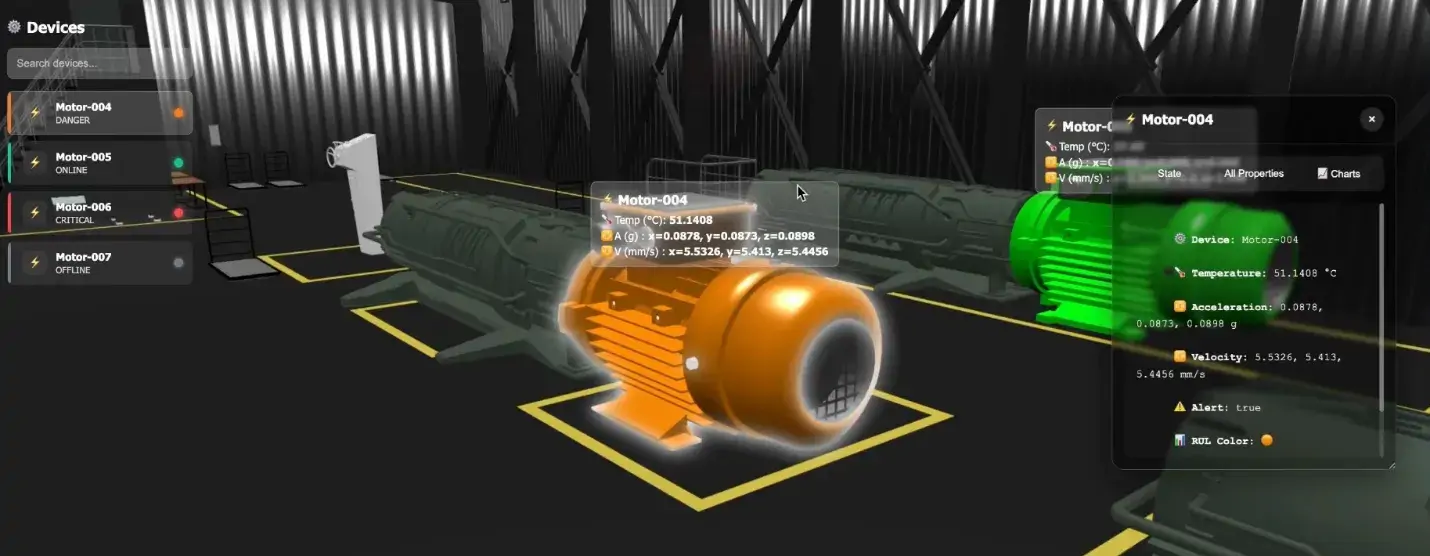
Digital Manufacturing for SMEs: Cost-Effective Strategies Strategic Approaches for Cost-Effective Implementation Rather than diving headfirst into a full Industry 4.0 transformation, SMEs should adopt a phased, strategic, and ROI-driven approach. Modular and Scalable Architecture A modular architecture allows SMEs to start small — such as digitizing a single production line or tracking machine uptime — and then scale up based on success. This approach ensures minimal disruption and greater control over costs. In Quebec, SMEs implementing modular Industry 4.0 systems were able to customize their digital journey while achieving high returns. Target “High-Impact” Use Cases Instead of automating everything at once, SMEs should focus on areas with clear and immediate impact, such as: Energy consumption tracking (smart meters) Predictive maintenance with sensor-based alerts Digitization of maintenance logs with QR scanning In Vietnam, an SME reduced operating costs by 30% simply by digitizing asset tracking and maintenance workflows. These are small steps, but with real results. Leverage Cloud + Mobile + IoT for Agility Cloud-native platforms, mobile apps, and low-power IoT sensors now allow SMEs to access digital manufacturing capabilities without investing in heavy IT infrastructure. The result is a lightweight but powerful digital stack suitable for smaller manufacturers with constrained resources. Work with Experienced Partners Digital transformation is rarely a solo journey. Collaborating with experienced solution providers helps SMEs minimize risks, speed up implementation, and focus on business outcomes. Cambridge researchers found that outsourcing digital development often improves results for SMEs lacking in-house digital expertise. Foster a Digital Culture, Not Just a System Technology alone isn’t enough. A successful transition requires a shift in mindset, habits, and skillsets. A study by Tortorella and Fettermann stresses the need for training, simplified interfaces, and involvement of factory staff to overcome resistance. The Opportunity: Why Digital Manufacturing Matters for SMEs Small and medium-sized enterprises (SMEs) are central to economic growth, innovation, and job creation around the world. Yet when it comes to digital transformation, especially in manufacturing, they often find themselves at a disadvantage. Limited budgets, lack of technical expertise, and fear of disruption can prevent SMEs from exploring digital manufacturing. However, the tide is turning. Research shows that SMEs can effectively adopt low-cost, modular digital manufacturing solutions to improve productivity, reduce operational risks, and remain competitive in a rapidly evolving market. A report from Cambridge University emphasizes that cost-effectiveness, ease of use, and fast return on investment are key drivers for SMEs adopting digital tools. Digital manufacturing is no longer reserved for large corporations. It is becoming a strategic necessity, and an accessible reality, for SMEs that want to scale smartly. Conclusion: Start Small, Think Big Digital manufacturing isn’t a luxury anymore; it’s a strategic move for SMEs to survive, scale, and succeed. By choosing low-cost, modular solutions and focusing on high-ROI applications, even small factories can leap forward without overextending themselves. Research confirms this approach: SMEs that prioritize cost-effective digitization achieve measurable gains in efficiency, transparency, and resilience. With the right partner, such as TMA Solutions, this transformation becomes practical and sustainable. TMA SME Solutions Application Machine Monitoring System (MMS): One of the most effective starting points for SMEs adopting digital manufacturing is deploying a Machine Monitoring System (MMS). This system provides real-time visibility into the status, utilization, and performance of factory equipment, without requiring extensive infrastructure changes. TMA’s MMS is designed to be lightweight and modular, making it ideal for small factories. It collects data from machines using affordable sensors and displays key metrics like uptime, downtime, and productivity on a centralized dashboard. Managers can identify performance bottlenecks, analyze root causes of delays, and make data-driven decisions based on actual equipment usage. Figure 1: Machine Monitoring System (MMS) ...
icon
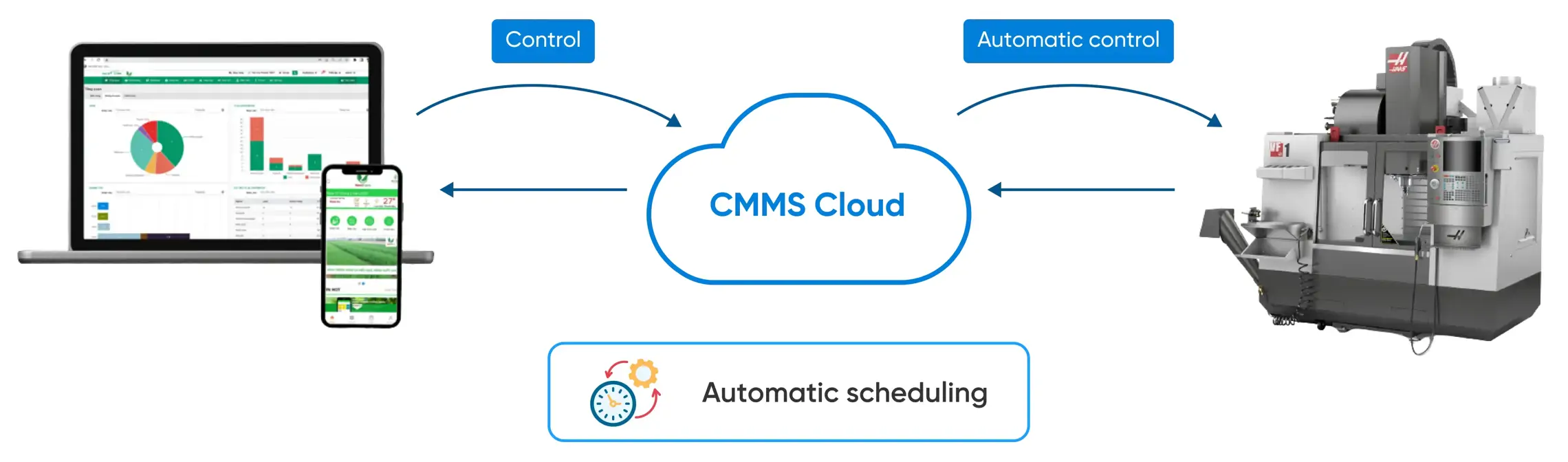
Introduction The electronics industry has undergone rapid digital transformation, particularly with the adoption of digital manufacturing technologies. From early-stage PCB simulation to real-time energy optimization on the production line, manufacturers are increasingly leveraging digital twins, AI-powered modeling, and IoT-based monitoring to enhance efficiency, accuracy, and sustainability. This article explores how these advancements are applied specifically in electronics manufacturing, drawing from real-world studies and use cases. PCB Simulation: The Foundation of Precision Modern electronics production begins with accurate PCB (Printed Circuit Board) simulation. By digitally replicating circuit behavior—including signal integrity, power integrity, and thermal performance—manufacturers can detect design flaws early, reduce iterations, and speed up time-to-market. According to a recent study on circuit simulation, advanced methods such as SPICE modeling, electromagnetic simulation, and parasitic extraction are now standard tools for high-speed board design and reliability assurance. These simulations play a crucial role in ensuring signal quality and preventing overheating in compact multi-layer PCBs. TMA Solutions has supported electronics clients by implementing custom simulation workflows, leveraging open-source and commercial tools (e.g., LTspice, Altium Designer integration) to streamline PCB verification processes. By combining simulation expertise with domain knowledge, TMA reduces redesign time and supports high-volume board production. Hybrid Digital Twins: A Deeper Layer of Optimization While conventional digital twins reflect system behavior using data alone, hybrid digital twins combine physics-based simulation with real-time data analytics. A 2024 ScienceDirect publication revealed that this hybrid approach significantly outperformed data-only models in predicting energy consumption and identifying system bottlenecks. For electronics factories managing complex processes—like reflow soldering or multilayer PCB printing—hybrid digital twins provide a more comprehensive control framework. A study from SpringerLink demonstrated that digital twin implementation led to a 29.5% reduction in energy use, saving 13,600 kWh and €3,300 annually per machine. TMA’s simulation and AI teams collaborate on hybrid modeling frameworks using Python-based simulation engines, paired with real-time analytics from edge IoT devices. These solutions empower factories to automatically recalibrate workflows and detect outliers in thermal or electrical processes. The Rise of Digital Twins in SMT-Assembly Surface-mount technology (SMT) is at the heart of electronics manufacturing. A notable study demonstrated how applying digital twin models in SMT-PCB assembly lines led to significant improvements in energy efficiency and process stability. The model continuously monitored parameters such as placement speed, oven temperature, and power consumption, then optimized them using feedback control loops. This real-time twin integration not only cuts down energy waste but also increases production throughput. TMA has developed digital twin platforms customized for electronics factories, integrating machine telemetry data into visual dashboards and alert systems. The digital twin module can be embedded into a broader MES, enabling real-time visualization of SMT machine status, predictive quality control, and shift-based energy tracking. Real-World Adoption: Energy Monitoring in Factories Large-scale electronic manufacturers are already adopting energy monitoring systems integrated with IoT and cloud platforms. Arrow Electronics reported that such systems enabled operational teams to track real-time energy usage across assembly stations, detect inefficiencies, and reduce peak loads during production cycles. These solutions often feed data into broader enterprise platforms, including MES (Manufacturing Execution Systems) and ERP (Enterprise Resource Planning), enabling full visibility and coordination. Studies in IoT-driven factories also report 18% energy reduction and 22% downtime reduction, especially when paired with MES and AI analytics. TMA offers end-to-end energy monitoring systems using AWS IoT Core and embedded sensors. Our customizable dashboards and AI modules provide historical usage analysis, anomaly detection, and real-time alerting. These solutions have been deployed for both high-mix low-volume (HMLV) and high-volume production lines. TMA’s Smart Manufacturing Offering TMA Solutions offers a portfolio of digital manufacturing solutions tailored for the electronics industry, many of which are directly applicable to the use cases discussed in this article: Machine Monitoring System (MMS): TMA Solutions provides a scalable IoT platform for a client who is a manufacturing facility in Asia, designed to connect machines and devices from different vendors, regardless of communication protocols or data formats. By centralizing data, it offers a unified view of the entire facility’s operations. The platform’s built-in data analysis can detect issues early and predict potential failures, helping operators make smarter decisions. This leads to a 20% reduction in downtime and a 15% increase in overall productivity. TMA’s solution is perfect for manufacturing companies looking to streamline machine monitoring and predictive maintenance in one integrated platform. Machine Monitoring System (MMS) Computerized Maintenance Management System (CMMS): TMA’s CMMS (Computerized Maintenance Management System) was implemented as part of a digital manufacturing initiative for a leading fast-food chain in Vietnam, aiming to modernize equipment maintenance across all locations. The system enabled real-time monitoring, QR code-based ticketing, and automated scheduling of preventive tasks for assets such as refrigeration units, cooking appliances, and POS terminals. This digital shift led to a 30% reduction in unplanned downtime and extended equipment lifespan by 15–20%. By centralizing maintenance data and enabling data-driven decision-making, the CMMS helped the brand enhance operational efficiency, ensure food safety compliance, and demonstrate how digital manufacturing principles can be effectively applied beyond traditional factory settings. Computerized Maintenance Management System (CMMS) Strategic Impact Beyond PCB Even beyond SMT lines, the philosophy of digital manufacturing applies to battery, semiconductor, and component manufacturing. A whitepaper from Fraunhofer Institute outlines how end-to-end digitization—from virtual commissioning to predictive maintenance—supports energy-aware decision-making throughout the product lifecycle. Though the context is battery cell production, the architecture is highly transferable to electronics plants. In a similar fashion, TMA Solutions has delivered predictive maintenance platforms for industrial clients, combining vibration analysis, temperature sensing, and anomaly classification to reduce downtime. These solutions are now being adapted for electronics manufacturing under the Smart Manufacturing initiative. Conclusion Digital manufacturing in electronics is more than automation—it's data-driven precision, responsiveness, and sustainability. By combining PCB simulation, digital twins, hybrid modeling, and energy intelligence, manufacturers can not only streamline production but also align with green manufacturing goals. As shown through various studies and industry reports, this convergence of technologies is not a future vision, but a present-day necessity—and companies like TMA Solutions are enabling this transformation through real-world deployments. Digital Manufacturing in Electronics: From PCB Simulation to Energy Optimization...
icon
Digital prescriptions and automated referrals for homecare Healthcare systems worldwide are under increasing pressure from population aging, the rising prevalence of chronic diseases, and the growing demand for home-based care services. As more patients require long-term treatment outside traditional clinical settings, healthcare providers face mounting challenges in managing prescriptions, coordinating referrals, and maintaining continuity of care across multiple providers and care locations. Medication management remains one of the most significant challenges in chronic disease care. According to the World Health Organization (WHO), adherence among patients with chronic conditions averages only 50% in developed countries, meaning many patients do not take medications as prescribed, increasing the risk of complications, hospitalizations, and unnecessary healthcare costs. At the same time, healthcare professionals continue to struggle with administrative burdens associated with paper-based prescriptions, referral paperwork, and fragmented communication processes. The American Medical Association (AMA) notes that excessive administrative tasks contribute to physician burnout and reduce the time available for direct patient care. As healthcare organizations pursue more efficient and patient-centered care models, digital prescriptions and automated referral systems are emerging as essential tools for modern homecare delivery. These technologies streamline medication management, improve communication between providers, and help ensure patients receive timely access to appropriate care. Understanding Digital Prescriptions and Automated Referrals https://www.tmasolutions.com/industries/healthcare Digital healthcare technologies are transforming how healthcare professionals manage patient care across different settings. What Are Digital Prescriptions? Digital prescriptions, also known as electronic prescriptions or e-prescriptions, allow healthcare providers to generate, transmit, and manage prescriptions electronically instead of using paper-based methods. Why Digital Prescriptions Matter in Homecare For patients receiving homecare services, medication management is often a continuous and complex process. Many elderly patients and individuals with chronic diseases take multiple medications simultaneously, making prescription accuracy and adherence critical to treatment success. Supporting Better Medication Management Digital prescribing systems help healthcare providers create, transmit, and manage prescriptions electronically, reducing the risks associated with handwritten prescriptions and manual workflows. Reducing Medication Errors Medication errors remain a major patient safety concern worldwide. According to the Academy of Managed Care Pharmacy (AMCP), medication errors harm at least 1.5 million people annually and generate billions of dollars in avoidable healthcare costs. Digital prescribing can significantly reduce these risks by: Eliminating handwriting-related errors: Electronic prescriptions improve legibility and reduce interpretation mistakes. Improving prescription accuracy: Clinical decision support tools help identify dosage issues and prescribing errors before prescriptions are issued. Reducing duplicate therapies: Digital systems provide visibility into patients' medication histories. Enhancing patient safety: Automated checks help prevent adverse drug events. Research published in the Journal of Medical Internet Research found that e-prescribing systems can reduce prescribing errors substantially while improving workflow efficiency and lowering healthcare costs. Improving Medication Adherence Beyond prescription accuracy, digital tools can help address medication non-adherence, a persistent challenge in chronic disease management. Healthcare organizations can leverage digital prescribing systems to support: Automated medication reminders: Notifications help patients stay on schedule with treatments. Simplified prescription renewals: Electronic workflows reduce delays in obtaining refills. Improved patient engagement: Digital tools provide easier access to medication information. Better treatment continuity: Providers can monitor medication fulfillment and adherence trends. According to the CDC, providers using electronic prescribing increased first-fill medication adherence by approximately 10% compared with paper-based prescribing methods. How Automated Referrals Improve Homecare Coordination Timely referrals are critical for homecare patients who often require services from multiple providers, including physicians, nurses, therapists, specialists, and caregivers. Accelerating Access to Care Traditional referral processes frequently involve phone calls, fax transmissions, manual paperwork, and fragmented communication between organizations. Automated referral systems help address these challenges by: Reducing referral processing times: Information can be shared electronically and instantly. Improving communication between providers: All stakeholders have access to relevant patient information. Enhancing referral visibility: Providers can track referral status in real time. Supporting continuity of care: Patients experience fewer delays when transitioning between services. Supporting Multidisciplinary Homecare Teams Homecare often requires coordination among multiple professionals. Automated referrals facilitate collaboration by ensuring patient information is available across care teams. This improves: Care coordination. Clinical decision-making. Service scheduling. Follow-up management. Reducing Administrative Burden Administrative inefficiencies remain a significant challenge across healthcare systems. Common issues include: Manual paperwork. Duplicate data entry. Lost documentation. Delayed communication. The AMA highlights that administrative burden interrupts patient care, contributes to clinician burnout, and creates workflow inefficiencies throughout healthcare organizations. By automating referral workflows, healthcare organizations can reduce repetitive administrative tasks and allow staff to focus more on patient care activities. Key Benefits of Digital Prescriptions and Automated Referrals When integrated into homecare workflows, digital prescription and referral systems deliver measurable benefits for both patients and providers. Improving Operational Efficiency Digital workflows eliminate many of the manual processes associated with traditional healthcare administration. Healthcare organizations can benefit from: Faster documentation processes: Information is captured and shared electronically. Reduced administrative workload: Staff spend less time on paperwork. Improved workflow visibility: Referral and prescription status can be tracked in real time. Better resource utilization: Providers can focus on patient care rather than administrative tasks. Enhancing Patient Outcomes More efficient care coordination can directly influence clinical outcomes. Benefits include: Faster treatment initiation: Patients receive medications and specialist services sooner. Improved medication adherence: Digital engagement tools help patients stay on treatment plans. Reduced care delays: Automated workflows streamline access to services. Higher patient satisfaction: Patients experience a more connected healthcare journey. Research indicates that medication non-adherence contributes to approximately 10% of hospital readmissions and affects nearly half of patients with chronic diseases, highlighting the importance of technologies that support ongoing treatment management. Challenges in Implementing Digital Prescription and Referral Systems While the benefits are significant, successful implementation requires organizations to address both technical and operational barriers. Data Integration and Interoperability Healthcare information is often distributed across multiple platforms, departments, and providers. Organizations commonly encounter: Fragmented health records: Patient information may reside in disconnected systems. Legacy infrastructure: Older technologies can limit integration capabilities. Data standardization issues: Different systems may use incompatible formats. Interoperability challenges: Information exchange between organizations remains complex. To build connected homecare ecosystems, organizations increasingly invest in: EHR integration. Cloud-based architectures. Standardized healthcare data formats. Interoperable digital platforms. Security and Regulatory Compliance Because healthcare data is highly sensitive, digital prescription and referral systems must incorporate robust security measures. Key priorities include: Patient privacy protection: Safeguarding confidential health information. Secure data transmission: Protecting information during exchange. Access control mechanisms: Ensuring only authorized users access patient records. Regulatory compliance: Meeting requirements such as HIPAA and regional healthcare regulations. Strong governance frameworks help organizations reduce risks, improve trust, and support long-term adoption of digital healthcare technologies. Future Trends in Digital Prescribing and Referral Management The next generation of homecare technologies will extend beyond simple digitization and increasingly leverage artificial intelligence, interoperability standards, and predictive analytics. AI-Powered Clinical Decision Support Artificial intelligence is expected to enhance prescription and referral processes by helping healthcare providers make more informed decisions. Future capabilities may include: Identifying medication risks automatically. Recommending appropriate referral pathways. Predicting patient care needs. Supporting personalized treatment plans. According to Deloitte, AI-enabled healthcare systems have the potential to improve clinical decision-making while reducing administrative burdens across healthcare organizations. Greater Interoperability Across Healthcare Ecosystems As healthcare organizations adopt standardized data exchange frameworks such as HL7 FHIR, information sharing between providers is becoming more seamless. Improved interoperability can help: Reduce duplicated tests and procedures. Improve care coordination. Accelerate referral processing. Enhance continuity of care. Expanding Patient-Centered Care Models Digital prescriptions and automated referrals are expected to become increasingly integrated into broader patient engagement strategies. Future homecare platforms may support: Self-service appointment scheduling. Digital medication management. Personalized health recommendations. Continuous care coordination. These capabilities can help create more connected and proactive healthcare experiences while empowering patients to participate more actively in managing their health. How TMA Solutions Supports Digital Homecare Transformation TMA Solutions leverages advanced technology to enhance healthcare delivery As healthcare organizations increasingly adopt digital-first care models, selecting the right technology partner becomes critical for ensuring successful implementation and long-term scalability. Digital prescriptions and automated referrals require more than standalone software; they depend on secure integration, interoperable systems, and seamless coordination across healthcare providers, patients, and caregivers. With nearly 30 years of software development experience and more than 16 years of expertise in healthcare technologies, https://www.tmasolutions.com/ TMA Solutions helps healthcare organizations modernize care delivery through telehealth, remote patient monitoring, healthcare analytics, AI-powered solutions, and digital care management platforms. Building Connected Homecare Ecosystems Modern homecare services require continuous communication and information sharing among healthcare professionals, caregivers, and patients. TMA Solutions develops digital healthcare solutions that improve care coordination while supporting more personalized and efficient care delivery. Healthcare Technology Capabilities TMA's healthcare expertise includes: AI & Healthcare analytics Telehealth Disability care Nursing Home Management Fitness solution Remote health monitoring Home care Electronic health record (EHR) integration Healthcare kiosk Clinical Research Tools Device Integration Senior care services Medication management Pharmacy automation Healthcare self-services Benefits for Healthcare Organizations These solutions help providers: Improve care continuity. Enhance patient engagement. Reduce administrative workloads. Increase operational efficiency. Deliver more personalized care experiences. Conclusion The growing demand for home-based care, combined with rising rates of chronic diseases and aging populations, is driving healthcare organizations to rethink traditional care delivery models. Digital prescriptions and automated referral systems are emerging as essential technologies that help streamline healthcare workflows, improve care coordination, and enhance patient experiences. By reducing administrative burdens, minimizing medication errors, accelerating referrals, and improving access to healthcare services, these solutions can support more efficient and patient-centered homecare delivery. At the same time, advances in interoperability, artificial intelligence, and digital health platforms are creating new opportunities for healthcare providers to deliver more connected and personalized care. As healthcare continues its digital transformation journey, organizations that invest in modern prescription management and referral automation technologies will be better positioned to improve patient outcomes, optimize operational efficiency, and build sustainable homecare services for the future....
icon
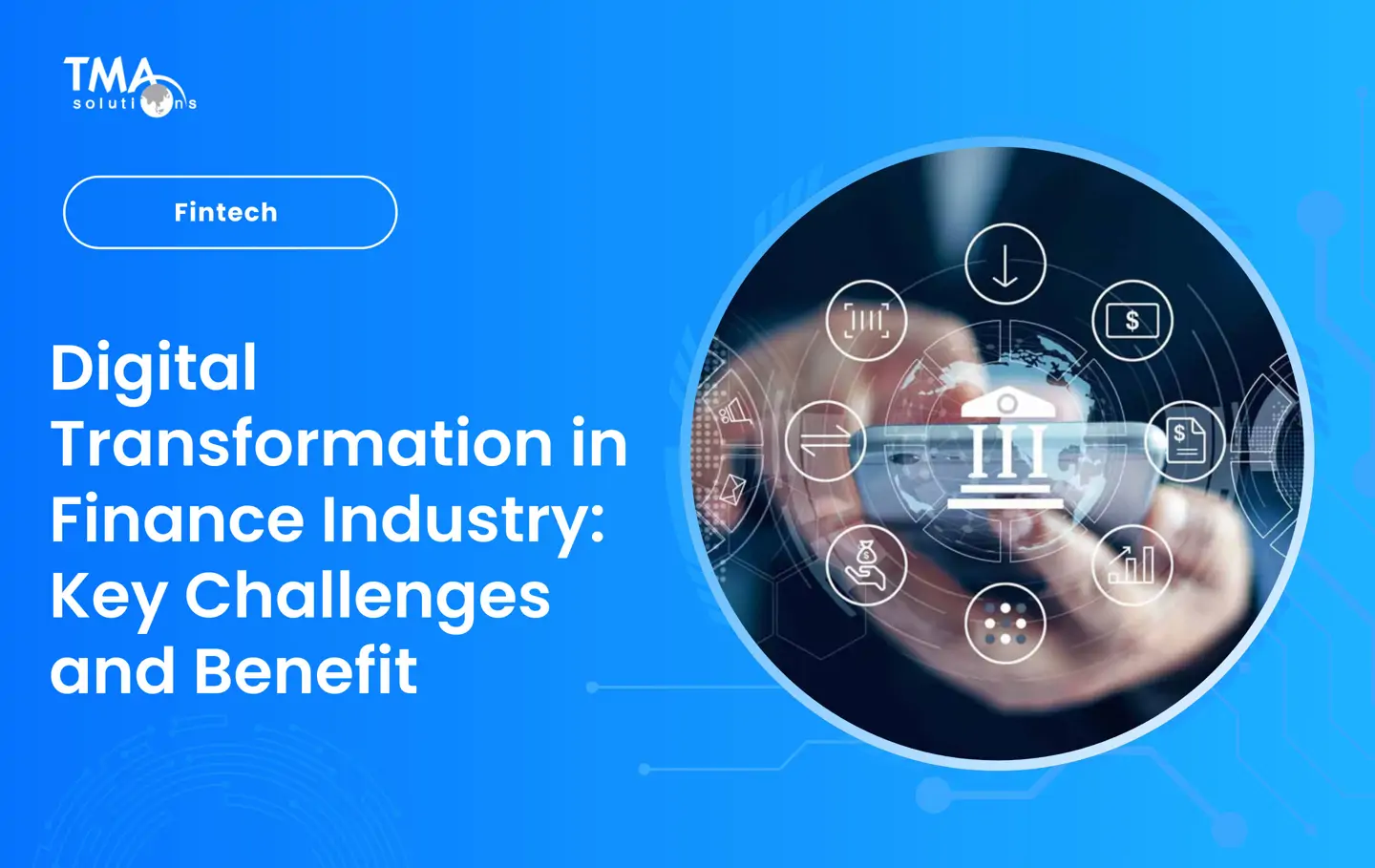
Digital Transformation in Finance Industry: Key Challenges and Benefit The impact of digital transformation on the finance industry The impact of digital transformation in the finance industry is particularly evident in banking, where it is crucial as client expectations evolve alongside fintech innovations. Traditional banks must modernize to compete with digital platforms that offer seamless mobile and online services. This shift enhances the client journey by breaking down data silos and creating an omnichannel experience. Key technologies like AI, IoT, and blockchain play a pivotal role in this transformation, driving automation and operational efficiency. Digital transformation modernizes banking for better client experiences Clients now seek real-time access to personalized financial products with transparency and security. Meeting these demands requires banks to analyze client data to deliver relevant services. Ultimately, this transformation is essential for banks to remain competitive, improve client engagement, and foster long-term growth. In today’s fast-evolving financial landscape, digital transformation is no longer a luxury – it's a necessity. The industry faces significant disruption as clients demand seamless, tech-driven solutions. This article explores the critical elements of digital transformation in finance industry , highlighting the challenges and benefits financial institutions encounter during this digital shift. Challenges in digital transformation in the finance industry While digital transformation presents significant opportunities for financial services companies, it also introduces several key challenges that must be addressed for successful implementation: Digital skills gap and onboarding A successful digital transformation in finance industry requires a workforce equipped with the necessary digital skills. Financial institutions must invest in robust training and onboarding programs to ensure employees can effectively utilize new technologies and understand their evolving roles and adapt to new workflows. Continuous learning is essential to keep pace with rapid technological advancements. Data privacy and cybersecurity Protecting sensitive financial data is paramount. As digital transactions increase, so do the risks of cyberattacks and data breaches. Financial institutions must prioritize robust cybersecurity measures, including advanced threat detection, incident response planning, and strict adherence to data privacy regulations such as GDPR. Maintaining client trust depends on demonstrating a commitment to data security. Robust cybersecurity is crucial for protecting financial data in digital transformation Legacy system integration Integrating new technologies with existing legacy systems is a significant hurdle. Many financial institutions rely on outdated infrastructure that can hinder the adoption of modern solutions. A strategic approach to software implementation, including the use of APIs to bridge the gap between old and new systems, is crucial for smooth integration and avoiding disruptions to core operations. Effective end-user support Providing timely and effective support to both staff and clients is essential for successful digital adoption. Users need readily available assistance when encountering issues with new digital tools and platforms. This includes accessible help resources, intuitive user interfaces, and responsive support channels to ensure a positive user experience. Addressing end-user experience and usability Ensuring that new technologies are user-friendly and meet the needs of both staff and clients is crucial. Financial institutions should actively gather user feedback, analyze user behavior, and identify areas of friction or frustration. This data-driven approach allows for continuous improvement of digital products and services, maximizing user adoption and satisfaction. Managing technology costs and ROI Implementing new technologies requires careful cost-benefit analysis and budget planning. Financial institutions must consider not only the initial investment but also ongoing maintenance, upgrades, and training costs. Demonstrating a clear return on investment (ROI) for digital transformation initiatives is essential for securing buy-in and justifying technology expenditures. Digital transformation requires cost analysis and demonstrable ROI for financial institutions Navigating regulatory compliance The highly regulated financial sector requires strict adherence to various legal and compliance standards. Digital transformation initiatives must be carefully vetted to ensure they comply with all applicable regulations, including data privacy, security, and financial reporting requirements. Non-compliance can result in significant penalties and reputational damage. Technology's role in digital transformation in the finance industry Digital transformation in finance industry relies on a suite of interconnected technologies that are reshaping how institutions operate, serve clients, and manage risk. Here are the key technologies driving this transformation: API integration APIs are fundamental to modern banking, enabling seamless data exchange and service integration between different software applications. This allows banks to connect with new clients and partners, create innovative products and services, and improve operational efficiency by avoiding redundant development efforts. APIs are crucial for open banking initiatives and facilitating third-party integrations. Cloud computing and mobile solutions Cloud computing is now a cornerstone of financial services' digital transformation, providing scalable and flexible resources that enable faster operations and agile infrastructures. The pandemic-driven surge in mobile banking, with registrations spiking by 200%, has further accelerated cloud adoption. Financial institutions leverage the cloud for secure data hosting, streamlined processes, and seamless application access, resulting in enhanced service availability and significant cost savings. This cloud and mobile integration future-proofs digital capabilities and enhances client experiences, ensuring competitiveness in the digital age. Cloud and mobile solutions drive financial transformation, enhancing agility and accessibility AI and machine learning AI and machine learning (ML) are central to the digital transformation of financial services, impacting client experience, security, decision-making, and operational efficiency. AI enhances client interactions through chatbots and virtual assistants, providing instant support and personalized insights. ML algorithms bolster security by detecting fraud and improving credit underwriting. Advanced data analysis powered by AI and ML facilitates data-driven decisions and personalized product recommendations. Finally, AI-driven automation streamlines processes like KYC/AML checks, increasing efficiency and compliance. IoT connectivity The Internet of Things (IoT) connects physical devices through sensors and software, opening new avenues for financial services. This connectivity enhances client experiences with instant contactless payments, seamless mobile banking interactions, and usage-based insurance models driven by real-time data. Operationally, IoT devices, such as smart sensors, optimize workforce dynamics and reduce building management costs. Furthermore, IoT data strengthens risk management by improving authorization processes and enabling more accurate risk assessments. Blockchain technology Blockchain technology is rapidly becoming a key driver of innovation in financial services, offering enhanced security, transparency, and decentralization. By securing data transactions and providing a transparent interface, blockchain builds client trust and streamlines operations. While still in early adoption, it holds significant potential to improve key processes like supply chain management, trading, and claims processing through smart contracts. Blockchain drives financial innovation with enhanced security and transparency Notably, blockchain can revolutionize global payments, reducing transaction times from days to seconds with 24/7 availability. This transformative potential has captured industry attention, with a growing number of financial institutions planning implementation. Cybersecurity and privacy Financial services companies manage highly sensitive client and third-party data, making them prime targets for cyberattacks. Data breaches can result in significant financial losses, reputational damage, legal liabilities, and regulatory sanctions. Therefore, robust cybersecurity and data privacy measures are paramount. Financial institutions must prioritize advanced threat detection and rapid incident response capabilities, implementing real-time defense mechanisms to effectively mitigate evolving cyber threats and protect sensitive information. Data analytics The financial services industry is rapidly adopting big data analytics to leverage the vast volumes of data generated from diverse sources such as mobile devices, computers, and sensors. Modern analytics solutions enable financial organizations to efficiently process and validate this heterogeneous data, extracting valuable insights that drive strategic initiatives. C-level executives are utilizing these insights to enhance marketing efforts, create personalized client experiences, and automate key processes through machine learning algorithms. By effectively harnessing big data, financial institutions gain a significant competitive advantage in today's dynamic digital landscape. Automation with RPA Robotic Process Automation (RPA) is rapidly becoming a standard tool in financial services, with Gartner reporting that approximately 80% of finance leaders have already implemented or are planning to implement it. By automating repetitive tasks and processes, RPA significantly enhances accuracy in financial analysis and forecasting. RPA automates finance processes, boosting accuracy and efficiency Furthermore, when combined with other intelligent automation technologies, RPA drives substantial improvements in operational efficiency, regulatory compliance, and overall productivity, augmenting the digital capabilities of financial institutions Drivers of digital transformation in finance industry Several key factors are driving digital transformation in finance industry , particularly within banking and financial services: Client-centricity A central driver of digital transformation is the increasing focus on the client journey. Banks are leveraging data and emerging technologies to create personalized banking experiences tailored to individual client needs and preferences. This client-centric approach aims to enhance engagement, satisfaction, and loyalty. Digital transformation drives client-centric banking through personalized experiences Modern infrastructure for efficiency Modernizing infrastructure is crucial for achieving the operational efficiency and agility required in the digital age. Technologies like automation and AI streamline internal processes, reduce costs, and provide banks with a significant competitive advantage by enabling faster service delivery and improved responsiveness. Data-driven intelligence Advanced data analytics plays a vital role in data-driven decision-making. By breaking down traditional data silos and implementing sophisticated analytics tools, banks can gain deeper insights into client behavior, market trends, and operational performance. This enhanced data analysis facilitates better risk management, more effective strategic planning, and the development of innovative new products and services. Cybersecurity resilience As banking services become increasingly digital, robust security measures are paramount. Digital transformation initiatives prioritize advanced cybersecurity protocols to protect sensitive client data and mitigate the growing threat of cyberattacks. These measures include advanced fraud detection systems, robust authentication methods, and adherence to evolving regulatory compliance standards. Digital integration The broader digital revolution is compelling the financial sector to embrace digital-first strategies. Digital integration compels finance to adopt digital-first strategies Key digitization initiatives, such as strategic partnerships with fintech startups and the adoption of open banking frameworks, are expanding service offerings, fostering innovation, and creating more interconnected and accessible financial ecosystems for all stakeholders. Key benefits of digital transformation in finance industry Digital transformation in finance industry is reshaping banking, creating opportunities, and improving client satisfaction. Key benefits include: Democratizing investment opportunities Digital transformation has fundamentally reshaped investment banking, shifting the focus from large institutional clients to a broader range of individual investors. This democratization of investment opportunities is facilitated by all-in-one digital platforms that cater to shorter-term investment goals. Data-driven insights derived from client profiles now inform product offerings and technological decisions, enabling more targeted and relevant services. Streamlined compliance with automation Modern financial management systems are essential for maintaining regulatory compliance in today's complex financial landscape. Digital transformation enables automated processes that streamline compliance tasks such as auditing and reporting, freeing up employees to focus on higher-value activities. Cloud-based systems further enhance compliance by providing automatic updates and ensuring adherence to the latest regulations. Digital transformation automates compliance, streamlining tasks, and enhancing regulatory Expanded client base A digital-first approach significantly expands a bank's reach and facilitates client acquisition. By offering transparent services and 24/7 account access through digital channels, banks can attract and engage a wider client base, overcoming geographical limitations and providing greater convenience. Advanced security measurement While digitization brings new security challenges, it also provides access to advanced security solutions. Sophisticated software development services play a crucial role in protecting sensitive client data and mitigating the risk of cyberattacks and fraud. Robust security measures are paramount to maintaining client trust and ensuring the integrity of digital banking operations. Personalized banking experiences Digital transformation empowers banks to deliver highly personalized banking experiences. By leveraging data analytics and client insights, banks can understand individual client needs and preferences, offering tailored products and services. This shift towards personalized banking transforms the client relationship, moving from infrequent interactions to a continuous, secure, and trusted digital ecosystem. Key trends in digital transformation in the finance industry Several key trends are shaping the future of digital transformation in finance industry : Mobile-first banking Mobile banking has become an essential service, with a rapidly growing user base. The convenience and accessibility of mobile apps are driving this trend, expanding financial services to remote areas and attracting new clients. The evolution of payments The payments landscape has undergone a significant transformation, moving away from cash towards digital solutions like contactless cards, digital wallets, and peer-to-peer platforms. Technologies like blockchain and open banking APIs are further enhancing security, streamlining transactions, and enabling innovative features like automated bill splitting. Digital payments evolve with blockchain and APIs for seamless transactions Data-driven insights and personalization Advanced analytics of big data is providing valuable client insights, enabling personalized engagement across various channels. Predictive models and AI-powered hyper personalization, such as fraud detection and targeted offers, are enhancing client experiences and optimizing business strategies. This data also informs portfolio management and risk assessment. Embedded finance Embedded finance seamlessly integrates financial products and services into non-financial platforms, such as retail apps and gig economy platforms. This contextual integration offers clients convenient access to tailored loans, insurance, and payment plans within their existing digital experiences, benefiting both clients and partner businesses. A strategic guide to digital transformation in the finance industry In today's rapidly evolving market, digital transformation in finance industry is no longer optional for financial institutions—it's essential for staying competitive. While the process can seem daunting, a structured approach can unlock significant benefits. Here's a step-by-step guide: Step 1: Define clear business objectives Before embarking on any transformation, establish specific, measurable, achievable, relevant, and time-bound (SMART) objectives. Clearly define what your institution aims to achieve through digital transformation, both in terms of business outcomes (e.g., increased revenue, reduced costs) and technical improvements (e.g., improved efficiency, enhanced security). Step 2: Evaluate current technology and processes Conduct a thorough assessment of your existing technology infrastructure and business processes. Identify strengths, weaknesses, and areas for improvement. Determine which processes are essential to retain and which need to be adapted or replaced in the digital landscape. Consider constraints like budgets and timelines. Evaluate existing technology and processes for successful digital transformation Step 3: Align with client needs and market trends Understand your client base and their evolving needs in the digital age. Leverage data analytics to segment clients, analyze product usage, and identify popular digital services. Align your transformation strategy with these insights to enhance client experiences and drive adoption. Step 4: Assess resources and prioritize initiatives Realistically assess your available resources, including budget, personnel, and technical expertise. Prioritize transformation initiatives based on their potential impact and feasibility. Focus on achieving early wins to build momentum and secure stakeholder buy-in. Step 5: Present a compelling business case Develop a comprehensive business case that clearly articulates the need for transformation, the proposed strategy, the expected benefits, and the associated costs. Present this business case to key stakeholders, including the C-suite and board of directors, to secure their approval and support. Conclusion The digital transformation in finance industry is revolutionizing banking operations, making them more efficient, secure, and client-centric. By adopting technologies like AI, blockchain, and cloud computing, financial institutions can stay competitive, foster innovation, and deliver exceptional client experiences. However, overcoming challenges such as cybersecurity risks, regulatory hurdles, and legacy system limitations is crucial for a successful transformation journey....
icon
Digital Twins: The Virtual Blueprint for Optimized Production in Digital Manufacturing Conclusion: The Future Is Here The digital twin is not a technology of the future—it is a critical tool for today's digital manufacturing. By bridging the gap between the physical and digital worlds, it provides an unparalleled level of visibility, control, and foresight. For companies that want to optimize their production, enhance their agility, and stay ahead in a competitive market, adopting a digital twin strategy is no longer an option, but a necessity. What Is a Digital Twin? A digital twin is more than just a 3D model. It’s a dynamic, virtual representation that uses data from sensors and IoT devices to accurately reflect the state and behavior of a physical object in real time. For manufacturing, this can be a single machine, an entire production line, or even a whole factory. The digital twin constantly receives data, such as temperature, pressure, vibration, and performance metrics. This stream of information allows it to mimic the physical system's actions and predict future behavior. The Role of Digital Twins in Optimizing Production Digital twins are crucial for enhancing operational efficiency and making data-driven decisions. They provide a safe, risk-free environment for experimentation and analysis. Process Optimization and Simulation : Digital twins enable manufacturers to simulate and test various production scenarios without disrupting the actual workflow. For example, a manufacturer can use a digital twin to model changes to the factory layout, adjust a production sequence, or test a new material to see how it impacts efficiency, costs, and waste. This helps identify and eliminate bottlenecks before they become real problems. Proactive Maintenance and Failure Prediction : By continuously monitoring real-time data from a physical asset, a digital twin can predict potential failures. It can detect subtle anomalies, such as unusual vibrations or temperature spikes, that might signal a component is about to fail. This capability allows teams to schedule maintenance precisely when it's needed, preventing costly unplanned downtime. Improved Product Quality and Design : In the design phase, a digital twin allows for virtual prototyping and testing. Manufacturers can simulate how a product will perform under various conditions, enabling them to refine designs, spot potential flaws, and reduce the need for expensive physical prototypes. This ensures the final product meets all specifications and quality standards. Use Cases and Real-World Impact The power of digital twins is best illustrated through real-world applications: Automotive Industry : A car manufacturer uses a digital twin of an assembly line to optimize robot movements and ensure every part is installed correctly, which helps improve product quality and reduce rework. Aerospace : A company can create a digital twin of a jet engine to monitor its performance in real time during a flight, using the data to predict maintenance needs and extend the engine's lifespan. TMA Solutions and the Digital Twin At TMA Solutions, we believe the digital twin is a cornerstone of a truly smart factory. We provide comprehensive digital twin services that integrate with existing factory ecosystems, helping businesses visualize, analyze, and optimize their operations. Figure 1: Digital Twin Our approach includes: Data Integration : We connect disparate data sources—from IoT sensors and legacy machines to MES and ERP systems—to create a unified digital model. Virtual Modeling and Simulation: We build precise virtual replicas of your production lines, allowing you to run "what-if" scenarios to identify hidden efficiencies. Real-time Dashboards : Our dashboards provide a single pane of glass to monitor the health and performance of your physical assets, helping you make informed decisions quickly. Introduction: The Power of a Virtual Copy In the digital manufacturing landscape, a "digital twin" is one of the most transformative concepts. It's a virtual replica of a physical asset, process, or system that continuously syncs with its real-world counterpart. This living, breathing digital model allows manufacturers to simulate, analyze, and optimize operations without ever interrupting the physical production line. While the concept may seem complex, its application is straightforward and delivers significant value. According to research, companies that use digital twins can gain real-time insights, shorten time-to-market, and achieve substantial cost savings....