Introduction
The electronics industry has undergone rapid digital transformation, particularly with the adoption of digital manufacturing technologies. From early-stage PCB simulation to real-time energy optimization on the production line, manufacturers are increasingly leveraging digital twins, AI-powered modeling, and IoT-based monitoring to enhance efficiency, accuracy, and sustainability. This article explores how these advancements are applied specifically in electronics manufacturing, drawing from real-world studies and use cases.
PCB Simulation: The Foundation of Precision
Modern electronics production begins with accurate PCB (Printed Circuit Board) simulation. By digitally replicating circuit behavior—including signal integrity, power integrity, and thermal performance—manufacturers can detect design flaws early, reduce iterations, and speed up time-to-market. According to a recent study on circuit simulation, advanced methods such as SPICE modeling, electromagnetic simulation, and parasitic extraction are now standard tools for high-speed board design and reliability assurance. These simulations play a crucial role in ensuring signal quality and preventing overheating in compact multi-layer PCBs.
TMA Solutions has supported electronics clients by implementing custom simulation workflows, leveraging open-source and commercial tools (e.g., LTspice, Altium Designer integration) to streamline PCB verification processes. By combining simulation expertise with domain knowledge, TMA reduces redesign time and supports high-volume board production.
The Rise of Digital Twins in SMT-Assembly
Surface-mount technology (SMT) is at the heart of electronics manufacturing. A notable study demonstrated how applying digital twin models in SMT-PCB assembly lines led to significant improvements in energy efficiency and process stability. The model continuously monitored parameters such as placement speed, oven temperature, and power consumption, then optimized them using feedback control loops. This real-time twin integration not only cuts down energy waste but also increases production throughput.
TMA has developed digital twin platforms customized for electronics factories, integrating machine telemetry data into visual dashboards and alert systems. The digital twin module can be embedded into a broader MES, enabling real-time visualization of SMT machine status, predictive quality control, and shift-based energy tracking.
Hybrid Digital Twins: A Deeper Layer of Optimization
While conventional digital twins reflect system behavior using data alone, hybrid digital twins combine physics-based simulation with real-time data analytics. A 2024 ScienceDirect publication revealed that this hybrid approach significantly outperformed data-only models in predicting energy consumption and identifying system bottlenecks. For electronics factories managing complex processes—like reflow soldering or multilayer PCB printing—hybrid digital twins provide a more comprehensive control framework.
A study from SpringerLink demonstrated that digital twin implementation led to a 29.5% reduction in energy use, saving 13,600 kWh and €3,300 annually per machine.
TMA’s simulation and AI teams collaborate on hybrid modeling frameworks using Python-based simulation engines, paired with real-time analytics from edge IoT devices. These solutions empower factories to automatically recalibrate workflows and detect outliers in thermal or electrical processes.
Real-World Adoption: Energy Monitoring in Factories
Large-scale electronic manufacturers are already adopting energy monitoring systems integrated with IoT and cloud platforms. Arrow Electronics reported that such systems enabled operational teams to track real-time energy usage across assembly stations, detect inefficiencies, and reduce peak loads during production cycles. These solutions often feed data into broader enterprise platforms, including MES (Manufacturing Execution Systems) and ERP (Enterprise Resource Planning), enabling full visibility and coordination.
Studies in IoT-driven factories also report 18% energy reduction and 22% downtime reduction, especially when paired with MES and AI analytics.
TMA offers end-to-end energy monitoring systems using AWS IoT Core and embedded sensors. Our customizable dashboards and AI modules provide historical usage analysis, anomaly detection, and real-time alerting. These solutions have been deployed for both high-mix low-volume (HMLV) and high-volume production lines.
Strategic Impact Beyond PCB
Even beyond SMT lines, the philosophy of digital manufacturing applies to battery, semiconductor, and component manufacturing. A whitepaper from Fraunhofer Institute outlines how end-to-end digitization—from virtual commissioning to predictive maintenance—supports energy-aware decision-making throughout the product lifecycle. Though the context is battery cell production, the architecture is highly transferable to electronics plants.
In a similar fashion, TMA Solutions has delivered predictive maintenance platforms for industrial clients, combining vibration analysis, temperature sensing, and anomaly classification to reduce downtime. These solutions are now being adapted for electronics manufacturing under the Smart Manufacturing initiative.
TMA’s Smart Manufacturing Offering
TMA Solutions offers a portfolio of digital manufacturing solutions tailored for the electronics industry, many of which are directly applicable to the use cases discussed in this article:
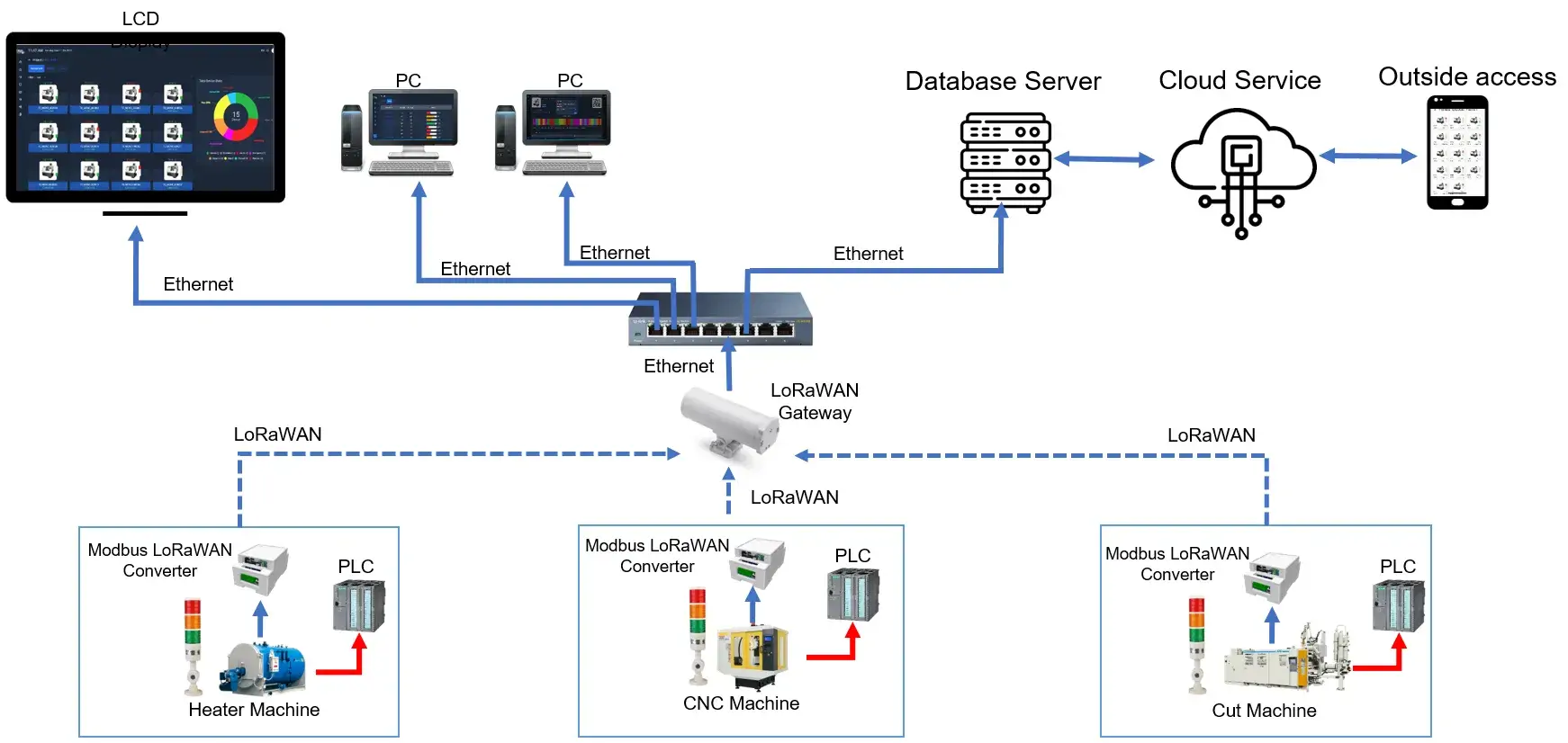
Machine Monitoring System (MMS): TMA Solutions provides a scalable IoT platform for a client who is a manufacturing facility in Asia, designed to connect machines and devices from different vendors, regardless of communication protocols or data formats. By centralizing data, it offers a unified view of the entire facility’s operations. The platform’s built-in data analysis can detect issues early and predict potential failures, helping operators make smarter decisions. This leads to a 20% reduction in downtime and a 15% increase in overall productivity. TMA’s solution is perfect for manufacturing companies looking to streamline machine monitoring and predictive maintenance in one integrated platform.
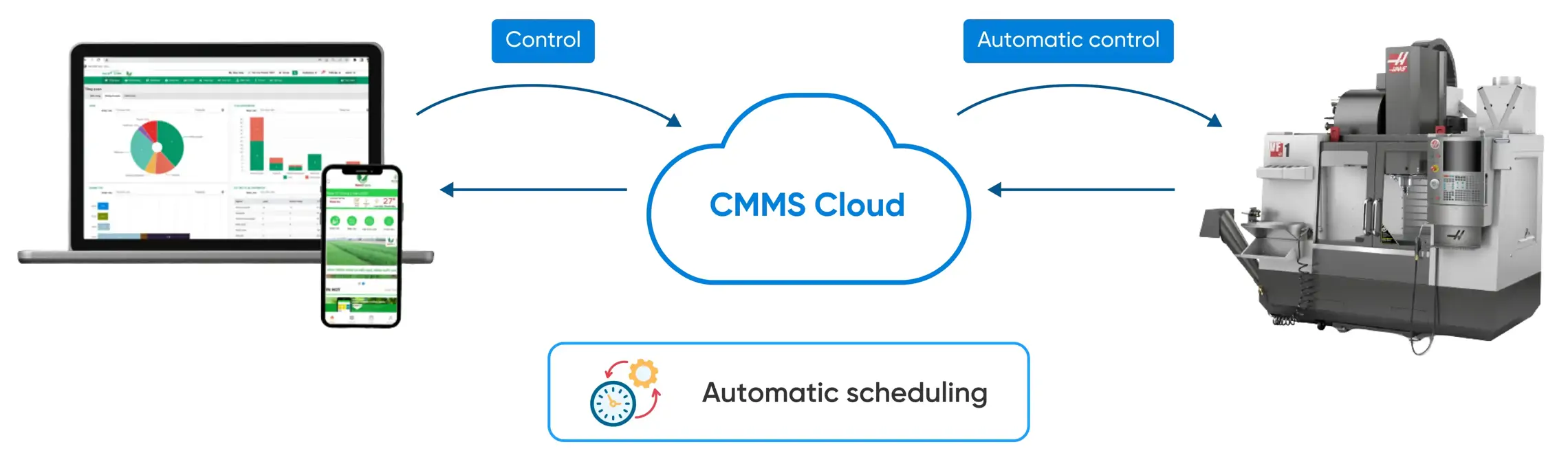
Computerized Maintenance Management System (CMMS): TMA’s CMMS (Computerized Maintenance Management System) was implemented as part of a digital manufacturing initiative for a leading fast-food chain in Vietnam, aiming to modernize equipment maintenance across all locations. The system enabled real-time monitoring, QR code-based ticketing, and automated scheduling of preventive tasks for assets such as refrigeration units, cooking appliances, and POS terminals. This digital shift led to a 30% reduction in unplanned downtime and extended equipment lifespan by 15–20%. By centralizing maintenance data and enabling data-driven decision-making, the CMMS helped the brand enhance operational efficiency, ensure food safety compliance, and demonstrate how digital manufacturing principles can be effectively applied beyond traditional factory settings.
Conclusion
Digital manufacturing in electronics is more than automation—it's data-driven precision, responsiveness, and sustainability. By combining PCB simulation, digital twins, hybrid modeling, and energy intelligence, manufacturers can not only streamline production but also align with green manufacturing goals. As shown through various studies and industry reports, this convergence of technologies is not a future vision, but a present-day necessity—and companies like TMA Solutions are enabling this transformation through real-world deployments.


.webp_2026-10-01-18-27-07-971.webp)
.webp_2026-10-01-18-17-11-290.webp)
.webp_2026-10-01-18-08-26-854.webp)
.webp_2026-10-01-17-47-32-240.webp)