Healthcare systems worldwide are under increasing pressure from population aging, the rising prevalence of chronic diseases, and the growing demand for home-based care services. As more patients require long-term treatment outside traditional clinical settings, healthcare providers face mounting challenges in managing prescriptions, coordinating referrals, and maintaining continuity of care across multiple providers and care locations.
Medication management remains one of the most significant challenges in chronic disease care. According to the World Health Organization (WHO), adherence among patients with chronic conditions averages only 50% in developed countries, meaning many patients do not take medications as prescribed, increasing the risk of complications, hospitalizations, and unnecessary healthcare costs.
At the same time, healthcare professionals continue to struggle with administrative burdens associated with paper-based prescriptions, referral paperwork, and fragmented communication processes. The American Medical Association (AMA) notes that excessive administrative tasks contribute to physician burnout and reduce the time available for direct patient care.
As healthcare organizations pursue more efficient and patient-centered care models, digital prescriptions and automated referral systems are emerging as essential tools for modern homecare delivery. These technologies streamline medication management, improve communication between providers, and help ensure patients receive timely access to appropriate care.
Understanding Digital Prescriptions and Automated Referrals
Digital healthcare technologies are transforming how healthcare professionals manage patient care across different settings.
What Are Digital Prescriptions?
Digital prescriptions, also known as electronic prescriptions or e-prescriptions, allow healthcare providers to generate, transmit, and manage prescriptions electronically instead of using paper-based methods.
Why Digital Prescriptions Matter in Homecare
For patients receiving homecare services, medication management is often a continuous and complex process. Many elderly patients and individuals with chronic diseases take multiple medications simultaneously, making prescription accuracy and adherence critical to treatment success.
Supporting Better Medication Management
Digital prescribing systems help healthcare providers create, transmit, and manage prescriptions electronically, reducing the risks associated with handwritten prescriptions and manual workflows.
Reducing Medication Errors
Medication errors remain a major patient safety concern worldwide. According to the Academy of Managed Care Pharmacy (AMCP), medication errors harm at least 1.5 million people annually and generate billions of dollars in avoidable healthcare costs.
Digital prescribing can significantly reduce these risks by:
- Eliminating handwriting-related errors: Electronic prescriptions improve legibility and reduce interpretation mistakes.
- Improving prescription accuracy: Clinical decision support tools help identify dosage issues and prescribing errors before prescriptions are issued.
- Reducing duplicate therapies: Digital systems provide visibility into patients' medication histories.
- Enhancing patient safety: Automated checks help prevent adverse drug events.
Research published in the Journal of Medical Internet Research found that e-prescribing systems can reduce prescribing errors substantially while improving workflow efficiency and lowering healthcare costs.
Improving Medication Adherence
Beyond prescription accuracy, digital tools can help address medication non-adherence, a persistent challenge in chronic disease management.
Healthcare organizations can leverage digital prescribing systems to support:
- Automated medication reminders: Notifications help patients stay on schedule with treatments.
- Simplified prescription renewals: Electronic workflows reduce delays in obtaining refills.
- Improved patient engagement: Digital tools provide easier access to medication information.
- Better treatment continuity: Providers can monitor medication fulfillment and adherence trends.
According to the CDC, providers using electronic prescribing increased first-fill medication adherence by approximately 10% compared with paper-based prescribing methods.
How Automated Referrals Improve Homecare Coordination
Timely referrals are critical for homecare patients who often require services from multiple providers, including physicians, nurses, therapists, specialists, and caregivers.
Accelerating Access to Care
Traditional referral processes frequently involve phone calls, fax transmissions, manual paperwork, and fragmented communication between organizations.
Automated referral systems help address these challenges by:
- Reducing referral processing times: Information can be shared electronically and instantly.
- Improving communication between providers: All stakeholders have access to relevant patient information.
- Enhancing referral visibility: Providers can track referral status in real time.
- Supporting continuity of care: Patients experience fewer delays when transitioning between services.
Supporting Multidisciplinary Homecare Teams
Homecare often requires coordination among multiple professionals. Automated referrals facilitate collaboration by ensuring patient information is available across care teams.
This improves:
- Care coordination.
- Clinical decision-making.
- Service scheduling.
- Follow-up management.
Reducing Administrative Burden
Administrative inefficiencies remain a significant challenge across healthcare systems.
Common issues include:
- Manual paperwork.
- Duplicate data entry.
- Lost documentation.
- Delayed communication.
The AMA highlights that administrative burden interrupts patient care, contributes to clinician burnout, and creates workflow inefficiencies throughout healthcare organizations.
By automating referral workflows, healthcare organizations can reduce repetitive administrative tasks and allow staff to focus more on patient care activities.
Key Benefits of Digital Prescriptions and Automated Referrals
When integrated into homecare workflows, digital prescription and referral systems deliver measurable benefits for both patients and providers.
Improving Operational Efficiency
Digital workflows eliminate many of the manual processes associated with traditional healthcare administration.
Healthcare organizations can benefit from:
- Faster documentation processes: Information is captured and shared electronically.
- Reduced administrative workload: Staff spend less time on paperwork.
- Improved workflow visibility: Referral and prescription status can be tracked in real time.
- Better resource utilization: Providers can focus on patient care rather than administrative tasks.
Enhancing Patient Outcomes
More efficient care coordination can directly influence clinical outcomes.
Benefits include:
- Faster treatment initiation: Patients receive medications and specialist services sooner.
- Improved medication adherence: Digital engagement tools help patients stay on treatment plans.
- Reduced care delays: Automated workflows streamline access to services.
- Higher patient satisfaction: Patients experience a more connected healthcare journey.
Research indicates that medication non-adherence contributes to approximately 10% of hospital readmissions and affects nearly half of patients with chronic diseases, highlighting the importance of technologies that support ongoing treatment management.
Challenges in Implementing Digital Prescription and Referral Systems
While the benefits are significant, successful implementation requires organizations to address both technical and operational barriers.
Data Integration and Interoperability
Healthcare information is often distributed across multiple platforms, departments, and providers.
Organizations commonly encounter:
- Fragmented health records: Patient information may reside in disconnected systems.
- Legacy infrastructure: Older technologies can limit integration capabilities.
- Data standardization issues: Different systems may use incompatible formats.
- Interoperability challenges: Information exchange between organizations remains complex.
To build connected homecare ecosystems, organizations increasingly invest in:
- EHR integration.
- Cloud-based architectures.
- Standardized healthcare data formats.
- Interoperable digital platforms.
Security and Regulatory Compliance
Because healthcare data is highly sensitive, digital prescription and referral systems must incorporate robust security measures.
Key priorities include:
- Patient privacy protection: Safeguarding confidential health information.
- Secure data transmission: Protecting information during exchange.
- Access control mechanisms: Ensuring only authorized users access patient records.
- Regulatory compliance: Meeting requirements such as HIPAA and regional healthcare regulations.
Strong governance frameworks help organizations reduce risks, improve trust, and support long-term adoption of digital healthcare technologies.
Future Trends in Digital Prescribing and Referral Management
The next generation of homecare technologies will extend beyond simple digitization and increasingly leverage artificial intelligence, interoperability standards, and predictive analytics.
AI-Powered Clinical Decision Support
Artificial intelligence is expected to enhance prescription and referral processes by helping healthcare providers make more informed decisions.
Future capabilities may include:
- Identifying medication risks automatically.
- Recommending appropriate referral pathways.
- Predicting patient care needs.
- Supporting personalized treatment plans.
According to Deloitte, AI-enabled healthcare systems have the potential to improve clinical decision-making while reducing administrative burdens across healthcare organizations.
Greater Interoperability Across Healthcare Ecosystems
As healthcare organizations adopt standardized data exchange frameworks such as HL7 FHIR, information sharing between providers is becoming more seamless.
Improved interoperability can help:
- Reduce duplicated tests and procedures.
- Improve care coordination.
- Accelerate referral processing.
- Enhance continuity of care.
Expanding Patient-Centered Care Models
Digital prescriptions and automated referrals are expected to become increasingly integrated into broader patient engagement strategies.
Future homecare platforms may support:
- Self-service appointment scheduling.
- Digital medication management.
- Personalized health recommendations.
- Continuous care coordination.
These capabilities can help create more connected and proactive healthcare experiences while empowering patients to participate more actively in managing their health.
How TMA Solutions Supports Digital Homecare Transformation
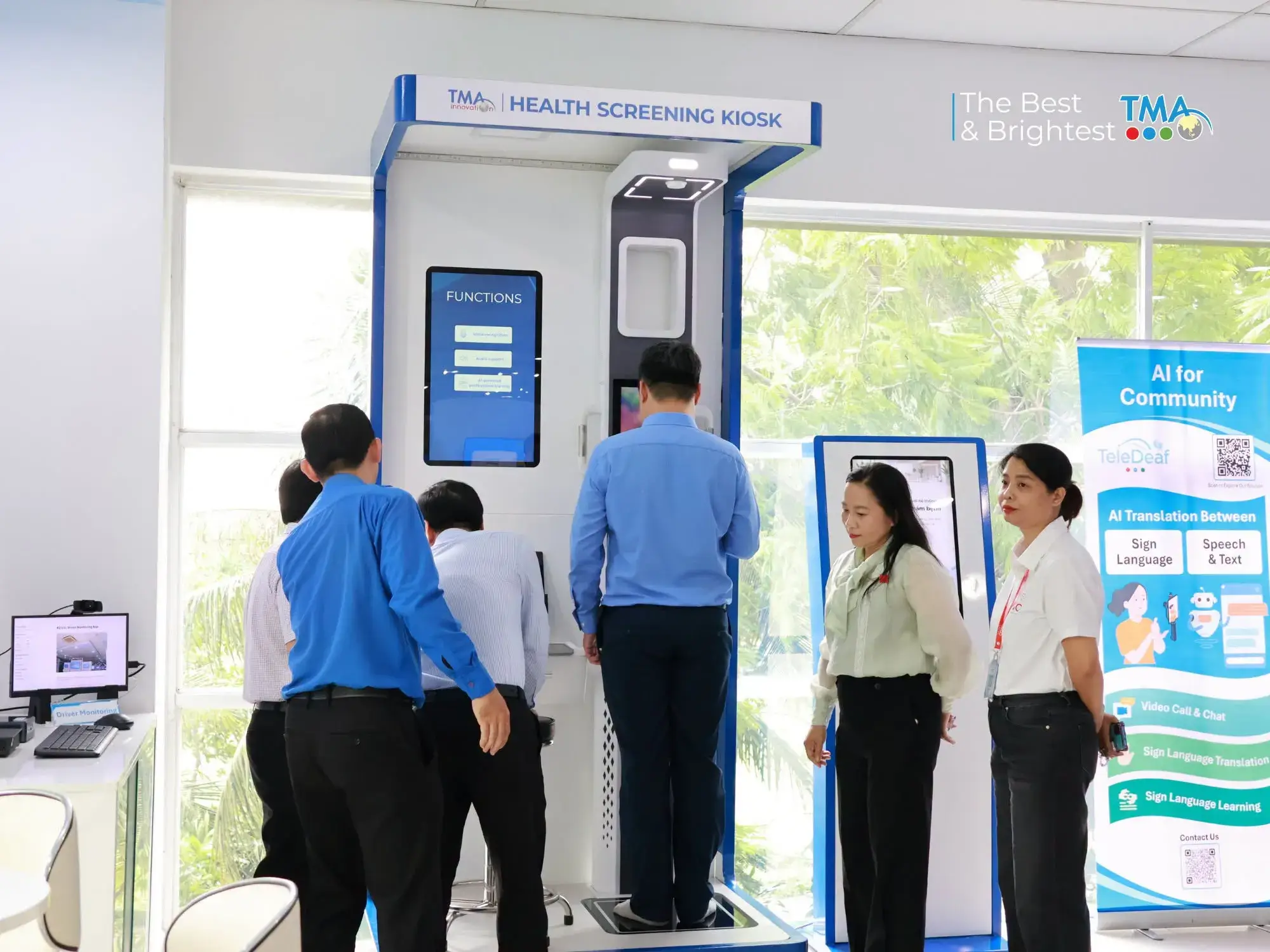
As healthcare organizations increasingly adopt digital-first care models, selecting the right technology partner becomes critical for ensuring successful implementation and long-term scalability. Digital prescriptions and automated referrals require more than standalone software; they depend on secure integration, interoperable systems, and seamless coordination across healthcare providers, patients, and caregivers.
With nearly 30 years of software development experience and more than 16 years of expertise in healthcare technologies, TMA Solutions helps healthcare organizations modernize care delivery through telehealth, remote patient monitoring, healthcare analytics, AI-powered solutions, and digital care management platforms.
Building Connected Homecare Ecosystems
Modern homecare services require continuous communication and information sharing among healthcare professionals, caregivers, and patients. TMA Solutions develops digital healthcare solutions that improve care coordination while supporting more personalized and efficient care delivery.
Healthcare Technology Capabilities
TMA's healthcare expertise includes:
- AI & Healthcare analytics
- Telehealth
- Disability care
- Nursing Home Management
- Fitness solution
- Remote health monitoring
- Home care
- Electronic health record (EHR) integration
- Healthcare kiosk
- Clinical Research Tools
- Device Integration
- Senior care services
- Medication management
- Pharmacy automation
- Healthcare self-services
Benefits for Healthcare Organizations
These solutions help providers:
- Improve care continuity.
- Enhance patient engagement.
- Reduce administrative workloads.
- Increase operational efficiency.
- Deliver more personalized care experiences.
Conclusion
The growing demand for home-based care, combined with rising rates of chronic diseases and aging populations, is driving healthcare organizations to rethink traditional care delivery models. Digital prescriptions and automated referral systems are emerging as essential technologies that help streamline healthcare workflows, improve care coordination, and enhance patient experiences.
By reducing administrative burdens, minimizing medication errors, accelerating referrals, and improving access to healthcare services, these solutions can support more efficient and patient-centered homecare delivery. At the same time, advances in interoperability, artificial intelligence, and digital health platforms are creating new opportunities for healthcare providers to deliver more connected and personalized care.
As healthcare continues its digital transformation journey, organizations that invest in modern prescription management and referral automation technologies will be better positioned to improve patient outcomes, optimize operational efficiency, and build sustainable homecare services for the future.