Home
Search
Found 797 results for “ “ keyword
icon
AI-Driven DevSecOps:Security in Application Deployment and Operations Introduction In today’s digital economy, speed and security in application delivery are inseparable. AI-Driven DevSecOps empowers organizations to embed security throughoutdevelopment, deployment, and operations—helping teams release software fasterwithout increasing risk. According to McKinsey, organizations that adopt DevSecOpssee faster releases and reduced vulnerability backlogs when compared to traditionalapproaches. GitLab’s 2024 survey further highlights that over 75% of teams arealready experimenting with AI to accelerate and secure software delivery. Strengthening Deployment with AI Predictive Vulnerability Prioritization: Traditional scanning often generates alert overload. AI models can learn from historical vulnerability data, helping teams prioritize high-risk issues and reduce wasted effort. Smart Deployment Gates: AI-powered deployment gates dynamically assess risks—such as test anomalies, unusual performance signals, or suspicious dependency patterns—to automatically decide whether a release can continue or should be rolled back. Configuration & Infrastructure Hardening: AI reviews infrastructure-as-code (IaC)templates and runtime configs against compliance and industry best practices, reducing the misconfiguration risks that attackers often exploit. Figure 1: AI-powered deployment pipeline with automated risk assessments AI in Secure Operations (Runtime) Anomaly Detection & Threat Insights: AI continuously learns from system logs and telemetry, identifying deviations that indicate emerging threats beyond what signature-based tools can detect. Autonomous Remediation: AI-driven systems can trigger self-healing actions such as restarting containers, scaling services, or reverting to stable versions—reducing downtime and minimizing human intervention. Continuous Compliance & Governance: By mapping runtime events to standards like NIST or ISO, AI enables ongoing compliance monitoring and alerts teams of potential violations. GitLab research shows that leaders remain cautious aboutexplainability and compliance, reinforcing the need for responsible adoption. Figure 2. CloudWatch Logs are analyzed and summarized byFigure 2. CloudWatch Logs are analyzed and summarized by AI Business Impacts & Risks Faster, safer releases: AI-integrated DevSecOps pipelines reduce bottlenecks while keeping risk posture intact. Efficiency gains: 78% of developers plan to use AI within two years, improving productivity while maintaining secure practices. Trust & compliance: AI-enabled monitoring strengthens governance, reducing audit fatigue and regulatory exposure. Risk: AI blind spots → require human oversight and fallback mechanisms. Governance challenges → demand transparency and explainability in AI models. Data hygiene → clean, labeled telemetry is critical to reliable AI insights. TMA: Your Partner for AI-Driven DevSecOps Solutions At TMA , we translate the promise of AI-driven DevSecOps into practical, repeatable outcomes for enterprises. TMA helps organizations assess risk and readiness, design secure CI/CD pipelines, and deploy AI-enabled controls that span from predictive code and dependency scanning to runtime anomaly detection and automated remediation . Our approach pairs technology with governance: we integrate AI into your existing toolchain (CI/CD, SAST/SCA/DAST, container registries, and observability stacks), establish ModelOps and explainability controls, and define clear human-in-the-loop policies so automated actions remain auditable and reversible. We focus on measurable business outcomes: reduced mean time to detect and respond, fewer high-priority vulnerabilities reaching production, and faster, safer releases — all while preserving human oversight and compliance. Ready to see how TMA can help your organization adopt responsible AI-driven DevSecOps? Contact TMA to start a pilot and build a secure, scalable roadmap....
icon
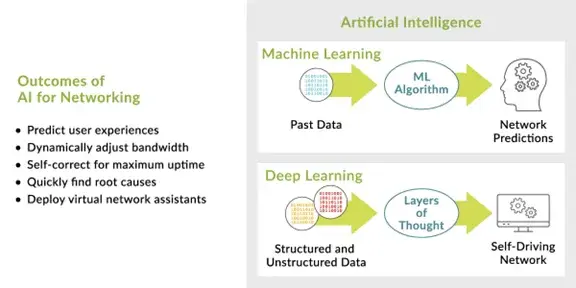
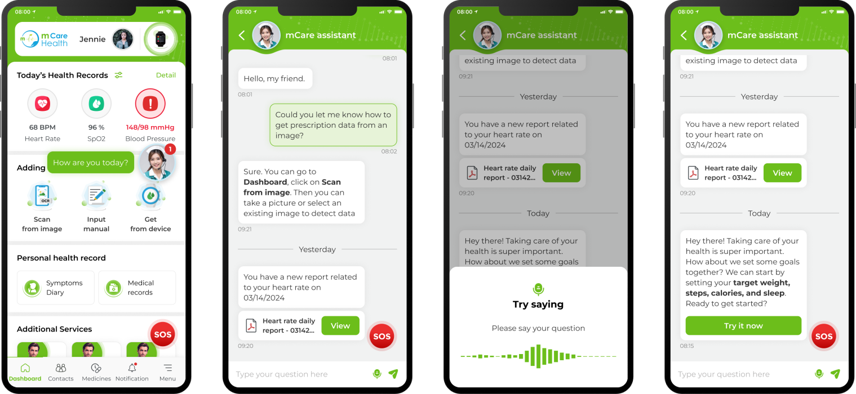
How AI-driven network automation transforms modern IT systems: TMA case study According to Grand View Research, the AI-driven network automation market was valued at 8.67 billion USD in 2023. It is expected to reach 60.60 billion USD by 2030, with an average annual growth rate of 32.5%. At the same time, Ericsson reported that nearly 48% of telecom service providers worldwide have already used AI in their network operations. These numbers show that AI-driven network automation is becoming a natural trend. Let’s explore how this technology is changing modern IT systems in the article below. 1. What is AI-driven network automation? AI-driven network automation means using artificial intelligence in network management to handle tasks like traffic monitoring, problem detection and performance tuning. By combining machine learning, Big Data analytics and predictive models, the system can learn from real data, forecast risks, and flexibly adjust operations. This helps improve the experience for end users. Network management automation with AI 2. Why do businesses need AI-driven network automation? As the need for connection, security, and smooth operations grows, AI-driven network automation becomes the solution that helps businesses stay ready. Increased network reliability AI-driven network automation keeps monitoring the network, spots unusual signs early, and can redirect or balance traffic when needed. This reduces failures and cuts downtime. Improved performance for AI workloads AI workloads often need high bandwidth, low latency and fast data transfer. Network automation can prioritise important data flows, balance traffic and optimise paths. This ensures AI models and apps like chatbots, video analytics, and machine learning training run without delays or congestion. Scalability for growing AI needs When businesses deploy more AI apps (on edge, in cloud, or on devices), the amount of data and connected devices grows fast. AI-driven network automation allows the network to expand flexibly without heavy manual setup, keeping the system stable while scaling. Enhanced security and compliance Many AI systems handle sensitive data such as personal information, internal algorithms, or customer records. Network automation helps keep device settings updated, tracks abnormal activity, and manages access control consistently. Reduced IT workload and human error Manual network management requires much effort, from setup and configuration to monitoring and troubleshooting. AI-driven network automation automates repeated tasks like manual checks or late responses to alerts. This lowers the risk of mistakes, allows IT teams to focus on strategies, and keeps the network more stable. AI-driven network automation is becoming a critical need for businesses 3. Real-world use cases of AI-driven network automation AI-driven network automation has been widely applied across many industries: 3.1. In Life Sciences AI is changing how healthcare works, from patient care to data management. Key use cases include: 24/7 remote patient monitoring: Connected to medical devices and wearables, the system collects health data in real time. AI detects early abnormal signs and sends instant alerts. Smart health kiosks: Patients can check vital signs such as blood pressure, heart rate, and SpO₂ without the need for medical staff. Data integration & AI health analytics: Data from medical devices, prescriptions (OCR), and health records are combined. AI models then predict risks and support doctors in decision-making. Example: The mCare solution by TMA is a strong case. It connects with more than 40 devices and processes real-time data using OCR. Hospitals and families can track patients continuously, spot risks early, and shorten reaction time. 3.2. In Financial Services The finance industry uses AI to automate workflows and reduce risks. Typical applications include: Automated financial reporting: Systems collect data from multiple sources such as bank transactions, ledgers and accounting systems, check consistency, and generate scheduled reports. AI credit scoring and risk models: Based on history, customer profiles and behaviour, AI assigns credit scores and risk levels. Transaction monitoring and anomaly detection: AI tracks transactions across internal networks, APIs, and ATMs to detect fraud, network failures, or attacks. It then triggers automatic responses such as isolation, alerts, or rerouting. Example: In the project Enhance Credit Risk Analysis With AI/ML Technologies, TMA built a risk assessment model using AI and Machine Learning algorithms. The outcome was higher accuracy in classifying high-risk customers, leading to faster and more reliable credit evaluation. 3.3. In Telecom Telecom providers use AI to optimise infrastructure and keep services stable. Key examples include: Self-healing networks: When bottlenecks or transmission errors appear, the system automatically reroutes traffic, balances loads, or restores connections without manual work. Intent-based networking: Engineers only set goals (for example, “increase bandwidth for the VN region” or “apply video priority policy”), and AI translates them into network configurations and deploys them. Edge service quality management: AI improves fast switching between Wi-Fi, 5G, and wired networks. It also monitors edge apps like gaming, AR/VR, and IoT to ensure smooth user experiences. Example: At its Telecom Solution Center, TMA has developed solutions such as Seamless Handover, Adaptive Wi-Fi Connection and 5G Network Slicing Apps. These solutions keep connections stable while users move, improve internet quality in crowded areas, and allocate network resources fairly for each service (for example, video calls or AR/VR). 3.4. In Manufacturing AI is shaping smart factories by streamlining processes and reducing failures. Typical use cases are: Real-time machine monitoring: Sensors collect data, display machine status, measure performance and detect early signs of issues. Predictive maintenance: AI analyses sensor data such as vibration, temperature, and sound to predict failures and schedule maintenance before breakdowns happen. Production optimisation and smart resource management: AI controls equipment, saves energy, tracks environmental data (temperature, humidity) and reacts automatically to changes. Example: TMA built an AI Sound-Based Fault Detection system to monitor machines through audio sensors. The system records and analyses noise, vibrations and sound frequencies. When unusual patterns are detected, it instantly sends alerts to the maintenance team. AI-driven network automation is applied across industries 4. AI-driven vs traditional network automation To give a clearer view, the table below compares AI-driven network automation and traditional network automation based on key factors in IT infrastructure management. Factors Traditional Network Automation AI-Driven Network Automation Adaptability It only works on a fixed set of rules, so it is hard to adapt when the system changes or new scenarios appear. It uses machine learning algorithms to self-adjust, detect anomalies, and adapt to changes in real-time. Responsiveness It reacts based on predefined triggers and rules; unexpected situations often require manual intervention by engineers. It can predict issues and respond faster by analysing data and making proactive decisions. Scalability It can scale, but the process is complex. Each expansion needs new rules and configurations, which can be labour-intensive. It scales easily, as AI can process large data and optimise resources without constant manual adjustments. Reliability It is stable in environments with little change and works well for repeated tasks, but errors often occur when conditions shift. It offers higher reliability, as the system learns from data and reduces errors when network conditions change. Security Security depends on human-defined rules; if rules are wrong or missing, the system is easy to exploit. It can detect anomalies, prevent security risks proactively and support continuous safety monitoring. Cost Low initial cost for simple tasks, but maintenance and scaling become expensive over time. It requires upfront investment in AI and infrastructure, but over time it lowers operating costs through smart automation. AI-driven network automation outperforms traditional network automation 5. Steps to implement AI-driven network automation To apply AI-driven network automation successfully, businesses should follow these steps: Step 1: Check current setup First, review the entire network infrastructure, from devices and architecture to the APIs in use. The IT team must assess data collection ability and AI/ML skills. If there are gaps, fill them with training or new hires before starting the project. Step 2: Define clear goals Set clear objectives such as reducing incident response time, keeping the network stable, improving performance for key apps or lowering operating costs. Each goal should have measurable indicators to track progress and results. Step 3: Choose tools and technologies Consider AIOps for network data analysis, cloud or hybrid cloud for scalability, and HPC or edge computing for intensive processing. Make sure tools support API integration, have high reliability and match long-term strategy. Step 4: Build a scalable data infrastructure A solid data foundation is key for AI. Companies need continuous data collection, centralised and scalable storage, and standardised and encrypted data. Once data is clean and secure, AI models can provide accurate insights. Step 5: Run small tests Instead of rolling out the whole system at once, start with a limited network area. Automate simple tasks like traffic adjustment or fixing common errors. After testing, record real results, compare them with goals and learn before scaling up. Step 6: Make automation event-driven Set up scenarios where AI reacts instantly when network events happen. This includes access control, anomaly monitoring, data encryption and regular audits. Also, follow data protection rules like GDPR or HIPAA. Step 7: Measure, repeat, and improve Build performance tracking to compare results with goals. Keep fine-tuning AI models with new data. Encourage technology trials, invest in AI/ML training for staff, and maintain flexibility to stay competitive long-term. To deploy AI-driven network automation successfully, the implementation team needs strong and deep knowledge in several areas: Networking: Understand network architecture design, routing and transport protocols, and be familiar with hardware configuration and operations. Data Science & AI/ML: Be able to handle large volumes of data, filter and normalize it, and build and train machine learning models to support decision-making. Software Development: Have practical programming skills, use network APIs, and write scripts or automation workflows to integrate into daily operations. Reasons why TMA is the right partner for businesses: Over 28 years of technology experience with hundreds of successful international projects. A team of 4,000 expert engineers with combined skills in networking, data, and AI/ML. Deployment processes aligned with global standards, proven by leading certifications (CMMI, ISO, Agile). High-quality process for implementing AI-driven network automation 6. Challenges of AI-driven network automation and key future trends AI-driven network automation not only creates many current challenges but also opens important trends for the future. Challenges During the implementation of AI-driven network automation, businesses may face several key challenges, such as: Data issues and integrating legacy systems Network data is often scattered, inconsistent, and difficult to synchronise. Legacy systems usually do not support open APIs or real-time data, which makes AI integration complicated. This problem slows down the process of using data and limits the ability to operate automation based on AI. Initial investment costs and ROI The initial cost of AI-driven networking is often very high, from hardware infrastructure and software licences to staff training. Businesses find it hard to define a clear ROI if they do not have strong baseline data. This leads to concerns about payback time and the risk of spending beyond the planned budget. Ensuring security and regulatory compliance Applying AI in networks expands the attack surface and increases the risk of data leaks. The system also has to meet strict regulatory and security standards. If these requirements are not fulfilled, organisations may face legal risks, financial penalties and a loss of customer trust. Needs better wording & coherence AI-driven automation requires staff with deep knowledge of networking, data, and software. Many organisations lack people with enough cross-disciplinary skills. The difficulty lies in the need to adapt quickly while technology keeps changing, which makes the skills gap even bigger. Future Along with the challenges, AI-driven network automation also opens important trends for the future, such as: Emerging technology trends (Intent-based networking, AIOps) New trends like Intent-based Networking and AIOps are shaping the future of AI-driven networking. They promise to improve performance and upgrade the way networks are managed, as business goals can be translated into automatic policies and big data can be processed in a smarter way. The impact of AI-driven networking on the labor market AI-driven networking not only changes technology infrastructure but also affects the labor market. Applying AI in network management transforms business operations, which leads to a shift in workforce demand. Forecasting the development and wide adoption of AI in Network Management The rapid growth of AI shows that AI-driven networking will become more and more common. In the future, this technology will not only be widely used but may also become an essential part of modern network management. Challenges and future trends of ai-driven network automation 7. 2 frequently asked questions about AI-driven network automation 1 - Which AI tool is best for networking? In fact, there is no single “best” AI tool. The right choice depends on your goals. For IT network infrastructure, platforms like Juniper Mist or Cisco DNA Center can be used for management and automation. For professional connections, Crystal Knows and NetworkAI help analyse profiles, while Poised supports real-time communication skill improvement. 2 - Does AI-driven automation replace human network engineers? AI-driven automation does not fully replace network engineers. It mainly handles repetitive tasks such as monitoring, log analysis and anomaly detection. Human experts are still essential for designing architecture, making strategic decisions, and solving complex cases that AI cannot yet automate. AI-driven network automation is becoming a key foundation in modern IT infrastructure management. Although challenges remain in cost, data, and workforce skills, its rapid growth shows that this technology will soon be an effective solution for helping businesses keep their competitive edge in the digital era. If you want to bring AI-driven network automation into your IT infrastructure, contact TMA Solutions today to get a tailored deployment roadmap. Contact information: TMA SOLUTIONS - The leading network AI company in Vietnam Email: sales@tmasolutions.com Website : https://www.tmasolutions.com/ https://www.tmasolutions.com/ Linkedin: https://www.linkedin.com/company/tma-solutions/ TMA Solutions TMA Tower address: Street #10, Quality Tech Solution Complex (QTSC), Trung My Tay Ward, Ho Chi Minh City....

icon
Take the First Step Toward AI-Driven Network Automation with TMA Solutions Ready to transform your network with AI-driven automation? Whether you're looking for a custom solution for network monitoring, predictive analytics, or self-healing networks, TMA Solutions offers expert AI app development and network automation services tailored to your needs. https://www.tmasolutions.com/contact-us Contact TMA Solutions today to discuss your project and explore how our AI-powered solutions can optimize your network infrastructure and improve your business operations. Why Choose TMA Solutions for AI-Driven Network Automation? TMA Data & AI Center Leading AI Solutions Provider in Vietnam: TMA Solutions is ranked among the top Vietnam AI companies , delivering https://www.tmasolutions.com/technologies/ai-ml-and-data-sciences AI app development services to clients worldwide. Proven Expertise in AI and Automation: With over 10 years of experience in custom AI software development, TMA Solutions has successfully implemented AI-driven solutions in network automation, AI applications in manufacturing , and edge computing. Scalable Solutions for Enterprises: Whether you need AI-based network automation or RPA solutions, TMA Solutions delivers scalable and secure systems tailored to your business needs. Comprehensive Support and Maintenance: TMA provides full-cycle AI application development services , from ideation to post-deployment support, ensuring your systems remain efficient and up-to-date. How TMA Solutions Is Leading the Way in AI-Driven Network Automation TMA Telecom Center TMA Solutions, as a custom AI development company , is at the forefront of deliveringhttps://www.tmasolutions.com/industries/telecom AI-driven network automation solutions in Vietnam. With over 28 years of experience in the software development industry and a team of 4,000+ developers , TMA Solutions has helped businesses across the globe enhance their network infrastructures through AI and automation technologies. Here’s how TMA Solutions is integrating AI to optimize network management: Case Study 1: AI-Based Network Monitoring for Telecom Providers Network Advisor​ Client: A leading telecommunications provider Solution: TMA Solutions developed an AI-powered network monitoring system to automate the detection of network failures and inefficiencies. The system uses machine learning algorithms to identify patterns in network traffic and predict potential issues such as service outages and bandwidth congestion. Impact: This AI application development reduced manual monitoring efforts by 40%, decreased downtime by 25%, and improved overall network efficiency, allowing the telecom provider to deliver better client experiences. Case Study 2: Intelligent Network Automation for Data Centers Enterprise Network Client: A large data center operator Solution: TMA Solutions implemented an AI-driven network automation platform that automated routine tasks such as device configuration, traffic management, and security monitoring. The platform also integrates with edge AI solutions to allow for real-time data processing at the network edge, ensuring seamless operation of IoT devices. Impact: The system led to a 30% increase in operational efficiency, reduced error rates by 20%, and allowed the data center operator to scale their operations quickly and cost-effectively. Key Trends Driving AI-Driven Network Automation AI-Powered Self-Healing Networks Self-Healing Network One of the most significant benefits of AI in network automation is the development of self-healing networks . With https://www.tmasolutions.com/files/TMA-AI-Brochure.pdf machine learning , AI can identify potential issues before they impact network performance. For example, if there is a disruption in traffic flow or a malfunctioning node, the network can automatically reconfigure itself to maintain optimal performance, without requiring manual intervention. This predictive capability ensures network resilience and reduces downtime, making it ideal for businesses that rely on 24/7 operations, such as manufacturing and financial institutions. Predictive Analytics and Proactive Issue Resolution How Predictive Analytics Works? AI-driven network automation provides organizations with https://www.tmasolutions.com/files/TMA-AI-Center.pdf predictive analytics that can forecast network demands and identify potential vulnerabilities. AI models analyze historical data, usage patterns, and even environmental factors to predict when issues may arise. With these insights, network administrators can take proactive measures to avoid disruptions, optimizing the network’s performance before problems occur. In industries such as AI applications in manufacturing, this predictive capability is especially valuable for minimizing downtime and maintaining operational continuity. Integration with Edge AI Solutions Edge AI Solutions With the rise of https://www.tmasolutions.com/technologies/cloud edge computing, there is an increasing demand for https://www.tmasolutions.com/files/TMA-Generative-AI-Brochure.pdf edge AI solutions that can process data locally and enable real-time decision-making at the network's edge. This trend is particularly important for IoT-enabled devices, such as sensors and cameras, that need to communicate and make decisions autonomously without relying on cloud servers. AI-driven network automation enables efficient edge AI solution integration by ensuring smooth data flow and optimized performance across edge devices, which is crucial in industries where real-time processing and low latency are vital. Automation of Network Configuration and Monitoring AI has also streamlined the process of network configuration and monitoring. Through https://www.tmasolutions.com/case-studies/optimize-trainee-experience-with-iot-fitness-solution AI application development services , network administrators can automate repetitive tasks, such as device provisioning, network mapping, and traffic analysis. With the ability to monitor network activity in real-time, AI solutions can immediately detect abnormal behavior, unauthorized access, or bandwidth congestion, allowing for faster troubleshooting and issue resolution. These benefits make AI-driven network automation particularly useful for AI app development in large-scale enterprises and service providers looking to scale their operations effectively. What is AI-Driven Network Automation? AI Application in Networking AI-driven network automation refers to the use of artificial intelligence and machine learning algorithms to automate and manage network functions, such as configuration, monitoring, troubleshooting, and optimization. Unlike traditional manual methods, AI enables networks to operate autonomously by learning from historical data and adapting in real-time to changing conditions. By integrating AI into network automation , businesses can reduce human intervention, accelerate response times, and make networks more intelligent and responsive. From https://www.tmasolutions.com/technologies/ai-ml-and-data-sciences AI software development companies to AI application development services , many firms are now offering solutions that leverage AI to enhance network efficiency. In this article, we explore how https://www.tmasolutions.com/industries/telecom AI-driven network automation is revolutionizing the management of network infrastructures, the key trends driving this change, and how https://www.tmasolutions.com/industries/telecom TMA Solutions , a top AI solutions provider in Vietnam, is helping companies harness the power of AI to automate and optimize their networks. AI-Driven Network Automation: Transforming Network Management with AI Solutions...
icon
Conclusion AI-driven patient care solutions are reshaping healthcare delivery, making it smarter, more connected, and profoundly patient-centric. From early risk detection and personalized treatments to seamless remote monitoring and enhanced clinical decision support, AI empowers providers to deliver higher-quality care efficiently and at scale. With platforms like mCare, TMA Solutions exemplifies the power of integrating AI, device connectivity, and intelligent analytics to improve health outcomes and patient experiences. Ashttps://www.tmasolutions.com/technologies/ai-ml-and-data-sciences AI application development continues to evolve, its role in healthcare will only grow deeper, unlocking new possibilities for accessible, proactive, and compassionate patient care worldwide. Introducing mCare By TMA Solutions In response to the increasing demand for continuous, intelligent patient monitoring, mCare delivers a comprehensive AI-driven platform for real-time health insights. Key features: Timely Detection and Alerts: AI algorithms monitor vital signs continuously to detect early abnormalities and notify care teams. Device Integration: Connects with over 40 popular health devices, including wearables and specialized medical instruments. 24/7 Remote Monitoring: Ensures constant surveillance, enhancing care accessibility and convenience. Advanced OCR Technology: Automatically captures vital data from over 50 medical devices, minimizing manual input errors. Data Aggregation & Analytics: Combines data from multiple sources to provide actionable health insights for patients and providers. Predictive Analytics For Patient Risk Stratification One of the most impactful applications of AI in healthcare is predictive analytics. By leveraging vast datasets—including clinical records, lab results, and lifestyle information—AI models can predict which patients are at high risk for complications, hospital readmission, or disease progression. These insights enable clinicians to prioritize interventions for vulnerable patients, optimize resource allocation, and implement preventive measures before conditions worsen. TMA Solutions has developed advanced symptom-checking and risk-stratification systems that rapidly analyze patient data, enhancing early diagnosis and timely care. Why it matters: Early risk detection can drastically reduce emergency admissions and improve long-term patient outcomes. Predictive Analytics For Patient Risk Stratification Virtual Health Assistants And Chatbots Healthcare administration often consumes valuable provider time. AI-powered virtual health assistants and chatbots streamline workflows by automating appointment scheduling, patient triage, and documentation tasks. At TMA, our virtual assistants also facilitate smoother onboarding of new healthcare professionals, reducing administrative burdens. These intelligent tools interact naturally with patients and staff, enabling physicians to devote more focus to complex medical decisions and patient engagement. Impact: Reduced administrative workload, improved patient communication, and enhanced operational efficiency. Virtual Health Assistants and Chatbots Remote Patient Monitoring (RPM) Chronic diseases and an aging population demand continuous care beyond hospital walls. AI-enhanced Remote Patient Monitoring integrates wearable devices, sensors, and mobile apps to track vital signs and health indicators in real time. TMA’s RPM solutions incorporate AI algorithms that analyze streaming data to detect early signs of deterioration, enabling rapid intervention. This approach empowers patients to manage their health proactively, while clinicians receive actionable alerts for personalized care adjustments. Benefits: Reduced hospital visits, improved chronic disease management, and enhanced patient independence. Remote Patient Monitoring Personalized Treatment Recommendations Every patient is unique, with genetics, lifestyle, and comorbidities influencing treatment efficacy. AI’s ability to analyze multidimensional data supports the rise of precision medicine, tailoring therapies and medication plans for individual patients. TMA’s AI-driven recommendation engines evaluate genetic profiles, historical responses, and real-time health data to optimize treatment plans, minimize adverse reactions, and improve recovery rates. Outcome: More effective therapies, fewer side effects, and better patient adherence. Natural Language Processing (NLP) For Clinical Documentation Clinicians often spend significant time on documentation. AI-driven NLP solutions extract structured information from unstructured clinical notes, facilitating easier retrieval, coding, and analysis. TMA integrates NLP capabilities within Learning Management Systems (LMS) for doctor training and workflow automation, streamlining administrative tasks and enhancing healthcare education. Value: Increased productivity and reduced documentation errors. Medication Adherence Monitoring Non-adherence to prescribed medication regimens is a major cause of poor outcomes. AI tools track medication usage patterns through smart pillboxes, mobile reminders, and caregiver alerts. TMA’s AI-powered adherence platforms provide timely notifications and behavioral insights to encourage patients to follow their treatment plans consistently. Impact: Improved treatment success and reduced complications. Medication Adherence Monitoring Automated Appointment Scheduling And Patient Flow Management Optimizing patient flow and appointment booking reduces wait times and enhances the care experience. AI virtual assistants can intelligently schedule visits, predict no-show risks, and balance clinic workloads. TMA’s patient flow management tools help healthcare facilities maximize efficiency and patient satisfaction. Benefit: Streamlined operations and improved patient access. The healthcare landscape is undergoing a profound transformation fueled by breakthroughs in Artificial Intelligence (AI). Across hospitals, clinics, and remote care settings, AI-driven patient care solutions are revolutionizing how providers diagnose, treat, and monitor patients—ushering in a new era of personalized, proactive, and efficient healthcare. At TMA Solutions, we are at the forefront of this evolution, delivering innovative AI-powered platforms and services designed to meet today’s healthcare challenges. This blog explores the expansive role AI plays in patient care, highlighting key solutions and spotlighting how TMA’s cutting-edge offerings like mCare are shaping the future of health. AI-Driven Patient Care Solutions...
icon
AI-Driven Personal Finance Management: Personalized Insights for Every User Learn More Discover how TMA Solutions supports AI and Fintech innovation, enabling businesses to build advanced financial platforms that deliver personalized insights and real value to their users. A Smarter Financial Experience for Every User AI-Driven Personal Finance Management represents the next step in fintech evolution—shifting data collection to data intelligence that drives outcomes . Rather than just showing users what happened with their money, intelligent systems help them understand why and what to do next. In an age where users expect personalization in every digital experience, AI-powered financial insights aren’t optional—they’re essential. Enterprise-Ready AI Finance Solutions Organizations that want to embed AI finance intelligence into their platforms—such as banks, neobanks, digital wallets, or HR/benefits apps—can benefit from modular, scalable solutions. https://www.tmasolutions.com/ TMA Solutions has deep experience in AI-enhanced fintech development , including AI workflows, document intelligence (e.g., AI/OCR), automated reporting, and chatbot interfaces. These technologies help financial services simplify user experience, boost engagement, and deliver personalized digital finance journeys at scale. How AI Powers Personalized Financial Insights AI accelerates financial intelligence in three keyways: Smart Data Capture AI can extract and classify financial information automatically from receipts, bank feeds, or user inputs, greatly reducing manual effort. Behavioral Pattern Recognition Machine learning models analyze patterns in income, spending, and saving behavior to forecast upcoming needs and suggest adjustments. Personalized Recommendations Using insights from user data, the system delivers recommendations that feel human, like nudging a user to adjust spending or reallocate savings toward a goal. Together, these capabilities make financial management more intuitive, predictive, and user centric. What Makes AI-Driven Personal Finance Different? AI-Driven Personal Finance goes beyond traditional tracking. It applies data science and behavioral modeling to give users contextual, actionable insights , such as: Automated expense categorization and trend detection Real-time budgeting suggestions based on spending behavior Predictive alerts for overspending or missed goals Personalized scenarios for savings, debt payoff, and investment planning This isn’t static reporting; its smart financial guidance tailored to each user’s profile and habits. The Next Frontier in Personal Financial Well-Being Today’s financial apps still leave users with manual budgeting, disconnected data, and reactive guidance. AI-Driven Personal Finance Management transforms this by giving users intelligent, personalized insights that help them make better financial decisions in real time. With advanced AI, machine learning, and intelligent automation, financial platforms can now understand user behavior, predict trends, and tailor advice , rather than just displaying numbers. This modern approach aligns with how financial technology is evolving in the dynamic fintech landscape. ...
icon
AI-First Enterprise: Redesigning Business Processes with AI AI is transforming how organizations operate. Unlike past digital transformation efforts focused on digitizing processes, today's leading enterprises are embracing the AI-first model — redesigning workflows around intelligence, not just automating them. Driven by advances in Generative AI, machine learning, and AI agents, AI is no longer a supporting technology but a core component of how business processes are designed, executed, and optimized. Introduction Artificial Intelligence is changing the way organizations operate. While digital transformation initiatives over the past decade focused on digitizing processes and moving workloads to the cloud, a new transformation wave is emerging. Today, leading organizations are embracing the concept of the AI-first enterprise, redesigning business processes around intelligence rather than simply automating existing workflows. The shift is being driven by rapid advances in Generative AI, machine learning, predictive analytics, and AI agents. The World Economic Forum highlighted that organizations achieving the strongest AI outcomes are more likely to redesign workflows and operating models as they deploy AI, moving beyond task-level automation toward enterprise-wide transformation. For enterprises seeking greater agility, productivity, and innovation, AI is no longer a supporting technology, it is becoming a core component of how business processes are designed, executed, and optimized. Understanding the AI-First Enterprise Model An AI-first enterprise places intelligence at the center of business operations, decision-making, and software systems. Instead of using AI as an add-on capability, organizations embed AI into workflows, applications, and operating models from the beginning. From Process Automation to Intelligent Operations Traditional digital transformation focused primarily on automating repetitive tasks and improving process efficiency. AI-first enterprises go beyond automation by enabling systems to analyze information, generate recommendations, and support decision-making in real time. Traditional Digital Operations Conventional business processes often rely on: Manual data analysis Rule-based workflows Historical reporting Human-driven decision making While effective for structured environments, these approaches can limit responsiveness and scalability. AI-Driven Operations AI-first enterprises use intelligent systems to: Identify patterns across large datasets Predict outcomes and risks Recommend next-best actions Automate knowledge-intensive tasks As a result, organizations can respond faster to changing business conditions while improving operational efficiency. AI Becomes Part of Everyday Work In an AI-first enterprise, intelligence is embedded directly into daily operations, helping employees work more efficiently and make better decisions. Intelligent Decision Support: Delivers real-time insights and recommendations to support decision-making. Task Prioritization: Helps employees focus on higher-value activities by reducing manual effort. Human-AI Collaboration: Combines human expertise with AI-generated insights and automation. Workflow Optimization: Continuously identifies opportunities to improve operational efficiency. As AI becomes integrated into everyday work, organizations can enhance productivity while enabling employees to focus on strategic business objectives. Why Enterprises Are Redesigning Business Processes The pressure to improve productivity, responsiveness, and operational efficiency is driving organizations to rethink how work is performed. According to the PwC's survey data, nearly 70% of CEOs expect Generative AI to significantly change how their companies create, deliver, and capture value within the next three years. As a result, many enterprises are moving beyond traditional process automation and redesigning business operations around AI-driven workflows. Several challenges are accelerating this transformation: Information Overload: Employees often spend considerable time searching for information, consolidating reports, and analyzing data before taking action, slowing business responsiveness. Fragmented Business Systems: Data scattered across multiple applications and databases can limit visibility and make cross-functional collaboration more difficult. Delayed Decision-Making: Manual analysis processes often prevent organizations from responding quickly to changing market conditions and customer needs. Rising Customer Expectations: Customers increasingly expect faster, more personalized, and more seamless experiences across digital channels. Need for Greater Business Agility: Organizations must continuously adapt to economic changes, competitive pressures, and operational risks. Inefficient Resource Allocation: Without real-time insights, businesses may struggle to prioritize resources and investments where they can generate the greatest value. AI-first business processes help address these challenges by transforming data into actionable insights, automating routine decision flows, and enabling faster responses across the organization. This allows enterprises to improve operational agility while creating a stronger foundation for long-term innovation and growth. Key Building Blocks of an AI-First Enterprise Building an AI-first enterprise requires a strong foundation across data, technology, and workforce capabilities. Data Foundation High-quality and well-governed data is essential for AI systems to generate accurate insights and support informed decision-making. Real-time access to data further enables faster and more responsive business operations. Intelligent Technology Ecosystem AI-first organizations rely on integrated platforms, AI-powered applications, and intelligent automation to streamline workflows and improve operational efficiency across the enterprise. AI-Ready Workforce Successful AI adoption depends on employees who can effectively collaborate with AI systems. Developing AI literacy and fostering human-AI collaboration are critical to maximizing business value. Together, these elements create the foundation for scalable AI adoption and long-term business transformation. How AI Is Reshaping Core Business Functions The impact of an AI-first enterprise extends far beyond IT departments. As intelligence becomes embedded into business processes, organizations are transforming how they engage customers, manage operations, and make strategic decisions. Customer Experience Becomes More Intelligent Customer expectations continue to rise, requiring businesses to deliver faster, more personalized, and more consistent experiences across digital channels. AI helps organizations better understand customer behavior, analyze interactions in real time, and provide more relevant responses throughout the customer journey. From intelligent virtual assistants and automated support systems to personalized product recommendations, AI enables organizations to improve customer engagement while reducing response times and operational costs. Operations Become More Efficient and Adaptive Operational efficiency is one of the most immediate benefits of AI-first transformation. By integrating AI into everyday workflows, organizations can automate repetitive tasks, reduce manual effort, and improve process consistency. Applications such as intelligent document processing, workflow automation, operational forecasting, and supply chain optimization help enterprises streamline internal operations while enabling employees to focus on higher-value activities. Decision-Making Becomes Data-Driven Traditional decision-making often relies on historical reports and manual analysis. AI-first enterprises can instead leverage predictive analytics and real-time insights to support faster and more informed business decisions. By identifying emerging trends, assessing risks, and forecasting future outcomes, AI helps leaders make more proactive decisions related to financial planning, resource allocation, demand forecasting, and business growth strategies. Together, these capabilities demonstrate why AI is becoming a core component of modern enterprise operations. Rather than supporting isolated tasks, AI increasingly influences how organizations interact with customers, optimize processes, and drive strategic business outcomes. Building the Foundation for AI-First Innovation with TMA Solutions About TMA Creating an AI-first enterprise requires expertise in AI technologies, enterprise software engineering, cloud platforms, and business process transformation. Over a decade of continuous R&D investment, TMA's AI Center has developed a diverse portfolio of AI solutions across business domains including: Generative AI AI Agents/ Agentic AI Smart Camera Edge AI Robotic Process Automation Optical Character Recognition (OCR) TMA has successfully delivered AI solutions across the following industries: Manufacturing Healthcare Telecom/Networking Automotive Security & Safety Ecommerce & Retails Logistics Finance, Banking & Insurance Agriculture Education & Recruitment As organizations embrace AI-first transformation, TMA Solutions provides the expertise and technology foundation needed to scale AI across business functions and industries. Case study from TMA Solutions 1. Centralized Data Platform for Dynamic Segmentation and Personalized Marketing Challenge: A marketing organization needed to unify customer data from multiple channels and systems. Disconnected datasets made it difficult to create accurate customer segments, deliver personalized campaigns, and gain a comprehensive view of customer behavior. Marketing teams often relied on manual data preparation, resulting in slower campaign execution and inconsistent targeting. Solution: TMA Solutions developed a centralized data platform that consolidates customer information and enables data-driven marketing strategies. Unified Customer Data Platform: Aggregates customer data from multiple sources into a centralized repository. Dynamic Segmentation Engine: Automatically groups customers based on behavior, demographics, and engagement patterns. Personalized Marketing Framework: Supports targeted campaigns using real-time customer insights and segmentation data. Business Outcomes: Improved customer segmentation accuracy. Enabled more personalized marketing campaigns. Increased efficiency in campaign planning and execution. Enhanced visibility into customer behavior and engagement. Read more at: https://www.tmasolutions.com/case-studies/centralized-data-platform-for-dynamic-segmentation-and-personalized-marketing Centralized Data Platform for Dynamic Segmentation and Personalized Marketing Case study: Centralized Data Platform for Dynamic Segmentation and Personalized Marketing 2. Optimized E-Commerce and Marketing Integration for Data Management and Synchronization Challenge: An organization operating across e-commerce and digital marketing channels faced challenges managing customer, product, and campaign data across multiple platforms. Data inconsistencies and synchronization delays affected reporting accuracy, operational efficiency, and marketing effectiveness. Solution: TMA Solutions implemented an integrated data management and synchronization platform to streamline information flow between e-commerce and marketing systems. Data Synchronization Engine: Automatically synchronizes customer, product, and transaction data across platforms. Marketing Integration Layer: Connects e-commerce systems with marketing tools to improve campaign execution and reporting. Centralized Data Management: Provides a single source of truth for operational and marketing data. Business Outcomes: Reduced manual data management efforts. Improved data consistency across systems. Accelerated reporting and decision-making processes. Enhanced coordination between e-commerce and marketing operations. Read more at: https://www.tmasolutions.com/case-studies/optimized-e-commerce-and-marketing-integration-for-data-management-and-synchronization Optimized E-Commerce and Marketing Integration for Data Management and Synchronization Case study: Optimized e-commerce and marketing integration for data management and synchronization Conclusion The AI-first enterprise represents a fundamental shift in how organizations operate and compete. Rather than simply digitizing existing processes, enterprises are redesigning workflows, applications, and decision-making models around intelligence. As AI technologies continue to mature, organizations that successfully embed AI into their business processes will be better positioned to improve productivity, accelerate innovation, and adapt to changing market conditions. The future of enterprise transformation is not only digital, it is increasingly AI-first....
icon
Vietnam Is Emerging as a Strategic AI and Innovation Hub As enterprises worldwide accelerate AI-first transformation, Vietnam is increasingly positioning itself as a strategic destination for AI development and software innovation. The country has become an attractive location for global businesses seeking high-quality engineering talent, competitive development costs, and growing expertise in artificial intelligence technologies. According to the National Innovation Center (NIC), Vietnam's AI market is projected to reach approximately USD 1.5 billion by 2030, supported by strong government initiatives and increasing investment in digital transformation. Several factors are contributing to Vietnam's rise as an AI and innovation hub: Growing AI Talent Pool: Vietnam produces thousands of IT graduates annually, creating a strong foundation for AI, software engineering, and data science development. Expanding Technology Ecosystem: Global technology companies continue to increase investments in Vietnam, strengthening the country's capabilities in software development, AI research, and digital innovation. Government Support for AI Development: National initiatives such as Vietnam's National Strategy on Research, Development and Application of Artificial Intelligence are helping accelerate AI adoption across industries. Strong Enterprise Software Expertise: Vietnamese technology companies are moving beyond traditional outsourcing and increasingly delivering AI-driven applications, intelligent automation solutions, and enterprise digital transformation projects. This evolution aligns closely with the shift toward AI-first software development. As organizations redesign applications around intelligence, they require partners capable of combining AI technologies, cloud platforms, data engineering, and enterprise software expertise. Vietnam's growing position in the global AI ecosystem is helping meet this demand while supporting the development of next-generation intelligent applications. Accelerating AI-first Transformation with TMA Solutions TMA Solutions delivers AI solutions that improve efficiency and competitive advantage. Successfully adopting AI-first software development requires more than implementing individual AI tools. Organizations need a strategic technology partner capable of integrating AI into applications, workflows, and enterprise systems. TMA Solutions helps enterprises accelerate AI adoption through its https://www.tmasolutions.com/technologies/ai-ml-and-data-sciences AI Center and AI Agent Factory , supporting the development of intelligent applications across multiple industries. Key capabilities include: AI consulting and roadmap development AI Agent and Agentic AI development Generative AI applications Intelligent document processing and OCR Computer Vision solutions Predictive analytics and business intelligence Enterprise AI integration and modernization The Business Benefits of AI-first Software Development Organizations rebuilding systems around AI are not simply upgrading technology. They are creating a foundation for long-term business growth. Key benefits include: Higher operational efficiency : Automating repetitive tasks reduces manual effort and operational costs. Faster decision making: Real-time insights help leaders respond more quickly to changing conditions. Improved scalability: Intelligent systems can support growing business demands without proportional increases in workforce size. Better customer experiences: AI enables more personalized and responsive interactions. Greater business agility: Organizations can adapt more quickly to market changes and emerging opportunities. These advantages explain why AI-first enterprises are increasingly outperforming organizations that rely solely on traditional software models. Why Enterprises Are Rebuilding Their Systems Many legacy platforms were not designed to support modern AI capabilities. Rather than continuing to patch outdated systems, enterprises are modernizing their technology foundations. Several factors are driving this transition. Data Has Become a Strategic Asset AI relies on accessible, high-quality data. Organizations with fragmented systems often struggle to deploy AI effectively because critical information is stored across multiple applications. Modern AI-first architectures help unify data sources, creating a foundation for analytics, automation, and intelligent decision making. Demand for Greater Productivity Organizations are increasingly using AI to reduce repetitive work and improve operational efficiency. Examples include: Customer service automation Document processing and information extraction Workflow orchestration Predictive analytics Knowledge management According to Microsoft's Work Trend Index, 75% of knowledge workers now use AI at work, demonstrating how rapidly intelligent tools are becoming part of daily business operations. Customer Expectations Continue to Rise Today's customers expect personalized experiences, faster responses, and seamless digital interactions. AI-first applications help organizations meet these expectations by understanding user behavior, analyzing context, and delivering more relevant experiences. Conclusion AI-first software development represents a fundamental shift in how enterprises create and operate software systems. Rather than relying on static workflows and predefined rules, organizations are building intelligent applications capable of learning, adapting, and generating business value in real time. As AI adoption continues to accelerate, enterprises that modernize their systems and embrace AI-first architectures will be better positioned to improve efficiency, enhance customer experiences, and maintain a competitive advantage in an increasingly intelligent digital economy. What Defines an AI-first Enterprise? An AI-first enterprise designs technology, workflows, and business processes around intelligence from the beginning rather than adding AI capabilities later. The Work Trend Index 2024 highlighted 75% of knowledge workers already use AI in their daily work, and 79% of business leaders believe AI adoption is essential to remain competitive. These trends are encouraging organizations to redesign software systems around intelligence rather than traditional rule-based architectures. Unlike traditional applications, AI systems can: Analyze large volumes of structured and unstructured data: Processes data from multiple sources at scale. Generate insights in real time: Delivers timely insights for faster actions. Support operational decision making: Assists teams with data-driven decisions. Automate repetitive workflows: Reduces manual work through intelligent automation. Continuously improve through learning and feedback: Enhances performance based on data and user interactions. This approach enables organizations to move beyond basic automation and create applications that actively contribute to business performance. Why Traditional Software Is No Longer Enough Traditional enterprise applications were designed to execute predefined workflows and business rules. While these systems remain important, they often struggle to meet the demands of modern digital businesses. Common limitations include: Rigid workflows: Changes often require manual configuration or software updates. Heavy reliance on human intervention : Employees must frequently review data, make decisions, and coordinate actions across systems. Fragmented data environments: Information is often distributed across disconnected applications, limiting visibility and efficiency. Limited adaptability: Traditional systems cannot easily respond to changing business conditions or customer needs. As organizations generate increasing amounts of data, these limitations become barriers to growth, innovation, and operational efficiency. https://www.tmasolutions.com/technologies/ai-ml-and-data-sciences Artificial Intelligence (AI) is reshaping how enterprise software is designed and developed. Instead of treating AI as an additional feature, organizations are increasingly adopting an AI-first software development approach where intelligence is embedded into the core architecture of applications. This shift is happening as businesses face growing pressure to automate operations, improve customer experiences, and make faster decisions. According to McKinsey's 2024 report, 78% of organizations now use AI in at least one business function, highlighting how AI is becoming a strategic business capability rather than a standalone technology initiative. As a result, many enterprises are rebuilding legacy systems and investing in intelligent applications that can learn, adapt, and continuously improve business outcomes. AI-First Software Development: Why Enterprises Are Rebuilding Their Systems...
icon
AI for demand forecasting & inventory optimization...