Healthcare laboratories are becoming data-driven and speed is now as important as accuracy.
Clinical laboratories process millions of diagnostic tests every day, generating the data that guides disease diagnosis, treatment planning, chronic disease management, and public health decisions. As healthcare systems become increasingly connected, laboratory data is no longer expected to remain within laboratory information systems (LIS). Instead, clinicians, hospitals, telehealth platforms, and AI applications all depend on timely access to accurate laboratory information.
Yet many laboratories still rely on fragmented workflows where test results are manually transferred between analyzers, spreadsheets, Laboratory Information Systems (LIS), Hospital Information Systems (HIS), and Electronic Health Records (EHRs). These disconnected processes delay clinical decisions, increase administrative workloads, and create opportunities for transcription errors.
Real-time clinical data collection addresses this challenge by automatically capturing laboratory information directly from connected medical devices and synchronizing it across healthcare systems. Combined with AI, healthcare interoperability standards, and advanced analytics, laboratories can significantly improve operational efficiency while creating trusted data foundations for intelligent healthcare.
This article explores why real-time laboratory data collection has become a strategic priority, the technologies enabling connected laboratories, practical implementation considerations, and how TMA Solutions helps healthcare organizations build intelligent laboratory platforms through AI, device integration, and healthcare software development.
Why Real-Time Clinical Data Collection Has Become a Strategic Priority
Healthcare organizations have spent the past decade digitizing patient records, modernizing Electronic Health Records (EHRs), and investing in AI-powered healthcare solutions. Today, the conversation is shifting from simply collecting healthcare data to ensuring that data is available instantly, accurately, and securely across the entire care journey.
This evolution is particularly important in clinical laboratories, where every diagnostic result directly influences patient care. A delayed laboratory result can postpone treatment decisions, extend hospital stays, or reduce the effectiveness of emergency interventions. As healthcare systems become increasingly connected, laboratory information has evolved from an operational asset into a strategic clinical resource.
The growing importance of real-time healthcare data is reflected across the industry. According to Grand View Research, the global Laboratory Information Management System (LIMS) market continues to expand as healthcare organizations invest in laboratory automation, interoperability, and digital transformation. At the same time, McKinsey identifies healthcare data interoperability and AI-ready data infrastructure as essential foundations for scaling AI across hospitals and healthcare networks.
Healthcare leaders are also recognizing that laboratory automation extends far beyond replacing manual tasks. Modern laboratories generate data from chemistry analyzers, hematology systems, immunoassay analyzers, molecular diagnostics, pathology equipment, and point-of-care testing devices. Without seamless integration between these instruments and downstream healthcare platforms, valuable clinical information remains fragmented across disconnected systems.
This challenge becomes even greater as laboratories adopt AI-powered diagnostics and predictive analytics. Artificial Intelligence can only generate reliable clinical insights when it has access to timely, standardized, and high-quality data. Delayed or inconsistent laboratory information limits the value of even the most advanced AI models.
As a result, healthcare organizations are increasingly investing in real-time clinical data collection—not simply to automate laboratories, but to create connected healthcare ecosystems where diagnostic information flows automatically between medical devices, laboratory systems, Electronic Health Records (EHRs), and clinical decision support applications.
For healthcare executives, the strategic question is no longer:
"How can we automate laboratory data entry?"
Instead, it has become:
"How can we build a connected laboratory where clinical data moves securely and intelligently across the entire healthcare ecosystem?"
What Is Real-Time Clinical Data Collection
Real-time clinical data collection is the process of automatically capturing, transmitting, and synchronizing clinical information as soon as it is generated by laboratory instruments, medical devices, or healthcare applications. Instead of relying on manual transcription or delayed batch uploads, data flows directly into Laboratory Information Systems (LIS), Electronic Health Records (EHRs), Hospital Information Systems (HIS), and other connected platforms.
This approach enables healthcare professionals to access up-to-date clinical information whenever and wherever it is needed. More importantly, it establishes a reliable foundation for laboratory automation, healthcare interoperability, AI-powered analytics, and clinical decision support.
As healthcare organizations continue expanding digital transformation initiatives, real-time data collection is becoming an essential capability rather than an optional enhancement.
Traditional Laboratory Workflow vs. Connected Laboratory
Many healthcare laboratories still operate in environments where laboratory analyzers, information systems, and clinical applications function independently. Although individual systems may be digital, the flow of information between them often depends on manual intervention.
A typical workflow may involve laboratory technicians exporting results from diagnostic equipment, validating them manually, and entering or transferring the information into a Laboratory Information System before clinicians can review the results through an Electronic Health Record. While this process has supported laboratories for years, it introduces unnecessary delays, duplicate work, and opportunities for human error.
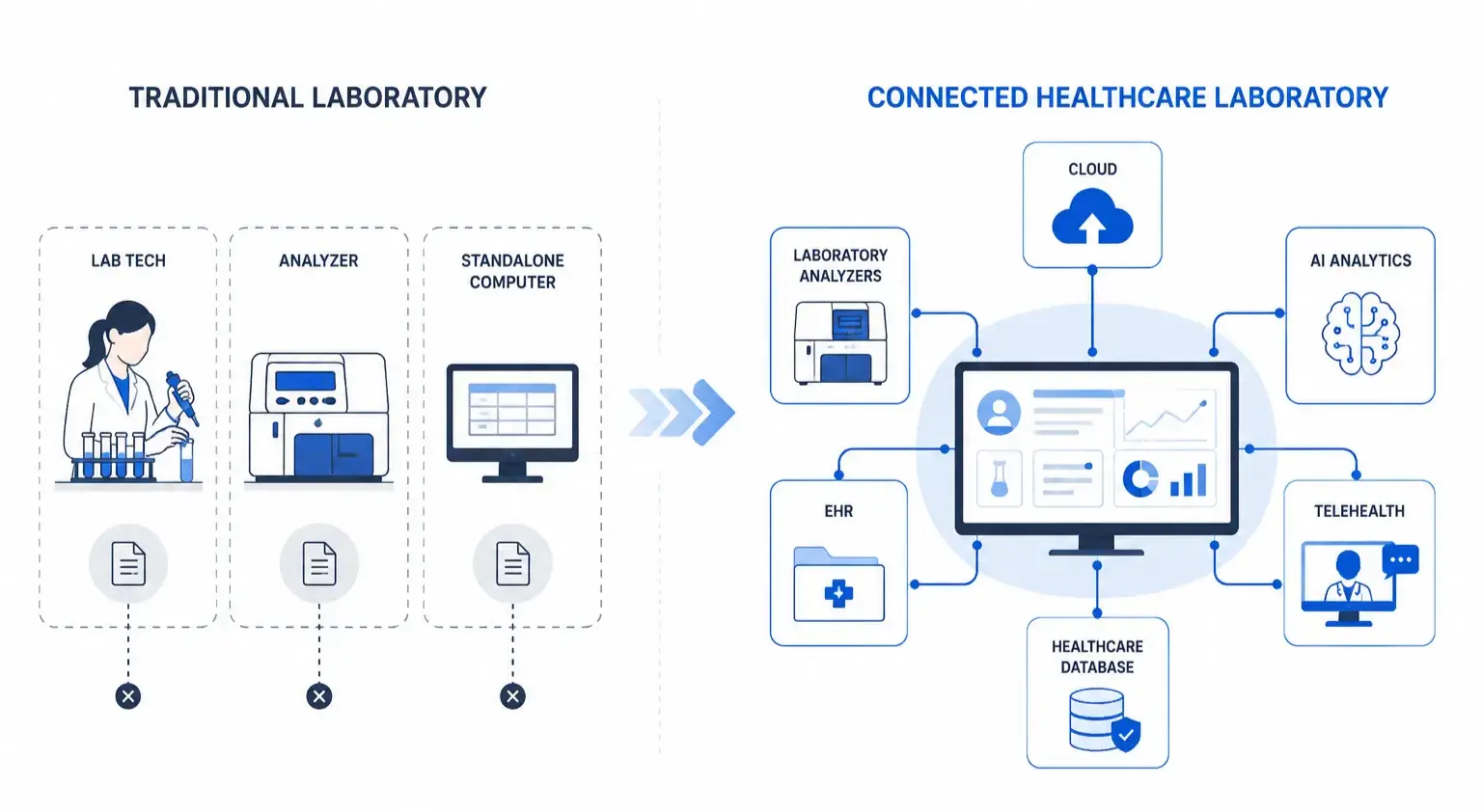
A connected laboratory follows a fundamentally different model. Medical devices, analyzers, Laboratory Information Systems (LIS), Electronic Health Records (EHRs), and healthcare applications communicate continuously through secure integration. As soon as a test result is generated, it becomes immediately available to authorized users and downstream systems without additional manual processing.
This shift allows laboratory data to move seamlessly across the healthcare ecosystem, improving both operational efficiency and the speed of clinical decision-making.
The Technologies Behind Real-Time Clinical Data Collection
Building a connected laboratory requires more than simply connecting medical devices. It involves integrating multiple technologies that work together to ensure laboratory information is captured accurately, shared securely, and delivered to the right users at the right time.
- Connected Medical Devices: Enable laboratory analyzers and diagnostic equipment to automatically transmit test results to healthcare systems, reducing manual data entry and improving data availability.
- Laboratory Information Systems (LIS): Serve as the central platform for managing laboratory workflows, including sample tracking, result validation, quality control, and reporting.
- Healthcare Interoperability: Standards such as HL7 and FHIR allow laboratory data to be exchanged seamlessly between LIS, EHR, HIS, telehealth platforms, and other healthcare applications.
- AI & Health Data Analytics: Transform laboratory data into actionable insights, helping healthcare organizations identify trends, improve operational efficiency, and support clinical decision-making.
- Cloud & Edge Computing: Provide the infrastructure needed to process, store, and access laboratory data securely while supporting scalability across multiple healthcare facilities.
How TMA Helps Healthcare Organizations Build Connected Laboratories
Building a connected laboratory requires expertise across multiple domains, including medical device integration, healthcare interoperability, healthcare software development, cloud platforms, and AI-powered analytics. For many healthcare organizations, the challenge is not collecting more data, but ensuring that laboratory information can move seamlessly across devices, applications, and care teams.
About TMA
With more than 16 years of healthcare software development experience, TMA Solutions helps healthcare providers, medical technology companies, and healthcare organizations design and implement connected laboratory ecosystems. TMA's healthcare expertise spans Device Integration, Electronic Health Records (EHR), AI & Health Data Analytics, Remote Health Monitoring, Telehealth, and Healthcare Interoperability solutions.
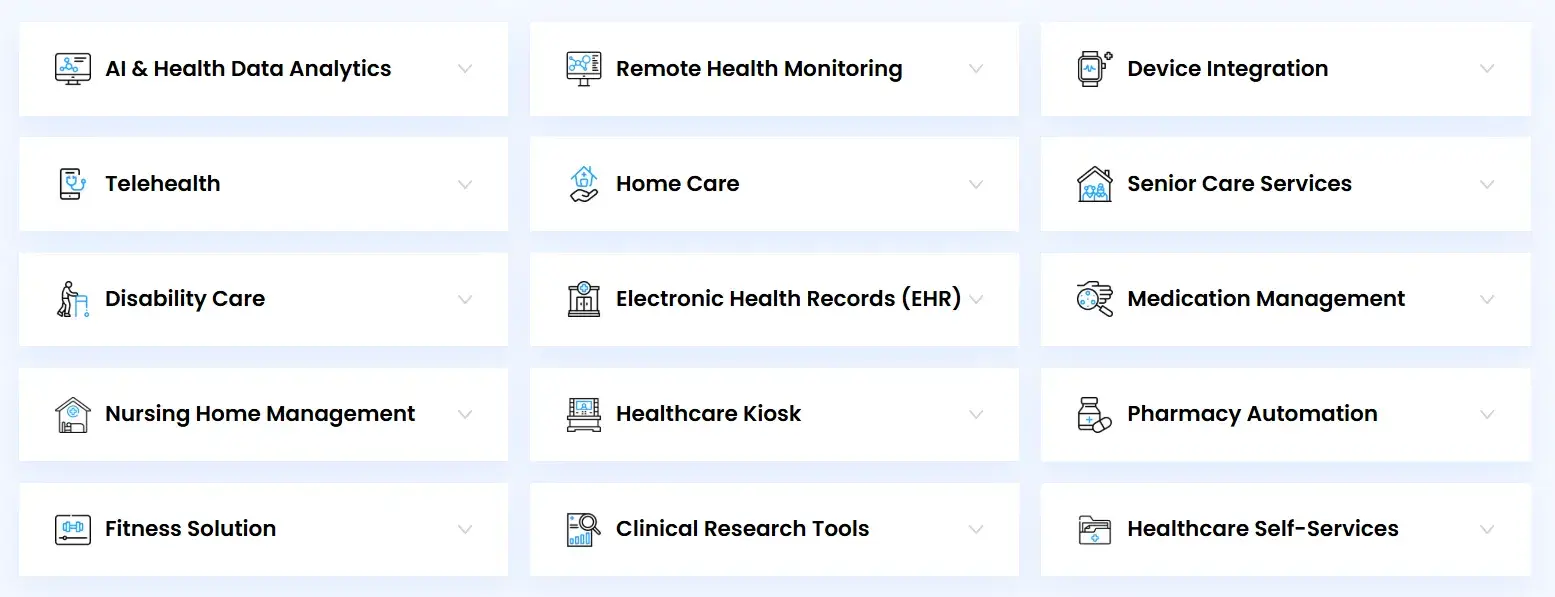
By connecting laboratory analyzers, medical devices, Laboratory Information Systems (LIS), Hospital Information Systems (HIS), and Electronic Health Records (EHR), TMA enables healthcare organizations to automate clinical data collection, improve data accuracy, and create trusted data foundations for future AI initiatives.
TMA Capabilities Supporting Connected Laboratories
Device Integration
TMA integrates medical devices and laboratory instruments with healthcare applications, enabling automatic data exchange across multiple systems and communication protocols.
Electronic Health Records (EHR)
TMA develops interoperable healthcare platforms that synchronize clinical information across EHRs, Hospital Information Systems, and other healthcare applications.
AI & Health Data Analytics
By combining laboratory data with advanced analytics and AI technologies, healthcare organizations can gain deeper operational insights and support more informed clinical decision-making.
Remote Health Monitoring
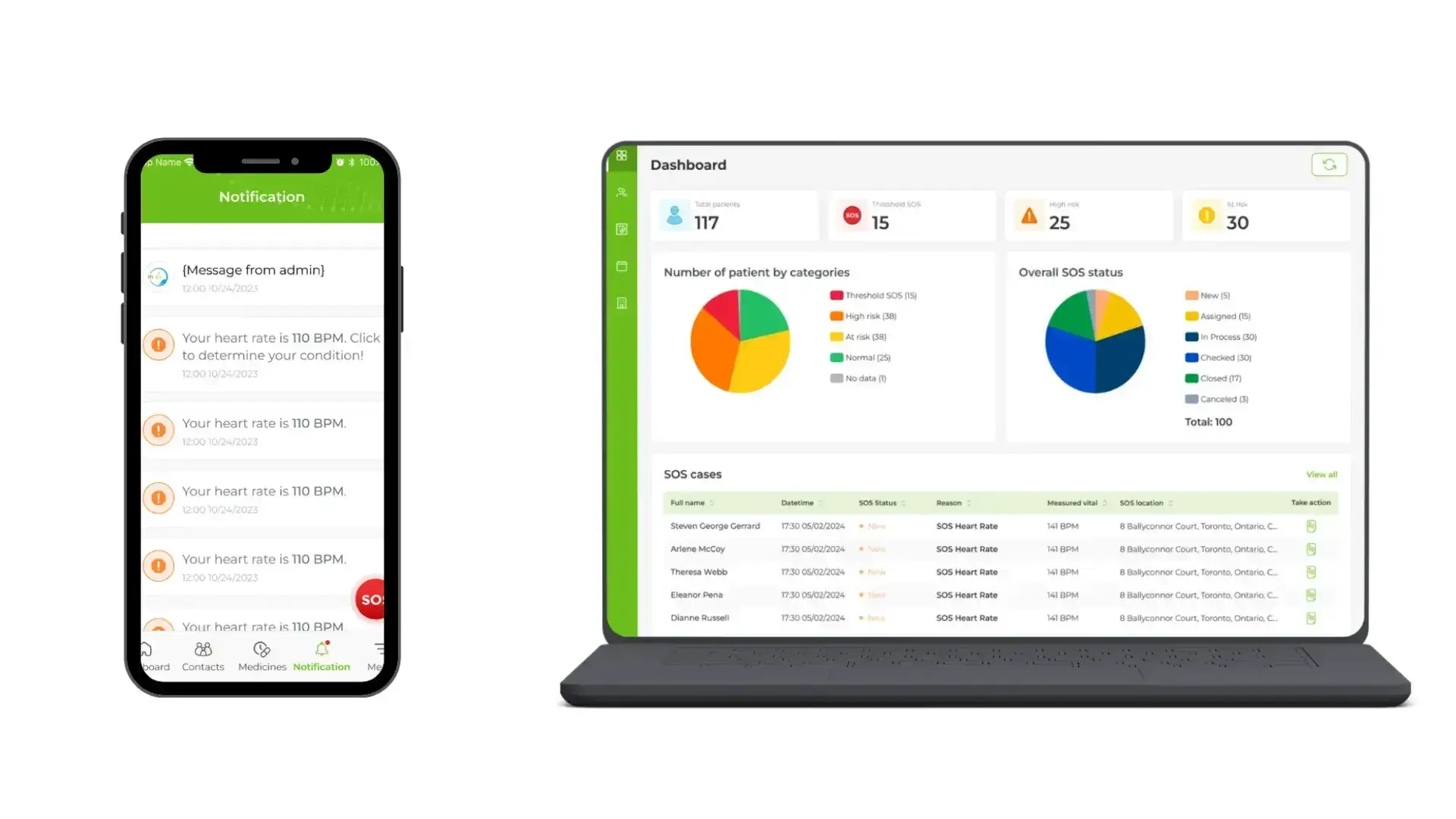
TMA's Remote Health Monitoring solutions extend healthcare beyond traditional clinical environments by connecting laboratory information with continuous patient monitoring platforms.
Conclusion
Real-time clinical data collection is becoming a critical foundation for modern healthcare laboratories. As testing volumes increase and healthcare ecosystems become more connected, organizations need faster, more accurate, and interoperable ways to capture and manage clinical information. Moving beyond manual workflows not only improves laboratory efficiency but also enables clinicians to access timely insights that support better patient care.
The greatest value comes when laboratory data flows seamlessly across devices, Laboratory Information Systems (LIS), Electronic Health Records (EHR), and healthcare applications. Combined with AI, analytics, and interoperability standards, real-time data collection helps healthcare organizations build a trusted data foundation for smarter operations, faster decision-making, and future AI initiatives.
With extensive experience in healthcare software development, medical device integration, healthcare interoperability, and AI-powered healthcare solutions, TMA Solutions helps healthcare organizations build connected laboratory ecosystems that transform clinical data into actionable insights. By integrating laboratory systems, medical devices, and healthcare platforms, TMA enables providers to accelerate digital transformation while delivering more efficient and data-driven healthcare services.
Looking to modernize laboratory workflows or build a connected healthcare platform? Explore TMA's Healthcare solutions to learn how our experts can support your next healthcare innovation initiative.


.webp_2026-10-01-18-27-07-971.webp)
.webp_2026-10-01-18-17-11-290.webp)
.webp_2026-10-01-18-08-26-854.webp)
.webp_2026-10-01-17-47-32-240.webp)