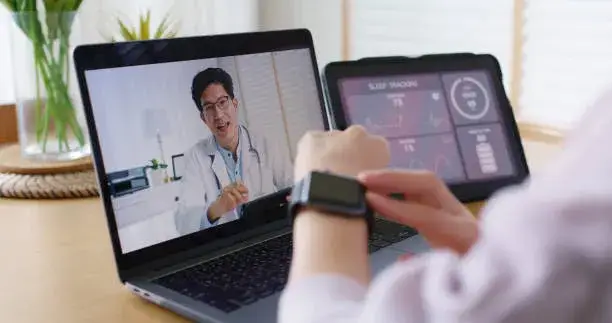
Standardized "one-size-fits-all" training fails because it forces a diverse workforce through a fixed curriculum, disengaging advanced employees and leaving critical skill gaps unresolved. To address this, an enterprise personalized learning platform aligns training directly with individual competency needs. This strategic shift is reinforced by LinkedIn's 2024 Workplace Learning Report, which found that strong learning cultures achieve 57% higher employee retention and 23% more internal mobility. For CHROs and L&D Directors, TMA Smart Corporate Training operationalizes this transition by connecting entrance assessments, adaptive learning paths, and AI-powered recommendations to deliver targeted workforce development.
_2026-11-09-17-00-55-795.webp)
Three capabilities that make personalized learning operational
Entrance assessment: Establish a skills baseline
Assigning the same training to every employee overlooks differences in experience and capability. An entrance assessment establishes a baseline before learning begins, helping identify knowledge gaps and determine an appropriate starting point. For L&D teams, assessment results inform skill-gap analysis: comparing employees' demonstrated knowledge with the competencies required for their roles. This creates a targeted basis for training assignments rather than relying on job titles or course completion history alone.
Adaptive learning path: Connect competencies to learning activities
Competency mapping links role requirements to the knowledge and skills employees need to demonstrate. When combined with assessment results, it helps L&D teams organize learning around specific development needs rather than assigning a fixed curriculum to everyone. An adaptive learning path translates those needs into a structured sequence of courses and learning materials. Employees receive content aligned with identified gaps, while training teams retain oversight of learning objectives and progress.
AI-powered recommendations: Guide the next learning action
_2026-11-09-17-00-56-239.webp)
A large training library has limited value if employees cannot identify the most relevant content. An AI-powered recommendation engine for learning helps connect learners with courses and materials suited to their learning needs and progress. These capabilities guide employees toward relevant resources and support their learning journey without requiring L&D teams to manually recommend every course. For enterprise deployment, the strategic objective is to connect three decisions: what an employee needs to learn, which learning activity addresses that need, and how progress will be monitored.
Measure learning outcomes and ROI
The ROI of learning requires connecting training activity to measurable workforce outcomes. Course completion is useful, but L&D leaders also need indicators that show whether employees are developing the required competencies.
Measurement area | Enterprise KPI examples |
Skill-gap reduction | Change in assessment results before and after training |
Learning effectiveness | Assessment performance and competency attainment |
Training efficiency | Administrative hours spent assigning and tracking learning |
Role readiness | Completion of role-based learning and competency assessments |
Workforce development | Skill-gap trends across roles and departments |
Establish baseline measures before training begins, then compare results after employees complete the relevant learning activities. Combining assessment data with manager feedback and role-based performance indicators gives L&D leaders a stronger basis for reviewing training effectiveness and setting future priorities. Smart Corporate Training provides learning progress tracking and reporting capabilities to help administrators review learner activity and performance.
Case study: Personalized learning for an IT workforce
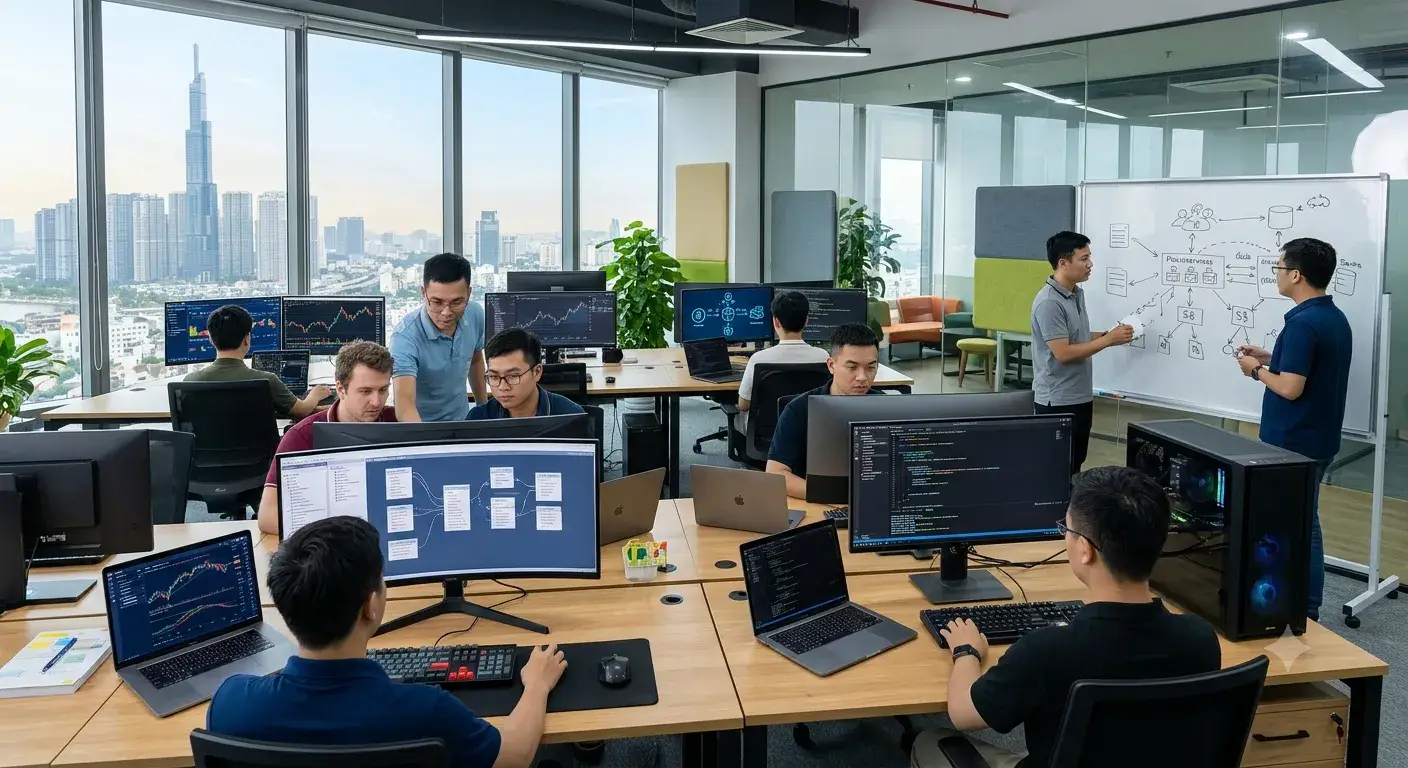
TMA's Learning Platform for IT Workforce Development case study describes a technology services organization with several thousand engineers across multiple delivery centers. The organization faced three challenges: training was assigned course by course rather than around role capabilities, engineers with different skill levels received the same content, and progress tracked in spreadsheets limited managers' visibility into workforce capabilities.
_2026-11-09-17-00-56-589.webp)
TMA delivered an AI-powered learning platform - Smart Corporate Training featuring role-based learning paths and a recommendation engine that matched content to each learner's level and progress. A scalable microservices architecture supported the platform's growing user and content requirements.
The reported outcomes included:
- Role-aligned development: Engineers followed learning paths matched to their roles and skill levels.
- Improved management visibility: Managers could review capabilities across teams in one place.
- Reduced administrative workload: Training administration dropped sharply, allowing the L&D team to focus more on content quality and less on coordination.
For organizations managing large, distributed workforces, this case illustrates how personalized learning can connect employee development with role requirements while reducing manual coordination.
Frequently asked questions
How does the AI recommendation engine determine which courses to suggest?
An AI-powered recommendation engine uses assessment results, learner progress, and role-related skill requirements to identify relevant learning content. By comparing an employee's current capabilities with the competencies required for their position, the system automatically prioritizes and suggests courses that address identified skill gaps directly and efficiently.
Can Smart Corporate Training map to our existing corporate competency framework?
Yes. Organizations can map their existing corporate competency frameworks directly within the platform. Smart Corporate Training uses this structured data to inform role-based learning paths, automatically connecting employees' assessment results with the exact development activities required by their departments.
What is a personalized learning platform for enterprise?
It is a learning platform that aligns training activities with employee skills, assessment results, and development needs. Core capabilities can include skill-gap analysis, personalized learning paths, AI-powered course recommendations, and progress reporting.
Does Smart Corporate Training integrate with HRIS and ERP systems?
Smart Corporate Training provides API capabilities and supports integration options including SSO, LMS/LXP, and ATS on its Enterprise plan. These capabilities provide integration pathways for connecting learning workflows with an organization's wider technology environment.
How can organizations measure personalized learning effectiveness?
Organizations can track changes in assessment results, competency attainment, role-based training completion, and administrative effort. Comparing baseline and post-training measures helps L&D teams evaluate progress against workforce development objectives.
Move from course assignment to skills-led development. Contact TMA Solutions to explore Smart Corporate Training for your enterprise learning and development strategy.


.webp_2026-11-09-16-48-35-330.webp)