In the fast-changing health tech world, healthcare app development is driving major innovations. These apps transform patient care, making healthcare more accessible, efficient, and tailored to individual needs. From telehealth platforms for remote consultations to AI-powered tools for diagnostics, healthcare apps have become essential for modern healthcare delivery.
The demand for secure, scalable, and high-performing app solutions is rising as healthcare innovation continues to advance. This article provides insights for health tech companies on building effective healthcare mobile apps, compliant, and future-ready solutions that meet today’s healthcare needs.
Overview of healthcare applications
The healthcare app landscape has transformed significantly in recent years, with a notable surge in demand for digital health solutions. This growth has been fueled by advancements in healthcare mobile application development.
The COVID-19 pandemic significantly accelerated the growth of the global health tech sector. The surge witnessed a dramatic increase in telemedicine, remote patient monitoring (RPM), and AI-driven innovations. This momentum led to a 300% surge in investment during 2020 alone.
Today, health applications encompass various categories, with remote healthcare technologies, mental health, digital therapeutics, and "omics" reaching funding milestones. Healthcare leaders remain committed to improving patient experience through strategic investments in electronic health record (EHR) interoperability, e-health solutions, and patient portal enhancements.
Healthcare priorities are mirrored in app store offerings. The Apple App Store features approximately 35,000 health-related applications, while Google Play lists over 36,000. Despite these substantial numbers, diversity across different health categories is still lacking. Popular options such as fitness trackers, calorie counters, and menstrual cycle monitors dominate the landscape. In contrast, remote healthcare services struggle to gain similar visibility in the consumer health technology sector.
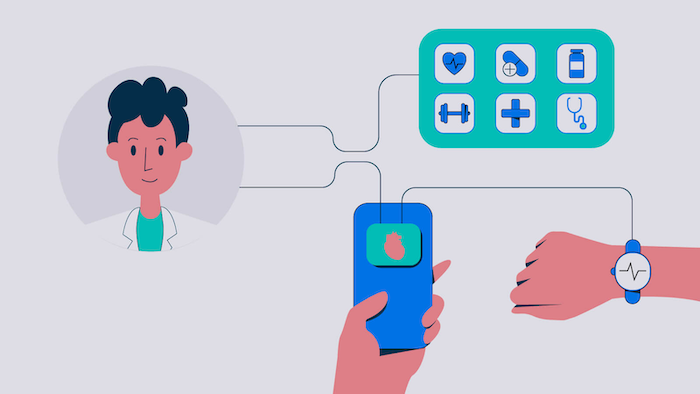
For companies targeting the general public, health and fitness apps may have the broadest appeal. However, remote healthcare and remote patient monitoring (RPM) solutions are expected to remain essential for specific healthcare needs. Those aiming to serve a unique patient base are encouraged to prioritize the functionality and experience needed to address those users' specific requirements.
The health tech market is constantly evolving. Many companies can capitalize on this by developing user-friendly apps that deliver effective healthcare solutions, considering various app monetization strategies.
Categories of healthcare apps
The modern healthcare app market serves three key groups: patients, providers, and administrative staff. Each group has unique needs, requiring tailored app solutions to maximize functionality and user satisfaction within the healthcare mobile app ecosystem.
Patient-focused health apps
Health apps designed for patients aim to improve personal health management, wellness, and convenience. These applications range from daily habit trackers to advanced IoT-integrated devices for ongoing health monitoring.
Patient-focused apps encompass a wide range of categories. These include appointment scheduling, self-diagnosis, social networking, telehealth, mental health, and IoT medical products for patients. Other popular categories include fitness and wellness, habit tracking, and women's health.
Provider-centric health apps
Healthcare providers rely on specialized apps to enhance patient care, streamline workflows, and communicate effectively with patients and colleagues.
These applications address critical clinical and administrative functions. Key functions include RPM, telemedicine, diagnosis support, EHR, medicine reference, hospital mobile app ERPs, clinical communication, and appointment management.

Apps for medical administrative teams
Apps for administrative staff focus on efficiency in healthcare operations, from patient record management to inventory control, ensuring that hospitals and practices function smoothly.
Key application types include: Doctor/nurse marketplace, Electronic Medical Records (EMR)/Electronic Health Records (EHR), inventory management, billing, and practice management applications.
Innovative healthcare app development ideas
As mHealth grows more essential in our lives, app developers have many avenues to explore to meet both patient needs and healthcare gaps left by traditional systems. Healthcare app development services can play a crucial role in bringing these innovative solutions to market. Here are some app ideas that could significantly enhance health outcomes, streamline care, and empower users in managing their well-being.
Apps for managing chronic conditions
Chronic disease management apps cater to patients managing long-term conditions like diabetes, asthma, and heart disease. These apps simplify the complexities of living with chronic illness, offering features like medication reminders, symptom tracking, and even direct communication with healthcare providers.
By acting as a personal health assistant, these apps empower patients to stay on top of their care, potentially reducing hospital visits and supporting better health outcomes.
Mental health support apps
The rising focus on mental health has driven demand for mHealth tools that address challenges like anxiety, depression, and stress. Mental health apps often feature mood tracking, journaling, and meditation guides to help users monitor and manage their emotional well-being. For those needing professional support, these apps can also connect users with licensed therapists remotely, offering vital, immediate access to care.
The demand for these resources is set to grow. Partnering with a development agency skilled in mental health technology can ensure a balance of robust functionality with confidentiality.
Telemedicine apps
Virtual healthcare apps are transforming healthcare access, especially for people in remote and underserved areas. These apps enable patients to consult with doctors via secure video calls, providing a vital link to healthcare that bypasses geographical barriers. During the COVID-19 pandemic, 43% of doctors relied on virtual healthcare for over half of their patient consultations, a trend set to continue.

With expanding internet access in rural areas, telemedicine apps will play an increasingly important role. By integrating features like video conferencing and EHR access, developers can create reliable, high-quality telemedicine experiences to serve those who need it most. This presents a significant opportunity for medical startups to develop innovative solutions that address the unique healthcare needs of underserved communities.
Medication management apps
Medication management apps are designed to help patients manage daily prescriptions efficiently. These apps act as digital assistants, helping users manage their medication. They send reminders to prevent missed doses and alert users to potential drug interactions, essential for those taking multiple medications.
Additionally, they streamline prescription refill requests, saving patients trips to the doctor or pharmacy. By leveraging these tools, individuals can more safely and effectively manage their health, making them invaluable for users of all ages.
Fitness and activity tracking apps
Fitness and activity-tracking apps are some of the most popular in mHealth, especially when paired with wearables like pedometers and smartwatches. These apps offer real-time health tracking for steps, heart rate, and even blood oxygen levels, helping users stay informed about their fitness.
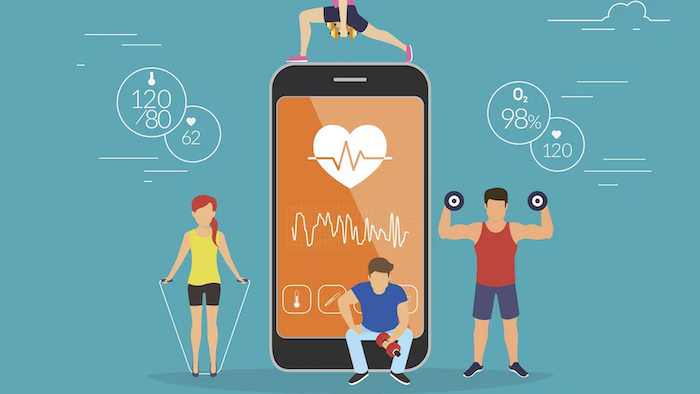
They can alert users to potential cardiac issues, provide motivational challenges, and offer personalized coaching and social features. With society’s growing focus on health, these apps are in high demand, and developers can continue to innovate with these tools to encourage healthier lifestyles.
Allergen alert and ingredient scanner app
Allergen alert apps provide a crucial service for those with food allergies, which have seen a 377% rise in severe cases in the U.S. These apps utilize barcode scanning technology to analyze food products. This barcode allows them to instantly identify potential allergens, such as peanuts, seafood, dairy, and gluten. Some apps can even suggest safe alternatives, making shopping safer and easier. Partnering with developers experienced in nutritional software ensures these apps have access to reliable ingredient data and scanning functionality.
Hospital and clinic management apps
Enterprise hospital and clinic management apps streamline the operations of healthcare facilities, integrating administrative and clinical tasks on a single platform. These apps offer features like patient scheduling, EHR management, billing, inventory control, and staff coordination.
By consolidating these responsibilities, clinics can improve efficiency and patient care outcomes. Advanced analytics and reporting tools allow administrators to make data-driven decisions, further optimizing performance. A healthcare mobile app development partner ensures that these solutions are secure, compliant, and scalable to meet industry standards.
Advantages of healthcare apps
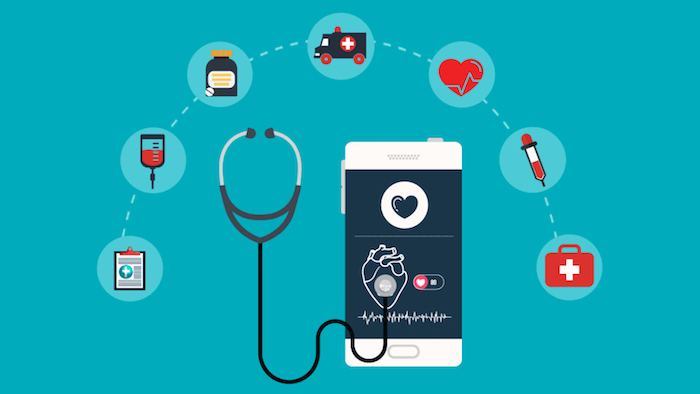
Healthcare apps provide numerous advantages for both doctors and patients, addressing critical needs while enhancing the healthcare experience.
For healthcare professionals
- Remote assistance: Mobile healthcare apps allow doctors to monitor and support patients remotely, reducing the need for in-person visits. Through video calls, app messaging, and remote monitoring, doctors can stay connected with patients and save time.
- Effective workload distribution: mHealth apps enable doctors to manage schedules and tasks efficiently, setting up appointments at convenient times and handling essential duties through mobile or web apps.
- Brand awareness: A healthcare app enhances a clinic or doctor’s digital presence, increasing trust and loyalty. Patients treated at a digitally integrated clinic are more likely to return, boosting the clinic’s brand image.
For patients
Improved treatment process: mHealth apps provide a seamless platform for communication between patients and doctors. Features like video calls, prescription management, and medication tracking improve the quality and comfort of care.
Cost-efficiency: Online appointments typically cost less than in-person visits, making healthcare more affordable for patients.
Online payment: Patients can schedule appointments and make payments directly in the app, streamlining the process and enhancing convenience.
Remote assistance: Healthcare apps allow patients to address many health concerns from home, reducing the need to visit the hospital and avoiding wait times.
How to develop a healthcare app
Developing successful mobile healthcare applications involves a structured approach to ensure they meet users' needs and comply with industry standards. The six key steps to successful implementation are:
Step 1 – Conduct market research
Begin by researching your niche and competitors. Identify the value your app will offer, understand competitors’ strengths and weaknesses, and determine how your app will stand out.
Step 2 – Understand your target audience
Conduct in-depth user research to understand patient needs and challenges. Use surveys, interviews, or focus groups to uncover pain points while maintaining ethical sensitivity, especially when discussing personal health issues.
Step 3 – Determine the app type
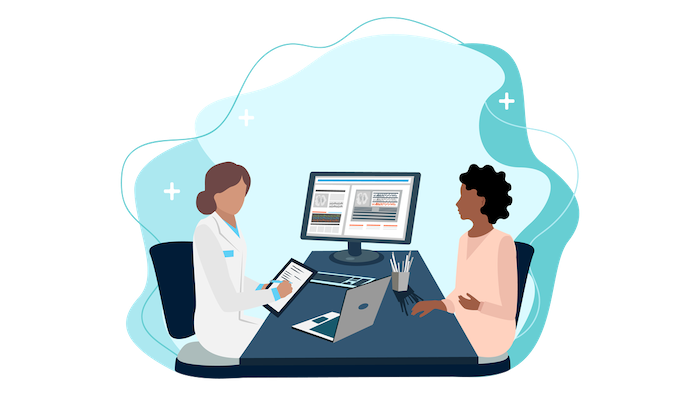
Define the type of healthcare app you want to create. The app’s purpose, functionality, and database requirements depend on this decision. Clarify with your development team how the app will work and what problems it will solve.
Step 4 – Design the interface
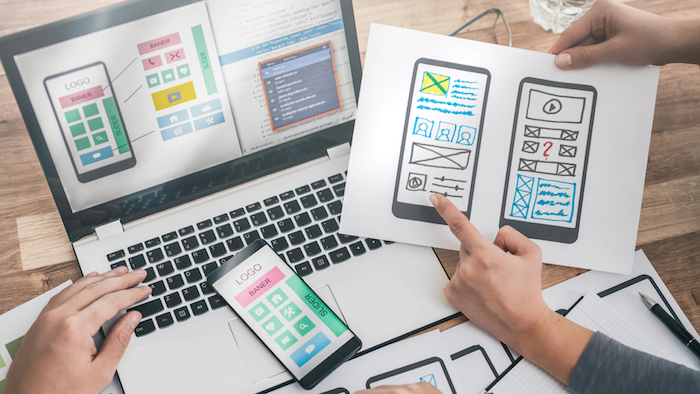
A healthcare app should be intuitive and easy to navigate. Focus on a clean, user-centered app design that minimizes cognitive load, helping users reach their goals effortlessly.
Step 5 – Ensure HIPAA compliance
In regions like the USA, healthcare apps must comply with regulations like HIPAA regulations to protect patient information. Limit data access to authorized users, implement data encryption, and consider HIPAA-compliant tools for data handling.
Step 6 – Develop a Minimum Viable Product (MVP)
Create a Minimum Viable Product (MVP) that includes essential features. An MVP allows you to launch quickly, gather user feedback, and refine the app based on real-world input, accelerating your time to market.
Best Practices for developing healthcare apps
A healthcare mobile app development requires a careful balance of functionality, security, and user experience. Following these best practices ensures your app meets the highest industry standards:
User-centric design
Start with a deep understanding of user needs. Prioritize user-friendly design principles that enhance engagement, making the app intuitive and easy to navigate. Conduct thorough user research and usability testing to ensure a seamless app design experience.
Compliance with regulations
Adhere to healthcare regulations like HIPAA in the U.S. and GDPR in Europe to protect patient data and build user trust. For early-stage projects, consider avoiding the storage of protected health information (PHI) to delay compliance requirements and reduce initial costs.
Robust data security
Use strong encryption and secure storage methods to protect sensitive data from breaches. Regularly update security measures to counter new threats, safeguarding user information.
Smooth integration
Ensure compatibility with existing healthcare systems, such as EHRs, to enhance functionality. Integration with healthcare mobile app development services can also provide a richer experience for healthcare providers and patients.
Scalability
Design with growth in mind. Plan for scalability so the app can handle an expanding user base and additional features without compromising performance.
Interoperability
Enable smooth data exchange between your app and other healthcare systems to improve healthcare delivery efficiency and facilitate comprehensive patient care.
Continuous testing and feedback
Engage in ongoing testing and gather user feedback frequently. This helps identify and resolve issues promptly, ensuring that mobile healthcare applications remain reliable and effective over time.
Focus on core features
Prioritize essential features that meet core user needs. Avoid adding unnecessary functionalities that might complicate the user experience.
Regular updates and maintenance
Keep the app up to date with routine maintenance, bug fixes, and performance improvements. Regular updates keep the app aligned with user needs and technological advances.
Effective communication channels
Integrate features like chat and telehealth options to facilitate patient-provider communication, streamlining the care process and improving user satisfaction.
How to choose a healthcare app development company
Choosing the right healthcare app development company is essential for creating a successful, secure, and user-centered application. Here’s what to look for in your ideal development company:
Proven industry experience
Seek a company with a strong background in healthcare application development. Look for a portfolio with relevant projects and case studies that show how they’ve addressed healthcare-specific challenges and regulations, like HIPAA compliance. Client reviews can also provide insight into their performance and reliability.

Technical expertise
Ensure the company is skilled in current technologies relevant to healthcare, such as AI, machine learning, and interoperability standards (e.g., FHIR). They should be proficient in developing for both iOS and Android, offering a consistent experience across devices.
Regulatory standards
Compliance with healthcare regulations is essential. Verify that the company prioritizes data security, and patient privacy, and adheres to regulations like HIPAA or GDPR. They should also keep the app updated with any regulatory changes and provide documentation to demonstrate compliance.
Flexibility and customization options
Your app will need unique features tailored to your specific goals. The health app developers should be capable of building custom solutions and offering scalability to accommodate future growth. An agile approach ensures flexibility and allows for iterative improvements based on feedback.
Effective communication and project oversight
Effective communication and strong project management are vital. Look for a company with clear communication practices, regular progress updates, and a dedicated project manager to keep your project on track.

Post-launch support and maintenance
Ongoing support after the launch is crucial. The company should provide maintenance plans, offer timely updates and bug fixes, and be ready to add new features as your app evolves.
Cost and value
While budget matters, focus on the value the company brings. Look for transparent pricing and consider the return on investment (ROI) based on the app’s quality and alignment with your business goals.
TMA Solutions' Experience in Developing Healthcare Applications
Finding a development partner with both technical expertise and healthcare experience is essential, and TMA Solutions provides just that.
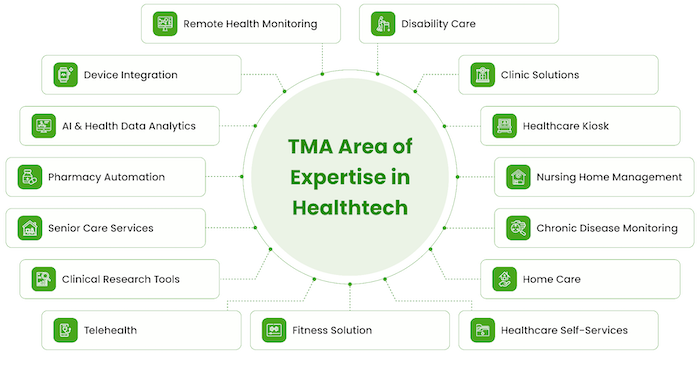
TMA Solutions has over 17 years of experience. With a team of 600 engineers, they specialize in creating innovative healthcare application developments. By leveraging advanced technologies such as artificial intelligence, data analytics, and automation, TMA Solutions enhances patient care and streamlines healthcare processes.
Partner with TMA Solutions: Healthcare mobile app development company
At TMA Solutions, we specialize in creating custom healthcare apps tailored to meet the unique needs of healthcare providers, patients, and organizations.
Healthtech knowledge: TMA Solutions has extensive experience in the healthcare field, developing applications that follow key regulations like HIPAA and GDPR. Their portfolio includes diverse projects that show an understanding of healthcare requirements and compliance standards. For instance, TMA created a patient management system for a U.S. clinic, helping them to better manage patient records and appointments.
Technical capability: TMA Solutions uses the latest technologies, including AI and machine learning, blockchain to create efficient healthcare apps. In one project, TMA developed an AI solution for a veterinary center, applying machine learning to analyze health data and assist with diagnosis and treatment planning.
Customization and adaptability: Healthtech needs vary across markets, and TMA’s agile, client-centered approach allows for regular updates, localization, and customization. By integrating localized features, TMA Solutions enables clients to meet regional requirements and user preferences, paving the way for scalability as client needs evolve.
Focus on compliance: Understanding the importance of data security and patient privacy, TMA builds applications that comply with strict regulations. They have experience migrating legacy healthcare systems to cloud platforms, such as AWS, to enhance data protection and meet compliance requirements.
Ongoing support: TMA provides continuous post-launch support, including updates, troubleshooting, and new features. This support ensures that healthcare apps remain reliable, secure, and functional as client needs evolve.
With a practical, client-centered approach and experience in healthcare technology, TMA Solutions creates healthcare applications designed to support healthcare providers and improve patient outcomes.
As healthcare app development advances, health tech companies have an incredible opportunity to shape the future of care.
With the right tools and insights, health tech companies can continue to drive innovation. They can develop apps that not only meet current demands but also anticipate future needs in a rapidly evolving digital landscape. Embracing these technologies will be essential for creating a healthcare ecosystem that is more accessible, efficient, and capable of improving patient outcomes on a global scale. The journey of healthcare mobile app development is just beginning, and its potential to transform healthcare is boundless.


.webp_2026-10-01-18-27-07-971.webp)
.webp_2026-10-01-18-17-11-290.webp)
.webp_2026-10-01-18-08-26-854.webp)
.webp_2026-10-01-17-47-32-240.webp)