In today’s digital landscape, businesses are generating and managing more data than ever before - often measured in petabytes (PB). To put this in perspective, a single petabyte can store approximately 11,000 4K movies or 210 million songs. Effectively managing such vast volumes of data is no longer optional; it is essential for organizational success.
Why Big Data Matters
The escalating volume of global data is a direct consequence of significant technological investments. This burgeoning data landscape represents more than just an operational cost; it is a strategic asset for organizations. Businesses are leveraging this data to cultivate deeper client insights, inform more robust decision-making, and drive sustainable growth.
Enterprises adept at harnessing data analytics tend to outperform competitors in both client acquisition and retention, which drives enhanced profitability. Therefore, effective big data management transcends a mere IT function, becoming a pivotal enabler of business expansion and innovation. Learn more about the power of Big Data and Analytics.
Challenges of Petabyte-Scale Data
Despite its benefits, managing petabyte-scale data involves several significant challenges:
- Volume Management: Traditional on-premises infrastructure struggles to accommodate petabyte-scale datasets, often requiring costly hardware upgrades.
- Processing Demands: Analyzing massive datasets in real time requires significant computational power, overwhelming legacy systems.
- Cost Management: Storing and processing petabytes of data can spiral into high expenses without efficient resource allocation.
- Complexity: Ensuring data accessibility, integrity, and security at this scale adds layers of operational difficulty.
Cloud Solutions for Petabyte-Scale Data
What is Cloud Storage?
Cloud storage is a cloud computing model that enables storing data and files on the internet through a cloud computing provider that you access either through the public internet or a dedicated private network connection.
Cloud computing offers a robust framework for tackling petabyte-scale data challenges. Platforms like Amazon S3, Google Cloud Storage, and Microsoft Azure Blob Storage provide the scalability and flexibility needed to manage massive datasets efficiently. Explore more about the Cloud Solutions we offer.
Key Benefits of Cloud Storage
Cloud storage is a great choice for handling petabyte-scale data because it offers many benefits:
- Easy to Scale: Cloud storage lets you easily add or remove storage space as your needs change. You don't need to purchase expensive equipment upfront. This enables businesses to respond swiftly to emerging opportunities or market changes.
- Cost Savings: With cloud storage, you only pay for what you use. This can make IT costs 30-40% lower than setting up your own data center. For example, storing a petabyte of data in the cloud can cost around $1,118 per month, while maintaining your own data center can be much, much more expensive.
- High Reliability: Cloud services are built to protect your data. For instance, Amazon Web Services (AWS) is designed so you would almost never lose data. They save your data in at least three different locations to keep it safe, even if there's a disaster. This means you don't have to worry as much about backups and recovery.
Core Cloud Data Architectures
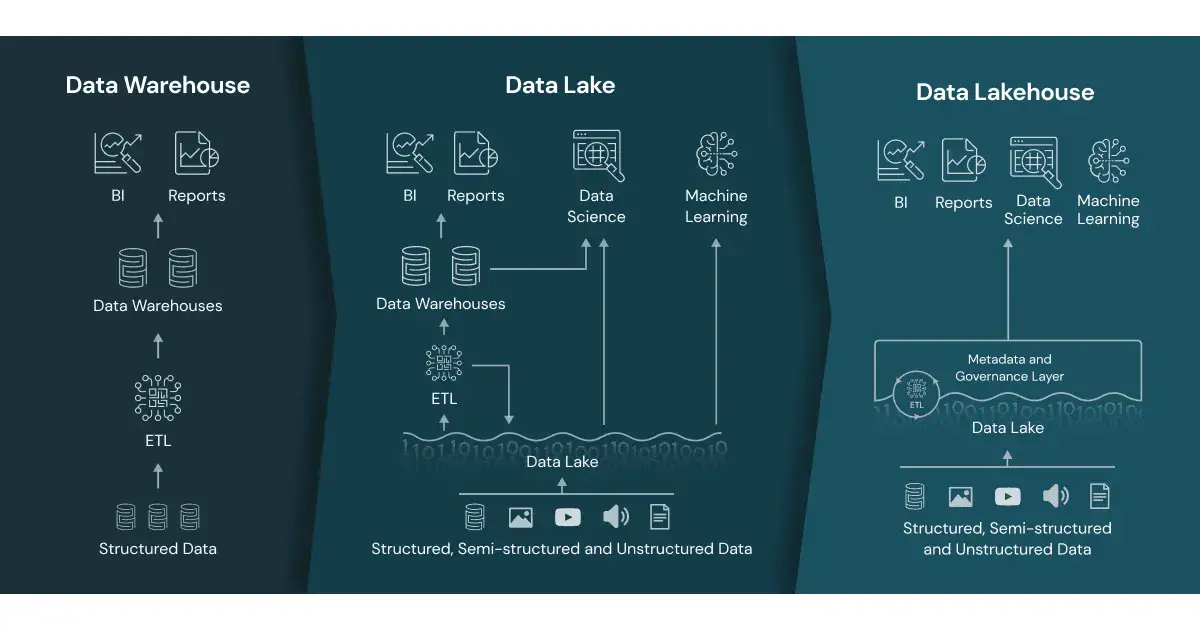
Choosing the right architectural pattern is critical for managing petabyte-scale data effectively. Modern approaches offer flexibility and power. Learn more about Cloud Data Architectures.
- Data Lake: A centralized repository storing vast amounts of raw data (structured, semi-structured, unstructured) in its native format. Ideal for flexibility and diverse analytics.
- Data Warehouse: A system for storing cleaned, transformed, and structured data, typically relational, optimized for business intelligence (BI) and reporting.
- The Data Lakehouse: A hybrid architecture combining the flexibility of data lakes with the performance and management features of data warehouses. It offers a unified platform for diverse analytical needs on petabyte-scale data.
Keeping Your Cloud Data Secure
When you use the cloud, the cloud company protects the basic setup. The provider keeps the main systems secure. You are responsible for how you use their services, like setting up security for your applications, controlling who can access your data, and encrypting your information.
Key Security Steps
- Use Automation and AI: Use smart tools that can quickly find risks in your data logs, much faster than people can. This helps you stop problems before they get big.
- Turn on Multi-Factor Authentication (MFA): This means you need more than just a password to log in, like a code from your phone. This makes it much harder for hackers to get into your accounts.
- Encrypt Your Data: Always scramble your sensitive data so that if someone unauthorized gets it, they can't read it. Do this for data that's stored and data that's being sent over the internet.
Technologies for Managing Big Data
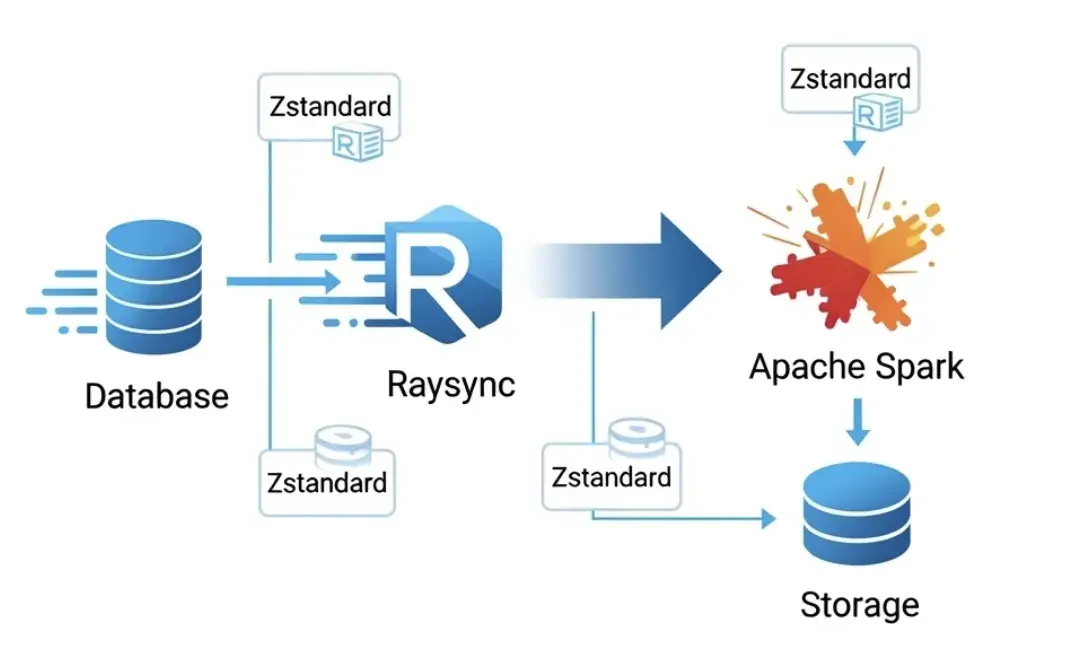
To manage petabyte-scale data well, some technologies are very helpful:
- Apache Spark: This is a fast tool for processing big data. It can work with data in memory, making it up to 100 times faster than older methods. This helps businesses get insights and use AI applications more quickly.
- Raysync: This tool makes transferring large files much faster, up to 100 times quicker than traditional methods. This is important for moving huge amounts of data for cloud migrations or collaborations.
- Zstandard (Zstd): This is a modern way to compress data. It makes files smaller without losing quality, which saves storage space and costs, and makes data processing faster.
Business Transformation Through Cloud Adoption
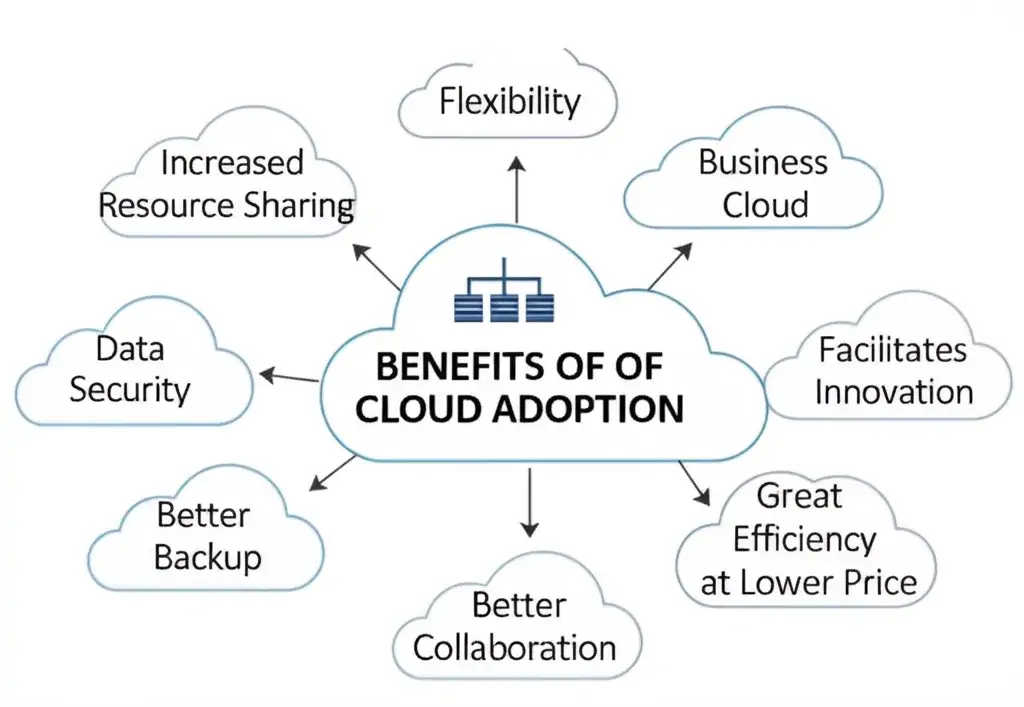
Using the cloud for your data not only helps IT but also benefits your entire business.
- Faster Innovation: When you use the cloud, your team can focus more on creating new products and services instead of managing computer systems. This helps companies develop new ideas and bring them to the market more quickly.
- Better Client Experience: Cloud-based AI tools can help you understand your clients better and give them personalized experiences. This leads to happier clients and stronger relationships.
- More Money and Profit: Businesses that use the cloud often see more income and profit. Small and medium businesses especially report big gains in profit and growth.
Petabyte-Level Data in Real-World Scenarios
Organizations across industries are successfully leveraging cloud platforms for petabyte-scale data, achieving significant benefits.
- Stanford University (Healthcare): Migrated petabyte-scale hospital data to Google Cloud (BigQuery). 10-100x Faster cohort query performance.
- Discover Financial Services: Monitors at the petabyte-sized data warehouse with Anomalo & Snowflake. 100k+ Columns monitored daily for data quality.
- AppsFlyer (Ad Tech): Migrated petabyte-scale data to Amazon EMR Serverless. Result: Reduced downtime, seamless cross-account compatibility.
TMA Case Study
At TMA Solutions, we go beyond theoretical guidance by partnering with businesses through concrete solutions validated by numerous successful projects. The following cases show how TMA Solutions has collaborated with clients across various industries to apply this structured method, resulting in measurable improvements in reliability, cost efficiency, and adaptability.
Data Inventory in real-time through Azure
- Data Integration and Forecasting: Consolidate sales, inventory, and market data, applying machine learning for demand forecasts.
- Real-Time Visualization: Enable dynamic, real-time data visualization and scalable system deployment to handle growing data requirements.

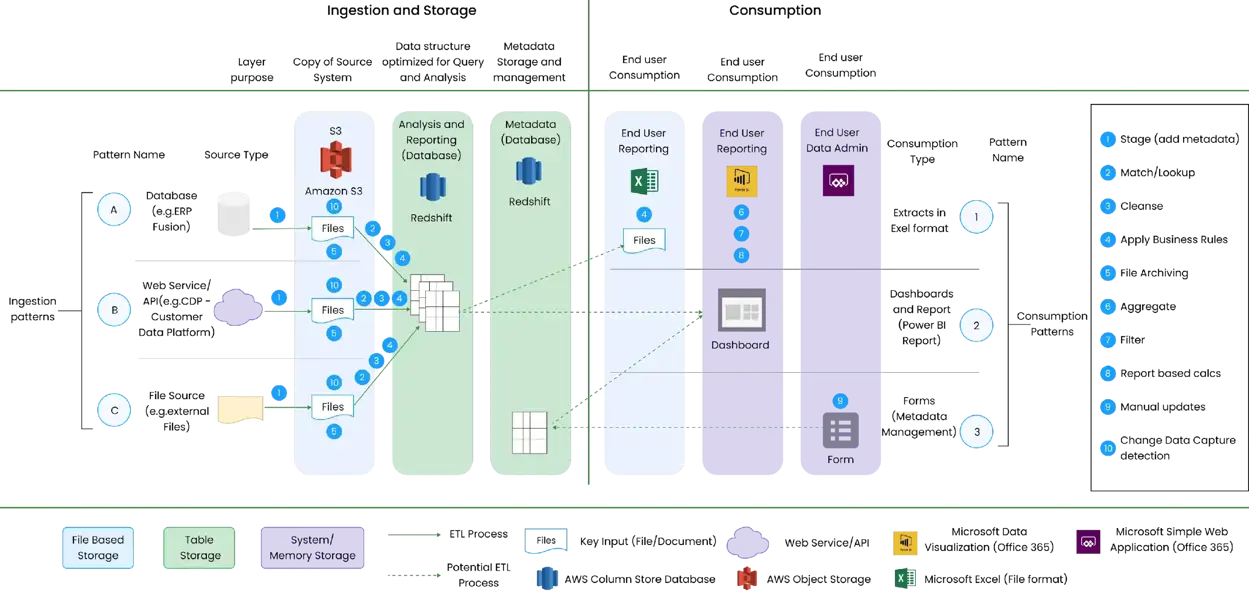
Optimizing Data Workflows on AWS
- Data Integration: Combine data from multiple sources into a unified environment for seamless access and efficient analysis.
- Data Processing: Implement an AWS data pipeline to aggregate, transform, and store data in a centralized system.
- Data Process Automation: Use advanced technology to automate manual tasks, enhancing workflow efficiency and reducing delays.
Conclusion
Managing huge amounts of data in the cloud is essential for businesses today, providing flexible scalability, cost savings, and high reliability. By following good security practices and using key technologies like Apache Spark, Raysync, and Zstandard, companies can manage their data effectively. Ultimately, moving to the cloud helps businesses innovate faster, improve client experiences, and increase their revenue and profit. It's not just a technical choice. It's a path to growth and success. To gain a deeper understanding of our solutions in Big Data & Analytics and Cloud, explore our website.


.webp_2026-10-01-18-27-07-971.webp)
.webp_2026-10-01-18-17-11-290.webp)
.webp_2026-10-01-18-08-26-854.webp)
.webp_2026-10-01-17-47-32-240.webp)