For providers, pharmacies, pharma companies, and home care organizations, missed doses create avoidable clinical risk, poor treatment visibility, and operational follow-up costs. A widely cited medical review notes that adherence to long-term medication therapy is often around 50% for chronic conditions, which means digital adherence programs must solve real behavior, workflow, and reliability challenges, not just send push notifications [1].
For CTOs, CIOs, product leaders, and sourcing managers, smart medication management app development matters because it sits at the intersection of patient engagement, IoT device integration, pharmacy operations, healthcare data privacy, and scalable software delivery. The right platform can support reminders, caregiver alerts, refill workflows, adherence analytics, and automated pill box integration. The wrong platform becomes another disconnected app with low trust, weak data quality, and fragile operations.
Why Medication Adherence Needs Smarter Digital Tools
A medication reminder app is a digital system that helps patients take the right medication, at the right time, in the right dose, while giving authorized caregivers, clinicians, or service teams visibility into missed-dose risk.
Basic reminder tools are useful, but enterprise buyers need more than alarms. Because adherence is affected by regimen complexity, side effects, cost, health literacy, and care-team communication, the platform must capture context around behavior. A reminder that fires at 8:00 AM is only one event. A care-grade adherence platform should know whether the user acknowledged the dose, whether the medication was dispensed, whether a refill is running low, and whether a caregiver escalation is required.
Evidence from randomized-trial reviews suggests mobile adherence apps can help, but efficacy depends heavily on design quality, behavioral fit, and measurement rigor [2]. That is why product teams should treat medication management as a clinical workflow product, not a generic consumer habit tracker.
Key Features of Medication Reminder Apps
Schedules, Reminders, Caregiver Alerts, and Refills
The foundation is a flexible medication schedule engine. It should support fixed-dose schedules, tapering plans, “as needed” medications, time-zone changes, skipped-dose rules, medication photos, and dosage instructions. Because real patients do not live inside clean data models, the app must handle messy edge cases: temporary holds, duplicated prescriptions, caregiver-managed accounts, and multiple medications with similar names.
A mature reminder layer should include:
- Push notifications, SMS, email, voice, and in-app reminders.
- Escalation rules for missed or unconfirmed doses.
- Caregiver and family alerts based on consent and access level.
- Refill reminders based on pill count, prescription duration, or pharmacy integration.
- Offline behavior, so reminders continue even when the mobile network fails.
- Audit logs for medication updates, user acknowledgments, and caregiver actions.
The technical constraint is timing reliability. Mobile operating systems can throttle background tasks, users can disable notifications, and low-power modes can delay events. The mitigation strategy is to combine local notification scheduling, server-side event tracking, retry logic, and fallback channels. The business outcome is fewer blind spots in adherence workflows and better operational confidence for care teams.
Adherence Tracking and Analytics
Adherence analytics should answer three practical questions: who is at risk, why, and what action should happen next?
At the data level, the system can track dose confirmations, missed doses, late confirmations, refill gaps, device-dispense events, caregiver interventions, and patient-reported reasons. For enterprise programs, dashboards should segment adherence by medication, condition, cohort, location, care program, device type, and engagement channel.
However, analytics must be designed carefully. Self-reported confirmation is not the same as verified ingestion. IoT dispenser opening is not the same as medication taken. Because of that, adherence data should be labeled by evidence strength: self-confirmed, caregiver-confirmed, dispenser-confirmed, pharmacy-refill supported, or clinically verified. This prevents overclaiming and helps stakeholders interpret results responsibly.
Automated Pill Box and IoT Dispenser Integration
An automated pill box or smart dispenser adds a physical verification layer to the medication management workflow. It can trigger dose release, detect compartment opening, monitor inventory, report device status, and alert caregivers when a dose is missed.
A practical IoT architecture includes:
Device firmware for compartment control, sensors, local state, and fail-safe behavior.
Secure device identity, provisioning, and certificate/key management.
MQTT or HTTPS communication for telemetry and command exchange.
Edge logic for alarms when cloud connectivity is unavailable.
Cloud ingestion for events such as dispense, missed dose, tamper, low battery, and refill needed.
Web and mobile apps for patients, caregivers, pharmacists, and support teams.
Observability for device fleet health, delayed events, failed commands, and abnormal patterns.
This is where TMA’s healthcare, IoT, and hardware capabilities become relevant. TMA’s healthcare practice lists medication management, pharmacy automation, remote health monitoring, device integration, home care, and senior care services among its areas of expertise [3]. TMA’s IoT page also describes experience in real-time remote monitoring, device control, alarms, MQTT/HTTPS data sources, dashboards, APIs, and IoT testing [4]. For connected medication products, that breadth matters because the app, cloud, firmware, and device testing must be engineered as one system.
Product Considerations for Pharma and Home Care
For pharma teams, a smart adherence app can support patient support programs, specialty medication onboarding, refill engagement, adverse-event routing workflows, and treatment journey visibility. The product must avoid making unsupported clinical claims and should define whether it is a wellness tool, care support tool, prescription drug-use-related software, or a regulated medical device function.
For home care and senior care organizations, the priority is operational reliability. Care managers need exception queues, caregiver permissions, escalation history, and simple workflows for patients with cognitive, mobility, or sensory limitations. Because missed-dose alerts can create alert fatigue, escalation rules should prioritize risk: critical medication, repeated missed doses, recent hospitalization, device offline, or caregiver non-response.
The FDA states that mobile apps and software functions may be regulated depending on their intended function, and FDA policies are function-specific rather than platform-specific [5]. Therefore, product planning should start with intended use, risk classification, claims review, and documentation strategy before the first sprint.
Security and Reliability in Medication Management
Medication apps often process sensitive personal and health data. In North America, HIPAA may apply depending on the business model, covered entity relationship, and data flow. HHS states that the HIPAA Security Rule requires administrative, physical, and technical safeguards to protect electronic protected health information [6]. TMA should therefore be positioned carefully: TMA can support HIPAA-aware engineering practices where applicable, but HIPAA compliance obligations depend on the client’s operating context and legal agreements.
Security-by-design for medication platforms should include:
Role-based access control for patients, caregivers, pharmacists, clinicians, and support teams.
Strong authentication, MFA for privileged users, and secure session handling.
Encryption in transit and at rest.
Data minimization for notifications, logs, and analytics exports.
Secure mobile storage aligned with OWASP MASVS categories such as storage, cryptography, authentication, network communication, privacy, and code quality [7].
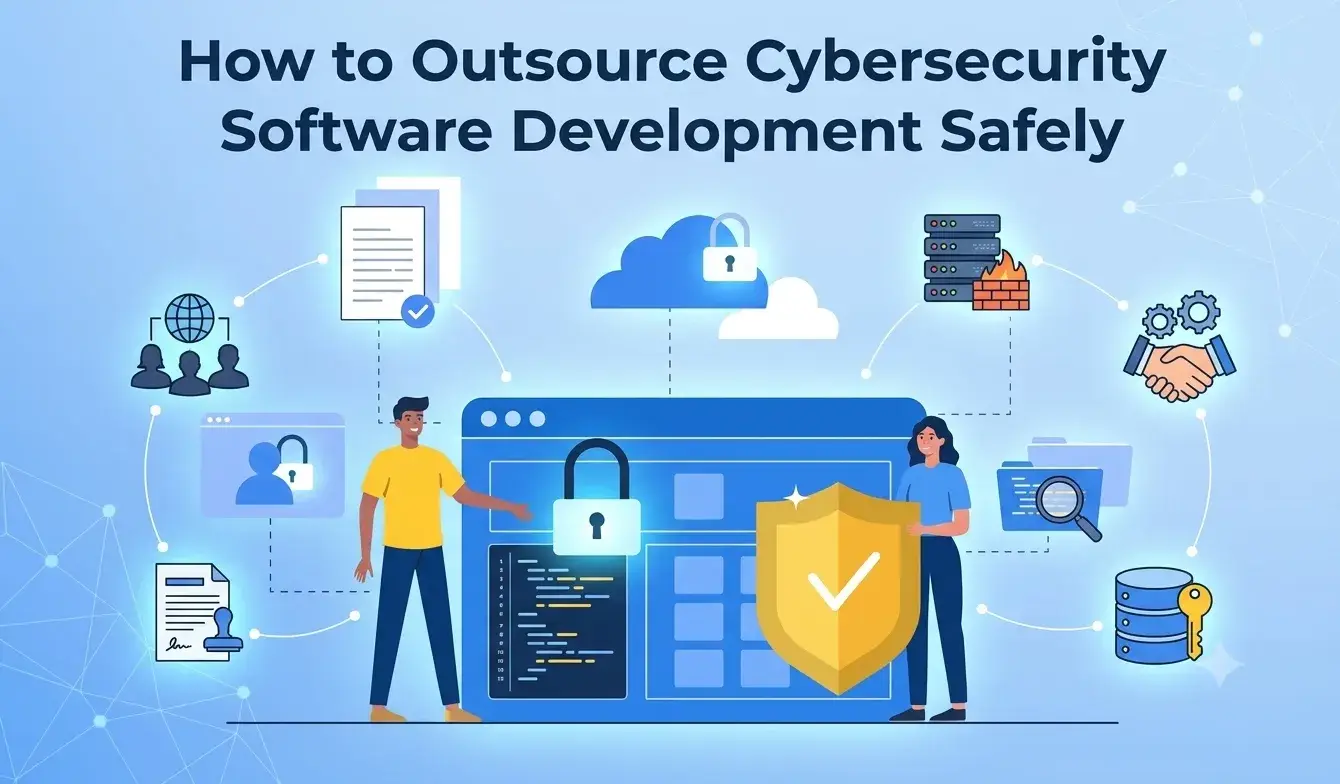
Secure SDLC controls aligned with NIST SSDF, including threat modeling, vulnerability management, secure build pipelines, and supplier risk controls [8].
Backup, disaster recovery, uptime monitoring, and incident response runbooks.
TMA’s public positioning supports this delivery posture: 29 years of experience, 4,000 engineers, clients from 30 countries, 10+ solution and technology centers, and a quality foundation that includes CMMI, Agile, RUP, ISO 9001, and ISO 27001 [9]. Its security application development page lists OWASP ASVS, MASVS, NIST SP 800-218, ISO 27034, DevSecOps, vulnerability scanning, penetration testing, IAM, encryption, and cloud security skills [10].
Technical Delivery Pipeline
A structured smart medication management app delivery pipeline should look like this:
Define intended use, target users, medication workflows, risk level, and regulatory assumptions.
Map patient, caregiver, pharmacy, provider, and support-team journeys.
Design the medication schedule engine, consent model, escalation logic, and audit trail.
Build mobile, web, backend, API, analytics, and IoT integration architecture.
Prototype the reminder, refill, caregiver alert, and dispenser workflows.
Implement secure identity, encryption, logging, monitoring, and access controls.
Validate device telemetry, offline behavior, notification reliability, and time-zone handling.
Run functional, integration, regression, performance, security, and usability testing.
Pilot with controlled users, collect adherence event quality feedback, and refine workflows.
Operate with DevSecOps, analytics governance, support playbooks, and continuous improvement.
Generic ODC vs. Engineering Partnership Model
Evaluation Area | Generic Low-Cost ODC | Engineering Partnership Model |
Product ownership | Task execution | Shared architecture, risk, and roadmap thinking |
Healthcare workflows | Limited domain context | Medication, home care, device, pharmacy, and analytics awareness |
IoT integration | App-first, device later | Device, firmware, cloud, mobile, and testing planned together |
Security | Late-stage checklist | Secure SDLC, threat modeling, mobile security, and CI/CD controls |
Quality | Manual QA-heavy | Automation, regression, performance, interoperability, and device testing |
Scaling | Add headcount | Add governance, architecture, delivery pods, and reusable accelerators |
Lessons Learned From The Field
The biggest failure pattern in medication app development is treating adherence as a notification feature. Because medication workflows involve behavior, care coordination, privacy, and sometimes connected devices, weak architecture quickly turns into operational debt.
Common low-cost ODC pitfalls include unclear code ownership, minimal refactoring, brittle CI/CD pipelines, poor mobile test coverage, unvalidated notification behavior, and security testing performed only before release. In IoT programs, teams often underestimate firmware-state handling, time synchronization, device provisioning, and delayed telemetry.
A TMA-style engineering partnership is better suited when the buyer needs long-term delivery capacity, cross-functional technical breadth, process maturity, and R&D collaboration. The goal is not simply to reduce development cost. It is to build a medication management platform that can scale across patients, caregivers, devices, pharmacies, and care programs without losing reliability or trust.
Build Smart Adherence Solutions With TMA
TMA Solutions can help healthcare, pharma, home care, and digital health organizations design and build smart medication management apps that combine mobile UX, cloud platforms, IoT dispenser integration, analytics, QA automation, and security-aware engineering. With 29 years of software outsourcing experience, 4,000 engineers, healthcare and IoT capabilities, hardware integration experience, and mature quality practices, TMA is positioned as a technology and innovation partner for enterprise buyers who need more than low-cost development capacity.
For organizations planning a medication reminder app, automated pill box platform, pharmacy automation workflow, or connected adherence solution, the strategic takeaway is clear: build the product around reliability, evidence quality, security, and operational adoption from day one. Engage TMA Solutions to assess your roadmap, validate the architecture, and form a dedicated delivery team for scalable smart medication management development.
FAQ
What is a smart medication management app?
A smart medication management app helps users follow medication schedules, confirm doses, receive refill reminders, and share adherence status with authorized caregivers or care teams.
Can medication reminder apps integrate with automated pill boxes?
Yes. They can integrate with IoT pill boxes through secure device provisioning, MQTT/HTTPS telemetry, cloud APIs, dispenser events, battery monitoring, and caregiver alert workflows.
Is a medication management app regulated by the FDA?
It depends on intended use and claims. FDA policies are function-specific. Apps that provide simple self-management may differ from software that influences diagnosis, treatment, or medical device function.
How should buyers evaluate an outsourcing partner for this type of app?
Evaluate healthcare experience, IoT capability, QA maturity, security practices, regulatory awareness, delivery scale, and long-term ownership model. Avoid choosing solely on hourly rate.
What security controls are important for medication apps?
Important controls include RBAC, encryption, MFA, audit logs, secure mobile storage, API protection, vulnerability scanning, penetration testing, backup, monitoring, and incident response.