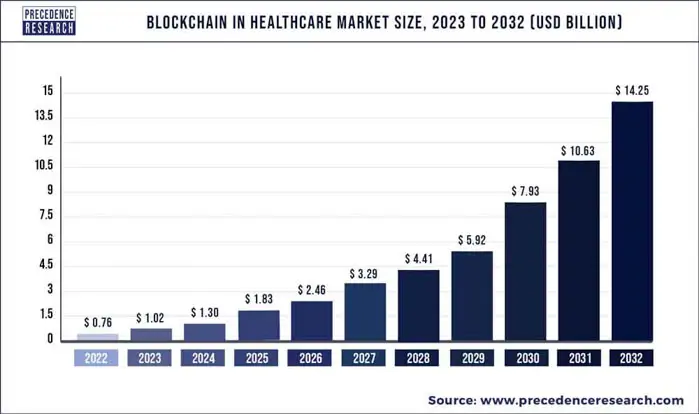
As medical systems face growing pressure to manage sensitive data securely and efficiently, blockchain is emerging as a transformative solution. This technology offers a way to enhance data security, improve patient care, and streamline operations across the industry. In this article, we explore five key use cases that demonstrate how blockchain in healthcare is being applied to address challenges and drive innovation.
Benefits of blockchain technology in healthcare
This section delves into the benefits of using blockchain and how it is reshaping the health industry.
Strengthening healthcare data security
One of the most crucial applications of blockchain in healthcare is in data security. Medical systems globally are adopting this technology to create tamper-proof, decentralized records of patient data. These immutable records ensure that once data is entered, it cannot be altered without leaving a trace.
This structure makes it extremely difficult for hackers to manipulate sensitive medical information. With blockchain, medical providers can offer patients a higher level of trust, knowing that their data remains protected, traceable, and secure.
Protecting patient privacy
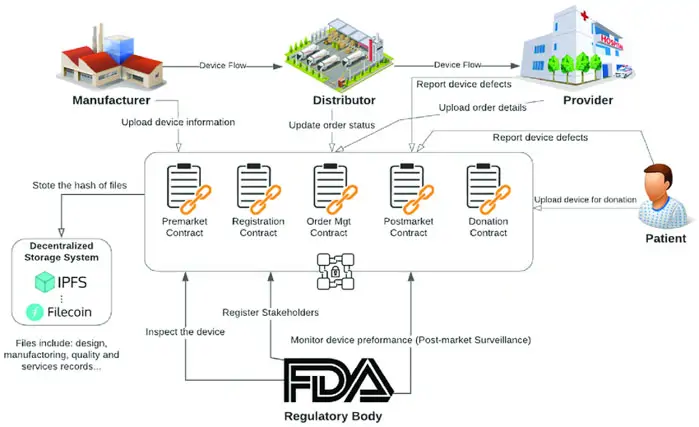
Patient privacy has always been a top priority in the industry, and blockchain technology offers a groundbreaking solution to this challenge. This structure gives patients control over who can access their medical records, and any access or changes to their data are recorded in a secure, transparent manner.
This level of control represents a major advancement in health information exchange, enabling patients to manage their personal health data with greater autonomy and consent. Patients can now decide when, how, and with whom to share their data, fostering trust between providers and patients.
Minimizing the risk of data breaches in healthcare
Data breaches have become an increasing concern as more providers digitize patient records. Blockchain helps mitigate this risk by storing data in a fragmented, distributed network, making it nearly impossible to hack or alter without detection. Each piece of data is encrypted and linked to previous transactions in the blockchain, adding multiple layers of security.
Even if a hacker gains access to one part of the system, they cannot alter the entire record without triggering alarms across the network. This makes blockchain a highly secure solution for protecting sensitive medical data from breaches.
Enhancing supply chain transparency and efficiency
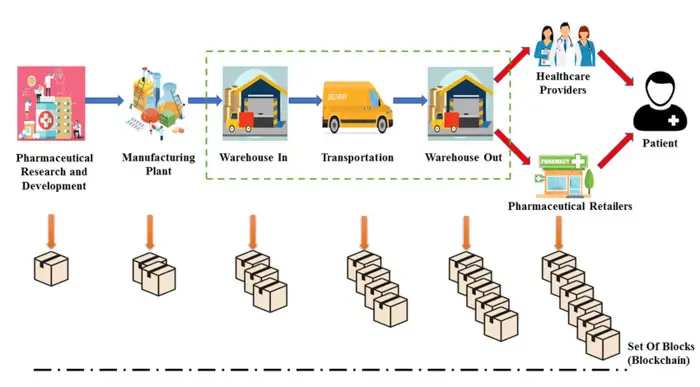
These improvements not only enhance operational efficiency but also safeguard patients by ensuring that only genuine medical products reach providers. The ability to track each step in the supply chain reduces errors and ensures a reliable flow of supplies.
5 blockchain applications in the health industry
Below are 5 key use cases of blockchain in the industry that are driving innovation and improving digital health.
Improving supply chain transparency for healthcare products
A major challenge in medical is ensuring the authenticity and provenance of products. Blockchain in healthcare addresses this by tracking goods through the entire supply chain, from manufacturing to delivery, ensuring transparency and reducing the risk of counterfeiting. This is vital in markets plagued by counterfeit medicines and for medical devices used in remote health monitoring.
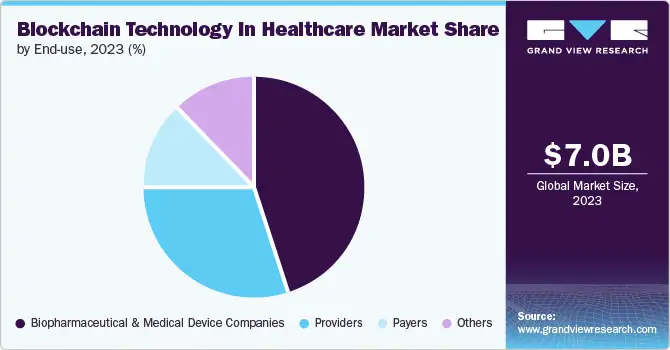
Blockchain health care also simplifies adherence for medical device manufacturers and pharmaceutical companies, which face strict regulatory requirements. By aggregating supply chain data into a single system, the technology eases reporting and adherence processes. Additionally, it can trigger automated alerts to law enforcement when issues are detected, speeding up response times.
The integration of blockchain with artificial intelligence (AI) offers several key benefits for supply chain optimization:
Client confidence: Ensures clients can track the full provenance of products, enhancing trust in their authenticity and safety.
Adherence: AI-driven automation improves adherence by streamlining reporting and issuing alerts when discrepancies arise.
Supply chain optimization: AI uses consolidated data to predict demand and optimize inventory, improving efficiency and product availability.
Overall, blockchain’s potential to improve transparency, efficiency, and adherence in medical supply chains is already being demonstrated. And, its impact is expected to grow significantly in the near future.
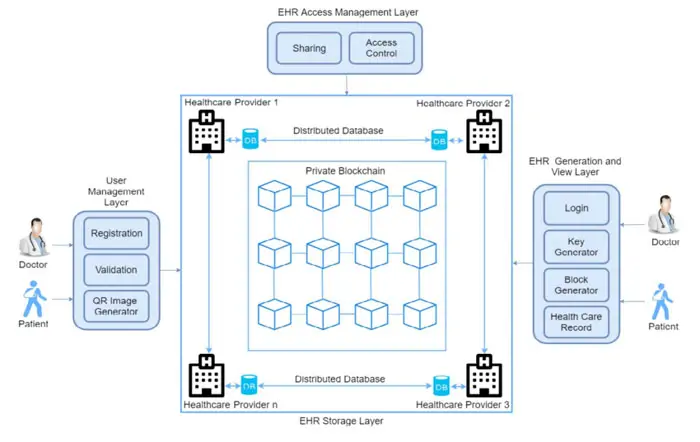
Enabling patient-centric health records
One of the significant challenges in medical today is the fragmentation of patient record across various systems, leading to incomplete medical histories and inefficient care coordination. This issue is particularly concerning because it contributes to medical errors, which have been identified as a leading cause of death in many countries. A promising solution to this problem is the implementation of blockchain technology to enable patient-centric health records, providing a unified, secure platform for managing medical data.
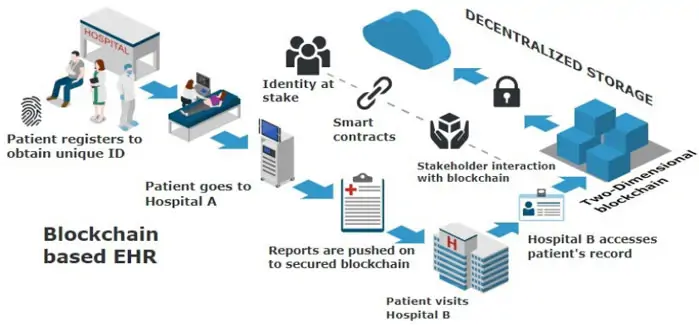
The technology enables a decentralized system for electronic medical records (EMRs). Instead of storing patient health information directly on the the structure, it uses unique cryptographic techniques to represent the information securely. This hash links to each updated medical record can only be accessed or decoded with the patient consent. This ensures that patients retain control over their data while also allowing for seamless updates and sharing between authorized providers.
Blockchain-enabled EHRs offer significant advantages:
Comprehensive medical histories: Provides a unified, complete view of a patient’s health record, reducing the risk of errors and improving patient care. Both patients and providers can access accurate, up-to-date information, leading to better-informed decisions.
Patient control and transparency: Patients can see every update to their records and explicitly grant consent each time their data is shared. This transparency enhances trust and gives patients full control over their personal health information. They can also choose to share specific parts of their records with researchers or set time limits on data access.
Streamlined insurance processes: Medical insurers benefit from immediate, validated confirmations of medical services, directly from the patient, without the need for intermediaries. This reduces administrative costs and improves claim processing efficiency.
Beyond patient records, blockchain can also facilitate other digital health solutions. For instance, patients could choose to share anonymized health data in exchange for incentives, supporting research or the development of digital health applications. It can enhance personalized medicine and advanced analytics by enabling a more complete and accessible patient information system. Access to high-quality, population-level data allows for more effective treatments and improved health outcomes.
Using smart contracts for insurance and supply chain automation
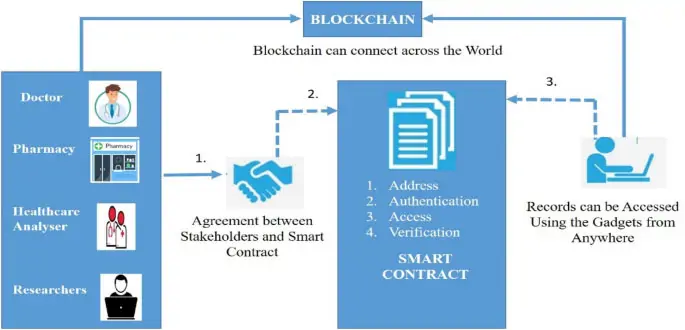
Blockchain technology is transforming contract management in medical through the use of smart digital contracts, offering greater efficiency and transparency. These digital contracts streamline the medical industry by authenticating identities, logging contract details, and tracking transactions and payments seamlessly. Stakeholders such as pharmaceutical companies, medical device manufacturers, wholesalers, insurers, and medical providers can benefit from this efficiency.
Shared digital contracts allow all parties to access a single version of the agreement. This reduces disputes over issues like payment chargebacks for medical goods and services, which often arise due to changes in pricing structures. Traditionally, these disputes require time-consuming manual resolution, but with digital contracts, the process becomes automated and standardized, ensuring accurate and timely payments.
Digital contracts also simplify the management of medical insurance claims, where disputes often lead to delays and increased administrative costs. By automating claim verification and ensuring transparency, digital contracts reduce the risk of errors, expedite settlements, and improve the overall process.
Additionally, once this data is digitized and accessible via blockchain, advanced analytics can be applied to optimize medical costs and outcomes. The use of digital contracts streamlines operations, enhances trust among participants, and ultimately leads to more efficient service delivery and better patient care.
Securing IoT Devices for remote health monitoring
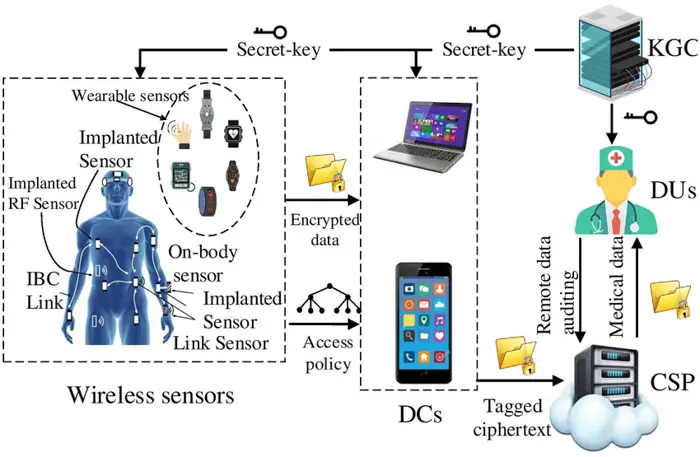
As remote monitoring solutions gain traction in digital health, security concerns around health-related IoT devices have become increasingly critical. These devices, which monitor vital signs and other patient health information, play a vital role in proactive and preventative care. However, ensuring data privacy, integrity, and security is crucial, especially when handling sensitive patient information. This becomes even more critical during emergencies involving life-saving alerts.
Blockchain provides a promising solution to strengthen IoT security for devices used in remote monitoring. By utilizing cryptographic methods, patient records can be securely stored as a unique hash function on a ledger. This means that only authorized parties with specific cryptographic keys can access the underlying data, ensuring privacy. Moreover, if any changes are made to the source data, the hash function will change, making unauthorized tampering immediately detectable.
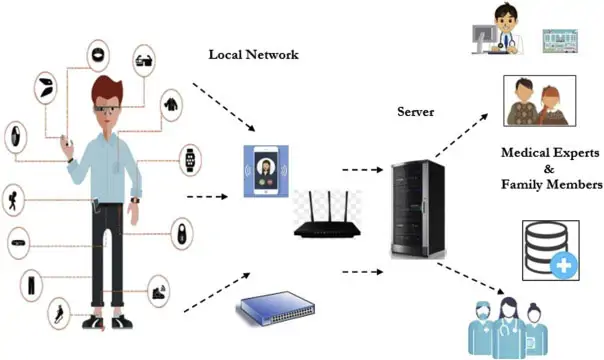
Patient health information is securely protected, as altering it requires access to all copies of the distributed ledger. This ensures the integrity of the data and prevents the creation of false information that could compromise patient care.
The decentralized also helps protect IoT devices from Distributed Denial of Service (DDoS) and man-in-the-middle attacks. In traditional IoT setups, devices typically rely on centralized servers to communicate, making them vulnerable to these types of cyberattacks. With blockchain, IoT devices can communicate directly with each other in a system, significantly reducing the risk of service disruption.
Verifying medical credentials
Credentialing has traditionally been a lengthy process. Blockchain simplifies this by allowing trusted medical institutions to securely log staff credentials on a decentralized ledger.
With a blockchain-based credentialing system, medical organizations can quickly verify the qualifications and work history of medical professionals, streamlining the hiring process. This is particularly beneficial for organizations that need to onboard staff rapidly or sub-contract professionals in emerging virtual health models. The transparency gives organizations reassurance that the credentials are accurate and up-to-date, helping to ensure patient safety and service quality.
Additionally, this system provides an opportunity for medical institutions, insurers, and healthcare providers to monetize their existing credential data. Logging staff credentials enables organizations to provide credential verification services, generating revenue while ensuring trust and security.
Challenges and considerations for blockchain adoption in healthcare
Blockchain technology holds great promise for medical but its widespread adoption faces several implementation challenges.
- Technical challenges
Blockchain requires substantial computational resources and seamless integration with existing medical systems, like electronic health records (EHRs). The technology's current limitations in speed and scalability may also hinder its real-time data processing capabilities, crucial for medical organizations.
- Economic and behavioral considerations
The initial investment in infrastructure, training, and system integration is significant, and smaller organizations may be hesitant to adopt this technology. Shifting control of medical records to patients represents a cultural change, which could face resistance from providers used to centralized data control.

- Organizational challenges
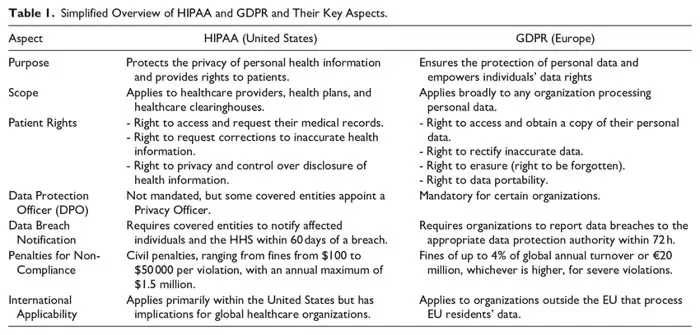
Adopting blockchain enables trustless collaboration among stakeholders, including hospitals, insurers, and regulatory bodies. Navigating privacy regulations and compliance laws, such as HIPAA or GDPR, is essential. Additionally, resistance to change from medical professionals unfamiliar with technology may slow implementation.
Despite these challenges, careful planning and trustless collaboration will be critical to realizing blockchain's potential in medical.
Blockchain in healthcare can solve major industry challenges by enabling secure, transparent, and efficient data management. As blockchain technology continues to advance, its influence on the medical sector will deepen, creating opportunities for innovation and improving the delivery of care.


.webp_2026-10-01-18-27-07-971.webp)
.webp_2026-10-01-18-17-11-290.webp)