Many families worry when their elderly parents live alone, because nobody may notice a fall or a missed dose in time. Senior care facilities share this worry, because they do not have enough staff to watch each person 24 hours a day.
To address this shared concern, this article introduces remote health monitoring for elderly people, including common devices, costs and how to choose the right system.
1. What remote monitoring for elderly is and why it is essential
According to the World Health Organization (WHO), by 2030, 1 in 6 people in the world will be aged 60 or over. As the number of older people grows this fast, the need for care grows too, but the number of family caregivers and healthcare workers cannot keep up. To reduce this pressure, many families and care facilities are moving to remote monitoring.
Remote Patient Monitoring (RPM) for elderly people uses wearable devices, sensors and software to collect their health readings and daily activity data. The data goes to a system, so relatives, nurses and doctors can view it from anywhere. When something unusual appears, the system sends an alert right away.
With continuous monitoring, RPM brings three main benefits to elderly people:
Early detection of health decline: The system notices small changes in heart rate, blood pressure or sleep before they turn into serious illness.
Earlier action on stroke risk factors: When blood pressure stays high or the heart rhythm is irregular, the doctor receives an alert and can adjust treatment in time.
Faster emergency response: When an elderly person falls or forgets their medicine, relatives and the care team are notified at once, instead of finding out hours later.
According to the US Centers for Disease Control and Prevention (CDC), 1 in 4 older adults report falling every year. In addition, according to the US National Council on Aging (NCOA), nearly 93% of adults aged 65 and older have at least one chronic condition. Therefore, RPM is especially suitable for the following groups:
Elderly people who live alone and have no one nearby when something goes wrong.
Patients with chronic diseases such as diabetes, high blood pressure and heart disease, who need regular checks.
People who have just had surgery and need to recover at home.
Elderly people with memory loss or dementia, who often forget their medicine or get lost.
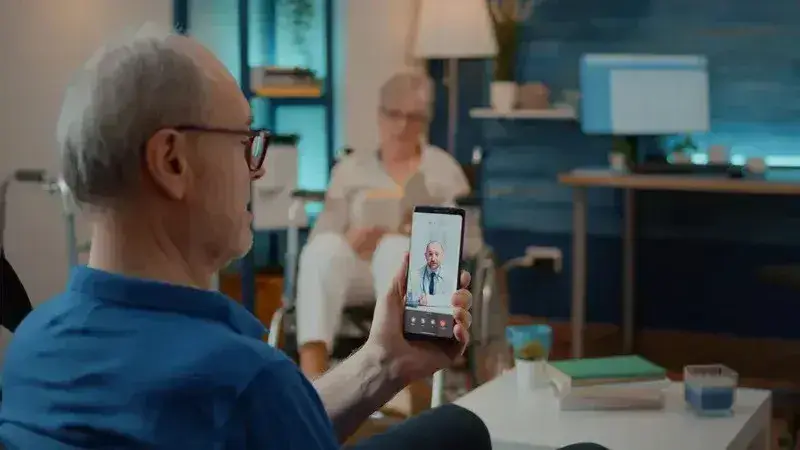
Remote monitoring helps families follow their parents' health at any time
2. Key features of remote monitoring for elderly
An effective RPM system does more than take readings: it must also turn data into timely action. For this reason, the system usually has the following features:
Continuous vital sign tracking: The system measures heart rate, blood pressure, SpO2, blood sugar and electrocardiogram (ECG) automatically, so users do not need to write anything down.
Fall detection and SOS button: When the device detects a hard impact or the user presses the emergency button, the system sends an alert with the location to relatives.
Medicine and appointment reminders: The app gives reminders on time and records missed doses so that nurses can follow up.
Personal alert limits: Each person has their own safe range. As a result, a patient with high blood pressure and a healthy person do not get the same alert level.
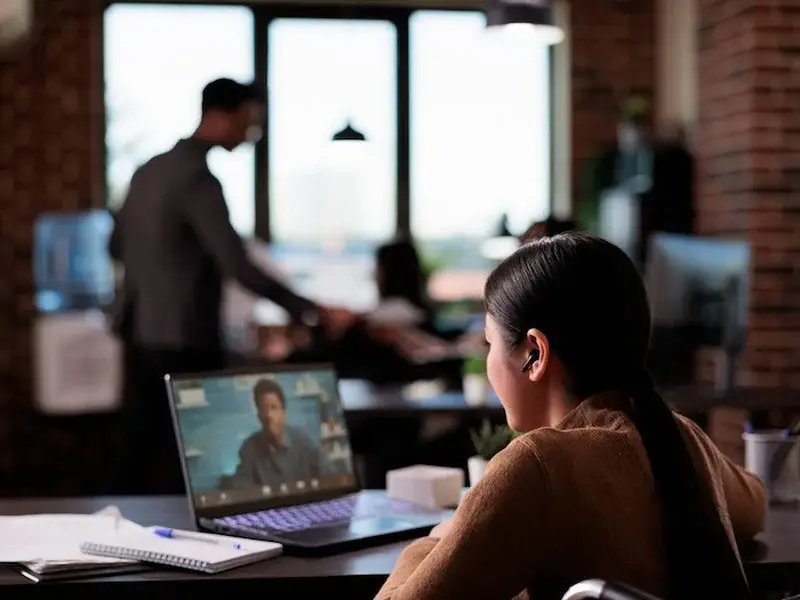
Remote consultations: Elderly people can make video calls with doctors and receive e-prescriptions without a hospital visit.
Dashboards for different users: Relatives, nurses and doctors see the same data, and each group has its own view and access rights.
AI trend analysis: AI compares data week by week and month by month to spot small changes, for example when an elderly person walks less or sleeps worse.
A remote monitoring system combines readings, alerts and medicine reminders in one app
3. Remote health monitoring devices for elderly people
A complete RPM system has five groups of components. Each group collects a different type of data, and together they give a full picture.
3.1. Wearable health devices
Wearable health devices are small devices that people wear on the body, such as smartwatches, rings and wristbands. They passively measure heart rate, SpO2, ECG, steps, activity levels and sleep. As a result, the system can detect an irregular heartbeat or a sudden drop in SpO2 without any action from the elderly person.
The mCare platform, developed by TMA, is a clear example. mCare connects with more than 50 smart wearables from Apple, Samsung and Garmin, and collects heart rate, blood pressure, SpO2 and ECG data. In addition, users can make video calls with doctors and receive e-prescriptions directly in the app.
3.2. In-home monitoring sensors
In-home sensors are fixed devices such as motion sensors, pressure sensors under the bed, door sensors and appliance sensors. They record falls, long periods without movement, sleep, breathing and daily routines. Because these devices do not need to be worn or charged, they suit people with dementia who often forget to wear a watch.
For example, if the bathroom door sensor records no movement after 40 minutes, the system can send an alert to relatives. In addition, when the sensors show that an elderly person wakes up many times at night, the doctor has more information to check for health problems.
3.3. Mobile app
The mobile app is where relatives and the care team view data from wearables and sensors. The app shows health status, activity levels, trend charts, medicine schedules and appointments. For elderly users, the app needs large text, few buttons and voice reminders.
In addition, doctors and nurses need a different view that lets them follow many patients at the same time. Therefore, a good platform usually has separate apps for elderly users, for families and for the care team.
3.4. Alerts and emergency response systems
An alert system includes fall detectors, SOS buttons and alert rules based on vital signs. The system watches for abnormal readings, sudden impacts, long periods without movement and help requests from the user. When something happens, the system sends an alert with the location right away, so relatives or the emergency team can arrive in time.
This group is especially important because, according to the CDC, falls are the leading cause of injury-related death among adults aged 65 and older. If an elderly person lies on the floor for hours and no one knows, the risk of complications rises sharply.
3.5. Cloud-based data systems
A cloud-based data system is a platform that links wearables, sensors and apps into one shared system. The platform stores continuous data as long-term health records, runs AI analysis and gives doctors remote access. At the same time, the data is encrypted and protected with access control to keep personal information safe.
One example is the remote health monitoring system that TMA built for a senior care facility. Before the project, traditional monitoring was neither accurate nor timely, so staff often responded late. To fix this, TMA's system tracks heart rate, blood pressure, mobility and medicine intake in real time. When blood pressure drops suddenly or a resident misses a dose, the system automatically notifies caregivers. As a result, the facility can provide 24/7 care, and families receive regular updates on their loved ones' daily activities.
A cloud system connects devices, apps and the care team
4. Cost to build a remote patient monitoring platform
There is no fixed cost for an RPM platform, because the cost depends on the scope and complexity of the system. A basic platform costs about USD 50,000–150,000, while a full platform with AI and EHR integration can cost from USD 150,000 to more than USD 500,000. An app that connects a few wearables costs much less than a platform that serves thousands of residents across many facilities.
In detail, the cost depends on the following factors:
Number of device types to integrate: Each device brand sends data in its own way. Therefore, more device types mean higher integration and testing costs.
Number of apps and user groups: A platform with separate apps for elderly users, families and nurses, plus a dashboard for doctors, needs more design work.
AI and alert features: Fall detection, trend analysis and chat assistants need training data and more careful testing.
Integration with healthcare systems: A connection with Electronic Medical Records/Electronic Health Records (EMR/EHR) through HL7/FHIR standards adds work, but it makes the data useful for doctors.
Security and compliance requirements: HIPAA or GDPR compliance needs encryption, access logs and regular security checks.
Operation and maintenance: After launch, the platform still has costs for cloud servers, support for new devices and user support.
Because many factors can change, a good approach is to start with a Minimum Viable Product (MVP) for one user group. After that, you can add features based on real feedback. If you need a cost estimate for a specific project, you can contact TMA for advice.
5. How to choose a remote elderly monitoring system
Each user group has different needs, so the criteria for choosing a system are also different. Below are the criteria for three common groups.
5.1. For families managing aging parents at home
For families, the key point is to know right away when their parents have a problem, even if they are at work or live in another city. Therefore, the system needs to send instant alerts to several relatives at the same time. In addition, the devices must be easy to set up, because families usually do not have technical staff to help.
Questions to ask:
Does the system alert several relatives at once when a parent falls?
Does the app show weekly trends in blood pressure and sleep, so I can discuss them with the doctor?
Can my parents use the device on their own, without daily help from their children?
5.2. For elderly living independently
Elderly people who live independently want to feel safe, but they do not want to feel watched. Therefore, the devices should be small, low-touch and respectful of privacy, for example sensors without cameras. In addition, the interface must be simple, with large text and an SOS button that is easy to press.
Questions to ask:
Does the device need frequent charging, or can it run for a long time?
Can I choose who can see my health data?
When I press the SOS button, who receives the alert, and how fast?
5.3. For senior care facilities and healthcare providers
Care facilities must monitor hundreds of residents with a limited number of nurses. Therefore, the system needs a central dashboard, alerts ranked by level of risk and a connection with the current EMR/EHR. At the same time, the system must meet healthcare data security rules.
Questions to ask:
Can nurses see many residents on one screen?
Does the data go into the medical record automatically through HL7/FHIR standards?
Which security rules does the system meet, such as HIPAA or GDPR?
Today, many families and facilities buy separate devices, such as a smartwatch and a separate blood pressure monitor. These devices often work alone, so the data is spread across many apps and notifications are easy to miss. Many of them do not pass emergencies to the medical team automatically, and they do not connect relatives, nurses and doctors at the same time.
To solve this problem, some facilities build their own custom platform. A custom platform brings data from all devices into one place and meets strict healthcare security standards such as HIPAA and GDPR. In addition, the interface can be adapted for each patient group, for example a blood sugar screen for diabetes patients. The platform also connects directly with the specialized medical devices that the facility already uses, so there is no need to buy new devices.
6. Custom remote monitoring consultation with TMA Solutions
TMA Solutions is a software development company founded in 1997 in Ho Chi Minh City, with experience in building senior care solutions for clients in Vietnam and abroad. When you work with TMA, your facility can solve the problems of scattered data and missed alerts in the following ways:
Digital health experience: You work with a team that has more than 15 years of experience in digital health and more than 700 engineers, serving clients in Australia, the US, New Zealand, Sweden, Ireland and Vietnam.
One connected device ecosystem: TMA connects more than 40 medical devices and wearables, including blood pressure, SpO2, blood sugar, heart rate and ECG devices. As a result, your data no longer sits in many separate apps.
Tailored senior care ecosystem: You get senior-friendly mobile apps, nurse tracking tools, family portals and a central clinical dashboard.
AI and interoperability: TMA builds smart chat assistants, digitizes paper documents with Optical Character Recognition (OCR) and connects EMR/EHR systems through HL7/FHIR standards.
Partner for healthcare companies: TMA has worked with BestMed, Webstercare, Careium and Teladoc Health.
If you are thinking about building your own platform, contact TMA for advice on the right solution.
The TMA team builds senior care solutions
7. Frequently asked questions about remote monitoring for elderly
7.1. Does remote monitoring replace doctors or caregivers?
No, remote monitoring supports doctors and caregivers but does not replace them. The system gives them continuous data and early alerts. However, diagnosis, treatment and personal care still need people.
7.2. How can I monitor my elderly parents remotely?
You can start with a wearable device that has an SOS button and fall detection and connects to an app on your phone. If your parents have a chronic disease, add a connected blood pressure monitor or blood sugar meter. After that, you can add in-home sensors if your parents often forget to wear the device.
7.3. What is the best elderly monitoring system?
The best system is the one that fits each person's health condition and living situation. A healthy person who lives alone may only need a fall alert device. In contrast, a care facility with many residents who have chronic diseases needs a central platform that connects many devices and medical records.
Remote health monitoring helps elderly people live more safely, gives families peace of mind and helps care facilities respond faster. However, its real value only comes when devices, apps and the care team are connected on one platform. If you want to build a solution that fits your facility, talk to the TMA team.
Contact information:
TMA SOLUTIONS - The leading Remote monitoring for elderly company in Vietnam Email: sales@tmasolutions.com Website: https://www.tmasolutions.com/ Linkedin: TMA Solutions TMA Tower address: Street #10, Quality Tech Solution Complex (QTSC), Trung My Tay Ward, Ho Chi Minh City. |