Home
Search
Found 797 results for “ “ keyword
icon
Wealth Management vs. Asset Management – Tech Differences Case Study 2: Asset Management – Investment Management Portal Use Case: A secure investment portal designed for financial intermediaries to manage investor accounts, execute trades, and track multi-asset portfolios. https://www.tmasolutions.com/ TMA Solutions has been supporting its client in delivering this system to help financial institutions streamline investment operations and compliance. https://www.tmasolutions.com/industries/finance Investment Management Portal Key Functionalities: Dashboards for investment positions, transactions, and account instructions Integration with brokers, custodians, and trading systems Multi-role access for admin, adviser, investor, and manager logins Tech Stack and Features: Supports execution protocols like FIX, CTM, OASYS, IRESS Real-time trade operations and post-trade reconciliation Investment reporting, tax reporting, and financial performance tracking Outcome: This portal enhances operational efficiency, transparency, and compliance across asset classes, allowing institutions to manage large portfolios effectively. Case Study 1: Wealth Management – Superannuation Platform Use Case: A comprehensivehttps://www.tmasolutions.com/industries/finance superannuation and https://www.tmasolutions.com/case-studies/enhancing-wealth-management-efficiency-with-advanced-fintech-solutions wealth management platform for individuals and financial advisers, supporting end-to-end retirement planning. https://www.tmasolutions.com/industries/finance TMA Solutions has been working on this project to support a market-leading provider of wealth administration software. Superannuation Platform Key Functionalities: Self-service client portals with calculators and illustrations Adviser dashboard integrated with back-office CRM Support for pre- and post-sales planning, document handling, and compliance Tech Stack and Features: Modular service-oriented architecture API integration layer Compliance support for regulatory requirements Outcome: This solution enables long-term retirement planning and goal tracking, empowering users with personalized tools and financial literacy while ensuring back-office efficiency for advisers and administrators. Conclusion While https://www.tmasolutions.com/case-studies/enhancing-wealth-management-efficiency-with-advanced-fintech-solutions wealth management and https://www.tmasolutions.com/industries/finance asset management share a financial goal—growing and preserving wealth—their technological infrastructures reflect fundamentally different priorities. Wealth management emphasizes personalization, planning, and client relationships, whereas asset management requires precision, scale, and investment analytics. Recognizing these distinctions helps institutions choose the right tech stacks, tools, and talent to support their respective strategies. https://www.tmasolutions.com/ TMA Solutions , with its extensive experience in both domains, continues to deliver robust, compliant, and innovative platforms that empower financial service providers to meet their clients' evolving needs and stay competitive in a rapidly changing market. Comparative Summary of Case Studies As financial services increasingly rely on digital transformation, understanding the technological landscape behind wealth and asset management becomes essential. While both sectors focus on optimizing financial outcomes, their operational models and technology stacks differ significantly. This article explores the core technological distinctions between wealth management and asset management, analyzing how each leverages digital tools, data, and automation to serve different user segments and financial objectives. Two practical case studies from https://www.tmasolutions.com/industries/finance TMA Fintech Center are included to illustrate these differences. Key Technological Differences Definitions and Focus Areas Wealth Management Wealth Management is a holistic, client-centric approach that covers not just investments but also financial planning, estate strategies, insurance, and tax optimization. It is primarily designed for affluent individuals and those approaching that level of wealth. Asset Management Asset Management is investment-centric , focusing on managing pooled funds or portfolios (e.g., mutual funds, ETFs, pension funds) with performance, risk, and compliance as core objectives. Clients are often institutional investors, family offices, or ultra-HNWIs. Introduction Financial institutions traditionally categorize their offerings into Wealth Management and Asset Management , each serving distinct client bases. With fintech innovation reshaping both industries, technology now plays a pivotal role in how these services are delivered. Understanding the technology differences is critical for digital product designers, CTOs, and strategic planners who operate or serve in either domain. ...
icon
Wearable Integration For Real-Time Elderly Health Tracking The global population is aging rapidly, increasing the demand for technologies that enable older adults to live independently while receiving continuous healthcare support. According to the World Health Organization (WHO), one in six people worldwide will be aged 60 years or older by 2030. This demographic shift means the share of the population aged 60 and over will increase from 1 billion in 2020 to 1.4 billion by 2030, placing growing pressure on healthcare systems and long-term care providers. At the same time, advances in https://www.tmasolutions.com/industries/healthcare wearable technologies , IoT, and artificial intelligence are transforming how elderly health is monitored. By integrating wearable devices with digital health platforms, healthcare organizations can track vital signs in real time, detect abnormalities earlier, and deliver more proactive and personalized care. As a result, wearable integration for real-time elderly health tracking is becoming an essential capability for hospitals, homecare providers, and digital health companies. What Is Wearable Integration in Healthcare? Wearable integration refers to connecting smart devices and medical sensors with digital health platforms to continuously collect, transmit, and analyze patient health data. Notably, 57% of India respondents in 2024 consumer surveys report owning smart wearables, outpacing Mainland China (53%) and the UK (52%). How Wearable Technologies Support Elderly Care Modern wearables provide https://www.tmasolutions.com/industries/healthcare healthcare professionals with continuous visibility into an individual's health status outside traditional clinical settings. Interest in these technologies is also increasing among older adults. Springer’s recent study found that 74.4% of participants aged 60–99 expressed interest in wearable monitoring systems, while 93.9% considered safety their primary benefit. Beyond supporting healthy aging and chronic disease management, wearable technologies can enhance independence, facilitate remote care, and improve emergency response for elderly individuals. Common Types of Wearable Devices Various wearable technologies are being used to support elderly health monitoring, including: Smartwatches and fitness trackers. Smart rings ECG patches. Blood pressure monitors. Pulse oximeters. Continuous glucose monitoring devices. Fall detection wearables. Key Health Parameters Being Monitored These devices continuously collect physiological data that help healthcare providers assess patient conditions, such as: Heart rate and heart rhythm. Blood pressure. Blood oxygen saturation. Blood glucose levels. Sleep quality. Physical activity and mobility. Creating Connected Healthcare Experiences Wearable integration allows healthcare providers to extend care beyond hospitals and clinics. Supporting Continuous Care By connecting wearables with digital platforms, healthcare organizations can: Monitor patients remotely. Improve care coordination. Deliver personalized treatment plans. Enable proactive interventions. Strengthening Patient Engagement Continuous feedback empowers older adults to participate more actively in managing their own health and wellness. Why Real-Time Health Tracking Matters for Older Adults The growing prevalence of chronic diseases and age-related conditions is increasing the need for continuous health monitoring among older adults. According to the National Council on Aging (NCOA), nearly 95% of adults aged 60 and older have at least one chronic condition, while almost 80% live with two or more. These trends are driving demand for technologies that enable earlier interventions and support healthy aging. By providing continuous access to physiological and activity data, wearable technologies are helping healthcare providers deliver more proactive and personalized care. Supporting Independent Living Real-time health tracking enables older adults to maintain independence while remaining connected to healthcare professionals and caregivers. Benefits for Elderly Individuals Continuous monitoring technologies support healthier aging and improve quality of life in several ways, including: Aging safely at home. Reducing unnecessary hospital visits. Supporting medication adherence. Encouraging healthier lifestyles. Providing Peace of Mind for Caregivers Wearable devices also strengthen support networks by allowing family members and caregivers to monitor health conditions remotely. These capabilities help: Receive alerts during emergencies. Monitor health trends remotely. Improve care coordination. Respond more quickly to critical events. Detecting Health Risks Earlier Continuous access to health data allows clinicians to identify subtle changes in patient conditions before severe complications arise. Supporting Preventive Healthcare Real-time monitoring provides actionable insights that enable healthcare providers to: Detecting abnormalities earlier Monitor chronic disease progression Prioritize high-risk patients Deliver timely interventions Improving Clinical Outcomes Wearable technologies are also playing an important role in promoting physical activity and preventing functional decline. Research published in the Journal of Medical Internet Research found that activity trackers can effectively encourage physical activity among older adults, particularly first-time users, helping support long-term health and independence. Technologies Enabling Wearable Integration The success of wearable health tracking depends on several underlying technologies that enable real-time connectivity and intelligent decision-making. Internet of Medical Things (IoMT) Wearables are part of the broader Internet of Medical Things ecosystem, which connects medical devices and healthcare platforms. IoMT Capabilities Connected healthcare environments support continuous monitoring and information sharing. Typical capabilities include: Real-time Monitoring & Alerts : The seamless exchange of data alerts both patients and providers to irregular vital signs or impending critical situations. Remote Patient Care : Providers can monitor patient health trends remotely, reducing the need for in-person consultations and hospital readmissions. Device interoperability : Seamless integration between devices and platforms enables unified access to patient data. Continuous communication between systems: Real-time data exchange keeps healthcare systems updated and supports coordinated care. Enabling Smart Healthcare Systems IoMT technologies help healthcare providers deliver more personalized and data-driven care. By integrating wearable devices with digital platforms, healthcare organizations can: Improve care coordination Reduce information silos Support remote patient monitoring Enable personalized care delivery Artificial Intelligence and Data Analytics Artificial intelligence enhances the value of wearable data by transforming raw information into actionable insights. AI Applications in Elderly Health Monitoring AI technologies can enhance elderly care through various applications: Predictive analytics : AI correlates lifestyle metrics, like sleep stages, physical activity, and stress, with health outcomes to anticipate illness or decline. Early warning systems: Machine learning continuously evaluates baseline biometrics to flag sudden deviations, such as irregular heart rates or breathing abnormalities. Personalized care recommendations: Wearables act as automated personal trainers, using data synthesis to adjust your recovery and fitness plans dynamically. Risk stratification: AI identifies high-risk individuals and prioritizes interventions based on health status and predicted outcomes. Supporting Data-Driven Decision-Making By analyzing health trends over time, AI helps healthcare professionals make more informed decisions and improve patient outcomes. AI enables healthcare providers to: Identify health risks earlier Monitor disease progression Improve treatment planning Optimize resource allocation Common Applications of Wearable Health Tracking Wearable integration supports a growing range of healthcare applications for aging populations. By enabling continuous data collection and real-time monitoring, these technologies help healthcare providers deliver more proactive and personalized care. Chronic Disease Management Many older adults live with chronic conditions that require ongoing monitoring and long-term management. Wearable devices provide clinicians with continuous visibility into patient health and facilitate earlier interventions. Conditions Commonly Monitored Wearable technologies are increasingly being used to support the management of several chronic diseases. Common applications include: Cardiovascular Monitoring: Devices track metrics like heart rate variability (HRV) and can detect arrhythmias (e.g., AFib using ECG sensors), helping users and doctors manage hypertension and prevent cardiac events. Diabetes Management: Continuous Glucose Monitors (CGMs) worn on the body constantly measure glucose levels, alerting users to dangerous spikes or drops without the need for frequent finger pricks. Neurological & Respiratory: Specialty wearables aid in seizure detection, monitoring Parkinson's disease progression, and managing asthma through continuous respiratory tracking. Improving Long-Term Care Continuous monitoring enables healthcare providers to identify changes in patient conditions and optimize treatment plans. These capabilities help organizations: Track disease progression. Detecting complications earlier. Reduce hospital readmissions. Improve treatment adherence. Fall Detection and Emergency Response TMA’s Fall Detection Solution for Seniors Care Falls are among the leading causes of injury and hospitalization among older adults, making early detection and rapid response essential components of elderly care. In line with this need, TMA Solutions leverages AI, wearable devices, and hybrid sensing technologies to support fall detection for elderly care. By continuously analyzing health signals and sensor data, these solutions help improve accuracy, reduce false alarms, and provide timely alerts to caregivers and family members during emergencies. Enhancing Elderly Safety Modern wearables incorporate motion sensors and AI algorithms that support emergency response capabilities. These technologies can: Detects falls automatically. Trigger emergency alerts. Notify caregivers and family members. Support rapid interventions. Supporting Aging in Place By improving safety and enabling continuous supervision, wearable technologies allow seniors to live independently while remaining connected to caregivers and healthcare providers. These capabilities contribute to: Greater independence. Better quality of life. Reduced caregiver burden. Enhanced peace of mind. According to the U.S. Centers for Disease Control and Prevention (CDC), approximately one in four adults aged 65 and older experiences a fall each year, making fall prevention a major public health priority. Challenges in Wearable Integration for Elderly Health Tracking Despite their growing adoption, wearable technologies present several technical and operational challenges that healthcare organizations must address. Integrating wearables for elderly health tracking faces major hurdles, including low digital literacy, poor device usability, high costs, and physical discomfort. A national survey in Canada found that only 11.9% of older adults used wearable devices, highlighting persistent barriers related to digital literacy, interoperability, accessibility, and user acceptance. Device Interoperability and Data Integration Healthcare data often originates from multiple devices, applications, and clinical systems. Without interoperability, valuable information can remain fragmented across disconnected platforms. Common Technical Challenges Organizations implementing wearable solutions may encounter several obstacles, including: Complex Interfaces: Tiny screens and confusing, multi-step menus increase the learning burden, often resulting in device abandonment. Lack of Standardization: The absence of a governing body for consumer health wearables makes it challenging to validate the data for medical-grade use. False Alarms : Inaccurate readings and false fall-detection alarms undermine the user's and caregiver's trust in the technology. Physical Discomfort: Many commercially available devices are bulky, heavy, or lack breathability for extended wear on older, sensitive skin. Building Connected Healthcare Ecosystems Successful wearable integration requires robust architectures that support seamless information exchange. Healthcare organizations should prioritize: Cloud-based architectures Interoperable platforms Electronic health record integration Standardized data exchange frameworks Patient Adoption and Digital Literacy Technology adoption among older adults can vary considerably. Successful implementation depends not only on the devices themselves but also on patients' ability and willingness to use them consistently. Barriers to Adoption Several factors may affect wearable adoption among elderly populations. Common challenges include: Limited digital literacy: Lack of technical skills may hinder effective device usage. Difficulty using smartphones: Mobile applications can be challenging for some elderly users. Internet connectivity issues : Poor connectivity may interrupt continuous health monitoring. Device reliability concerns: Performance issues can reduce confidence in wearable technologies. Improving Accessibility Healthcare providers can encourage broader adoption by focusing on user-centered experiences and support mechanisms. Effective approaches include: User-friendly interfaces Patient education Caregiver involvement Personalized support Privacy and Cybersecurity Protecting sensitive health information is critical to maintaining trust in connected healthcare systems. Organizations deploying wearable technologies should implement robust security mechanisms to safeguard patient data. These include: Data Privacy Concerns: Families and elderly patients worry about sensitive personal health data being exposed or hacked, requiring robust encryption. Threat to Autonomy: Highly individualized, persuasive behavioral feedback (e.g., automated nudges to walk more) may interfere with the user's personal autonomy and self-determination. Enabling Connected Elderly Care with TMA Solutions TMA Solutions wearable technologies with over 50 devices As wearable technologies become increasingly important in elderly care, TMA Solutions has enhanced its https://www.m-care.vn/en mCare platform to support interoperability with over 50 wearable and medical devices. These include smartwatches, ECG monitors, homecare devices, emergency SOS systems, and remote diagnostic equipment, enabling healthcare organizations to track health conditions in real time and provide more proactive, patient-centered care. Intelligent Healthcare Solutions By integrating connected devices and data-driven technologies, https://www.tmasolutions.com/ TMA Solutions enables healthcare organizations to develop smarter and more personalized care experiences. Healthcare Capabilities Relevant to Wearable Integration TMA Solutions supports a broad range of digital health initiatives that complement wearable technologies. These capabilities include: Remote patient monitoring platforms Chronic disease management solutions Telehealth and virtual care applications AI-powered healthcare analytics IoT-enabled medical device integration Supporting Homecare and Long-Term Care These technologies enable healthcare organizations to extend care beyond hospitals and improve support for aging populations. Key benefits include: Deliver continuous care outside hospitals Improve elderly health monitoring Enhance patient engagement Enable proactive interventions Enhancing Elderly Care Management Continuous access to health information allows providers to deliver more proactive and coordinated care. Through mCare, healthcare organizations can: Improve chronic disease management. Support independent living. Reduce unnecessary hospital visits. Enhance patient experiences. Conclusion Wearable integration for real-time elderly health tracking is transforming how healthcare organizations support aging populations. By combining wearable devices with AI, IoT, and digital health platforms, providers can deliver more proactive, personalized, and continuous care while enabling older adults to maintain independence and quality of life. As healthcare systems continue to shift toward preventive and home-based care models, wearable technologies will play an increasingly important role in supporting healthy aging and improving long-term outcomes. Solutions such as mCare from TMA Solutions demonstrate how connected technologies can help healthcare organizations build smarter, more patient-centric healthcare ecosystems and better meet the evolving needs of elderly populations....
icon
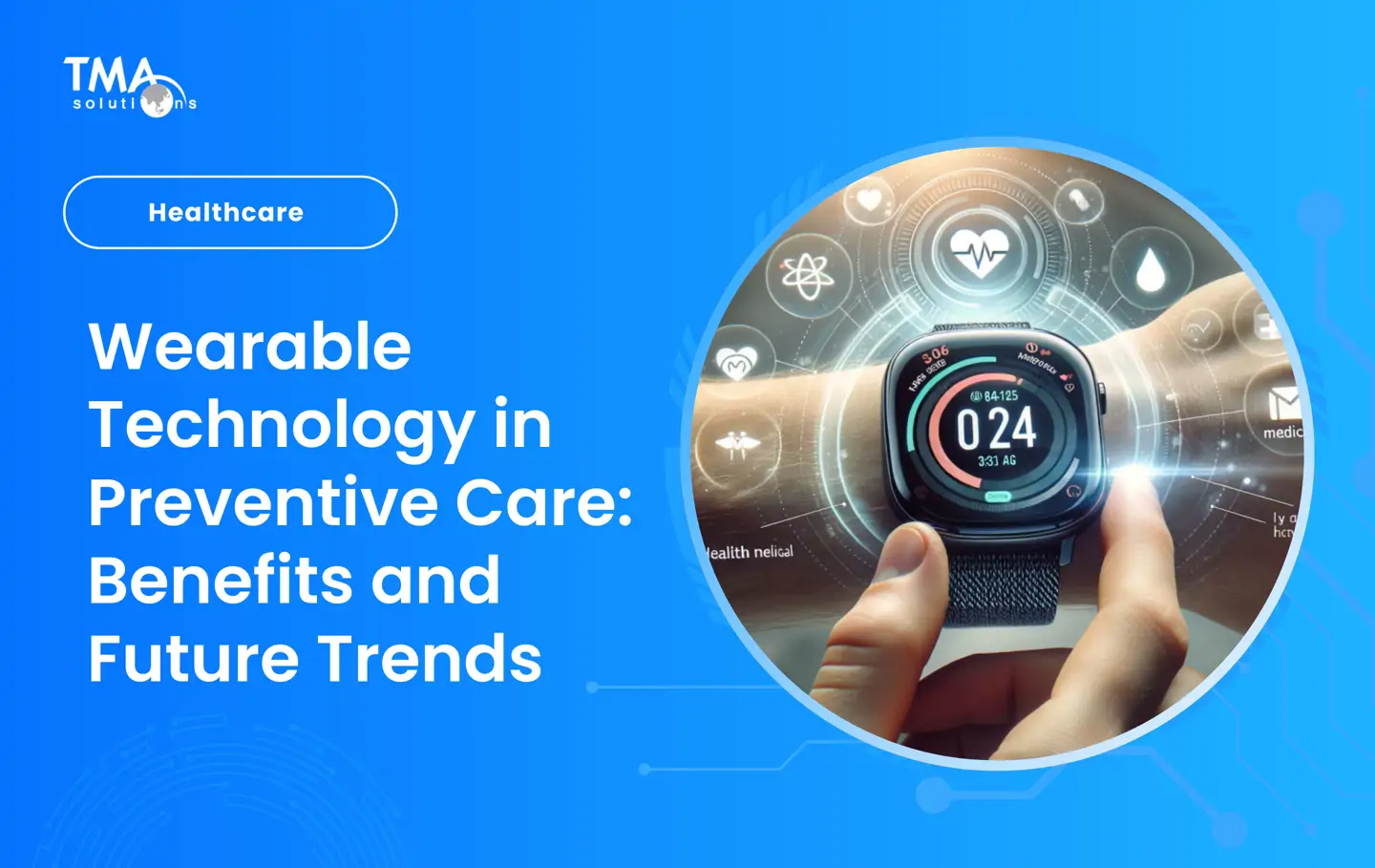
Wearable technology preventive care with IoMT solution integration Wearable technology plays a crucial role in modern healthcare, especially for wearable technology preventive care , by gathering real-time health data and transmitting it through the Internet of Medical Things (IoMT). This seamless data exchange empowers healthcare professionals with valuable statistics for analysis and research, ultimately facilitating proactive health monitoring, early detection of potential health issues, and the development of personalized healthcare plans, leading to improved patient care and outcomes. Defining IoMT The Internet of Medical Things (IoMT) represents the convergence of medical devices and digital health systems, and wearable technology is a critical component of this ecosystem. IoMT solutions enable seamless data transfer from wearable devices to healthcare systems, facilitating a real-time flow of information for analysis and action. Methods for integrating wearables and IoMT Integrating wearable technology with IoMT solutions requires a focus on three key areas: First, cybersecurity is paramount. Implementing robust security measures is crucial to protecting sensitive health information transmitted and stored within the IoMT ecosystem, building patient trust, and ensuring data integrity. Second, data analysis is essential. Using advanced analytics and AI algorithms to process wearable data allows for the extraction of actionable insights, enabling healthcare professionals to perform remote monitoring, make timely treatment adjustments, and deliver personalized care. Key considerations for wearable-IoMT integration are security and analytics Finally, patient access is a critical component. Providing secure and user-friendly interfaces empowers patients to actively participate in their healthcare journey alongside their providers, fostering a collaborative and more effective approach to health management. Impact of wearable technology preventive care Wearable technology has evolved from simple trackers into powerful healthcare tools, empowering patients to actively manage their health through comprehensive monitoring and proactive prevention. A key benefit is continuous health metric tracking, which is especially valuable for managing chronic conditions and enabling timely interventions. Unlike traditional check-ups that rely on potentially inaccurate patient-reported information, wearables provide objective, data-driven insights for more accurate medical decisions. In preventive healthcare, particularly within the domain of wearable technology preventive care , wearables offer an unprecedented advantage by leveraging historical data and user behavior to anticipate potential health issues and facilitate timely interventions, improving patient outcomes. Data-driven preventive care with wearable technology Are you actively taking steps to prevent health problems before they arise? Wearable technology offers a powerful new approach to wearable technology preventive care , providing continuous monitoring, personalized insights, and actionable recommendations. This article explores the many ways wearable devices are contributing to a healthier future, empowering individuals to take control of their well-being and prevent potential health issues. Ready to learn how wearables can improve your health? Keep reading! Benefits of wearable technology preventive care Wearable technology preventive care is transforming healthcare, leading to more efficient medical care and proactive health management. Key benefits include: Enhanced real-time monitoring Wearable devices continuously track patients’ vital signs, providing real-time data that can identify irregularities such as abnormal heart rates or oxygen levels. This real-time monitoring ensures rapid responses to critical situations, such as heart attacks or severe allergic reactions, potentially saving lives by enabling immediate interventions. Increased data accessibility Wearables streamline the collection of health metrics, eliminating the need for manual surveys or extensive physical check-ups. This automated process creates a vast pool of health data, which healthcare providers can analyze to identify trends, monitor patient progress, and develop more effective treatment strategies. Empowering healthcare providers with accessible wearable data Early detection of health issues By tracking subtle changes in health indicators, wearable devices empower providers to identify potential health concerns before they escalate. Early detection can prevent complications, reduce the need for intensive treatments, and improve patient outcomes by addressing issues promptly. Improved chronic disease management Wearable devices are especially beneficial for managing chronic conditions. They provide continuous updates on patients' health metrics, allowing healthcare teams to monitor the effectiveness of treatment plans remotely. This capability reduces the frequency of in-person check-ups and enhances personalized care for conditions such as diabetes, hypertension, and respiratory diseases. Personalized healthcare Wearables facilitate personalized health coaching and remote patient monitoring through telehealth services. The continuous flow of data allows healthcare providers to tailor treatments and preventive measures, making immediate adjustments based on changes in vital signs. Reduced healthcare costs Wearable technology significantly lowers healthcare expenses by reducing the need for hospital visits and in-person consultations. Patients can receive care remotely, eliminating travel costs and geographical barriers. Additionally, early detection and personalized care prevent costly medical interventions, optimizing resource allocation for healthcare providers. Reducing costly interventions through preventive care with wearables Challenges of wearable technology preventive care While wearable technology is revolutionizing healthcare, key challenges like data privacy, accuracy, cost, and integration hinder its full potential, especially in wearable technology preventive care : Concerns about data privacy The sensitive nature of healthcare data poses significant privacy challenges. Questions surrounding data ownership, usage, and security remain critical. Wearables collect vast amounts of health data, making them vulnerable to breaches, ransomware, and unauthorized access. Protecting this data requires robust cybersecurity measures, including encryption, access control, and regular audits. Without these safeguards, patient confidentiality may be compromised. Collaborating with reliable technology providers ensures consistent maintenance and protection against sophisticated cyber threats. Accuracy and reliability challenges Wearable devices often rely on generalized algorithms, which can limit their effectiveness in specific patient scenarios. Data inaccuracies stemming from hardware or software limitations undermine the reliability of wearables. Misleading or incomplete data can negatively impact patient outcomes, raising concerns among healthcare professionals. To address this, continuous innovation in sensor technology and rigorous data validation processes are essential to enhance accuracy and build trust in wearable solutions. Financial implication problems The high price of wearable technology remains a barrier to widespread adoption. Advanced sensors, real-time monitoring capabilities, and wireless connectivity significantly increase manufacturing costs, making devices inaccessible to many consumers. The industry can reduce costs by investing in more efficient production techniques and cost-effective materials. Lowering price points is crucial for making wearable healthcare devices accessible to a broader audience and encouraging adoption in health management. Difficulties with integration The seamless integration of wearable devices with existing healthcare systems is a complex task. Ensuring interoperability across diverse platforms and devices from multiple manufacturers is challenging. Effective integration requires healthcare providers to adapt their workflows, train staff, and manage the influx of real-time data from wearables. By prioritizing interoperability and offering tailored training programs, healthcare organizations can incorporate wearable data into clinical decision-making, improving patient outcomes. Conclusion Wearable technology is transforming the landscape of preventive healthcare by providing real-time data, improving patient outcomes, and fostering personalized treatment plans. However, addressing challenges such as data privacy, integration, and affordability is critical to unlocking the full potential of wearable technology preventive care . As innovations like AI-powered wearables and advanced biosensors continue to emerge, the role of wearable technology in healthcare will only grow, paving the way for a healthier and more connected future. Future trends and innovations for wearable technology preventive care The future of wearable technology in preventive care is driven by several key trends: Advanced personalized prevention through AI Future wearables will feature more sophisticated sensors monitoring a wider range of metrics relevant to preventive care, such as continuous glucose levels, advanced sleep analysis, and stress markers. AI will analyze this data to provide personalized preventive recommendations, including tailored fitness and nutrition plans, and early warnings for potential health risks like cardiovascular issues or metabolic disorders. Seamless integration for proactive care Wearables will integrate more deeply with healthcare ecosystems, including EHRs, telehealth platforms, and remote patient monitoring systems. This seamless data sharing between patients and providers will enable proactive preventive interventions and more coordinated care. Emerging technologies like AR (for guided exercise), ML (for predictive risk assessments), and blockchain (for secure data sharing) will further enhance preventive capabilities. Seamless wearable integration for proactive preventive care Enhanced user experience for wider adoption Future developments will prioritize user experience and accessibility, making wearables easier to use and more appealing to a wider range of individuals, including older adults and those with disabilities. Improvements in usability, battery life, comfort, and compatibility with assistive technologies will encourage broader adoption of wearables for preventive care. While established companies continue to innovate, the dynamic wearable market ensures ongoing advancements in preventive healthcare technology. Wearable Technology in Preventive Care: Benefits and Future Trends...
icon
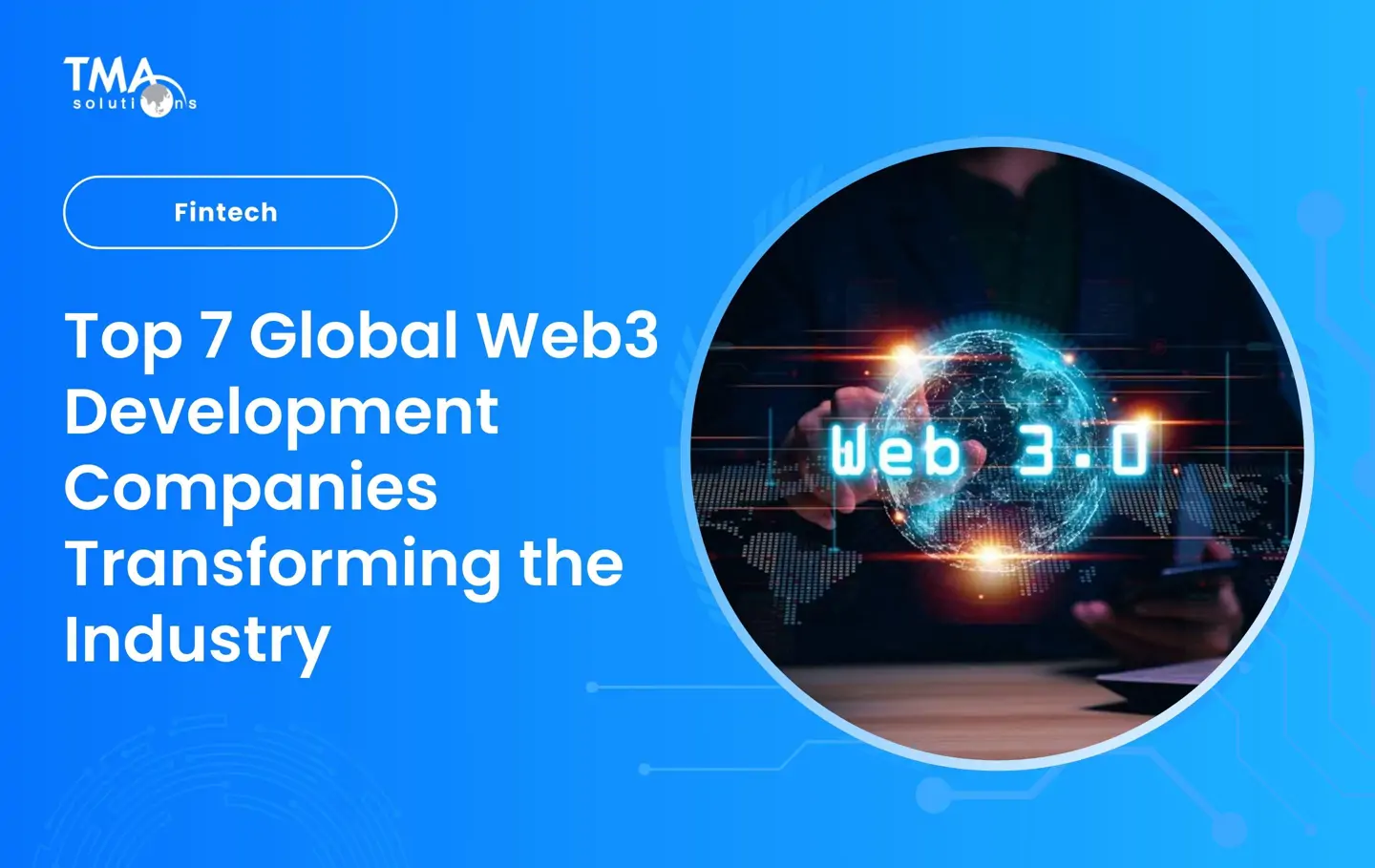
FAQs What is Web3 development and why is it significant? Web3 development refers to creating decentralized applications (DApps) and platforms using blockchain technology. It is significant because it represents the next evolution of the internet, enabling greater security, transparency, and user control over data. Web3 shifts power from centralized entities to users, fostering trust and innovation across digital platforms. How do Web3 development companies differ from traditional web development firms? Web3 development companies specialize in building decentralized applications using blockchain, smart contracts, and tokenization. Unlike traditional web development firms, which focus on centralized platforms and databases, Web3 firms emphasize decentralization, security, and transparency, creating systems that are resilient to censorship and fraud. What industries benefit from Web3 development solutions? Industries such as finance (DeFi), supply chain management, gaming (play-to-earn models), real estate (tokenized assets), and digital identity management benefit significantly from Web3 development. These sectors leverage blockchain’s capabilities to enhance security, transparency, and operational efficiency. What criteria should I consider when choosing a Web3 development company? When choosing a Web3 development company, consider their expertise in blockchain technology, range of services offered, technical proficiency, client testimonials, transparency in communication, and security practices. These factors ensure that the company can deliver a secure, scalable, and successful Web3 solution tailored to your needs. What sets TMA apart as a top Web3 developer? TMA Solutions stands out as a top Web3 development company due to its extensive experience in blockchain and Web3 technologies, its ability to deliver comprehensive services from consulting to maintenance, and its proven track record demonstrated through successful case studies. TMA’s commitment to security and transparency further solidifies its position as a leader in the Web3 space. The top 6 global Web3 development companies showcased in this article are driving the decentralized revolution. Their expertise in blockchain technology and innovative approach to development are shaping the future of the internet. By understanding the key factors for choosing a Web3 partner, businesses can harness the power of this transformative technology and position themselves for success in the digital age. Top 6 worldwide Web3 development companies in 2024 TMA Solutions TMA Solutions is one of leading web3 development companies , offering a comprehensive suite of services designed to meet the growing demand for decentralized applications and blockchain-based solutions. With years of experience in the tech industry and a strong focus on innovation, TMA Solutions is at the forefront of helping businesses transition to the Web3 ecosystem, leveraging the power of blockchain technology to create more secure, transparent, and efficient digital platforms. TMA Solutions offers web3 development services globally Services offered TMA Solutions provides a wide range of Web3 services, including the development of smart contracts and decentralized applications (DApps) across various blockchain networks like Ethereum, Solana, and Binance Smart Chain. They also specialize in creating custom NFT marketplaces, minting NFTs with both cryptocurrency and fiat options, and integrating with existing NFT platforms. Additionally, TMA offers end-to-end solutions for building and managing blockchain infrastructure, including Layer 1 and Layer 2 blockchain development, off-chain data protocols, and wallet integration. These services are tailored to meet the specific needs of their clients, whether they are startups looking to launch a new project or established businesses aiming to incorporate blockchain technology into their operations. A Web3 trading platform built by TMA Solutions, leveraging smart contracts Case study: Digital product trading platform To demonstrate TMA Solutions' expertise, consider their work on a digital product trading platform. The client faced challenges in supporting cryptocurrency payments, tokenizing digital assets, and managing multiple smart contracts for different token types. TMA's Web3 API as a Service platform acts as a bridge connecting with blockchains TMA Solutions addressed these issues by introducing cryptocurrency payment systems, creating custom NFTs, and developing a digital wallet tailored to the client’s needs. They implemented BEP-1155 based smart contracts to support both fungible and non-fungible tokens, significantly reducing transaction costs through batch transfers. The technology stack included Solidity, Hardhat, and Truffle for smart contract development, along with ReactJS and Flutter for front-end development. This project not only resolved the client's immediate challenges but also positioned them to scale their operations in the rapidly evolving digital economy. Digital product trading platform developed by TMA Solutions Why choose TMA Solutions? Choosing TMA Solutions as your Web3 development partner means working with a company that combines deep technical expertise with a commitment to delivering innovative, tailored solutions. Their extensive experience in blockchain technology, coupled with a strong track record of successful projects, makes them an ideal choice for businesses looking to harness the power of Web3. Whether you need to develop a new DApp, create an NFT marketplace, or integrate blockchain into your existing systems, TMA Solutions offers the comprehensive support and cutting-edge technology you need to succeed in the decentralized future. Founding date: 1996 Team size: 1,000 - 9,999 Hourly rates: < $25 / hr Location: Vietnam, Canada, Australia, Japan, Singapore, United States Vention Vention is a forward-thinking web3 development company that specializes in creating innovative solutions for the decentralized web. As a leader in the field, Vention leverages blockchain technology to build secure, transparent, and scalable applications tailored to the needs of modern businesses. Their expertise spans across various aspects of web3 development, including smart contract creation, decentralized applications (dApps), and blockchain integration. Vention offers web3 development services for businesses By focusing on delivering high-quality, future-proof solutions, Vention empowers businesses to stay ahead in the rapidly evolving digital landscape. Their commitment to excellence makes them a trusted partner for companies looking to harness the potential of web3 technology. Founding date: 2002 Team size: 1,000 - 9,999 Hourly rates: $50 - $99 / hr Location: America, England, Poland, Austria, Lithuania, Germany Andersen Inc. Andersen Inc. is a distinguished firm that excels in delivering cutting-edge blockchain solutions. With a focus on innovation, Andersen Inc. creates secure and scalable decentralized applications (dApps), smart contracts, and blockchain integrations that empower businesses to navigate the complexities of the decentralized web. Andersen Inc. delivers innovative, secure blockchain solutions for businesses globally Their deep expertise in web3 development, coupled with a commitment to quality, ensures that businesses can capitalize on emerging opportunities in the blockchain space, making Andersen Inc. a reliable partner for mid-sized enterprises and large corporations. Founding date: 2007 Team size: 1,000 - 9,999 Hourly rates: $50 - $99 / hr Location: Poland, America, England, Lithuania, Germany, Hungary, Azerbaijan, United Arab Emirates, Kazakhstan, Cyprus Dotsquares Dotsquares is known for its robust solutions in blockchain technology. Specializing in the development of decentralized applications (dApps), smart contracts, and blockchain integration, Dotsquares helps businesses transition smoothly into the decentralized web. Dotsquares provides secure blockchain solutions for smooth web3 transitions Their team of skilled developers delivers high-quality, scalable solutions that align with the unique needs of each client. Dotsquares' dedication to innovation and security makes them an excellent choice for businesses seeking to leverage the potential of web3 technology. Founding date: 2002 Team size: 1,000 - 9,999 Hourly rates: < $25 / hr Location: England, Australia, India Jalasoft Jalasoft specializes in creating innovative blockchain-based solutions. Their services encompass the development of decentralized applications (dApps), smart contracts, and seamless blockchain integration, tailored to meet the needs of modern businesses. Jalasoft delivers blockchain solutions for modern business needs Jalasoft’s approach to web3 development focuses on security, scalability, and functionality, ensuring that businesses can confidently transition to the decentralized web. Their strong technical expertise and client-centric approach make Jalasoft a preferred partner for companies looking to stay ahead in the blockchain industry. Founding date: 2001 Team size: 1,000 - 9,999 Hourly rates: $150 - $199 / hr Location: Bolivia, America Damco Solutions Damco Solutions offers comprehensive blockchain services. Specializing in the creation of decentralized applications (dApps), smart contracts, and blockchain integration, Damco Solutions helps businesses unlock the full potential of web3 technology. Damco Solutions brings blockchain services for web3 innovation Their expertise in developing secure and scalable blockchain solutions enables companies to enhance their digital offerings and remain competitive in a rapidly changing landscape. Damco Solutions' focus on quality and innovation makes them a reliable partner for businesses seeking to embrace the future of the decentralized web. Founding date: 1996 Team size: 1,000 - 9,999 Hourly rates: $50 - $99 / hr Location: India, America From the early days of the internet to the advent of Web2, the digital landscape has experienced remarkable changes. Now, with Web3 poised to transform our interaction with technology, https://www.tmasolutions.com/insights/web3-development-company#web3_development_company Web3 development companies are at the forefront of this shift. In this article, we’ll highlight the top 6 Web3 development companies and explore how blockchain technology is influencing this dynamic field. What are the key factors in choosing a Web3 development company? Selecting the ideal Web3 development company is a critical step that can determine the success of your decentralized project. As the Web3 ecosystem grows, it’s essential to carefully evaluate potential partners to ensure they align with your business goals and technical requirements. Here are key factors to consider when choosing a Web3 development company : Expertise and experience Look for companies with a proven track record in Web3 development. Their experience with blockchain technology, smart contracts, and decentralized applications (DApps) is crucial. A company that has successfully delivered similar projects will be better equipped to handle the complexities of your project. Diverse services Opt for a company that offers a wide range of services, from initial consulting to full-stack development and ongoing maintenance. This ensures a seamless development process and consistent support throughout the project’s lifecycle. Technical proficiency The company should demonstrate a deep understanding of blockchain technology, ensuring they can create secure, scalable, and efficient solutions. Their technical expertise will be vital in developing a robust Web3 platform that meets your specific needs. Client testimonials Review online testimonials and case studies from past clients. Positive feedback and success stories indicate the company’s ability to deliver quality work and build trust with its clients. This step will help you gauge the company's reputation and reliability. Transparency Effective communication is key to a successful partnership. Choose a company that maintains open and transparent communication throughout the project, providing regular updates and involving you in critical decisions. Security measures Given the sensitive nature of blockchain applications, the company must adhere to the highest industry standards for security. Ensure they are committed to protecting user data and assets, implementing rigorous security protocols to safeguard your project. Key factors to consider when selecting a web3 development company By considering these factors, you can select a Web3 development company that not only aligns with your vision but also has the technical expertise and reliability to bring your project to fruition. This careful selection process will help ensure a smooth, secure, and successful implementation of your Web3 initiative. What role does blockchain technology play in the development of Web3? Blockchain technology is the cornerstone of Web3 development, fundamentally transforming how digital platforms operate by introducing decentralized, secure, and transparent systems. In the evolving landscape of Web3, blockchain plays several crucial roles that collectively shape the future of the internet. Trust and transparency Blockchain technology provides a decentralized and immutable ledger that is critical for establishing trust and transparency in Web3 applications. By recording data and transactions in a tamper-proof manner, blockchain allows users to verify information independently, without relying on intermediaries. This creates a transparent ecosystem where the flow and use of data are visible and verifiable, fostering trust among participants. Blockchain uses the ledger to establish trust and transparency in Web3 application Decentralization Decentralization is a core principle of Web3, and blockchain technology is the enabler of this decentralization. Unlike traditional centralized systems, where control is held by a few entities, blockchain operates through a distributed network of nodes. This eliminates single points of failure, reduces the system’s vulnerability to attacks, and enhances resilience against censorship, making Web3 applications more robust and reliable. Blockchain decentralizes Web3 applications for enhanced reliability and resilience Security The security of Web3 platforms is heavily reliant on blockchain’s cryptographic techniques. Blockchain records each transaction in a block that is cryptographically linked to the previous one, forming an immutable chain. This structure ensures that data and transactions are secure, resistant to fraud, and protected from unauthorized changes, providing users with confidence in the integrity of the Web3 ecosystem. Structure of a blockchain, in which blocks connect with each other to enhance security Data privacy In Web3, data privacy is of paramount importance, and blockchain enables greater control over personal data. Through cryptographic keys, users can decide how and when to share their data, ensuring that their privacy is maintained. This shifts the control of data away from centralized entities, empowering individuals to manage their own information securely. Blockchain empowers individuals to control their data privacy Interoperability Blockchain enhances interoperability among different systems and Web3 platforms. By enabling different blockchains to communicate through standardized protocols, blockchain technology facilitates seamless data transfer and the integration of decentralized applications. This interoperability expands the potential of Web3 by allowing diverse systems to work together, creating a more cohesive and versatile digital ecosystem. Tokenization and digital assets Blockchain technology also supports the creation and management of digital assets through tokenization. Tokens, whether cryptocurrencies, NFTs, or other digital assets, can be easily transferred and traded on blockchain networks. This capability opens up new economic models and opportunities, particularly in decentralized finance and governance, making blockchain a crucial element in the development of Web3’s token economy. Blockchain facilitates the creation and management of digital assets >> For more insights about the development, application, and regulation of Web 3.0, check out this PDF file here: Source: Development, Application, and Regulation of Web 3.0 , ResearchGate, 2023. Development, Application And Regulation of Web3.0 Top 6 Global Web3 Development Companies Transforming the Industry...

icon
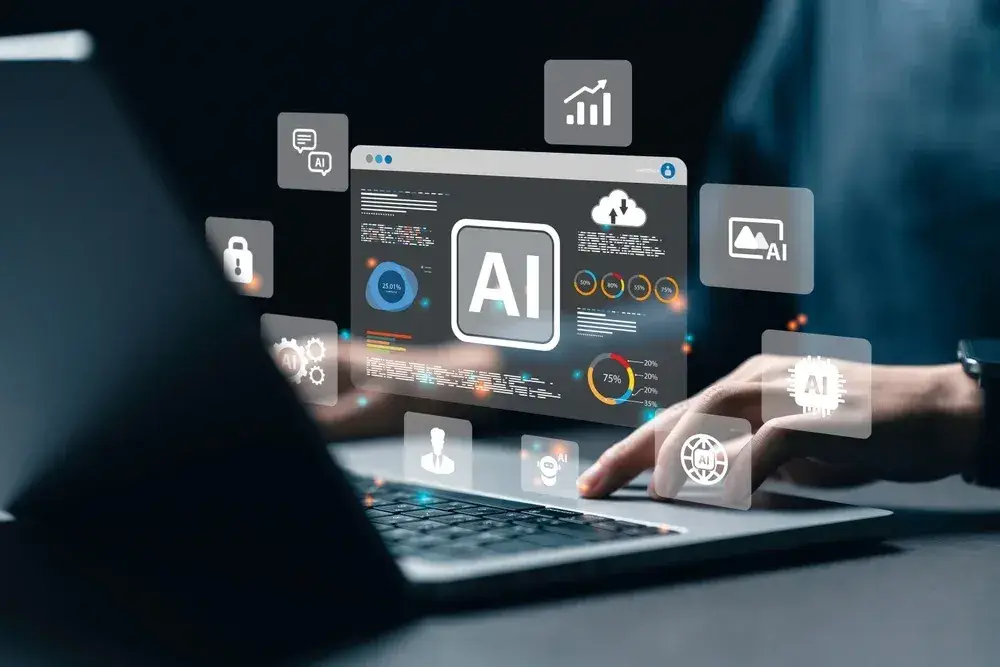
What is AI-First Architecture and How to Implement It https://www.tmasolutions.com/technologies/ai-ml-and-data-sciences Artificial Intelligence is no longer a standalone feature added to existing applications. Today, organizations are increasingly redesigning software systems around intelligence from the ground up. This approach, known as AI-first architecture, enables businesses to build applications that can analyze data, automate decisions, and continuously improve through learning. The growing importance of AI-first architecture reflects a broader shift in how organizations create business value through technology. According to Accenture's Technology Vision 2024, 95% of executives believe technology will become significantly more human over the next decade, driving enterprises to embed AI directly into applications, workflows, and decision-making processes. As businesses seek greater efficiency, agility, and innovation, understanding AI-first architecture has become essential for organizations pursuing long-term digital transformation. What Is AI-First Architecture? AI-first architecture is a software design approach that places artificial intelligence at the center of application development. Rather than adding AI capabilities after a system has been built, organizations design applications, workflows, and data infrastructures with intelligence embedded from the beginning. This approach allows software systems to process information, generate insights, automate decisions, and continuously improve through learning. As AI becomes a strategic business capability, enterprises are increasingly moving away from traditional software architectures and adopting AI-first models to improve agility and innovation. How AI-First Architecture Differs from Traditional Architecture Aspect Traditional Architecture AI-First Architecture Core Design Philosophy Built around predefined business rules and workflows. Built with intelligence embedded into applications from the start. Decision Making Relies heavily on human intervention and rule-based logic. Supports data-driven and AI-assisted decision-making. Data Processing Primarily handles structured data from predefined sources. Processes both structured and unstructured data from multiple sources. Adaptability Requires manual updates when business requirements change. Continuously learns and adapts based on data and user interactions. Automation Level Automates repetitive tasks through fixed workflows. Enables intelligent automation that can respond to changing conditions. Business Insights Focuses on historical reporting and predefined analytics. Generates real-time insights and predictive recommendations. Scalability Often constrained by legacy systems and rigid architectures. Designed to scale AI capabilities across business functions and workflows. Business Impact Improves operational consistency and process control. Drives efficiency, innovation, agility, and competitive advantage. The shift to AI-first architecture represents a move from static, rule-based systems to intelligent applications capable of learning, adapting, and continuously delivering business value. Critical Components of AI-First Architecture Successful AI-first applications are built on multiple technology layers that work together to transform data into business value. Data Foundation: High-quality data serves as the foundation of every AI-first system, enabling applications to generate accurate insights and recommendations. Unified Data Infrastructure : Organizations need connected and well-governed data across business systems to eliminate silos and support enterprise-wide intelligence. Real-Time Data Processing: Modern AI applications rely on real-time data streams to deliver timely analysis, predictions, and decision support. Machine Learning and Generative AI: AI models help identify patterns, generate content, predict outcomes, and automate knowledge-intensive tasks. AI Agents and Agentic Systems: Intelligent agents can understand context, interact with multiple systems, and execute tasks with minimal human intervention. Enterprise System Connectivity : AI applications must integrate seamlessly with ERP platforms, CRM systems, cloud environments, databases, and other enterprise applications. Workflow Orchestration and Automation : Integrated AI systems can automate processes across departments, improving efficiency and operational consistency. Together, these interconnected layers create a scalable AI-first architecture that enables organizations to deploy intelligent applications, streamline operations, and accelerate business innovation. Why Enterprises Are Adopting AI-First Architecture The rise of Generative AI and Large Language Models (LLMs) is fundamentally changing how knowledge-intensive work is performed across industries. Tasks such as content creation, software development, financial analysis, customer support, and business research are increasingly being augmented by AI systems capable of processing information and generating outputs at unprecedented speed. While digital transformation has helped organizations automate processes and improve operational efficiency, many enterprises still struggle with a growing volume of data, reports, and disconnected applications. In many cases, employees spend significant time searching for information, analyzing data, and determining the next course of action. As the pace of business accelerates, improving process efficiency alone is no longer enough. AI-first architecture addresses this challenge by embedding intelligence directly into business systems and workflows. Instead of relying solely on employees to collect and interpret information, AI-powered applications can analyze data, identify patterns, generate recommendations, and support decision-making in real time. According to IDC, 50% of organizations are expected to redesign business processes around AI-enabled automation and intelligent workflows by 2027, reflecting a broader shift from digital-first strategies toward AI-first operating models. This shift is not simply about adopting new technologies. AI-first organizations are rethinking how information flows across the business and how decisions are made. Intelligent applications increasingly act as copilots, helping employees prioritize actions, surface insights, and respond more quickly to changing business conditions. At the organizational level, AI-first architecture also supports a broader transformation of enterprise operating models. Successful adoption often requires enterprises to strengthen several foundational capabilities: AI Literacy: Equipping employees with the knowledge needed to work effectively alongside AI systems. AI-Ready Data: Establishing high-quality, well-governed data foundations that can support AI initiatives. Human-AI Collaboration: Creating workflows where people and AI systems complement each other's strengths. Integrated Digital Ecosystems: Connecting AI capabilities with cloud platforms, enterprise applications, and automation technologies. As AI becomes increasingly embedded within enterprise software, organizations are moving beyond traditional automation toward intelligent systems that can continuously learn, adapt, and contribute directly to business performance. How to Implement AI-First Architecture Implementing AI-first architecture requires more than deploying AI models or adopting new technologies. Organizations need a structured strategy that aligns data, technology infrastructure, business processes, and long-term objectives. Successful implementation typically begins with building the right foundation before scaling AI capabilities across the enterprise. Key priorities include: Establish a Strong Data Foundation: Ensure data is accessible, accurate, and governed effectively across the organization. High-quality data is essential for training AI models and generating reliable insights. Modernize Legacy Systems and Infrastructure: Upgrade outdated applications and technology environments to support AI workloads, cloud integration, and real-time data processing. Identify High-Impact AI Use Cases: Focus on business areas where AI can deliver measurable value, such as workflow automation, intelligent document processing, customer service optimization, or predictive analytics. Rather than rebuilding every system at once, many organizations start with targeted AI initiatives that address specific business challenges. These early projects help demonstrate value, establish internal expertise, and create a roadmap for broader AI adoption. As AI capabilities mature, enterprises can gradually expand intelligent applications, automation, and decision-support systems across multiple business functions. How TMA Solutions Supports AI-First Development TMA Solutions delivers AI solutions that help businesses innovate, automate operations, and stay competitive. Successfully implementing AI-first architecture requires a combination of AI expertise, enterprise software engineering, cloud technologies, and business process knowledge. TMA Solutions helps organizations build the foundation for AI-first innovation through its AI Center and AI Agent Factory, supporting intelligent automation, enterprise AI integration, and scalable application development. Key capabilities include: Develop AI Features/ Products: Transforming business applications into intelligent systems capable of automating tasks, generating insights, and supporting smarter decision-making. Setup AI Development Center: Building a dedicated AI Development Center helps organizations accelerate innovation and unlock greater value from AI investments. Provide AI Solutions : Delivering tailored AI solutions that help organizations solve complex business challenges, accelerate innovation, and adapt quickly to evolving market demands. AI as a Service (AIaaS): Enabling organizations to leverage advanced AI capabilities without significant infrastructure investments or specialized in-house resources. By combining AI expertise with enterprise software engineering capabilities, TMA supports organizations building scalable AI-first systems across healthcare, finance, manufacturing, logistics, and telecommunications industries. Conclusion AI-first architecture represents a fundamental evolution in enterprise software design. Rather than treating AI as an additional capability, organizations are embedding intelligence directly into applications, workflows, and business operations. As AI adoption continues to accelerate, businesses that establish strong data foundations, modernize technology platforms, and implement AI-first architectures will be better positioned to improve efficiency, drive innovation, and create sustainable competitive advantages in the digital economy....
icon
Conclusion What is the relationship between IoT and big data? The relationship between IoT and big data is a cornerstone of the modern technological landscape. IoT generates the data, and big data provides the tools to make sense of it. By effectively leveraging this synergy, businesses and individuals can achieve significant improvements in efficiency, productivity, and decision-making. While challenges exist, advancements in technology and strategic implementation are paving the way for a future where the combined power of IoT and big data drives innovation across industries. Explore our IoT solutions to learn how you can leverage this powerful combination. What challenges exist in IoT big data analytics? Understanding the relationship between IoT and big data is crucial for effectively managing the data generated by connected devices. What is the relationship between IoT and big data? IoT devices generate massive amounts of data, which then requires big data technologies for storage, processing, and analysis. Analyzing IoT data presents several unique challenges: Data visualization Data visualization plays a critical role in IoT analytics by helping organizations identify trends and extract actionable insights. However, the heterogeneity of IoT-generated data, which includes structured, unstructured, and semi-structured formats, poses a significant challenge. Creating effective visualizations that unify these varied data types is complex, often requiring sophisticated tools and methodologies to convey insights effectively and support informed decision-making. Data storage and management The exponential growth of IoT-generated data has placed immense pressure on existing data storage and management systems. Current storage solutions are struggling to keep pace with the sheer volume of data produced. Managing this data effectively while ensuring accessibility, scalability, and security is a daunting task that requires continual advancements in storage technologies and strategies. Data storage and management in IoT should address scalability and security How do IoT and data benefit? The integration of IoT and big data analytics enables industries to enhance efficiency, foresee potential issues, and make smarter decisions through predictive insights. Here's how they impact various sectors: Healthcare IoT devices, such as connected blood pressure monitors and heart sensors, allow healthcare providers to remotely track patient health, identify warning signs, and save lives through predictive analytics. IoT also streamlines healthcare operations by improving equipment tracking and data aggregation, enabling better patient care, hospital management, and error reduction through electronic health records (EHRs). Supply chain management IoT-enabled trackers and telematics systems enhance supply chain operations by collecting vast amounts of data. Using AI-powered dashboards, companies can monitor fleets, predict maintenance needs, and navigate potential traffic delays. This real-time analysis ensures smoother logistics and operational efficiency. Autonomous vehicles and robotics Self-driving vehicles and robotics rely on IoT sensors like radar, LIDAR, and cameras to collect data for navigation and decision-making. Big data analytics processes this information in real-time, ensuring safety and efficiency. Machine learning further improves these systems over time, optimizing autonomous performance. Industrial IoT (IIoT) IIoT revolutionizes industries like manufacturing and energy by connecting machines for real-time activity and maintenance tracking. Smart factories use IoT gateways with edge analytics to process diverse data streams, enabling enterprises to optimize processes, reduce downtime, and increase productivity through AI-driven recommendations. Industrial IoT (IIoT) with real-time tracking and AI-driven and energy Agriculture Smart farming leverages IoT sensors to monitor soil conditions, weather, and irrigation systems. These insights enable precision agriculture, allowing farmers to customize fertilization methods based on soil variability and optimize resource usage, thereby increasing yield and sustainability. Retail Retailers utilize IoT devices to track inventory, monitor supply chains, and analyze client behavior. Sensors in shipping containers ensure quality control during transit, while big data analytics provide insights to streamline sourcing, logistics, and assembly processes, enhancing overall operational efficiency. What is the relationship between IoT and big data? The Internet of Things (IoT) has revolutionized how we interact with technology, connecting billions of devices and generating an unprecedented amount of data. This data deluge, however, is only valuable if it can be effectively processed and analyzed. This is where big data comes into play. The relationship between IoT and big data is symbiotic: IoT provides the data, and big data provides the means to extract meaningful insights. This article explores this crucial relationship, examining how big data is utilized in IoT, the mutual benefits, the challenges involved, and potential solutions. Read more to explore how they impact other industries! How is big data utilized in IoT? The question of what is the relationship between IoT and big data becomes especially relevant when considering the sheer volume of data generated by connected devices. Below are three critical ways IoT impacts the field of big data: Generates a variety of data IoT expands the scope of data collection far beyond traditional consumer electronics. Sensors in IoT devices can capture data on everything from water levels in agriculture fields to seismic activity underground or vital signs in healthcare monitoring. This diverse range of data enables analysts to achieve a more comprehensive understanding of specific scenarios. For instance, in a smart factory, combining data from human workers, connected machinery, and enterprise systems provides a holistic view, bridging the OT/IT divide to enhance productivity and efficiency. Increases data volume IoT deployments generate enormous volumes of data. Many organizations implementing IoT solutions are unprepared for the sheer scale of data generated once devices become operational. Handling this "data tsunami" requires robust systems capable of storing and processing vast amounts of information, often in real time. This demand has accelerated the development of high-speed edge processors and scalable cloud-based storage systems to support IoT's explosive growth. Enables real-time analytics IoT devices produce data at unprecedented speeds, often in real time, enabling rapid analysis and immediate action. Machine-driven tools such as AI, machine learning, and deep learning play a critical role in analyzing this data quickly. For example, in a smart city, IoT-connected traffic lights and cameras can identify recurring congestion at specific interchanges. AI systems analyze the data and recommend adjusting the timing of green lights to ease traffic flow during peak hours. With IoT-enabled systems, these adjustments can be implemented seamlessly, improving urban traffic management. Enabling real-time analytics with IoT, AI, and smart city applications What is the relationship between IoT and big data? To understand what is the relationship between IoT and big data , it's important to recognize their deep interconnectedness. IoT serves as a significant source of big data. Despite being developed independently, their integration has grown as IoT-generated data volumes have surged, surpassing the capacity of traditional storage and analysis methods. IoT devices equipped with sensors and electronics continuously gather real-time, complex data. This information is transmitted to the internet, creating extensive datasets that are categorized as big data. Big data storage and analytics systems are then used to process and analyze these datasets, providing actionable insights from the multitude of real-time data points. In essence, IoT generates real-time data, while big data technologies handle the storage and analysis of these datasets. Together, they create a seamless loop: IoT devices collect and transmit data, big data systems analyze it to uncover patterns, and these insights drive smarter decision-making across industries. Driving smarter decisions with IoT and big data synergy What Is the Relationship Between IoT and Big Data? Key Insights...
icon
Why Businesses Choose Vietnam for Custom Software Development In the global race to build digital products faster, many organizations are rethinking where and how they develop software. While traditional outsourcing destinations continue to play important roles, Vietnam has emerged as one of the most attractive locations for custom software development—not simply because of competitive costs, but because of its growing engineering capabilities, stable business environment, and increasing focus on innovation. Today, businesses are looking beyond labor arbitrage. They need technology partners that can accelerate product development, adopt emerging technologies such as AI, IoT, and cloud computing, and scale engineering teams without compromising quality. Vietnam is increasingly meeting these expectations. Beyond Cost Savings: A Technology-Driven Destination For years, software outsourcing decisions were largely based on hourly rates. However, modern digital transformation initiatives require far more than affordable development resources. Organizations now seek partners who can: Understand complex business requirements Build scalable, secure, and cloud-native applications Integrate AI and data-driven capabilities Support products throughout their entire lifecycle Collaborate effectively across global teams Vietnam has evolved alongside these changing demands. The country's software industry now delivers sophisticated engineering services across healthcare, finance, manufacturing, telecommunications, automotive, logistics, and enterprise software rather than focusing solely on coding tasks. A Large and Continuously Growing Engineering Talent Pool One of Vietnam's greatest strengths is its rapidly expanding technology workforce. Every year, universities produce thousands of graduates specializing in software engineering, computer science, artificial intelligence, embedded systems, cybersecurity, and data science. Combined with strong investments from both universities and technology companies, this creates a sustainable pipeline of skilled engineers. Unlike many outsourcing destinations facing severe talent shortages, Vietnam continues to expand its engineering capacity while maintaining strong technical education standards. For businesses planning long-term product development, this means easier team scaling and improved project continuity. Strong Technical Expertise Across Emerging Technologies Custom software projects today rarely involve a single technology stack. Modern applications frequently combine: Artificial Intelligence Cloud Computing IoT Platforms Mobile Applications Data Analytics DevOps Automation Cybersecurity Embedded Systems Vietnamese software companies have significantly expanded their capabilities in these areas through dedicated R&D investments and real-world enterprise projects. Rather than acting as implementation vendors, many engineering teams now contribute to architecture design, product strategy, proof-of-concept development, AI model integration, and digital transformation consulting. High Quality with Global Development Standards Quality has become one of the defining characteristics of Vietnam's leading software providers. International clients increasingly expect partners that operate with mature engineering processes, transparent project governance, and strong security practices. Many established software companies in Vietnam follow internationally recognized standards such as: ISO 9001 ISO/IEC 27001 CMMI Agile methodologies DevSecOps practices These frameworks help ensure predictable delivery, secure software development, and effective risk management throughout the project lifecycle. Final Thoughts Vietnam's rise as a global software development destination is driven by far more than competitive pricing. Its combination of engineering talent, technical expertise, international quality standards, and innovation capabilities has made it a trusted choice for enterprises building next-generation digital products. As businesses continue investing in AI, cloud platforms, intelligent automation, and industry-specific software, Vietnam is well positioned to support organizations seeking reliable, scalable, and future-ready custom software development partners. Strong Cultural Compatibility and Global Collaboration Successful software development depends as much on communication as technical expertise. Vietnam has become a preferred destination because engineering teams are accustomed to working with customers across North America, Europe, Australia, Japan, Singapore, and other global markets. Many software organizations have established mature collaboration practices including: Agile development Daily standups Sprint planning Remote collaboration Continuous integration and deployment Transparent reporting This enables distributed teams to function as an extension of the client's internal engineering organization rather than as external contractors. A Stable Environment for Long-Term Partnerships Custom software development often spans multiple years. Organizations therefore seek locations that offer political stability, favorable investment policies, and long-term business continuity. Vietnam continues to attract global technology investment through its expanding digital economy, supportive government initiatives, and growing innovation ecosystem. This stable environment gives businesses greater confidence when establishing dedicated development centers or engaging in long-term strategic partnerships. Why Enterprises Continue to Choose Vietnam For many organizations, Vietnam represents a balance between technical capability, engineering quality, and business value. Key advantages include: Large pool of highly skilled software engineers Strong expertise in AI, cloud, IoT, data analytics, and enterprise software Mature development processes aligned with international standards Effective English communication and global collaboration experience Competitive development costs without sacrificing quality Ability to rapidly scale engineering teams Stable business environment supporting long-term digital initiatives As digital transformation becomes a continuous business priority rather than a one-time project, these strengths position Vietnam as more than an outsourcing destination—it becomes a strategic technology partner. Choosing the Right Software Development Partner Selecting the right country is only the first step. Equally important is choosing a software partner with proven experience in delivering complex, mission-critical solutions. Organizations should evaluate potential partners based on: Industry experience Technology expertise Engineering scale Quality certifications Security practices Long-term support capabilities Innovation and R&D investment An experienced development partner can reduce project risks, accelerate time-to-market, and help organizations adopt emerging technologies with confidence....
icon
Why Choose Vietnam for Fintech Application Development Services Why TMA Solutions is Your Ideal Fintech Partner Vietnam has firmly established itself as a leading destination for fintech application development. With its talented tech workforce, competitive pricing, strong infrastructure, and supportive regulatory environment, Vietnam offers a unique combination of benefits for businesses looking to innovate and scale their fintech solutions. At TMA Solutions, we specialize in providing cutting-edge fintech solutions tailored to meet the diverse needs of businesses in the financial sector. Our expertise spans areas such as Wealth Management, Capital markets, Payment, AI Finance and Web 3 solutions . With years of experience delivering customized fintech applications, TMA Solutions helps companies harness the power of technology to optimize operations, enhance security, and improve client experience. Following is some Case Studies Cash Flow Management Application Buy Now and Pay Later Solution Capital Markets – Post-trade Solutions Explore our full range of fintech services and learn how we can help you navigate the rapidly evolving financial landscape by visiting https://www.tmasolutions.com/industries/finance TMA Solutions – Finance Industry . Let us help you bring your fintech vision to life and stay ahead in the competitive digital economy. Quick Time to Market Vietnam’s highly skilled workforce and streamlined development processes enable businesses to bring fintech applications to market 20-30% faster compared to other regions. Development teams in Vietnam can deliver high-quality fintech solutions within shorter timeframes, helping businesses capitalize on emerging opportunities and accelerate their growth. Innovative and Secure Solutions Vietnam has developed deep expertise in cutting-edge technologies such as blockchain, artificial intelligence, and cloud computing. The country is home to over 100 fintech firms specializing in blockchain applications, offering solutions for digital payments, cryptocurrency trading , and smart contracts . With a growing number of ISO-certified companies, Vietnam is well-positioned to provide secure, efficient, and innovative fintech applications that meet global security standards. Strong Regulatory Support for Fintech Vietnam is increasingly becoming a fintech-friendly destination, with clearer regulations and a more structured framework for fintech operations. The government has enacted 8 new fintech regulations in the past year, helping to ensure that businesses can operate securely while complying with international standards. This regulatory clarity enhances the legal environment for fintech startups, allowing businesses to scale with confidence while meeting all compliance and security requirements. Favorable Business Environment Vietnam's government has invested heavily in the digital economy, with more than $500 million allocated for IT and fintech development in the next five years. In 2023 alone, the government introduced over 5 new regulatory policies that aim to further streamline fintech operations. These initiatives provide a stable, supportive environment for businesses seeking to enter or expand in Vietnam’s fintech sector. Rising Fintech Sector The fintech sector in Vietnam is growing at an annual rate of 20-25% , driven by increasing consumer demand for digital financial services. The number of fintech startups in the country has risen by 40% in the last two years alone, with over 150 fintech startups currently operating in Vietnam. These developments make the country a fertile ground for collaboration and innovation in the fintech space. By choosing Vietnam, businesses can tap into this thriving ecosystem, benefiting from local expertise and market knowledge. Advanced IT Infrastructure Vietnam boasts a well-established and continuously improving IT infrastructure, which is vital for fintech application development. The country’s internet speed has increased by 30% in the last five years, with 95% of urban areas now having access to high-speed internet and secure cloud services. These improvements ensure that fintech applications are developed and deployed smoothly, offering real-time, secure, and scalable solutions to clients. Thriving Tech Ecosystem Vietnam’s tech industry has seen a remarkable growth rate of 15-20% annually, driven by a large pool of young, highly skilled professionals in software development, artificial intelligence (AI), machine learning, and blockchain technologies. The number of tech professionals in Vietnam is estimated to exceed 300,000 by 2025, ensuring a steady stream of talent for fintech projects. As a result, businesses can easily find developers with the right expertise to support complex fintech solutions. The country is home to a number of tech hubs, including Ho Chi Minh City, which has become a hotspot for innovation in the fintech space. As the fintech industry continues to grow, selecting the right development partner is crucial for businesses looking to gain a competitive edge. Vietnam has rapidly emerged as a top destination for fintech application development, offering a combination of skilled talent, cost-effective solutions, and a supportive business environment. Here’s why Vietnam stands out as the ideal choice for fintech application development. ...