What is the relationship between IoT and big data? The Internet of Things (IoT) has revolutionized how we interact with technology, connecting billions of devices and generating an unprecedented amount of data. This data deluge, however, is only valuable if it can be effectively processed and analyzed. This is where big data comes into play. The relationship between IoT and big data is symbiotic: IoT provides the data, and big data provides the means to extract meaningful insights. This article explores this crucial relationship, examining how big data is utilized in IoT, the mutual benefits, the challenges involved, and potential solutions. Read more to explore how they impact other industries!
What is the relationship between IoT and big data?
To understand what is the relationship between IoT and big data, it's important to recognize their deep interconnectedness. IoT serves as a significant source of big data. Despite being developed independently, their integration has grown as IoT-generated data volumes have surged, surpassing the capacity of traditional storage and analysis methods.
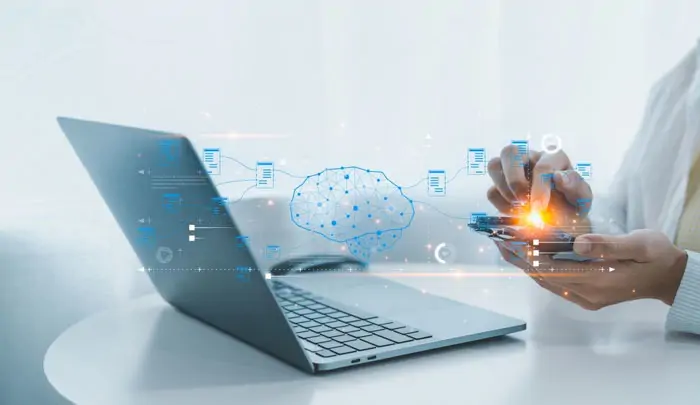
IoT devices equipped with sensors and electronics continuously gather real-time, complex data. This information is transmitted to the internet, creating extensive datasets that are categorized as big data. Big data storage and analytics systems are then used to process and analyze these datasets, providing actionable insights from the multitude of real-time data points.
In essence, IoT generates real-time data, while big data technologies handle the storage and analysis of these datasets. Together, they create a seamless loop: IoT devices collect and transmit data, big data systems analyze it to uncover patterns, and these insights drive smarter decision-making across industries.
How is big data utilized in IoT?
The question of what is the relationship between IoT and big data becomes especially relevant when considering the sheer volume of data generated by connected devices. Below are three critical ways IoT impacts the field of big data:
Generates a variety of data
IoT expands the scope of data collection far beyond traditional consumer electronics. Sensors in IoT devices can capture data on everything from water levels in agriculture fields to seismic activity underground or vital signs in healthcare monitoring. This diverse range of data enables analysts to achieve a more comprehensive understanding of specific scenarios.
For instance, in a smart factory, combining data from human workers, connected machinery, and enterprise systems provides a holistic view, bridging the OT/IT divide to enhance productivity and efficiency.
Increases data volume
IoT deployments generate enormous volumes of data. Many organizations implementing IoT solutions are unprepared for the sheer scale of data generated once devices become operational.
Handling this "data tsunami" requires robust systems capable of storing and processing vast amounts of information, often in real time. This demand has accelerated the development of high-speed edge processors and scalable cloud-based storage systems to support IoT's explosive growth.
Enables real-time analytics
IoT devices produce data at unprecedented speeds, often in real time, enabling rapid analysis and immediate action. Machine-driven tools such as AI, machine learning, and deep learning play a critical role in analyzing this data quickly.
For example, in a smart city, IoT-connected traffic lights and cameras can identify recurring congestion at specific interchanges. AI systems analyze the data and recommend adjusting the timing of green lights to ease traffic flow during peak hours. With IoT-enabled systems, these adjustments can be implemented seamlessly, improving urban traffic management.
How do IoT and data benefit?
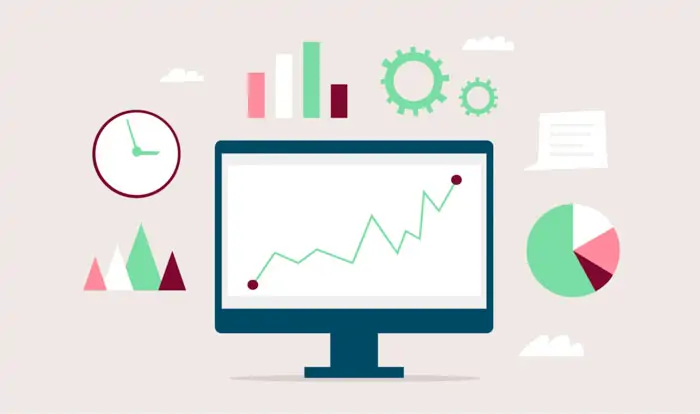
The integration of IoT and big data analytics enables industries to enhance efficiency, foresee potential issues, and make smarter decisions through predictive insights. Here's how they impact various sectors:
Healthcare
IoT devices, such as connected blood pressure monitors and heart sensors, allow healthcare providers to remotely track patient health, identify warning signs, and save lives through predictive analytics. IoT also streamlines healthcare operations by improving equipment tracking and data aggregation, enabling better patient care, hospital management, and error reduction through electronic health records (EHRs).
Supply chain management
IoT-enabled trackers and telematics systems enhance supply chain operations by collecting vast amounts of data. Using AI-powered dashboards, companies can monitor fleets, predict maintenance needs, and navigate potential traffic delays. This real-time analysis ensures smoother logistics and operational efficiency.
Autonomous vehicles and robotics
Self-driving vehicles and robotics rely on IoT sensors like radar, LIDAR, and cameras to collect data for navigation and decision-making. Big data analytics processes this information in real-time, ensuring safety and efficiency. Machine learning further improves these systems over time, optimizing autonomous performance.
Industrial IoT (IIoT)
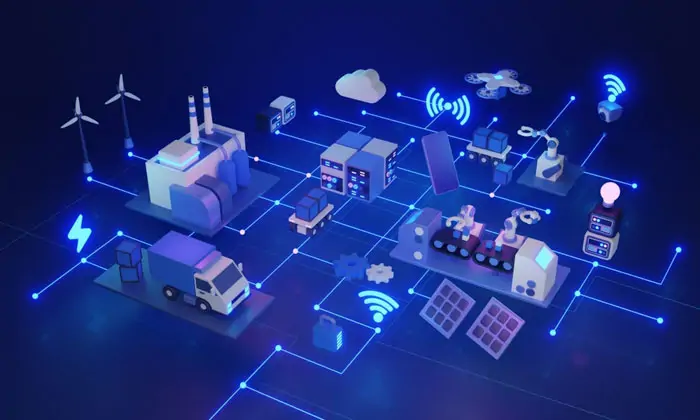
IIoT revolutionizes industries like manufacturing and energy by connecting machines for real-time activity and maintenance tracking. Smart factories use IoT gateways with edge analytics to process diverse data streams, enabling enterprises to optimize processes, reduce downtime, and increase productivity through AI-driven recommendations.
Agriculture
Smart farming leverages IoT sensors to monitor soil conditions, weather, and irrigation systems. These insights enable precision agriculture, allowing farmers to customize fertilization methods based on soil variability and optimize resource usage, thereby increasing yield and sustainability.
Retail
Retailers utilize IoT devices to track inventory, monitor supply chains, and analyze client behavior. Sensors in shipping containers ensure quality control during transit, while big data analytics provide insights to streamline sourcing, logistics, and assembly processes, enhancing overall operational efficiency.
What challenges exist in IoT big data analytics?
Understanding the relationship between IoT and big data is crucial for effectively managing the data generated by connected devices. What is the relationship between IoT and big data? IoT devices generate massive amounts of data, which then requires big data technologies for storage, processing, and analysis. Analyzing IoT data presents several unique challenges:
Data visualization
Data visualization plays a critical role in IoT analytics by helping organizations identify trends and extract actionable insights. However, the heterogeneity of IoT-generated data, which includes structured, unstructured, and semi-structured formats, poses a significant challenge.
Creating effective visualizations that unify these varied data types is complex, often requiring sophisticated tools and methodologies to convey insights effectively and support informed decision-making.
Data storage and management
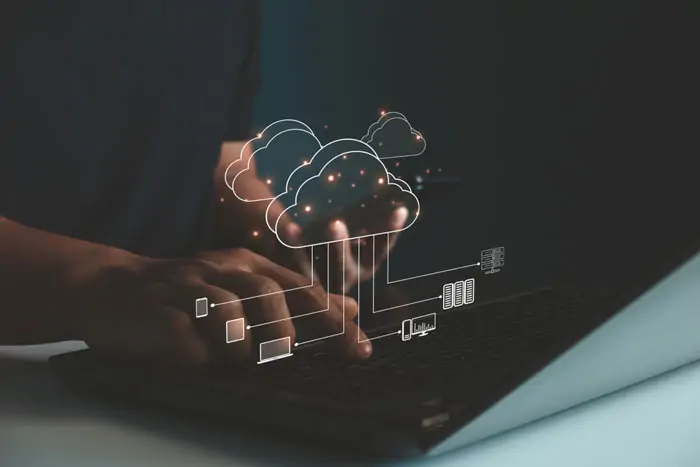
The exponential growth of IoT-generated data has placed immense pressure on existing data storage and management systems. Current storage solutions are struggling to keep pace with the sheer volume of data produced.
Managing this data effectively while ensuring accessibility, scalability, and security is a daunting task that requires continual advancements in storage technologies and strategies.
Conclusion
What is the relationship between IoT and big data? The relationship between IoT and big data is a cornerstone of the modern technological landscape. IoT generates the data, and big data provides the tools to make sense of it. By effectively leveraging this synergy, businesses and individuals can achieve significant improvements in efficiency, productivity, and decision-making. While challenges exist, advancements in technology and strategic implementation are paving the way for a future where the combined power of IoT and big data drives innovation across industries. Explore our IoT solutions to learn how you can leverage this powerful combination.


.webp_2026-10-01-18-27-07-971.webp)
.webp_2026-10-01-18-17-11-290.webp)
.webp_2026-10-01-18-08-26-854.webp)
.webp_2026-10-01-17-47-32-240.webp)