Home
Search
Found 797 results for “ “ keyword
icon
TMA Telehealth Platform Development Services: Build Secure, Scalable Virtual Care for North America FAQ What is a telehealth platform? A telehealth platform is software that enables remote care through video visits, scheduling, patient intake, clinical documentation, prescriptions, payments, messaging, analytics, and EHR integration. What technologies are used in telehealth platform development? Common technologies include WebRTC, cloud infrastructure, FHIR APIs, identity management, encrypted storage, notification services, payment gateways, analytics dashboards, and DevSecOps pipelines. How should enterprises evaluate a telehealth development partner? Assess healthcare domain experience, security practices, integration capability, engineering scale, delivery governance, testing maturity, and ability to support long-term product enhancement beyond MVP launch. Is HIPAA compliance automatic if a platform uses encrypted video? No. Encryption is only one control. HIPAA-aware telehealth delivery also requires access control, audit logs, policies, vendor management, data safeguards, breach procedures, and legal review where applicable. Can telehealth platforms integrate with EHR systems? Yes. Integration is typically handled through FHIR APIs, HL7 interfaces, custom connectors, or middleware, depending on the EHR, data scope, workflow, and interoperability requirements. Lessons Learned from the Field The strongest telehealth programs treat outsourcing as an engineering partnership, not a labor arbitrage exercise. Generic Low-Cost ODC Pitfall Engineering Partnership Model Builds features from tickets without challenging workflow gaps Clarifies clinical, operational, and technical constraints before implementation Accumulates technical debt to hit short-term milestones Reserves capacity for refactoring, automated tests, and architecture governance Uses fragile CI/CD with manual release steps Implements repeatable pipelines with testing, scanning, approvals, and rollback Leaves code ownership ambiguous across vendor and client teams Defines module ownership, review paths, documentation, and escalation Treats security as late-stage testing Applies security-by-design, threat modeling, and DevSecOps practices Over-customizes integrations per client Uses reusable integration patterns, APIs, and configuration-driven workflows Because telehealth workflows span clinical care, administration, and patient engagement, weak ownership creates defects that are expensive to diagnose. A missed audit event, broken authorization rule, or partial EHR sync may not appear during a demo, but it can create operational and compliance risk after launch. TMA’s differentiation is not simply scale; it is the combination of engineering scale, healthcare experience, process maturity, security capability, and long-term delivery capacity. Launch Your Virtual Clinic Platform A successful virtual clinic platform should be easy for patients, useful for clinicians, and manageable for operations teams. That requires disciplined architecture: WebRTC for real-time care, FHIR-aware integration for clinical data, cloud scalability for growth, secure APIs for ecosystem connectivity, and governance practices that make delivery predictable. For North American healthcare organizations, the strategic takeaway is clear: telehealth is now part of the care delivery backbone. Enterprise buyers should choose a partner that can support MVP speed without compromising long-term reliability, interoperability, and security. TMA Solutions helps healthcare providers, digital health companies, and enterprise software teams design, build, integrate, and scale telehealth platforms with mature offshore engineering capacity. Contact TMA Solutions to discuss your virtual clinic roadmap, platform modernization plan, or dedicated healthcare software development team. Essential Features of a Modern Telehealth Platform A modern telehealth platform is a digital care operating layer. It should reduce friction for patients, preserve clinical context for providers, and give administrators visibility into utilization, quality, and operational bottlenecks. Video Consultation and Virtual Waiting Rooms The direct answer: video consultation is the clinical front door, but the virtual waiting room is the workflow control point. A reliable consultation module should support browser-based access, device checks, consent capture, appointment status, role-based access for clinicians and interpreters, and escalation to phone when network quality drops. For North American care teams, the experience must be simple enough for elderly patients and robust enough for high-volume provider schedules. Because WebRTC is designed for real-time browser communication and supports peer connection, media tracks, data channels, and NAT traversal through ICE, STUN, and TURN, it is a common technical foundation for video consultation platforms [4]. However, healthcare teams should not treat WebRTC as a complete product. The real engineering work sits around it: identity verification, visit orchestration, audit trails, error handling, observability, recording policies where permitted, and integration with clinical documentation. Digital Prescriptions, Referrals, and Payments Digital prescriptions, referrals, and payments turn a video session into a complete care transaction. Without these workflows, virtual visits often create manual follow-up work for nurses, front-desk teams, and billing staff. A pragmatic architecture separates clinical workflows from payment workflows while preserving traceability. Prescription requests should connect to the provider’s medication workflow and pharmacy integration strategy. Referrals should capture specialty, reason, urgency, attachments, and status. Payments should support eligibility checks, co-pay collection, invoices, refunds, and reconciliation. Because reimbursement rules and payment routing can vary by state, payer, and provider model, these components should be configurable rather than hard-coded. Patient Records and Provider Dashboards Telehealth fails when care context is missing. Providers need medication history, allergies, visit notes, vitals, prior encounters, lab results, and alerts at the point of care. Administrators need dashboards for visit volume, no-show rate, provider utilization, patient wait time, technical failure rate, and follow-up completion. FHIR is important because HL7 describes it as a standards framework built from modular “Resources” that can support real-world clinical and administrative problems across mobile apps, cloud communications, EHR data sharing, and institutional provider systems [5]. In practice, this means a telehealth platform should use a healthcare integration layer rather than direct point-to-point connections scattered across the codebase. Technology Requirements for Reliable Virtual Care WebRTC, Cloud Scalability, and FHIR Integration A strong telehealth architecture typically includes five layers: Patient and provider applications : web, mobile, accessibility support, localization, device testing. Real-time communication layer: WebRTC, signaling, TURN infrastructure, adaptive media handling, fallback flows. Care workflow services: scheduling, waiting room, notes, prescriptions, referrals, care plans, notifications. Integration layer: FHIR APIs, EHR connectors, claims or billing interfaces, pharmacy and lab integrations. Security and governance layer: IAM, encryption, audit logging, monitoring, vulnerability management, incident response. The trade-off is speed versus maintainability. A small MVP can be launched quickly with packaged video APIs and minimal integrations. However, enterprise buyers should avoid architecture that hardwires one vendor, one EHR, or one workflow. Because telehealth platforms usually expand into remote patient monitoring, chronic care management, home care, behavioral health, and hybrid visits, the integration model should anticipate growth. McKinsey reported that telehealth utilization stabilized at levels 38 times higher than before the pandemic, while highlighting persistent challenges around data integration, provider workflow integration, incentives, and security concerns [6]. This is why a scalable telehealth roadmap should prioritize interoperability, workflow embedding, and operational analytics from the beginning. Telehealth Solutions for Clinics, Hospitals, and Startups Different buyers need different delivery models. Buyer Scenario Core Need Engineering Priority Risk if Underbuilt Independent clinics Fast launch, patient-friendly visits, billing support Configurable scheduling, payments, simple provider dashboard Manual admin work and poor adoption Hospitals and health systems EHR integration, security, governance, scalability FHIR integration, IAM, audit logging, analytics Fragmented records and compliance exposure Digital health startups MVP-to-scale product delivery Modular architecture, cloud-native services, rapid iteration Rebuild costs after product-market fit Homecare and senior care providers Continuous care beyond visits Remote monitoring, alerts, caregiver workflows Missed deterioration signals and low engagement TMA’s healthcare portfolio aligns with these needs through expertise areas including telehealth, remote health monitoring, EHR, medication management, device integration, AI and health data analytics, home care, and senior care services [3]. TMA’s software development services also cover the https://www.tmasolutions.com/services/software-development full SDLC , including MVP development, R&D, PoC and prototype development, product enhancement, porting and migration, and maintenance and support [7]. How TMA Solutions Builds Secure Telehealth Platforms Security must be designed into telehealth from the first sprint. HHS notes that telehealth involves privacy and security risks to protected health information and provides guidance for providers using remote communication technologies [8]. For software teams, this translates into concrete controls: authentication, authorization, encryption, least privilege access, auditability, vendor risk review, data retention policy, and secure incident response. TMA’s security application development capability includes secure coding practices, cloud security and data protection, DevSecOps and CI/CD security integration, vulnerability scanning, penetration testing, SIEM, MFA, RBAC, and standards awareness including https://www.tmasolutions.com/services/security-application-development OWASP ASVS, MASVS, NIST SP 800-218, ISO 27034, CIS Control 16, and PCI DSS [9]. This does not mean every telehealth platform is automatically certified for every healthcare regulation. It means the delivery model can be structured around security controls, evidence, and careful compliance-aware implementation. OWASP’s API Security Top 10 identifies risks such as broken object level authorization, broken authentication, unrestricted resource consumption, security misconfiguration, improper inventory management, and unsafe consumption of APIs [10]. These risks are especially relevant in telehealth because APIs expose appointment, patient, prescription, payment, and clinical data. Step-by-Step Technical Delivery Pipeline A mature telehealth delivery pipeline should include: Discovery and regulatory scoping: define care model, user roles, data flows, integration targets, security obligations, and market-specific constraints. Product architecture: select cloud architecture, WebRTC strategy, FHIR integration approach, data model, audit model, and observability plan. UX and accessibility design: map patient intake, provider workflow, virtual waiting room, captions, interpreter support, and mobile-first usability. MVP development: build scheduling, video visits, patient profile, provider dashboard, notifications, and basic reporting. Integration sprint: connect EHR, payment, pharmacy, lab, identity, analytics, and remote monitoring systems as required. Security hardening: add threat modeling, SAST, DAST, dependency scanning, secrets management, RBAC, MFA, logging, and penetration testing. Clinical workflow validation: test with clinicians, administrators, caregivers, and patients across real scenarios. Release and monitoring: deploy with CI/CD, blue-green or staged rollout, uptime monitoring, video quality telemetry, and incident response. Continuous enhancement: improve no-show handling, care coordination, analytics, AI-assisted documentation, and remote monitoring expansion. https://www.tmasolutions.com/case-studies/optimizing-data-with-azure-dynamic-integration-legacy-migration-and-advanced-visualization TMA’s Azure healthcare data case study shows related delivery experience in integrating diverse healthcare data sources, migrating medical records from legacy systems, using Azure Data Lake, applying Power BI visualization, and improving data retrieval for healthcare analytics [11]. While this is not a telehealth-only case study, it is directly relevant to the data integration and visualization challenges that telehealth platforms face. Telehealth Has Become a Core Care Delivery Channel Telehealth is no longer a temporary access workaround. For clinics, hospitals, digital health startups, and payer-provider networks, the bigger challenge is now operational: how to deliver virtual care reliably without creating fragmented records, weak security controls, or disconnected patient workflows. In the United States, 37.0% of adults used telemedicine in 2021, according to CDC National Health Interview Survey data [1]. That level of adoption makes telehealth a core digital health capability, not a side feature. For CTOs, CIOs, product leaders, and sourcing managers, the technical question is not simply “Can we add video visits?” It is “Can we build a secure, interoperable, clinically useful platform that scales across providers, patients, specialties, and regulatory expectations?” Because virtual care touches scheduling, identity, EHR data, payments, prescriptions, clinical documentation, and analytics, telehealth platform development requires more than low-cost coding capacity. It requires healthcare domain understanding, mature engineering delivery, and disciplined security-by-design. TMA Solutions positions itself as a technology and innovation partner with 29 years of experience, 4,000 engineers, clients from 30 countries, 10+ solution and technology centers, and a quality foundation including https://www.tmasolutions.com/ CMMI, Agile, RUP, ISO 9001, and ISO 27001 [2]. For healthcare, TMA reports https://www.tmasolutions.com/industries/healthcare 700 engineers and 16+ years of digital health experience across remote health monitoring, medical device integration, healthcare data analytics, pharmacy automation, senior care services, and telehealth [3]. ...

icon
TMA Travel Booking Platform Development Services: Build Scalable Travel Products for the Recovery Era Enterprise travel companies are under pressure to modernize booking platforms without disrupting revenue-critical operations. Search latency, stale inventory, fragmented supplier APIs, payment failures, and weak personalization can turn high travel demand into abandoned carts. UN Tourism reported that international tourism reached about 1.4 billion arrivals in 2024, around 99% of pre-pandemic levels, making platform resilience and speed a board-level issue for travel brands, OTAs, agencies, and hospitality technology providers. For CTOs, CIOs, product leaders, and sourcing managers, travel booking platform development is no longer just about building a website or mobile app. It requires real-time integration, scalable architecture, secure payment flows, AI-assisted pricing, and disciplined delivery governance. TMA Solutions supports this need as a Vietnam software outsourcing company with 29 years of experience, 4,000 engineers, clients from 30 countries, 10+ technology and solution centers, and a quality foundation covering CMMI, Agile, RUP, ISO 9001, and ISO 27001. Digital Travel Platforms After the Industry Recovery As travel demand normalizes, digital platforms must handle higher booking intent while protecting margins. The technical challenge is that travel inventory is perishable, distributed, and constantly changing. A hotel room, flight seat, airport transfer, insurance policy, or tour package may change availability or price between search and checkout. Because of this volatility, modern travel booking platforms need an architecture that separates search, pricing, booking, payment, customer service, and post-booking workflows. A monolithic system may work for a simple agency portal, but it becomes fragile when the business adds dynamic packaging, loyalty rules, multiple suppliers, or region-specific payment methods. A scalable platform usually includes: API gateway for supplier, mobile, web, partner, and agent access Search and availability services with cache invalidation logic Booking orchestration service to manage reservation state Payment and refund workflows with tokenization where applicable Customer profile, loyalty, and personalization services Back-office dashboards for agents, finance, operations, and support Observability layer for logs, traces, uptime, failed bookings, and supplier errors TMA’s software development services cover full SDLC needs, including MVP development, R&D, PoC/prototype development, product enhancement, migration, maintenance, and support. That matters because travel platforms are rarely “one release and done.” They require continuous tuning as suppliers, customer expectations, regulatory expectations, and commercial models evolve. Core Features of Travel Booking Platforms Search, Booking, Inventory, Payments, and Itinerary Tools A travel booking platform must make complex supplier data feel simple to the traveler. Search should support destination, date range, passenger count, filters, fare classes, room types, cancellation rules, loyalty eligibility, and bundled offers. Under the hood, the platform must normalize inconsistent supplier responses into a unified data model. The booking flow should manage reservation state carefully: selected offer, price revalidation, traveler details, supplier confirmation, payment authorization, ticketing or voucher generation, and itinerary delivery. If the supplier price changes during checkout, the system should return a clear recovery path instead of failing silently. Payments require special discipline. Travel platforms often handle cards, wallets, split payments, deposits, refunds, chargebacks, and vouchers. PCI DSS should be treated as a design constraint for any system that stores, processes, or transmits cardholder data; using payment gateways, tokenization, and careful data minimization can reduce exposure, but does not remove the need for scope analysis. Agency Dashboards and Customer Self-Service Travel operations teams need more than a customer-facing storefront. Agency dashboards should support booking lookup, manual adjustments, cancellation and refund workflows, supplier status, customer communication logs, markup controls, coupon management, and finance reconciliation. Customer self-service reduces support cost when it is connected to real booking state. Useful capabilities include itinerary downloads, cancellation eligibility, refund status, flight disruption alerts, document upload, support chat, and post-trip invoices. The technical constraint is authorization: each customer, agent, affiliate, and supplier should access only the bookings and actions they are entitled to perform. OWASP’s API Security Top 10 identifies broken object-level authorization, broken authentication, and unsafe consumption of third-party APIs as major API risks. These are directly relevant to travel systems because booking IDs, traveler profiles, loyalty accounts, and supplier APIs create many object-level access paths. API Integrations for Flights, Hotels, and Travel Services Travel booking platforms depend on external ecosystems: GDS providers, airline APIs, hotel channel managers, bed banks, car rental systems, insurance APIs, mapping services, payment gateways, identity verification providers, CRM systems, and messaging tools. The integration layer should not simply pass supplier responses to the front end. It should provide: Supplier adapter patterns for different API formats Normalized inventory and pricing schemas Timeout, retry, circuit breaker, and fallback rules Supplier health monitoring and error classification Rate-limit management and request cost controls Contract tests to detect breaking supplier changes Secure secrets management and audit trails Because supplier APIs vary in quality, the integration design should assume partial failure. If one hotel supplier times out, the platform should degrade gracefully. If a flight fare expires, the booking service should reprice and ask for user confirmation. If a payment is authorized but supplier confirmation fails, the system needs a compensation workflow to void, refund, retry, or escalate. TMA’s cloud services include cloud application development, cloud infrastructure management, migration, deployment, integration, support, and maintenance across AWS, Azure, GCP, and related platforms. For travel platforms, that cloud depth is useful for elastic search workloads, global content delivery, managed databases, containerized services, and 24/7 operational monitoring. AI Dynamic Pricing and Personalized Recommendations AI can improve travel conversion when it is grounded in reliable data and governed carefully. Practical use cases include personalized hotel ranking, destination recommendations, abandoned-search remarketing, demand forecasting, fraud signals, itinerary assistance, call center automation, and dynamic pricing support. The architecture usually needs: Event pipelines for searches, clicks, bookings, cancellations, and support interactions Feature stores or curated datasets for model inputs Recommendation models combining collaborative, content-based, and business-rule logic Pricing models that respect inventory constraints, margin rules, and supplier agreements A/B testing and model monitoring for drift, bias, and conversion impact Human override controls for revenue managers and operations teams TMA’s AI/ML and Data Sciences capability includes more than 10 years of experience, AI feature/product development, AI solution development, AI development center setup, recommendation systems, predictive analysis, LLMs, AI agents, and cloud AI platforms. For enterprise travel buyers, the practical value is not “AI for its own sake.” It is the ability to connect AI engineering with production software, data quality, security, and measurable business workflows. NIST’s AI Risk Management Framework is a useful governance reference because it encourages organizations to incorporate trustworthiness considerations into AI design, development, use, and evaluation. In travel, that means pricing and recommendation models should be explainable enough for business review, monitored for unexpected behavior, and aligned with customer trust. Building Scalable Travel Platforms From Vietnam Vietnam-based development can be attractive for North American travel companies when the engagement is structured as an engineering partnership rather than a low-cost ticket factory. The difference is governance. Dimension Generic Low-Cost ODC Engineering Partnership Model Ownership Task execution Product, architecture, and quality ownership Architecture Often reactive Designed around scale, integration, and maintainability Delivery Output-focused Outcome-focused with roadmap alignment Quality Manual testing late in cycle Automation, CI/CD, review gates, and regression strategy Security Treated as a checklist Built into API, data, cloud, and access-control design Continuity High knowledge-loss risk Stable team structure and documented technical decisions TMA’s scale, technology centers, and process maturity help support long-running product development, migration, and maintenance programs. For travel companies, this matters because platform work often spans years: modernize the core, integrate suppliers, optimize checkout, add AI services, expand markets, and support new commercial models. Step-by-Step Technical Delivery Pipeline A pragmatic travel booking platform delivery pipeline should include: Discovery and domain mapping: define traveler personas, supplier types, booking flows, markets, payment methods, and operational workflows. Architecture blueprint: decide monolith modularization, microservices boundaries, API gateway, data stores, caching, observability, and integration patterns. Supplier integration PoC: validate search, pricing, booking, cancellation, timeout behavior, and supplier SLAs before full build. MVP development: launch core search, booking, payment, itinerary, admin, and support workflows. Security and compliance review: assess authentication, authorization, PCI scope, data retention, secrets, logging, and third-party API risk. Test automation: build contract tests, regression suites, load tests, and failed-booking scenario tests. Cloud deployment: containerize services, configure CI/CD, autoscaling, monitoring, alerting, backup, and disaster recovery. AI and personalization layer: add recommendations, demand signals, and pricing support only after data quality is stable. Operational handover: document runbooks, support SLAs, incident paths, release governance, and continuous improvement backlog. Lessons Learned from the Field Travel platforms fail less often from a single bad feature than from accumulated engineering debt. Generic low-cost ODCs may deliver screens quickly but leave unclear code ownership, fragile CI/CD pipelines, shallow test coverage, and integration logic scattered across the codebase. Over time, every supplier change becomes risky. A mature engineering partner treats refactoring, documentation, regression automation, and observability as part of delivery. For example, supplier adapters should be versioned and tested independently. Booking state machines should be explicit. Payment reconciliation should be traceable. Security reviews should happen before release, not after incidents. The business outcome is straightforward: fewer failed bookings, faster market expansion, lower support load, cleaner integration onboarding, and a platform that can evolve with traveler behavior. Create Next-Gen Travel Products With TMA The next generation of travel booking platforms will be API-rich, AI-assisted, cloud-native, and operationally resilient. But the winning platforms will not be the ones with the most features. They will be the ones that turn complex supplier ecosystems into reliable customer experiences. TMA Solutions brings the engineering scale, SDLC capability, cloud experience, AI/ML depth, and quality foundation needed to help travel companies build, modernize, and maintain booking platforms with confidence. For enterprise buyers evaluating a Vietnam software outsourcing partner, TMA offers a practical path from product concept to production-grade travel technology. To discuss a travel booking platform, API integration roadmap, AI personalization initiative, or modernization program, engage TMA Solutions for a technical consultation. FAQ What is travel booking platform development? It is the design, development, integration, and operation of software that supports travel search, pricing, booking, payment, itinerary management, supplier APIs, agency workflows, and customer self-service. Why are supplier APIs difficult in travel platforms? Travel APIs vary by format, latency, pricing rules, booking states, cancellation policies, and error handling. A stable platform needs adapter patterns, contract tests, retries, monitoring, and clear compensation workflows. How can AI improve a travel booking platform? AI can support personalized recommendations, demand forecasting, dynamic pricing assistance, fraud signals, itinerary help, and customer support automation when backed by clean data, monitoring, and governance. How should enterprises evaluate an outsourcing partner for travel software? Assess architecture capability, integration experience, cloud and DevOps maturity, testing discipline, security practices, delivery scale, communication model, and ability to support long-term product evolution. Does TMA support scalable offshore travel platform development? Yes. TMA has 29 years of experience, 4,000 engineers, clients from 30 countries, 10+ technology/solution centers, and capabilities across software development, cloud, AI/ML, testing, and maintenance....
icon
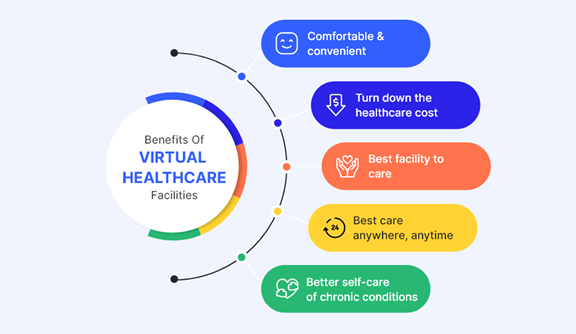
Top 4 Healthcare App Features Patients Expect in 2025 Conclusion As patients’ expectations for healthcare apps grow in personalization, accessibility, connectivity, and security, meeting these demands is vital for success in healthcare software development. TMA Solutions’ expertise as a leading https://www.tmasolutions.com/insights/digital-health-innovation-trends-technologies-in-2025 healthtech software solutions company in Vietnam and proven case studies demonstrate how tailored, compliant, and innovative healthcare apps can transform patient care in 2025 and beyond. How TMA Solutions Meets These Expectations: Relevant Case Studies TMA Healthtech Center As a leadinghttps://www.tmasolutions.com/industries/healthcare healthtech solutions provider in Vietnam , TMA Solutions delivers c ustom healthcare software development that meets patient needs. Our AI-powered remote health monitoring improved patient adherence by 30% , while our HIPAA-compliant telehealth app reduced ER visits by 60% . We also developed https://www.tmasolutions.com/case-studies/home-kit-solution-for-continuous-health-monitoring IoMT-integrated health kiosks , boosting preventive care engagement by 25%, all backed by strong security frameworks ensuring HIPAA compliance and reducing data breaches by 40% . AI-Powered Personalized Health Insights Healthcare Virtual Assistant TMA Solutions developed a https://www.tmasolutions.com/case-studies/enhance-client-experience-with-healthcare-virtual-assistant custom health app development platform integrating wearable devices to deliver personalized health summaries and alerts. This platform has improved patient adherence by 30% and reduced hospital visits, aligning with the trend toward personalized medicine. Telehealth Expansion for Better Access Virtual Primary Care Service TMA’shttps://www.tmasolutions.com/case-studies/enhance-senior-care-services-with-remote-health-monitoring-system custom healthcare mobile development includes a HIPAA-compliant Telehealth App supporting over 150 hospitals in Vietnam and Canada, offering virtual consultations and real-time monitoring. The solution reduced emergency room visits by 60% and improved patient satisfaction by 35%. IoMT Integration through Health Kiosks Telehealth Kiosk for Remote Health Checks TMA created a https://www.tmasolutions.com/case-studies/home-kit-solution-for-continuous-health-monitoring custom medical software development solution — a Health Kiosk for Pharmacy — integrating IoMT devices to enable self-service health checks and remote consultations. Deployed across Vietnam and Australia, it improved preventive care engagement by 25%. Security and Compliance Frameworks Healthcare Data Analytics TMA embeds https://www.tmasolutions.com/case-studies/leverage-big-data-for-healthcare-analytics custom healthcare software solutions with HIPAA-compliant security features, including encryption, real-time breach detection, and role-based access control. These measures have helped clients reduce data breach risks by 40% and maintain continuous compliance. Market Needs: What Patients Expect from Healthcare Apps in 2025 Personalized Health Insights and Recommendations From “One Size Fits All” To Personalized Healthcare Patients increasingly expect healthcare apps to provide personalized insights powered by AI and machine learning. According to a report by Grand View Research, the personalized medicine market is projected to reach $2.4 trillion by 2025 , driven by advances in genomics and data analytics. Furthermore, 76% of healthcare consumers prefer tailored healthcare experiences, signaling strong demand for apps that adapt to individual health profiles. Patients want apps that don’t just collect data, but transform it into actionable, personalized health guidance. Seamless Telehealth and Virtual Care Benefits Of Telehealth and Virtual Care Telehealth has become an indispensable part of healthcare delivery. The global telehealth market is expected to grow at a compound annual growth rate (CAGR) of 25.2% between 2021 and 2030, reaching $459.8 billion by 2030 (Fortune Business Insights). Surveys also indicate that 60% of patients prefer telehealth visits for convenience and accessibility, emphasizing the need for robust virtual care features in healthcare apps. Telehealth is no longer a convenience—it’s an essential part of modern healthcare. Integration with IoMT Devices The Internet of Medical Things (IoMT) is rapidly expanding, with the global market forecast to reach $158 billion by 2025 (Statista). Continuous remote monitoring via connected devices is expected to grow by 22% annually , as patients seek real-time insights and healthcare providers aim to improve outcomes through proactive management. Empowering patients with continuous health data monitoring for more informed decisions and proactive care. Robust Security and Compliance Features Data Risks in Healthcare Data privacy remains a top concern. Studies from HIPAA Journal reveal that 41 million healthcare records were exposed due to breaches in 2023 alone. Additionally, 85% of patients state that data security is a critical factor when choosing digital health tools. This underlines the urgency for healthcare apps to embed strong HIPAA-compliant security and privacy controls. Security isn’t optional—it’s the foundation of trust in healthcare apps. Introduction The healthcare industry rapidly evolves, with https://www.tmasolutions.com/industries/healthcare digital health software development transforming patient care. By 2025, patients will expect healthcare apps to be more intuitive, personalized, and secure. Understanding these market needs is essential for healthcare providers and developers aiming to deliver exceptional digital health experiences. ...
icon
Top 5 AI Logistics Automation Tools and Real Use Cases by TMA Solutions AI-Driven Predictive Maintenance Warehouse conveyors, forklifts, delivery trucks, and sorting machines are the backbone of logistics – and if they break down unexpectedly, operations can grind to a halt. AI-driven predictive maintenance tools help avoid unplanned downtime by continuously monitoring equipment health through IoT sensors and AI analysis. These systems “learn” the normal sound, vibration, and temperature patterns of machinery and can detect subtle warning signs of developing issues. By analyzing data from these sensors in real time, AI models can predict failures before they happen and alert maintenance teams to service a part prior to a breakdown. This proactive approach extends the lifespan of machines and slashes maintenance costs. In fact, a McKinsey study found that predictive maintenance strategies can reduce maintenance costs by up to 40% and cut unplanned downtime in half – a huge win for productivity and cost savings. TMA Solutions offers an advanced AI-Driven Predictive Maintenance solution that integrates sound, vibration, and temperature sensors to monitor equipment in real time. By analyzing these sensor signals, the system can detect abnormalities that might indicate an impending failure, such as unusual vibrations, temperature fluctuations, or irregular noises. For example, if a conveyor belt motor begins to overheat or vibrate irregularly, the AI can immediately notify maintenance teams to take action, preventing potential failure and costly disruptions. This predictive capability helps logistics companies maintain high equipment availability, improve operational uptime, and ultimately reduce both operational and maintenance costs. TMA AI-Driven Predictive Maintenance solution Intelligent Parking Lot and Yard Monitoring Managing a busy logistics yard or parking area is another challenge where AI is making a difference. Intelligent parking lot monitoring systems use cameras and computer vision to keep watch over parking spaces, loading docks, and vehicle yards in real time. For logistics hubs dealing with fleets of trucks and trailers, these AI systems can automatically detect available parking spots, track vehicle entries/exits, and even guide drivers to the right dock or staging area. The result is a safer, more organized yard with less idle time. Truck drivers and warehouse managers no longer need to manually check for open bays or risk chaotic first-come-first-serve situations – the AI handles it, often integrated with yard management software to schedule slots efficiently. Additionally, security is enhanced as the system can flag unauthorized vehicles or unusual after-hours activity on camera. TMA Solutions provides a Parking Lot Monitoring solution that illustrates these benefits. Their system uses smart cameras to continually monitor parking areas and uses AI to interpret the video feeds. Immediately, managers can see which spots are free or occupied and get alerts when specific trucks arrive or if a vehicle stays longer than expected. By optimizing parking space utilization and ensuring smoother vehicle flow, such tools reduce turnaround times for deliveries and pickups. In large distribution centers, this can translate to more shipments handled per day and less fuel wasted as drivers aren’t circling or waiting unnecessarily. It’s a clear example of AI bringing order and efficiency to yet another aspect of logistics operations. TMA Parking Lot Monitoring solution AI-Powered Container Loading Optimization Maximizing every inch of container space is crucial as shipping costs soar. AI-powered container loading tools automatically calculate the optimal way to stow goods in containers or trucks, tackling the classic “3D bin packing” problem far faster than any human planner. These systems consider item dimensions, weight distribution, and load-bearing constraints to generate loading plans that minimize wasted space and prevent damage in transit. By eliminating the costly practice of “shipping air,” companies can ship more product per load and reduce the number of trips needed​. For example, if 20 – 40% of a box’s volume is often empty space on average, AI can significantly cut that inefficiency by suggesting the perfect cargo arrangement every time. TMA Solutions’ Automatic Container Loading offering is a prime example of this technology in action. It uses advanced AI algorithms to quickly produce optimal loading plans for containers, maximizing capacity while respecting weight and safety limits. This not only lowers freight costs but also speeds up the loading process – an important win for logistics teams facing tight delivery schedules. TMA Automatic Container Loading Solution In the rapidly evolving world of logistics, artificial intelligence (AI) and automation have moved from buzzwords to business essentials. Modern supply chain managers and tech-savvy logistics companies are leveraging AI to streamline operations, reduce costs, and increase efficiency across warehouses, transportation, and distribution centers. In this article, we explore the top 5 AI-powered logistics automation tools leading the industry – and how solutions like those from TMA Solutions are driving these innovations. Each section highlights a key tool or technology, with real-world benefits and examples for context. AR-Assisted Packaging Dimensioning Choosing the right size packaging for shipments is a deceptively complex task. Oversized packaging leads to wasted space and higher dimensional weight fees, while undersized packaging risks product damage. Augmented Reality (AR) assisted packaging dimensioning tools are changing the game by using mobile devices or smart glasses to instantly measure product dimensions and recommend ideal box or pallet configurations. Through an AR view, staff can visualize how items will fit into various packaging options, making it easy to “right-size” every shipment. This ensures minimal empty space and can substantially cut material use and shipping costs – a critical benefit given that e-commerce parcels are often at least 25% empty on average​. TMA Solutions’ AR Packaging tool exemplifies this approach. It leverages AI and AR to help warehouse packers find the optimal packaging for each order. By pointing a tablet or headset at a product, the system instantly calculates the product’s dimensions and suggests the best-fitting box or crate. This not only reduces guesswork but also slashes the time needed to package items. Companies implementing AR-assisted packaging have seen improvements in packing speed and consistency, along with savings in cardboard and filler material. TMA AR Packaging tool AI Product Counting and Sorting Systems Counting inventory or sorting products manually can be labor-intensive, slow, and error prone. AI-driven product counting and sorting systems use computer vision and machine learning to identify, count, and organize items at high speed with pinpoint accuracy. Mounted cameras or drones scan shelves and conveyor belts, automatically tallying stock levels or directing robotic arms to sort packages by destination. The result is a dramatic boost in throughput and inventory accuracy. For instance, in a warehouse pilot, Walmart demonstrated that inventory drones could complete a full stock count of a distribution center in just one day, a task that would take human staff nearly a month using traditional barcode scanners. This highlights the massive efficiency gains AI vision systems offer for inventory management and order fulfillment. TMA Solutions offers an AI Product Counting and Sorting solution that brings these benefits to logistics operations. Using smart cameras and AI models trained to recognize products, it can automatically count items on shelves or moving along a conveyor. The system instantly flags discrepancies (such as missing or misplaced products) and can direct automated sorters to route packages to the correct bin or loading area. By deploying such AI systems, warehouses reduce manual scanning work, speed up sorting for shipments, and achieve near-perfect counting accuracy – all of which translates to faster deliveries and happier clients. TMA AI Product Counting and Sorting solution Conclusion From loading the heaviest containers to tracking the tiniest inventory item, AI is revolutionizing every link in the logistics chain. The five tools highlighted – AI container loading optimization, AR packaging dimensioning, AI product counting, predictive maintenance, and intelligent parking monitoring – represent the leading edge of logistics automation. Early adopters of these technologies are reaping rewards in the form of lower costs, faster throughput, greater accuracy, and safer operations. Notably, providers like TMA Solutions are at the forefront of this wave, offering practical AI solutions that companies can deploy today to stay competitive. For logistics companies and supply chain managers, the message is clear: embracing AI automation is no longer optional, it’s the key to thriving in a fast-paced, demand-driven market. By integrating tools like these into daily operations, organizations can build a smarter, more resilient supply chain that is ready to meet the challenges of the future. In a world where efficiency and responsiveness are paramount, AI is the ultimate ally to deliver results – from the warehouse floor to the shipping dock and everywhere in between....
icon
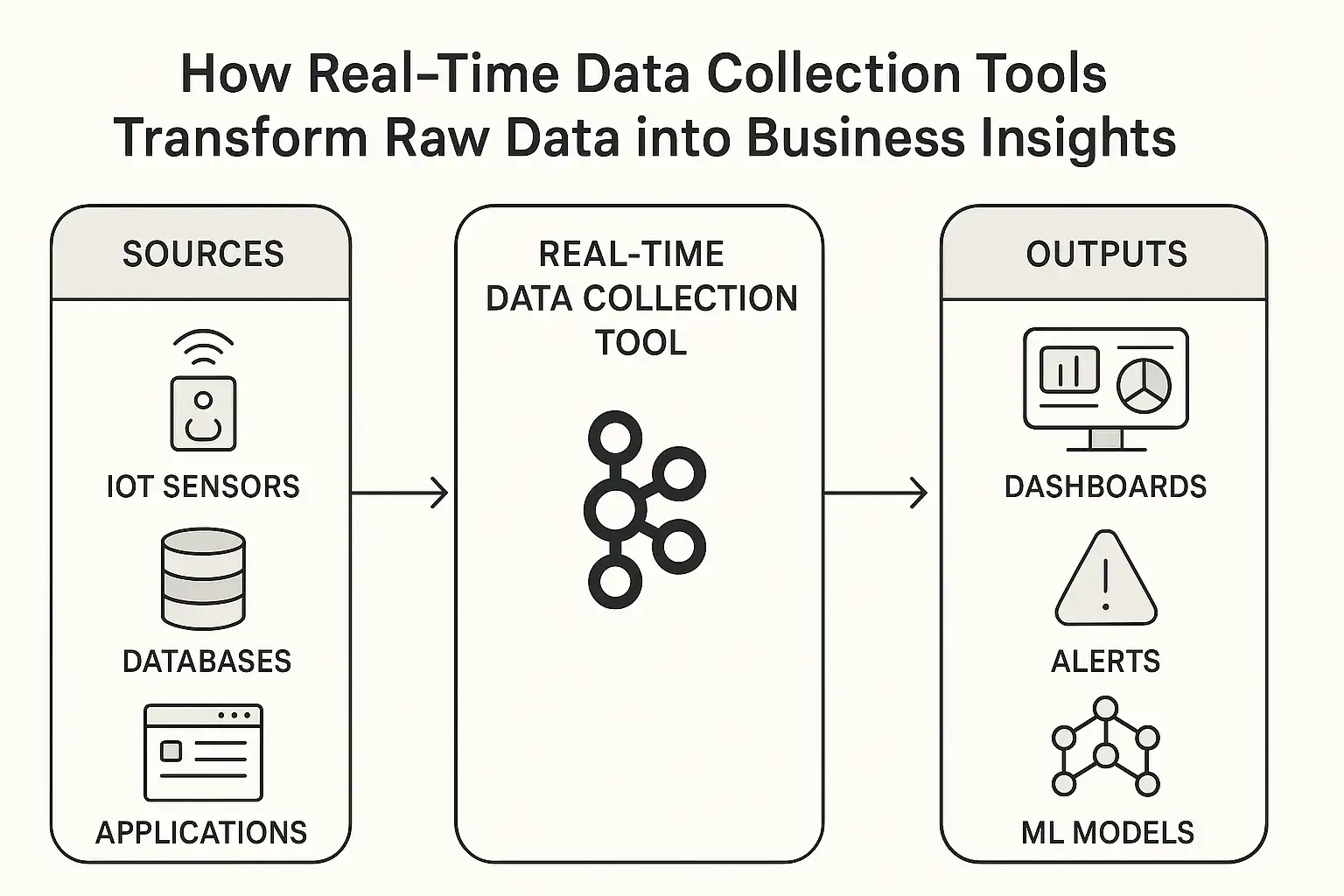
Top 5 Tools for Real-Time Data Collection to Drive Instant Business Insights Final Thoughts Start small: implement CDC with Debezium or speed-critical actions with Redis Stream . Scale up with Kafka and Flink as needs grow. Modern businesses gain a competitive edge not by collecting more data, but by acting on it faster and smarter. TMA Related Services The following cases show how TMA Solutions has collaborated with clients across various industries to apply this structured method, resulting in measurable improvements in reliability, cost efficiency, and adaptability. Optimizing inventory in real-time through the Azure demand forecasting solution Data Integration and Forecasting: Consolidate sales, inventory, and market data, applying machine learning for demand forecasts. https://www.tmasolutions.com/technologies/big-data-and-analytics Data analytics and forecasting : Utilize advanced analytics to interpret complex datasets, improving the accuracy of demand predictions and operational decisions. Real-Time Visualization: Enable dynamic, real-time data visualization and scalable system deployment to handle growing data requirements. Explore more: https://www.tmasolutions.com/case-studies/optimizing-inventory-in-real-time-through-azure-demand-forecasting-solution https://www.tmasolutions.com/case-studies/optimizing-inventory-in-real-time-through-azure-demand-forecasting-solution Streamlining operations with Azure Data Factory for enhanced efficiency Dynamic Data Integration: Utilize Data Factory to connect multiple data sources, both on-cloud and on-premise, and extract data into a centralized Data Lake for advanced processing. Data Management: Employ data services to move data from various sources to the Data Lake for cleansing, consolidation, and mining, while building pipelines to handle data from different products Explore more: https://www.tmasolutions.com/case-studies/streamlining-operations-with-azure-data-factory-for-enhanced-efficiency https://www.tmasolutions.com/case-studies/streamlining-operations-with-azure-data-factory-for-enhanced-efficiency Azure Data Factory Environment Monitoring Solutions with IoT Technology Utilizes IoT-enabled sensors to monitor and analyze nest environmental conditions in real time. Enables remote control and data access via web or mobile app, ensuring seamless management. Automatically alerts users to environmental abnormalities, enabling swift intervention. Generates comprehensive reports to track nest health and device performance. Explore more: https://www.tmasolutions.com/case-studies/environment-monitoring-solutions-with-iot-technology https://www.tmasolutions.com/case-studies/environment-monitoring-solutions-with-iot-technology Environment Monitoring Choosing the Right Tool – A Quick Guide Real-World Integration Examples Real-World Applications of Real-Time Data Tools Tool Deep Dive: Which One Fits Your Needs? Apache Kafka – Industry-Standard Event Streaming Overview: Distributed, fault-tolerant platform for publishing and subscribing to streams of records in real time. Key Features: Persistent log, horizontal scalability, rich ecosystem (Kafka Connect, Streams API). Benefits: Ideal backbone for high-scale event-driven architectures, supports replay and audit. Use Cases: Fleet telemetry, transaction processing, real-time fraud detection. Apache Flink – Real-Time Stream Processing Engine Overview: Open-source framework for low-latency, high-throughput stream processing and analytics. Key Features: Stateful computations, exactly-once guarantees, Complex Event Processing (CEP). Benefits: Advanced analytics on live data, pattern detection, anomaly identification. Use Cases: ETA calculations, temperature anomaly alerts in cold chains, real-time client behavior analysis. Debezium – Real-Time Database Change Capture Overview: Lightweight CDC platform streaming database changes into event pipelines. Key Features: Non-intrusive monitoring of inserts/updates/deletes, supports MySQL, PostgreSQL, SQL Server, MongoDB. Benefits: Modernize legacy systems without data migrations, enable real-time sync. Use Cases: Inventory updates, order status sync, real-time APIs from transactional databases. RabbitMQ – Lightweight Messaging for Microservices Overview: Flexible message broker supporting AMQP, MQTT, STOMP for asynchronous communication. Key Features: Easy queue configuration, routing, retry mechanisms, management plugins. Benefits: Simplifies real-time notifications and inter-service messaging. Use Cases: Delivery status alerts, user notifications, IoT sensor message relay. Redis Streams – Ultra-Fast In-Memory Streaming Overview: In-memory data structure for efficient event streaming with sub-millisecond latency. Key Features: Consumer groups, message acknowledgment, integration with Redis Pub/Sub. Benefits: Optimal for ultra-low-latency scenarios and lightweight pipelines. Use Cases: Barcode scan events, real-time cart updates, warehouse automation. Quick Comparison: Top 5 Real-Time Tools Real-Time Data Collection Tool Comparison What Are Data Collection Tools? Data collection tools are technologies designed to gather information from diverse sources such as sensors, applications, and databases - for analysis and action. They automate data acquisition, improve accuracy, and support real-time streaming or batch ingestion. In modern architectures, specialized platforms enable continuous data flows, transforming raw events into business insights instantly. Why Real-Time Data Collection Matters Today In today’s connected world, being able to respond to events as they happen is increasingly important. Whether you're running a retail platform with constant client activity or coordinating logistics across regions, real-time data collection improves efficiency, enhances client experiences, and supports smarter decisions. Without live visibility into operations, organizations risk losing revenue, unhappy clients, and operational inefficiencies. Key benefits: Faster decision-making: Act on data the moment it arrives. Proactive issue resolution: Detect and resolve anomalies before they escalate. Accurate forecasting: Keep inventories and resources aligned with demand. Enhanced client satisfaction: Deliver personalized, timely interactions. Real-Time Data Collection Tools Transform Raw Data into Business Insights...
icon
Choosing the right AI development company step by step Selecting the right partner is crucial for ensuring a successful AI integration. With varying pricing models, collaboration structures, and expertise levels, businesses must carefully evaluate potential partners to find the best fit. Follow these steps to identify the ideal company for your project. Identify your requirements Start by outlining your business objectives, project scope, budget, and target audience. Whether you need an AI-powered chatbot or a complex AI-driven application, having clear requirements helps potential development partners understand your expectations. Research Explore potential AI development firms through Google searches, industry forums, and business directories like Clutch. Networking at trade events and leveraging professional connections can also help you discover reliable AI development partners. Evaluate AI expertise Evaluate whether the company specializes in the AI technologies relevant to your project. Key areas of expertise may include conversational AI, predictive analytics, image processing, and recommendation systems. Ensuring the company has experience in the required AI tech stack is essential for project success. Analyze development methodologies Choose a company with a structured and agile development process that allows for quick testing and validation of ideas. Look for a partner that can efficiently build a Proof of Concept (PoC), prototype, and Minimum Viable Product (MVP) while integrating necessary modifications based on feedback. Examine client feedback and portfolio Before committing, examine the company’s previous projects and client reviews. Transparency is key – if a company does not publicly share client testimonials, it may be a red flag. Pay attention to feedback on communication, support quality, and project outcomes. Interview potential partners Engage with the AI development team through in-person or virtual meetings to assess their technical expertise, workflow, and collaboration approach. Observing their communication style and responsiveness can help determine if they are the right fit for your business needs. Establish the agreement Draft a comprehensive contract covering project requirements, milestones, pricing, and deliverables. Ensure both parties agree on the terms before signing, and consult a legal expert if necessary. How to choose a good AI development company for your business? Benefits of partnering with a top AI development company What are the benefits of partnering with an AI company? Let’s explore! Extensive expertise and experience One of the key benefits of partnering with a top AI development company is access to specialized expertise. These companies have dedicated professionals with in-depth knowledge of AI technologies, advanced algorithms, and frameworks. Their experience ensures efficient implementation, reducing the need for extensive in-house training and accelerating AI integration into your business. Tailored AI solutions A top AI solutions provider can create customized AI solutions tailored to a business’s specific challenges and objectives. Unlike generic AI tools, these bespoke solutions are designed to align with industry requirements and operational needs, ensuring maximum impact and efficiency. They specialize in delivering a range of tailored applications, including AI-powered chatbots for client service, predictive analytics for data-driven decision-making, and intelligent recommendation engines for personalized user experiences. By leveraging their expertise, businesses can implement AI solutions that drive operational efficiency, enhance productivity, and improve client engagement. This personalized approach not only optimizes business performance but also ensures AI-driven solutions provide measurable value and long-term success. Cost-effective approach Building an in-house AI development team requires significant investment in hiring, training, and infrastructure, making it a costly and time-consuming process. In contrast, partnering with an outsourcing partner offers a more cost-effective alternative. Businesses can leverage the expertise of AI professionals without the additional expenses of recruitment and skill development. This approach allows companies to optimize resources while accelerating AI adoption and implementation. Enhanced operational efficiency Partnering with an AI software development company enables businesses to enhance operational efficiency by integrating AI-powered automation into their workflows. AI can streamline routine and time-consuming tasks, allowing engineers and teams to focus on more strategic and high-impact responsibilities. Additionally, they offer flexible engagement models, from small proof-of-concept projects to full-scale enterprise AI integration. This adaptability allows businesses to adopt AI at their own pace while maximizing efficiency and productivity. By collaborating with AI experts, companies can accelerate innovation and optimize operations, gaining a competitive edge in the market. Should we partner with a top AI development company? Top 8 AI Development Companies Leading the Future of Technology Artificial Intelligence (AI) is revolutionizing industries, offering businesses the ability to enhance efficiency, reduce costs, and drive innovation. According to Statista, the AI market is projected to reach $826 billion by 2030, highlighting the growing demand for AI-powered solutions. As businesses increasingly seek to leverage AI, choosing a top AI development company becomes crucial. To help you navigate this rapidly evolving landscape, we have compiled a list of 8 best AI development companies that are at the forefront of innovation, delivering cutting-edge solutions tailored to business needs. Conclusion By partnering with a top AI development company , you can unlock the transformative potential of artificial intelligence for your business. Carefully consider the factors discussed above to choose the right partner who can understand your vision, develop tailored AI solutions, and drive innovation and success in your organization. If you are looking to quickly implement AI solutions without large upfront investments, consider engaging with an AI development company offering AI as a service. Ready to embark on your AI journey? Let's leverage the power of AI development to propel your business forward! Our criteria for selecting the list of top AI development companies To help businesses and innovators identify the most reputable and capable players in the industry, we have curated a list of top AI development companies that excel in various critical areas. Our selection is based on a thorough evaluation of each company’s expertise, innovation, and impact on the AI landscape. The criteria we considered include: Industry experience Each company on our list has a well-established presence in the AI sector, with a proven track record of delivering successful AI-driven solutions. Years of experience is a key benchmark, ensuring that these firms have demonstrated consistency, reliability, and technological excellence over time. Level of expertise and talent The strength of a top AI development company lies in its engineers and researchers. We have selected companies that employ highly skilled professionals, including data scientists, machine learning engineers, and AI researchers. These firms also foster collaboration through well-structured development processes, enabling efficient problem-solving and innovation. Client feedback and reputation Client satisfaction is a crucial indicator of a company’s performance. We analyzed feedback from clients across various platforms, ensuring that each company on our list maintains a strong reputation and has received high ratings for their AI solutions and services. Quality and impact of AI solutions Beyond client reviews, we examined the quality of AI products and solutions developed by these companies. Their portfolios, technological methodologies, and the tangible impact of their AI implementations played a significant role in our assessment. Only those delivering cutting-edge, high-performing AI applications made it to our list. Industry reach and versatility The ability to develop AI solutions across multiple industries is a mark of a well-rounded AI company. We selected firms that have worked in at least three to four industries, ensuring that their expertise extends beyond niche applications. This versatility allows them to adapt AI technology to various business needs, providing customized and effective solutions. Commitment to innovation AI is an ever-evolving field, requiring continuous learning and adaptation. We prioritized companies that consistently invest in research and development, embrace emerging AI trends, and implement best practices to create forward-thinking solutions. Their approach to AI-driven innovation helps businesses stay ahead in competitive markets. Pricing and value for clients While AI development can be costly, the best AI development company offers services that balance affordability with quality. We considered pricing structures and selected companies that provide competitive, value-driven solutions without compromising the standard of their AI technologies. Some criteria to choose a good AI development company Top 8 AI development companies to consider AI development has reshaped industries from autonomous driving to creative software, enabling companies to lead through cutting-edge technologies. Here are some of the top AI development companies , recognized for their expertise and innovative solutions. OpenAI Founded in 2015, OpenAI is a top AI development company leading the way in artificial intelligence research and innovation. Known for its transformative AI models, such as the GPT series and DALL·E, OpenAI focuses on creating AI solutions. This enhances natural language processing and generative capabilities, revolutionizing industries like client service, content creation, and education. As a leading AI solutions provider, OpenAI introduced ChatGPT Enterprise. This tailored solution provides businesses with secure, efficient AI communication tools, including advanced text analysis and sentiment analysis. This advancement demonstrates OpenAI's commitment to empowering organizations with scalable, privacy-conscious AI integrations. OpenAI leads the field of artificial intelligence innovation with its advanced AI models. As a leading AI solutions provider, OpenAI introduced ChatGPT Enterprise. This tailored solution provides businesses with secure, efficient AI communication tools, including advanced text analysis and sentiment analysis. This advancement demonstrates OpenAI's commitment to empowering organizations with scalable, privacy-conscious AI integrations. ChatGPT offers businesses a secure and efficient AI platform OpenAI continually pushes the boundaries of AI innovation, reinforcing its leadership in the field. This effort aims to deliver accessible and beneficial AI technologies for individuals and enterprises. Location: San Francisco, California, USA Total offices: 2 Company size: 224 total employees Year founded: 2015 Microsoft Microsoft has reinforced its position as a technology leader through strategic investments in AI, including a $10 billion stake in OpenAI, a leading developer of generative AI models. By integrating its gen AI solution into software products like Bing and Edge, Microsoft is redefining user interactions and boosting productivity through advanced, AI tools and features, including seamless access to third-party integrations within these applications. Microsoft's commitment to responsible AI development and deployment is reflected in its focus on AI governance. Microsoft transforms technology with its cutting-edge software The launch of PCs equipped with built-in NPUs further highlights Microsoft’s commitment to enhancing AI capabilities in personal computing, including faster on-device AI training. This innovation enables faster on-device processing, reducing cloud reliance and showcasing Microsoft’s commitment to advanced AI solutions for better user experiences. Location: Redmond, Washington, USA Total offices: 33 Company size: 206,870 total employees Year founded: 1975 Alphabet (Google) Alphabet, the parent company of Google, has strengthened its position as a leading generative AI solution development company through the establishment of its Google AI division in 2017. This division powers a wide range of AI-driven products, notably enhancing Google’s search engine, which continues to dominate the global market. Bard, a competitive AI chatbot and example of virtual agents, and AI Overviews highlight Alphabet's commitment. This commitment is to improving user interaction, information access, and delivering precise information. AI Overviews offers in-depth answers to user queries, reflecting the company’s dedication to advancing AI-powered services. Alphabet Inc drives innovation in technology with a focus on AI, cloud computing Alphabet's ongoing efforts to improve client experience and information accuracy. Google's AI Overviews feature provides more in-depth answers to users' questions, effectively enhancing client support by providing instant and comprehensive information. The company's investment in AI breakthroughs has driven its quarterly cloud revenues to surpass $10 billion. Despite challenges, including regulatory scrutiny and internal pushback, the company’s significant investments in AI-driven innovations have resulted in substantial revenue growth in its cloud services. Location: Mountain View, California, USA Total offices: 33 Company size: 244,433 total employees Google develops Bard search and cloud services NVIDIA NVIDIA is a leading AI software development company , manufacturing GPUs—key components of AI hardware—that form the infrastructure powering many AI applications, including generative AI models such as ChatGPT. The company's acquisition of Run:ai and Deci has also expanded its AI capabilities. Its dominance at 87% of the GPU market enables significant advancements in AI technology, particularly through partnerships and acquisitions aimed at accelerating AI adoption in enterprises. NVIDIA revolutionizes AI technologies with its advancements in graphics processing units The company's initiatives, including the NVIDIA AI Computing partnership with HPE, illustrate its strategy to provide comprehensive solutions for businesses looking to integrate AI quickly and effectively. Location: Santa Clara, California, USA Total offices: 10 Company size: 21,960 total employees Year founded: 1993 Amazon Web Services (AWS) Amazon Web Services has emerged as a top AI development company and machine learning space. AWS offers a comprehensive suite of AI services and tools through its platform, making advanced AI accessible to businesses of all sizes. Among its standout offerings is Amazon SageMaker, a fully managed service that simplifies the process of building, training, and deploying machine learning models. This includes crucial steps like data preparation and feature engineering. To optimize performance and cost for AI workloads, AWS also develops its own AI hardware, including Inferentia for inference and Trainium for training. The company also provides specialized AI services like Amazon Rekognition for image and video analysis, Amazon Polly for text-to-speech conversion, and Amazon Comprehend for natural language processing. AWS redefines cloud computing with scalable, secure, and innovative solutions Recently, AWS introduced Bedrock, a platform that allows organizations to build generative AI applications using pre-trained foundation models from providers like Anthropic and Stability AI. This innovation underscores AWS’s commitment to staying at the forefront of AI technology by enabling businesses to harness generative AI for their operations seamlessly. Location: Seattle, Washington, USA Total offices: 16 Company size: 10,001+ employees Salesforce Salesforce, a global leader in client relationship management (CRM), has established itself as a significant player in artificial intelligence through its innovative AI solutions. With the recent introduction of Einstein GPT, the world’s first generative AI CRM technology, Salesforce is also growing as a generative AI application development company. This advancement is helping businesses integrate AI more effectively to improve client interactions and streamline automation.The combination allows businesses to provide more personalized and efficient client support, generate AI-driven content and recommendations in real time, and ultimately deliver exceptional client experiences. By leveraging this technology, Salesforce empowers organizations to improve decision-making and streamline workflows. Salesforce empowering businesses with innovative cloud-based solutions Through its commitment to integrating AI into business applications, Salesforce continues to redefine enterprise software, cementing its reputation as a t op AI software development company for businesses seeking cutting-edge solutions. Location: San Francisco, California, USA Total offices: 22 Company size: 72,000 total employees Adobe Adobe is transforming the creative industry with its AI-powered applications, enhancing tools like Photoshop and Illustrator through advancements in generative AI. The introduction of Firefly 3 represents a significant leap in image generation technology, allowing users to create high-quality content more intuitively. These AI features also contribute to workflow automation, streamlining tasks like image editing, background removal, and complex design processes. Furthermore, these tools offer a high degree of customization, enabling users to fine-tune the AI's output to match their specific creative vision. Adobe continues to shape the future of creative software and digital experiences The company's acquisition of Figma was called off due to antitrust concerns, but Adobe continues to introduce new tools and generative AI features to its Illustrator and Photoshop design software. Despite facing challenges regarding data usage and privacy, Adobe's commitment to integrating AI into its software is reshaping the landscape for digital creatives. Location: Anekal, Karnataka, India Total offices: 10 Company size: 21,000 total employees Year founded: 1982 Adobe revolutionizing creativity with AI image-generated apps IBM IBM has a long-standing history as an AI development company , with its Watson platform being one of the earliest examples of successful conversational AI and industry-specific solutions. While initially focused on expert systems and natural language understanding, IBM is now also investing in generative AI technologies. The company has filed 1,591 AI-related US patent applications in the past five years and has acquired HasiCorp to further its cloud capabilities. IBM's Q2 2024 report shows the success of their AI investments. They saw a 4% year-over-year revenue increase and an 8% increase in software segment revenue. IBM pioneers in AI, quantum computing, and cloud solutions for technological innovation IBM's recent AI acquisitions and patent filings emphasize its ongoing investment in advanced AI technologies, including generative AI. This positions the company for continued growth in the AI landscape. Location: Armonk, New York, USA Total offices: 43 Company size: 533,854 total employees >> For more insights about partnering with AI, check out this PDF file here: Source: Vegard Kolbjørnsrud, Richard Amico, and Robert J. Thomas, "Partnering with AI: How Organizations Can Win Over Skeptical Managers," Strategy & Leadership , 2017, 45(1), 37–43. Partnering with AI can help to win over skeptical managers...
icon
Top 5 AI development companies in Vietnam TMA Solutions TMA Solutions is a leading software company and one of the top AI outsourcing companies in Vietnam . It has 27 years of expertise and a strong workforce of 4,000 engineers. TMA, known for providing high-quality software solutions, serves clients in 30 countries and focuses on areas such as telecom, finance, e-commerce, media, healthcare, education, and others. As a strategic partner, TMA Solutions provides entire services from idea to deployment, maintenance, and support, allowing clients to focus on their core business while addressing IT difficulties. The company is certified in Agile/SCRUM, CMMI Level 5, TL 9000, and ISO 27001, demonstrating its commitment to industry best practices. They are recognized as the leading AI outsourcing company for several compelling reasons: Customize AI to meet specific client requirements: TMA Solutions excels in tailoring AI solutions to fit the unique needs of each client. Whether a company requires AI for client service, data analysis, or predictive modeling, TMA's expert team listens to client requirements and develops customized solutions that address their specific challenges. Optimize AI accuracy and speed: At TMA Solutions, optimizing the performance of AI systems is a top priority. The company focuses on enhancing both the accuracy and speed of AI models, ensuring that they deliver reliable results quickly. This efficiency is crucial for businesses that rely on real-time data processing and decision-making. Compatible with a wide range of AI hardware: One of TMA Solutions' strengths is its ability to create AI systems that are compatible with various hardware setups. This flexibility allows clients to integrate AI into their existing infrastructure without needing extensive modifications, making the adoption of AI smoother and more cost-effective. Cost optimization: TMA Solutions is committed to providing high-quality AI services at competitive prices. The company employs cost-optimization strategies that help clients get the best value for their investment. By carefully managing resources and leveraging efficient technologies, TMA ensures that clients can achieve their AI goals without exceeding their budgets. Experience in deploying AI in numerous large-scale projects: With a rich history of deploying AI in numerous large-scale projects across different industries, TMA Solutions brings a wealth of experience to the table. This extensive project portfolio demonstrates the company's capability to handle complex AI initiatives and deliver successful outcomes consistently. Stay updated with the latest technology trends: TMA Solutions stays at the forefront of technology by continuously updating its knowledge and expertise. The company keeps abreast of the latest AI trends and advancements, ensuring that its clients benefit from cutting-edge solutions. This commitment to staying current means that clients always receive the most innovative and effective AI services available. TMA Solutions delivers tailored, high-performance AI solutions Awards: Gold medal for Software Export and Top ICT Companies from HCMC Computer Associations (2004-2022) Top 15 global companies with "Offshore Software Outsourcing Best Practices 2002 (Aberdeen Group) Top 10 Software Outsourcing and IT Services enterprises (VINASA, 2023) Top 10 Fintech/ Healthtech/ Smart City Companies (VINASA, 2023) Top 10 AI & IoT enterprises (VINASA, 2023) TMA Solutions honored in Top 10 Outstanding Digital Technology Companies in Vietnam TMA Solutions Company Highlights indicates Vietnam's leading AI outsourcing company Services Lines Provided Custom Software Development Mobile App Development Web Development AI Development AR/VR Development BI & Big Data Consulting & SI Blockchain Cloud Consulting & SI Cybersecurity DevOps Managed Services E-Commerce Development IT Managed Services IoT Development Low/No Code Development Other Application Development Robotics Process Automation UX/UI Design 10% 10% 10% 5% 5% 5% 5% 5% 5% 5% 5% 5% 5% 5% 5% 5% 5% AI Focus Math & Statistics ML Deep Learning Smart Camera MLaaS/Mlops Predictive Analytics NLP | OCR Generative AI | LLM Industries Telecommunications Information technology Financial services Medical Automotive Retail Hospitality Education Manufacturing Media Supply Chain, Logistics, and Transport eCommerce 25% 20% 12% 12% 10% 6% 5% 2% 2% 2% 2% 2% Clients Midmarket ($10M - $1B) Enterprise (>$1B) Small Business (<$10M) 30% 10% 60% Review “TMA Solutions has been able to source suitable candidates fast, and their resources have integrated well with the client’s team. They collaborate, communicate effectively, and deliver on time and within budget. The readiness of the candidates they provide has led to a continued engagement.” General Manager of HR, Education Technology Software Company, on Clutch. Contact Address: Street #10, Quality Tech Solution Complex (QTSC), 1 To Ky, District 12, Ho Chi Minh City Website: https://www.tmasolutions.com/ https://www.tmasolutions.com/ KMS Technology KMS Technology stands out among the best AI development companies in Vietnam . They are a global provider of IT services with a strong focus on software development and testing, particularly in the field of AI. With a robust team of engineers and a commitment to innovation, KMS offers comprehensive outsourcing solutions that help businesses accelerate their digital transformation. The company’s expertise spans various industries, including healthcare, finance, and education, providing tailored AI solutions that drive efficiency and growth. KMS’s commitment to quality and client-focused approach make it a trusted AI outsourcing company for businesses seeking a reliable AI partner. KMS Technology offers comprehensive AI solutions to diverse business challenges Awards: Great Place To Work 2023 Great Place to Work 2024 30 Tech Companies in Atlanta to Know Top 10 ICT Companies in Vietnam 2021 Sao Khue '21: Top Software Outsourcing Service KMS Technology was honored with the 2021 Sao Khue Award KMS Solutions Company Highlights Vietnam's Leading AI Outsourcing Expertise Services Lines Provided Custom Software Development Enterprise App Modernization Application Testing Mobile App Development AI Development Generative AI 30% 20% 15% 15% 10% 10% Industries Information technology Automotive Financial services Other industries eCommerce 55% 15% 10% 10% 10% Clients Enterprise (>$1B) Midmarket ($10M - $1B) 50% 50% Review KMS Technology successfully completed the project on schedule and received positive user feedback. The team worked effectively with the client's sprint planning process and consistently met their project commitments. CTO & CPO, SaaS Company on Clutch. Contact Address: 123, Cong Hoa, Ward 12, Tan Binh District, Ho Chi Minh City Website: https://kms-technology.com/ FPT Software FPT Software is unskippable in this list of top AI outsourcing companies in Vietnam . The company offers a wide range of AI outsourcing services, including data analytics, machine learning, and robotic process automation (RPA). FPT Software is known for its ability to deliver scalable, innovative solutions that meet the complex needs of global enterprises. With a focus on building long-term partnerships, FPT Software helps businesses harness the power of AI to optimize operations, enhance client experiences, and drive innovation. FPT Software builds intelligent software solutions with AI Awards: Healthcare Asia Medtech Awards 2024 14 products and solutions were honored with the 2024 Sao Khue Awards FPT Telecom Named Top Employer in Telecommunications Industry Asia Pacific Stevie Awards 2024 Top 50 Best Listed Companies in over a decade Fortune honors FPT Americas among The Best Places to Work in Texas FPT Software received the 2024 Healthcare Asia Medtech Awards FPT Software Company Overview: A spotlight on Vietnam's premier AI outsourcing firm S ervices Lines Provided AI Development AR/VR Development Application Testing Blockchain Cloud Consulting & SI Cybersecurity Digital Strategy E-Commerce Development IT Managed Services IoT Development 10% 10% 10% 10% 10% 10% 10% 10% 10% 10% Industries Arts, entertainment & music Automotive Financial services Media Retail 20% 20% 20% 20% 20% Clients Midmarket ($10M - $1B) Enterprise (>$1B) Small Business (<$10M) 20% 20% 60% Review “ Feedback on Clutch highlights the strong results delivered and positive experiences from internal teams. One review commends the company for seamlessly integrating with the client's team, reflecting a deep level of collaboration and commitment Contact Address: FPT Tower, No.10 Pham Van Bach Street, Dich Vong Ward, Cau Giay District, Hanoi City, Vietnam Website: https://fptsoftware.com/ Rikkeisoft As a top AI development company in Vietnam, Rikkeisoft provides cutting-edge AI solutions across various sectors, including finance, healthcare, and manufacturing. Rikkeisoft’s services range from AI-powered automation to advanced data analytics, helping businesses streamline processes and make data-driven decisions. With a strong emphasis on quality and client satisfaction, Rikkeisoft is a reliable partner for companies looking to integrate AI into their operations to achieve greater efficiency and competitiveness. Rikkeisoft powers business growth with AI solutions Awards: Bronze Stevie Awards for International Business Expansion Achievement 2023 Top 10 Digital Technology Enterprises in Vietnam 2023 Silver at Information Technology World Award 2022 Rikkeisoft Wins 2022 Globee Award for IT Outsourcing and High-Tech Services Rikkeisoft Company Overview: Highlighting Vietnam's top AI outsourcing firm Services Lines Provided Custom Software Development Mobile App Development Web Development Cloud Consulting & SI E-Commerce Development AI Development AR/VR Development BI & Big Data Consulting & SI IoT Development 20% 20% 20% 10% 10% 5% 5% 5% 5% Industries Financial services Manufacturing eCommerce Education Government Information technology Medical Retail Telecommunications 15% 15% 15% 10% 10% 10% 10% 10% 5% Clients Midmarket ($10M - $1B) Enterprise (>$1B) Small Business (<$10M) 40% 20% 40% Review “Rikkeisoft significantly improved the client's UI/UX. They demonstrated excellent communication and collaboration skills using various tools. Their Scrum methodology and coordination abilities were key to their success. The team was also described as enthusiastic, enjoyable, and positive.” Ong Ban Kiat, Technical Lead, Inmagine on Clutch Contact Address: 42 Tu Cuong, Ward 4, Tan Binh, Ho Chi Minh Website: https://rikkeisoft.com/ NTQ Solution NTQ Solution is a dynamic IT services company with a strong focus on AI and digital transformation. The company specializes in delivering innovative AI solutions that are tailored to the specific needs of businesses across multiple industries. NTQ Solution’s offerings include AI-driven software development, data analytics, and machine learning, providing clients with the tools they need to stay ahead in a rapidly evolving market. With a commitment to excellence and a track record of successful projects, NTQ Solution is the top AI outsourcing company in Vietnam for businesses seeking to enhance their operations through AI. NTQ Solution developers craft innovative AI solutions Awards: Top excellent award at Make In Vietnam 2023 The Sao Khue Awards 2022 Top 10 IT Outsourcing Companies 2023 Top 10 A-IoT Companies 2023 NTQ Solution was honored with the top excellence award at Make In Vietnam 2023 NTQ Solution Company Overview: Featuring Vietnam's top AI outsourcing firm Services Lines Provided Custom Software Development IT Staff Augmentation Web Development AI Development Mobile App Development Blockchain IoT Development 30% 20% 20% 10% 10% 5% 5% Clients Midmarket ($10M - $1B) Small Business (<$10M) Enterprise (>$1B) 60% 20% 20% Review The company is distinguished by its blend of technical expertise, proactive approach, and innovative thinking. Clients on Clutch have been particularly impressed by the high quality of their work and their professional style. Contact Address: Song Da Building, Pham Hung Street, My Dinh, Nam Tu Liem, Hanoi Website: https://ntq.com.vn As the demand for Artificial Intelligence (AI) solutions in industries is higher than ever, the need for AI outsourcing companies has arisen across the globe, and Vietnam is no exception . Thanks to the skillful workforce and governmental support, many https://www.tmasolutions.com/insights/top-ai-outsourcing-company-vietnam#top_ai_outsourcing_company_vietnam top AI outsourcing companies in Vietnam have emerged in just a few years. These organizations offer comprehensive AI services and they tailor their solutions to meet specific needs, helping businesses leverage AI to drive innovation and enhance efficiency. So if you are looking for options to transform your business with AI, allow us to help with a list of the top AI outsourcing companies in Vietnam. Why should you choose an AI outsourcing company in Vietnam? Opting for an AI outsourcing company in Vietnam offers a strategic advantage for businesses aiming to leverage cutting-edge technology for growth and efficiency. A strong foundation for AI development Among AI outsourcing destinations in Asia , Vietnam is well-positioned for AI development due to its youthful and energetic population. With over 60% of its 97 million people under 35 years old and more than 50,000 engineering graduates each year, many are keen to drive the country's AI goals forward. Countries with the highest number of graduates in engineering fields in 2015 Recognizing this potential, the government is heavily investing in AI technology. In 2020, the Ministry of Science and Technology introduced the National Artificial Intelligence Strategy for 2021-2030. This plan aims to rank Vietnam among the top 50 countries in AI research and development by 2025 and in the top 30 by 2030. This ambitious strategy highlights Vietnam's dedication to becoming a global leader in AI. AI research and development is thriving in Vietnam Vietnam’s investment in AI research and development is yielding significant results. Data from the Scopus database reveals that AI-related research publications by Vietnamese authors surged by 384% from 2010 to 2020, surpassing the global average growth of 270% for the same period. This remarkable increase highlights the country's commitment to advancing AI knowledge and capabilities. Vietnam ranks 5th in Southeast Asia in the 2023 Global AI Readiness Index Moreover, numerous AI development companies in Vietnam are making significant investments in AI infrastructure and innovation centers. A notable example is TMA Solutions, which has heavily invested in AI research and development by establishing dedicated AI labs and forming strategic partnerships to enhance its AI capabilities. These investments reflect the increasing commitment of Vietnamese companies to drive AI innovation and capitalize on the sector's rapid growth. As a result, Vietnam is becoming an attractive destination for AI companies seeking to tap into a burgeoning market with strong government support and a growing talent pool. Vietnam's AI startup ecosystem is flourishing Vietnam's AI startup ecosystem is experiencing significant growth, fueled by robust support from the government and venture capitalists. In recent years, this burgeoning startup culture has not only fostered innovation but has also attracted substantial foreign investment, bolstering the country's ability to deliver advanced AI solutions. Vietnam's AI startup scene is rapidly expanding and thriving Key Statistics Highlighting Vietnam's AI Startup Growth: Investment surge : In 2022 alone, Vietnamese startups secured over $1.4 billion in funding, with a notable portion directed towards AI and technology sectors. This marks a considerable increase from the $1 billion raised in 2021, demonstrating heightened investor confidence in Vietnam’s AI potential. Vietnamese startups raised over $1.4 billion in 2021, highlighting growing investment in AI Government initiatives : The Vietnamese government has launched the National Strategy on AI Development for 2021-2030, which aims to position Vietnam as a leading AI hub in Southeast Asia. This strategy includes plans to establish AI research centers and provide incentives for AI startups. Vietnam Artificial Intelligence Day 2024 attracts a significant number of attendees Accelerator programs : The number of AI-focused accelerator programs and incubators in Vietnam has increased significantly. Programs such as the Vietnam Silicon Valley Accelerator and the ScaleUp Vietnam initiative have supported numerous AI startups by providing funding, mentorship, and resources. Foreign investment : Foreign venture capital firms are actively investing in Vietnamese AI startups. For instance, in 2023, Singaporean venture capital firm Golden Gate Ventures invested $50 million in Vietnamese AI companies, highlighting the increasing interest from international investors. Startup growth : The number of AI startups in Vietnam has more than doubled over the past three years, from approximately 50 in 2020 to over 120 in 2023. This rapid expansion reflects the dynamic and supportive ecosystem for AI innovation. These statistics underscore the vibrant and growing AI startup landscape in Vietnam, driven by supportive government policies and significant investment from both local and international sources. This environment not only promotes innovation but also strengthens Vietnam’s position as a key player in the global AI arena. If you're curious about Vietnam's dynamic tech landscape, take a look at the attached "Vietnam Innovation and Tech Investment Report 2023." This friendly report dives into key trends and emerging opportunities in the region's innovation and tech sectors. Enjoy exploring the insights and data it has to offer! Vietnam Innovation & Tech Investment Report 2023 And that brings us to the end of our exploration of the top AI outsourcing companies in Vietnam . These companies stand out for their exceptional innovation, cutting-edge technology, and strong market presence. Whether you're looking for expertise in AI development, custom software solutions, or other tech services, Vietnam offers a range of highly skilled and reliable partners to meet your needs. Partnering with TOP 5 AI development company in Vietnam for success...
icon
Top AI Trends Proactive Health Surveillance For seniors, the ability to predict health risks before they become critical is vital. Chronic conditions, cognitive decline, and falls are major concerns, and waiting for an event to occur is often too late. Proactive interventions enabled by AI-powered automation can significantly reduce hospital readmissions by up to 30% and optimize resource allocation, ultimately leading to better patient outcomes and a higher quality of life. AI-powered systems use machine learning solutions to analyze large volumes of data from IoT in healthcare sensors in wearables and smart home devices. By identifying subtle changes or patterns in real-time physiological and behavioral data, the AI can predict the onset of conditions and alert caregivers or clinicians, enabling early intervention and a shift from reactive to proactive care. Proactive Health Surveillance Early and accurate diagnosis of osteoporosis, cancer, or neurodegenerative diseases improves treatment outcomes. AI reduces human error and biases in image interpretation, leading to faster, more reliable assessments. Intelligent Diagnostics AI systems use computer vision and machine learning solutions to analyze medical data and images, identifying anomalies that may indicate a disease. For example, AI can quickly scan thousands of X-rays, MRIs, and CT scans to flag potential issues like tumors or fractures. AI-driven Clinical Decision Support Systems (CDSS) , integrated with AI - Comprehensive Patient Summaries , also analyze electronic health records and symptoms to assist clinicians in urgent situations, streamlining workflows with cloud-based AI software for healthcare . Intelligent Diagnostics Personal Health Assistants Loneliness and social isolation are significant public health issues for seniors, often leading to depression and anxiety. Human-interactive AI personal health assistants provide consistent companionship and support, helping seniors manage daily tasks, stay connected with loved ones, and promote mental and emotional well-being. These assistants use conversational AI and natural language processing (NLP) to engage in human-like dialogue. They learn from past interactions to offer personalized conversations and proactive reminders for tasks like medication adherence or hydration, supported by AI-driven medication chart systems. Some can detect emotional cues to provide empathetic responses and integrate with wearables to monitor vital signs and alert caregivers. Personal Health Assistants AI-Driven Personalized Treatment A one-size-fits-all approach to medicine is often ineffective for seniors who frequently have complex comorbidities and require tailored care. AI-driven personalized treatment plans, powered by machine learning solutions , can improve patient outcomes, enhance satisfaction, and reduce adverse reactions by tailoring care to a patient’s unique biological, medical, and environmental profile. AI systems analyze a patient’s data, including genetic information, medical history, and lifestyle factors, to create customized treatment strategies. This helps physicians select treatments and predict reactions to specific drugs. AI-driven Clinical Decision Support Systems (CDSS) , enhanced by cloud-based AI software for healthcare , generate real-time insights and personalized recommendations for managing chronic conditions like diabetes. Mobility and Assistance Robotics Mobility impairments are a significant concern for seniors, as they can lead to a loss of independence and a high risk of falls. Caregiving robots, utilizing AI-powered automation , offer direct physical support for daily activities, such as walking, standing, and reaching, promoting autonomy and enabling seniors to age in place. AI-powered robots provide physical support for mobility, gait, and balance. They include safety features like instant fall detection and inflatable airbags, which prevent injury without restrictive harnesses that seniors may dislike. These systems use AI-driven motion control and computer vision to learn from user behavior and adapt assistance over time, supporting tasks like walking and standing. Mobility and Assistance Robotics Telemedicine Telemedicine is essential for providing care to seniors, particularly those in rural areas or with limited mobility. It overcomes geographical barriers, reduces travel needs, and provides continuous access to healthcare professionals. AI enhances telemedicine by automating administrative and clinical tasks, making remote care more efficient with AI-driven triage and remote patient monitoring (RPM) . Integration with IoT in healthcare wearables and biosensors allows clinicians to track chronic conditions in real-time. Success depends on addressing the digital divide with user-friendly interfaces and digital classroom tools for training seniors on telemedicine platforms. Telemedicine AI-Powered Mental Therapy Mental health issues, such as loneliness, depression, and anxiety, are prevalent among seniors, negatively impacting their quality of life. AI-powered mental therapy tools, built on human-interactive AI , offer scalable and accessible support to supplement traditional therapy. These systems use conversational AI and machine learning solutions to provide emotional support and cognitive stimulation. They analyze speech patterns and tone to detect signs of loneliness or depression. These companions engage in dialogues, offer exercises, and provide reminiscence tools to foster well-being and reduce social isolation. AI-Powered Mental Therapy AI-Powered Physical Therapy Musculoskeletal conditions and mobility issues are primary causes of disability and reduced quality of life in seniors. AI-powered physical therapy , enhanced by computer vision and motion tracking , makes rehabilitation more personalized and efficient, helping seniors regain mobility, reduce fall risk, and improve overall health. AI platforms guide and monitor therapy sessions without cumbersome wearables. A device’s camera analyzes movements and gait patterns, providing real-time data to clinicians. The AI then offers tailored exercise recommendations and automates routine assessments, freeing therapists to focus on direct care. AI-Powered Physical Therapy AI-Powered Smart Homes Smart homes provide a safe, comfortable, and independent living environment for seniors. Smart building management systems , powered by AI-powered automation , transform a collection of smart devices into a cohesive, proactive system that supports daily living, ensures safety, and provides peace of mind. AI-enabled smart homes use ambient sensors , motion sensors , and voice-activated assistants to monitor the environment and user behavior. AI-powered motion or vision-based sensors detect abnormal behavior, such as a fall or motionless anomaly, and trigger alerts to caregivers without intrusive live video, ensuring privacy and safety. AI-Enhanced Symptom Trackers AI-enhanced symptom trackers , integrated with AI-driven medical records and practice management platforms , empower seniors to actively participate in their health journey. They provide tools for self-care, helping individuals understand symptoms, decide when to seek professional advice, and feel confident during doctor visits, reducing health anxiety and streamlining communication. These applications use conversational AI and medical databases to guide users through symptom assessments. The AI asks targeted follow-up questions and provides a comprehensive list of potential health conditions. Advanced apps identify correlations between habits, mood, and symptoms over time, delivering personalized reports via cloud-based AI software for healthcare . Introduction As the global population ages, caregivers and healthcare providers are under pressure to deliver personalized, proactive support that safeguards seniors’ independence and well-being. AI is revolutionizing eldercare by shifting from reactive treatments responding to emergencies or a noticeable decline in health to predictive and data-driven interventions. This document explores the top 10 AI in healthcare trends transforming life for seniors, leveraging machine learning solutions and AI-powered automation to enhance care delivery. AI in Senior Healthcare Challenges and Ethical Considerations While AI in healthcare holds immense promise for senior care, its implementation faces significant challenges and ethical dilemmas. Privacy and data security are critical concerns, as AI-powered automation systems collect vast amounts of sensitive health and behavioral data from wearables and smart building management systems . Robust data protection measures, including secure cloud-based AI software for healthcare , are essential to prevent breaches and maintain trust. Algorithmic bias is another challenge, as machine learning solutions may perform less accurately for diverse populations, such as seniors from underrepresented ethnic or socioeconomic backgrounds, potentially exacerbating health disparities. Transparency in AI-driven CDSS processes is vital to address biases and ensure accountability. Autonomy and consent are crucial, especially for seniors with cognitive impairments who may struggle to provide informed consent for AI-driven personalized treatment or monitoring. Over-reliance on human-interactive AI could lead to dehumanization , reducing meaningful human interactions and affecting emotional well-being. The digital divide limits access for seniors who are not tech-savvy or lack resources, potentially widening inequalities in care. Digital classroom tools and training can help bridge this gap. Additionally, the reliability and safety of AI agents solutions for enterprise must be prioritized to avoid errors that could harm vulnerable users. Cultural and societal factors also shape ethical perceptions, requiring tailored approaches in diverse contexts. Stakeholders must adopt ethical frameworks, inclusive design, and ongoing governance to ensure AI in healthcare enhances senior care responsibly. TMA Related Services Healthcare Development Service With 700 engineers and 15+ years of experience, https://www.tmasolutions.com/ TMA Solutions is a leading provider of https://www.tmasolutions.com/industries/healthcare digital health and healthcare software development services . We offer solutions for Remote Health Monitoring, Medical Device Integration, Healthcare Data Analytics, Pharmacy Automation, Senior Care Services, Aged Care, Medication Chart, AI - Comprehensive Patient Summaries , https://www.tmasolutions.com/technologies/cloud Cloud-Based AI Software for Healthcare (adapted from veterinary solutions), Cloud-Based Healthcare Facility Management, Smart Booking & Assignment , AI-driven Medical Records and Practice Management Platform , and Paperless Healthcare Solutions. Internet of Things (IoT) With expertise in wireless, network, embedded software, and mobile applications, we develop https://www.tmasolutions.com/technologies/internet-of-things IoT in healthcare solutions for real-time remote controlling, monitoring, and automatic alarming, incorporating Edge AI for efficient processing. Hardware Integration https://www.tmasolutions.com/technologies/hardware-integration TMA Hardware Lab designs, integrates, and tests devices for robotics, healthcare, IoT in healthcare , telecom, and smart cities, focusing on AI-powered automation . AI/ML & Data Sciences We offerhttps://www.tmasolutions.com/technologies/ai-ml-and-data-sciences AI/ML & Data Sciences development services , empowering businesses to innovate and automate processes through AI Agents Development, Machine Learning Solutions, AI Agents Solutions for Enterprise , and Agentic API AI . Big Data & Analytics Our https://www.tmasolutions.com/technologies/big-data-and-analytics Big data and analytics team supports clients in building BI and analytics solutions to process large datasets and provide real-time reports, including DataWarehouse Product Traceability and integration with SAP ERP, Salesforce , and DataMiner. Conclusion These trends demonstrate that AI in healthcare has immense potential, enabling a shift toward proactive, preventative, and personalized care that empowers seniors to live with greater safety and independence. The true value of AI lies not in replacing human care but in amplifying it through human-interactive AI and AI-powered automation . The path forward requires designing systems that are technologically advanced and ethical, prioritizing humanity, privacy, and autonomy. By fostering collaboration between humans and machines, we can build a future where aging is supported by intelligent, deeply human technology. Top AI Trends in Senior Care...