Why Real-Time Data Collection Matters Today
In today’s connected world, being able to respond to events as they happen is increasingly important. Whether you're running a retail platform with constant client activity or coordinating logistics across regions, real-time data collection improves efficiency, enhances client experiences, and supports smarter decisions. Without live visibility into operations, organizations risk losing revenue, unhappy clients, and operational inefficiencies.
Key benefits:
- Faster decision-making: Act on data the moment it arrives.
- Proactive issue resolution: Detect and resolve anomalies before they escalate.
- Accurate forecasting: Keep inventories and resources aligned with demand.
- Enhanced client satisfaction: Deliver personalized, timely interactions.
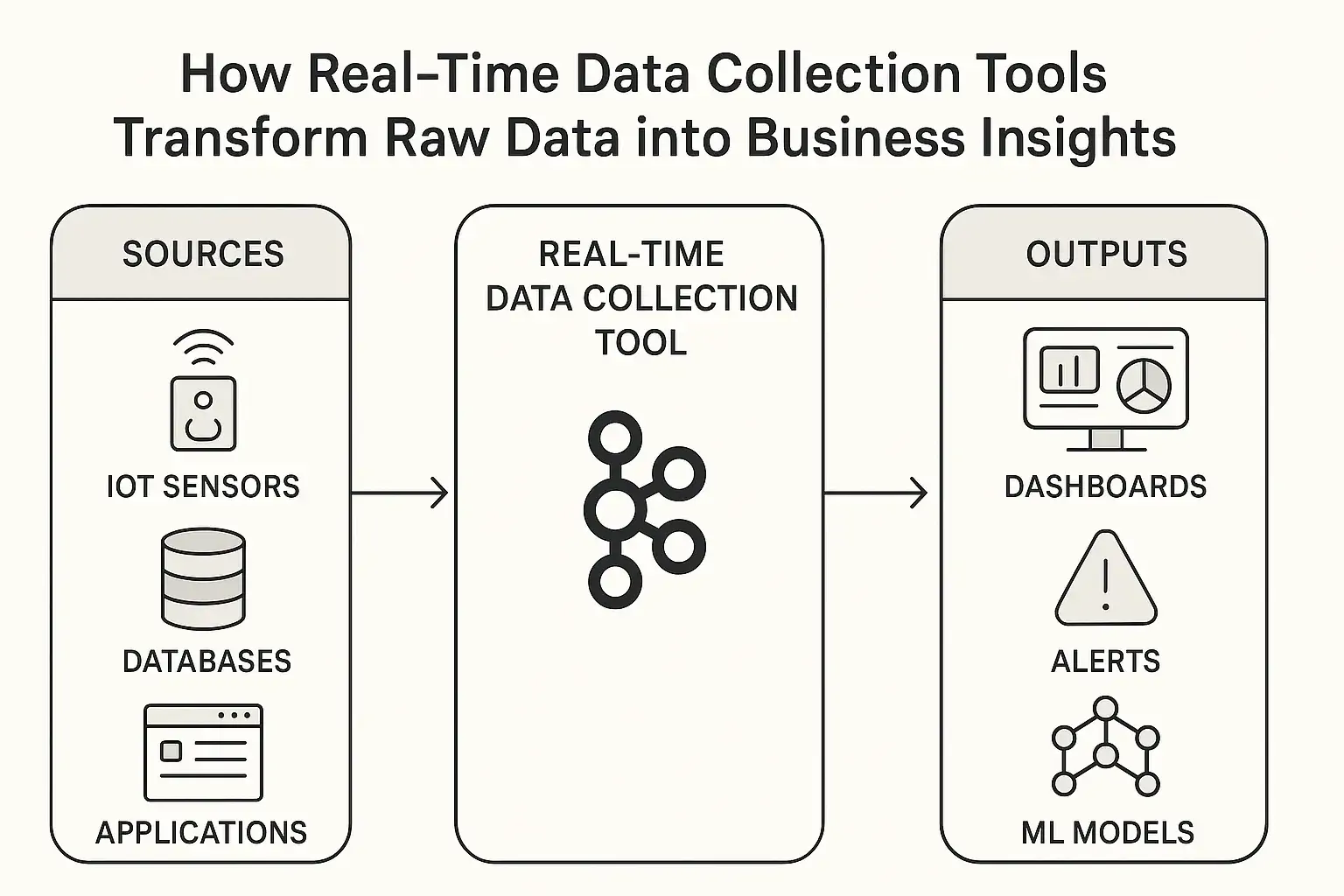
What Are Data Collection Tools?
Data collection tools are technologies designed to gather information from diverse sources such as sensors, applications, and databases - for analysis and action. They automate data acquisition, improve accuracy, and support real-time streaming or batch ingestion. In modern architectures, specialized platforms enable continuous data flows, transforming raw events into business insights instantly.
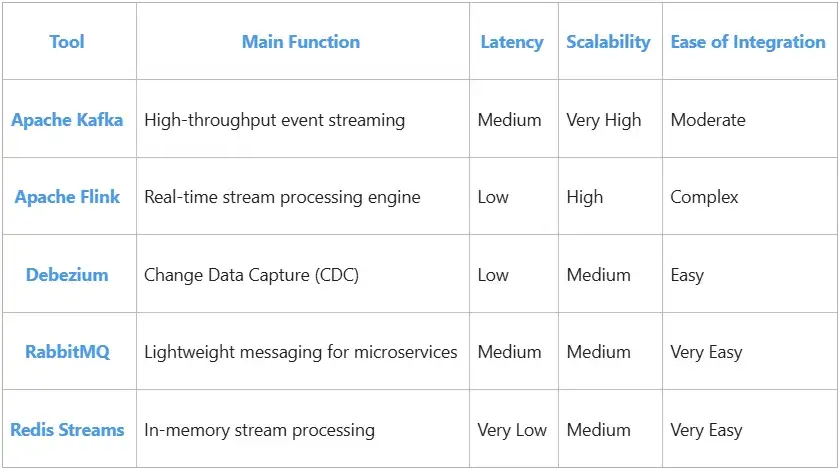
Quick Comparison: Top 5 Real-Time Tools
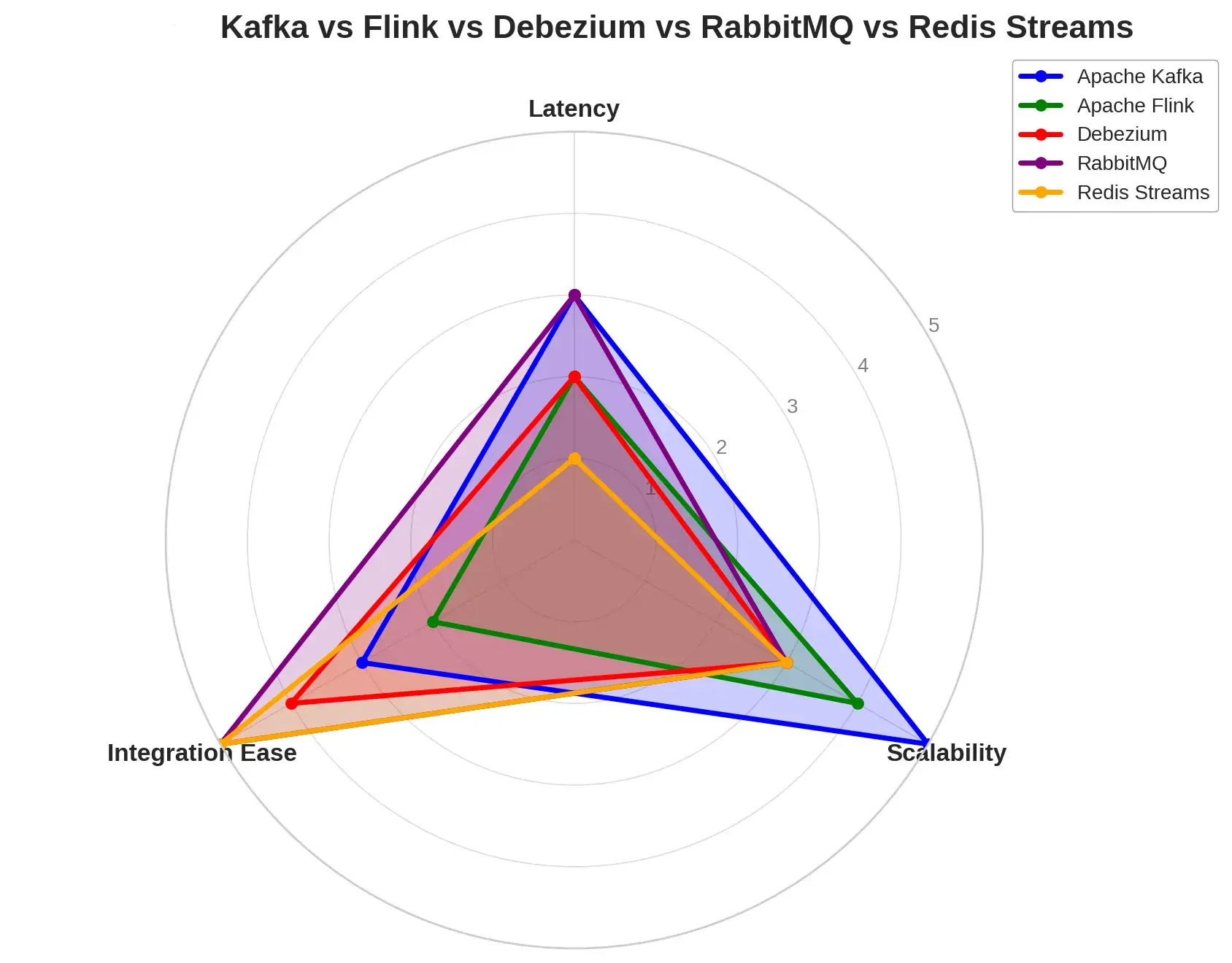
Tool Deep Dive: Which One Fits Your Needs?
Apache Kafka – Industry-Standard Event Streaming
- Overview: Distributed, fault-tolerant platform for publishing and subscribing to streams of records in real time.
- Key Features: Persistent log, horizontal scalability, rich ecosystem (Kafka Connect, Streams API).
- Benefits: Ideal backbone for high-scale event-driven architectures, supports replay and audit.
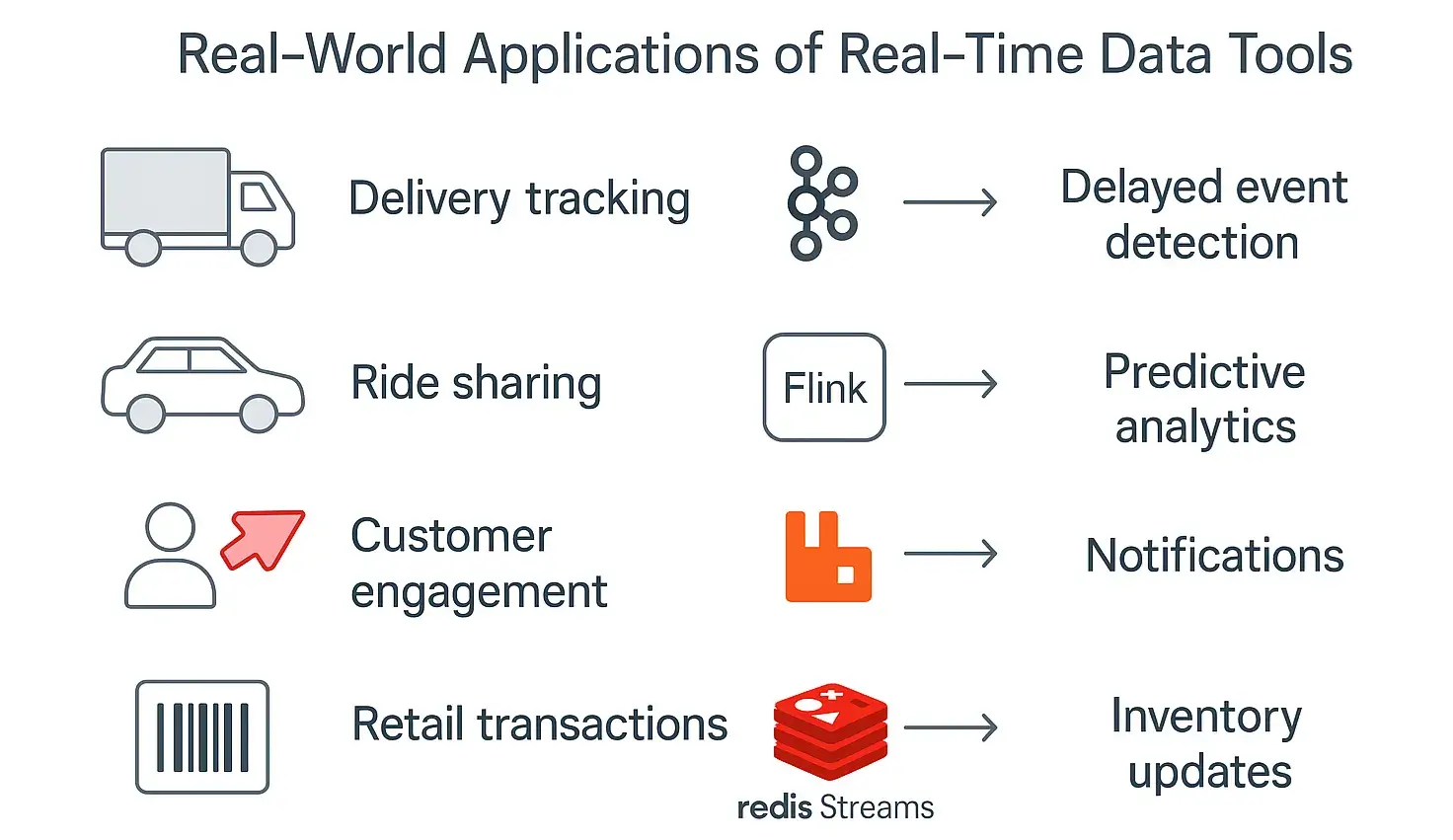
- Use Cases: Fleet telemetry, transaction processing, real-time fraud detection.
Apache Flink – Real-Time Stream Processing Engine
- Overview: Open-source framework for low-latency, high-throughput stream processing and analytics.
- Key Features: Stateful computations, exactly-once guarantees, Complex Event Processing (CEP).
- Benefits: Advanced analytics on live data, pattern detection, anomaly identification.
- Use Cases: ETA calculations, temperature anomaly alerts in cold chains, real-time client behavior analysis.
Debezium – Real-Time Database Change Capture
- Overview: Lightweight CDC platform streaming database changes into event pipelines.
- Key Features: Non-intrusive monitoring of inserts/updates/deletes, supports MySQL, PostgreSQL, SQL Server, MongoDB.
- Benefits: Modernize legacy systems without data migrations, enable real-time sync.
- Use Cases: Inventory updates, order status sync, real-time APIs from transactional databases.
RabbitMQ – Lightweight Messaging for Microservices
- Overview: Flexible message broker supporting AMQP, MQTT, STOMP for asynchronous communication.
- Key Features: Easy queue configuration, routing, retry mechanisms, management plugins.
- Benefits: Simplifies real-time notifications and inter-service messaging.
- Use Cases: Delivery status alerts, user notifications, IoT sensor message relay.
Redis Streams – Ultra-Fast In-Memory Streaming
- Overview: In-memory data structure for efficient event streaming with sub-millisecond latency.
- Key Features: Consumer groups, message acknowledgment, integration with Redis Pub/Sub.
- Benefits: Optimal for ultra-low-latency scenarios and lightweight pipelines.
- Use Cases: Barcode scan events, real-time cart updates, warehouse automation.
Real-World Integration Examples
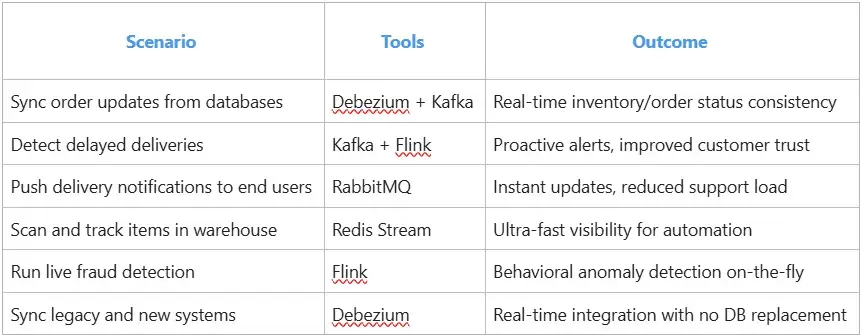
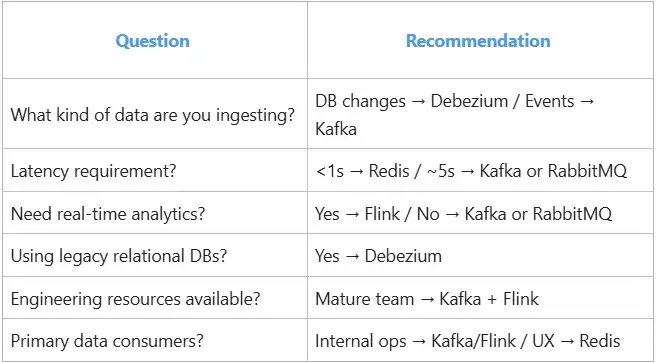
Choosing the Right Tool – A Quick Guide
TMA Related Services
The following cases show how TMA Solutions has collaborated with clients across various industries to apply this structured method, resulting in measurable improvements in reliability, cost efficiency, and adaptability.
Optimizing inventory in real-time through the Azure demand forecasting solution
- Data Integration and Forecasting: Consolidate sales, inventory, and market data, applying machine learning for demand forecasts.
- Data analytics and forecasting: Utilize advanced analytics to interpret complex datasets, improving the accuracy of demand predictions and operational decisions.
- Real-Time Visualization: Enable dynamic, real-time data visualization and scalable system deployment to handle growing data requirements.
Explore more: https://www.tmasolutions.com/case-studies/optimizing-inventory-in-real-time-through-azure-demand-forecasting-solution
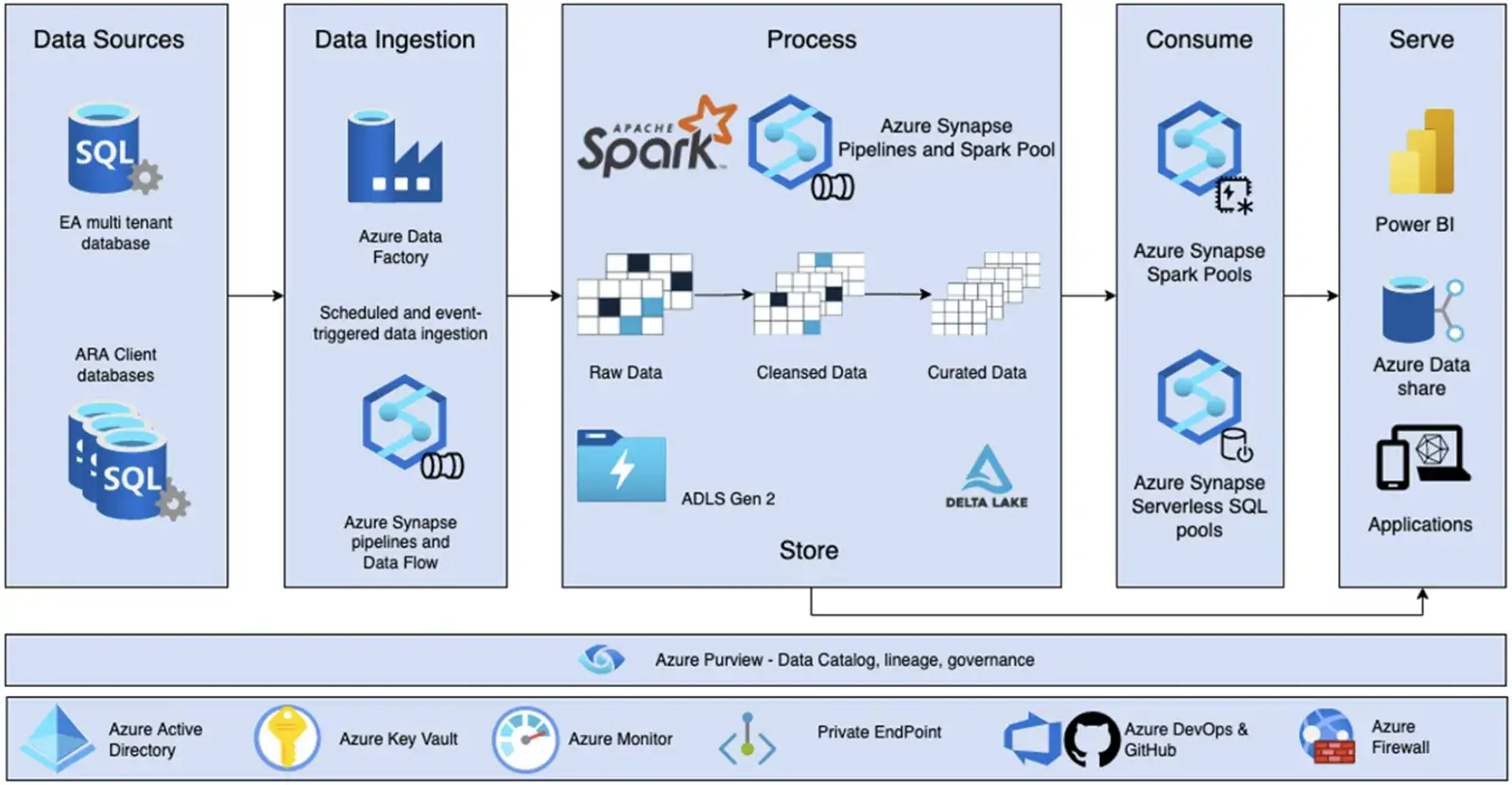
Streamlining operations with Azure Data Factory for enhanced efficiency
- Dynamic Data Integration: Utilize Data Factory to connect multiple data sources, both on-cloud and on-premise, and extract data into a centralized Data Lake for advanced processing.
- Data Management: Employ data services to move data from various sources to the Data Lake for cleansing, consolidation, and mining, while building pipelines to handle data from different products
Explore more: https://www.tmasolutions.com/case-studies/streamlining-operations-with-azure-data-factory-for-enhanced-efficiency
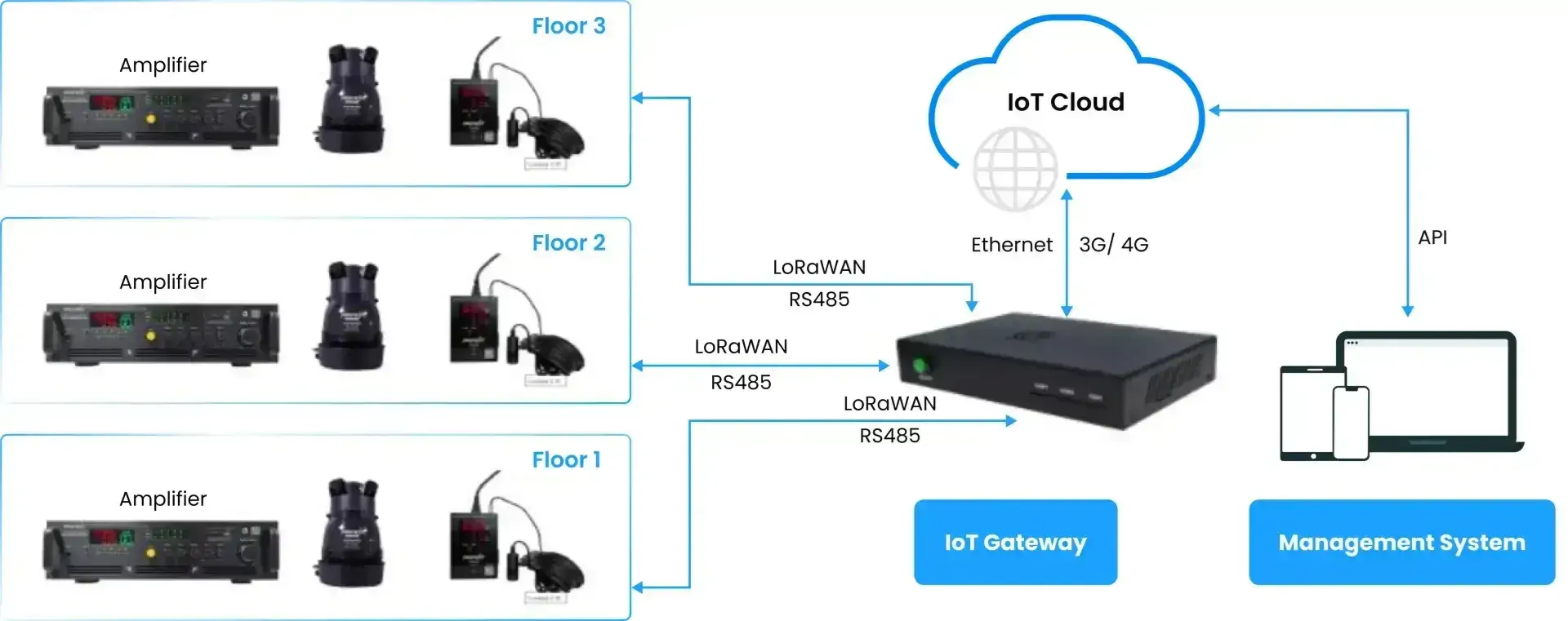
Environment Monitoring Solutions with IoT Technology
- Utilizes IoT-enabled sensors to monitor and analyze nest environmental conditions in real time.
- Enables remote control and data access via web or mobile app, ensuring seamless management.
- Automatically alerts users to environmental abnormalities, enabling swift intervention.
- Generates comprehensive reports to track nest health and device performance.
Explore more: https://www.tmasolutions.com/case-studies/environment-monitoring-solutions-with-iot-technology
Final Thoughts
Start small: implement CDC with Debezium or speed-critical actions with Redis Stream. Scale up with Kafka and Flink as needs grow.
Modern businesses gain a competitive edge not by collecting more data, but by acting on it faster and smarter.


.webp_2026-10-01-18-27-07-971.webp)
.webp_2026-10-01-18-17-11-290.webp)
.webp_2026-10-01-18-08-26-854.webp)
.webp_2026-10-01-17-47-32-240.webp)