Introduction
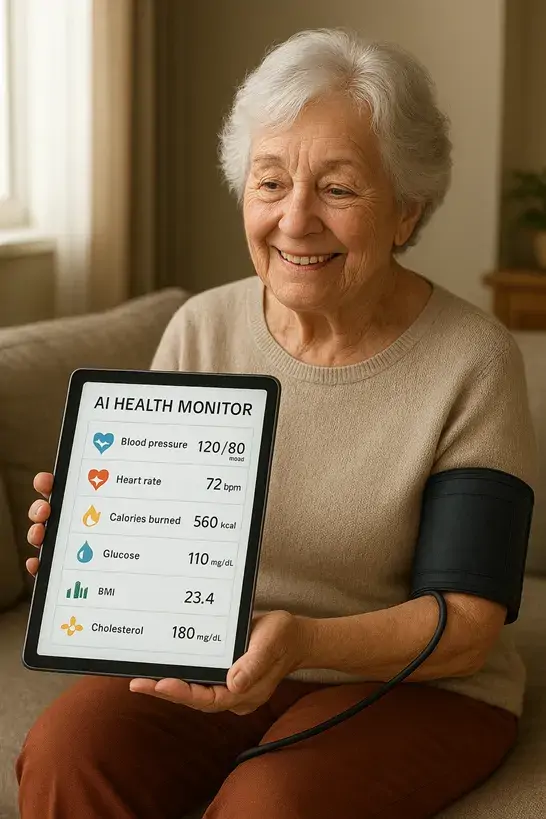
As the global population ages, caregivers and healthcare providers are under pressure to deliver personalized, proactive support that safeguards seniors’ independence and well-being. AI is revolutionizing eldercare by shifting from reactive treatments responding to emergencies or a noticeable decline in health to predictive and data-driven interventions. This document explores the top 10 AI in healthcare trends transforming life for seniors, leveraging machine learning solutions and AI-powered automation to enhance care delivery.
Top AI Trends
Proactive Health Surveillance
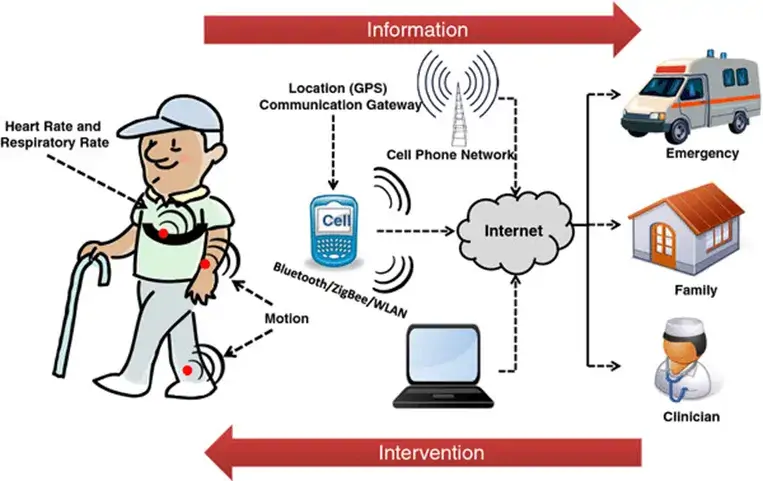
For seniors, the ability to predict health risks before they become critical is vital. Chronic conditions, cognitive decline, and falls are major concerns, and waiting for an event to occur is often too late. Proactive interventions enabled by AI-powered automation can significantly reduce hospital readmissions by up to 30% and optimize resource allocation, ultimately leading to better patient outcomes and a higher quality of life.
AI-powered systems use machine learning solutions to analyze large volumes of data from IoT in healthcare sensors in wearables and smart home devices. By identifying subtle changes or patterns in real-time physiological and behavioral data, the AI can predict the onset of conditions and alert caregivers or clinicians, enabling early intervention and a shift from reactive to proactive care.
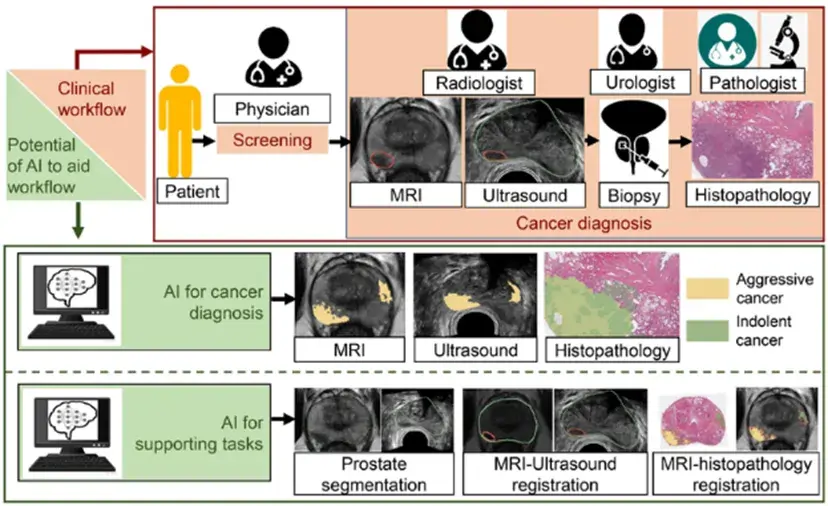
Early and accurate diagnosis of osteoporosis, cancer, or neurodegenerative diseases improves treatment outcomes. AI reduces human error and biases in image interpretation, leading to faster, more reliable assessments.
Intelligent Diagnostics
AI systems use computer vision and machine learning solutions to analyze medical data and images, identifying anomalies that may indicate a disease. For example, AI can quickly scan thousands of X-rays, MRIs, and CT scans to flag potential issues like tumors or fractures. AI-driven Clinical Decision Support Systems (CDSS), integrated with AI - Comprehensive Patient Summaries, also analyze electronic health records and symptoms to assist clinicians in urgent situations, streamlining workflows with cloud-based AI software for healthcare.
Personal Health Assistants
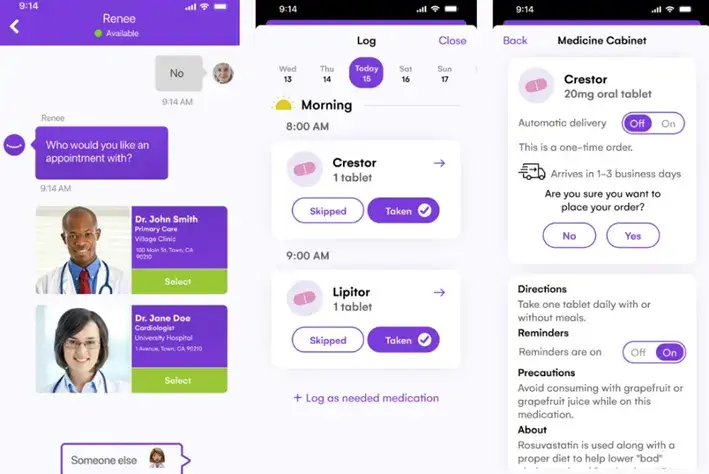
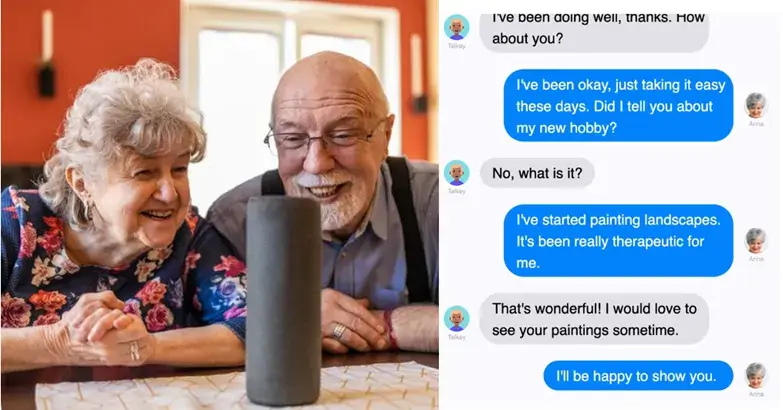
Loneliness and social isolation are significant public health issues for seniors, often leading to depression and anxiety. Human-interactive AI personal health assistants provide consistent companionship and support, helping seniors manage daily tasks, stay connected with loved ones, and promote mental and emotional well-being.
These assistants use conversational AI and natural language processing (NLP) to engage in human-like dialogue. They learn from past interactions to offer personalized conversations and proactive reminders for tasks like medication adherence or hydration, supported by AI-driven medication chart systems. Some can detect emotional cues to provide empathetic responses and integrate with wearables to monitor vital signs and alert caregivers.
AI-Driven Personalized Treatment
A one-size-fits-all approach to medicine is often ineffective for seniors who frequently have complex comorbidities and require tailored care. AI-driven personalized treatment plans, powered by machine learning solutions, can improve patient outcomes, enhance satisfaction, and reduce adverse reactions by tailoring care to a patient’s unique biological, medical, and environmental profile.
AI systems analyze a patient’s data, including genetic information, medical history, and lifestyle factors, to create customized treatment strategies. This helps physicians select treatments and predict reactions to specific drugs. AI-driven Clinical Decision Support Systems (CDSS), enhanced by cloud-based AI software for healthcare, generate real-time insights and personalized recommendations for managing chronic conditions like diabetes.
Mobility and Assistance Robotics
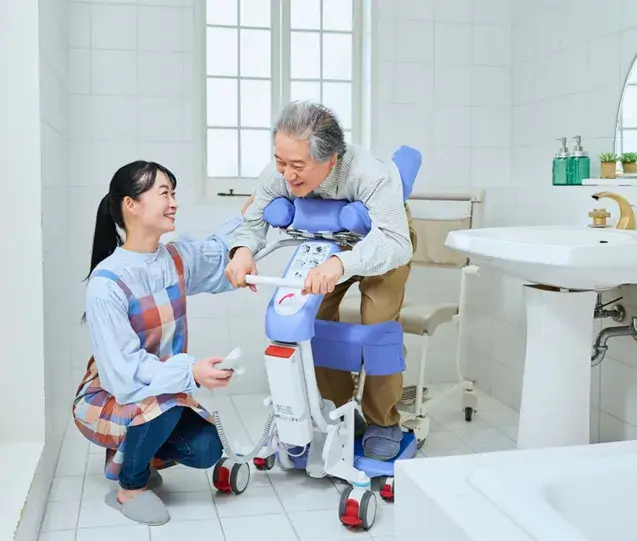
Mobility impairments are a significant concern for seniors, as they can lead to a loss of independence and a high risk of falls. Caregiving robots, utilizing AI-powered automation, offer direct physical support for daily activities, such as walking, standing, and reaching, promoting autonomy and enabling seniors to age in place.
AI-powered robots provide physical support for mobility, gait, and balance. They include safety features like instant fall detection and inflatable airbags, which prevent injury without restrictive harnesses that seniors may dislike. These systems use AI-driven motion control and computer vision to learn from user behavior and adapt assistance over time, supporting tasks like walking and standing.
Telemedicine
Telemedicine is essential for providing care to seniors, particularly those in rural areas or with limited mobility. It overcomes geographical barriers, reduces travel needs, and provides continuous access to healthcare professionals.
AI enhances telemedicine by automating administrative and clinical tasks, making remote care more efficient with AI-driven triage and remote patient monitoring (RPM). Integration with IoT in healthcare wearables and biosensors allows clinicians to track chronic conditions in real-time. Success depends on addressing the digital divide with user-friendly interfaces and digital classroom tools for training seniors on telemedicine platforms.

AI-Powered Mental Therapy
Mental health issues, such as loneliness, depression, and anxiety, are prevalent among seniors, negatively impacting their quality of life. AI-powered mental therapy tools, built on human-interactive AI, offer scalable and accessible support to supplement traditional therapy.
These systems use conversational AI and machine learning solutions to provide emotional support and cognitive stimulation. They analyze speech patterns and tone to detect signs of loneliness or depression. These companions engage in dialogues, offer exercises, and provide reminiscence tools to foster well-being and reduce social isolation.
AI-Powered Physical Therapy
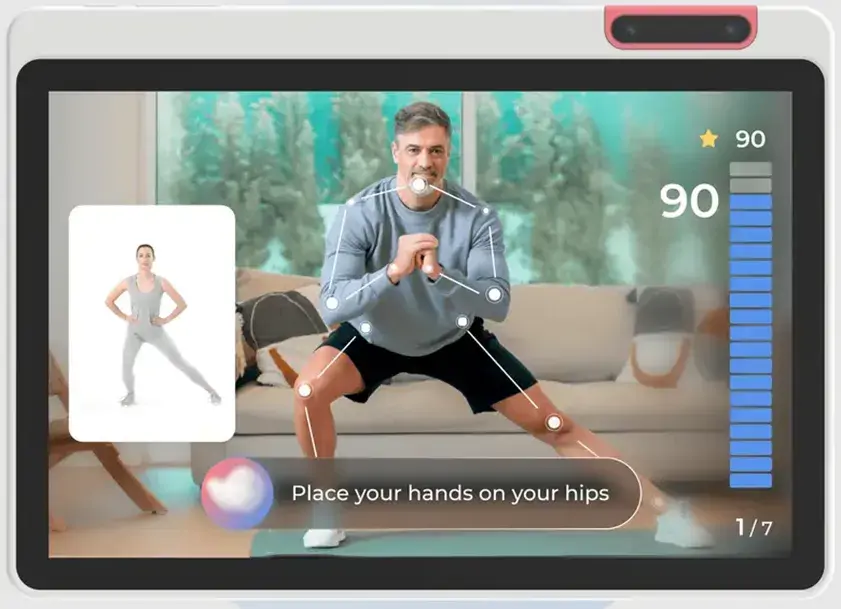
Musculoskeletal conditions and mobility issues are primary causes of disability and reduced quality of life in seniors. AI-powered physical therapy, enhanced by computer vision and motion tracking, makes rehabilitation more personalized and efficient, helping seniors regain mobility, reduce fall risk, and improve overall health.
AI platforms guide and monitor therapy sessions without cumbersome wearables. A device’s camera analyzes movements and gait patterns, providing real-time data to clinicians. The AI then offers tailored exercise recommendations and automates routine assessments, freeing therapists to focus on direct care.
AI-Powered Smart Homes
Smart homes provide a safe, comfortable, and independent living environment for seniors. Smart building management systems, powered by AI-powered automation, transform a collection of smart devices into a cohesive, proactive system that supports daily living, ensures safety, and provides peace of mind.
AI-enabled smart homes use ambient sensors, motion sensors, and voice-activated assistants to monitor the environment and user behavior. AI-powered motion or vision-based sensors detect abnormal behavior, such as a fall or motionless anomaly, and trigger alerts to caregivers without intrusive live video, ensuring privacy and safety.
AI-Enhanced Symptom Trackers
AI-enhanced symptom trackers, integrated with AI-driven medical records and practice management platforms, empower seniors to actively participate in their health journey. They provide tools for self-care, helping individuals understand symptoms, decide when to seek professional advice, and feel confident during doctor visits, reducing health anxiety and streamlining communication.
These applications use conversational AI and medical databases to guide users through symptom assessments. The AI asks targeted follow-up questions and provides a comprehensive list of potential health conditions. Advanced apps identify correlations between habits, mood, and symptoms over time, delivering personalized reports via cloud-based AI software for healthcare.
Challenges and Ethical Considerations
While AI in healthcare holds immense promise for senior care, its implementation faces significant challenges and ethical dilemmas. Privacy and data security are critical concerns, as AI-powered automation systems collect vast amounts of sensitive health and behavioral data from wearables and smart building management systems. Robust data protection measures, including secure cloud-based AI software for healthcare, are essential to prevent breaches and maintain trust.
Algorithmic bias is another challenge, as machine learning solutions may perform less accurately for diverse populations, such as seniors from underrepresented ethnic or socioeconomic backgrounds, potentially exacerbating health disparities. Transparency in AI-driven CDSS processes is vital to address biases and ensure accountability.
Autonomy and consent are crucial, especially for seniors with cognitive impairments who may struggle to provide informed consent for AI-driven personalized treatment or monitoring. Over-reliance on human-interactive AI could lead to dehumanization, reducing meaningful human interactions and affecting emotional well-being.
The digital divide limits access for seniors who are not tech-savvy or lack resources, potentially widening inequalities in care. Digital classroom tools and training can help bridge this gap. Additionally, the reliability and safety of AI agents solutions for enterprise must be prioritized to avoid errors that could harm vulnerable users.
Cultural and societal factors also shape ethical perceptions, requiring tailored approaches in diverse contexts. Stakeholders must adopt ethical frameworks, inclusive design, and ongoing governance to ensure AI in healthcare enhances senior care responsibly.
TMA Related Services
Healthcare Development Service
With 700 engineers and 15+ years of experience, TMA Solutions is a leading provider of digital health and healthcare software development services. We offer solutions for Remote Health Monitoring, Medical Device Integration, Healthcare Data Analytics, Pharmacy Automation, Senior Care Services, Aged Care, Medication Chart, AI - Comprehensive Patient Summaries, Cloud-Based AI Software for Healthcare (adapted from veterinary solutions), Cloud-Based Healthcare Facility Management, Smart Booking & Assignment, AI-driven Medical Records and Practice Management Platform, and Paperless Healthcare Solutions.
Internet of Things (IoT)
With expertise in wireless, network, embedded software, and mobile applications, we develop IoT in healthcare solutions for real-time remote controlling, monitoring, and automatic alarming, incorporating Edge AI for efficient processing.
Hardware Integration
TMA Hardware Lab designs, integrates, and tests devices for robotics, healthcare, IoT in healthcare, telecom, and smart cities, focusing on AI-powered automation.
AI/ML & Data Sciences
We offer AI/ML & Data Sciences development services, empowering businesses to innovate and automate processes through AI Agents Development, Machine Learning Solutions, AI Agents Solutions for Enterprise, and Agentic API AI.
Big Data & Analytics
Our Big data and analytics team supports clients in building BI and analytics solutions to process large datasets and provide real-time reports, including DataWarehouse Product Traceability and integration with SAP ERP, Salesforce, and DataMiner.
Conclusion
These trends demonstrate that AI in healthcare has immense potential, enabling a shift toward proactive, preventative, and personalized care that empowers seniors to live with greater safety and independence. The true value of AI lies not in replacing human care but in amplifying it through human-interactive AI and AI-powered automation.
The path forward requires designing systems that are technologically advanced and ethical, prioritizing humanity, privacy, and autonomy. By fostering collaboration between humans and machines, we can build a future where aging is supported by intelligent, deeply human technology.


.webp_2026-10-01-18-27-07-971.webp)
.webp_2026-10-01-18-17-11-290.webp)
.webp_2026-10-01-18-08-26-854.webp)
.webp_2026-10-01-17-47-32-240.webp)