AI-Powered Container Loading Optimization
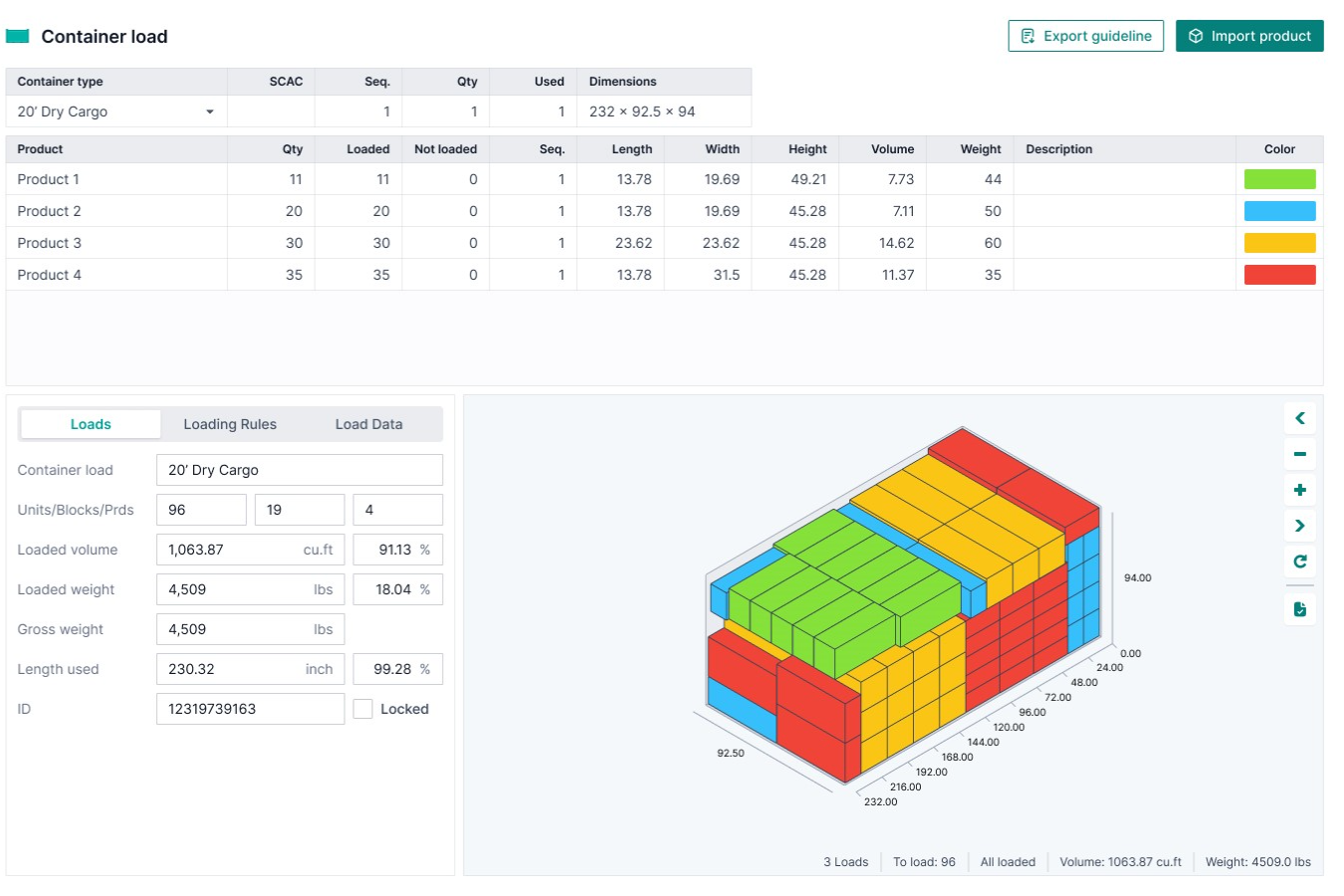
Maximizing every inch of container space is crucial as shipping costs soar. AI-powered container loading tools automatically calculate the optimal way to stow goods in containers or trucks, tackling the classic “3D bin packing” problem far faster than any human planner. These systems consider item dimensions, weight distribution, and load-bearing constraints to generate loading plans that minimize wasted space and prevent damage in transit. By eliminating the costly practice of “shipping air,” companies can ship more product per load and reduce the number of trips needed. For example, if 20 – 40% of a box’s volume is often empty space on average, AI can significantly cut that inefficiency by suggesting the perfect cargo arrangement every time.
TMA Solutions’ Automatic Container Loading offering is a prime example of this technology in action. It uses advanced AI algorithms to quickly produce optimal loading plans for containers, maximizing capacity while respecting weight and safety limits. This not only lowers freight costs but also speeds up the loading process – an important win for logistics teams facing tight delivery schedules.
AR-Assisted Packaging Dimensioning
Choosing the right size packaging for shipments is a deceptively complex task. Oversized packaging leads to wasted space and higher dimensional weight fees, while undersized packaging risks product damage. Augmented Reality (AR) assisted packaging dimensioning tools are changing the game by using mobile devices or smart glasses to instantly measure product dimensions and recommend ideal box or pallet configurations. Through an AR view, staff can visualize how items will fit into various packaging options, making it easy to “right-size” every shipment. This ensures minimal empty space and can substantially cut material use and shipping costs – a critical benefit given that e-commerce parcels are often at least 25% empty on average.
TMA Solutions’ AR Packaging tool exemplifies this approach. It leverages AI and AR to help warehouse packers find the optimal packaging for each order. By pointing a tablet or headset at a product, the system instantly calculates the product’s dimensions and suggests the best-fitting box or crate. This not only reduces guesswork but also slashes the time needed to package items. Companies implementing AR-assisted packaging have seen improvements in packing speed and consistency, along with savings in cardboard and filler material.

AI Product Counting and Sorting Systems
Counting inventory or sorting products manually can be labor-intensive, slow, and error prone. AI-driven product counting and sorting systems use computer vision and machine learning to identify, count, and organize items at high speed with pinpoint accuracy. Mounted cameras or drones scan shelves and conveyor belts, automatically tallying stock levels or directing robotic arms to sort packages by destination. The result is a dramatic boost in throughput and inventory accuracy. For instance, in a warehouse pilot, Walmart demonstrated that inventory drones could complete a full stock count of a distribution center in just one day, a task that would take human staff nearly a month using traditional barcode scanners. This highlights the massive efficiency gains AI vision systems offer for inventory management and order fulfillment.
TMA Solutions offers an AI Product Counting and Sorting solution that brings these benefits to logistics operations. Using smart cameras and AI models trained to recognize products, it can automatically count items on shelves or moving along a conveyor. The system instantly flags discrepancies (such as missing or misplaced products) and can direct automated sorters to route packages to the correct bin or loading area. By deploying such AI systems, warehouses reduce manual scanning work, speed up sorting for shipments, and achieve near-perfect counting accuracy – all of which translates to faster deliveries and happier clients.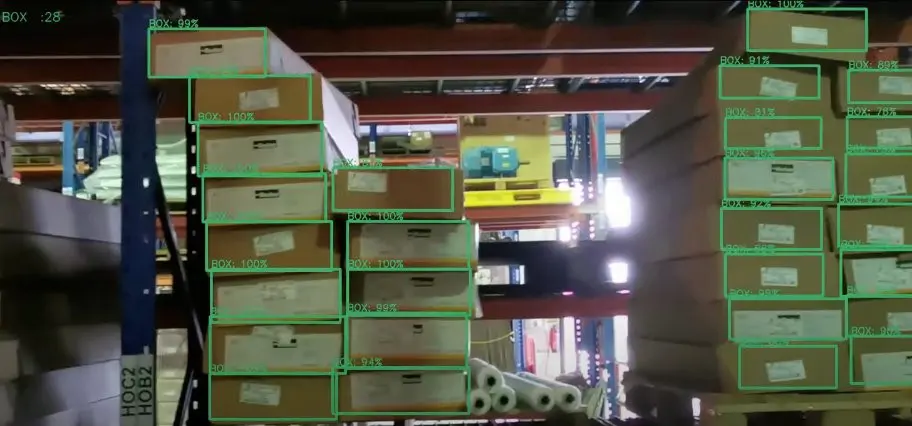
AI-Driven Predictive Maintenance
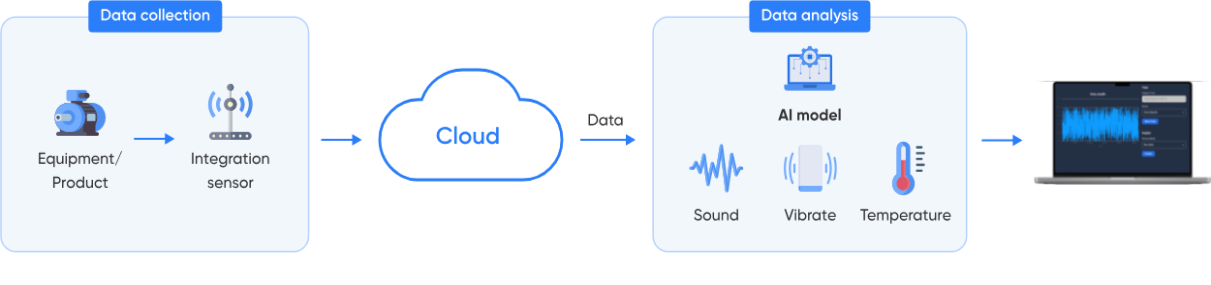
Warehouse conveyors, forklifts, delivery trucks, and sorting machines are the backbone of logistics – and if they break down unexpectedly, operations can grind to a halt. AI-driven predictive maintenance tools help avoid unplanned downtime by continuously monitoring equipment health through IoT sensors and AI analysis. These systems “learn” the normal sound, vibration, and temperature patterns of machinery and can detect subtle warning signs of developing issues. By analyzing data from these sensors in real time, AI models can predict failures before they happen and alert maintenance teams to service a part prior to a breakdown. This proactive approach extends the lifespan of machines and slashes maintenance costs. In fact, a McKinsey study found that predictive maintenance strategies can reduce maintenance costs by up to 40% and cut unplanned downtime in half – a huge win for productivity and cost savings.
TMA Solutions offers an advanced AI-Driven Predictive Maintenance solution that integrates sound, vibration, and temperature sensors to monitor equipment in real time. By analyzing these sensor signals, the system can detect abnormalities that might indicate an impending failure, such as unusual vibrations, temperature fluctuations, or irregular noises. For example, if a conveyor belt motor begins to overheat or vibrate irregularly, the AI can immediately notify maintenance teams to take action, preventing potential failure and costly disruptions. This predictive capability helps logistics companies maintain high equipment availability, improve operational uptime, and ultimately reduce both operational and maintenance costs.
Intelligent Parking Lot and Yard Monitoring
Managing a busy logistics yard or parking area is another challenge where AI is making a difference. Intelligent parking lot monitoring systems use cameras and computer vision to keep watch over parking spaces, loading docks, and vehicle yards in real time. For logistics hubs dealing with fleets of trucks and trailers, these AI systems can automatically detect available parking spots, track vehicle entries/exits, and even guide drivers to the right dock or staging area. The result is a safer, more organized yard with less idle time. Truck drivers and warehouse managers no longer need to manually check for open bays or risk chaotic first-come-first-serve situations – the AI handles it, often integrated with yard management software to schedule slots efficiently. Additionally, security is enhanced as the system can flag unauthorized vehicles or unusual after-hours activity on camera.
TMA Solutions provides a Parking Lot Monitoring solution that illustrates these benefits. Their system uses smart cameras to continually monitor parking areas and uses AI to interpret the video feeds. Immediately, managers can see which spots are free or occupied and get alerts when specific trucks arrive or if a vehicle stays longer than expected. By optimizing parking space utilization and ensuring smoother vehicle flow, such tools reduce turnaround times for deliveries and pickups. In large distribution centers, this can translate to more shipments handled per day and less fuel wasted as drivers aren’t circling or waiting unnecessarily. It’s a clear example of AI bringing order and efficiency to yet another aspect of logistics operations.

Conclusion
From loading the heaviest containers to tracking the tiniest inventory item, AI is revolutionizing every link in the logistics chain. The five tools highlighted – AI container loading optimization, AR packaging dimensioning, AI product counting, predictive maintenance, and intelligent parking monitoring – represent the leading edge of logistics automation. Early adopters of these technologies are reaping rewards in the form of lower costs, faster throughput, greater accuracy, and safer operations. Notably, providers like TMA Solutions are at the forefront of this wave, offering practical AI solutions that companies can deploy today to stay competitive.
For logistics companies and supply chain managers, the message is clear: embracing AI automation is no longer optional, it’s the key to thriving in a fast-paced, demand-driven market. By integrating tools like these into daily operations, organizations can build a smarter, more resilient supply chain that is ready to meet the challenges of the future. In a world where efficiency and responsiveness are paramount, AI is the ultimate ally to deliver results – from the warehouse floor to the shipping dock and everywhere in between.


.webp_2026-10-01-18-27-07-971.webp)
.webp_2026-10-01-18-17-11-290.webp)
.webp_2026-10-01-18-08-26-854.webp)
.webp_2026-10-01-17-47-32-240.webp)