Home
Search
Found 797 results for “ “ keyword
icon
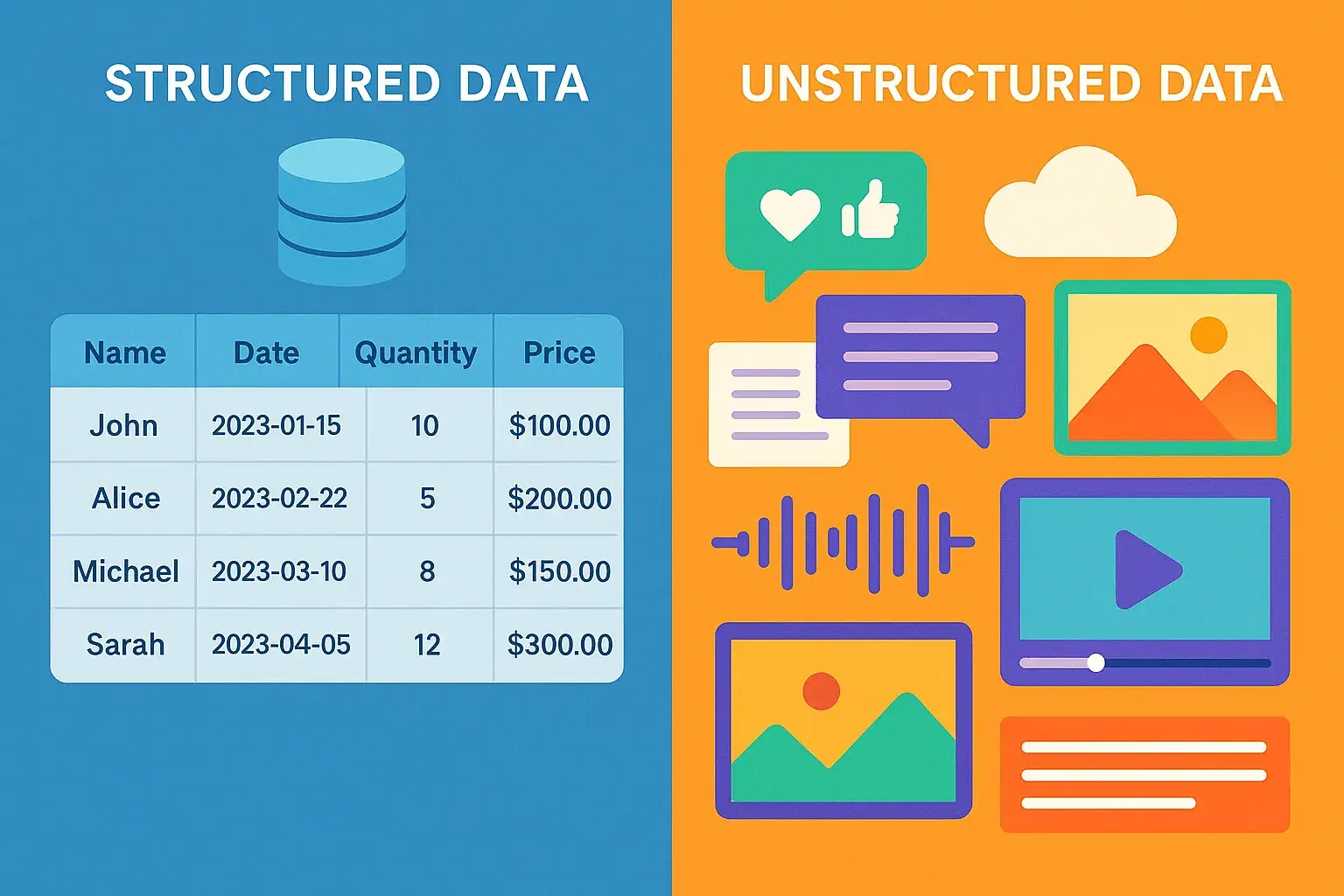
Introduction In today's data-driven economy, businesses increasingly rely on both structured and unstructured data to uncover insights, optimize operations, and drive strategic decisions. Structured data is highly organized and easily searchable, while unstructured data lacks a predefined format but contains valuable hidden insights. Understanding how to manage both effectively is essential for unlocking their potential. This article examines the core differences, challenges, and best practices for handling structured and unstructured data in modern enterprises. Unlock Your Data's Full Potential with TMA Solutions Struggling to turn raw data into real business value? We help organizations harness structured and unstructured data using https://www.tmasolutions.com/technologies/ai-ml-and-data-sciences AI, Machine Learning , and https://www.tmasolutions.com/technologies/big-data-and-analytics Big Data technologies. From seamless data migration and visualization to advanced predictive analytics and real-time IoT solutions, our solutions are built to scale with your business and deliver measurable results. Let’s turn your data into action. https://www.tmasolutions.com/contact-us Talk to our experts today to see how we can help you unlock your data’s full potential. How TMA Solutions Can Help with Structured vs Unstructured Data Management TMA Solutions is one of the TOP https://www.tmasolutions.com/ Vietnam software distributors has 20+ years of experience delivering enterprise-grade technology solutions. TMA positions itself as a strategic technology partner that helps organizations overcome complex structured and unstructured data challenges. Through the extensive portfolio of technologies, services, and industry expertise, TMA provides end-to-end solutions that align perfectly with the data management best practices outlined in our previous analysis. Comprehensive Data Management Capabilities TMA Solutions offers a robust suite of https://www.tmasolutions.com/technologies/big-data-and-analytics big data and analytics services specifically designed to handle both structured and unstructured data at scale. The comprehensive approach includes data migration, data visualization, standard and custom reports, https://www.tmasolutions.com/case-studies/optimizing-inventory-in-real-time-through-azure-demand-forecasting-solution data analytics and forecasting , and analyzing high-volume structured and unstructured data. TMA also specializes in designing and implementing data warehousing and data mining systems, enabling real-time data collection and analysis across enterprise environments. TMA Data Platform Architecture Artificial Intelligence and Machine Learning Integration TMA Solutions has established a dedicatedhttps://www.tmasolutions.com/technologies/ai-ml-and-data-sciences AI Center with over 10 years of experience, 100+ AI certificates, 200+ AI engineers, and 100+ completed AI projects. Our AI capabilities directly address the challenge of extracting insights from unstructured data through https://www.tmasolutions.com/case-studies/enhance-road-quality-with-ai-road-damage-detection-system computer vision , natural language processing, and machine learning services. https://www.tmasolutions.com/case-studies/leverage-big-data-for-healthcare-analytics Healthcare Data Analytics TMA Solutions has recently launched specialized https://www.tmasolutions.com/industries/healthcare HealthTech solutions focusing on senior care, home care, and https://www.tmasolutions.com/case-studies/enhance-senior-care-services-with-remote-health-monitoring-system remote health monitoring. Our remote health monitoring platform continuously tracks vital signs and integrates data from wearables, medical devices, prescriptions, and lifestyle factors to provide comprehensive health insights. This demonstrates our capability to handle complex, multi-source healthcare data that combines structured measurements with unstructured lifestyle information. Big Data for Healthcare Analytics Challenges in Managing Structured and Unstructured Data Managing both structured and unstructured data types introduces unique challenges, often referred to as the "Four Vs" of big data: Volume: The sheer amount of data, especially unstructured, is massive and often overwhelming. Variety: Unstructured data exists in many formats, making it harder to store, classify, and analyze effectively. Velocity: Data, particularly from IoT devices and social media, is generated at high speeds, requiring real-time processing. Veracity: Ensuring data accuracy, especially unstructured data, is difficult due to its complexity. The Four Vs of Big Data: Comparing Challenges for Structured and Unstructured Data What Are Structured and Unstructured Data? Structured Data Structured data is organized in a clear, predefined format, often stored in relational databases. It includes quantitative data (e.g., prices, revenue) and qualitative data (e.g., names, dates). For example, a financial report with company names and expense values in rows and columns is structured data. Because of its consistent structure, this type of data allows for fast querying, reporting, and integration across systems . According to IT Pro, structured data is easily managed using tools like SQL in relational database management systems (RDBMS). Unstructured Data Unstructured data lacks a pre-defined schema and includes formats such as text, images, audio, and video. Common examples include social media posts, client reviews, or medical images. According to IBM, 80-90% of enterprise data is unstructured and is growing three times faster than structured data. While rich in insights, it is complex to manage and analyze without advanced tools. Structured and Unstructured Data To better understand how these data types compare in practice, the table below outlines their core properties and processing characteristics. Comparison of Structured and Unstructured Data Best Practices for Unstructured Data Management Storage Solutions and Architecture Unstructured data requires flexible storage systems that can handle diverse formats and scale efficiently. Recommended approaches include: Object Storage: Utilize cloud platforms like AWS S3, Azure Blob Storage, or Google Cloud Storage for scalable, cost-effective storage. Data Lakes: Implement centralized repositories that can store data in its native format. NoSQL Databases: Utilize platforms like MongoDB or Cassandra for schema-flexible data management and fast access to unstructured content. Distributed Storage: Deploy multi-location and multi-cloud strategies to enhance resilience, availability, and compliance. Data Discovery and Governance Effective unstructured data management relies on robust discovery and governance. Use automated tools to scan and catalog data, creating searchable metadata with AI-driven classifications by type, sensitivity, and value. Regularly update inventories to track evolving data. Implement metadata-driven governance using flexible policies, content-based access controls, automated compliance via DLP (Data Loss Prevention) systems, and retention policies with auto-archiving to streamline lifecycle management. Processing and Analytics Unstructured data processing requires advanced techniques and tools to extract meaningful insights. Best practices include: ELT Approach: Load data first, then transform as needed using the target system's processing power. Machine Learning Integration: Use AI and ML algorithms for pattern recognition and insight extraction. Natural Language Processing: Apply NLP techniques for text analysis and sentiment detection. Real-Time Processing: Implement streaming analytics for time-sensitive unstructured data. ETL vs ELT Processes for Structured and Unstructured Data Management Best Practices for Structured Data Management Data Storage and Architecture Structured data requires robust storage solutions that can ensure data integrity and support complex queries. Organizations should adopt scalable database architectures that can accommodate future growth while maintaining performance. Key storage approaches include: Relational Database Management Systems (RDBMS): Use proven platforms such as SQL Server, Oracle, or PostgreSQL for transactional data. Data Warehousing: Implement centralized repositories for analytical workloads and business reporting. https://www.tmasolutions.com/technologies/cloud Cloud-Native Solutions: Leverage platforms like Amazon RDS, Azure SQL Database, or Google Cloud SQL for scalability and reliability. Choosing the right combination of these storage strategies enables organizations to handle structured data efficiently, both now and as data volumes grow. Data Quality and Governance To ensure high-quality structured data, organizations must implement systematic validation, cleansing, and monitoring processes. Key practices include: Standardizing formats and definitions Using automated validation rules Conducting regular audits Profiling data for anomalies A robust governance framework should define clear data ownership, enforce role-based access controls, ensure compliance with regulations, and maintain detailed metadata documentation to support accountability and data integrity. Processing and Integration Structured data processing should follow established ETL (Extract, Transform, Load) patterns for optimal results. Best practices include: Schema-on-Write: Define data structures before loading to ensure consistency. Batch Processing: Use scheduled ETL jobs for large-volume data integration. Data Transformation: Apply business rules and cleansing operations before storage. Performance Optimization: Implement indexing, partitioning, and query optimization strategies. Structured vs Unstructured Data: Best Practices...
icon
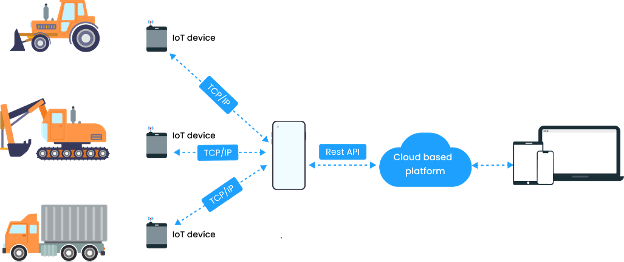
Tapping into Global Talent: Offshore Development for Manufacturing Tech Building a Successful Offshore Partnership To succeed, the relationship must evolve from a simple vendor-client transaction to a strategic partnership. This involves clear communication, shared goals, and robust governance to ensure the offshore team functions as a seamless extension of the in-house organization. The manufacturing companies that thrive in the next decade will be those that recognize their limitations in the tech talent war. By strategically tapping into the global talent pool through offshore development, they can overcome the skills gap, accelerate their Industry 4.0 journey, and build a significant competitive advantage. The manufacturing sector is in the midst of a profound transformation. Industry 4.0, a new wave of connected manufacturing and smart factories, is bringing a massive influx of digital technologies like AI, IoT, and data analytics onto the shop floor. However, this digital leap has exposed a critical bottleneck: a severe and growing shortage of specialized tech talent. As manufacturers pivot to becoming tech-first companies, the demand for skills in software development, AI, and data science is far outpacing the available domestic supply. This talent gap threatens to slow innovation and stall digital transformation initiatives. In response, forward-thinking manufacturers are adopting a new strategic approach: leveraging offshore development. Once seen primarily as a cost-cutting measure, outsourcing is now a strategic tool for accessing a global talent pool, driving innovation, and accelerating time-to-market. How Offshore Partners Enable Smart Manufacturing: Real-World Examples Specialized offshore teams are not just handling basic IT support; they are building the mission-critical systems that power modern smart factories. By partnering with dedicated offshore providers, manufacturers can successfully execute complex, end-to-end technology projects for international clients. These projects demonstrate the high level of trust and capability that offshore partners bring to the manufacturing and logistics sectors: Heavy Vehicle Management: An offshore team developed a comprehensive platform to manage heavy vehicles, integrating 360-degree cameras and IoT trackers. This system monitors GPS, vehicle speed, load status, and driver fatigue, ensuring compliance with Australian regulations. Heavy Vehicle Management Inventory Tracking Solution: For a Belgian client, an offshore partner built a powerful low-power tracking solution. This included creating the cloud application and integrating hardware trackers to provide real-time location, journey history, and alerts for assets. Inventory Tracking Solution Bus Tracking Solution: A Japanese client utilized an offshore team to build a real-time bus monitoring system. The solution uses IoT gateways and AI-powered cameras to track bus locations and calculate passenger numbers, enhancing safety and operational efficiency. Bus Tracking Solution Beyond Cost Savings: The New Drivers for Offshore Tech Development The conversation around IT outsourcing has fundamentally changed. While cost optimization remains a factor, the primary drivers are now strategic flexibility and access to capabilities. Organizations are no longer just "lifting and shifting" non-core tasks; they are building partnerships to gain access to specialized skills that are unavailable or prohibitively expensive in their home markets. For manufacturers, an offshore development partner provides: Access to Specialized Skills: The ability to quickly stand up a team of experts in niche areas like machine learning, IoT platform development, or embedded systems. Accelerated Time-to-Market: Offshore partners can run development cycles in parallel or around the clock, turning innovative concepts into deployed factory solutions much faster. Scalability and Agility: Companies can rapidly scale their development teams up or down to meet project demands without the overhead of internal hiring and training. Focus on Core Competency: It allows the manufacturer to focus on what they do best—engineering, production, and supply chain—while entrusting the complex software development to a dedicated technology partner....
icon
Tech Companies in Vietnam: Top 10 Leading IT Firms in 2026...
icon
Maximize Efficiency with TMA Telecom Software Outsourcing Services https://www.tmasolutions.com/insights/telecom-software-outsourcing#telecom_software_outsourcing Telecom software outsourcing enables businesses to leverage specialized expertise while maximizing efficiency and minimizing costs. TMA Solutions is recognized for providing outstanding telecom software development services. Here, we delve into the advantages, offerings, technologies, and success stories that position TMA Solutions as a top choice in the industry. Key benefits of developing telecom software with TMA Solutions For over 28 years, TMA Solutions has been a leading telecom software outsourcing company, offering end-to-end services and ready-to-deploy solutions. These capabilities ensure faster time-to-market and reliable results, making TMA an ideal partner for telecom businesses seeking to innovate and stay competitive. TMA Solutions provides telecommunication software development with end-to-end solutions Expertise TMA Solutions brings over 27 years of experience in telecom software and solution services, leveraging a team of over 2000 engineers. This extensive expertise spans 5G Orchestration, Open RAN, and network transformation, ensuring high-quality development for complex telecom needs. Security TMA prioritizes robust security measures to safeguard telecom solutions. The company offers advanced capabilities like lawful intercept tools and secure data traffic management, ensuring compliance with the highest industry standards for secure telecom software development. Operations support With capabilities in Operations, Administration, and Management (OAM) for 5G Core and other network domains, TMA provides comprehensive support for telecom operations. This includes seamless integration, monitoring, and control of telecom infrastructures, ensuring smooth and efficient operations. Agile design and development TMA employs agile methodologies to accelerate time-to-market for telecom applications. By combining end-to-end services with adaptable development practices, TMA ensures that solutions are aligned with client requirements and evolving market trends, delivering innovation and scalability in every project. Telecom software services offered by TMA As a trusted telecom software outsourcing company, TMA Solutions provides a comprehensive suite of services tailored to meet the specific needs of the telecommunications industry. Below are seven key domains where TMA delivers expertise and innovative solutions. AI-Powered Telecom Solution TMA offers cutting-edge AI-powered telecom solutions designed to enhance operational efficiency and client experiences. These include developing Smart AI-powered Smart Call Center Assistant solutions with LLM (Large Language Model) integration to create an intelligent self-service resource. Noise-canceling technologies are also handy tools for clear communication. Additionally, TMA leverages state-of-the-art facial recognition systems to enable secure and seamless authentication processes. These solutions empower telecom operators to deliver innovative, secure, and personalized services while optimizing network performance. 5G TMA Solutions specializes in developing 5G network solutions that deliver faster data speeds, reduced latency, and seamless connectivity, empowering telecom providers to unlock new revenue streams and meet evolving client expectations. TMA Solutions develops 5G solutions enhancing speed and connectivity Their expertise spans 5G network orchestration, including Open RAN components such as the O-CU, O-DU, and Near-Real-Time RIC, as well as development and operations management (OAM) of gNodeB and the 5G Core network. Cloud/NFV TMA Solutions leverages expertise in cloud computing and Network Function Virtualization (NFV) to develop scalable and flexible network infrastructure management solutions that reduce costs and improve operational efficiency. Their specialized capabilities encompass Virtual Network Function Management (VNFM), LTE MANO, and 5G Core, complemented by cloud-native service offerings such as UCaaS, CPaaS, and CCaaS. NGN Network Transformation TMA Solutions assists telecom companies in transitioning to Next-Generation Networks (NGN) by modernizing legacy systems, improving bandwidth efficiency, and enabling advanced services such as VoIP and video conferencing. TMA Solutions supports NGN transitions with modernization and efficiency This NGN migration leverages SoftSwitch and IMS technologies, encompassing the development of Media Gateway Controllers, Call Agents, and other essential network transformation tools. Networking Networking is a core strength of TMA Solutions' telecom offerings. They deliver custom network solutions, including software for routers, switches, and network management tools, ensuring optimal performance across various network types, such as LAN Core/Access Switches, Data Center Switches, and broadband access systems. This expertise extends to the provisioning and management of routers and Ethernet switches, as well as advanced inventory control. Clients TMA Solutions has extensive experience working with nearly every major telecom client device in the market. TMA Solutions offers a full range of services in this field—from development, testing, integration, and validation to certification and professional service. TMA Solutions offers tailored telecom solutions for businesses These services include the development of SIP-based soft and hard clients for mobile VoIP and collaboration tools, along with seamless integration with platforms like Microsoft Teams and Smart Office environments. Enterprise solutions Beyond serving telecom providers, TMA Solutions develops enterprise-focused software solutions designed to enhance communication, collaboration, and connectivity across various industries. These solutions encompass unified communication applications such as contact centers, IVR systems, and AI-powered voice solutions, leveraging expertise in SIP PBX, WebRTC, and live support tools to address diverse enterprise communication needs. Technologies used in TMA telecom software development TMA Solutions utilizes a diverse set of advanced technologies to provide robust and scalable software solutions for the telecommunications sector. Below are the core technologies that support TMA’s telecom software development efforts. General technologies TMA Solutions utilizes modern programming languages, frameworks, and development tools to create robust, scalable, and high-performing software solutions adaptable across diverse platforms. The company specializes in both fixed and mobile networks, offering high-speed internet, fiber-optic connectivity, and seamless wireless communication. With expertise in modern IP and 5G technologies, as well as legacy systems like ATM and TDM, TMA supports diverse network architectures, ensuring scalability and reliability for both current and traditional telecom infrastructures. In addition, leveraging AI-driven tools in the telecommunications industry goes beyond operational tasks like lawful intercept and network management. It also enhances software development efficiency and strengthens network security, ensuring reliable and innovative solutions. Telecom protocols TMA Solutions possesses deep expertise in core telecom technologies, including signaling protocols such as SIP and Diameter, media processing technologies such as MGCP, H.248, and a wide range of audio and video codecs. TMA's expertise enables the development of solutions that facilitate seamless communication and interoperability between diverse devices and networks. This includes deep knowledge of protocols crucial for telecom applications like IMS. Network protocols TMA Solutions leverages advanced network protocols, ranging from fundamental protocols like TCP/IP to more specialized technologies like MPLS, GGSN, SGSN, and Ethernet Routing, to design efficient and secure systems that meet the demands of modern telecom infrastructure. This expertise enables seamless data transfer, routing, and infrastructure management for next-generation telecom networks, including data centers and broadband deployments. Conclusion TMA Solutions exemplifies the ideal telecom software outsourcing partner, combining technical expertise with a client-centric approach. From 5G innovations to network transformation, their services empower telecom companies to boost efficiency, enhance security, and drive innovation. If you’re looking to take your telecom operations to the next level, TMA Solutions is ready to deliver. Contact TMA Solutions today to explore our outstanding outsourcing services, domain expertise, and tailored solutions for the telecom industry. TMA Solutions telecom software case studies TMA Solutions has built a reputation for delivering high-quality telecom software services, leveraging its expertise in cutting-edge technologies like LTE and network transformation. Their case studies highlight diverse projects across different domains, showcasing their ability to tackle challenges and deliver innovative solutions tailored to client needs. 5G Solutions Applications Project Overview The 5G Window Application was developed to enable seamless connectivity and efficient traffic management across multiple 5G network slices. This solution allows applications to dynamically route traffic to the appropriate network slices, ensuring optimal performance and resource utilization in 5G networks. Challenges Managing multiple PDU (Protocol Data Unit) sessions and ensuring efficient traffic routing across different 5G network slices is critical for delivering high-quality user experiences. This requires intelligent routing policies, real-time network monitoring, and the ability to automatically switch network slices based on application requirements, such as APN (Access Point Name) and routing policies. Technology Used 5G network slicing technology. PDU session management protocols. Dynamic routing policy frameworks. Implementation The development of the 5G Window Application began with a detailed analysis of the client's requirements, focusing on the need for multi-slice connectivity and intelligent traffic routing. The solution was designed to support multiple PDU sessions, automate traffic routing based on predefined policies, and display real-time network connection characteristics. Rigorous testing ensured the application could dynamically switch network slices based on APN and routing policies, meeting the client's performance and reliability standards. 5G app enables multi-slice connectivity and intelligent traffic routing Virtual Network Function Manager Project overview Built a VNFM (Virtual Network Function Manager) enabling dynamic orchestration of virtual network functions for telecom operators. Challenges The first challenge focuses on enabling seamless virtualization of network resources, allowing for flexible and efficient resource allocation. Concurrently, the implementation should also comply with strict adherence to industry standards, guaranteeing a secure and reliable network environment for all users. Technology used Cloud and NFV technologies. VNFM orchestration frameworks. Implementation TMA Solutions implemented a comprehensive approach to address the client's challenges. The implementation commenced with the design and architecture of a scalable VNFM (Virtual Network Function Manager). This was followed by the deployment phase, where orchestration tools were implemented to enable dynamic resource allocation and optimize resource utilization. Finally, continuous optimization efforts were undertaken, leveraging automated monitoring tools to enhance system performance and ensure optimal network operation . VNFM design and orchestration framework for optimized resource management Result: The successful implementation resulted in significant improvements, including enhanced network efficiency and a substantial reduction in operational costs. Moreover, the solution simplified the management of virtual network functions, streamlining operations and enabling more agile and efficient network management. >> For more insights about the telecommunications companies, check out this PDF file here: Source: Mark Gibson, Levi Watters "From Telco to Techco: Towards Tomorrow's Telecom," KPMG International, March 2024. From telco to techco: Towards tomorrow’s telecom...
icon
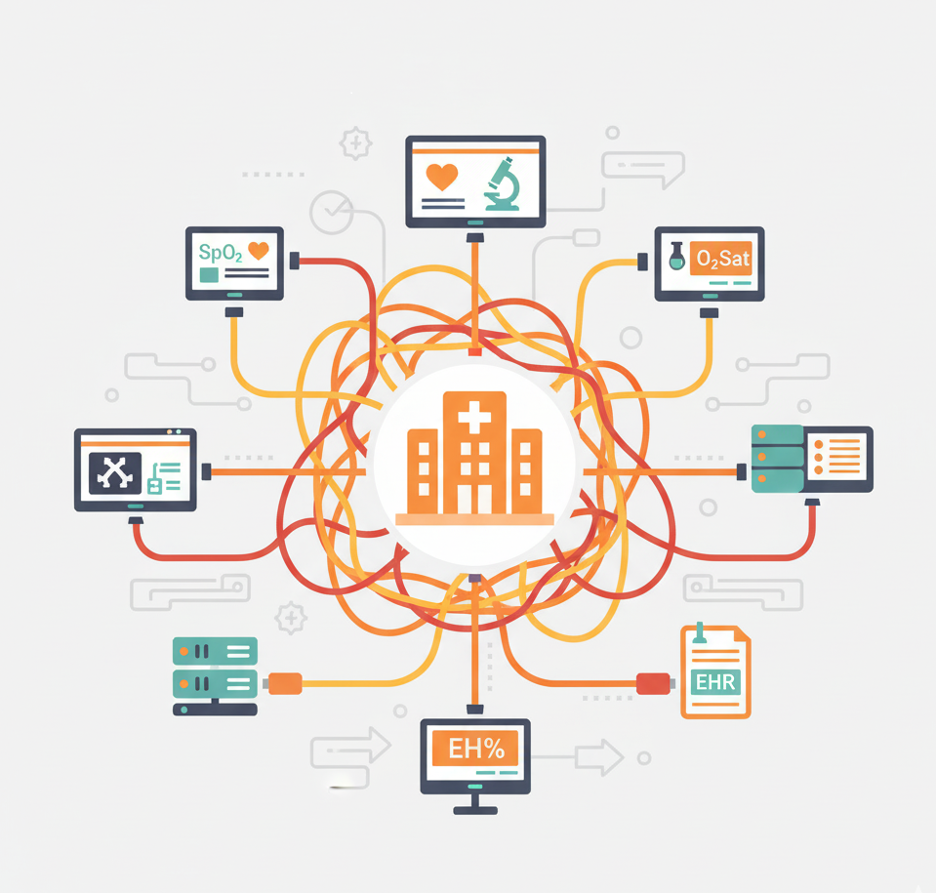
Telehealth Data Standardization – Building a Common Language for Connected Care Clinical & Business Implications The healthcare industry is rapidly moving toward API-based interoperability — where systems exchange structured data in real time rather than through static, vendor-specific formats. For Healthcare Organizations Unified Data Ecosystem: All devices and systems communicate through a single REST–JSON framework. Improved Patient Safety: Standardized data reduces transcription errors and ensures real-time availability of vital information. Faster Digital Transformation: Simplifies onboarding of new telehealth services and connected devices. Regulatory Readiness: Natively supports FHIR and DICOMweb, meeting global interoperability mandates. For TMA Solutions Strengthens its position as a HealthTech enabler providing scalable, secure, and interoperable integration solutions. Expands opportunities for partnerships with medical device manufacturers and hospital IT providers. Builds the foundation for future AI and data analytics modules powered by standardized, high-quality datasets. By standardizing all device communication through REST API and JSON, TMA Solutions is helping healthcare providers dismantle the “Babel Tower” of incompatible systems. This unified, API-first framework transforms telehealth integration into a faster, safer, and smarter process — paving the way for truly connected, data-driven healthcare. Research-Backed Impact Independent research and industry data consistently show that standardized REST–JSON interoperability brings measurable improvements in efficiency, accuracy, and scalability. Integration Time: REST APIs reduce integration setup time by 40–60% compared to traditional HL7 message mapping. Error Reduction: JSON-based validation eliminates up to 90% of semantic mismatches between systems. System Scalability: API-based architectures handle up to 5× more concurrent device connections with minimal code changes. Data Quality: Unified schemas ensure consistent field names, units, and timestamps across all sources — improving downstream analytics accuracy. Operational Efficiency: Reduces maintenance workload and integration cost, enabling faster onboarding of new hospitals and devices. These results are supported by findings from Rhapsody Health, TechMagic, and Orangesoft, which highlight RESTful APIs as the proven foundation for modern telehealth integration. TMA Solutions – Current Capabilities To address this growing challenge, TMA Solutions has developed a data standardization framework for healthcare integration — designed to unify data communication across telehealth ecosystems. At its core, the framework converts all medical data into a common REST API + JSON format, ensuring every connected device or external system communicates through a single, universal protocol. Key Features of TMA’s Standardization Approach Unified Communication: All incoming HL7, DICOM, or proprietary data streams are normalized into JSON via an Integration Engine before entering the telehealth platform. Structured Data Schema: A predefined JSON schema specifies mandatory fields such as patient identifiers, device type, observation type, value, unit, and timestamp — ensuring every dataset meets the same validation standard. Plug-and-Play Integration: New devices can be integrated rapidly without writing new adapters for each data format. Security and Compliance: All data is encrypted using TLS 1.3, authenticated with OAuth2, and compliant with HIPAA/GDPR regulations. By simplifying how data moves between systems, TMA’s REST–JSON model transforms healthcare integration from a code-heavy process into a scalable, API-driven ecosystem that supports both hospital-based and remote care workflows. Data standardization framework for healthcare integration Clinical Context – The Babel Tower of Healthcare Data Telehealth platforms today must connect to a vast ecosystem of legacy hospital systems and medical devices, each speaking a different digital language. From HL7 v2/v3 and DICOM imaging to FHIR APIs, every protocol carries its own syntax, structure, and semantics — creating the so-called “Babel Tower” of healthcare interoperability. For hospitals and health networks, this means endless custom code to integrate monitors, laboratory analyzers, and imaging systems — each using distinct message formats, field names, and measurement units. A simple clinical parameter such as SpO₂ might appear as “SpO2”, “O₂Sat”, or “O₂%”, depending on the vendor. The result is fragmented data, integration delays, and maintenance overhead whenever a new device or protocol version is introduced. Even with middleware tools like Mirth Connect or Rhapsody, semantic inconsistencies persist, forcing IT teams to constantly patch data flows just to keep systems in sync. This fragmentation not only slows digital transformation but also risks incomplete patient records and disrupts continuity of care — especially in telehealth environments where interoperability and real-time data are essential. Clinical Context – The Babel Tower of Healthcare Data...
icon
Telehealth Platform Development For Remote Patient Care https://www.tmasolutions.com/industries/healthcare Healthcare delivery has undergone a major transformation in recent years, driven by advances in digital technologies and changing patient expectations. Telehealth platforms have emerged as a key enabler of remote patient care, allowing healthcare providers to deliver consultations, monitor patients, and maintain continuous engagement beyond traditional clinical settings. According to the World Health Organization (WHO), digital health technologies are critical to improving healthcare accessibility and supporting universal health coverage. The COVID-19 pandemic further accelerated the adoption of telehealth, highlighting its role in expanding access to care while reducing pressure on healthcare systems. Today, https://www.tmainnovation.com/healthcare/data-collection-monitoring/vital-sign-collection-monitoring telehealth platform development is becoming a strategic priority for hospitals, clinics, homecare providers, and digital health organizations seeking to deliver more connected and patient-centered care. What Is a Telehealth Platform? A telehealth platform is a digital solution that enables healthcare providers and patients to communicate, exchange medical information, and deliver healthcare services remotely through secure technologies. The impact of telehealth extends beyond improving access to care. A meta-analysis of 127 randomized controlled trials found that telehealth interventions reduced hospitalizations and improved patient outcomes, with condition-related admissions falling by 37 cases per 1,000 patients, demonstrating the potential of telehealth to improve clinical outcomes and reduce healthcare utilization. Enabling Virtual Healthcare Delivery Modern telehealth platforms go far beyond simple video calls. They function as comprehensive digital ecosystems that support continuous care, remote diagnostics, and personalized treatment. Core Functions of Telehealth Platforms In addition, a 2024 study reported that 75% of telehealth users were satisfied with their virtual care experiences, highlighting the growing acceptance and effectiveness of remote healthcare delivery. Modern telehealth platforms provide a broad range of capabilities that support virtual care delivery and ongoing patient engagement. These functions typically include: Video consultations and secure messaging. Appointment scheduling. Electronic prescriptions. Patient health record management. Remote patient monitoring integration. Medication reminders and follow-up care. Supporting Continuous Patient Engagement Unlike traditional episodic care, telehealth platforms enable healthcare providers to maintain ongoing communication with patients, improving treatment adherence and care coordination. Expanding Access to Healthcare Services Telehealth is helping bridge gaps in healthcare access, particularly for populations that face geographical, mobility, or resource constraints. According to the World Health Organization (WHO), at least 4.5 billion people, more than half of the global population, were not fully covered by essential health services in 2021. By enabling virtual care and reducing the need for travel, telehealth platforms can help healthcare providers extend services to a broader patient population while improving continuity of care. Improving Healthcare Reach Telehealth platforms are particularly beneficial for populations that face geographical, mobility, or healthcare resource limitations. By extending care beyond traditional clinical settings, these solutions help providers reach a broader range of patients, including: Rural and underserved communities. Elderly populations. Patients with chronic diseases. Homecare and long-term care services. Reducing Barriers to Care In addition to expanding access, telehealth helps remove many of the logistical challenges associated with in-person healthcare visits. Remote care offers several advantages for patients, such as: Minimize unnecessary hospital visits. Save travel time and costs. Access specialists more conveniently. Receive timely follow-up care. How TMA Solutions Supports Telehealth and Remote Patient Care with mCare As healthcare organizations increasingly embrace digital health, https://www.tmasolutions.com/ TMA Solutions has developed mCare, a digital health platform designed to support telehealth services, remote monitoring, and continuous patient engagement. mCare Telehealth Capabilities mCare - Comprehensive Digital Health Platform by TMA Solutions mCare enables healthcare providers to deliver remote care while maintaining strong connections with patients. Virtual Care and Patient Engagement mCare offers a variety of features that facilitate remote healthcare delivery, including: Video consultations and telehealth services. Appointment scheduling and reminders. Medication management and notifications. Secure communication between patients and healthcare professionals. Remote Monitoring and Chronic Disease Management The platform also supports continuous monitoring and home-based care through capabilities such as: Integration with wearable devices and medical sensors. Real-time health data collection. Personalized care plans. Alert mechanisms for timely interventions. Enabling Digital Healthcare Transformation Beyond telehealth, mCare integrates remote monitoring capabilities that allow providers to track patient health continuously through connected devices and real-time data sharing. The platform supports chronic disease management, homecare services, and proactive interventions, helping improve patient outcomes while reducing unnecessary hospital visits. By combining telehealth, AI, IoT, and data-driven technologies, mCare enables healthcare organizations to build more connected and patient-centered care ecosystems. Supporting Homecare Providers For homecare and long-term care organizations, mCare helps: Extend care beyond hospitals and clinics. Improve chronic disease management. Enhance collaboration among caregivers and healthcare professionals. Increase patient engagement and treatment adherence. Delivering Personalized Care Experiences Through continuous connectivity and intelligent health insights, mCare empowers providers to deliver: More proactive healthcare services. Better patient experiences. Greater care accessibility. Improved long-term health outcomes. Conclusion Telehealth platforms are reshaping the future of healthcare by enabling more accessible, efficient, and patient-centered care. From virtual consultations and remote patient monitoring to AI-powered insights and connected healthcare ecosystems, telehealth technologies are helping organizations deliver continuous care beyond the walls of traditional healthcare facilities. As demand for homecare and chronic disease management continues to grow, healthcare providers must invest in scalable and interoperable digital platforms that can support long-term transformation. Solutions such as mCare from TMA Solutions demonstrate how telehealth, remote monitoring, and intelligent technologies can work together to improve patient outcomes, optimize clinical workflows, and create more connected healthcare experiences. Organizations that embrace telehealth platform development today will be better positioned to meet the evolving needs of patients and build more resilient healthcare systems for the future. Emerging Trends in Telehealth Platform Development Telehealth platform development is shifting from simple video-calling tools to comprehensive digital ecosystems. Key trends include the integration of Generative AI for clinical note-taking, expanded Remote Patient Monitoring (RPM) via wearable IoT devices, hybrid care models blending in-person and virtual visits, and the standardization of cross-platform EHR interoperability. AI and Remote Patient Monitoring Integration Artificial intelligence and connected devices are expanding the capabilities of telehealth beyond virtual consultations. AI Applications in Telehealth AI technologies are helping healthcare organizations improve clinical decision-making and patient engagement through capabilities such as: Predictive analytics for early risk detection. AI-assisted clinical decision support. Personalized care recommendations. Automated alerts and reminders. Supporting Data-Driven Healthcare The integration of telehealth with remote patient monitoring enables more continuous and personalized care. These technologies help providers: Monitor patient conditions in real time. Identify abnormalities earlier. Prioritize high-risk patients. Deliver more proactive interventions. Connected Healthcare Ecosystems Healthcare organizations are increasingly moving toward interoperable digital ecosystems that connect patients, providers, and medical devices. Technologies Driving Innovation Several technologies are accelerating telehealth transformation, including: Wearable devices and IoT sensors. Cloud computing platforms. Mobile health applications. Electronic health records (EHRs). AI and advanced analytics. Creating Seamless Patient Experiences Connected ecosystems enable healthcare providers to deliver more coordinated and patient-centric services by supporting: Continuous access to patient data. Improved care coordination. Faster clinical decision-making. More personalized healthcare experiences. Key Components of Telehealth Platform Development Developing an effective telehealth platform requires more than enabling virtual consultations. Healthcare organizations must build secure, interoperable, and scalable solutions that support seamless communication, efficient care coordination, and regulatory compliance. Communication and Collaboration Tools Reliable communication capabilities are fundamental to delivering high-quality remote care and maintaining continuous patient engagement. Essential Communication Features Modern telehealth platforms typically incorporate a variety of communication and care management functions, including: Secure video consultations and messaging. Voice calls and virtual interactions. Electronic referrals and prescriptions. Appointment scheduling and notifications. Supporting Better Care Coordination Integrated communication tools help connect healthcare providers, patients, and caregivers throughout the care journey. These capabilities can facilitate: Multidisciplinary collaboration. More efficient information sharing. Improved continuity of care. Enhanced patient engagement. Data Integration and Interoperability Telehealth platforms must be able to exchange information seamlessly across different healthcare systems and devices to support coordinated and data-driven care. Integration Capabilities To create connected healthcare ecosystems, telehealth solutions should support integration with: Electronic Health Records (EHRs). Wearable devices and remote monitoring systems. Laboratory information systems. Pharmacy management platforms. Third-party healthcare applications. Building Connected Digital Ecosystems Strong interoperability enables healthcare organizations to establish a unified view of patient information and achieve: Better clinical decision-making. Reduced information silos. Improved care coordination. More personalized treatment plans. Security and Regulatory Compliance Given the sensitivity of healthcare information, protecting patient data and ensuring regulatory compliance are essential requirements for telehealth platform development. Modern telehealth platforms should incorporate robust security mechanisms such as: End-to-end encryption. Role-based access controls. Audit logs and monitoring capabilities. Secure cloud infrastructure. Regulatory Compliance: Adherence to data protection frameworks such as HIPAA in the United States, GDPR in Europe, or corresponding national health ministry guidelines. According to the U.S. Department of Health and Human Services (HHS), maintaining privacy and security is a critical foundation for the successful adoption of telehealth and digital health technologies. Benefits of Telehealth Platforms for Remote Patient Care Telehealth platforms revolutionize remote patient care by removing geographic barriers, cutting travel times, and lowering healthcare costs. Research published in Health Affairs Scholar found that telehealth use was associated with an average reduction of $1,814 in medical costs per patient, along with 88.6 fewer emergency department visits and 32.4 fewer inpatient admissions. Key Advantages for Patients Maximized Accessibility: Patients in rural or underserved areas can access specialists without undertaking long, expensive journeys. Convenience & Efficiency: Eliminates time spent commuting or waiting in crowded clinics, allowing individuals to easily schedule appointments around work or childcare. Better Chronic Management: Remote patient monitoring (RPM) allows for the continuous tracking of conditions like diabetes, heart failure, and hypertension, leading to better health outcomes. Improved Safety: Reduces the spread of contagious infections (like COVID-19) by limiting contact in waiting rooms. Key Advantages for Providers Increased Reach & Efficiency: Doctors can see more patients by eliminating physical transition times and reducing appointment cancellations. Lower Operational Costs: Reduced reliance on physical office space, waiting rooms, and administrative overhead. Enhanced Work-Life Balance: Flexibility in scheduling virtual consultations allows for remote working opportunities and more manageable clinic hour Challenges in Telehealth Platform Development Despite its growing adoption, telehealth implementation presents several technical and operational challenges. Telehealth platform development requires navigating strict regulatory compliance (like HIPAA), achieving seamless interoperability with legacy Electronic Health Record (EHR) systems, and securing highly sensitive medical data against breaches. Developers must also overcome technical constraints, varying digital literacy, and provide robust multi-language support. Interoperability and Data Integration Healthcare data is often fragmented across different systems, making seamless information exchange difficult. Common Technical Barriers Building a secure platform means adhering to a complex web of healthcare laws. Organizations frequently encounter obstacles such as: Data Protection : Platforms must comply with privacy regulations, such as HIPAA in the US or GDPR in Europe, to prevent costly data breaches. Data Encryption : All patient data, both at rest and in transit, requires rigorous end-to-end encryption. Authentication: Implementing secure, multi-factor authentication (MFA) is mandatory for both providers and patients to verify identities. Achieving Interoperability Telehealth apps cannot operate in a silo; they must sync seamlessly with existing healthcare infrastructure. To create connected healthcare ecosystems, organizations should focus on: EHR Integration: Integrating with established EHR systems allows doctors to access medical histories, prescriptions, and lab results without disrupting their workflow. Health Data Standards: Utilizing standardized protocols like HL7 and FHIR (Fast Healthcare Interoperability Resources) is critical for enabling data exchange between different medical software and diagnostic tools. Patient Adoption and Digital Literacy Successful telehealth programs depend not only on technology but also on patient engagement and accessibility. A telehealth platform is only as good as its adoption rate among patients and doctors. Barriers to Adoption Patients may face various challenges when using telehealth services, including: Limited digital literacy. Language barriers. Poor internet connectivity. Lack of access to smartphones and digital devices. Improving Accessibility and Engagement Healthcare providers can improve adoption by prioritizing: Digital Divide: Developers must account for varying levels of technological literacy and limited broadband access for patients in rural or disadvantaged communities. Intuitive Interfaces: Both patient and provider dashboards must be incredibly easy to use and navigate. Accessibility: Incorporating features like adjustable font sizes, screen-reader compatibility, and multi-language interfaces ensures inclusivity....
icon
The bottom line Telemedicine is revolutionizing healthcare with solutions that enhance patient access and streamline practice operations. By integrating telemedicine solutions - such as virtual assistants, advanced pet healthcare, and automated pharmacy systems - you can stay ahead in delivering modern, effective healthcare. Make sure you pay TMA Solutions’s site a visit to optimize your practice and embrace the future of telemedicine. Select TMA Solutions for top-quality telemedicine solutions TMA Solutions' telemedicine services are designed to bridge the gap between healthcare providers and patients, ensuring high-quality medical care regardless of geographical barriers. By utilizing state-of-the-art technologies, TMA enables remote consultations, real-time health monitoring, and effective chronic disease management. Our solutions are tailored to meet the needs of both healthcare providers and patients, enhancing the overall healthcare experience. TMA Solutions leverages advanced technology to enhance healthcare delivery TMA Solutions' areas of expertise include: Remote Health Monitoring: TMA Solutions develops systems that enable continuous monitoring of patients' vital signs and health metrics, ensuring timely interventions and personalized care. Medical Device Integration: We specialize in integrating various medical devices into telemedicine platforms, facilitating seamless data transfer and real-time health monitoring. Healthcare Data Analytics: Utilizing big data and AI, TMA provides insights and predictive analytics to improve clinical decision-making and patient outcomes. Pharmacy Automation: TMA's solutions streamline pharmacy operations, enhancing efficiency and accuracy in medication management. Senior Care Services: We offer telemedicine solutions tailored for senior care, providing remote monitoring and support to enhance the quality of life for elderly patients. Clinical Research Tools: TMA develops tools that assist in clinical research, enabling efficient data collection and analysis for better healthcare innovations. Healthcare Self-Services: Our platforms empower patients with self-service tools, including appointment scheduling, teleconsultations, and access to personal health records. Petcare: Extending telemedicine to veterinary care, TMA provides solutions for remote monitoring and consultations for pets. Fitness Solutions: TMA integrates fitness tracking and health management, promoting wellness and preventive care through telemedicine. Case Study: Enhancing Client Experience with Healthcare Virtual Assistant by TMA Solutions A leading healthcare provider faced significant challenges in maintaining patient engagement, optimizing operational efficiency, and scaling their services to meet growing demands. To address these issues, they partnered with TMA Solutions to develop an innovative healthcare virtual assistant. TMA's solution seamlessly integrated with the client’s existing electronic health record (EHR) system, ensuring that patient data remained accurate and up-to-date, thereby enhancing clinical decision-making. The virtual assistant was also designed to scale, allowing the client to efficiently manage an increasing patient base without compromising the quality of service. Healthcare virtual assistant developed by TMA Solutions As a result, the healthcare provider experienced improved patient engagement and satisfaction, greater operational efficiency, and better adherence to treatment plans. This comprehensive approach not only alleviated the workload on healthcare staff but also provided a superior healthcare experience for patients. 5 Essential Telemedicine Solutions Transforming Healthcare Today /insights/telemedicine-solution#telemedicine_solution Telemedicine solutions leverage technology to enable remote healthcare delivery, connecting patients with medical practitioners regardless of distance or time zone. It also facilitates collaboration among healthcare professionals. This technology enhances medical practices by allowing access to care for patients who can't visit in person due to location, financial constraints, or health issues. If you want to explore the top telemedicine solutions to boost your practice, we’ve got you covered! Five varieties of telemedicine solutions Telemedicine has revolutionized healthcare delivery by offering diverse solutions tailored to different needs: Store-and-forward telemedicine This asynchronous method enables the secure sharing of patient data, including images, videos, and lab results, between healthcare providers. For example, a primary care physician can send a photo of an inflamed eyelid to an ophthalmologist for diagnosis and treatment recommendations. This approach supports efficient collaboration among patients, healthcare providers, and specialists, making it especially valuable in fields like dermatology, ophthalmology, pathology, and radiology. It is particularly beneficial for patients in remote areas by overcoming geographical and time zone barriers. Automated Medication Management Solution by TMA for Australia firm Remote patient monitoring Also known as telemonitoring, this telemedicine solution uses medical devices to track patients' health metrics such as heart rate, blood pressure, glucose levels, and weight from their homes. This data is then transmitted to healthcare professionals, facilitating continuous monitoring and timely interventions. This approach is particularly useful for high-risk patients, those recovering post-hospitalization, and individuals with chronic conditions like diabetes or asthma. Improve senior care services with a remote health monitoring system Real-time interactive telemedicine This form of telemedicine solution involves live interactions between patients and healthcare providers via chat, phone, or video conference. It is often used for primary care, urgent care, chronic disease management, and follow-up visits. Real-time telemedicine provides a similar experience to in-person visits, allowing providers to review medical records, discuss test results, and offer treatment. Studies show that video consultations are as effective as traditional healthcare visits, provided that professional medical software ensures patient privacy and confidentiality. Streamline pharmacy operations with a cloud-based solution by TMA Solution Mobile health (mHealth) Mobile health leverages smartphones, tablets, and smartwatches to facilitate healthcare delivery. It includes features such as remote patient monitoring and real-time interactive telemedicine, allowing healthcare providers to communicate with patients through targeted messages and share health information easily. Mobile health apps offer convenient wellness tracking Remote medical consultations and training Beyond patient care, telemedicine is used for professional development and knowledge sharing among medical practitioners. It enables video consultations with specialists, facilitates the exchange of expertise and techniques across borders, and supports healthcare education programs in underserved areas. Remote medical consultations and training among medical practitioners Telemedicine engineering solutions are revolutionizing healthcare by bridging the gap between patients and providers through diverse, innovative approaches. For instance, store-and-forward telemedicine enables the secure, asynchronous sharing of medical data, facilitating expert consultations without the need for immediate interaction. Remote patient monitoring leverages connected devices to continuously track vital signs, ensuring timely intervention for high-risk patients. Real-time interactive telemedicine brings the immediacy of in-person consultations to a digital format, while mobile health (mHealth) extends care to patients' smartphones and wearables, offering both convenience and comprehensive wellness tracking. Additionally, remote medical consultations and training empower healthcare professionals to exchange expertise and expand their knowledge, further enhancing patient care in underserved regions. >> For more insights about telemedicine and eHealth solutions in clinical practice, check out this PDF file here: Source: Telemedicine and eHealth Solutions in Clinical Practice , EAI Endorsed Transactions on Pervasive Health and Technology, October 2023. Telemedicine and eHealth Solutions in Clinical Practice Benefits of telemedicine solutions Here are the main benefits of telemedicine solutions. Accessibility Telemedicine significantly enhances accessibility to healthcare services, allowing patients to receive medical consultations from the comfort of their homes. This is particularly beneficial for individuals with mobility issues, chronic illnesses, or those living in remote and rural areas where access to healthcare facilities may be limited. By using telemedicine, these patients can connect with healthcare providers without the need for extensive travel, ensuring they receive timely medical attention. Doctor monitors patient's vital signs remotely Convenience One of the primary benefits of telemedicine is the convenience it offers. Patients can schedule and attend appointments without the need for physical travel, saving time and effort. This is especially important during pandemics or outbreaks of contagious diseases, as it reduces the risk of exposure to other illnesses in crowded waiting rooms. Telemedicine also eliminates the need for taking time off work or arranging childcare, making healthcare more accessible to busy individuals. Patients do not need to come directly to the hospital for examination Cost-Efficiency Telemedicine can lead to significant cost savings for both patients and healthcare providers. For patients, it reduces travel expenses, time off work, and childcare costs. For healthcare providers, it lowers the overhead costs associated with maintaining physical office spaces, including utilities, office supplies, and staffing. By reducing the need for in-person visits, telemedicine can help manage healthcare costs more effectively. Continuity of care Telemedicine ensures continuous and consistent care for patients by facilitating regular follow-ups and monitoring. This is especially beneficial for managing chronic diseases, post-operative care, and mental health conditions. Patients can have frequent check-ins with their healthcare providers, leading to better health outcomes and early detection of potential issues. This ongoing monitoring and management improve patient outcomes and help in the effective management of health conditions. Telemedicine provides patients with continuous and consistent care Enhanced patient engagement Telemedicine encourages patients to take an active role in their healthcare. The convenience of virtual visits means patients are more likely to keep their appointments and engage in their treatment plans. Features like remote monitoring devices and mobile health applications enable patients to track their health metrics and share data with their healthcare providers, fostering a collaborative approach to health management. This increased engagement can lead to more proactive health behaviors and better adherence to treatment plans. Telemedicine empowers patients to engage actively in their healthcare Enhancing your medical practice Telemedicine enables medical practitioners to enhance their practice by expanding their expertise and knowledge base. For instance, an ophthalmologist in Vietnam can use telemedicine to connect with other specialists worldwide to share and gain medical insights. Additionally, telemedicine solutions can be utilized for medical staff training. Healthcare providers can hold video conferences with other medical professionals and experts to improve their staff's knowledge on specific topics, leading to better-informed and skilled medical teams. Virtual medical conferences are easy with telemedicine solutions By leveraging these benefits, telemedicine solutions play a crucial role in transforming healthcare delivery, making it more accessible, efficient, and patient-centered. Steps to implement telemedicine software Implementing telemedicine software requires a systematic approach to ensure successful integration into your healthcare practice. Here are the key steps: Research and evaluate options: Start by researching various telemedicine solutions, considering factors such as cost, features, user-friendliness, and compatibility with your existing systems. Select a solution that aligns with your practice's needs and patient demographics. Train healthcare providers and staff: Proper training is essential for the successful adoption of telemedicine. Ensure that all healthcare providers and staff are proficient in using the software and understand how to effectively interact with patients in a virtual setting. Promote telemedicine services to patients: To maximize the use of your telemedicine services, develop marketing and outreach strategies to inform patients about the availability and benefits of virtual care. This can include online campaigns, emails, and in-office materials that explain how telemedicine can provide convenient and accessible healthcare. Ensure compliance with privacy and security regulations : Compliance with privacy laws, such as HIPAA, is crucial when implementing telemedicine. Ensure that your telemedicine software adheres to all relevant regulations to protect patient data and maintain confidentiality. Steps ensure effective telemedicine implementation, improving care and security Applications of telemedicine solutions Managing chronic conditions through remote monitoring Telemedicine has become a powerful tool for managing chronic conditions, offering healthcare providers and patients an effective way to track and manage health remotely. With telemedicine solutions, such as remote patient monitoring, patients can continuously monitor vital signs and transmit this data directly to their primary care providers. This real-time data sharing allows for timely interventions without the need for frequent in-person visits. For example, a patient with diabetes can regularly monitor glucose levels from home, reducing the need for constant physical check-ups. Additionally, if a patient has concerns or requires consultation, real-time interactive telemedicine allows them to connect directly with their healthcare provider to discuss their condition. This approach not only improves patient convenience but also enhances the efficiency of healthcare delivery. By reducing the need for in-person visits, telemedicine helps manage chronic conditions more cost-effectively, ensuring patients receive consistent care even when they cannot regularly visit the practice. mCareKit - TMA Solutions' at-home healthcare solution Addressing minor urgencies remotely Telemedicine offers a highly effective way to manage minor urgencies without the need for in-person visits. By leveraging telemedicine solutions, healthcare providers can address patient needs quickly and conveniently, improving patient care and satisfaction. For example, patients with conditions such as pollen allergies can avoid the potential exacerbation of symptoms caused by leaving their homes for a doctor's visit. Instead, they can arrange a video conference with their healthcare provider to discuss treatment options or obtain prescriptions from the comfort of their home. Telemedicine provides prompt, effective care for minor urgencies Similarly, if a patient presents with a minor skin rash, telemedicine allows for the use of store-and-forward technology. The primary care provider can capture and send images of the rash to a dermatologist, who can then offer a diagnosis and recommend appropriate treatment remotely. These telemedicine capabilities enable patients to receive urgent care that is both prompt and effective, minimizing inconvenience and enhancing access to necessary medical attention. Conducting routine follow-ups online Telemedicine solutions have revolutionized the way medical professionals conduct routine follow-ups, offering a time-saving and cost-effective alternative to traditional in-person visits. Research indicates that, on average, patients spend approximately 34 minutes traveling to see a healthcare provider. Telemedicine effectively eliminates this need by enabling patients to connect with their providers via chat, video, or phone call for routine follow-ups. By conducting these follow-ups online, telemedicine not only saves patients time but also reduces the financial burden associated with travel and time off work. This approach allows healthcare providers to efficiently monitor treatment progress and maintain regular patient engagement, all while enhancing convenience and accessibility for the patient. Overall, telemedicine provides a practical solution for managing routine follow-ups, making healthcare more accessible and efficient for both patients and providers. Perform routine online follow-ups for pets with TMA's solution Facilitating virtual consultations Telemedicine empowers healthcare providers to conduct remote consultations with patients from anywhere, offering greater flexibility and control over their schedules. This capability allows medical professionals to optimize their time by dedicating specific days to virtual consultations, enabling them to work from home while maintaining high-quality care standards. By eliminating the need to rush between office appointments, meetings, and home visits, telemedicine helps doctors manage their workload more effectively, reducing the risk of clinician burnout. It also enhances work-life balance by allowing healthcare providers to spend more focused time interacting with patients without the pressures of a traditional office environment. Telemedicine reduces burnout and enhances work-life balance for providers In summary, telemedicine not only enhances patient care but also supports healthcare providers in managing their schedules more efficiently, ultimately contributing to improved job satisfaction and overall well-being. Improving your medical practice Telemedicine offers healthcare providers a powerful tool to enhance their medical practice by expanding their expertise and facilitating continuous learning. Through telemedicine solutions, practitioners can connect with other experts worldwide, sharing insights and gaining valuable medical knowledge. For instance, an ophthalmologist in the United States can collaborate with peers globally, exchanging best practices and advancements in eye care. Additionally, telemedicine provides an effective platform for medical staff training. By hosting video conferences with specialists and industry leaders, healthcare providers can improve their staff's knowledge on specific topics, ensuring they stay updated with the latest medical advancements. Overall, telemedicine not only broadens a practitioner's expertise but also fosters a culture of continuous improvement and learning within the medical practice. This ultimately leads to better patient care and a more robust healthcare service. Enhance your medical practice with TMA's research tool...

icon
Telemedicine has rapidly evolved—driven by key telemedicine trends —from a niche solution to a critical component of modern healthcare. This technology is redefining how care is delivered, making healthcare more accessible, efficient, and patient-centric. In this article, we’ll explore the benefits of telemedicine, address the technology challenges, and highlight key trends and innovations expected to shape the future of virtual healthcare. Benefits of telemedicine Telemedicine trends have become indispensable parts of modern healthcare, driven by the need for accessible and cost-effective care. Here’s an analysis of the key benefits that are reshaping the healthcare landscape: Addressing healthcare workforce shortages The ongoing shortage of healthcare professionals, particularly in rural and underserved regions, has highlighted the importance of telemedicine. Virtual care helps bridge this gap by enabling providers to deliver care remotely, ensuring patients in remote areas can access specialized services such as psychiatry, oncology, and urology without requiring in-person visits. This model extends the reach of healthcare systems while optimizing the workload of existing medical staff. Labor cost efficiency The healthcare workforce shortage, compounded by the surge in patient demand during the pandemic, has driven up staffing costs significantly. Telemedicine helps healthcare organizations control these expenses by reducing the need for additional on-site staff. A recent study revealed that telehealth services can reduce system-wide costs by over 50%, offering a more sustainable solution to managing operational budgets. Enhanced access to specialty care Telemedicine is uniquely positioned to address gaps in specialty care by connecting patients with specialists who may be geographically distant. Many healthcare systems now use virtual consults to fill part-time demands for specialty services, eliminating the need to hire full-time providers for limited cases. This on-demand model improves patient access to timely care without straining resources. Mitigating provider burnout Telemedicine offers a reprieve for overburdened healthcare providers, helping reduce the likelihood of burnout. By incorporating virtual care solutions, healthcare systems can redistribute workloads, making it easier for physicians to manage their schedules and reduce time-intensive in-person visits. Combating healthcare provider burnout through telemedicine However, staffing virtual care programs with adequately trained telehealth providers remains a challenge that requires strategic planning, including the use of locum tenens physicians specialized in virtual care delivery. Conclusion Telemedicine trends are set to redefine healthcare delivery, improving patient outcomes and expanding access to care. However, addressing challenges such as data security, digital literacy, and connectivity is crucial for its long-term success. By adopting innovative solutions like AI, RPM, and personalized digital therapeutics, the healthcare industry can unlock the full potential of virtual care. For healthcare providers and stakeholders, staying informed about the latest trends and best practices is key to navigating the future of telemedicine successfully. Telemedicine trends and technologies in 2025 As healthcare embraces digital transformation, telemedicine continues to evolve with groundbreaking trends and technologies. Below is an expert analysis of the top telemedicine trends of 2025, highlighting how they are shaping patient care and healthcare delivery. Remote patient monitoring (RPM) for home-based healthcare Overview Remote Patient Monitoring (RPM) revolutionizes chronic disease management, post-surgical recovery, and elderly care by enabling continuous health tracking outside clinical settings. RPM-related claims volumes have risen approximately 1,300% from 2019 to 2022, and a 2022 study found that the percentage of physicians using remote monitoring devices grew from 12% in 2016 to 30% in 2022. Key benefits Real-Time Data Collection: Wearables like ECG monitors, pulse oximeters, and smart scales track vital signs continuously. Immediate Alerts: RPM sends instant notifications to healthcare providers when abnormal metrics are detected. Patient Empowerment: Custom mobile health apps (mHealth) enable patients to access health dashboards and engage in their care. Convenience: Reduces the need for frequent in-person visits, supporting home-based care. Case example TMA Solutions' platform for heart failure patients employs vital sign monitoring, including real-time tracking of heart rate, blood pressure, and other relevant metrics, within its cloud-based RPM system. This allows for early detection of warning signs and prompt alerts to providers, significantly reducing hospital readmissions. Remote Patient Monitoring is transforming for home-based healthcare Personalized digital therapeutics (DTx) Overview Digital Therapeutics (DTx), a key component of emerging telemedicine trends , leverages data-driven, personalized treatment plans to manage chronic illnesses like diabetes and mental health disorders. By integrating real-time data from wearables and patient-reported outcomes (PRO), DTx platforms support continuous and tailored healthcare. Key components Remote Therapeutic Monitoring (RTM): Tracks health data to adjust treatment in real-time. Patient-Reported Outcomes (PRO): Allows patients to log symptoms, providing insights into treatment effectiveness. Virtual Rehabilitation: Offers virtual programs and self-guided therapy for managing physical and mental health. Psychoeducation Platforms: Mental health DTx platforms like SilverCloud and Woebot Health provide cognitive behavioral therapy (CBT)-based modules for mood management. Clinical Decision Support Systems (CDSS): Helps providers make data-informed decisions, improving care quality. Artificial intelligence (AI) in telemedicine Overview AI is transforming telemedicine with smart diagnostics, predictive analytics, and personalized care recommendations. Major players like IBM, Google Cloud AI, and Microsoft are leading advancements in cognitive computing. Applications of AI in telemedicine Diagnostics and Imaging: AI-based tools enhance diagnostic accuracy by up to 40%, aid early disease detection, and automate image segmentation to streamline medical research processes. Predictive Analytics and Cognitive Computing: Forecast health risks through cognitive computing and analyzing data patterns to predict early interventions and personalize treatment plans. Intelligent Patient Monitoring: Integrates with wearables to provide real-time alerts and automated health coaching. AI-Powered Decision Trees and Care Coordination: AI guides clinical decisions, assists care coordination, and suggests follow-ups, accelerating decision-making and improving healthcare accessibility and cost-effectiveness. Digital Twin Health Modeling: AI builds virtual patient replicas using real-time data to predict health issues, simulate treatment outcomes, and fine-tune care plans for precise, personalized interventions. Example AI-powered chatbots stream patient inquiries, save doctors valuable time, and enable faster care routines. AI's role in enhancing telemedicine and patient care Big data and analytics in telehealth Overview Big Data enables data-driven healthcare, with the global healthcare data volume increasing from 2,300 exabytes in 2020 to 10,800 exabytes by 2025, representing an annual growth rate of 36%. This is one of the telemedicine trends that fuels insights that improve patient outcomes and operational efficiency. Key use cases: Predictive Analytics: Big Data can identify patterns in historical data, enabling early intervention and preventing potential health issues. Personalized Medicine: Techniques like digital phenotyping and clinical outcome tracking allow for customized treatment plans based on individual health data, including genetics, lifestyle factors, and real-time biometrics collected from wearables. Remote Patient Monitoring: Big Data empowers continuous patient monitoring through wearable data analysis. Anomaly detection algorithms identify irregularities and trigger alerts for timely intervention by healthcare providers. Population Health Management: Data fusion techniques combine information from various patient groups, revealing trends that can optimize preventative strategies and resource allocation across populations. Operational Efficiency: Big Data helps predict resource needs and streamline telehealth workflows through prescriptive analytics. Example The U.S. Department of Veterans Affairs uses Big Data to monitor veterans' health remotely, reducing hospitalizations through early interventions. Telepharmacy Overview Telepharmacy enhances access to medication services by enabling remote consultations, automated refills, and digital prescription transfers, particularly in underserved regions. Key features: Virtual Consultations: Improves access to medication information and ensures patient safety. Automated Dispensing: Uses smart cabinets to dispense medications in remote areas. Medication Therapy Management (MTM): Offers predictive insights to prevent medication-related complications. Prescription Synchronization & Refill Management: Automates refill reminders, improving medication adherence. Advanced Digital Tools: Telepharmacy uses integrated data, digital labeling, and real-time support to provide adaptive, patient-specific care. Augmented reality (AR) and virtual reality (VR) in telehealth Overview As part of current telemedicine trends , AR/VR technologies are elevating telehealth with immersive experiences for patient care, training, and rehabilitation. The U.S. AR/VR healthcare market is projected to reach approximately $11.2 billion by 2030, with a compound annual growth rate (CAGR) of around 28.12% during the forecast period from 2022 to 2030. Key applications Training & Education: AR/VR offers simulated training for healthcare professionals using real-world scenarios such as 360° video and spatial computing. Chronic Care Management: VR platforms deliver therapeutic experiences for managing chronic conditions (e.g., lower back pain). Rehabilitation: AR assists with virtual ward rounds and precise anatomical visualization. Telesurgery: Enables remote surgical consultations with precise guidance. Surgical Planning & Assistance: AR provides real-time 3D imaging for surgical visualization. Example The Department of Veterans Affairs uses VR to treat PTSD and chronic pain, demonstrating the technology's potential for mental health care. The impact of AR/VR applications on the future of telehealth Wearables and telehealth mobile apps (mApps) Overview Wearables and telehealth apps, key elements of current telemedicine trends , enable continuous health monitoring and real-time communication with healthcare providers. The global wearables market is projected to increase by USD 106.44 billion, growing at a compound annual growth rate (CAGR) of 18.08% between 2023 and 2028. Key Features Remote Patient Monitoring: Collects and transmits biometric data for chronic condition management and early detection. Chronic Care Management: Continuously monitors vital signs and alerts providers to deviations from normal ranges, enabling timely interventions. Lifestyle tracking: Tracks activity, sleep, and diet, offering personalized health recommendations. Data Integration: Syncs wearable data with electronic health records (EHRs) for comprehensive care, data-driven workflows, and predictive analytics. Rehabilitation & Recovery: Tracks patient progress during physical therapy and post-surgical recovery. Popular Devices Apple Watch: Provides ECG and blood oxygen tracking. Dexcom G6: Continuous glucose monitoring for diabetes patients. Whoop Strap: Tracks recovery and strain metrics for athletes. Telemedicine technology challenges Expanding telehealth services presents healthcare organizations with technological and operational challenges that must be addressed for successful implementation. Understanding current telemedicine trends is crucial for navigating these challenges. This analysis details the main telehealth challenges. System fragmentation and lack of standardization During the pandemic, many hospitals adopted telehealth solutions quickly and independently, leading to a fragmented ecosystem of disconnected platforms. This lack of cohesion resulted in systems that do not easily integrate with core hospital functions such as scheduling, billing, and electronic health records (EHR). Addressing this fragmentation requires a shift toward a unified telehealth platform that supports seamless integration and provides system-wide control. Security and platform integration A significant challenge in telehealth technology is ensuring that the solution is highly secure and integrates with existing digital tools. Telehealth platforms must align with healthcare requirements for privacy, data encryption, and compliance (e.g., HIPAA). Additionally, platforms should support workflows such as virtual rounding and patient billing while maintaining scalability for future expansion. Finding a solution that balances security, interoperability, and scalability can be a complex undertaking for healthcare organizations. Meeting consumer expectations for a digital-first experience Today’s "digital natives" expect healthcare access to be as convenient as any other online service. The challenge lies in creating a seamless "digital front door" experience where patients can easily book appointments, receive virtual consultations, and be routed to specialists if needed—all through a unified app or platform. Healthcare providers must invest in intuitive user interfaces and personalized experiences to meet these expectations. Meeting digital consumer expectations challenges in healthcare Identifying telehealth use cases One of the thorniest issues for health systems is determining where telehealth adds the most value compared to in-person visits. Organizations must map out every step of the patient care journey to pinpoint touchpoints where telehealth improves outcomes and efficiency. This comprehensive journey mapping requires an in-depth analysis of specialty services and patient interactions to ensure telehealth is used optimally. Telehealth staffing challenges Determining the right staffing model for telehealth services is a significant challenge. Health systems must decide whether to: Use their internal physicians, which offers control over protocols and costs but may strain already limited resources. Use the telehealth providers included with their adopted technology, which can reduce internal burdens but may limit customization and clinical oversight. Partner with third-party agencies or locum tenens services to fill staffing gaps, though this may introduce higher costs and potential variability in care quality. Balancing these staffing options requires careful planning to avoid overburdening internal teams and to maintain care consistency. Telemedicine Trends in 2025: What Healthcare Providers Should Know...