Home
Search
Found 797 results for “ “ keyword
icon
Custom AI Development Company for Digital Transformation Conclusion Digital transformation initiatives are increasingly dependent on AI to unlock value from enterprise data and automate complex processes. However, achieving sustainable results requires more than deploying generic AI tools. Partnering with a https://www.tmasolutions.ai/ custom ai development company enables organizations to build solutions that align with their operational realities, business objectives, and long-term growth strategies. For manufacturers, retailers, and ecommerce businesses, custom AI development provides a practical path toward greater efficiency, stronger decision-making, and scalable innovation. Why should enterprises choose TMA? Successful AI initiatives require more than model development. They require expertise across strategy, data engineering, AI development, system integration, deployment, and operational support. TMA supports enterprises through capabilities including: Generative AI and LLM solutions AI Agents and Enterprise Search Computer Vision and Quality Inspection Smart OCR and Document Intelligence Predictive Analytics and Demand Forecasting Data Platforms and Data Lakehouse solutions MLOps and AI Operations AI Consultancy and Data Maturity Assessment Custom AI Application Development TMA AI Center Delivering Enterprise AI Solutions Across Industries What is the strategic next step for enterprises? Organizations are under increasing pressure to improve efficiency, reduce operational complexity, and make faster business decisions. AI can help automate repetitive tasks, improve operational visibility, support predictive decision-making, and create better customer experiences across manufacturing, ecommerce, and retail environments. TMA provides end-to-end capabilities spanning AI strategy, feasibility assessment, PoC development, data platforms, AI application development, system integration, and enterprise-scale deployment. Contact https://www.tmasolutions.com/ TMA Solutions to discuss how a tailored AI solution can support your digital transformation goals and business priorities. Why is digital transformation becoming more complex for enterprises? Many organizations have already digitized parts of their operations. Manufacturing companies collect production data from machines and sensors. Retailers gather customer information across stores and online channels. Ecommerce businesses generate large volumes of transactional and behavioral data. Despite these investments, several common challenges remain: Data is scattered across multiple systems. Business processes still rely on manual work. Teams struggle to turn data into actionable insights. Legacy systems limit innovation efforts. Operational decisions are often reactive rather than proactive. Without a structured AI strategy, companies may continue investing in technology while achieving only limited business impact. As AI technologies continue to mature, organizations are shifting their focus from isolated automation projects to enterprise-wide transformation initiatives that deliver measurable business value. How does a custom AI development company support digital transformation? A custom AI development company helps organizations design, build, integrate, and scale AI solutions that address specific business requirements. Rather than applying generic AI models, the development process begins by understanding business objectives, operational workflows, data availability, and technology constraints. Typical activities may include: AI strategy and roadmap development Data maturity assessment Feasibility analysis Proof-of-concept development AI application development AI integration with enterprise systems MLOps and model lifecycle management Continuous monitoring and optimization These capabilities help ensure that AI initiatives are aligned with business priorities rather than becoming isolated technology experiments. TMA provides services including AI Solution Consultancy, Feasibility Check, Data Maturity Assessment, PoC Development, and AI Application Development to support organizations throughout this journey. What AI use cases are creating value in smart manufacturing? Manufacturers face constant pressure to improve quality, increase productivity, reduce downtime, and optimize operational costs. Custom AI solutions can address these challenges through several practical applications. AI-powered quality inspection Computer vision systems can automatically detect defects that may be difficult or time-consuming for human inspectors to identify. For example, TMA developed an AI-powered FPCB defect detection solution for a Korean manufacturer. The system performs defect detection on images captured from Automated Optical Inspection systems and integrates directly into manufacturing workflows. Predictive maintenance Unexpected equipment failures can disrupt production schedules and increase maintenance expenses. AI models can analyze sensor data to identify abnormal patterns and predict potential failures before they occur. TMA has implemented predictive maintenance solutions capable of detecting anomalies and forecasting equipment failures to reduce maintenance costs and downtime. Architectural Framework for AI-Driven Predictive Maintenance and Real-Time Asset Monitoring Workplace safety monitoring Computer vision can also improve workplace safety by automatically detecting personal protective equipment usage. TMA's PPE Detection solution achieved 99% detection accuracy for safety equipment monitoring, helping organizations strengthen workplace compliance and reduce operational risks. TMA’s End-to-End AI Framework for PPE Detection and Industrial Safety Monitoring How can organizations successfully scale AI across the enterprise? Many AI initiatives fail because organizations focus on technology before establishing a business strategy. A practical approach typically includes: Assess business priorities and operational challenges. Evaluate data maturity and infrastructure readiness. Identify high-value use cases. Develop and validate proof-of-concepts. Integrate AI into operational workflows. Establish governance and monitoring frameworks. Scale successful implementations across business units. This phased approach helps organizations reduce implementation risk while delivering measurable business outcomes. 7-Step Enterprise AI Adoption Framework for scalable and successful AI transformation. Digital transformation is no longer limited to implementing new software or moving workloads to the cloud. Organizations in manufacturing, ecommerce, and retail are increasingly looking for ways to use artificial intelligence to improve operations, make better decisions, and create new customer experiences. However, many businesses discover that off-the-shelf AI tools often fail to address their unique processes, data environments, and operational requirements. This is where partnering with a https://www.tmasolutions.ai/ custom AI development company becomes an important strategic decision. A tailored AI approach allows organizations to build solutions that align with specific business goals, existing systems, and industry challenges, creating a stronger foundation for long-term digital transformation....
icon
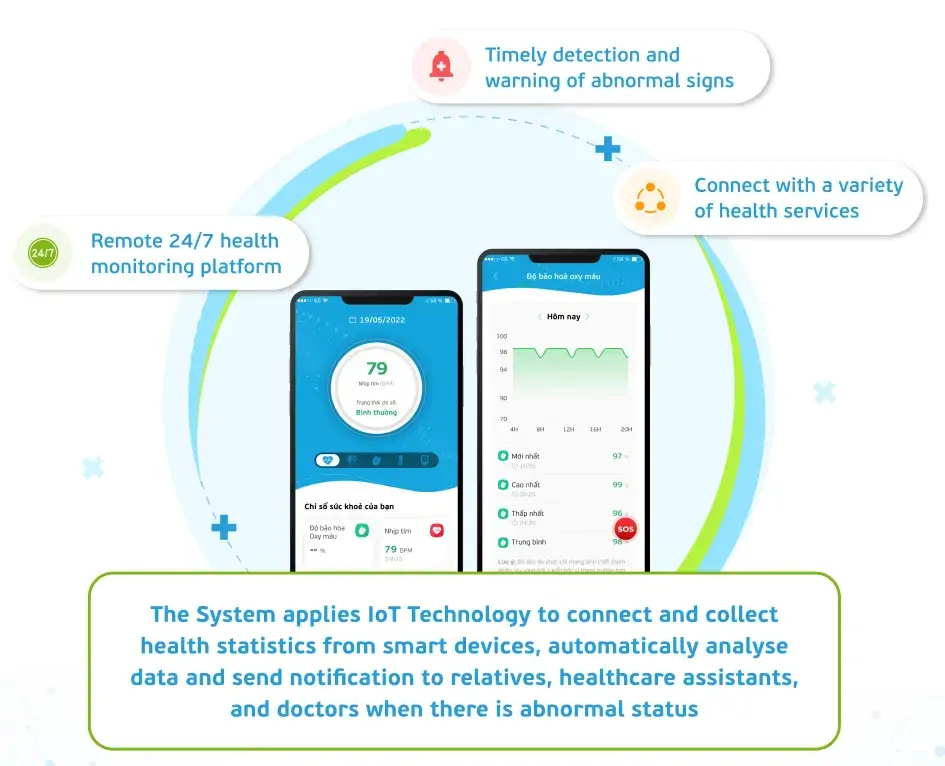
Case Study & Future Potential Case Example: Surgical Wound Follow-Up A patient recovering from abdominal surgery uses a smartphone-connected otoscope/exam camera integrated into TMA’s telehealth platform. Daily images of the incision are transmitted to the surgeon, who detects early redness indicating infection. Antibiotics are prescribed remotely, avoiding readmission. Case Example: Cardiac Surgery Recovery Post-cardiac surgery, a patient wears a 5-parameter monitor at home. Real-time ECG and BP data reveal arrhythmia within 48 hours of discharge. TMA’s alert system notifies the cardiology team immediately, leading to timely intervention and preventing severe complications. Case Example: Occupational Health in Factories Workers recovering from minor surgical procedures access TMA-powered health kiosks. Using digital otoscopes and vital monitors, they undergo daily checks without leaving the workplace. Remote physicians review the results instantly, ensuring safe return-to-work decisions. Looking forward, AI-enhanced monitoring could provide predictive insights — for example, forecasting wound infection risk based on subtle temperature or heart rate trends. This next step would transform postoperative care from reactive to proactive. Figure 1: Remote Health Monitoring Solution Clinical Implications Figure 3: Operation Model on Remote Health Monitoring Solution The evidence confirms that combining multi-parameter monitoring with digital otoscope technology enables clinical-grade postoperative care at home. For TMA Solutions, this creates a compelling opportunity to deliver: Higher efficiency through fewer unnecessary readmissions. Stronger trust by offering evidence-backed safety and accuracy. Market differentiation with AI-enhanced, integrated telehealth ecosystems. In short, TMA Solutions is well-positioned to lead the transformation of postoperative home care, offering hospitals, insurers, and patients a reliable, cost-effective, and patient-centered recovery model Research-Backed Clinical Impact Reduced Hospital Stays: Remote monitoring programs shorten postoperative stays by 16%. Fewer Readmissions: Studies show a 33% reduction in 30-day readmissions when multi-parameter monitoring is applied. Tele-ENT Accuracy: Smartphone otoscope exams achieve >85% diagnostic concordance with in-person assessments. Improved Access: Time-to-diagnosis for pediatric ear infections fell from 3–5 days to under 24 hours with home otoscopes. Patient Satisfaction: Over 90% of patients felt more confident when monitored remotely. Economic Value: Cost savings of $150–300 per avoided visit highlight strong ROI for health systems. Seamless Post-Surgical Home Care with Remote Monitoring TMA Solutions – Current Capabilities and Potential TMA Solutions, a Vietnam-based HealthTech innovator with over 15 years of expertise, is uniquely positioned to bring postoperative home care to life. Remote Health Monitoring Platform (2024) : Tracks ECG, BP, SpO₂, temperature, and activity using IoT-enabled devices, with real-time cloud analytics and emergency alerts. Telehealth Kits & Kiosks : Support otoscopes, dermatoscopes, exam cameras, and e-stethoscopes for remote ENT, dermatology, and wound care assessments. AI & Predictive Analytics : Advanced algorithms analyze subtle changes in vitals to predict complications before they escalate. Device Integration Expertise : Supports over 50+ medical devices and wearables, ensuring seamless interoperability. Patient Engagement Apps: Mobile platforms with medication reminders, symptom tracking, and lifestyle monitoring to improve adherence. While TMA does not yet market a dedicated “postoperative monitoring” product, its platforms already contain all the building blocks. By combining continuous vitals tracking with remote visual exams, TMA is capable of delivering an end-to-end postoperative monitoring solution. Figure 1: Remote Health Indicators Clinical Context – Telehealth for Postoperative Care Postoperative recovery is a critical period in patient management. Complications such as infection, bleeding, cardiovascular instability, or respiratory distress often require close monitoring. Traditionally, this meant prolonged hospital stays or frequent in-person follow-ups. However, with the rise of remote patient monitoring (RPM) and tele-examination tools , healthcare providers can now safely oversee recovery from home. Modern solutions combine multi-parameter monitoring devices with digital otoscopes and exam cameras to deliver comprehensive post-surgical oversight. Multi-parameter vital sign monitors track heart rate (ECG), blood pressure, oxygen saturation (SpO₂), temperature, and respiratory rate continuously. They transmit data via cloud platforms, alerting clinicians instantly to abnormalities such as fever, hypoxia, or arrhythmia. Digital otoscopes and tele-exam tools allow clinicians to remotely inspect incision sites, ear/throat symptoms, or skin lesions. High-definition images and live video feeds replicate the diagnostic quality of in-person exams. Together, these technologies reduce readmissions, accelerate intervention, and empower patients to recover confidently at home....
icon
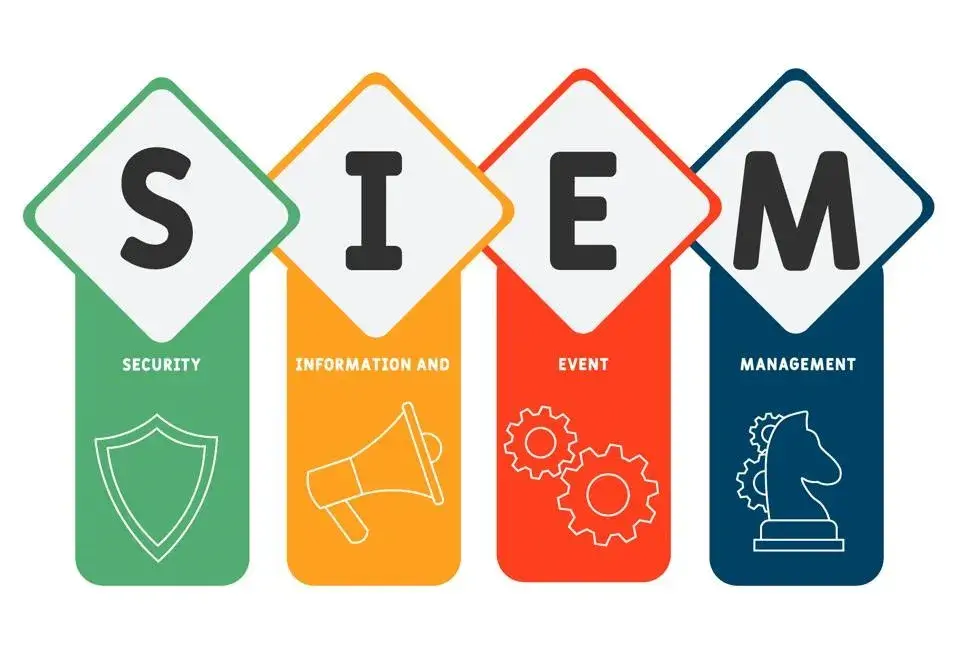
SecOps Effortless: The Next Generation SIEM Conclusion This brief research examines how AI-powered SIEM and agentic AI can transform SecOps workflows at https://www.tmasolutions.com/ TMA. It explores the shift from traditional, rule-based event management to machine-learning–driven threat detection, as well as the emerging role of autonomous AI agents that can triage alerts and execute remediation actions under human oversight. By assessing key capabilities – real-time anomaly detection, automated playbook execution, and explainability controls – this study will help https://www.tmasolutions.com/ TMA define a roadmap for piloting and measuring AI-driven security operations. Challenges and Considerations Despite the promise, several challenges must be addressed: Over-Reliance and Human Oversight: Automation creates risks if unchecked. Security experts warn that “over-reliance on AI” can create blind spots. An AI model might miss a crafty novel threat or generate a false sense of security, so human-in-the-loop workflows remain essential. Gartner explicitly cautions that there will “never be an autonomous SOC” – human analysts must guide, validate, and tune the AI. Finding the right balance between automation and human review is critical. Explainability and Trust: Many AI/ML models are “black boxes,” making it hard to understand why a decision was made. As one analysis notes, “many AI models function as a ‘black box,’ making it difficult for security teams to interpret and justify AI-driven decisions”. This lack of transparency can be problematic for compliance (e.g., auditing why an incident was flagged) and for analyst trust. SecOps teams must choose tools that offer as much explainability as possible (e.g., scoring or natural-language rationales) and maintain human review for critical decisions. Integration with Legacy Tools: SIEMs already sit at the center of a complex ecosystem. Adding new AI modules or agents requires seamless integration with existing EDR, firewall, identity, and orchestration systems. In practice, security data is often “siloed” across many tools, so organizations must carefully architect data flows. Ensuring that the AI-powered SIEM and agentic workflows can ingest logs from all sources (cloud, on-prem, endpoints) and trigger actions in existing platforms (e.g., ticketing systems, NDAs, firewalls) is a non-trivial integration challenge. Model Maintenance and Accuracy: AI models can “drift” over time if not retrained with fresh data, leading to rising false positives or missed detections. Bias in training data (e.g., neglecting certain regions or device types) can skew outcomes. Operationalizing AI in SecOps thus requires ongoing tuning, validation, and expertise, a shortage of which is common in cybersecurity. Teams must invest in the staff and processes to maintain these AI systems (data scientists, threat researchers) to sustain their benefits. In summary, AI-powered SIEM and agentic AI agents promise faster, more efficient SecOps – but they also demand careful deployment. Organizations should pilot these tools incrementally, keep humans involved, and address concerns like explainability and integration from the start. When done right, the synergy of intelligent analytics and autonomous response can dramatically strengthen an organization’s security posture, catching threats earlier and freeing analysts to tackle the most complex challenges. Benefits of an AI-Driven SecOps Combining AI-enhanced SIEM with agentic AI offers tangible gains for security teams. Key benefits include: Faster Detection and Response: AI can slash the mean time to detect and respond . McKinsey reports that organizations use AI to dramatically reduce their “mean time to detect, respond, and recover” from breaches. In practice, teams adopting AI “copilots” see incident response times drop dramatically (often 20–30% faster) because the system flags issues early and helps automate investigation steps. Reduced False Positives: By learning context and baselines, AI greatly cuts alert noise. One analysis found that AI security “copilots” cut false positives by about 70%, since the AI filters out routine events and only surfaces truly risky anomalies. This means analysts spend far less time on benign alerts and more on genuine threats. Higher SOC Efficiency and Productivity: Automated agents free up human experts. For example, teams report saving over 40 hours per week of manual triage time when using AI copilots. Gartner predicts that by 2026, SOC efficiency could improve by ~40% simply by offloading routine work to AI. In one study, junior analysts with AI assistance achieved 43% higher triage accuracy7. In short, AI handles the grunt work (log sifting, rule-checking, basic triage) so humans can focus on complex, strategic decisions. Proactive Threat Hunting: Continuous learning means the SIEM never stops improving. The AI can spot novel attack patterns – for example, flagging stealthy threats like fileless malware or insider anomalies that static rules would miss. Over time, this leads to more proactive defense. The net effect is a more resilient SecOps posture: teams detect breaches earlier, respond faster, and free up time to hunt emerging threats. AI-Powered SIEM and Agentic AI in Action By combining an AI-enhanced SIEM with agentic AI, security teams can move from detection to https://www.tmasolutions.com/technologies/ai-ml-and-data-sciences autonomous response . For example, imagine the SIEM flags a sudden spike in outbound traffic from a server (an anomaly). An agentic AI copilot could immediately jump into action: it may correlate this alert with threat feeds, realize the traffic matches a known data-exfiltration signature, and then automatically isolate the affected server from the network to contain the breach. This all could happen minutes before a human analyst even sees an alert. Example – Automated Intrusion Response: In a hypothetical attack, the SIEM identifies lateral movement (e.g., unusual connections between internal hosts). An agentic AI “analyst” would triage the alert (cross-check user behavior, process history, threat intel) and then take action: for instance, it might disable the compromised user’s credentials or block the malicious process. VentureBeat reports that modern AI systems are already “capable of real-time remediation, automated policy enforcement and integrated triage across cloud, endpoint and network domains”, exactly as in this scenario. Gartner likewise envisions AI agents working semi-autonomously to “execute tasks such as alert triage, investigation, [and] response actions” alongside human analysts. Example – Phishing and Vulnerability Response: Many SOCs deal with routine tickets like phishing reports or patch updates. An AI-powered workflow could handle these, too. For instance, Microsoft’s Security Copilot includes AI agents that automatically triage phishing alerts and suggest blocks. In practice, if the SIEM logs a suspicious email link, the agentic AI can analyze the email, determine it’s a known phishing campaign, and then quarantine the message or update firewall rules without waiting for manual review. The same applies to patching: if a vulnerability is detected, the AI copilot might prioritize it and even initiate remediation scripts. These scenarios show how an AI SIEM (for detection) and an agentic AI (for action) work together end-to-end. Microsoft Security high level workflow What Is Agentic AI ? “Agentic AI” refers to autonomous AI agents that can make decisions and take actions without direct human control. In simple terms, an agentic AI is a software “bot” or co-pilot that continually learns from data and can execute tasks on its own. As one definition explains, agentic AI “focuses on autonomous systems that can make decisions and perform tasks without human intervention”. These agents may use techniques like natural-language processing, machine learning, and especially reinforcement learning to adapt their behavior over time. In the context of SecOps, agentic AI means giving the SOC https://www.tmasolutions.com/technologies/ai-ml-and-data-sciences autonomous assistants or “AI analysts” that support the human team. Rather than passively generating reports, these agents continuously monitor the SIEM and other security tools, triage alerts, and even initiate responses on their own. An industry analysis notes that agentic AI “helps SOCs automate decision-making, adapt to evolving threats, and streamline workflows, including alert triage and incident response”. In other words, an agentic AI can act on a SIEM alert: for example, it might investigate a suspected intrusion and automatically quarantine a server if it confirms malware. These AI agents become virtual team members who can work 24/7, sifting through alerts in seconds. Major security vendors are already embedding such agents into their products – for instance, Microsoft’s new Security Copilot includes specialized AI agents for tasks like phishing triage and vulnerability remediation. A modern SOC combines human analysts with AI-driven monitoring The AI Revolution AI and machine learning are now transforming SIEM from a passive logger into an https://www.tmasolutions.com/technologies/ai-ml-and-data-sciences adaptive threat-hunting platform . Instead of relying solely on static rules, AI-powered SIEMs use statistical and ML models to learn normal system behavior and spot subtle deviations. McKinsey reports that modern AI systems “analyze vast amounts of data in real time, providing context across silos, identifying anomalies and potential breaches”. In concrete terms, an AI-enhanced SIEM might detect an unusual login pattern or a novel malware signature that a rule-based system might miss. These intelligent SIEMs also ingest https://www.tmasolutions.com/technologies/ai-ml-and-data-sciences external threat intelligence and behavioral analytics . According to industry sources, the SIEM concept has evolved to include threat feeds and behavior analytics so it can catch zero-day and polymorphic attacks3. For example, by automatically cross-referencing an alert with up-to-date lists of malicious IPs or file hashes, they can learn a user’s typical “heartbeat” so that truly unusual activity (e.g., logging in at 3 AM from an unfamiliar country) is surfaced. All these drive faster, smarter alerts. Instead of drowning analysts in noise, AI filters and prioritizes events: common activities are downranked and only high-risk anomalies trigger urgent alerts. Over time, the system tunes itself by reinforcing patterns labeled as benign or malicious, greatly cutting false alarms. Understanding SIEM in Cybersecurity SIEM (stands for Security Information and Event Management) is the technology that underpins modern SOCs by https://www.tmasolutions.com/technologies/devops collecting, aggregating, and analyzing security events across an organization. Gartner defines SIEM as systems that “support threat detection, compliance, and security incident management” by gathering logs from networks, applications, endpoints, and more. SIEM definition In practice, a SIEM acts as the SOC’s nerve center: it centralizes alerts from firewalls, servers, IDS/IPS, etc., and uses correlation rules to flag suspicious patterns. As Wikipedia notes, SIEM tools are “central to security operations centers (SOCs)” for “detecting, investigating, and responding to security incidents”. Traditional SIEMs focus on https://www.tmasolutions.com/technologies/devops logging and compliance – e.g., generating audit reports for regulations like HIPAA or PCI DSS – while using fixed-rule engines to catch known threats. They give analysts a single pane of view of all security logs so that anomalies (like dozens of failed logins or unusual data flows) don’t go unnoticed. ...
icon
Shift-Left Security in the Software Development Lifecycle The Reports McKinsey reports that companies using https://www.tmasolutions.com/services/security-application-development DevSecOps (which embodies shift-left) have ramped up from quarterly to weekly or even daily releases without raising their risk profile. Catching bugs late is costly – industry data show fixing a defect after release can be up to 30 times more expensive than catching it in design – so shift-left saves both time and money . In fact, waiting until the end forces painful “last-minute” scrambles. As CrowdStrike notes, end-of-cycle security testing often leads to rushed patches and delays. By building security in from the start, teams avoid these bottlenecks and keep projects on schedule. Figure 1. Time is gold Understanding Shift-Left Security in the SDLC Shift-left security means integrating security earlier in the development process instead of treating it as a final checkpoint. Shift-left security treats security tasks as first-class items in every phase of development. In a true DevSecOps model, “development, security, [and] operations” are integrated at every stage of the product lifecycle. Practically, this means security considerations start at planning and sprint design: teams do threat modeling and document security requirements early, just as they plan features. During coding, automated analysis tools (e.g. SonarQube for static scanning) run on each code commit to catch vulnerabilities immediately. Tasks like security review or dependency checks appear on the Kanban backlog alongside user stories. By the end of each sprint, the code meets functional requirements and passes built‑in security gates, ensuring safe and reliable releases. Figure 2 : Shift Left is about doing things earlier in the development cycle Business Benefits of Shift-Left Security The business case for shifting security left is compelling. Organizations that adopt DevSecOps practices report fewer security incidents – a recent Gartner survey found 66% of teams saw a reduction in breaches after shifting left. Teams also deploy features faster: respondents cited shorter release cycles as a key payoff. Without waiting on a separate security review, development and security teams can work in parallel, so vulnerabilities are caught during regular sprints and fixes are smaller and quicker. This tight feedback loop translates directly into cost savings and higher ROI. Recall that late fixes multiply costs: by preventing bugs early, shift-left drastically cuts rework expenses. In practice, businesses enjoy faster time-to-market and fewer emergency patches, while building trust with customers and regulators through demonstrably secure development practices. Implementing Shift-Left: Strategies and Tools Making shift-left real requires integrating security into the DevOps toolchain and workflows. For example, many teams use Jenkins pipelines on AWS , where every code commit automatically triggers security scans. Developers can plug in SonarQube (SAST) to analyze code on the fly, and run OWASP Dependency-Check, Snyk or Grype (SCA) to inspect open-source libraries. Each build can also run OWASP ZAP (DAST) against the application in a test environment to catch runtime flaws. Container images (Docker/ECS) are scanned with tools like Trivy or Grype before deployment, and Infrastructure-as-Code (e.g. Terraform) is linted by scanners like tfsec or Checkmarx. Key shift-left tools and techniques include: CI/CD platforms : Jenkins (with AWS CodePipeline or GitLab CI) to orchestrate automated security tests. Static analysis (SAST): SonarQube integrated into IDEs or build pipelines for real-time code scanning. Software Composition Analysis (SCA) : OWASP Dependency-Check, Snyk, or Grype for open-source dependency audits. Dynamic analysis (DAST) : OWASP ZAP to simulate attacks on running apps in staging. Container security : Grype/Trivy scanning Docker/ECS images before push. IaC scanning: tfsec or Checkmarx to validate Terraform/CloudFormation templates. The critical factor is visibility. Scan results and Software Bill of Materials (SBOMs) must feed directly back to developers. As CrowdStrike advises, place security findings into the web IDE or pipeline dashboard so developers can act immediately. Conclusion Market research highlights that shift-left security is moving from early adoption to mainstream practice . McKinsey reports that organizations using DevSecOps can increase release frequency from quarterly to weekly or even daily without compromising risk. Meanwhile, GitLab’s 2024 Global DevSecOps Report found that 67% of respondents said their software development lifecycle is mostly or completely automated. At TMA , we help enterprises turn these insights into action by integrating security across the CI/CD pipeline—from code scanning and SAST tools (e.g., SonarQube, Checkmarx), to container and dependency security solutions (e.g., Snyk, Grype, Dependency-Check), to runtime monitoring and cloud-native protection (e.g., AWS GuardDuty, Security Hub, CloudTrail, or equivalent services on other clouds). By combining best practices with proven tools, TMA enables business leaders to accelerate innovation while maintaining trust , compliance, and resilience in the digital economy....
icon
SIEM: Definition, Deployment and Demonstration Overview of the Wazuh Functions When you access Wazuh’s web interface, initially you will be put in the Overview tab (Figure 5). This tab shows Agents Summary, the last 24-hour alerts and the four main categories of Wazuh’s functions. Each of them can be redirected to a more detailed interactive page. The Agents Summary shows the currently active/connected Wazuh Agents. The last 24-hour alerts are listed in their quantity of each level group. The categories are Endpoint Security, Threat Intelligence, Security Operations and Cloud Security. Figure 5 – Wazuh Overview Tab As defined earlier, each device under Wazuh’s management is an endpoint. Endpoint Security has three functions: Configuration Assessment, Malware Detection and File Integrity Monitoring. Configuration Assessment evaluates each endpoint to determine if it is configured to the settings predetermined by the administrator or by a regulated standard. Malware Detection checks each endpoint for any signs or indicators of compromise caused by malware or cyber-attacks. Threat Intelligence encompasses Threat Hunting, Vulnerability Detection and MITRE ATT&CK. Threat Hunting actively parses through the alert logs to find threats while Vulnerability Detection checks each individual application for possible well-known vulnerabilities. MITRE ATT&CK on its own is an encyclopedia containing a malicious attacker’s tactics, techniques and sub-techniques based on real-world observation. Wazuh uses this library of information to map detected security events to known attacker behaviors in the MITRE framework. Security Operations allow the user to view the alert logs under the lens of its five supported standards: PCI DSS, GDPR, HIPAA, NIST 800-53 and TSC. The main goal of this section is to allow for direct compliance check of Wazuh Agents to each of these standards. Wazuh also allows for further customization and option settings of the compliance level along with additional filtering. Cloud Security helps with increasing the security of popular cloud platforms by providing in-depth monitoring for cloud platforms Docker, Amazon Web Services, Google Cloud, GitHub, and Office 365. Wazuh allows for log monitoring, instance monitoring, additional analytics with graphs and module integrations depending on the cloud platform chosen. Deployment of Wazuh Assuming the Active Directory (AD) environment has been preconfigured, there are two parts to the installation of Wazuh: the central server and the agents. The Wazuh Server component can be installed on a Linux machine using the following bash command (replace the x with the latest Wazuh version number): curl -sO https://packages.wazuh.com/4.x/wazuh-install.sh && sudo bash ./wazuh-install.sh -a After creating the necessary credentials, the Wazuh web interface can be accessed through its host’s IP address. Figure 2 – Wazuh’s Terminal Upon Logging In The Wazuh Agent needs to be installed on each individual device under the AD to be the endpoint where the Wazuh Server can pull data from. For a Windows machine, it can be easily downloaded from the official Wazuh website. After launching the installer, the Wazuh Server’s IP address needs to be added along with running the following command in the terminal for it to start: sc start WazuhSvc Figure 3 – Wazuh Agent Installer On the Domain Controller (DC), additional alerts can be sent to Wazuh by accessing the configuration file. The following command uses notepad via PowerShell to edit it: notepad ‘C:\Program Files (x86)\ossec-agent\ossec.conf’ To install the Wazuh Agent on Linux, the following commands need to be entered to download the installation file (replace the x with the latest Wazuh Agent version number): curl -sO https://packages.wazuh.com/4.x/apt/install.sh sudo bash ./install.sh After installing the agent, the Wazuh Server’s IP address needs to be entered. The following command uses nano to edit the configuration file: nano /var/ossec/etc/ossec.conf Figure 4 – Wazuh Alert Configuration File The following commands are used to start the Wazuh Agent service as well as setting it to run at boot: sudo systemctl enable wazuh-agent sudo systemctl start wazuh-agent Now the Wazuh SIEM system has been configured to start working. Popular Solutions Splunk is a commercially available solution with enterprise-grade large-scale data ingestion, analytics and visualization. It comes with an extremely powerful proprietary Splunk Search Processing Language (SPL), which allows for complex queries across massive datasets. Graylog is a SIEM with an open-source core accompanied by paid enterprise feature. This solution is for an organization that wants a seamless implementation of Elasticsearch and MongoDB while needing a simpler system with a modern web UI as well as a good plugin ecosystem provided straight from the manufacturer. Both of these solutions require a large monetary amount while not being open-sourced. Wazuh is able to solve those issues by being free for highly budget-conscious organizations without compromising any capability. It uses an agent-based architecture to collect logs and security telemetry from each endpoint. Wazuh is highly customizable but comes with a rich security rule set out of the box for fast and easy deployment. If you are looking at non-AD real-time data analytics, view this https://www.tmasolutions.com/insights/how-to-implement-real-time-data-analytics-in-your-organization TMA Solution . Definition Security Information and Event Management (SIEM) system is a combination between Security Information Management (SIM) and Security Event Management (SEM). Its goal is to collect, aggregate and analyze real-time alerted events created by devices under its management. It is very important that any scalable organization needs to have a SIEM system in their cybersecurity toolkit as it helps with consolidation of large amount of data and grasping the company’s security state. Through this grasp, it is also possible to understand the technological compliance of each device along with immediate compromise detection and efficient resolution of any arising issue. If you are looking into post-incident digital forensics, check this https://www.tmasolutions.com/insights/digital-forensics-tools-techniques-and-a-case-study-approach TMA Solution . Figure 1 – Active Directory Environment Diagram Conclusion In every AD environment, it is very important for an organization to fully grasp the current state of their security quickly and accurately. A SIEM is able to collect, aggregate and analyze these data for this purpose. Wazuh is an excellent fully-free and open-source SIEM solution that is feature-rich with vast amount of community support for this mission. Without a SIEM, it would be very difficult for any organization at any size to comprehend, let alone understand all logs and alerts from their devices. Case Study: Detecting a Kerberoasting Attack What is Kerberos and the Kerberoasting Attack? Kerberos is a third-party authentication services based on tickets. Its goal is to allow for authentication through an unsecure network. The Kerberos Architecture contains the client requesting for service access, the server hosting the services and the Key Distributing Center (KDC) consisting of the Authentication Server (AS) and the Ticket Granting Server (TGS). The AS authenticates the user initially before the TGS issues that user’s service ticket. After the authentication phase with the KDC, an authenticated user would then request for a service ticket from the TGS. Usually, the TGS would respond with the appropriate server session key and service account as asked. But an attacker that has already gained access to a domain user account, would forge a TGS Request message so that the TGS returns with all service accounts with a Service Principal Name (SPN) associated with that domain user. The attacker can now then crack for that service account password via the hash returned in the TGS Response. This is the Kerberoasting Attack . The goal of this attack is to create a pathway to access the service down the line without the need to authenticate nor interact with the KDC in any shape or form. Scenario QCK Corporation has an Active Directory environment with the domain name qck.corporation.com, which contains a Wazuh SIEM running on Amazon Linux 2023, a Windows Server 2022 working as the Domain Controller (DC), another Windows Server 2022 machine working to provide Microsoft SQL service and a Windows 10 client machine. The attacker has gained access to a regular domain user account along with the local administrator account of that Windows 10 client machine. The security team mission is to configure the DC to report its log to the Wazuh SIEM so that it can recognize and alert the Kerberoasting Attack. Configuration for Detection The first step to detecting a Kerberoasting Attack is to enable Kerberos TGS Auditing on the DC. That can be done by going into Group Policy Management > Computer Configuration > Windows Settings > Security Settings > Advanced Audit Policy Configuration > Audit Policies > Account Logon. It is recommended that both “Success” and “Failure” are selected for the logging (Figure 6). To force the Group Policy update, the administrator may run “gpupdate /force” in the Command Prompt to get the policy to the latest version as soon as possible. Figure 6 – Enabling “Audit Kerberos Service Ticket Operations” Using notepad, the ossec.conf file must be changed to ensure that the Wazuh Agent on the DC reads the Security event channel as in Figure 7. On the Wazuh Server itself, a custom rule must be added for the alert of the Kerberoasting Attack (Figure 8). Else, the alert will not show up on the Wazuh Dashboard. The final step is to restart the Wazuh Server for these configuration changes to come into effect using “sudo systemctl restart wazuh-manager”. Figure 7 – Changes to the ossec.conf File Figure 8 – Adding Custom Rules to the Wazuh Server Steps for the Attack The attacker first logs into the Windows 10 client machine via the regular domain user account and disables Windows Defender, especially important for them to turn off real-time protection. They can now launch an administrator-privileged PowerShell instance using their local administrator credential and put a copy of the Kerberoasting Master suite along with Mimikatz on said machine. The attacker starts the attacker by requesting for all service accounts with an SPN using the python script GetSPNUsers.py as in Figure 9. Figure 9 – GetSPNUsers.py in Action They have discovered that the Microsoft SQL Service account is associated with this domain user. The next step is to store the Kerberos Requestor Security Token in an object to be called upon later (Figure 10). The attacker can now export the Kerberos TGS ticket using Mimikatz (Figure 11). The attacker can now proceed to crack this ticket. In this case, they want to export it to a Kali Linux machine to perform these actions. Using a John the Ripper module called kirbi2john, the attacker is able to strip the SPN hash from the kirbi file (Figure 12). The text file containing the hash can be cracked using a dictionary attack with HashCat using the rockyou.txt word list (Figure 13 and Figure 14). Figure 10 – Storing the Kerberos Requestor Security Token Figure 11 – Mimikatz in Action Figure 12 – Kirbi2john in action Figure 13 – HashCat Command to Start the Cracking Process Figure 14 – HashCat Resulting Output Wazuh Log Output After entering the credentials for Wazuh in the Wazuh web interface, on the left-hand side, the security team can click onto the “Discover” tab to view all received logs. The rule.description field can be selected to show what that particular alert is about; they can see that “Possible Kerberoasting Attack” has been alerted (Figure 15). Figure 15 – Wazuh Alert for a Possible Kerberoasting Attack...
icon
Smart AI Agents for Client Service Final Thoughts The future of client service is here—and it’s intelligent, responsive, and endlessly scalable. Smart AI agents enable businesses to meet client expectations, reduce workload, and unlock powerful insights. By leveraging AI-powered assistants today, you position your business not only to survive but to lead in a client-centric digital era. Let https://www.tmasolutions.com/ TMA Solutions help you accelerate your AI journey and redefine client service—smarter, faster, and better than ever. Key Capabilities That Set AI Agents Apart Smart AI assistants are more than just fast responders; they’re powerful business tools. Real-Time Query Resolution: No wait times. Clients get instant answers. Context Awareness & Memory: AI remembers past interactions to create personalized experiences. Multilingual Support: Communicate fluently across global markets. Automated Ticketing & Routing: Smart categorization and faster handoffs. Seamless CRM Integration: Pull data from CRMs to offer tailored responses. Proactive Engagement: Send reminders, offers, and alerts before clients even ask. Scalability: Handle thousands of conversations at once, effortlessly. A Look at TMA Solutions’ AI Offerings At TMA Solutions , we provide https://www.tmasolutions.com/technologies/ai-ml-and-data-sciences AI Agents solutions for Enterprise that accelerate your transition to smart client service: TMA Virtual Agent Builder: Drag-and-drop platform for fast agent creation. TMA Virtual Agent Builder - Detects issues in real-time and takes autonomous action Agentic Enterprise AI Builder: Build multi-agent systems for complex support tasks. Agentic Enterprise AI Builder - Empower Business with Collaborative AI - Unlock the Power of AI Agents Human AI Assistant: Virtual human interface with realistic avatars and lip-syncing. Human AI Assistant - Livechat screen T-CRM: Seamless AI integration with your CRM and communication tools like Microsoft Teams. T-CRM, Intelligent Reporting​ with Real-time Insight Powered byAI Analytics & Power BI Integration​ Whether you’re a startup or a global enterprise, TMA’s AI solutions are built to scale with your business. Real-World Impact: Why Businesses Are Adopting AI Agents Here’s how AI-powered assistants drive real business value: 24/7 Availability: Support your clients anytime, anywhere without needing overnight staff. Cost Savings: AI agents reduce the need for large support teams, automating 70–80% of common queries. Improved Accuracy & Consistency: No more contradictory answers. AI delivers reliable, data-driven responses every time. Enhanced Client Experience: With fast, relevant, and personalized help, your clients feel heard and valued—boosting satisfaction and loyalty. Data-Driven Insights: Track behavior, uncover trends, and collect feedback—all in real time. In the era of instant gratification, clients no longer tolerate long wait times, generic responses, or clunky service processes. They expect fast, personalized, and round-the-clock support—and that’s where https://www.tmasolutions.com/technologies/ai-ml-and-data-sciences Smart AI Assistants come into play. Imagine having an always-available, tireless team member who understands client needs instantly, solves problems efficiently, and never takes a break. That’s the promise of AI-powered client service agents . From chatbots and voice assistants to complex autonomous systems, these digital helpers are revolutionizing the way businesses engage with their clients. In this blog, we’ll explore how AI agents work, their types, key capabilities, and the tangible business value they offer. The Types of AI Agents in Client Service AI assistants come in many forms, each serving different roles within the support ecosystem: What Are AI Client Service Agents? AI client service agents operate by combining advanced technologies into a seamless support engine: Natural Language Understanding: AI agents use NLP to interpret the client’s language—even if it’s casual, slang, or contains typos. They detect intent and extract relevant information to deliver meaningful responses. Machine Learning for Continuous Improvement: Through ML, these agents learn from every interaction, improving their responses and decision-making over time. This means your support only gets better the more it’s used. CRM & Database Integration: AI agents connect with CRMs, knowledge bases , and other business tools to access real-time data and offer personalized, context-aware support. Automation of Repetitive Tasks: Routine inquiries—like order tracking, password resets, or FAQs—are fully automated. AI agents can also route more complex queries to human agents with all necessary context included. Sentiment Analysis: AI agents can read the tone and emotion in a client’s message, helping to detect dissatisfaction early and escalate when necessary. ...
icon
Smart AI Assistants: Enabling Efficiency, Personalization in Business and Client Service Introducing AI in the Modern Enterprise Artificial Intelligence (AI) has rapidly transitioned from a futuristic concept, confined to research labs and science fiction, to an indispensable component of the modern business toolkit. As organizations navigate an increasingly complex and competitive digital landscape, the strategic implementation of AI has become a critical driver of operational efficiency, enhanced client satisfaction, and sustainable competitive advantage. This transformation marks a significant paradigm shift towards intelligent automation, impacting the entire business value chain. Businesses are no longer just adopting individual AI tools; they are beginning to cultivate comprehensive AI ecosystems. At the heart of this evolution are several key technological pillars. AI Virtual Assistants serve as foundational tools, augmenting human capabilities and boosting productivity by handling a variety of tasks. Building upon this, Smart AI Assistants represent a more advanced generation, equipped with sophisticated contextual understanding and learning capabilities to tackle more complex challenges. The overarching strategic deployment of these and other AI technologies is encapsulated in AI for business management, which aims to optimize overall business functions and unlock new value. A particularly visible and impactful application of this is the AI-powered Virtual Assistant for Client Service, a specialized tool that directly reshapes how companies interact with their clients and manage brand perception. These elements are not isolated solutions but interconnected components of a dynamic AI ecosystem, working synergistically to deliver transformative results. The increasing adoption of AI across these varied domains signals a fundamental move towards a more automated, intelligent, and responsive operational model for businesses worldwide. For organizations that fail to embrace this holistic view of AI, the risk of falling behind agile competitors who leverage AI for comprehensive optimization and superior client experiences becomes increasingly pronounced. AI become the next transformation in the Modern Enterprise Understanding Virtual and Smart Assistants for Business Transformation To effectively harness the power of AI, businesses must first understand the core tools at their disposal. While often used interchangeably, terms like "AI Virtual Assistants" and "Smart AI Assistants" carry distinct capabilities and applications, especially within the context of comprehensive AI for business management. AI Virtual Assistants are fundamentally AI-driven tools engineered to comprehend and act upon human requests, whether delivered verbally or in writing. Their primary function is to automate tasks and furnish information, thereby alleviating the burden of repetitive duties on human employees. This allows personnel to redirect their focus towards more strategic, high-value activities that demand human ingenuity and critical thinking. The next tier in this evolution is represented by Smart AI Assistants. These are more advanced software applications that leverage a suite of AI technologies, including sophisticated Natural Language Processing (NLP) and Machine Learning (ML), to understand natural language with greater nuance, process complex commands, and execute tasks with a superior degree of contextual awareness and adaptive learning. A defining characteristic of Smart AI Assistants is their capacity for continuous improvement; they learn from each user interaction, progressively refining their performance and accuracy over time. Smart AI Assistants in the Modern Enterprise The strategic framework guiding the deployment of these tools is AI for business management. This involves the methodical application of AI technologies, such as machine learning and natural language processing, to optimize a wide array of business functions, enhance employee productivity, and ultimately drive substantial business value. It is the 'why' and 'how' behind the integration of AI tools into the organizational fabric. The remarkable capabilities of these assistants are powered by several key technologies: Natural Language Processing (NLP): This enables machines to understand, interpret, and generate human language, facilitating natural and intuitive interactions between users and AI systems. Advanced NLP models, such as GPT-4, have significantly enhanced the conversational abilities of modern assistants. Machine Learning (ML): ML algorithms allow AI systems to learn from vast datasets without being explicitly programmed for each specific task. This enables them to identify patterns, make predictions, and improve their performance over time through experience. Large Language Models (LLMs) & Generative AI: LLMs are a type of ML model trained on massive amounts of text data, enabling them to understand and generate remarkably human-like text and engage in complex conversations. Generative AI, often powered by LLMs, can create new content, from text to images. The progression from basic AI Virtual Assistants to more sophisticated Smart AI Assistants is a direct result of these underlying technological advancements. As NLP becomes more nuanced, ML algorithms become more powerful, and LLMs more capable, the "smartness" of AI assistants increases, allowing them to handle a wider range of complex tasks, understand context more deeply, and learn more effectively. This technological maturation significantly expands the potential applications and transformative impact of AI for business management and enhances the effectiveness of specialized tools like the AI-powered Virtual Assistant for Client Service. Consequently, businesses evaluating AI solutions should recognize that not all assistants offer the same level of sophistication; investing in Smart AI Assistants powered by modern AI architectures generally yields a greater potential for profound business impact compared to simpler, often rule-based, virtual assistants. Key Assistant Types and Their Business Roles The Strategic Role of the AI-Powered Virtual Assistant for Client Service In an era where client experience is a key differentiator, the AI-powered Virtual Assistant for Client Service has emerged as a pivotal technology. These intelligent software programs, leveraging AI disciplines like Natural Language Processing (NLP), Machine Learning (ML), and sometimes Robotic Process Automation (RPA), are designed to interact seamlessly with clients, address their inquiries, and facilitate service requests effectively. Their capabilities extend far beyond simple FAQ bots, enabling them to manage a diverse array of client service tasks, from answering common questions to guiding users through intricate processes and even offering personalized product recommendations. The deployment of an AI-powered Virtual Assistant for Client Service brings a multitude of benefits that directly enhance client interactions and overall business performance: 24/7 Availability & Instant Support: One of the most significant advantages is the ability to provide continuous client assistance, irrespective of business hours or geographical time zones. This round-the-clock availability drastically reduces client wait times and ensures that support is accessible whenever needed, a factor highly valued by modern consumers. Efficient Query Resolution: These assistants excel at handling a high volume of routine inquiries, with some systems capable of resolving up to 80% of common client questions without human intervention. They can also troubleshoot frequently encountered issues, thereby freeing up human agents to concentrate on more complex, nuanced, or sensitive client problems that require a human touch. Personalized Client Interactions: By leveraging client data, including past purchase history, browsing behavior, and stated preferences, AI-powered Virtual Assistants can deliver highly tailored support and engagement. This personalization can manifest as relevant product recommendations, customized advice, or interactions that acknowledge the client's unique relationship with the brand, fostering stronger engagement and trust. Omnichannel Consistency: Modern clients interact with businesses across multiple touchpoints, such as websites, mobile applications, social media platforms, and messaging apps. AI-powered Virtual Assistants can provide a consistent and coherent support experience across all these channels, ensuring that clients receive uninterrupted service regardless of their preferred mode of interaction. Scalability: During peak periods, such as holiday seasons or product launches, client inquiry volumes can surge dramatically. AI assistants can handle these spikes by managing thousands of interactions simultaneously without a proportional increase in operational costs or a decline in service quality. Cost Reduction: The automation of routine client service tasks naturally leads to reduced operational costs. Businesses can manage larger volumes of client interactions with leaner support teams, optimizing labor expenses without compromising service availability or quality. Data Collection and Insights: Every interaction an AI-powered Virtual Assistant has with a client is a potential source of valuable data. These systems can collect information on common pain points, frequently asked questions, client sentiment, and emerging trends, providing rich insights that can be used to improve products, services, and overall client service strategies. The advanced capabilities of today's AI-powered Virtual Assistant for Client Service enable it to go far beyond the limitations of traditional chatbots. They can understand the context of a conversation, accurately interpret client intent, and engage in more intricate problem-solving scenarios. Seamless integration with CRM systems and other backend business applications allows them to access real-time client data and provide accurate, up-to-the-minute information, further streamlining the support process. Some assistants are also equipped with speech recognition and synthesis technologies, enabling natural voice-based interactions. Client Service powered by Smart Virtual Assistant Initially, the adoption of AI in client service was often driven by the pursuit of cost savings and operational efficiency. However, the technology has matured to a point where its strategic value extends far beyond these initial benefits. The capacity for deep personalization, informed by sophisticated data analysis and machine learning, coupled with the potential for proactive engagement—anticipating client needs or potential issues before they arise—positions the AI-powered Virtual Assistant for Client Service as a powerful engine for building client loyalty and driving revenue. For instance, Sephora's virtual assistant contributed to a 30% increase in average order value through personalized recommendations. This shift indicates that businesses viewing their client service AI solely as a deflection or cost-cutting tool are overlooking a significant opportunity. The true, enduring value lies in leveraging this technology to cultivate stronger, more profitable, and more satisfying client relationships, making client experience enhancement a primary objective. How AI Virtual Assistants and Smart AI Assistants Drive Effective Business Management The integration of AI Virtual Assistants and Smart AI Assistants into the strategic framework of AI for business management is fundamentally reshaping how organizations approach internal operations, leading to substantial gains in efficiency, productivity, and informed decision-making. A primary contribution of these AI tools is the automation of repetitive and time-consuming tasks. Activities such as data entry, appointment scheduling, document verification, and transcribing phone calls, which traditionally consume significant human hours, can be efficiently handled by AI assistants. This automation not only frees up human capital to concentrate on more complex, creative, and strategic endeavors but also offers tangible benefits like a reduction in human error and the provision of 24/7 operational capacity for these tasks. The ability of AI Virtual Assistants to work around the clock without fatigue ensures continuous progress on routine processes, a feat unattainable by human counterparts. This offloading of mundane work directly translates into enhanced productivity and efficiency across various departments. Employees, unburdened by tedious administrative duties, can dedicate more time and cognitive resources to tasks that drive innovation and growth. Some reports indicate that AI assistants can make employees up to 66% more productive by streamlining routine processes. The application of AI for business management through these intelligent assistants spans multiple departments: Sales Acceleration: Smart AI Assistants can significantly boost sales team performance by automating lead research, updating Client Relationship Management (CRM) systems with interaction data, generating meeting summaries, drafting follow-up emails, and even providing sales representatives with real-time insights during deals. Microsoft, for example, saw a 40% increase in client interaction time and lead conversions after equipping its sales team with an AI assistant that provided insights into client needs. HR Simplification: In Human Resources, AI Virtual Assistants streamline processes like new employee onboarding by automatically sharing essential documents and company policies. They can also serve as a 24/7 resource for employees, answering frequently asked questions about benefits or leave policies, thus reducing the workload on HR professionals. IT Support Automation: AI-powered assistants are increasingly used to resolve common IT support tickets automatically, guide users through basic troubleshooting steps, and monitor system health proactively, alerting IT staff to potential issues before they escalate. This leads to faster resolution times and improved employee satisfaction with IT services. Project Management: Specialized Smart AI Assistants, such as Motion, aid project managers in planning work, allocating resources effectively, automating to-do lists, and adapting to shifting priorities by automatically scheduling tasks based on deadlines and team availability. Financial Data Analysis: While requiring careful oversight and verification, particularly for complex or sensitive tasks, AI Virtual Assistants can assist in financial operations by performing tasks like calculating financial ratios in bulk or identifying trends within large datasets, offering speed and potential insights. Beyond task automation, Smart AI Assistants play a crucial role in improving decision-making processes. By integrating with business intelligence tools and CRM systems, these assistants can analyze vast quantities of data to identify operational bottlenecks, spot emerging market trends, and generate comprehensive reports. This capability empowers leaders to make more informed, data-driven strategic decisions, moving away from intuition-based choices towards evidence-backed strategies. Why Business Management Smart AI Assistants The true transformative potential of AI for business management is realized when Smart AI Assistants transcend isolated task automation and become deeply embedded within core business workflows and enterprise systems, such as CRM and Enterprise Resource Planning (ERP) platforms. This deep integration facilitates a continuous intelligence loop, where assistants can access, process, and act upon comprehensive business data. For instance, an AI assistant integrated with a CRM can not only automate data entry but also leverage historical client data to personalize communications or predict future needs. This systemic integration is what elevates AI from a mere efficiency tool to a strategic asset that drives profound operational improvements and insightful decision-making. Businesses aiming to maximize their AI investments should therefore prioritize solutions offering robust integration capabilities, fostering an interconnected AI fabric rather than a collection of disparate tools. Leveraging T-VA (TMA Virtual Assistant) to Build, Scale, and Govern Smart AI Assistants The development and deployment of sophisticated Smart AI Assistants require robust platforms that simplify the complexities involved. "T-VA" (TMA Virtual Assistant) represents a comprehensive solution for organizations looking to harness the full potential of AI-driven assistance. TMA Virtual Assistant Builder Building with Advanced Tools: T-VA can provide a suite of development tools, pre-built models, and APIs that accelerate the creation of custom Smart AI Assistants. This might include intuitive drag-and-drop interfaces for designing conversational flows, NLP engines for understanding user intent, and integration capabilities with existing enterprise systems. This allows businesses to tailor assistants to specific industry needs and unique business processes, moving beyond generic solutions. Scaling for Growth and Demand: As a business grows, so does the demand on its operational and client service capacities. T-VA is often designed with scalability in mind, enabling Smart AI Assistants to handle increasing volumes of interactions and data without a proportional increase in underlying costs or a decrease in performance. This could involve cloud-native architectures, load balancing, and efficient resource management, ensuring the assistants remain responsive and effective as the user base expands. Drag-and-drop Smart Client Service Workflow Governing for Trust and Compliance: With the increasing sophistication of AI, governance becomes paramount. T-VA can incorporate features for robust governance of Smart AI Assistants. This includes tools for monitoring assistant performance, managing access controls, ensuring data privacy and security (e.g., GDPR, HIPAA compliance), and maintaining audit trails of interactions. Effective governance builds trust with users and ensures that the AI assistants operate ethically and within regulatory boundaries. It also allows for version control and systematic updates, ensuring the assistants evolve responsibly. By utilizing a platform like T-VA, businesses can streamline the entire lifecycle of their Smart AI Assistants, from initial conception and development to deployment, ongoing management, and future enhancements, ensuring they remain powerful, reliable, and secure assets. How Smart AI Assistants Create Synergy Between Business Management and Client Service The true potential of an enterprise AI strategy is unlocked when Smart AI Assistants bridge the gap between internal AI for business management and external AI-powered Virtual Assistant for Client Service operations. This synergy creates a unified front, where data and insights flow seamlessly between domains, fostering holistic business improvement and a more responsive, client-centric organization. Historically, internal operational data and client service interaction data often resided in separate silos, limiting the ability to derive comprehensive insights. Smart AI Assistants, particularly when integrated across the enterprise and deeply embedded within systems like Client Relationship Management (CRM) platforms, can dismantle these barriers. The CRM, enhanced by AI, often becomes the central nervous system, collating and processing both operational and client-facing data. Smart AI Virtual Assistant in Business and Client Service This integration facilitates a powerful feedback loop. Insights gathered by the AI-powered Virtual Assistant for Client Service—such as frequently reported issues, evolving client preferences, product feedback, and real-time sentiment analysis—become invaluable intelligence for broader business strategy. This client-generated data, when analyzed by AI for business management systems, can: Inform Product Development and Service Enhancements: Identifying recurring client pain points or desired features can directly guide R&D efforts and service improvements, leading to offerings that better meet market needs. Optimize Marketing Campaigns and Sales Strategies: Understanding client sentiment, preferences, and behavior allows for more targeted and effective marketing messages and sales approaches, improving conversion rates and client acquisition. Identify Operational Bottlenecks: Client complaints or service delays can often signal underlying inefficiencies in internal processes. AI can help pinpoint these operational bottlenecks that negatively impact the client experience. Conversely, enhancements in internal operations, driven by AI for business management, yield direct benefits for client service. For example, if a Smart AI Assistant optimizes inventory management and supply chain logistics, the AI-powered Virtual Assistant for Client Service can provide clients with more accurate product availability information and reliable delivery estimates. Streamlined internal communication and workflows mean that when human intervention is required for a client issue, agents are better equipped with information and internal support, leading to faster and more effective resolutions. The AI itself benefits from this unified approach through continuous learning. AI models utilize feedback loops where data from client interactions is fed back not only to refine the client service AI but also to inform and improve the AI models governing business processes. This creates a virtuous cycle: better client insights lead to improved operations, which in turn lead to better client experiences, and all these interactions provide new data for the AI to learn from and adapt further. The most advanced AI deployments foster a symbiotic relationship where AI for business management and the AI-powered Virtual Assistant for Client Service are not merely integrated but actively co-evolve. This co-evolution is powered by a shared data and intelligence ecosystem, often orchestrated by sophisticated Smart AI Assistants functioning within a robust CRM framework. It's not a one-way flow of information; rather, it's a dynamic system where internal operational changes influence client interactions, and client feedback shapes operational adjustments, with AI learning and adapting across the entire spectrum. This holistic optimization, driven by an interconnected AI "brain," allows businesses to become more agile, responsive, and intelligent. Achieving this level of synergy requires a strategic, top-down approach to AI implementation, emphasizing strong data governance, inter-system connectivity, and a commitment to breaking down traditional departmental silos....

icon
Core technologies of TMA Solutions TMA Solutions leverages advanced technologies to deliver a state-of-the-art smart camera solution that meets the diverse needs of modern businesses. By combining a variety of powerful frameworks, sophisticated AI models, and cutting-edge Edge and Cloud AI technologies, TMA Solutions provides a comprehensive and highly adaptable surveillance and monitoring system. Below is an overview of the core technologies that power our TMA Solutions’ smart camera. Frameworks TMA Solutions utilizes a suite of robust frameworks that are fundamental to developing and optimizing smart camera functionalities: OpenCV: A versatile library for computer vision tasks, OpenCV enables real-time image processing, which is essential for rapid response in security and monitoring applications. Scikit-image: This Python library is used for image processing and supports a range of algorithms that enhance the analysis and understanding of images captured by smart cameras. Pillow: A powerful image processing library, Pillow is employed to manage and manipulate images efficiently within TMA Solutions’ smart camera. TensorFlow & Keras: These deep learning frameworks are pivotal in training and deploying AI models for object detection, image classification, and more, ensuring that our smart cameras can perform complex tasks with high accuracy. PyTorch: Known for its flexibility and efficiency, PyTorch is used for developing custom AI models, especially in research and development projects, allowing TMA Solutions to stay at the forefront of innovation. TMA Solution uses strong frameworks such as Keras, Tensorflow, Pytorch Model types TMA Solutions’ smart camera is equipped with a variety of AI models, each designed to address specific tasks and challenges: Object Detection: Identifies and locates objects within a scene, enabling the camera to detect intruders, monitor inventory, or analyze traffic patterns. Image Classification: Categorizes images into predefined classes, which is useful for sorting and analyzing large volumes of visual data. Image Segmentation: Divides images into segments for more detailed analysis, such as isolating defective parts on a production line or identifying specific areas in medical imaging. Pose Estimation: Tracks human movement and posture, valuable for applications in security, healthcare, and workplace safety. Image Captioning: Automatically generates descriptive text for images, facilitating better data management and reporting. Style Transfer: Applies artistic styles to images, useful in creative industries and marketing applications. Super Resolution: Enhances the quality of images, making it possible to extract more detail from low-resolution footage. Smart camera is powered by a range of AI models, each tailored to handle specific tasks and challenges effectively Cloud AI For scalable and powerful AI processing, TMA Solutions integrates cloud-based technologies into Smart Camera: AWS Rekognition: Provides image and video analysis capabilities, such as facial recognition and object detection, enabling advanced security features and analytics. AWS Kinesis: Manages real-time video stream processing, essential for monitoring and responding to live surveillance feeds. Azure Cognitive Service: Offers a suite of AI services that can be integrated into smart cameras, including facial recognition, sentiment analysis, and more. GCP AutoML Vision: Allows for the custom training of AI models, enabling the Smart Camera to be tailored to specific business needs. Cloud AI makes smart camera solutions more powerful Edge AI TMA Solutions incorporates Edge AI technologies to process data locally on devices, ensuring faster response times and reduced bandwidth usage: TensorFlow Lite & PyTorch Mobile: These lightweight versions of popular frameworks allow AI models to run efficiently on mobile and edge devices, enabling real-time decision-making. OpenVINO: Optimizes AI inference on Intel hardware, crucial for deploying AI-powered smart cameras in industrial and enterprise environments. NVIDIA Jetson: A platform for AI computing on the edge, NVIDIA Jetson supports the deployment of sophisticated AI models directly on smart cameras, enhancing their capabilities in the field. Edge Impulse: Focuses on developing and deploying machine learning models on edge devices, making it ideal for IoT applications within the smart camera ecosystem. Caffe 2 & MXNet: These frameworks support deep learning at the edge, ensuring that smart cameras can perform complex tasks without relying on cloud resources. TMA Solutions incorporates Edge AI technologies to process data locally on devices TMA's smart camera solution represents a significant leap forward in surveillance technology, offering a versatile platform for businesses to enhance security, optimize operations, and unlock new opportunities. Whether you are concerned with safeguarding your premises, ensuring product quality, or improving client engagement, TMA Solutions provides the tools and intelligence needed to achieve your goals. In today’s increasingly complex and interconnected world, security, efficiency, and data-driven insights are paramount for businesses of all sizes. /insights/smart-camera-solution#smart_camera_solution Smart camera solutions offer a powerful tool to address these challenges. By combining advanced hardware with intelligent software, these systems are revolutionizing the way we monitor, analyze, and leverage visual data. Ready to unlock the potential of smart cameras for your business? Keep reading. Smart camera solution capabilities In today’s fast-paced tech environment, robust surveillance is more crucial than ever. Business owners now realize that having numerous security cameras isn't enough; they must also be effectively managed, upgraded with the latest technology, and protected against threats. The smart camera solution meets these needs by offering comprehensive capabilities to optimize the performance, functionality, and security of your surveillance systems. Global Smart Camera Market is projected to grow at a CAGR of 9.17% from 2024 to 2029 Centrally manage various security cameras In the process of establishing a surveillance or security camera system, it’s typical to add cameras incrementally as needs arise. As the number of cameras increases, decisions are often made based on factors such as cost, performance requirements, and ease of installation. This can lead to a diverse array of systems that are managed separately, making them vulnerable to various incidents and inefficiencies. The ongoing challenge of maintaining security across an expanding network of cameras highlights the need for centralized management. The smart camera solution addresses this issue by enabling the centralized control of different types of surveillance and security cameras simultaneously. The system supports a range of communication protocols, including IPv4, IPv6, HTTP, HTTPS, DHCP, RTP/RTCP, RTSP, and SRTP, and is fully compatible with the ONVIF (Open Network Video Interface Forum) standard. Additionally, this solution offers a flexible layout for viewing camera streams concurrently, ensuring efficient monitoring and management. Smart camera solution can monitor multiple camera feeds at the same time Transform general cameras into AI-enabled cameras The integration of smart camera solutions allows for the enhancement of conventional cameras into AI-enabled devices. By leveraging deep learning algorithms, these upgraded AI cameras can address challenges that traditional surveillance systems cannot, offering advanced capabilities that extend beyond standard monitoring. Transforming your standard cameras into AI cameras unlocks a spectrum of possibilities, providing valuable insights, automation, and heightened security across various industries and applications. This transformation not only enhances the effectiveness of your surveillance system but also enables it to adapt to the evolving needs of modern security. Smart camera with AI power for enhanced security and monitoring Enhance the security of video streaming To ensure the highest level of security for video streams, particularly when handling sensitive data, robust encryption technologies are employed. This encryption prevents unauthorized access and interception, safeguarding the integrity and confidentiality of your video streams. By enhancing the security of your video content, you can maintain the trust and safety of your surveillance operations, ensuring that sensitive information remains protected at all times. Robust encryption safeguards sensitive video data from unauthorized access What can you do with the smart camera solution of TMA? TMA Solutions, a leader in AI, machine learning, and data sciences, offers a cutting-edge smart camera solution designed to address a wide range of business needs. By integrating advanced AI capabilities into your surveillance systems, TMA Solutions’ smart camera enables enhanced security, quality assurance, and operational efficiency across various sectors. Below are the key applications of this solution. Face recognition and facial expression analysis TMA solution’s smart cameras excel in face recognition, identifying individuals in real-time, even in crowded or dynamic environments. Beyond simple recognition, the system can analyze facial expressions, providing insights into client satisfaction, employee engagement, and other critical emotional metrics. TMA Enhanced Facial Recognition and Expression Analysis with Smart AI Camera Personal protective equipment (PPE) detection Ensuring workplace safety is paramount. TMA's smart cameras automatically detect the presence or absence of PPE, such as helmets, gloves, and vests, alerting management to non-compliance in real-time. This feature helps maintain high safety standards and reduces the risk of workplace accidents. Advanced PPE Detection Using Smart AI Camera by TMA Solution People in restricted areas TMA’s smart camera solution monitors restricted areas and instantly detects unauthorized personnel. This ensures that only authorized individuals have access to sensitive zones, thereby safeguarding your assets and information. TMA’s smart camera detects and monitors unauthorized access in restricted zones Weapon detection In environments where security is critical, the ability to detect weapons early can prevent potential threats. TMA's smart camera system can identify weapons in real-time, allowing for swift and appropriate action to be taken to neutralize the threat. TMA's Smart Camera System Detects Weapons Instantly, Prevents Threats Violation detection Whether it’s a breach of protocol or a traffic violation, smart cameras are equipped to detect and alert you to various types of violations. This feature is particularly useful in maintaining order and enforcing company policies. TMA's Smart Camera System Detects Traffic Violations Instantly, Ensuring Road Safety And Compliance. Defect detection For manufacturing and production environments, detecting defects early in the process is essential to maintaining quality standards. Smart cameras can identify imperfections or anomalies in products, ensuring that only the highest quality items reach your clients. Age and gender prediction Understanding your client demographics is essential for targeted marketing and client service. Smart cameras can estimate the age and gender of individuals, providing valuable data for business strategies and client profiling. Smart AI cameras can help to predict the age and gender of individuals Trespassing and vandalism detection Protecting your premises from unauthorized entry and vandalism is vital. TMA’s smart cameras are designed to detect and alert you to trespassing and vandalism attempts, ensuring timely intervention and reducing potential damage. TMA's smart camera system detects trespassing and vandalism in real-time, preventing security breaches Parking lot detection Managing parking spaces efficiently is crucial, especially in urban settings. TMA’s solution offers parking lot detection, helping to monitor available spaces, manage traffic flow, and even detect unauthorized vehicles. TMA’s smart camera can detect parking spaces, manage traffic and prevent unauthorized vehicles Crowd detection In public spaces or event venues, crowd management is crucial. TMA’s solution provides real-time crowd detection, helping you monitor crowd density, manage flow, and ensure safety during large gatherings. TMA’s smart camera detects crowd density, manages foot traffic, and prevents unauthorized access Children and pet detection For businesses such as schools, daycares, or pet care facilities, monitoring the safety of children and pets is paramount. Smart cameras can detect and track children and pets, ensuring they remain within designated areas and alerting you to potential safety risks. TMA’s AI camera detects the presence of children and pets, ensuring safety and preventing unauthorized area access Truck monitoring For logistics and transportation sectors, monitoring trucks is essential for operational efficiency. TMA’s smart cameras can track truck movements, monitor loading and unloading processes, and ensure compliance with safety regulations. Intelligent Truck Monitoring System With Smart AI Camera by TMA solution License plate recognition Managing access and security in parking lots or gated communities is streamlined with license plate recognition features. The system can identify and log license plates, granting or restricting access automatically and maintaining a record for security purposes. Smart camera system instantly recognizes license plates to enhance security >> For more insights about smart cameras, check out this PDF file here: Source: David J. Brady et al., "Smart Cameras," arXiv preprint arXiv:2002.04705, February 2020. Smart Cameras Solution Maximizing Security and Efficiency: The Power of Smart Camera Solution...