Clinical Context – Telehealth for Postoperative Care
Postoperative recovery is a critical period in patient management. Complications such as infection, bleeding, cardiovascular instability, or respiratory distress often require close monitoring. Traditionally, this meant prolonged hospital stays or frequent in-person follow-ups. However, with the rise of remote patient monitoring (RPM) and tele-examination tools, healthcare providers can now safely oversee recovery from home.
Modern solutions combine multi-parameter monitoring devices with digital otoscopes and exam cameras to deliver comprehensive post-surgical oversight.
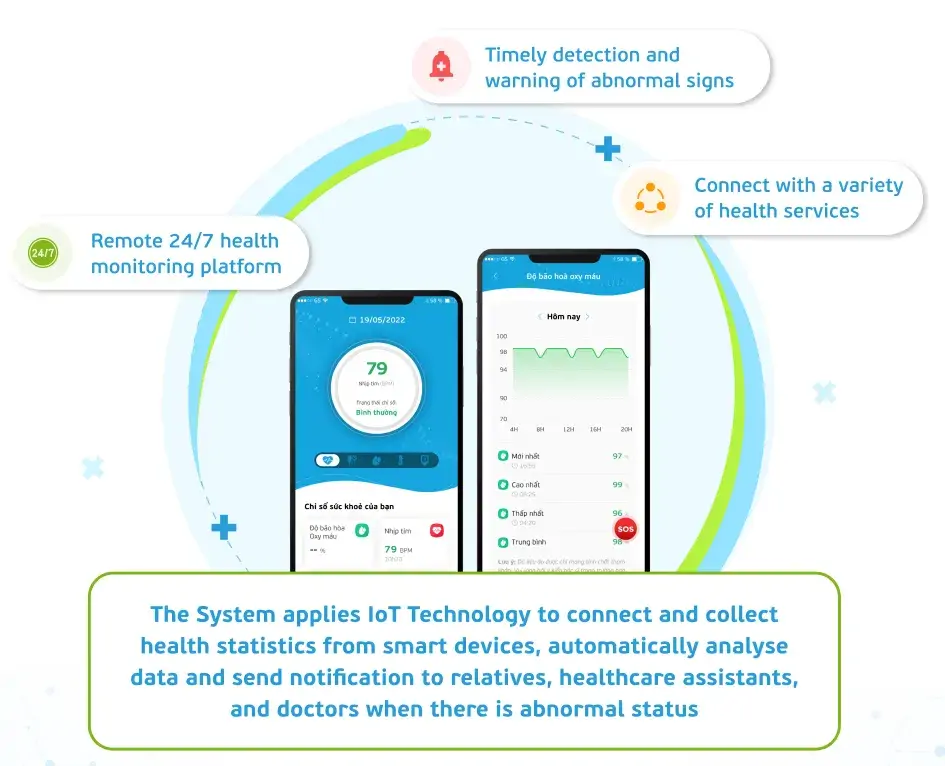
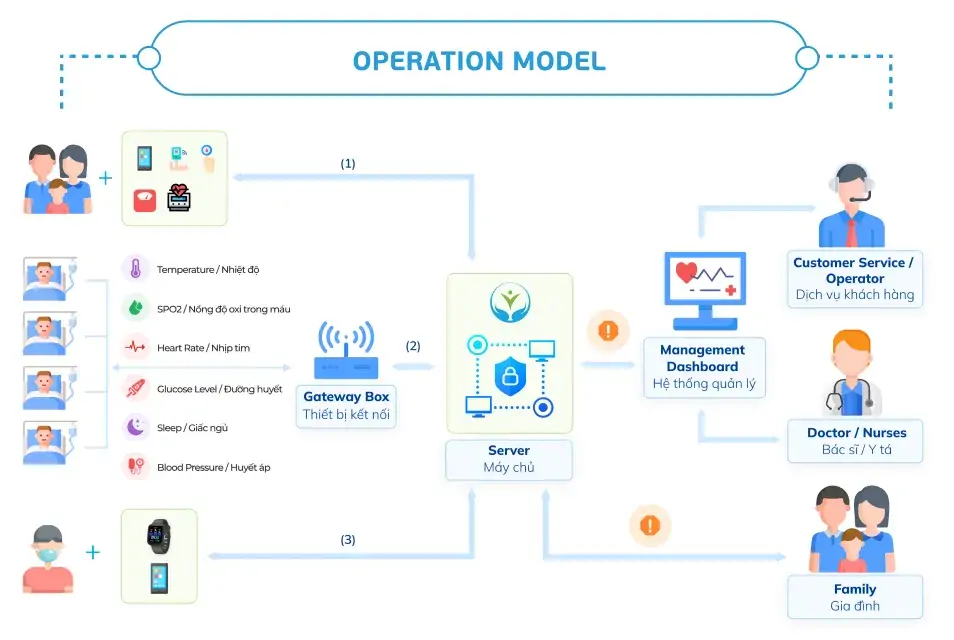
- Multi-parameter vital sign monitors track heart rate (ECG), blood pressure, oxygen saturation (SpO₂), temperature, and respiratory rate continuously. They transmit data via cloud platforms, alerting clinicians instantly to abnormalities such as fever, hypoxia, or arrhythmia.
- Digital otoscopes and tele-exam tools allow clinicians to remotely inspect incision sites, ear/throat symptoms, or skin lesions. High-definition images and live video feeds replicate the diagnostic quality of in-person exams.
Together, these technologies reduce readmissions, accelerate intervention, and empower patients to recover confidently at home.
TMA Solutions – Current Capabilities and Potential
TMA Solutions, a Vietnam-based HealthTech innovator with over 15 years of expertise, is uniquely positioned to bring postoperative home care to life.
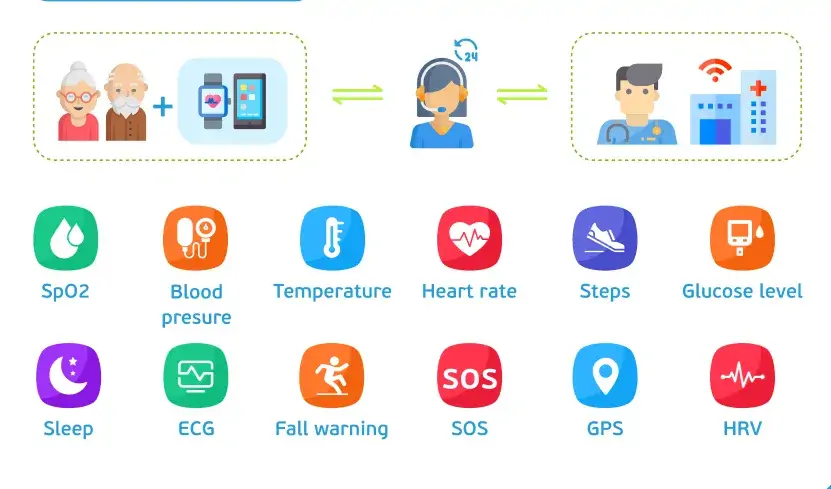
- Remote Health Monitoring Platform (2024): Tracks ECG, BP, SpO₂, temperature, and activity using IoT-enabled devices, with real-time cloud analytics and emergency alerts.
- Telehealth Kits & Kiosks: Support otoscopes, dermatoscopes, exam cameras, and e-stethoscopes for remote ENT, dermatology, and wound care assessments.
- AI & Predictive Analytics: Advanced algorithms analyze subtle changes in vitals to predict complications before they escalate.
- Device Integration Expertise: Supports over 50+ medical devices and wearables, ensuring seamless interoperability.
- Patient Engagement Apps: Mobile platforms with medication reminders, symptom tracking, and lifestyle monitoring to improve adherence.
👉 While TMA does not yet market a dedicated “postoperative monitoring” product, its platforms already contain all the building blocks. By combining continuous vitals tracking with remote visual exams, TMA is capable of delivering an end-to-end postoperative monitoring solution.
Case Study & Future Potential
Case Example: Surgical Wound Follow-Up
A patient recovering from abdominal surgery uses a smartphone-connected otoscope/exam camera integrated into TMA’s telehealth platform. Daily images of the incision are transmitted to the surgeon, who detects early redness indicating infection. Antibiotics are prescribed remotely, avoiding readmission.
Case Example: Cardiac Surgery Recovery
Post-cardiac surgery, a patient wears a 5-parameter monitor at home. Real-time ECG and BP data reveal arrhythmia within 48 hours of discharge. TMA’s alert system notifies the cardiology team immediately, leading to timely intervention and preventing severe complications.
Case Example: Occupational Health in Factories
Workers recovering from minor surgical procedures access TMA-powered health kiosks. Using digital otoscopes and vital monitors, they undergo daily checks without leaving the workplace. Remote physicians review the results instantly, ensuring safe return-to-work decisions.
Looking forward, AI-enhanced monitoring could provide predictive insights — for example, forecasting wound infection risk based on subtle temperature or heart rate trends. This next step would transform postoperative care from reactive to proactive.
Research-Backed Clinical Impact
- Reduced Hospital Stays: Remote monitoring programs shorten postoperative stays by 16%.
- Fewer Readmissions: Studies show a 33% reduction in 30-day readmissions when multi-parameter monitoring is applied.
- Tele-ENT Accuracy: Smartphone otoscope exams achieve >85% diagnostic concordance with in-person assessments.
- Improved Access: Time-to-diagnosis for pediatric ear infections fell from 3–5 days to under 24 hours with home otoscopes.
- Patient Satisfaction: Over 90% of patients felt more confident when monitored remotely.
- Economic Value: Cost savings of $150–300 per avoided visit highlight strong ROI for health systems.
Clinical Implications
The evidence confirms that combining multi-parameter monitoring with digital otoscope technology enables clinical-grade postoperative care at home. For TMA Solutions, this creates a compelling opportunity to deliver:
- Higher efficiency through fewer unnecessary readmissions.
- Stronger trust by offering evidence-backed safety and accuracy.
- Market differentiation with AI-enhanced, integrated telehealth ecosystems.
In short, TMA Solutions is well-positioned to lead the transformation of postoperative home care, offering hospitals, insurers, and patients a reliable, cost-effective, and patient-centered recovery model


.webp_2026-10-01-18-27-07-971.webp)
.webp_2026-10-01-18-17-11-290.webp)
.webp_2026-10-01-18-08-26-854.webp)
.webp_2026-10-01-17-47-32-240.webp)